


The world’s oceans harbor some of the most magnificent creatures on our planet—behemoths that, despite their size, often remain mysterious to us land-dwellers. These marine giants are not just impressive because of their dimensions; they play crucial roles in maintaining the health and balance of marine ecosystems. From the depths of the abyssal plains to coastal waters, these ocean leviathans influence everything from nutrient cycling to food web dynamics. Their behaviors, feeding patterns, and even their deaths contribute significantly to marine biodiversity and ecosystem resilience. Let’s dive into the fascinating world of these 15 ocean giants and discover how they shape the seas that cover over 70% of our planet.
12. Blue Whale The Ultimate Ocean Engineer

As the largest animal to have ever existed on Earth, the blue whale (Balaenoptera musculus) holds an unmatched position in marine ecosystems. Weighing up to 200 tons and stretching to lengths of 100 feet, these magnificent mammals consume up to 4 tons of krill daily during feeding season. This massive consumption helps regulate krill populations, preventing potential ecosystem imbalances. Research published in Nature in 2021 revealed that blue whales’ feeding behaviors create a phenomenon known as “whale pumps”—their vertical movements distribute nutrients throughout different ocean layers, stimulating phytoplankton growth. Additionally, their waste products, rich in iron and nitrogen, act as fertilizers for marine plants. Perhaps most remarkable is their role in carbon sequestration; each blue whale sequesters an estimated 33 tons of CO2 on average, and when they die, their massive carcasses sink to the ocean floor, locking away carbon for centuries while creating “whale falls” that sustain deep-sea communities for decades.
11. Whale Shark The Gentle Filter-Feeding Giant
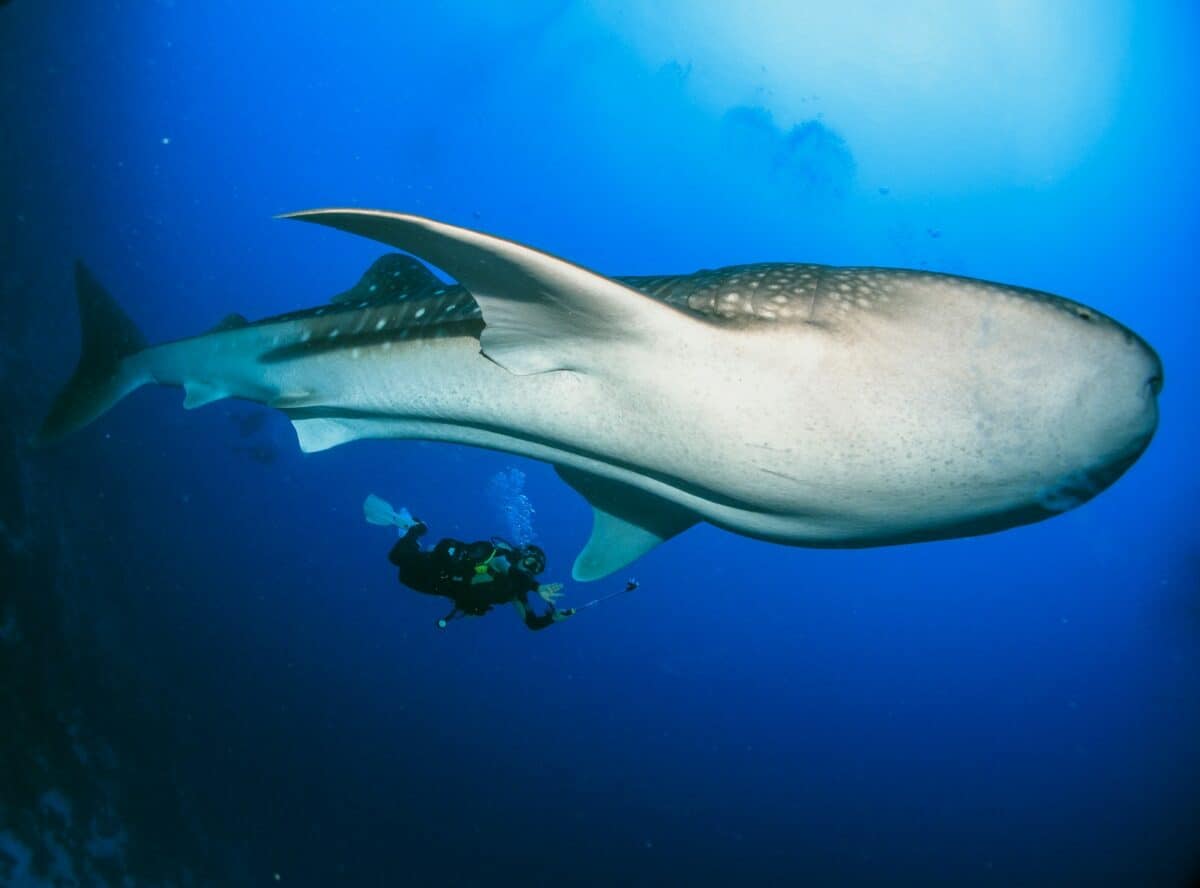
The whale shark (Rhincodon typus) stands as the largest fish in our oceans, reaching lengths of up to 40 feet and weights exceeding 20 tons. Despite their imposing size, these spotted giants are among the gentlest creatures in the sea, feeding primarily by filter-feeding on plankton, small fish, and fish eggs. Their ecological significance extends beyond their peaceful nature—whale sharks are crucial biomass redistributors, moving nutrients between different marine regions during their extensive migrations that can span thousands of miles. Their feeding behavior helps control plankton blooms, maintaining water clarity essential for coral reef health. Research from the Maldives Whale Shark Research Programme has documented how these giants create feeding opportunities for smaller fish species that consume the food particles they miss. Additionally, their bodies provide habitat for numerous symbiotic species, including remoras and pilot fish, forming a mobile ecosystem that traverses ocean basins. Their slow reproduction rate—reaching sexual maturity at around 30 years and producing relatively few offspring—makes them particularly vulnerable to population threats, with significant ecosystem consequences should their numbers decline further.
10. Giant Squid Mysterious Mid-Ocean Predator

The giant squid (genus Architeuthis) represents one of the ocean’s most elusive and mythologized inhabitants, with specimens reaching up to 43 feet in length and weighing nearly a ton. These deep-sea predators occupy a critical niche in mesopelagic and bathypelagic food webs, where they serve as both formidable predators and prey for sperm whales. Their enormous eyes—the largest in the animal kingdom at up to 10 inches in diameter—evolved specifically for detecting the faint bioluminescence of approaching predators in the deep ocean’s darkness. Giant squids are believed to be aggressive hunters of deep-sea fish and other squid species, using their two elongated feeding tentacles to snatch prey before subduing it with their eight arms lined with powerful suction cups. Their predatory behavior helps regulate populations of numerous mid-ocean species. When giant squids die, their carcasses provide rare nutrient pulses to deep-sea communities, supporting diverse scavenger assemblages. Recent genetic studies suggest global giant squid populations may constitute a single species with wide distribution, indicating their remarkable adaptation to the consistent conditions of the deep ocean environment worldwide. Despite their ecological importance, they remain among the least understood ocean giants, with the first live giant squid in its natural habitat only filmed in 2012.
9. Great White Shark The Ocean’s Apex Predator

The great white shark (Carcharodon carcharias) serves as one of the ocean’s most effective and important apex predators, growing up to 20 feet long and weighing up to 4,500 pounds. These powerful hunters play a critical role in maintaining marine ecosystem health through direct and indirect effects on multiple trophic levels. By targeting weak, sick, or injured prey, great whites help strengthen the genetic health of prey populations like seals, sea lions, and various fish species. Their presence creates what ecologists call a “landscape of fear,” altering prey behavior and distribution patterns that can prevent overgrazing of certain habitats. For example, studies in South Africa have shown that seal colonies modify their hunting patterns when great whites are present, indirectly protecting kelp forest fish populations from excessive predation. The movement patterns of great whites also facilitate nutrient transfer between coastal and pelagic ecosystems, as they migrate between feeding grounds. Research from California’s Farallon Islands demonstrated that areas with healthy great white populations maintain more balanced marine communities with greater biodiversity. Despite their fearsome reputation, great whites face significant conservation challenges, with population declines potentially triggering cascading ecological effects across multiple marine habitats.
8. Giant Manta Ray The Ocean’s Filter-Feeding Marvel

The giant manta ray (Mobula birostris) glides through tropical and subtropical waters with wingspans reaching up to 23 feet and weights of over 3,000 pounds, making them the largest rays on the planet. These graceful filter feeders play a specialized ecological role by consuming vast quantities of zooplankton—up to 60 pounds daily—thereby helping regulate plankton populations and clarity in the water column. Their feeding frenzies often create opportunities for smaller reef fish to access food resources that would otherwise be unavailable. Recent research published in Frontiers in Marine Science revealed that manta rays facilitate nutrient cycling between deep and shallow waters through their daily vertical migrations, bringing nutrients from depths of up to 1,000 meters to surface waters where they stimulate plankton growth. The skin of manta rays hosts unique microbiomes that contribute to marine microbial diversity, while their bodies provide cleaning stations for smaller fish species, establishing mutualistic relationships that benefit reef health. Additionally, manta rays are recognized as indicator species whose presence and behavior patterns can signal changes in ocean conditions, particularly regarding plankton abundance and water quality. Their slow reproduction rate—producing only one pup every two to five years—makes their populations particularly vulnerable to disturbance, with cascading effects on the ecosystems they inhabit.
7. Leatherback Sea Turtle The Ancient Ocean Voyager
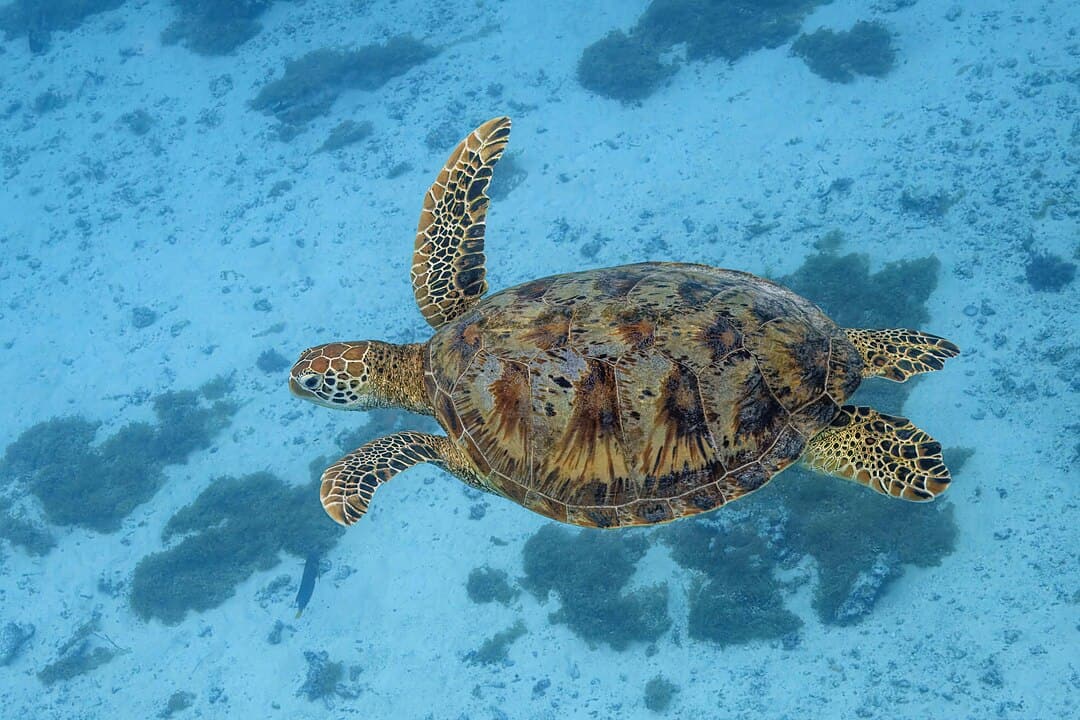
The leatherback sea turtle (Dermochelys coriacea) stands as the largest of all living turtles and the only extant member of its family, capable of reaching lengths of 7 feet and weights exceeding 1,500 pounds. These remarkable reptiles have remained essentially unchanged for over 100 million years, surviving multiple mass extinctions while playing a consistent ecological role. Leatherbacks are specialized jellyfish predators, consuming up to 440 pounds of these gelatinous creatures daily—a feeding behavior that helps control jellyfish populations that might otherwise reach bloom proportions and disrupt marine food webs. Their consumption of jellyfish is particularly important as climate change and overfishing have reduced many jellyfish predators, potentially leading to ecosystem imbalances. Leatherbacks also serve as bioturbators on nesting beaches, where females dig numerous test pits before creating their nesting chambers, aerating sand and redistributing nutrients that benefit coastal vegetation. Their migrations span thousands of miles, traversing entire ocean basins between feeding and breeding grounds, making them important connectors between distant marine ecosystems. Research tracking these migrations has revealed they follow jellyfish blooms associated with specific oceanographic features, demonstrating how their movements are synchronized with ocean productivity patterns. Each female deposits approximately 100 eggs per nest, creating nutrient pulses that support both terrestrial and marine scavengers when unhatched eggs or hatchlings become food sources.
6. Ocean Sunfish The Bizarre Bony Giant
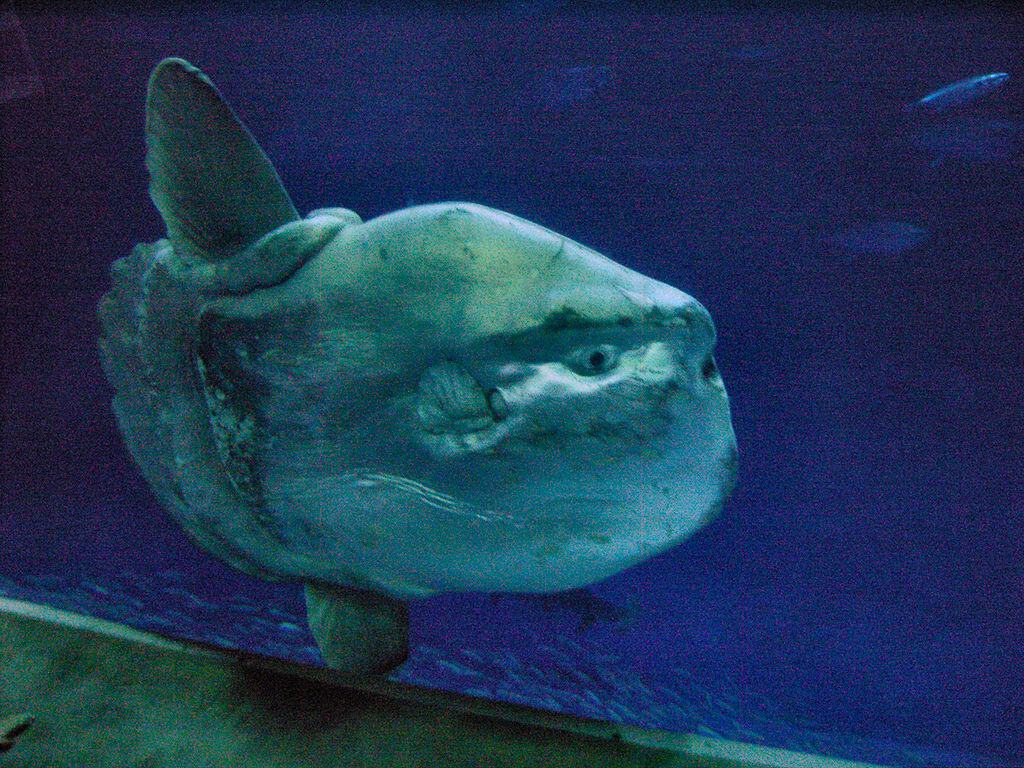
The ocean sunfish (Mola mola) presents one of the most unusual body forms among ocean giants, with a laterally flattened, nearly circular shape that can reach weights of up to 2.5 tons despite lacking a true tail. These bizarre fish grow faster than any other known vertebrate, increasing their weight by an astonishing 60 million times from hatching to adulthood. Their primary ecological role centers on controlling jellyfish and salp populations, with a single sunfish capable of consuming enormous quantities of these gelatinous organisms daily. This feeding behavior helps prevent jellyfish blooms that could otherwise disrupt marine food webs. Ocean sunfish serve as mobile ecosystems themselves, hosting over 40 different parasite species along with cleaner fish that remove these parasites, creating complex symbiotic relationships. Their massive bodies provide substantial surface area for certain species of marine birds that use them as resting platforms when they bask at the surface. When sunfish die, their carcasses create significant nutrient pulses in local ecosystems, supporting scavenger communities and enriching surrounding waters. Research published in the Journal of Experimental Marine Biology and Ecology revealed that sunfish can dive to depths exceeding 2,600 feet during foraging, facilitating vertical nutrient transport between deep and shallow waters. Despite their size, ocean sunfish face predation from sea lions, killer whales, and sharks, serving as a substantial food source when consumed and connecting multiple trophic levels in marine food webs.
5. Giant Kelp The Underwater Forest Creator

Though not an animal, giant kelp (Macrocystis pyrifera) warrants inclusion among ocean giants as the largest marine alga and one of the fastest-growing organisms on Earth, capable of growing up to two feet daily and reaching heights of 175 feet from its anchored holdfast to surface canopy. These remarkable marine plants form the structural foundation of kelp forest ecosystems—underwater environments with biodiversity rivaling tropical rainforests. A single kelp forest can support over 700 species of fish, invertebrates, and marine mammals. Giant kelp serves as a primary producer, converting sunlight and nutrients into biomass that fuels coastal food webs through direct consumption and detritus pathways. Their physical structure creates complex three-dimensional habitats offering shelter, nursery areas, and feeding grounds for countless species across multiple trophic levels. Kelp forests also provide significant ecosystem services by attenuating wave energy, reducing coastal erosion, and improving water clarity through nutrient absorption that might otherwise fuel harmful algal blooms. Recent research from the University of California has documented how kelp forests sequester substantial amounts of carbon, potentially helping mitigate climate change effects. When storms detach kelp fronds, this biomass can be transported to deep ocean basins, effectively sequestering carbon for extended periods. The decline of kelp forests in many regions due to warming waters, extreme weather events, and sea urchin overgrazing demonstrates their ecological significance, as their loss triggers cascading effects throughout coastal ecosystems.
4. Sperm Whale The Deep-Diving Ecosystem Connector

The sperm whale (Physeter macrocephalus) stands as the largest toothed predator on Earth, with males reaching lengths of 60 feet and weights of up to 45 tons. Their massive, oil-filled heads—containing the largest brain of any animal—allow them to dive deeper than any other marine mammal, regularly reaching depths of 3,000 feet and staying submerged for over an hour. These remarkable diving capabilities enable sperm whales to hunt giant and colossal squid in the deep ocean, connecting the productivity of surface waters with the mysterious depths of the mesopelagic and bathypelagic zones. Their feeding behavior helps regulate populations of these deep-sea cephalopods that would otherwise have few natural predators. Research published in Proceedings of the Royal Society B estimated that sperm whales consume approximately 100 million tons of squid annually—a biomass equivalent to the entire global commercial marine harvest. Sperm whales create significant biogeochemical impacts through their “whale pump” effect, bringing nutrients from the deep ocean to surface waters through defecation, stimulating phytoplankton growth and enhancing marine productivity. Their social structure involves matriarchal family units with complex communication systems using distinctive click patterns called codas, which create unique cultural identities among different whale groups. When sperm whales die naturally, their carcasses create “whale falls” that support specialized deep-sea communities for decades, providing critical energy pulses in the nutrient-poor deep ocean and supporting over 400 species during different decomposition stages.
3 Basking Shark The Plankton-Filtering Colossus
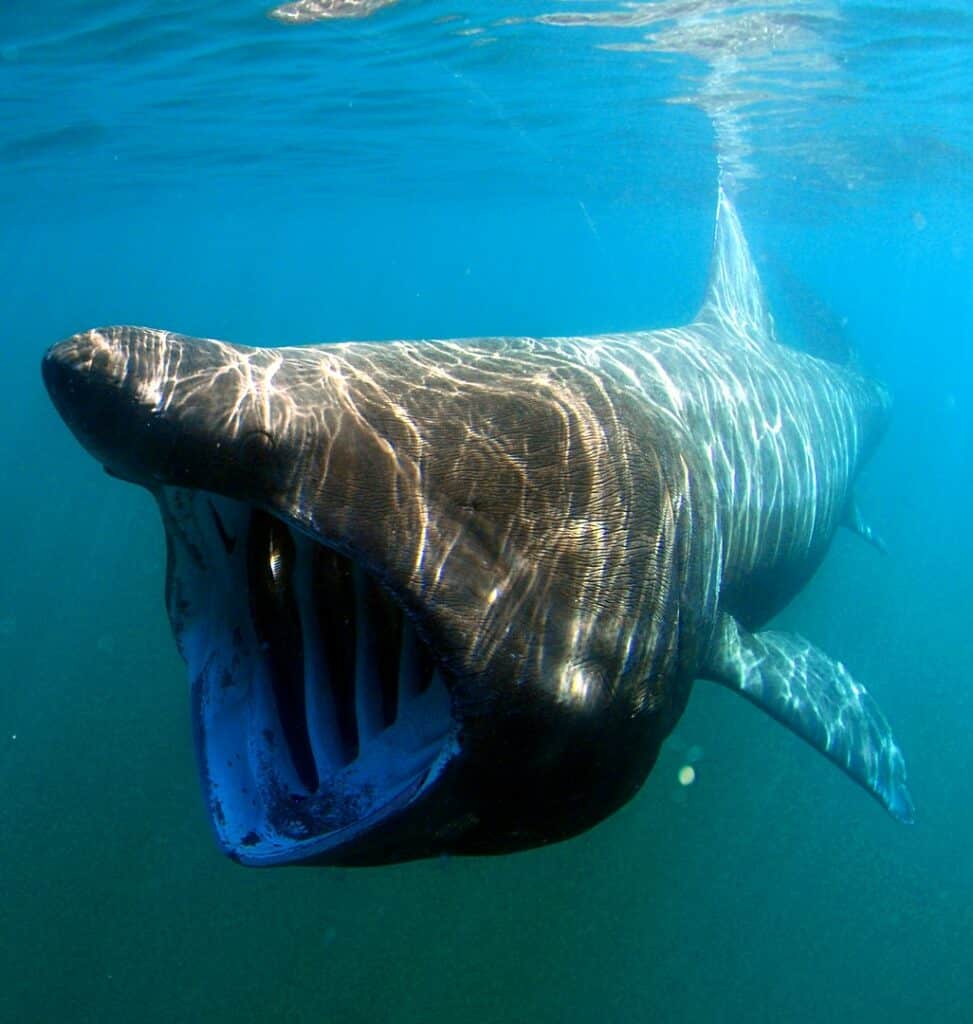
The basking shark (Cetorhinus maximus) claims the title of second-largest fish in the world, reaching lengths of up to 40 feet and weights of over 5 tons, yet feeding exclusively on some of the ocean’s smallest organisms. These gentle giants swim with their cavernous mouths open, filtering up to 2,000 tons of seawater hourly through specialized gill rakers that trap zooplankton, primarily copepods. A single basking shark can process water volumes equivalent to an Olympic swimming pool every hour, extracting over 30 pounds of plankton daily. This intensive filter feeding helps regulate plankton population dynamics in temperate coastal ecosystems, preventing potential bloom scenarios that could disrupt marine food webs. Basking sharks undertake seasonal migrations spanning thousands of miles, following plankton blooms associated with oceanographic features like frontal systems. Recent satellite tagging studies have revealed surprising deep-diving behavior, with some individuals descending to depths exceeding 3,000 feet, suggesting they may play roles in vertical nutrient transport between deep and surface waters. Their surface swimming behavior creates opportunities for remoras and other commensal species that benefit from the shark’s feeding activities. Despite their size, basking sharks grow slowly and reproduce at low rates, with females not reaching sexual maturity until 16-20 years of age and producing relatively few offspring. This life history strategy makes them particularly vulnerable to population threats, with potential ecosystem consequences should their numbers decline significantly from their already threatened status.
2. Giant Clam The Coral Reef Ecosystem Engineer

The giant clam (Tridacna gigas) earns its place among ocean giants as the largest living bivalve mollusk, capable of reaching weights exceeding 500 pounds and shell lengths of over four feet. These remarkable creatures serve as ecosystem engineers in coral reef environments, fulfilling multiple ecological roles simultaneously. Giant clams are unusual among bivalves in that they host symbiotic algae (zooxanthellae) in their tissues—the same type found in coral—allowing them to photosynthesize and obtain nutrients directly from sunlight while also filter-feeding. This dual nutrition strategy enables them to contribute significantly to reef productivity, with research from the Great Barrier Reef showing that giant clam populations can filter enormous water volumes daily, improving water clarity and quality. Their massive shells provide structural complexity on reef flats, creating microhabitats for numerous smaller reef organisms including fish, crustaceans, and other invertebrates. Even after death, their shells persist for decades, continuing to provide habitat structure and slowly releasing calcium carbonate back into the reef system. Living giant clams serve as islands of biodiversity, with single individuals hosting up to 100 different commensal and symbiotic species in the various microhabitats created by their shells and mantles. Their reproduction involves releasing millions of eggs and sperm into the water column during synchronized spawning events, providing significant nutrient pulses for reef food webs. Unfortunately, their slow growth rate—taking decades to reach maximum size—and targeted harvesting for food and the aquarium trade have led to population declines that can significantly impact reef ecosystem function.
1. Orca The Intelligent Ocean Predator

The orca or killer whale (Orcinus orca) ranks among the ocean’s most formidable and intelligent predators, with males reaching lengths of 30 feet and weights of 6 tons. These apex predators possess the broadest diet of all cetaceans, with different ecotypes specializing in particular prey—from fish to mammals to sharks—allowing them to influence multiple trophic levels simultaneously. Their hunting strategies display remarkable sophistication, including coordinated wave-washing techniques to dislodge seals from ice floes and intentional beaching to capture sea lions on shorelines. Research published in Scientific Reports documented how orca predation creates a “landscape of fear,” altering.
Conclusion:

From the awe-inspiring blue whale to the ancient leatherback turtle and the architecturally essential giant kelp, the ocean’s largest inhabitants are more than biological marvels—they are vital engineers of marine ecosystems. These giants shape nutrient flows, regulate prey populations, and even influence global climate systems through carbon sequestration. Whether they swim, filter-feed, or simply exist as floating microhabitats, each of these species plays a role in sustaining the ocean’s delicate balance. Their decline, however, poses serious threats—not just to individual species but to the intricate webs of life they support. Many face challenges from climate change, overfishing, pollution, and habitat degradation. As sentinels of ocean health, their well-being mirrors the state of the seas. To protect the planet’s largest ecosystem, we must protect its largest—and most essential—inhabitants. Understanding their roles is the first step toward meaningful conservation, ensuring that these ocean giants continue to shape the sea for generations to come.

As a little kid, I fell in love with nature, wildlife, and animals. Living in the USA, South Africa, Italy, China and Germany gave me the opportunity to discover the world's Wildlife. My favorite animals are Mountain Gorillas, Siberian Tigers, and Great White Sharks.
I'm a certified PADI Open Water Diver, went to Everest Base Camp and Trekked Gorillas in Uganda. I hold a Master of Science in Economics and Finance.
Please send any feedback to feedback@animalsaroundtheglobe.com
- 10 Fish Breeds That Love Company And 3 That Turn Aggressive - July 22, 2026
- 13 Animals That Call the Great Lakes Home - July 22, 2026
- 15 Alpha Animals and What Makes Them Rule - July 22, 2026