

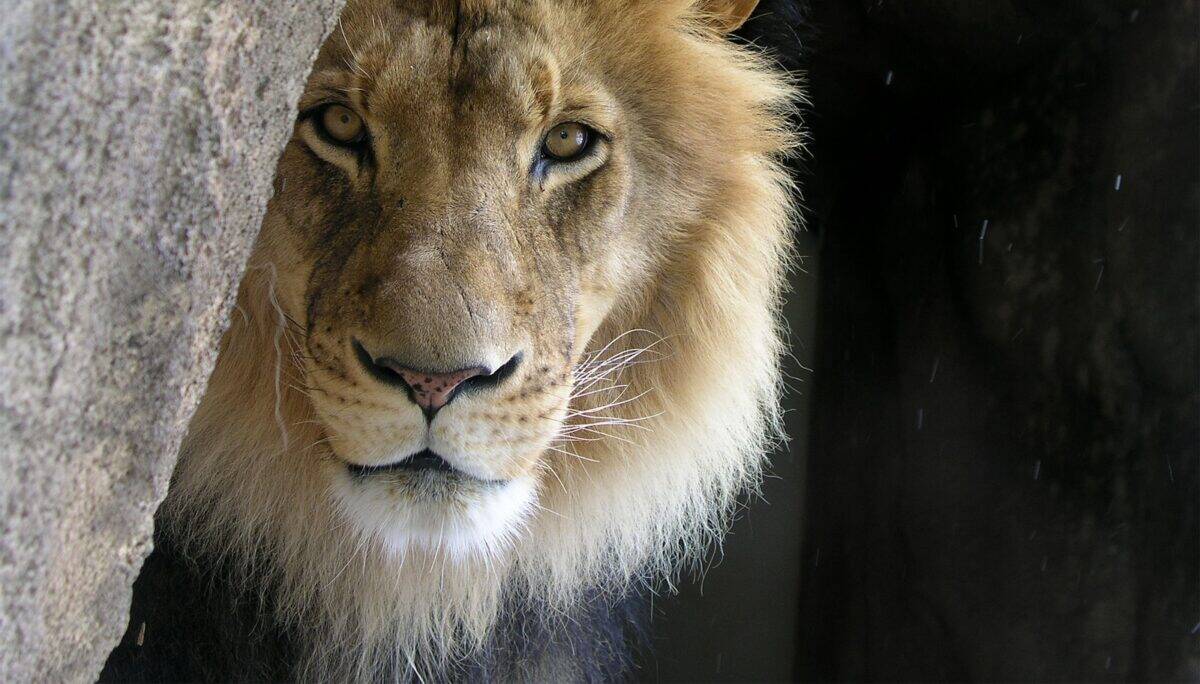
Lions have long been regarded as the kings of the animal kingdom, apex predators whose might and majesty command respect across the African savanna. However, as human populations expand and encroach upon lion habitats, a significant shift occurs in the behavior of these magnificent cats. When lions learn to fear humans, profound changes ripple through both their individual behaviors and broader ecological roles. This transformation reflects the complex interplay between wildlife conservation, human-wildlife conflict, and the psychological impact of fear on apex predators. Understanding these dynamics is crucial for developing effective conservation strategies and maintaining healthy lion populations in our increasingly human-dominated world.
The Natural Relationship Between Lions and Humans
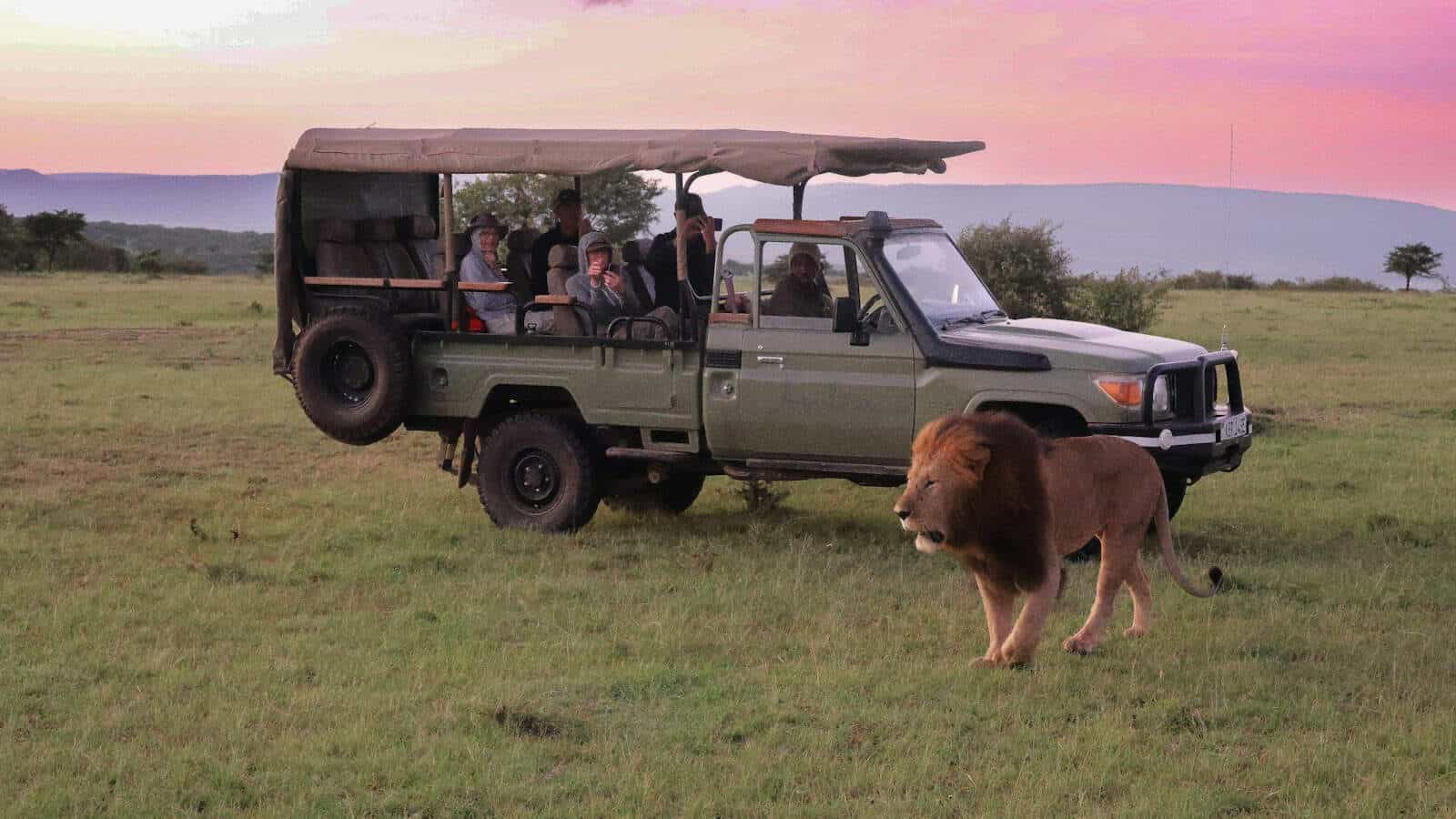
Historically, lions and humans have shared landscapes for thousands of years, with both species evolving alongside one another in complex relationships. In traditional African cultures, lions were often revered as symbols of power and courage, featured prominently in folklore, ceremonies, and tribal identities. Many indigenous communities developed respectful coexistence strategies, understanding lion behavior and avoiding unnecessary conflict. Before the advent of modern weapons and extensive habitat transformation, the relationship maintained a certain balance—humans respected lions’ territory, and lions generally avoided human settlements. This ancestral relationship was characterized by mutual wariness rather than outright fear on either side. Archaeological and anthropological evidence suggests that early humans and lions maintained this delicate equilibrium for millennia, each species recognizing the other as a formidable presence in the landscape without necessarily triggering widespread behavioral changes.
Triggers That Cause Lions to Fear Humans
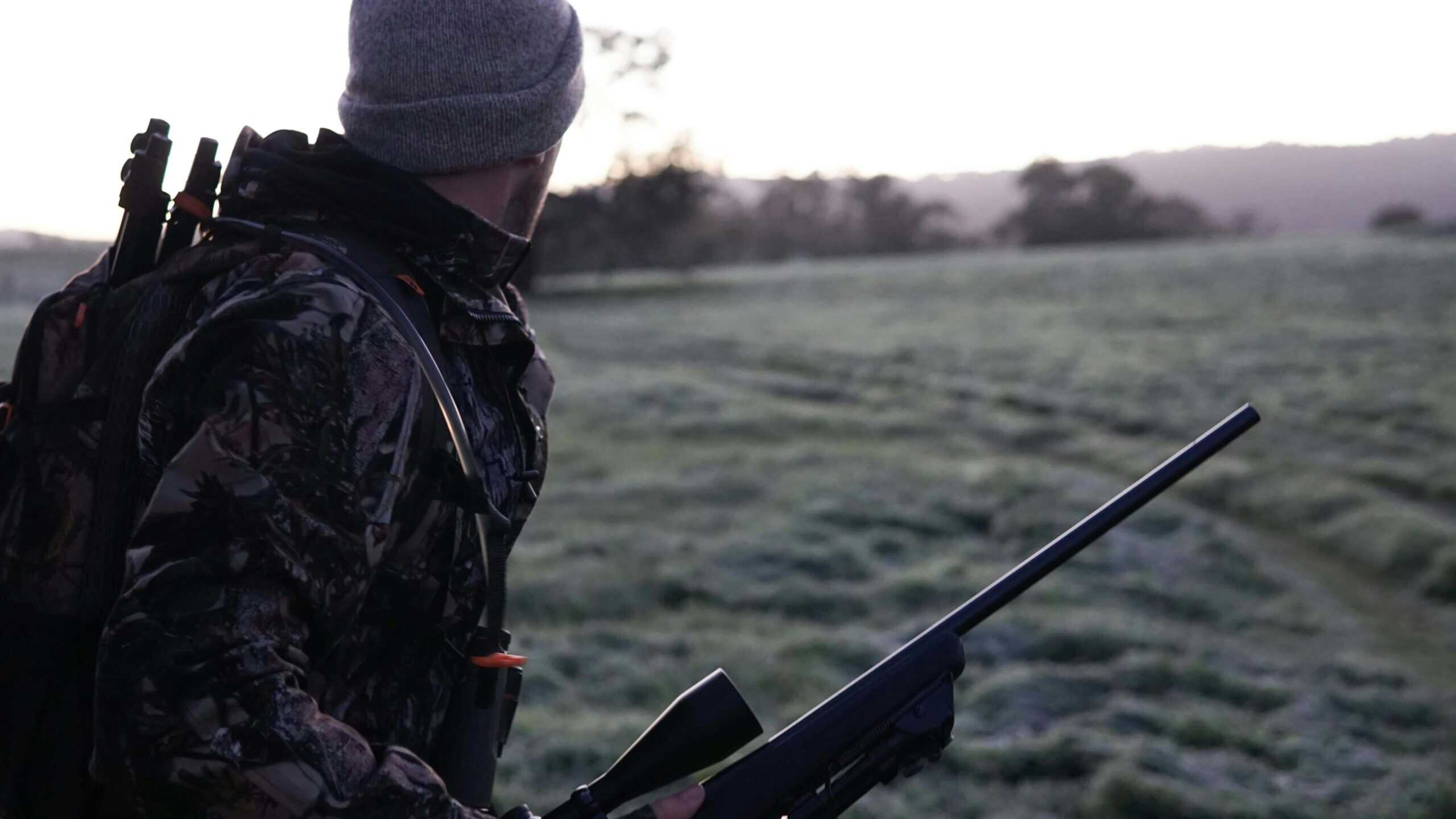
Several key factors can transform a lion’s natural wariness around humans into outright fear. The most direct and immediate cause is lethal control—hunting, poisoning, or retaliatory killing after livestock predation. When lions witness members of their pride being killed by humans, they quickly associate human presence with danger. Trophy hunting can be particularly impactful, as it often targets male lions, disrupting pride structures and creating lasting fear responses in survivors. Beyond direct mortality, non-lethal harassment such as being chased by vehicles, subjected to loud noises, or hit with rubber bullets teaches lions to avoid human contact. Even conservation activities like capture-and-release for research or translocation can inadvertently instill fear. Human encroachment into lion territory gradually reduces available habitat, forcing lions to either confront humans or retreat to ever-shrinking safe zones. These cumulative experiences create learned associations between humans and negative outcomes, fundamentally altering lion behavior across generations as cubs learn fear responses from their mothers and other pride members.
Behavioral Changes in Fear-Conditioned Lions
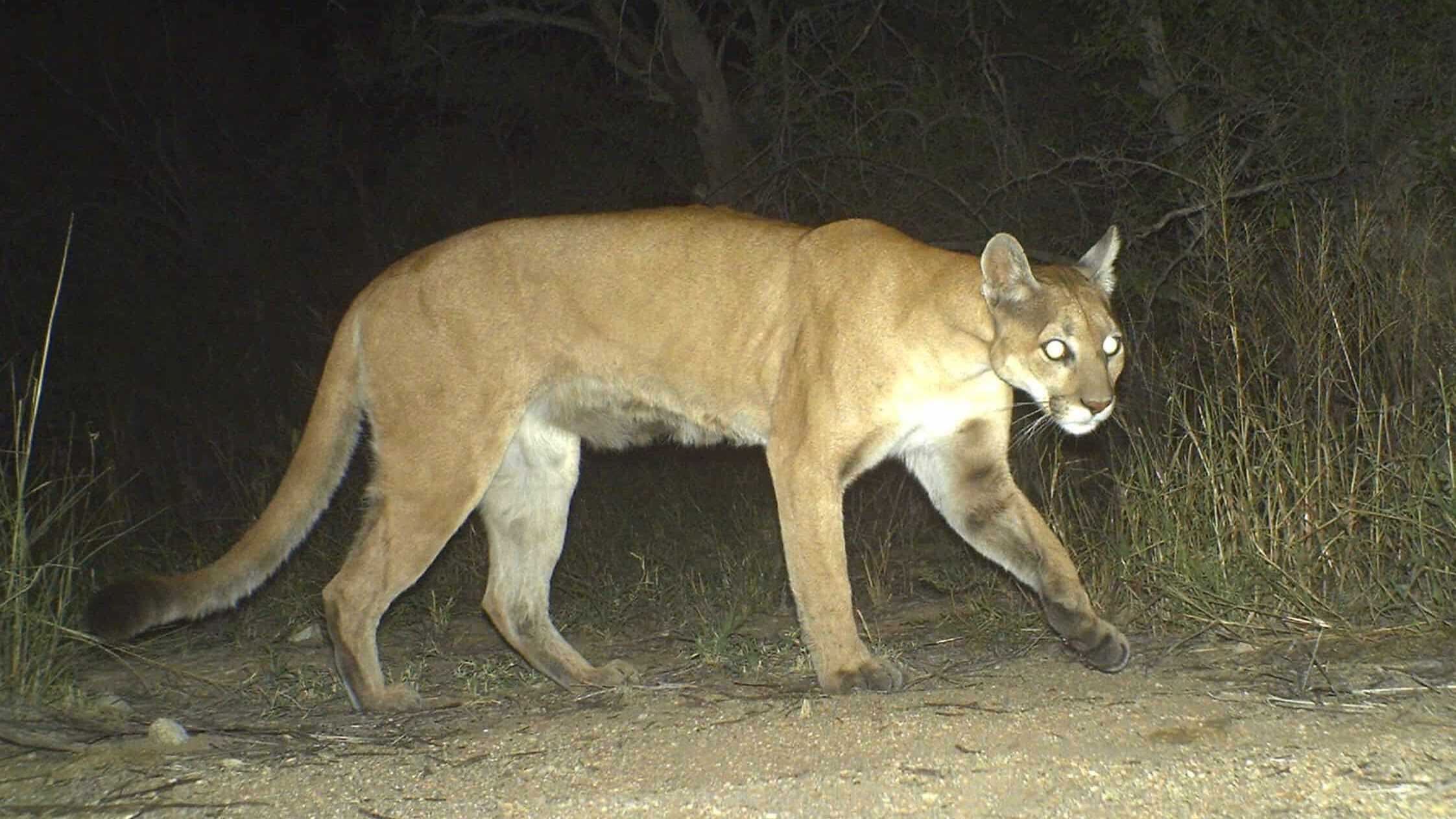
When lions develop fear of humans, their behavior undergoes remarkable transformations. Most notably, they shift their activity patterns to become increasingly nocturnal, hunting and moving primarily during darkness when human activity decreases. Research in areas with high human pressure shows lions reducing daytime movements by up to 80% compared to protected populations. Their spatial use changes dramatically as well, with fear-conditioned lions avoiding roads, settlements, and areas of frequent human activity even when these contain optimal habitat or prey. Their hunting strategies adapt, with some populations abandoning their characteristic cooperative hunting in favor of more solitary, stealthy approaches that minimize detection. Vocalizations decrease significantly, with lions in human-dominated landscapes roaring less frequently to avoid attracting attention. Even their social structures can transform, with pride cohesion sometimes weakening as individuals adopt more independent movement patterns to minimize risk. These behavioral adaptations demonstrate the remarkable plasticity of lion behavior in response to perceived threats, but they come with significant costs to normal lion ecology and survival.
Impact on Hunting Patterns and Prey Selection
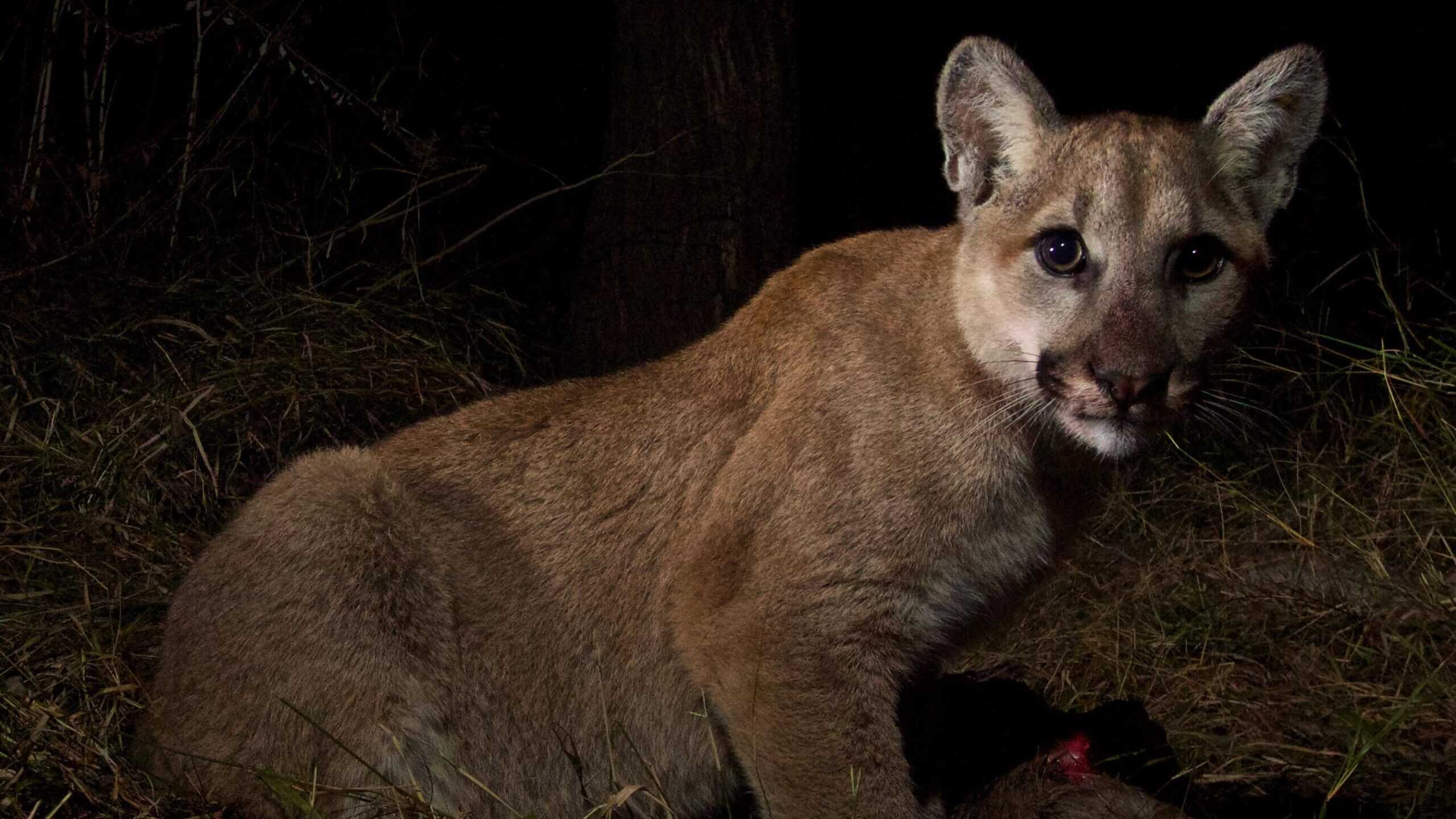
Fear of humans significantly alters lion hunting behavior in ways that extend beyond mere timing adjustments. Lions that fear humans often show marked changes in prey selection, sometimes shifting from their preferred large ungulates to smaller, less optimal prey species that can be hunted with minimal exposure to human detection. Studies in areas with high human pressure have documented lions increasing their consumption of smaller animals like warthogs and even rodents when their normal hunting patterns are disrupted by human activity. The efficiency of hunting decreases measurably, with fear-conditioned lions showing lower success rates and spending more energy per kill. This occurs because optimal hunting conditions—like the cooler daylight hours of early morning—become too risky, forcing lions to hunt in less ideal circumstances. In some regions, lions near human settlements increasingly target livestock as an alternative prey source, creating a dangerous cycle where predation leads to human retaliation, reinforcing fear behaviors. These altered hunting patterns can have cascading effects on lion physical condition, reproductive success, and ultimately, population viability.
Physiological Effects of Chronic Fear
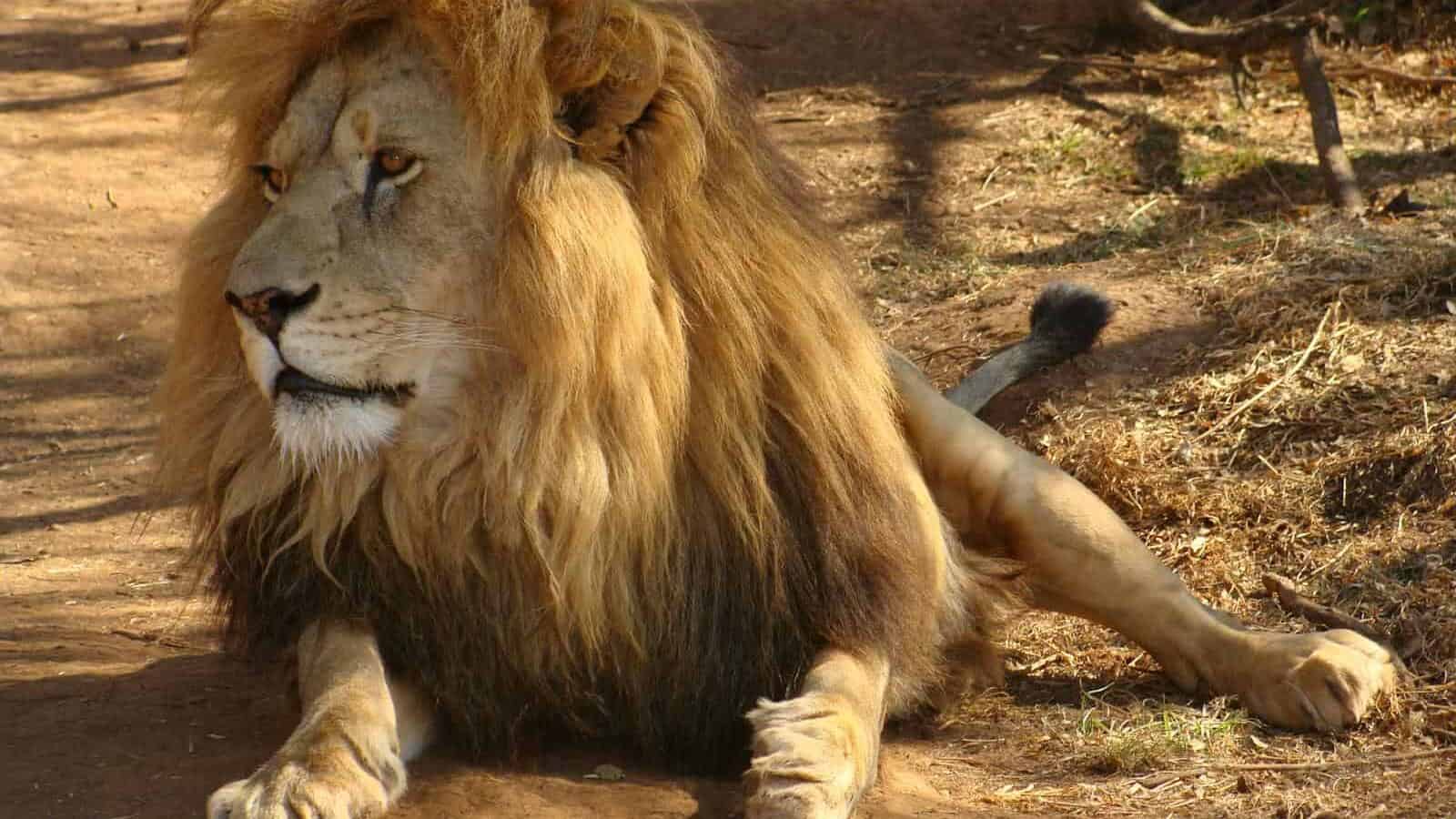
Living in a constant state of fear triggers significant physiological changes in lions that can compromise their health and longevity. Research on stress responses in large carnivores reveals that chronic fear elevates cortisol levels, the primary stress hormone that, when persistently high, suppresses immune function and increases susceptibility to disease. Lions in human-dominated landscapes show measurably higher cortisol concentrations in hair and fecal samples compared to those in protected areas with minimal human contact. This chronic stress state leads to reduced body condition, with fear-conditioned lions often appearing thinner and less robust than their counterparts in low-stress environments. Reproductive physiology suffers as well, with females experiencing delayed estrus cycles, reduced conception rates, and sometimes abortion or abandonment of cubs when stress levels peak. Male lions show reduced testosterone production under chronic stress, potentially affecting mane development and competitive ability. These physiological effects create a dangerous feedback loop, where fear-induced stress makes lions less capable of successful hunting and reproduction, further threatening their survival in human-dominated landscapes.
Disruption of Social Structures and Pride Dynamics
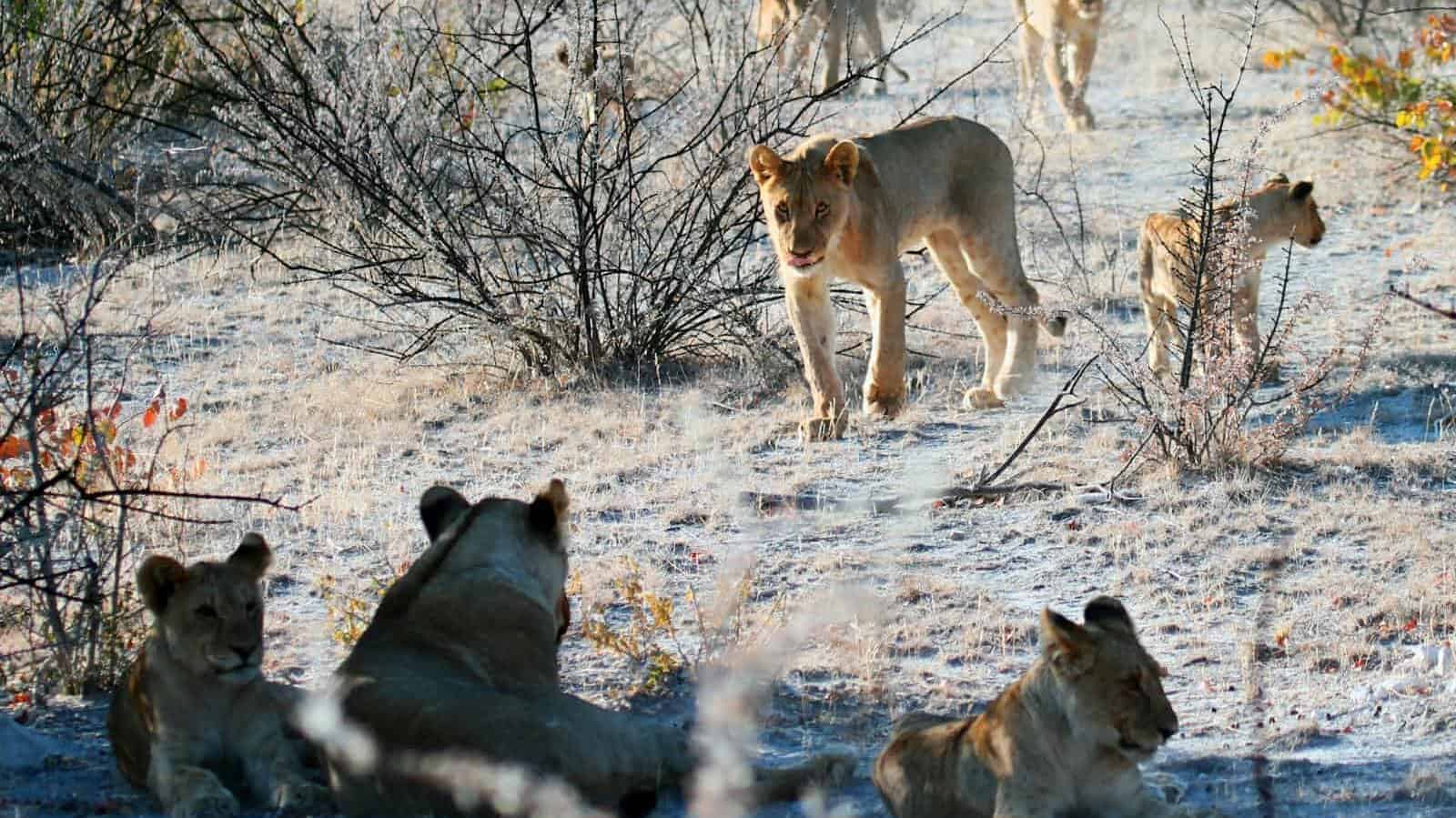
The social organization of lions represents one of their most distinctive and ecologically important characteristics, but human-induced fear can severely disrupt these complex structures. In normal circumstances, lionesses remain with their natal pride for life, creating stable female lineages that defend territories and raise cubs cooperatively. Males form coalitions that compete for pride control, with successful coalitions fathering cubs and protecting the pride. When fear of humans becomes entrenched, these social bonds can weaken or break down entirely. Research in areas with high human pressure has documented smaller pride sizes, less cooperative cub-rearing, and more fragmented territories. Fear-conditioned prides may split more frequently as individuals make different risk assessments about human proximity. Male coalitions become less stable when consistent human threats create unpredictable movement patterns. Perhaps most concerning, infanticide rates often increase in human-disturbed populations as pride structure weakens and male turnover accelerates. These social disruptions reduce the many benefits lions gain from group living—cooperative hunting, territorial defense, and communal cub protection—ultimately threatening population resilience and genetic health.
Effects on Lion Population Dynamics
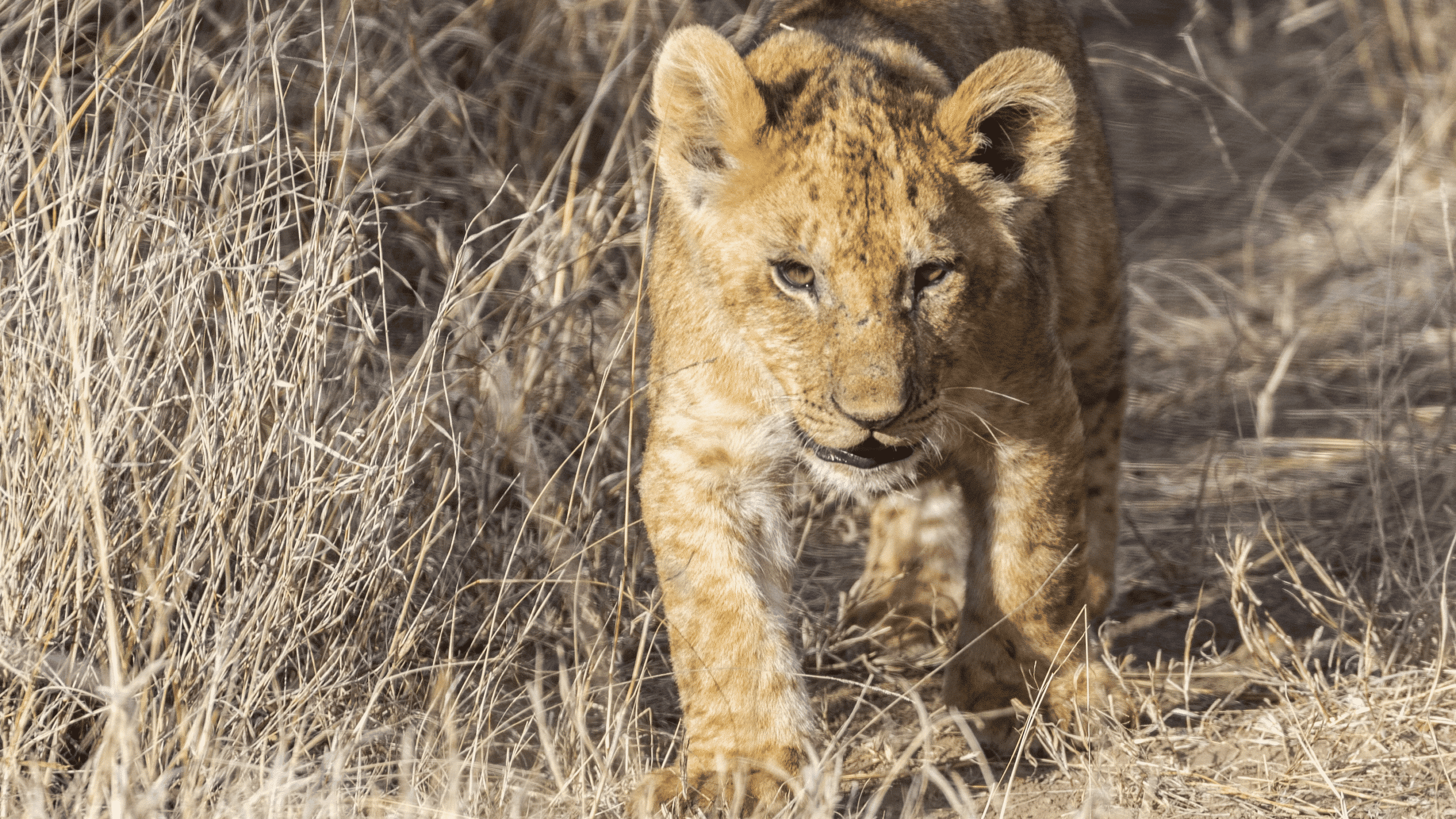
When fear of humans becomes widespread in lion populations, the demographic consequences can be severe and far-reaching. Birth rates typically decline as females experience stress-related reproductive suppression and find fewer opportunities for successful mating due to disrupted social structures. Cub survival decreases dramatically, with studies showing up to 75% lower recruitment in areas with high human pressure compared to protected populations. This occurs both through direct mechanisms—like abandoned cubs when mothers are frequently disturbed—and indirect effects of reduced hunting success and pride cooperation. Mortality rates increase across all age classes, but particularly among dispersing subadults who must navigate human-dominated landscapes without established territories. Population density decreases markedly in response to these pressures, with some studies documenting 90% lower lion densities in areas where human-induced fear is prevalent compared to ecologically similar protected areas. The age structure of fear-conditioned populations typically skews younger, with fewer prime-aged adults reaching their full reproductive potential. These demographic shifts can push populations below viable thresholds, creating extinction vortices where declining numbers further compromise social functioning, accelerating population collapse.
Ecological Consequences of Fearful Lions
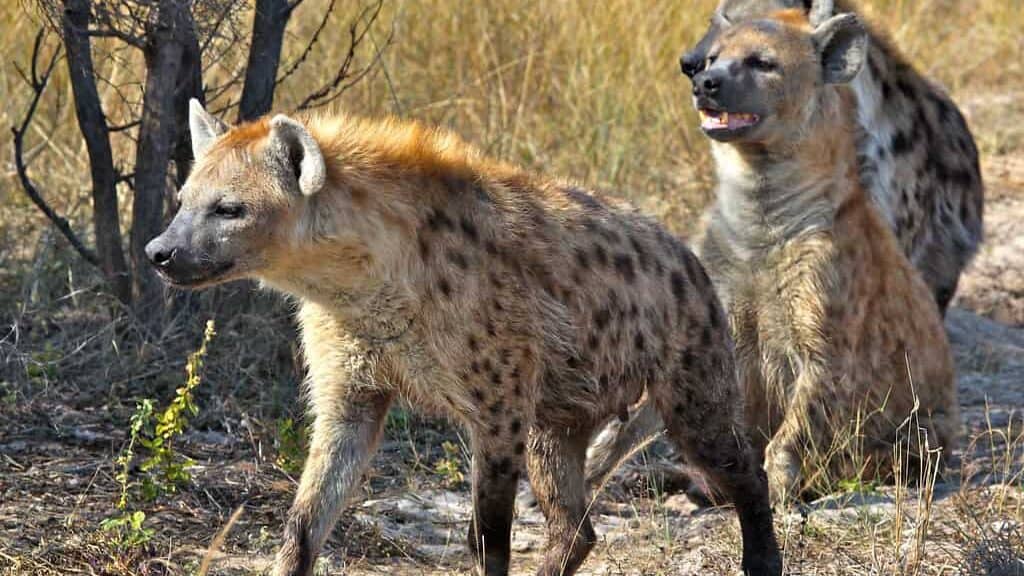
Lions play a crucial role as apex predators in African ecosystems, and when their behavior changes due to fear of humans, ecological ripple effects spread throughout their habitats. When lions reduce their movements or abandon certain areas, mesopredators like hyenas, jackals, and leopards often increase in abundance, creating imbalances in the predator community. This mesopredator release can lead to increased predation pressure on smaller prey species, altering community composition. Herbivore behavior changes as well—ungulates that would normally maintain vigilance against lions may concentrate in areas avoided by fear-conditioned lions, leading to overgrazing and vegetation damage in those zones. The temporal shift toward nocturnal activity means lions exert predation pressure during different time periods, potentially allowing some prey species to exploit newly safe daylight hours. Scavenger communities reorganize when lions hunt less efficiently or abandon kills more frequently when disturbed by humans. These ecological cascades demonstrate that human-induced fear in lions doesn’t just affect the cats themselves, but fundamentally reshapes ecosystem functioning. Conservation biologists increasingly recognize these indirect effects as equally concerning as direct lion mortality, as they can permanently alter habitats even when lions remain physically present.
The Landscape of Fear Concept

Ecologists have developed the “landscape of fear” framework to understand how predators’ perception of risk shapes their use of physical space. For lions learning to fear humans, this concept takes on particular significance. Lions mentally map their environment not just by physical features, but by perceived risk levels associated with human presence. High-risk areas—like roads, farms, or villages—become effectively “no-go zones” even when these areas contain abundant prey or optimal habitat features. Research using GPS collars reveals that fear-conditioned lions create complex mental topographies, sometimes traveling miles out of their way to avoid areas with even occasional human presence. These risk landscapes can vary temporally as well, with some areas becoming accessible only during certain hours when human activity diminishes. The landscape of fear creates a form of invisible habitat fragmentation, where physically connected habitat becomes functionally disconnected by fear barriers. This concept helps explain why simple habitat protection isn’t always sufficient for lion conservation—even protected areas can become ineffective if lions perceive them as dangerous due to human activities. Understanding and managing these psychological landscapes has become a crucial aspect of modern conservation, requiring attention not just to physical habitat but to lions’ perception of safety within that habitat.
Human-Lion Conflict in the Context of Fear
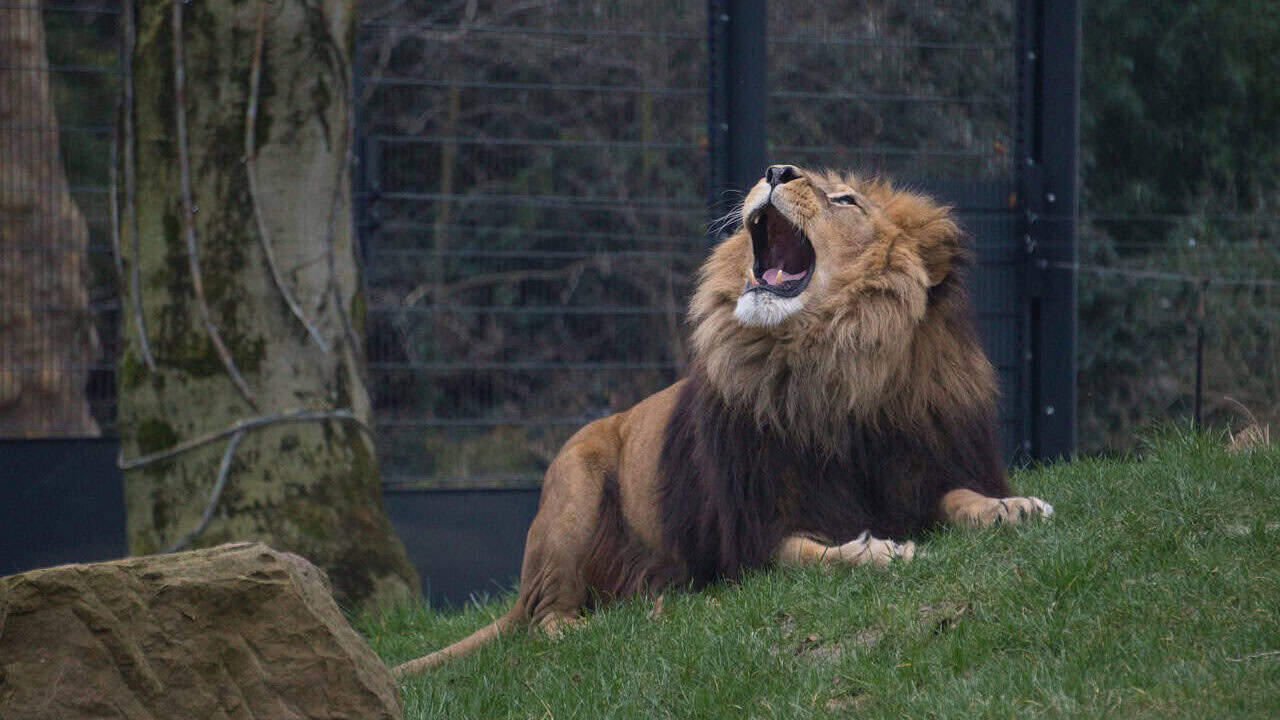
Human-lion conflict presents a complex challenge when viewed through the lens of fear dynamics. Paradoxically, lions that develop moderate fear of humans may actually reduce conflict incidents, as they learn to avoid human settlements and livestock. However, severe fear often creates more problematic patterns. Extremely fear-conditioned lions may be pushed into marginal habitats with insufficient natural prey, increasing the likelihood they’ll target livestock out of necessity. Their fear can make them more unpredictable when cornered or surprised, potentially leading to defensive attacks. Additionally, lions that become nocturnal due to human fear may encounter humans during unexpected times, creating dangerous situations for both species. Conservation efforts must carefully navigate this complexity—while some level of wariness benefits coexistence, excessive fear disrupts natural behaviors and can heighten conflict. Community-based conservation programs increasingly focus on creating predictable boundaries and interactions, where lions learn appropriate caution around human settlements without developing debilitating fear that pushes them into problematic behaviors. This balanced approach recognizes that neither complete habituation nor extreme fear serves either species well in shared landscapes. The most successful conflict mitigation occurs when lions maintain natural wariness while humans demonstrate consistent and non-lethal responses to lion presence.
Conservation Implications and Management Strategies
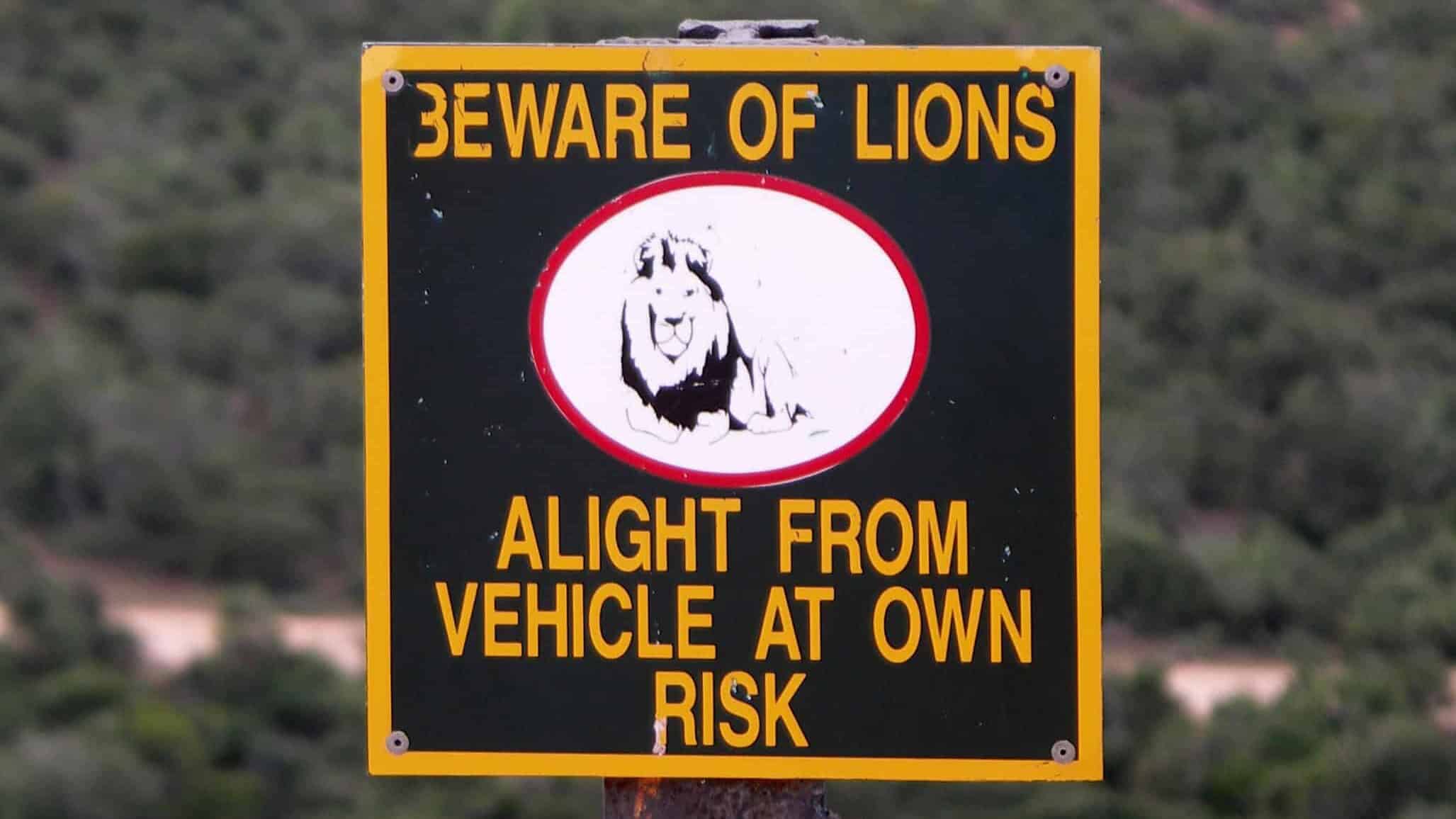
Understanding how lions respond to human-induced fear has profound implications for conservation strategies. Protected areas must now be designed not just for adequate physical space, but with buffer zones that account for lions’ psychological responses to human proximity. Conservation managers increasingly implement strategic human exclusion zones within reserves, creating fear-free core areas where lions can maintain natural behaviors. Connectivity between protected areas requires special attention, with wildlife corridors designed to minimize human activities that might create fear barriers to lion movement. In community conservation contexts, predictable human behaviors and boundaries help lions develop appropriate responses without excessive fear. Non-lethal deterrents—like flashing lights, alarm systems, or guard dogs around livestock enclosures—can create targeted fear responses that protect human interests while minimizing wider behavioral disruptions. Some innovative programs are exploring “fear training” approaches, where lions receive mild negative stimuli when approaching settlements but remain undisturbed in appropriate habitat. Trophy hunting, where practiced, increasingly adopts protocols that minimize psychological impacts on the remaining population. These nuanced strategies represent a significant evolution in lion conservation, moving beyond simple protection toward managing the complex psychology of fear in these adaptable predators.
Case Studies: Different Fear Responses Across Regions
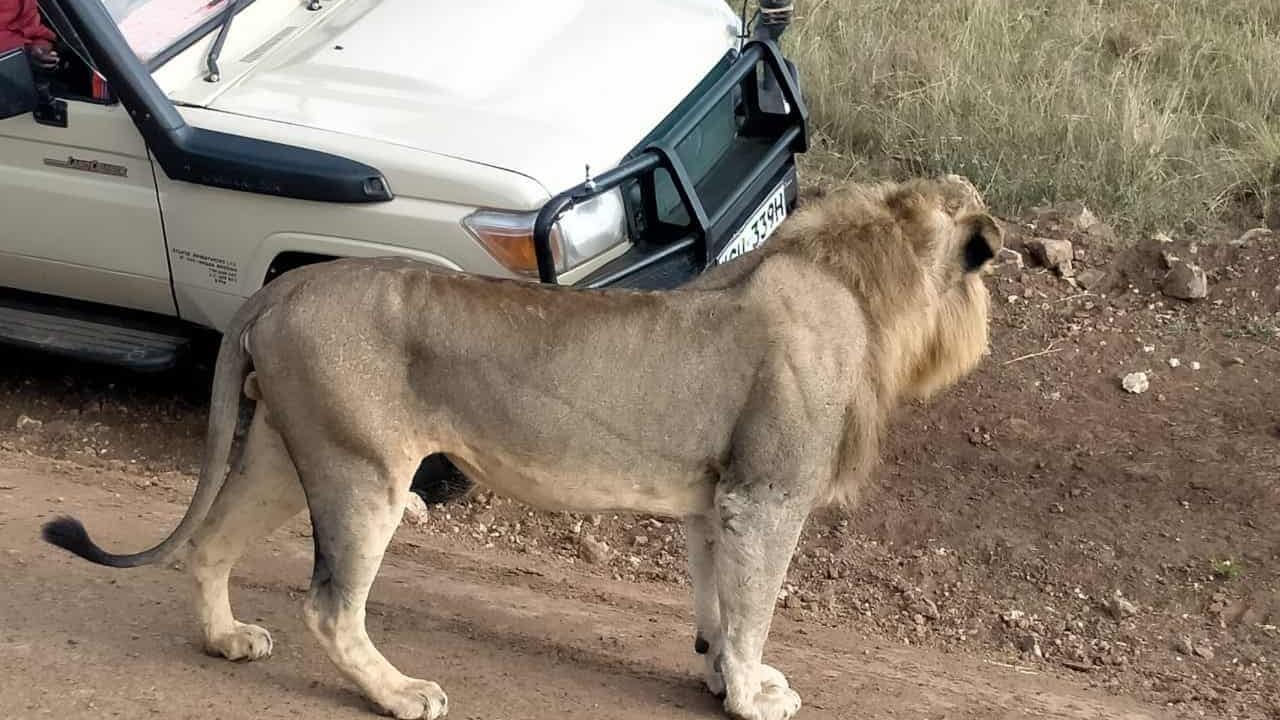
Lion responses to humans vary dramatically across their range, providing instructive case studies in fear adaptation. In Kenya’s Nairobi National Park, lions have adapted to living on the edge of a major metropolis, developing remarkable flexibility in their fear responses—maintaining natural wariness while tolerating predictable human activities like tourism vehicles. These lions demonstrate contextual learning, distinguishing between threatening and non-threatening human behaviors. By contrast, lions in parts of West Africa show extreme fear responses after generations of persecution, becoming almost exclusively nocturnal and rarely seen despite camera trap evidence confirming their presence. In Tanzania’s Ngorongoro Conservation Area, lions exhibit intermediate fear behaviors, having learned to avoid Maasai settlements and cattle while maintaining relatively natural behavior patterns in other contexts. South Africa’s fenced reserves present yet another scenario, where lions with no escape from human presence develop more habituated responses but show stress indicators during high-tourism seasons. Lions in Mozambique’s Niassa Reserve, recovering from civil war and poaching, display what researchers call “post-traumatic” fear behaviors, maintaining extreme caution decades after direct persecution has decreased. These diverse case studies reveal that fear responses depend not just on current human activities but on historical relationships, cultural practices, landscape configurations, and management approaches unique to each region.
The relationship between lions and humans has always been complex, but understanding fear dynamics adds crucial depth to our conservation approaches. Some level of wariness benefits both species—lions that avoid human settlements reduce conflict, while humans who respect lions’ power maintain safety. However, when natural wariness transforms into debilitating fear, lions suffer physiologically, behaviorally, socially, and demographically, undermining conservation efforts despite physical habitat protection. The most successful conservation scenarios create landscapes where lions maintain appropriate caution around humans without developing the chronic stress and behavioral disruptions that threaten their survival. As human populations continue expanding across lion range countries, creating this balance becomes increasingly challenging yet essential. The future of lion conservation depends not just on protecting habitat and preventing killing, but on fostering psychological landscapes where these magnificent predators can express their natural behaviors while coexisting with human neighbors. By managing both physical and psychological aspects of human-lion interactions, we can work toward a future where these iconic cats retain their rightful place as kings of the savanna, even in an increasingly human-dominated world.

- What Happens When a Python Eats Something Too Big? - July 19, 2026
- Baby Koalas Hug Their Moms for Safety and Comfort - July 19, 2026
- 13 Most Graceful Animals Roaming North America - July 19, 2026