

The haunting melodies that travel through ocean depths have fascinated marine biologists and whale enthusiasts for decades. Humpback whales, known scientifically as *Megaptera novaeangliae*, produce some of the most complex vocal arrangements in the animal kingdom. But perhaps most intriguing is not just that these massive marine mammals sing, but that they do so with distinctive regional accents and dialects. Just as humans speak differently in Boston than in Birmingham, humpbacks from different ocean regions have their own unique vocal signatures. This remarkable phenomenon offers profound insights into whale communication, culture, and cognition, revealing these magnificent creatures to be far more sophisticated than previously imagined.
The Fundamental Nature of Humpback Song
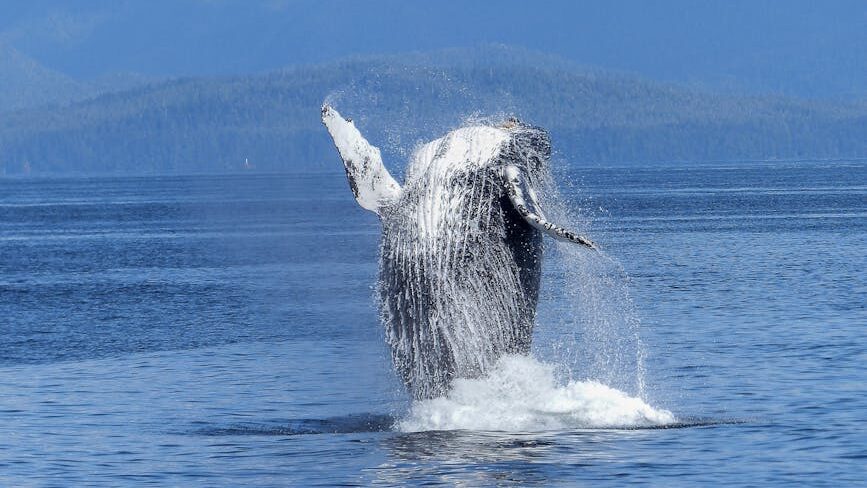
Humpback whale songs are complex vocal arrangements that can last anywhere from 5 to 30 minutes and be repeated for hours. Unlike simple calls or clicks, these songs follow elaborate patterns with themes, phrases, and units that combine to create a structured musical composition. Only male humpbacks perform these songs, primarily during breeding season, suggesting they play a role in mating behaviors. The songs are produced without vocal cords—instead, humpbacks force air through their nasal cavities to create these haunting melodies that can travel hundreds of miles underwater. With frequencies ranging from 30 Hz to 8,000 Hz, parts of these songs are beyond human hearing range, requiring specialized equipment to fully capture their complexity.
Discovering Regional Dialects

The first evidence of regional “accents” in humpback whale song emerged in the 1970s when researchers began recording and analyzing songs from different ocean basins. Scientists led by Roger Payne made the groundbreaking discovery that whales in the North Atlantic sang differently from those in the North Pacific, despite being the same species. Through spectrogram analysis—visual representations of sound frequencies—researchers could identify distinct patterns unique to specific populations. These differences weren’t random variations but consistent features maintained within regional groups. Today, we know that humpbacks in at least six major ocean regions maintain distinctive song patterns, including populations in Hawaii, Mexico, Australia, the Caribbean, Alaska, and Japan, each with their own unique vocal signature.
The Cultural Transmission of Song
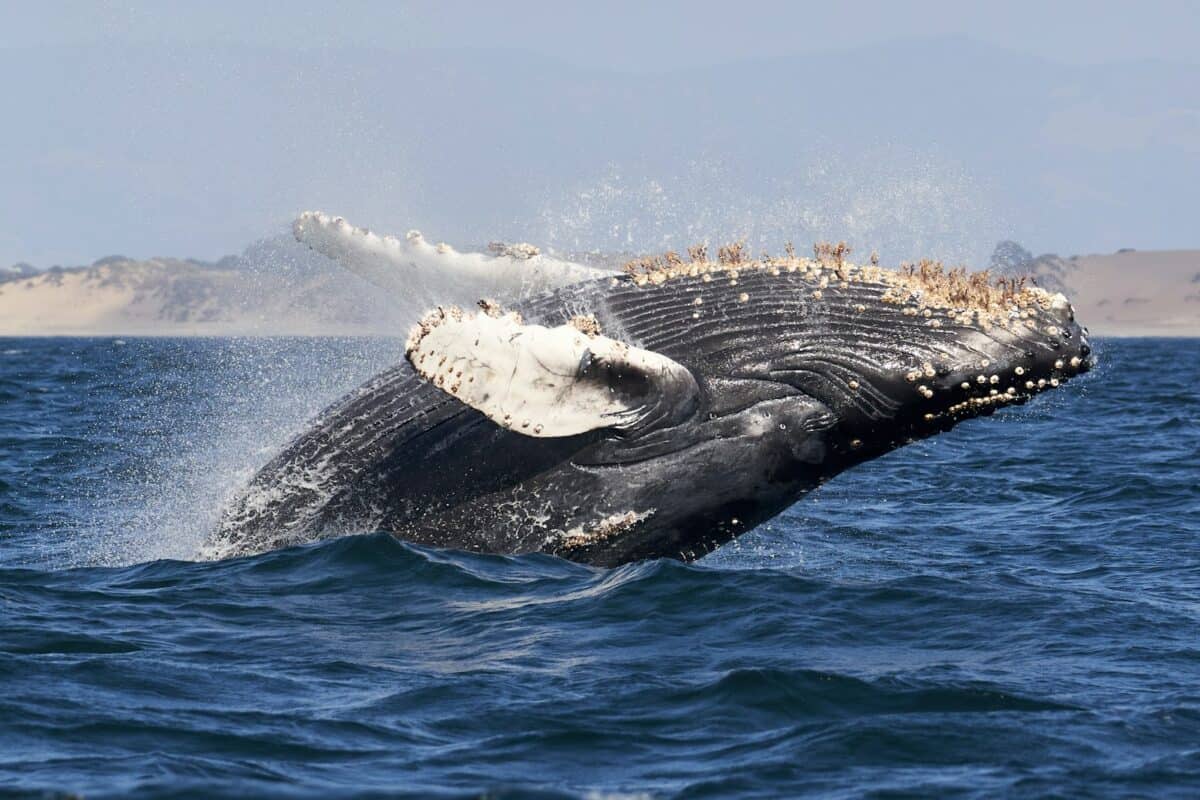
Unlike many animal vocalizations that are purely instinctual, humpback whale songs are learned behaviors passed through cultural transmission. Young males learn the regional songs from older males in their population, similar to how human children acquire language from their communities. This cultural learning process explains why whales in the same region sing nearly identical songs while those in different regions develop distinct variations. In a groundbreaking study published in the journal Nature in 2018, researchers documented how young male humpbacks require approximately two to three years to master the complex song structures of their population. This cultural transmission represents one of the most sophisticated examples of non-human cultural learning ever documented.
Song Evolution and Annual Changes

Fascinatingly, humpback whale songs aren’t static—they evolve over time within populations. Each breeding season, small modifications appear in the songs, with new phrases added and others phased out. All males within a regional population adopt these changes almost simultaneously, showing remarkable cultural coherence. Over several years, a song can transform completely while maintaining its regional character. Researchers at the University of Queensland tracked these changes over a 13-year period in the South Pacific, documenting how the song evolved through gradual shifts while maintaining recognizable population-specific features. This progressive evolution occurs differently in each region, further diversifying the accents and dialects across global humpback populations.
Cultural Revolution: When Songs Spread Between Populations

While gradual evolution is common, researchers have also documented rare but dramatic “cultural revolutions” in humpback whale songs. In the most notable case, documented between 1995 and 1998, the traditional song of humpbacks off eastern Australia was completely replaced by the song from the western Australian population. This wholesale adoption of a foreign dialect spread eastward across the South Pacific at an unprecedented rate. Marine biologist Ellen Garland of the University of St. Andrews documented how this revolutionary song change moved across the ocean like a cultural wave, with entire populations abandoning their traditional songs for the new version. This phenomenon represents the largest documented non-human cultural transmission event ever recorded and challenges our understanding of how animal cultures evolve and spread.
Geographic Barriers and Accent Development

Geographic isolation plays a crucial role in the development and maintenance of regional accents. Ocean basins, continents, and even strong currents can create barriers that separate whale populations, allowing their songs to diverge over time. The most pronounced differences appear between populations separated by continents, such as Atlantic versus Pacific humpbacks. However, even within the same ocean, substantial differences emerge when populations remain separated. For example, humpbacks in the Gulf of Maine sing noticeably different songs from those just 1,500 miles away in the Caribbean, despite both being Atlantic populations. These geographic barriers function similarly to how mountain ranges or bodies of water influenced the development of human language dialects throughout history.
The Function of Song Dialects

Why humpback whales maintain regional accents remains one of the most intriguing questions in marine mammal research. Several theories exist, each with compelling evidence. The predominant hypothesis suggests that regional dialects help identify suitable mates from the same population, who would be genetically diverse enough to avoid inbreeding but compatible enough for successful reproduction. Another theory proposes that dialects serve as a form of cultural identity that strengthens social bonds within whale populations. Some researchers believe the complexity of regional songs provides information about the singer’s cognitive abilities and overall fitness as a potential mate. A 2018 study from the Woods Hole Oceanographic Institution suggested that females may preferentially approach males singing the “correct” regional dialect, indicating that accents play a direct role in mate selection.
Acoustic Environment and Its Influence
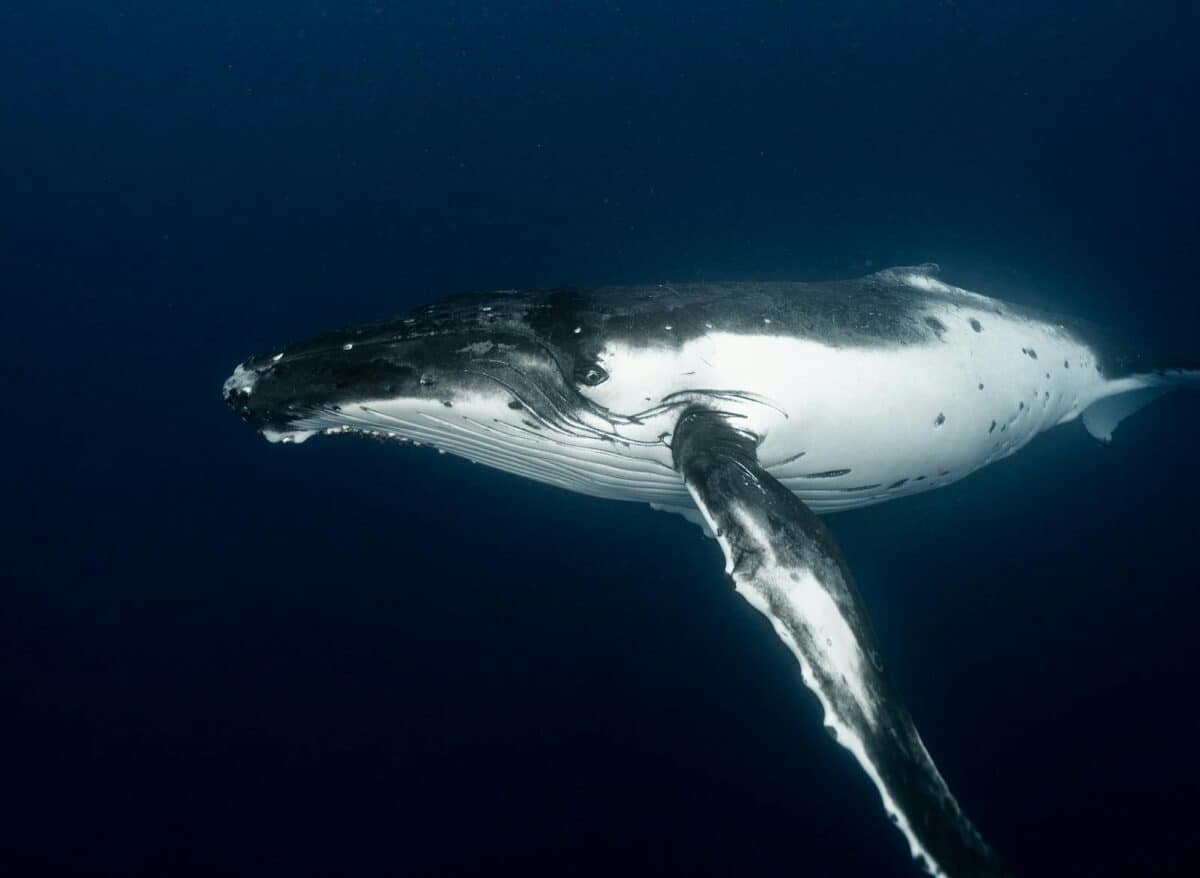
The unique acoustic properties of different ocean environments may also contribute to the development of regional accents. Sound travels differently depending on water temperature, salinity, depth, and the presence of underwater features like seamounts or canyons. Humpbacks may adapt their vocalizations to maximize transmission in their specific habitat. For instance, whales in shallow tropical waters tend to use higher-frequency components in their songs compared to those in deeper, colder waters, where lower frequencies travel more efficiently. This environmental adaptation creates subtle but measurable differences in vocal characteristics between regions. Researchers from the Scripps Institution of Oceanography have documented how these acoustic adaptations contribute to the distinctive sound profiles of different regional populations.
Recording and Analyzing Whale Accents

Documenting and analyzing humpback whale accents requires sophisticated technology and methodologies. Researchers deploy hydrophones—underwater microphones—to capture the complex vocalizations, often leaving them in place for months to record seasonal patterns. Advanced software then converts these recordings into spectrograms, visual representations that display frequency, intensity, and timing. Machine learning algorithms have revolutionized the analysis process, allowing scientists to identify subtle patterns that might escape human detection. The Cetacean Research Technology group has developed specialized equipment that can detect frequencies beyond human hearing range, revealing previously unknown components of humpback songs. These technological advances have enabled researchers to catalog an extensive library of regional dialects and track their changes over time with unprecedented precision.
Implications for Whale Intelligence and Culture

The existence of regional accents and their cultural transmission has profound implications for our understanding of whale intelligence and social structures. The ability to learn, maintain, and evolve complex vocal patterns suggests cognitive abilities previously unrecognized in non-human species. Humpbacks demonstrate not only the capacity to learn but also conformity to cultural norms and innovation through song evolution. These skills require advanced memory, social learning, and potentially even aesthetic preferences. Dr. Luke Rendell from the University of St. Andrews, a leading researcher in whale culture, suggests that the maintenance of regional dialects indicates a form of cultural identity among whale populations that parallels certain aspects of human cultural transmission. This cultural dimension challenges traditional boundaries between human and animal cognition and raises important questions about the depth of whale consciousness and social awareness.
Conservation Implications of Regional Dialects
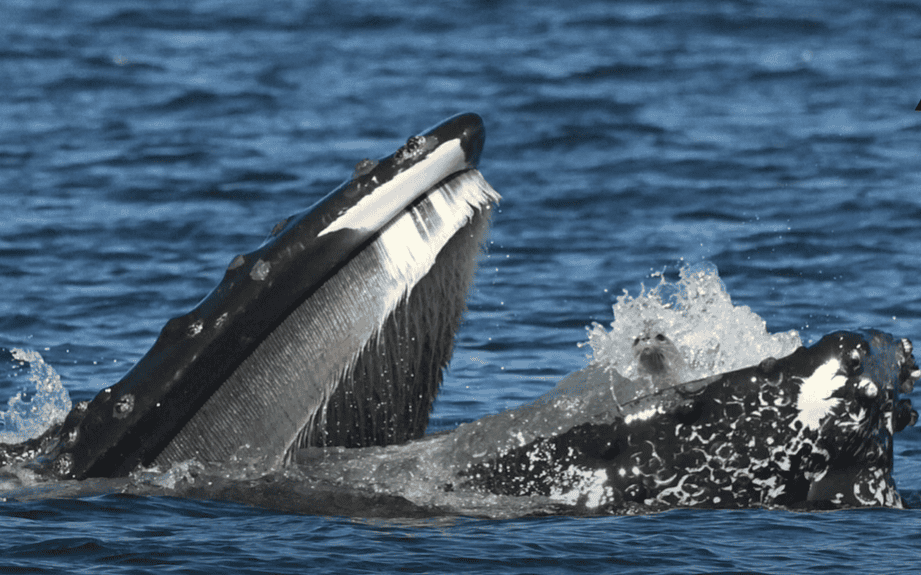
Understanding humpback whale accents has significant implications for conservation efforts. Regional dialects help scientists identify distinct populations and track their movements, crucial information for effective protection strategies. Song patterns can serve as acoustic markers of population health and resilience, with changes potentially indicating environmental stress or population decline. The cultural dimension of whale songs also raises ethical questions about conserving not just the species but also their unique cultural expressions. Just as human languages facing extinction represent a loss of cultural heritage, the loss of a regional whale dialect would represent the disappearance of a unique cultural tradition. The International Whaling Commission now recognizes the importance of preserving cultural diversity in whale populations as part of comprehensive conservation planning.
Future Research Directions

The study of humpback whale accents continues to evolve with new technologies and research approaches. Scientists are now using drones equipped with acoustic recording devices to observe singing behavior in unprecedented detail, capturing both the sounds and the physical movements associated with different song components. Satellite tagging combined with acoustic monitoring allows researchers to track how songs spread between populations as whales migrate. Advanced computational models are being developed to predict how songs might evolve and spread in response to changing ocean conditions and human impacts. Perhaps most exciting is the application of artificial intelligence to decode more of the information contained in these songs, potentially revealing layers of meaning and communication that remain hidden to human observers. As ocean noise pollution increases, understanding how it impacts the development and transmission of regional dialects has become an urgent research priority.
Conclusion

The regional accents of humpback whales represent one of the most fascinating examples of non-human culture and communication in the natural world. These distinctive dialects, learned and transmitted through generations, evolving over time yet maintaining regional characteristics, reveal the profound complexity of whale societies. The existence of these accents challenges our understanding of animal cognition and raises important questions about the boundaries we draw between human and non-human intelligence. As we continue to decipher the haunting melodies that travel through our oceans, we gain not just scientific knowledge but a deeper appreciation for the rich cultural lives of these magnificent creatures. In the songs of humpback whales, we find compelling evidence that complex culture is not exclusively human—it resonates through the depths of our oceans in voices we are only beginning to understand.

- The Story of the Arctic Fox’s Incredible Seasonal Transformation - July 18, 2026
- 10 Most Venomous Snakes in US National Parks - July 18, 2026
- The Moth That Drinks Blood - July 18, 2026