

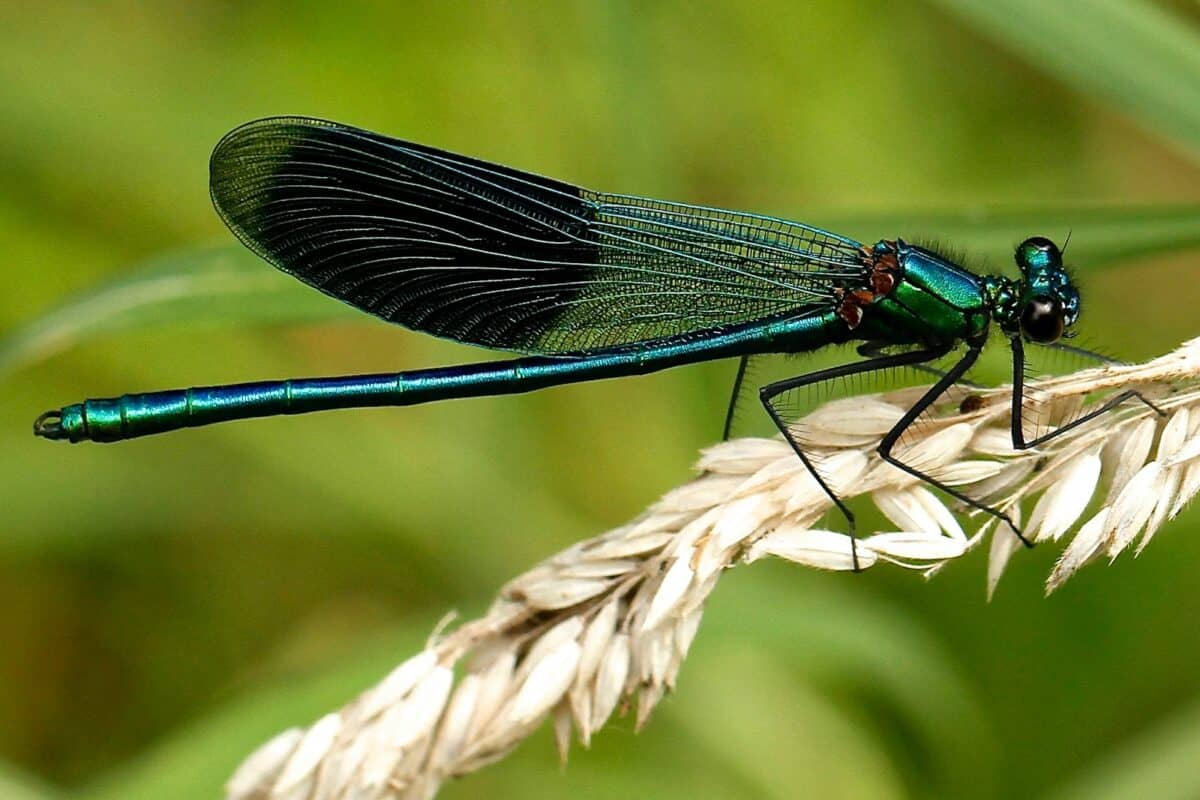
When we think of giant insects, our minds often conjure images from science fiction or prehistoric times—massive dragonflies with wingspans like eagles, or millipedes as long as cars. While today’s insects are relatively modest in size, Earth once hosted arthropods of truly staggering proportions. The question of whether giant insects could ever make a comeback isn’t just a fascinating thought experiment; it intersects with our understanding of evolution, atmospheric science, and the future of our planet. As climate change reshapes Earth’s ecosystems and oxygen levels fluctuate, some scientists wonder if conditions might someday favor the return of mega-bugs. This article explores the fascinating history of giant insects, the factors that enabled their existence, and whether modern conditions could ever support their return.
The Age of Giant Insects

Approximately 300 million years ago, during the late Carboniferous and early Permian periods, Earth experienced what some paleontologists call the “Age of Giant Insects.” This era saw arthropods reach sizes that would terrify most modern humans. Meganeura, a griffinfly similar to modern dragonflies, boasted wingspans up to 65 centimeters (over 2 feet).
Arthropleura, a relative of modern millipedes, grew to lengths of 2.6 meters (8.5 feet) and is considered the largest known land invertebrate of all time. These weren’t isolated examples—many insect and arthropod groups during this period exhibited gigantism compared to their modern relatives. The fossil record from this time presents clear evidence that conditions on Earth once supported arthropod life at scales that seem almost impossible by today’s standards.
Why Insects Grew So Large
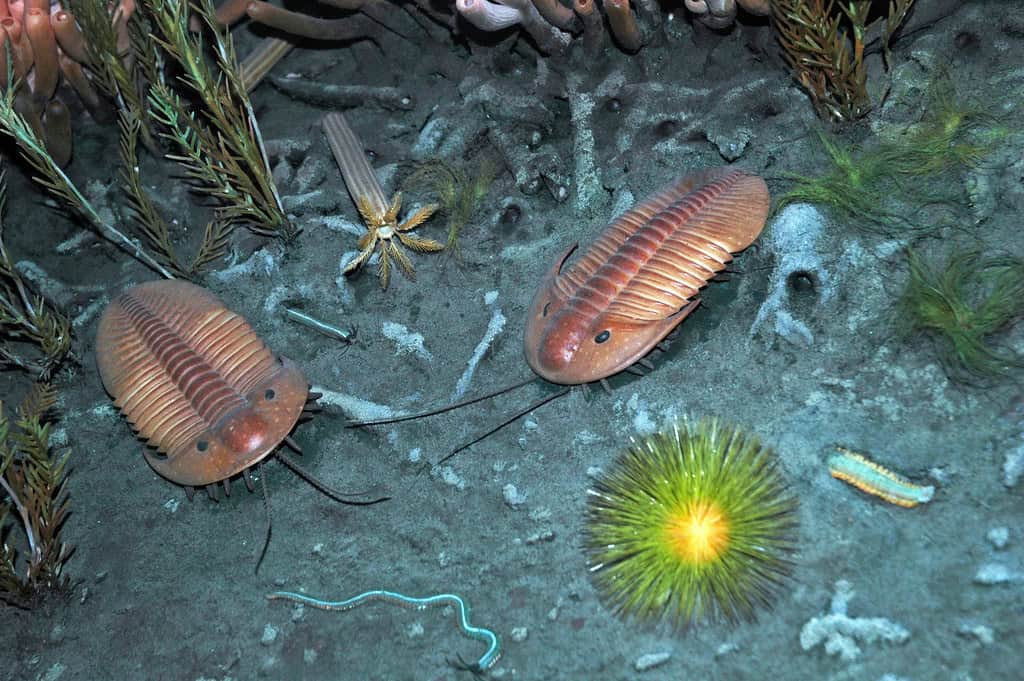
The primary factor behind prehistoric insect gigantism was atmospheric oxygen levels. During the Carboniferous period, oxygen comprised approximately 35% of Earth’s atmosphere, compared to today’s 21%. This oxygen-rich environment profoundly affected insect physiology. Insects don’t have lungs; instead, they rely on a system of tubes called tracheae that deliver oxygen directly to their tissues through diffusion. The efficiency of this system imposes size limitations—the further oxygen needs to diffuse, the less efficient the system becomes.
Higher atmospheric oxygen content allowed oxygen to diffuse deeper into insect bodies, effectively removing this constraint and permitting the evolution of larger body sizes. Additionally, the absence of many vertebrate predators during this period meant less selective pressure against large body sizes, allowing insects to explore evolutionary paths toward gigantism without facing immediate predatory threats.
The Oxygen-Size Connection

The relationship between atmospheric oxygen and insect size has been well-established through both fossil evidence and experimental research. Studies involving modern insects raised in varying oxygen concentrations have demonstrated that higher oxygen levels indeed produce larger individuals. For example, researchers at Arizona State University found that dragonflies raised in hyperoxic conditions (higher oxygen) grew larger than their counterparts raised in normal or low-oxygen environments.
Conversely, when oxygen levels dropped during later geological periods, insect sizes correspondingly decreased. This correlation is so consistent that some paleontologists use fossilized insect size as a proxy indicator for prehistoric atmospheric oxygen levels. The oxygen-size relationship represents one of the clearest examples of how atmospheric composition directly influences evolutionary outcomes and physical characteristics of species.
What Ended the Era of Giant Insects?

The reign of giant insects didn’t end abruptly but declined over millions of years due to several converging factors. The most significant was the gradual reduction in atmospheric oxygen, which fell from 35% to levels closer to our current 21%. This decline made the tracheal respiratory system insufficient for supporting very large body sizes. Simultaneously, the rise of flying vertebrate predators—first pterosaurs and later birds—created new selective pressures against large flying insects.
These agile predators could catch even the largest insects, making gigantism a liability rather than an advantage. The evolution of bats approximately 50 million years ago added nocturnal predatory pressure, effectively closing another ecological niche where large insects might have persisted. Finally, mass extinction events, particularly the Permian-Triassic extinction (the “Great Dying”), eliminated many arthropod lineages and reset evolutionary trajectories toward smaller body plans better adapted to the post-extinction world.
Today’s Insect Giants
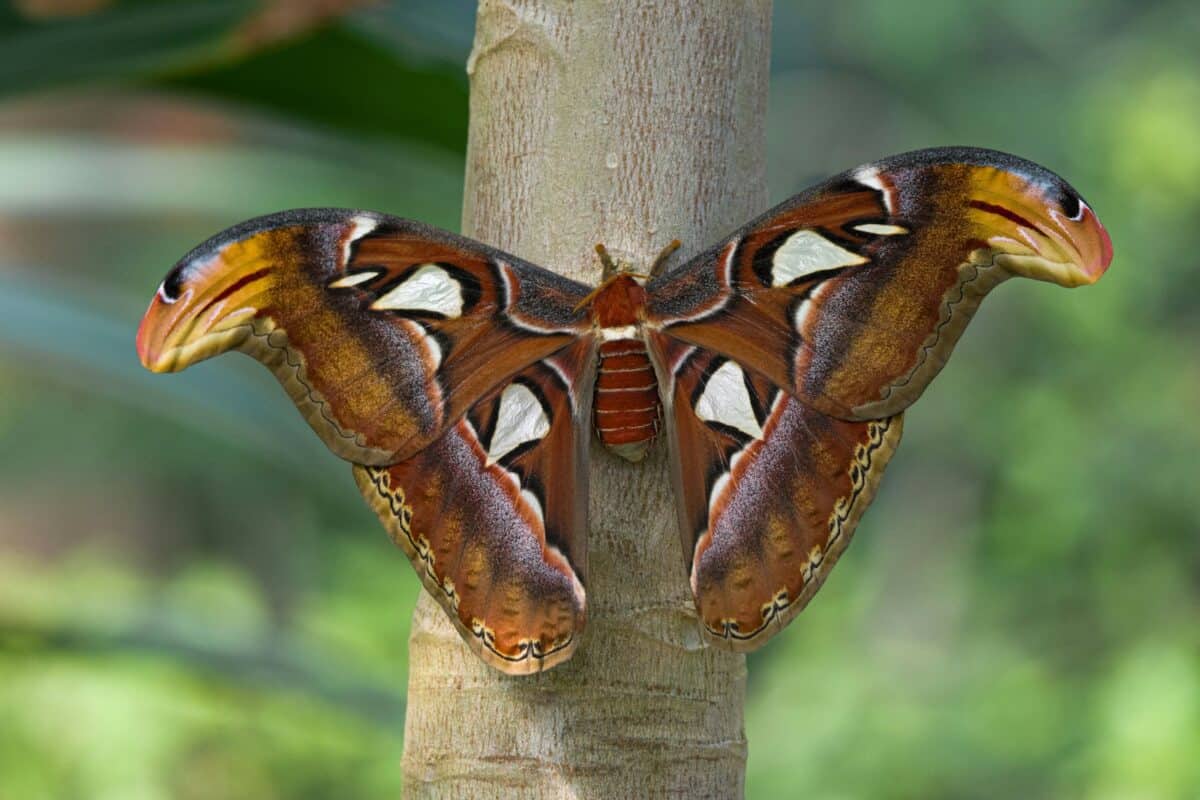
While nothing today compares to the giants of the Carboniferous period, some modern insects still achieve impressive dimensions. The goliath beetle (Goliathus) can reach lengths of over 11 centimeters (4.3 inches) and weights of 100 grams. The Queen Alexandra’s birdwing butterfly (Ornithoptera alexandrae) has a wingspan up to 31 centimeters (12.2 inches), making it the largest butterfly in the world by wing area.
The atlas moth (Attacus atlas) isn’t far behind with wingspans approaching 30 centimeters. Among the most impressive modern insects is the giant weta from New Zealand, which can weigh up to 70 grams—heavier than some small birds. These modern giants tend to exist in specific ecological niches, often on islands or in isolated regions where they’ve been protected from certain evolutionary pressures. Nevertheless, they remain pale shadows of their prehistoric counterparts, limited by both modern oxygen levels and contemporary ecological constraints.
Could Oxygen Levels Rise Again?

For giant insects to make a comeback, atmospheric oxygen would need to increase substantially—but is this possible? Some climate models suggest that oxygen levels fluctuate naturally over geological time scales. However, current trends show no indication of a significant oxygen increase in Earth’s near future. Human activities are actually reducing oxygen in localized environments through pollution and deforestation. The burning of fossil fuels consumes oxygen while releasing carbon dioxide, creating a slight but measurable decrease in atmospheric oxygen.
While this decrease is minimal (around 0.001% per year), it moves in the opposite direction needed for insect gigantism. Any natural process that might significantly increase global oxygen levels would operate on time scales of millions of years, requiring massive increases in photosynthetic activity and carbon burial. Without deliberate geoengineering on a planetary scale—an endeavor far beyond current technological capabilities—Earth is unlikely to return to Carboniferous oxygen levels in the foreseeable future.
Evolutionary Time Scales
Even if atmospheric conditions were to change favorably, the evolution of giant insects wouldn’t happen overnight. The process of evolutionary adaptation toward larger body sizes would require thousands to millions of generations. Modern insects have been evolutionarily optimized for current conditions over millions of years. Their body plans, metabolic systems, and genetic regulatory mechanisms are all calibrated to function within present oxygen constraints.
The genetic pathways that once enabled gigantism haven’t simply been paused—many have been lost or fundamentally altered through mutation and natural selection. Some scientists suggest that modern insects might face developmental and physiological barriers to gigantism that didn’t exist for their prehistoric ancestors. These constraints mean that even with higher oxygen levels, modern insects might not be able to achieve the sizes of their ancient counterparts without extensive evolutionary remodeling—a process that would unfold over millions of years rather than human timescales.
The Ecological Constraints
Beyond oxygen and evolutionary considerations, modern ecosystems impose additional constraints on potential insect gigantism. Today’s world is dominated by vertebrate predators highly specialized in insect consumption. Birds, bats, reptiles, amphibians, and many mammals would quickly target and consume any unusually large insects, creating strong selective pressure against gigantism. Competition among insect species is also intense in modern ecosystems, with ecological niches finely subdivided among thousands of specialized species.
Additionally, human activities have fragmented habitats and reduced insect populations worldwide—the documented “insect apocalypse” suggests many species are struggling even at their current sizes. Urban environments, agriculture, and pollution have created hostile conditions for insects generally. These ecological realities mean that even if atmospheric conditions changed, numerous other factors would work against the re-emergence of giant insects in the modern world.
Laboratory Giants: Artificial Selection

Could humans deliberately create larger insects through selective breeding or genetic engineering? Laboratory experiments have already demonstrated that artificial selection can produce modest size increases in insects like fruit flies. Scientists have successfully selected for larger body sizes over multiple generations, though these increases are typically limited to 10-20% beyond normal size ranges. Genetic engineering offers more targeted approaches, potentially modifying genes that regulate growth factors or oxygen utilization efficiency. However, these approaches face fundamental physiological constraints.
Engineering more efficient tracheal systems would require restructuring basic insect anatomy, a challenge beyond current genetic techniques. Ethical and biosafety concerns also present significant barriers—the creation of giant insects could have unpredictable ecological consequences if they escaped laboratory settings. While controlled size increases through artificial means are possible, recreating truly giant insects comparable to prehistoric species remains beyond current scientific capabilities and would raise serious ecological and ethical questions.
Climate Change and Insect Size
Intriguingly, some research suggests climate change may actually be affecting insect size, though not in the direction of gigantism. Studies have documented a pattern called the “temperature-size rule,” where many insects grow larger in cooler environments and smaller in warmer ones. As global temperatures rise, this phenomenon could lead to gradual downsizing of many insect species. A 2019 study in the journal Nature Communications found that beetles collected over the past century showed consistent decreases in body size correlating with temperature increases in their collection regions.
Climate change also affects oxygen availability in complex ways. While global atmospheric oxygen percentages remain relatively stable, warming temperatures increase metabolic demands in insects, effectively reducing oxygen availability at the cellular level. Higher metabolic rates require more oxygen, potentially constraining growth rather than enabling it. These patterns suggest that current climate trends may actually be working against insect gigantism rather than facilitating it.
Theoretical Pathways to Gigantism

While conditions don’t currently favor insect gigantism, theoretical scenarios do exist where evolutionary pathways might reopen. One possibility involves isolated environments with elevated oxygen levels, such as might occur in specialized habitats like certain cave systems or artificially maintained environments. Another pathway could involve evolutionary innovations in respiratory efficiency. If insects evolved more effective oxygen transport mechanisms—perhaps through modified tracheal systems or oxygen-binding compounds similar to hemoglobin—they might overcome current size constraints even without atmospheric changes.
Adaptive radiation into vacant ecological niches following mass extinction events could also potentially create opportunities for size increases, as happened after previous extinctions. A more speculative scenario involves long-term planetary changes: if Earth’s plant biomass were to increase dramatically over millions of years, potentially due to technological intervention or natural processes, atmospheric oxygen could gradually rise. While none of these scenarios appears likely in the near term, they illustrate that the evolutionary door to insect gigantism isn’t permanently closed, just currently inaccessible.
The Value of Giant Insects

Would giant insects benefit ecosystems if they could return? The ecological role of prehistoric giant insects remains speculative, but they likely served important functions. Large herbivorous arthropods would have processed significant amounts of plant material, contributing to nutrient cycling. Giant predatory insects would have regulated populations of smaller organisms. In modern ecosystems, even modest increases in insect size could have cascading effects. Larger pollinators might transfer more pollen per visit but require more nectar, potentially altering plant-pollinator relationships.
Larger predatory insects could help control pest species but might also target beneficial insects. From a biodiversity perspective, greater size diversity among insects could increase ecological resilience by expanding the range of available niches. However, introducing significantly larger insects into existing ecosystems would likely cause disruption rather than enhancement, as modern food webs have evolved without these giants. Any reintroduction would need to occur gradually, allowing coevolutionary processes to establish new ecological relationships—a process that would unfold over evolutionary rather than human timescales.
Conclusion: Will Giants Roam Again?

The return of truly giant insects—comparable to those of the Carboniferous period—appears highly unlikely in our current world or any near-future scenario. The combination of lower atmospheric oxygen, evolved physiological constraints, ecological competition, and predation pressure creates multiple barriers to insect gigantism. While minor size increases might occur through artificial selection or in specialized environments, the days of dragonflies with two-foot wingspans or millipedes the length of cars almost certainly belong exclusively to Earth’s distant past.
This conclusion doesn’t diminish the fascination of giant insects, however. Their existence reminds us how dramatically Earth’s conditions have changed over time and how profoundly environmental factors shape evolutionary trajectories. Understanding why giant insects existed—and why they disappeared—provides valuable insights into evolutionary biology, atmospheric science, and ecology. Perhaps most importantly, it highlights how the organisms around us are precisely adapted to current conditions, representing the culmination of millions of years of evolutionary fine-tuning to Earth’s ever-changing environment.

From exploring the marine wonders in the Azores and witnessing the vast savannas of Kenya, to delving deep into the rich biodiversity of South Africa and traversing iconic landscapes in Australia and the US like Yellowstone, Chris's experiences are vast.
With a penchant for diving alongside sharks, the ocean holds a special place in his heart.
Through his academic insights, he champions wildlife conservation, striving with 'Animals Around The Globe' to cultivate a profound connection between humans and animals, enhancing our mutual appreciation.
Connect with him at Feedback@animalsaroundtheglobe.com.
- Why Spiders Don’t Get Stuck in Their Own Webs - July 20, 2026
- What Scientists Found in a 10,000-Year-Old Beehive - July 20, 2026
- This Spider Builds Fake Decoys of Itself - July 20, 2026