

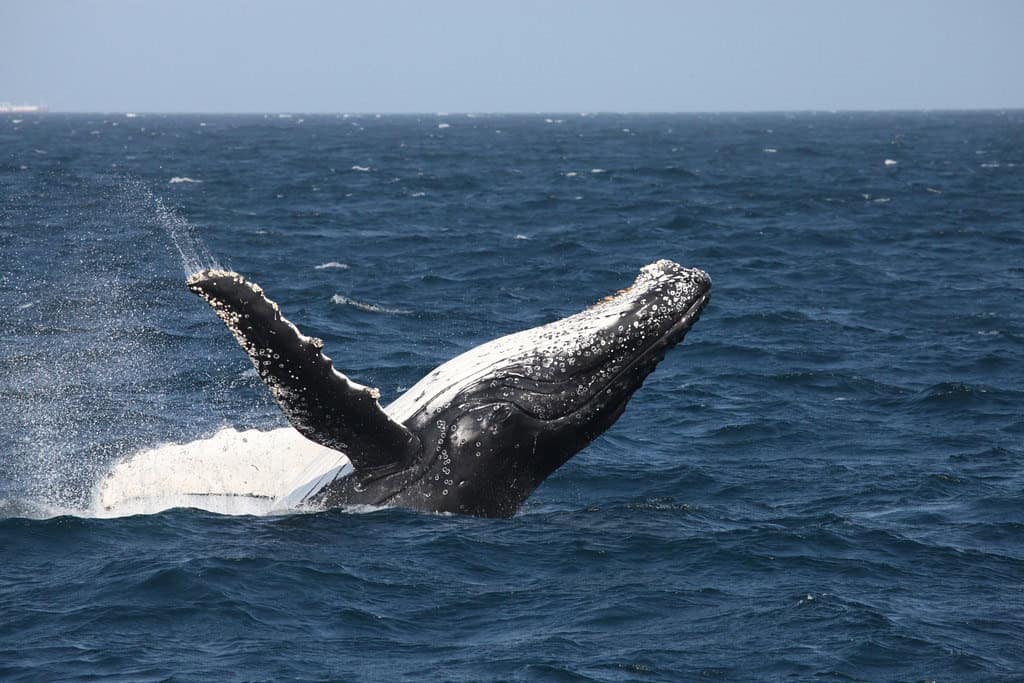
There are few wildlife spectacles as breathtaking as witnessing a 40-ton humpback whale launch itself out of the ocean, momentarily suspended in air before crashing back into the waves with a thunderous splash. This behavior, known as breaching, is one of nature’s most awe-inspiring displays and draws thousands of whale enthusiasts to coastal states across America each year. While scientists continue to debate the exact reasons humpbacks breach—whether for communication, removing parasites, or simply play—there’s no denying the emotional impact of witnessing such raw power and grace. The United States, with its extensive coastlines along both the Atlantic and Pacific Oceans, offers some of the world’s premier destinations for observing these magnificent marine mammals in their natural habitat. This article explores the best states for witnessing humpback whale breaching, examining when, where, and how to maximize your chances of experiencing this unforgettable natural phenomenon.
Hawaii: The Winter Wonderland for Humpbacks

Hawaii stands as perhaps the premier destination in the United States for observing humpback whale breaches. From December through April, approximately 10,000 humpbacks migrate from Alaska to the warm, shallow waters surrounding the Hawaiian Islands to breed and give birth. The channel between Maui, Lanai, and Molokai is particularly renowned for whale activity, with some of the highest concentration of humpbacks anywhere in the world. The clear, warm waters and excellent visibility make Hawaii exceptional for whale watching, with breach sightings common during peak season. What makes Hawaii truly special is the proximity to shore that whales often come—sometimes breaches can be observed directly from coastal lookouts without even boarding a boat. The combination of reliable whale presence, comfortable viewing conditions, and the whales’ playful behavior in these breeding grounds makes Hawaii a consistent favorite among whale enthusiasts seeking dramatic breaching displays.
Alaska: Summer Feeding Grounds with Spectacular Backdrops
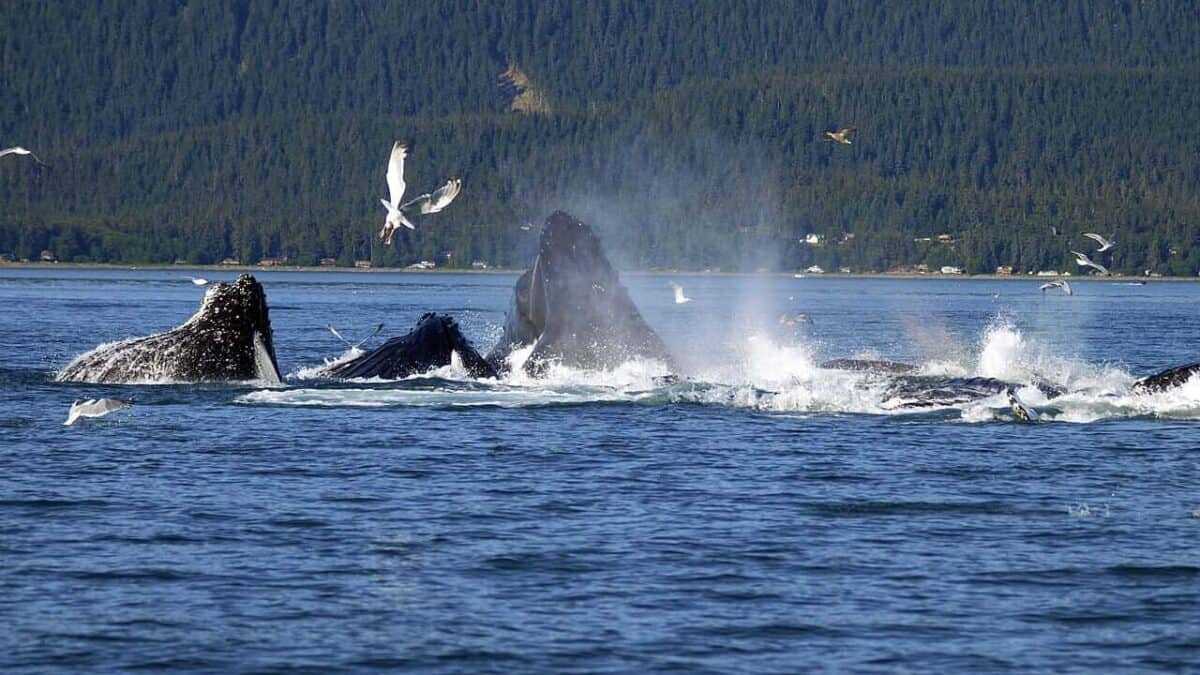
Alaska represents the northern feeding grounds where many humpbacks spend their summer months after leaving Hawaiian waters. From May through September, humpbacks gather in nutrient-rich Alaskan waters to feed, with prime viewing areas including Glacier Bay National Park, Frederick Sound, and the waters around Juneau. Alaska offers a different but equally impressive whale watching experience compared to Hawaii, as the feeding behaviors often include dramatic group bubble-net feeding, where multiple whales work together to corral prey—a behavior sometimes punctuated by spectacular breaches. The backdrop of glaciers, snow-capped mountains, and pristine wilderness adds to the majesty of witnessing breaches in these waters. Tour operators in Juneau and Sitka report consistent breach sightings throughout the summer months, with some tours boasting a nearly 100% success rate of witnessing some form of surface activity during peak season. The extended daylight hours of the Alaskan summer also provide more viewing opportunities throughout the day.
Massachusetts: Cape Cod’s Prolific Breach Sightings
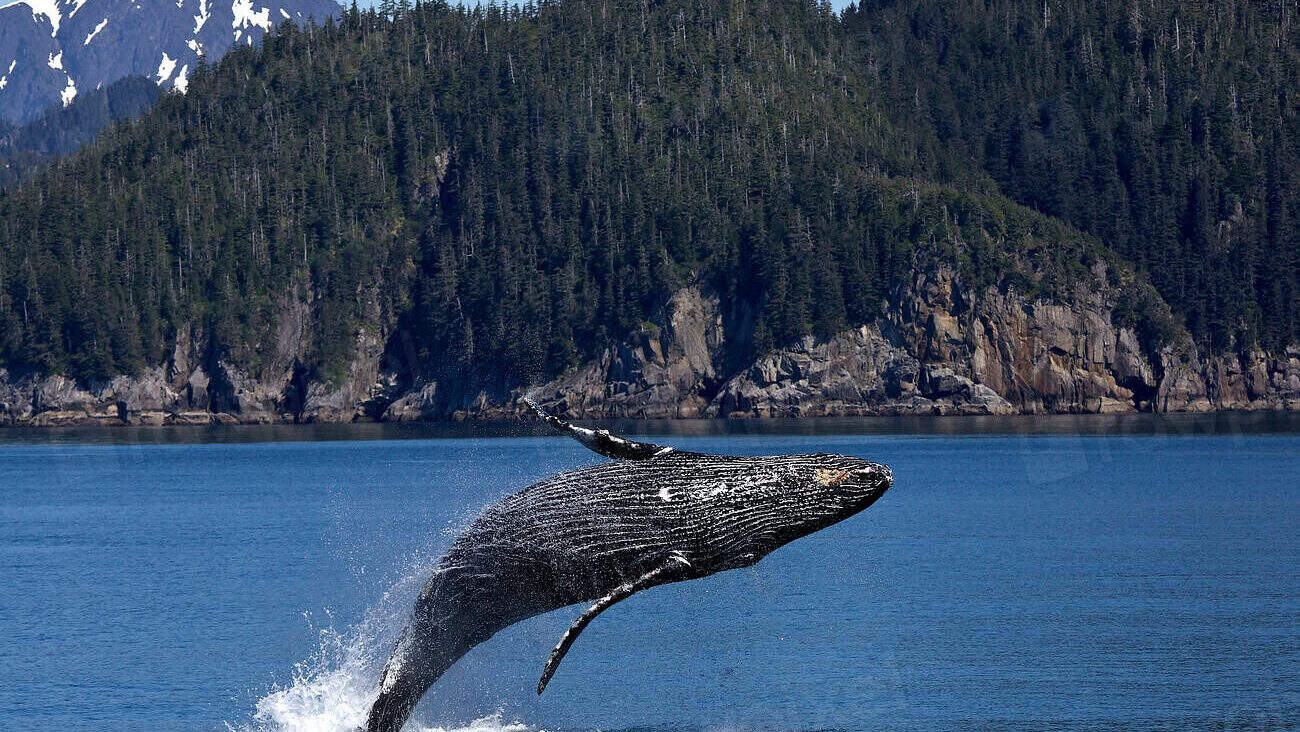
Massachusetts, particularly the waters around Cape Cod, Stellwagen Bank National Marine Sanctuary, and the Gulf of Maine, offers some of the best humpback whale watching on the East Coast. The feeding season runs from April through October, with peak activity in July and August. What makes Massachusetts exceptional for breach-seekers is the unique feeding ground dynamics that seem to encourage more surface activity among the whales compared to some other locations. Stellwagen Bank’s unique underwater topography creates upwellings that concentrate prey, leading to energetic feeding behaviors often accompanied by breaching. Massachusetts whale watching tours have documented individual humpbacks breaching more than 30 times in succession—an extraordinary display rarely seen elsewhere with such frequency. The relatively close proximity of these feeding grounds to major population centers like Boston makes Massachusetts particularly accessible for whale enthusiasts wanting to witness breaching behavior without traveling to more remote locations.
California: Year-Round Opportunities on the Pacific Coast
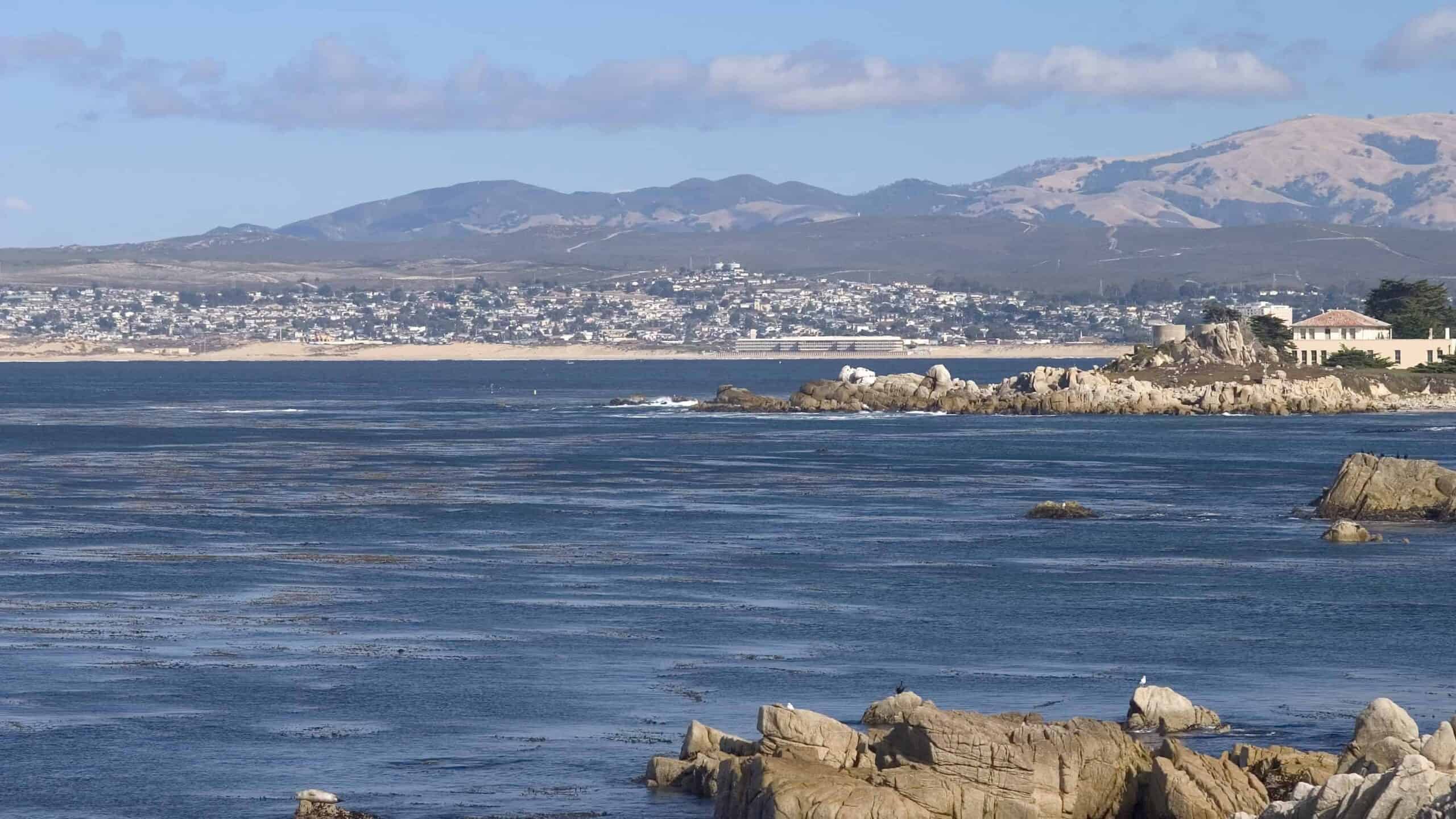
California offers some of the most reliable year-round opportunities to witness humpback whales in the continental United States. While the prime months span from May through November, migration patterns and resident populations mean some humpbacks can be spotted in California waters during any month of the year. The Monterey Bay, Channel Islands, and areas around San Francisco are particularly notable for breach sightings. What distinguishes California is the diversity of marine life often seen alongside humpbacks—including blue whales, orcas, and numerous dolphin species—creating a rich ecosystem experience. The Monterey Submarine Canyon, one of the deepest underwater canyons on the Pacific coast, creates an upwelling of nutrients that attracts abundant prey and subsequently, very active humpbacks that frequently breach. California also offers some of the most extensive whale research programs, with naturalists aboard many tours providing exceptional educational insights into breaching behavior and other aspects of whale biology.
Maine: Atlantic Coast Feeding Grounds with Intimate Experiences

Maine’s rugged coastline provides excellent opportunities for humpback whale watching from mid-April through October, with peak activity during July and August. The Gulf of Maine serves as a critical feeding ground, with Bar Harbor and Boothbay Harbor offering the most consistent launch points for whale watching excursions. What makes Maine special is the intimacy of many whale watching experiences, with smaller boats often used compared to larger operations elsewhere. These smaller vessels can sometimes provide more personal encounters with breaching whales, though always maintaining respectful distances. Maine’s coastal waters feature numerous ledges and underwater structures that concentrate prey, creating ideal conditions for observing feeding behaviors that frequently include breaching. The state’s commitment to responsible whale watching practices has also helped maintain healthy whale populations, with some tour operators participating in research by documenting whale behaviors and identifying individuals through fluke patterns.
Washington: Pacific Northwest Breach Encounters
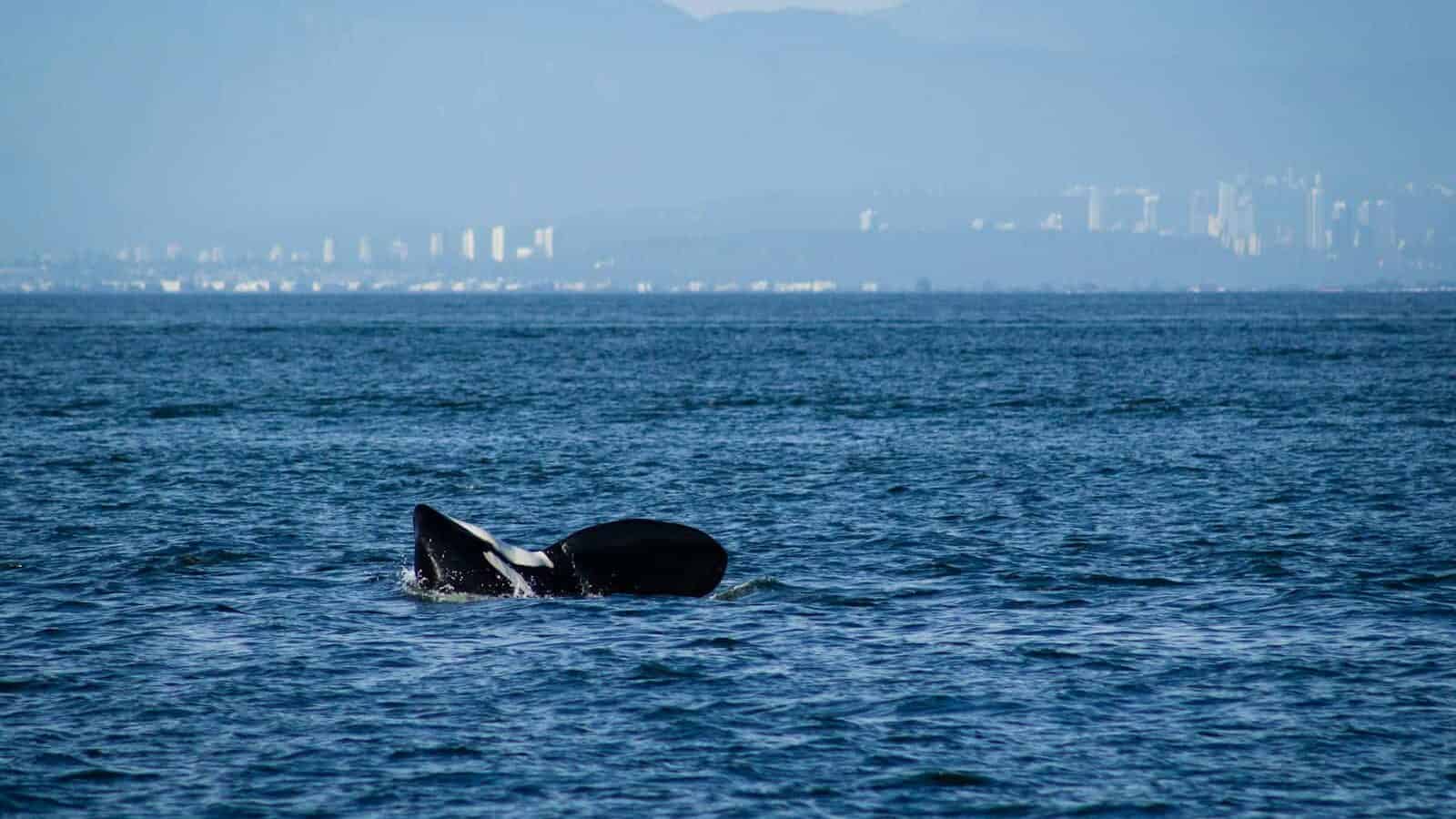
Washington State, particularly the San Juan Islands and the Strait of Juan de Fuca, offers excellent opportunities to witness humpback whale breaches from May through October. After nearly disappearing from these waters due to commercial whaling, humpbacks have made a remarkable comeback in the Pacific Northwest over the past decade. What distinguishes Washington’s whale watching scene is the possibility of encountering both transient and resident humpback populations alongside the region’s famous resident orcas. The deep, cold waters of the Salish Sea provide rich feeding grounds, and the humpbacks here display frequent surface-active behaviors including breaching. The landscape backdrop of the Olympic Mountains and evergreen forests creates a particularly stunning setting for whale watching. Many Washington tour operators employ hydrophones that allow visitors to hear the haunting songs and vocalizations of humpbacks—adding an auditory dimension to the visual spectacle of breaching that enhances the overall experience.
Understanding Breaching Behavior and Maximizing Your Chances
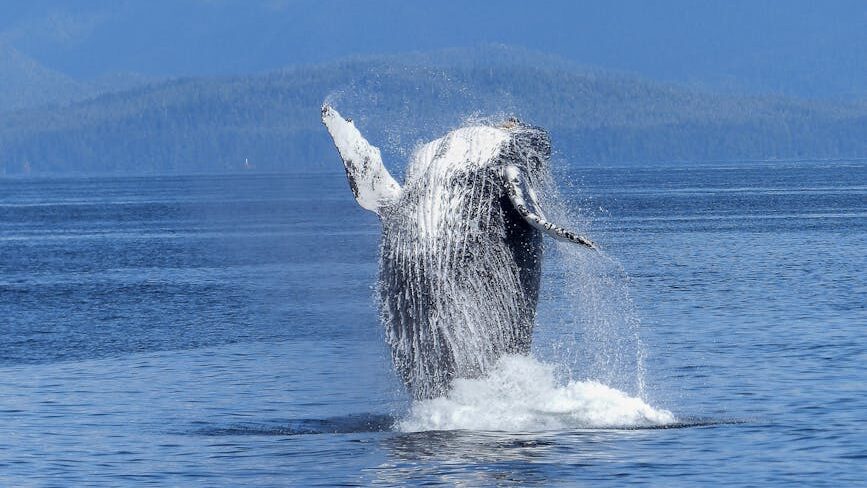
While breaching remains somewhat mysterious to scientists, certain conditions appear to increase the likelihood of witnessing this behavior. Rough sea conditions often correlate with increased breaching, possibly as whales adapt their communication methods when underwater sounds are masked by surface noise. Social contexts also matter—competitive groups of males pursuing females during breeding season (as in Hawaii) frequently breach, as do mothers with calves who may be teaching important behaviors. Weather transitions, particularly approaching storms, sometimes trigger increased surface activity. To maximize your chances of witnessing breaches, choose longer excursions (3+ hours) during peak season, select operators with high ratings specifically for breach sightings, and visit locations where multiple whale groups might be encountered. Patience is essential—sometimes whales breach repeatedly, while other times they remain subdued. Morning trips often benefit from calmer waters that make spotting breaches easier from a distance, though breaching occurs throughout the day.
Conservation Considerations When Whale Watching
Responsible whale watching is essential for the continued recovery of humpback whale populations. While humpbacks have rebounded significantly since the whaling moratorium of the 1980s, they still face challenges from vessel strikes, entanglement in fishing gear, ocean noise pollution, and climate change impacts on prey availability. When selecting whale watching experiences, prioritize operators who adhere to federal guidelines maintaining minimum approach distances (typically 100 yards), avoid approaching whales head-on, limit viewing time, and cut engines rather than pursuing whales. Many reputable operators participate in conservation efforts by contributing whale sighting data to research organizations, maintaining identification catalogs of individual whales, and providing educational components that build public support for marine conservation. The best whale watching experiences balance the thrill of witnessing behaviors like breaching with respect for the animals’ natural behaviors and habitat needs.
Oregon: The Pacific Coast’s Hidden Gem
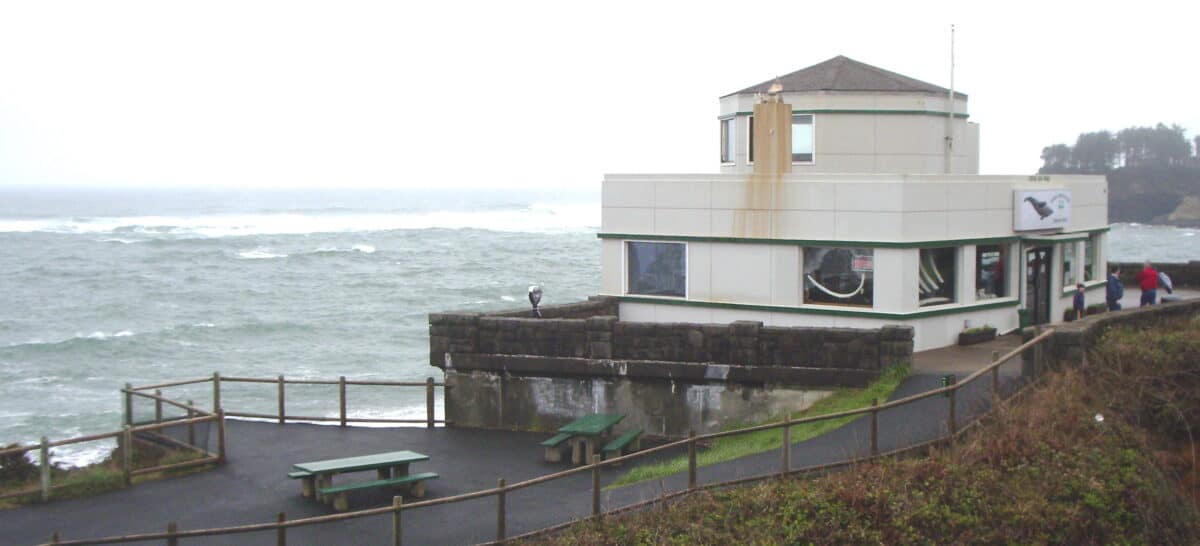
Oregon offers exceptional yet often overlooked opportunities for witnessing humpback whale breaches from May through November. The coastal waters from Depoe Bay (the “Whale Watching Capital of Oregon”) to Port Orford provide consistent sightings during the summer feeding season. What makes Oregon unique is the dramatic viewing opportunities from shore along the Oregon Coast Highway (US 101), with numerous designated whale watching sites at elevated positions offering excellent vantage points for spotting breaches without boarding a boat. The state’s Whale Watching Center in Depoe Bay provides resources for visitors, including spotting scopes and staff to help locate whales. Oregon’s relatively uncrowded waters mean fewer boats potentially disrupting natural behaviors, sometimes resulting in more relaxed whales exhibiting more natural surface behaviors including breaching. The combination of accessibility, affordability (including free shore-based viewing), and reliable sightings makes Oregon an excellent option for whale enthusiasts seeking breach encounters without the crowds sometimes found at more famous destinations.
New York: Surprising Urban Whale Watching
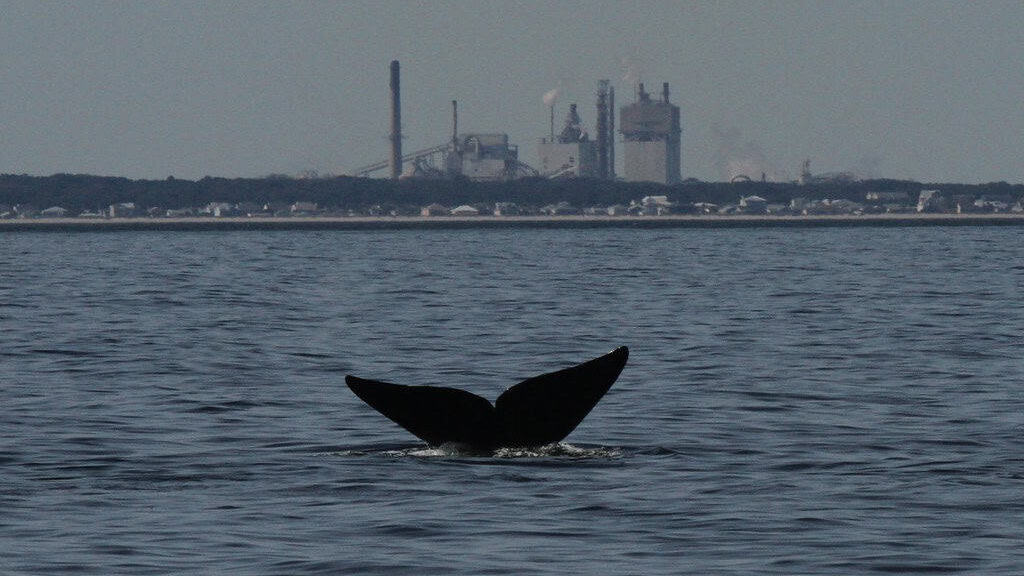
In recent years, New York has emerged as a surprising hotspot for humpback whale watching, with consistent sightings from June through September just miles from the Manhattan skyline. This remarkable recovery of whales in New York waters follows improved water quality and rebounding prey populations, particularly Atlantic menhaden. What makes New York exceptional is the stark contrast between the urban backdrop and the primal power of breaching humpbacks—nowhere else in America can you photograph a 40-ton whale breaching with skyscrapers in the background. Tour operators departing from Queens, Brooklyn, and Manhattan report increasingly reliable breach sightings each year as humpback populations continue to grow in the region. The proximity to a major urban population center makes New York’s whale watching opportunities uniquely accessible, with the possibility of witnessing world-class wildlife spectacles without extended travel. Research suggests these urban whales may breach more frequently than expected, possibly as a response to the increased ambient noise of the metropolitan environment.
Puerto Rico: Tropical Humpback Watching
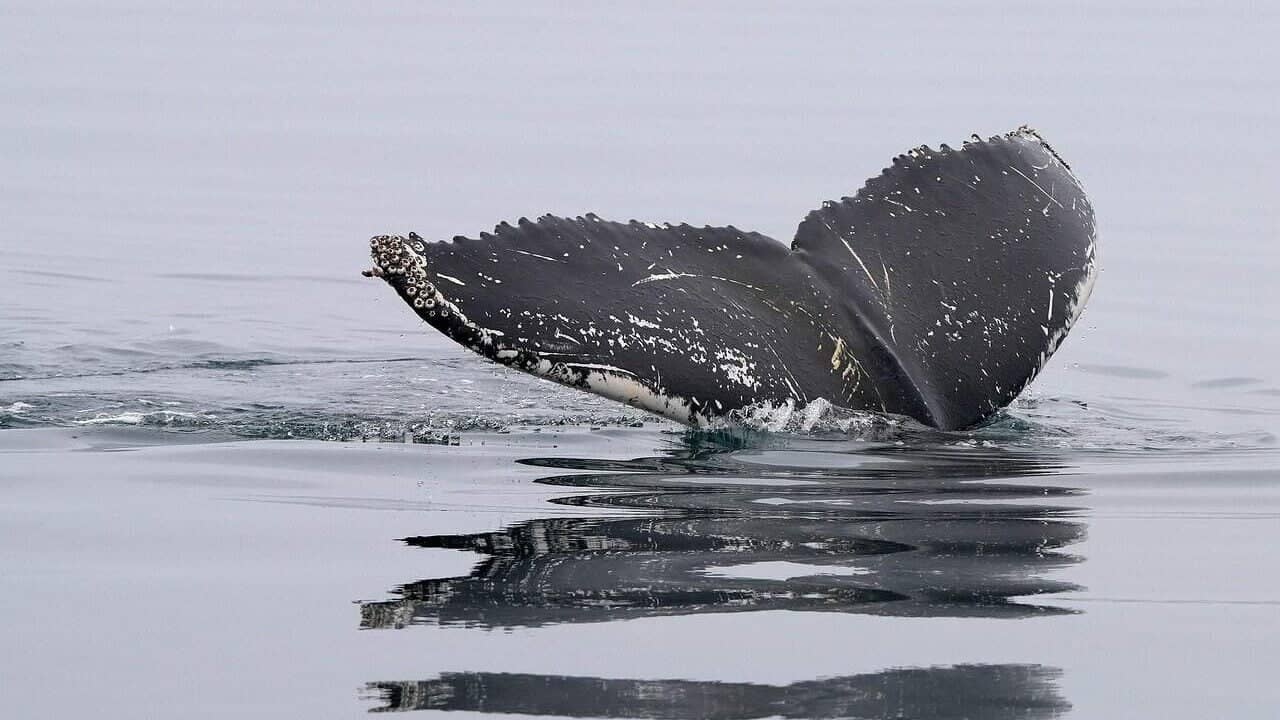
While technically a U.S. territory rather than a state, Puerto Rico deserves mention for its exceptional humpback whale watching opportunities from January through March. The Mona Passage between Puerto Rico and the Dominican Republic serves as a significant breeding and calving ground for North Atlantic humpbacks. What distinguishes Puerto Rico’s whale watching is the presence of mothers with young calves, who are often more active at the surface as the calves develop motor skills and learn behaviors like breaching. Researchers have observed that young humpbacks frequently breach more than adults, sometimes appearing to practice this behavior repeatedly in these tropical breeding grounds. The warm, clear waters provide excellent visibility, and the tropical setting adds a distinctive dimension to the whale watching experience compared to other U.S. locations. Tour operators from Rincón on the west coast report particularly consistent sightings of surface-active behaviors including breaching, with the added benefit of multi-species encounters including dolphins and occasional sperm whales.
Planning Your Breach-Watching Adventure: Practical Considerations
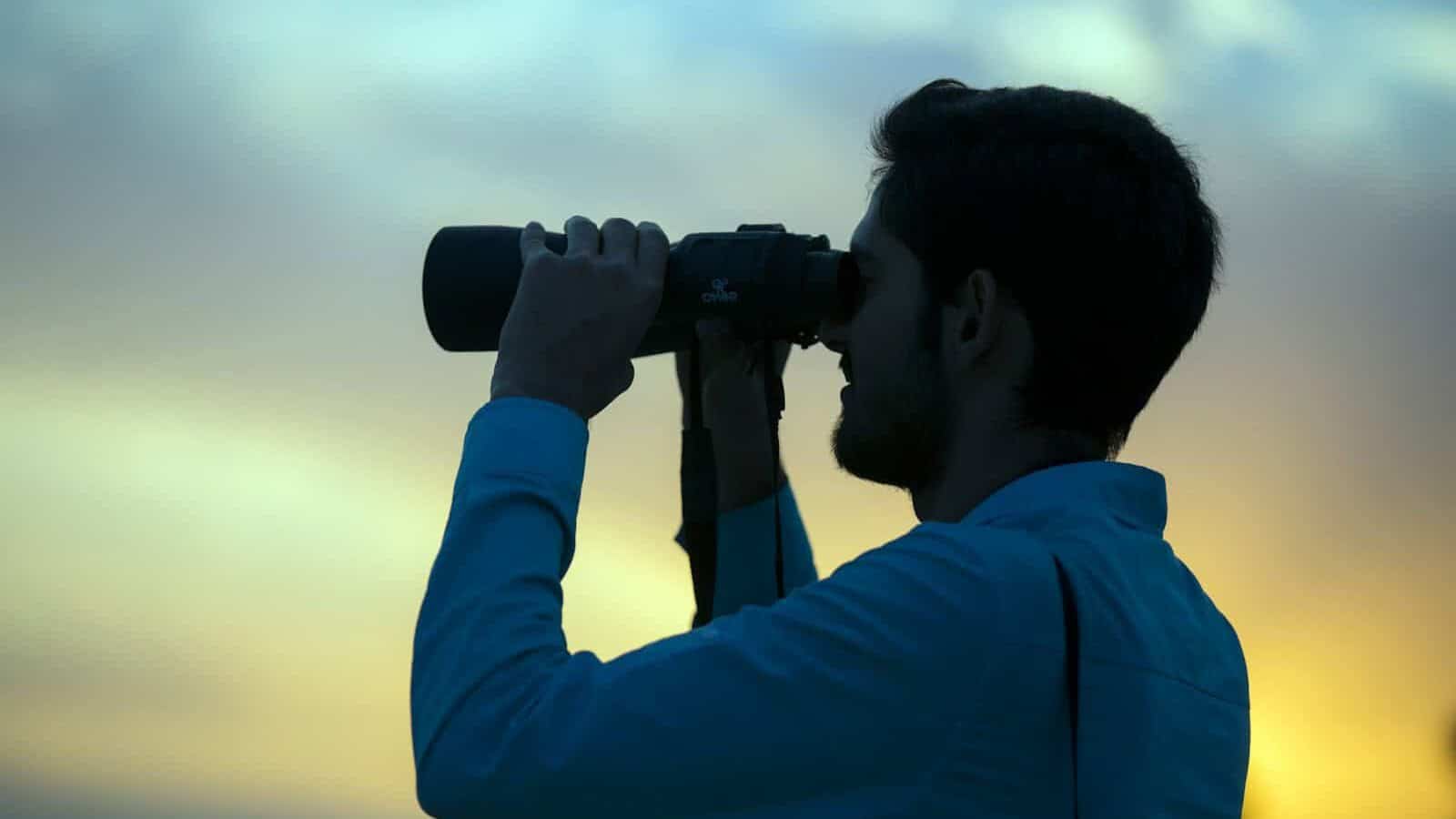
Successfully witnessing humpback whale breaches requires thoughtful planning beyond simply selecting a location. Timing is crucial—while each state has optimal viewing months, conditions can vary year to year based on prey availability, water temperatures, and migration timing. Consulting recent sighting reports through resources like the Whale Alert app or local whale research organizations can provide current information. When booking tours, look beyond price to factors like vessel type (catamarans provide stable platforms for photography), group size (smaller groups often mean more personalized experiences), trip duration (longer trips increase breach-sighting probability), and the presence of naturalists or researchers onboard who can explain behaviors. For photography, bring the longest lens available (at least 200mm), fast shutter speeds (1/1000 or faster), and consider image stabilization essential due to boat movement. Prepare for variable weather with layers, sun protection, and anti-seasickness medication if prone to motion sickness. Finally, maintain reasonable expectations—while all the states discussed offer excellent opportunities, wildlife viewing always involves an element of unpredictability that is part of what makes a successful breach sighting so special.
Witnessing a humpback whale breach represents one of nature’s most powerful demonstrations of mammalian strength, grace, and possibly even joy. Each of the states highlighted offers unique advantages for experiencing this phenomenon, from Hawaii’s warm breeding grounds to Alaska’s spectacular wilderness backdrops, Massachusetts’ accessible feeding areas to California’s year-round opportunities. The increasing health of humpback populations across U.S. waters represents one of conservation’s greatest success stories, transforming these breach-watching opportunities from rare occurrences to reliable wildlife experiences accessible to anyone willing to venture to these coastal locations. Whether you choose the tropical waters of Hawaii, the cold, productive seas of Alaska, or any of the other remarkable locations discussed, the moment when a 45-foot leviathan propels itself skyward creates memories that last a lifetime and often inspires deeper connection with marine conservation efforts. As we continue to protect these magnificent animals and their ocean habitats, we ensure future generations will also have the opportunity to look out across the waves and witness the incomparable spectacle of a breaching humpback whale.

- Coastal Creatures That Appear at Low Tide in Oregon - July 19, 2026
- How Arctic Wolves Survive in the Harshest U.S. Winters - July 19, 2026
- Top Places to See Beavers at Work in the Wild - July 19, 2026