

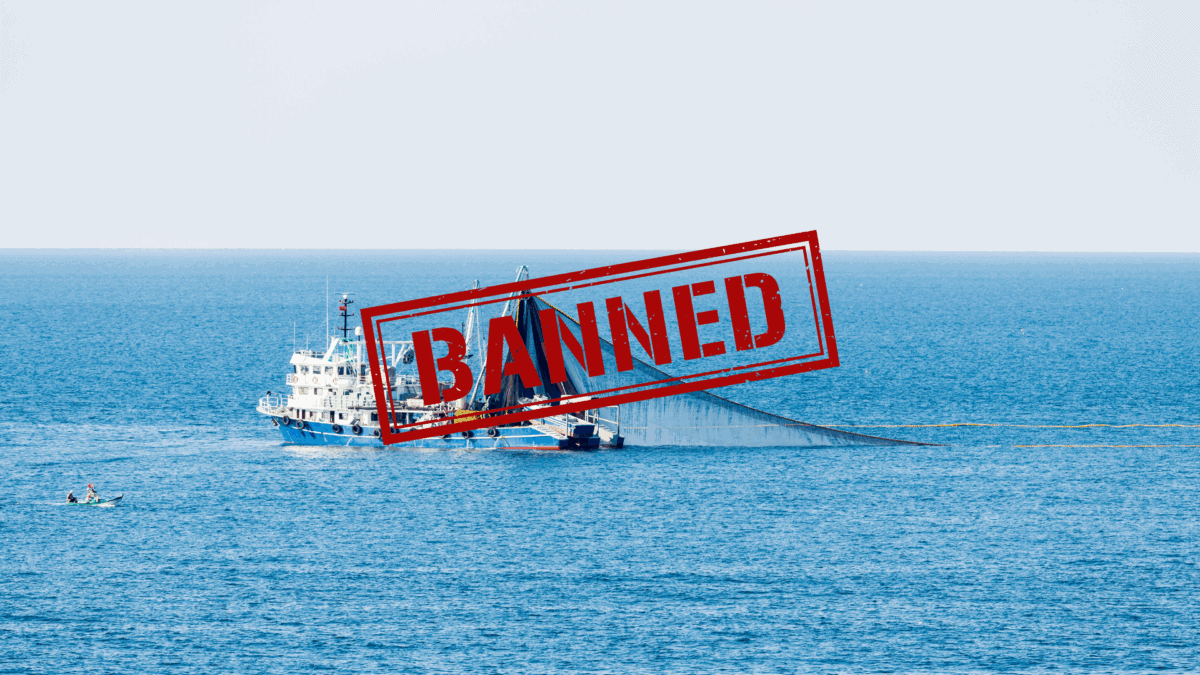
In a decisive move, UK Members of Parliament have called for an immediate ban on bottom trawling, dredging, and mining within the nation’s Marine Protected Areas (MPAs). This call to action follows mounting evidence of the destructive impact these practices have on marine ecosystems and seabed habitats.
A Call to Protect the Seabed
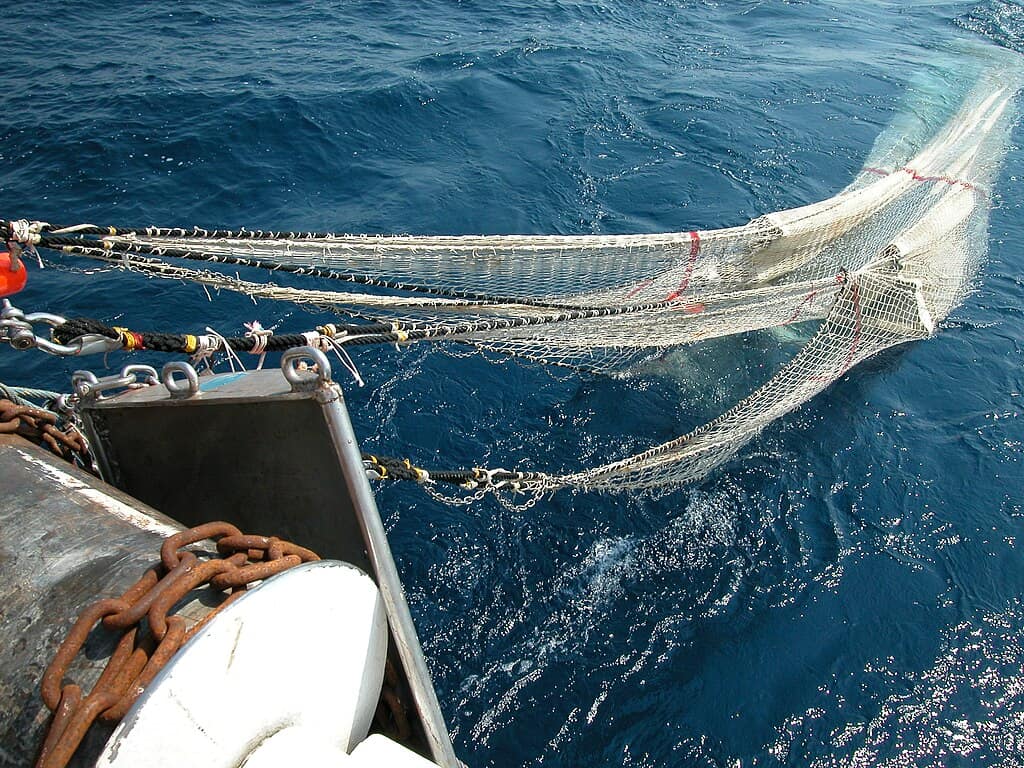
Bottom trawling, a method involving dragging heavy nets across the ocean floor, has been identified as particularly harmful, causing significant damage to seabed structures and resulting in high levels of bycatch. Despite the designation of nearly 180 MPAs covering approximately 900,000 square kilometers, many of these areas still permit such destructive activities. The Environmental Audit Committee emphasizes the urgency of aligning the protection efforts with the true meaning of “protected areas” .
The Impact of Industrial Fishing
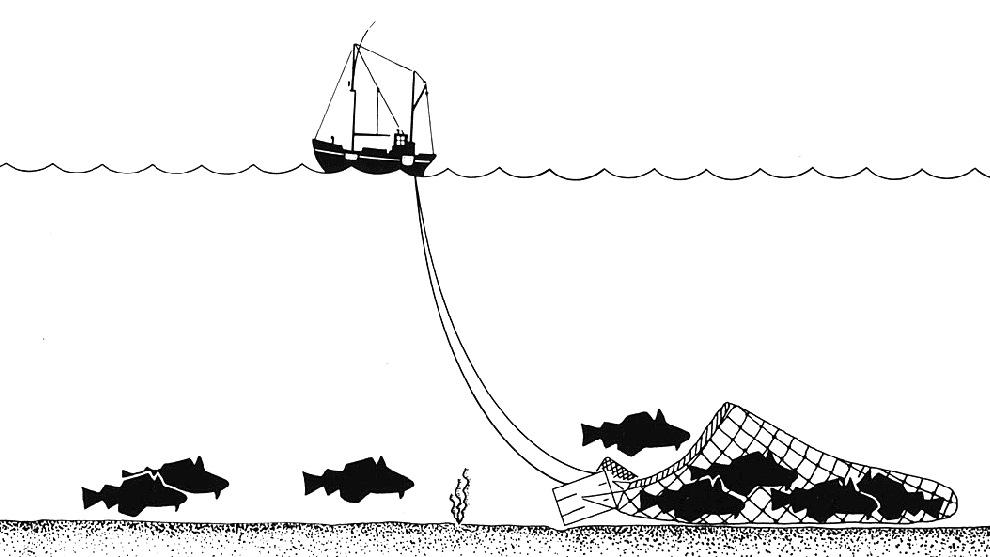
The practice of bottom trawling not only disrupts marine habitats but also contributes to the release of significant amounts of carbon dioxide stored in seafloor sediments. Estimates suggest that bottom trawling releases approximately 370 million tonnes of CO₂ annually, exacerbating climate change concerns.
Public Outcry and Documentary Influence
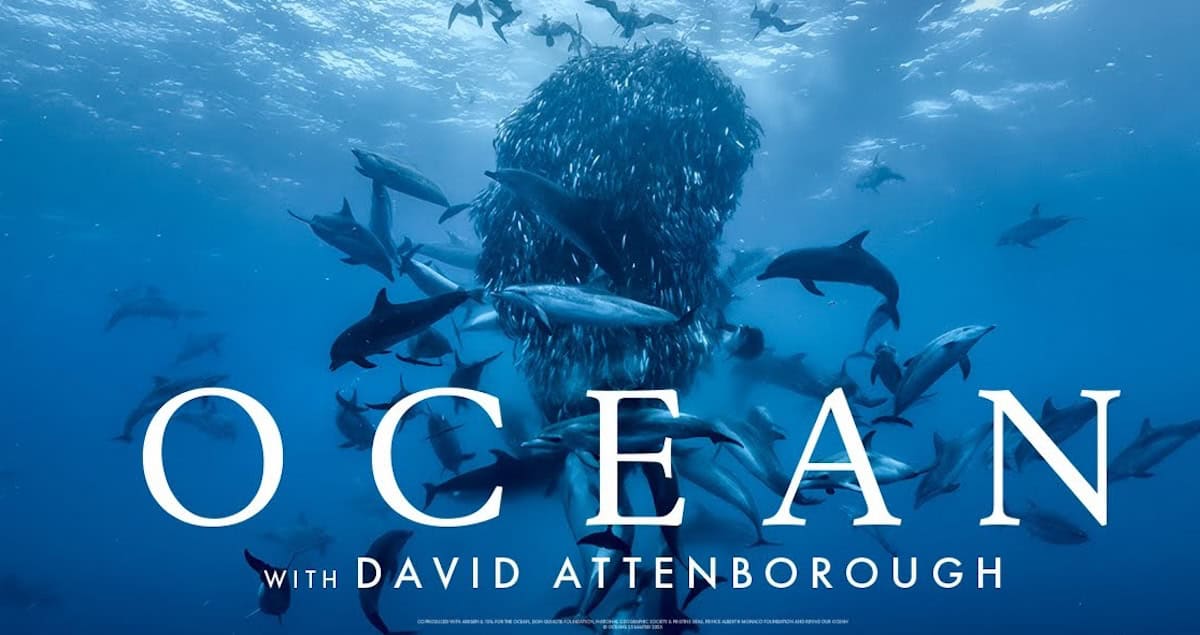
Public concern has intensified following the release of Sir David Attenborough’s documentary, “Ocean,” which vividly portrays the ecological scars left by industrial fishing methods. Attenborough describes bottom trawling as akin to “bulldozing underwater rainforests,” highlighting the urgent need for conservation efforts.
Government Response and International Commitments
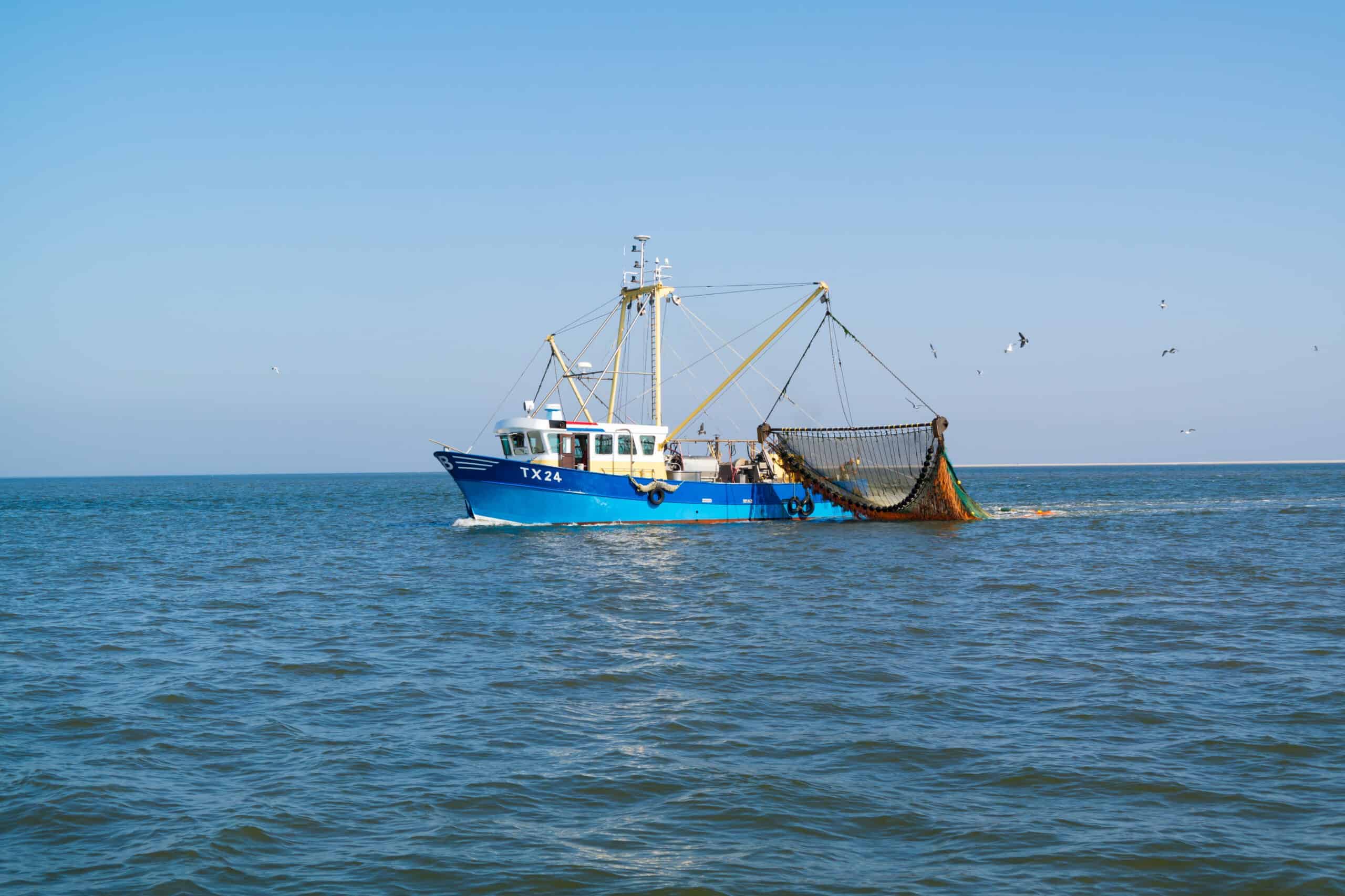
The UK government’s Department for Environment, Food and Rural Affairs has affirmed its commitment to restoring ocean health. As the country prepares to participate in an upcoming UN oceans conference, there is an opportunity to demonstrate leadership in marine conservation on the international stage.
The Path Forward
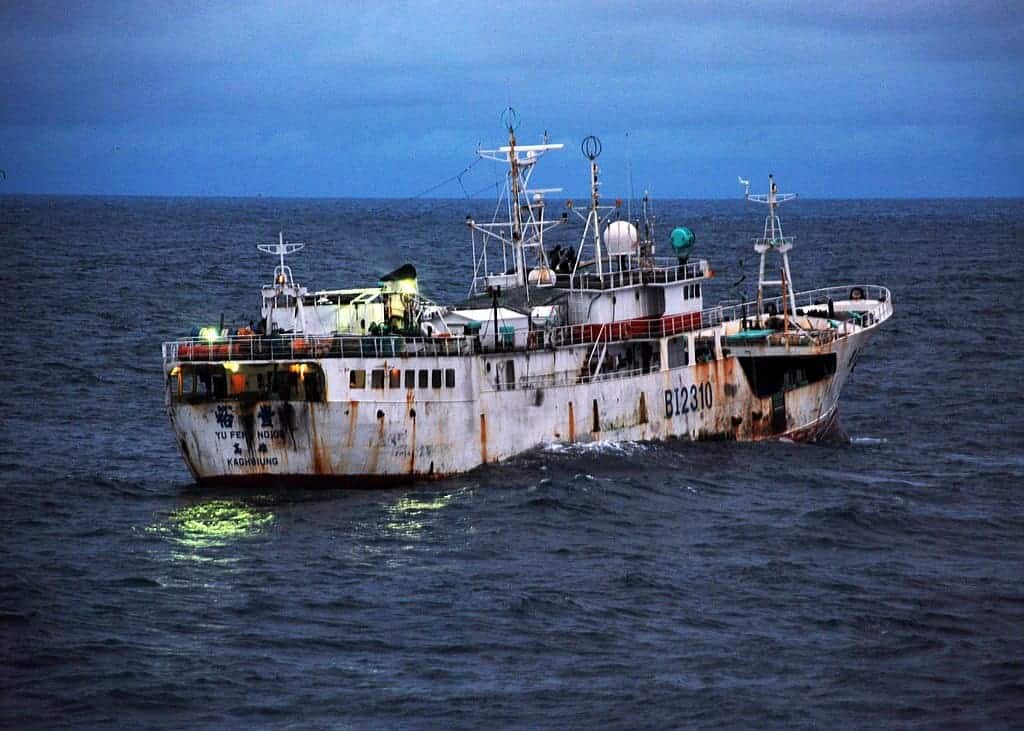
Implementing a comprehensive ban on bottom trawling and similar practices within MPAs is a critical step toward preserving marine biodiversity and combating climate change. By enforcing stricter protections, the UK can ensure that its marine environments are truly safeguarded for future generations.
Conclusion
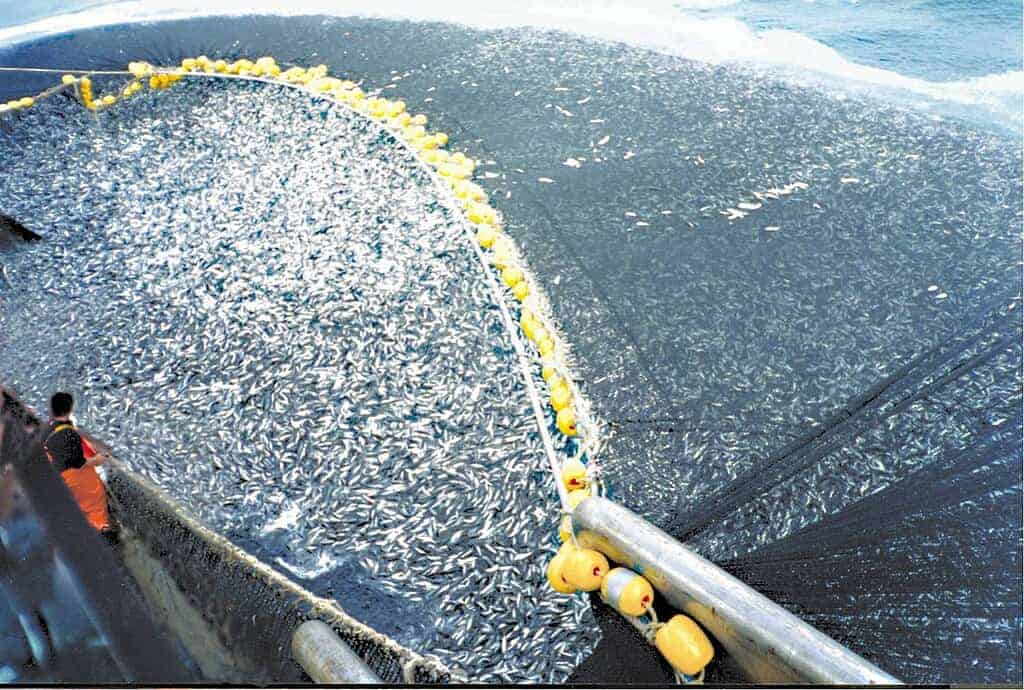
The call by UK MPs to ban bottom trawling in protected marine areas marks a significant moment in the nation’s environmental policy. With scientific evidence and public support aligning, there is a clear mandate for action to protect the UK’s marine ecosystems from further degradation.

adventuring, photography and videography. I am currently working towards a BSc in Biodiversity and Ecology at Stellenbosch University to go on to specialise in Marine Sciences one day.
Please send any feedback to Feedback@animalsaroundtheglobe.com
- Top 21 Must-see Birds For Bird Watchers In America - July 20, 2026
- Italy Mourns Hero Police Dog Killed by Food Laced with Nails - July 20, 2026
- Pigeon Turns into Fashionista and Wears Bread - July 19, 2026