

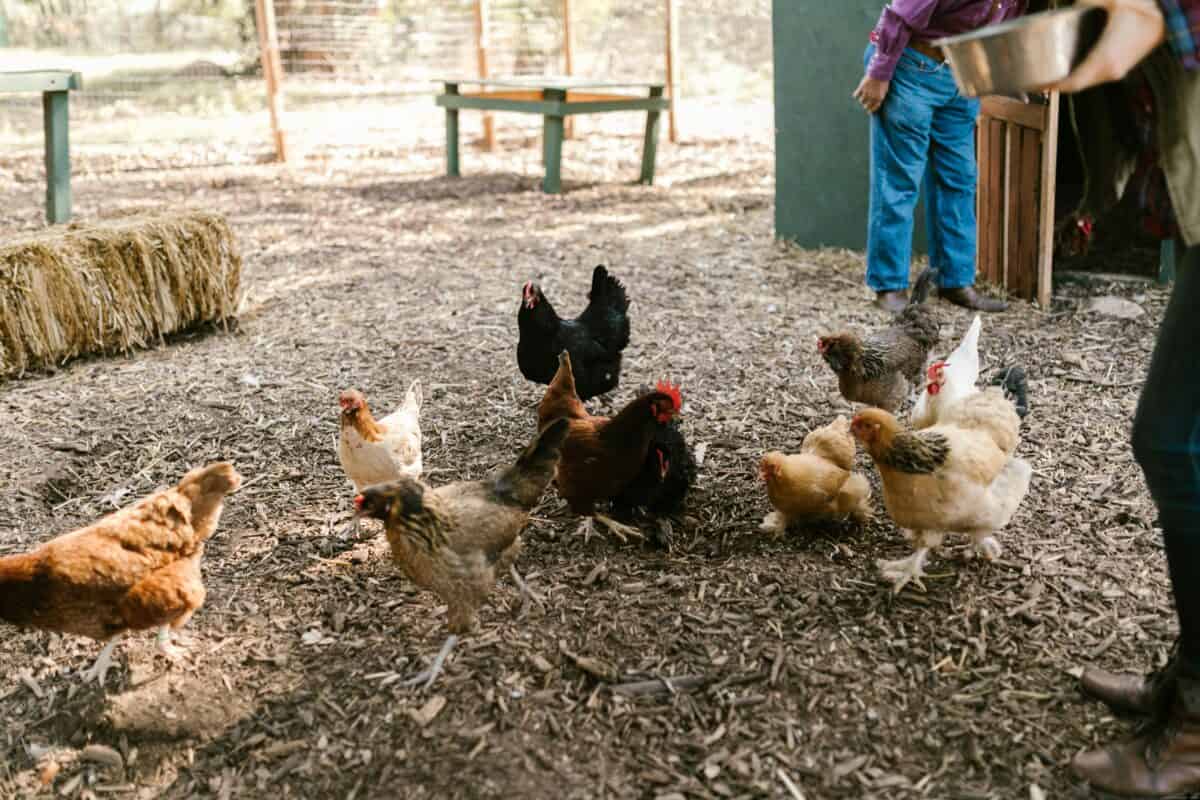
Keeping chickens can be a rewarding experience, whether you’re raising them for eggs, meat, or simply as backyard pets. However, like all animals, chickens are susceptible to various illnesses and health conditions. Recognizing the signs of a sick chicken early on is crucial for prompt treatment and preventing the spread of disease throughout your flock. Chickens are masters at hiding illness—a survival instinct that protected them from predators in the wild—making it particularly challenging for chicken keepers to identify when something is wrong. This comprehensive guide will help you identify 13 common signs of illness in chickens and provide practical advice on what actions to take when you spot these symptoms.
Understanding Chicken Health Basics
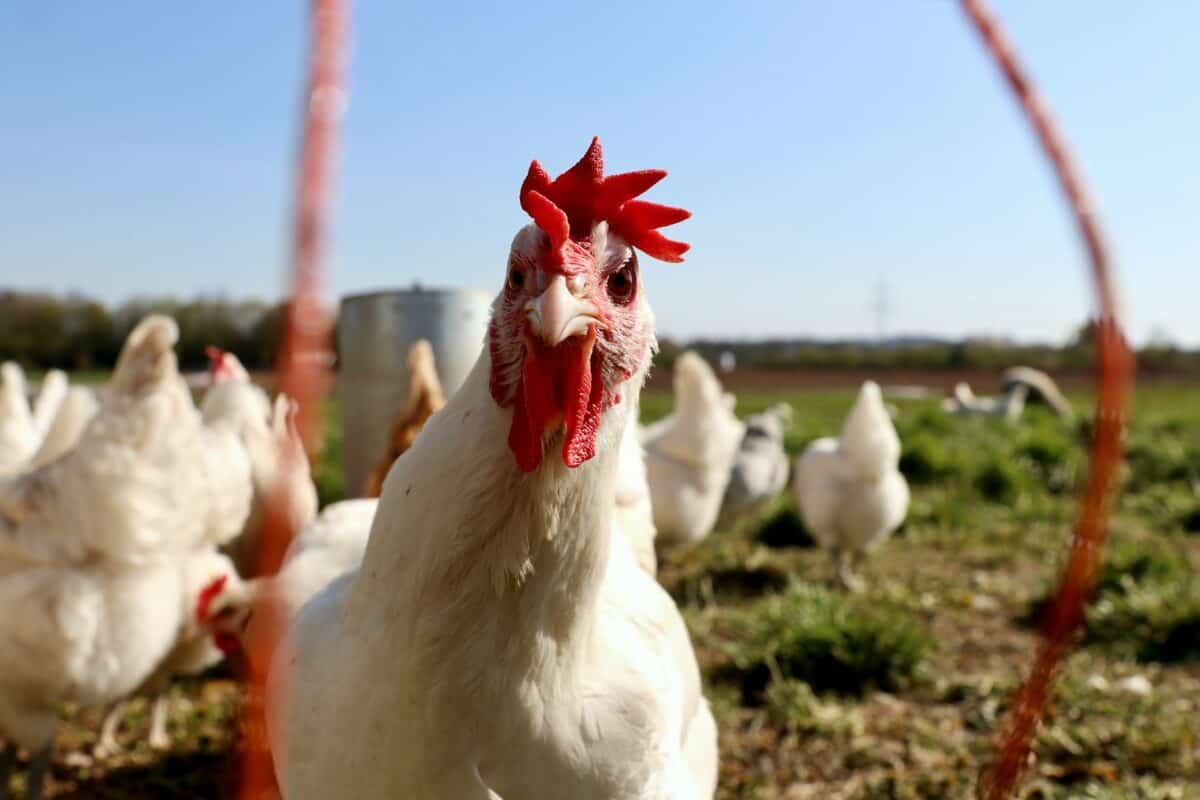
Before diving into specific symptoms, it’s important to establish what a healthy chicken looks like. A healthy chicken is alert, active, and curious. They should have bright eyes, clean nostrils, smooth feathers, and a firm, red comb and wattles. Their droppings should be fairly consistent in appearance—usually firm brownish fecal matter topped with white urates (the chicken equivalent of urine). Healthy chickens eat enthusiastically, drink regularly, and engage in natural behaviors like dust bathing, scratching, and socializing with flock mates. Familiarizing yourself with your chickens’ normal appearance and behavior makes it easier to spot when something isn’t right. Now, let’s explore the warning signs that might indicate your chicken is unwell.
13. Changes in Behavior and Activity Level

One of the first and most noticeable signs of illness in chickens is a change in their usual behavior or activity level. A sick chicken may appear lethargic, spending more time alone than usual or remaining in the coop when others are out foraging. You might notice the chicken standing still with feathers slightly fluffed up, eyes partially closed, or head tucked under a wing. Some sick chickens may sit or stand in a hunched position. This withdrawn behavior is often referred to as “going broody,” though true broodiness (when a hen wants to hatch eggs) looks different—broody hens are alert and protective, while sick hens appear disengaged. If you notice a chicken that isn’t moving around much or seems unusually sleepy during active hours, it’s time to investigate further. Immediate action: Isolate the chicken from the flock and observe for additional symptoms while providing a quiet, stress-free environment with easy access to food and water.
12. Respiratory Distress and Breathing Problems
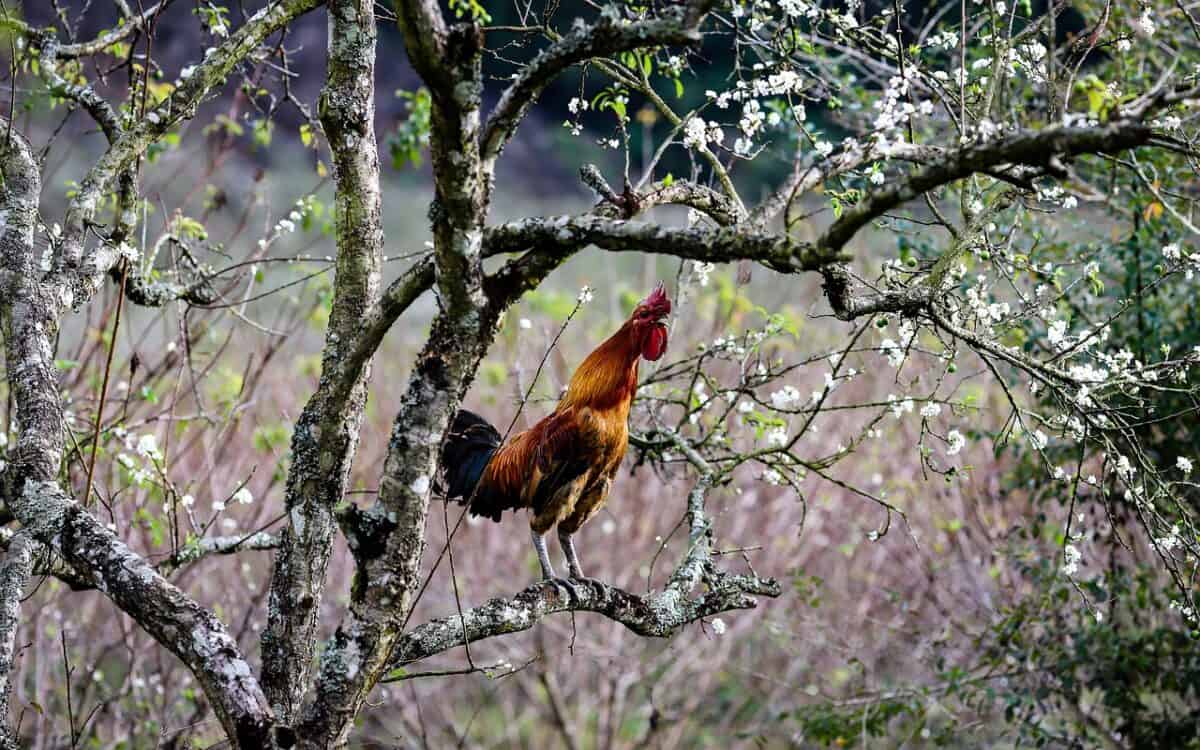
Respiratory issues are common in chickens and can indicate several different illnesses, from mild colds to more serious conditions like infectious bronchitis, Mycoplasma gallisepticum (chronic respiratory disease), or avian influenza. Signs of respiratory distress include wheezing, gasping, coughing, sneezing, nasal discharge, or rattling sounds when breathing. You might notice your chicken breathing with its mouth open or stretching its neck forward while inhaling. Some chickens with respiratory infections develop a foul smell from their mouth or nostrils. Respiratory symptoms should never be ignored, as many respiratory diseases are highly contagious and can quickly spread through your entire flock. Immediate action: Isolate the affected chicken immediately and consult a veterinarian who specializes in poultry. Many respiratory conditions require antibiotics or other medications that only a vet can prescribe. While waiting for professional help, keep the sick chicken in a warm, draft-free area with good ventilation.
11. Changes in Appetite and Water Consumption

A healthy chicken has a hearty appetite and drinks water regularly throughout the day. If you notice a chicken isn’t eating or is eating significantly less than usual, this is a strong indicator that something is wrong. Similarly, increased or decreased water consumption can signal health problems. Excessive thirst might indicate fever or metabolic issues, while reduced drinking could lead to dehydration, further complicating any existing illness. Pay attention to how your chickens behave during feeding time—a chicken that stands back from the flock during meals or shows no interest in treats that would normally cause excitement is likely feeling unwell. Weight loss, even if the chicken appears to be eating, can also indicate a health problem such as internal parasites or a digestive disorder. Immediate action: Check for other symptoms and monitor food and water intake. Offer soft, easily digestible foods like scrambled eggs or moistened feed. If appetite doesn’t return within 24 hours, or if the chicken shows other concerning symptoms, consult a veterinarian.
10. Abnormal Droppings or Digestive Issues
Chicken droppings can tell you a lot about your bird’s health. Normal droppings typically consist of solid brown fecal matter capped with white urates, though this can vary slightly based on diet. Concerning changes include watery diarrhea, blood in droppings, unusually green or yellow coloration, excessive cecal droppings (the smelly, dark brown, semi-liquid droppings chickens pass a few times daily), or droppings with undigested food particles. Foamy or frothy droppings can indicate coccidiosis, a common and potentially serious parasitic infection. Worms may be visible in severely infested birds. Other digestive symptoms include crop impaction (when the crop feels hard and doesn’t empty overnight), sour crop (when the crop feels soft and fluid-filled with a sour smell from the beak), or vent gleet (a white, pasty discharge around the vent area). Immediate action: Note the appearance of abnormal droppings, as this information will be helpful for diagnosis. For persistent diarrhea, add electrolytes to drinking water to prevent dehydration. For suspected parasites or infections, consult a vet for proper medication. Regular deworming and coccidiosis prevention should be part of routine flock management.
9. Comb and Wattle Abnormalities
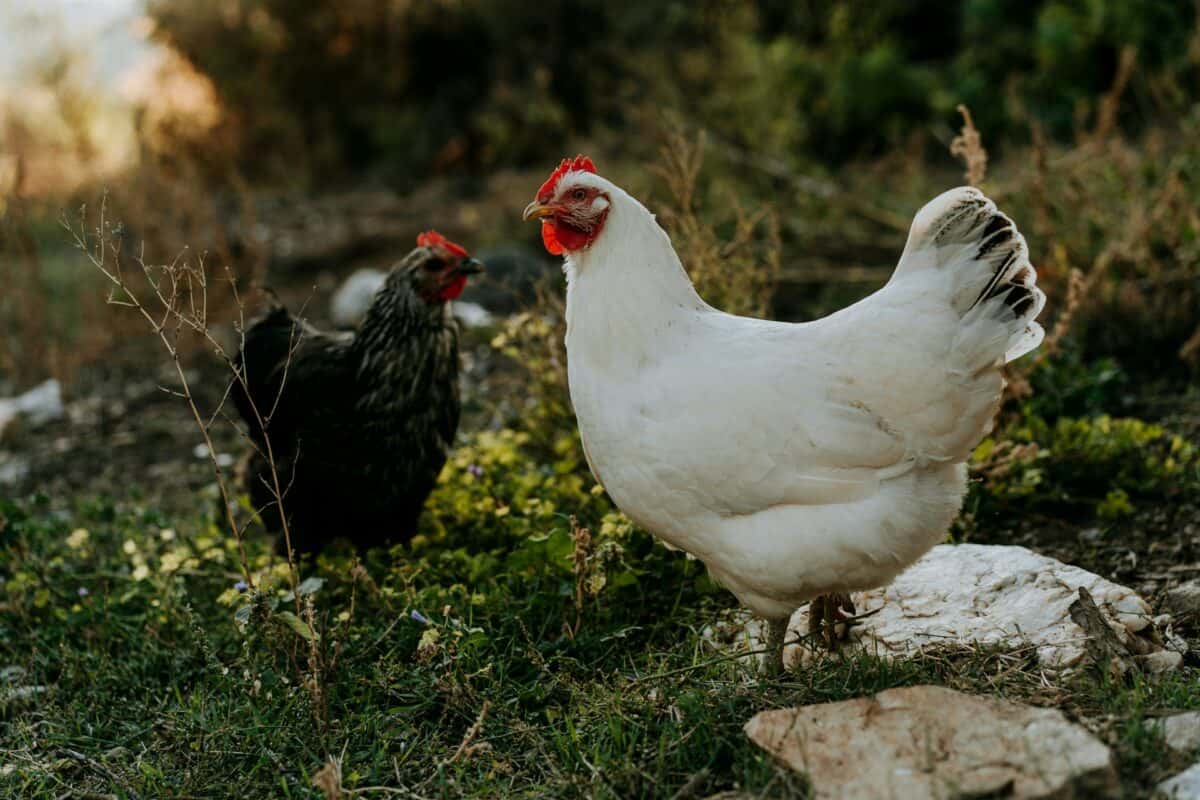
The comb and wattles of a chicken are excellent indicators of overall health. In healthy chickens, these features are bright red, firm, and waxy-looking. Paleness or a bluish tint can indicate anemia or poor circulation, often caused by parasites, poor nutrition, or disease. A darkened purple or black coloration might suggest frostbite in cold weather or circulation problems. Swollen, crusty, or scabby combs could point to parasitic infections like scaly leg mites, fungal infections, or fowl pox. If the comb appears wilted or droopy when it’s usually upright, this could signal dehydration or overall weakness. Some chicken keepers refer to the “3 Ds” when examining combs: discoloration, droopiness, and dryness—all potential warning signs of illness. Immediate action: Check for external parasites and treat accordingly. For frostbite, gently warm the affected areas (never use direct heat) and apply a protective petroleum jelly in cold weather. For infections, consult a veterinarian for appropriate treatment options. Address dehydration by ensuring clean, fresh water is always available.
8. Feather Condition and Skin Problems
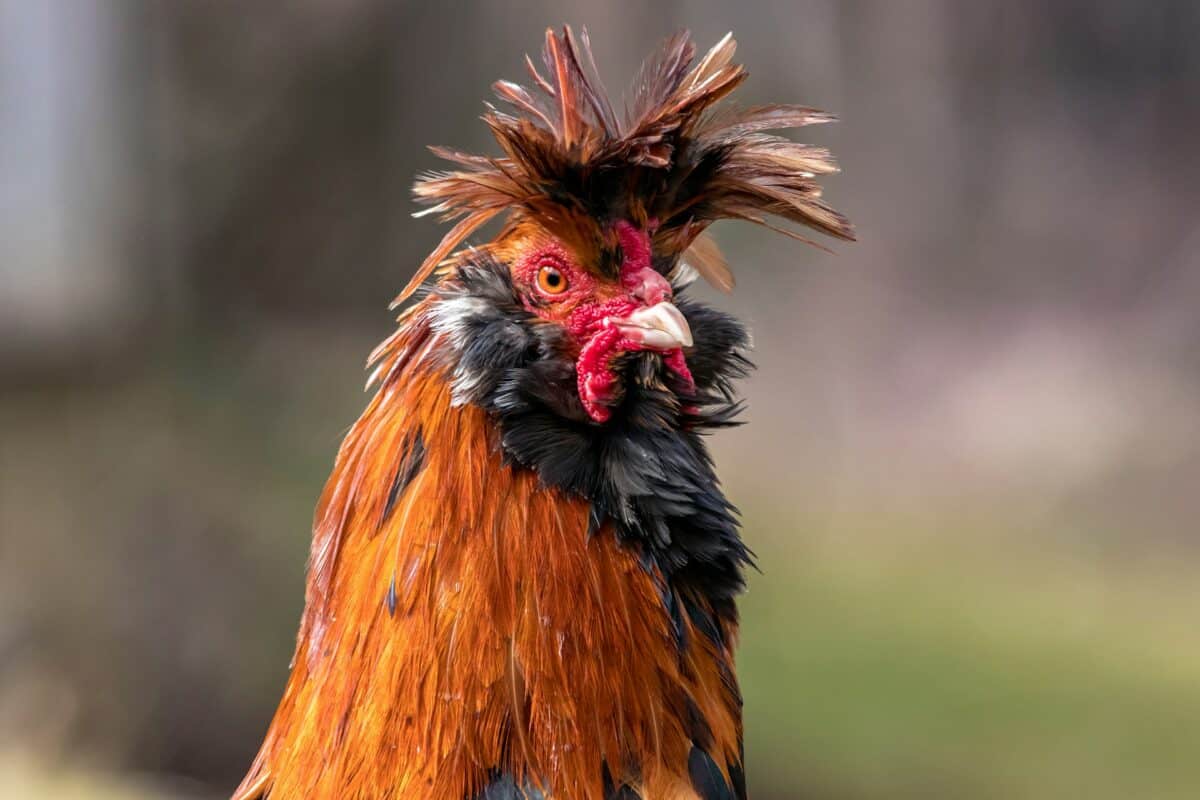
Healthy chickens have clean, smooth feathers that lie flat against their bodies. Ruffled, dirty, or missing feathers can indicate illness, parasites, or behavioral issues within the flock. While some feather loss is normal during molting (typically in fall), patchy feather loss at other times could signal external parasites like mites or lice. Look closely at the base of feathers and in hidden areas like under wings and around the vent for tiny moving parasites or eggs. Reddened, irritated skin might indicate parasites, pecking from other chickens, or skin infections. Scabs, lesions, or unusual growths on the skin should be investigated promptly. Some chickens develop bumblefoot, a bacterial infection that causes swollen, infected foot pads with characteristic hard, black scabs. Excessive preening or dust bathing might indicate skin irritation or parasites. Immediate action: For external parasites, treat the entire coop and flock with appropriate parasiticides. Dust baths with food-grade diatomaceous earth can help control parasites naturally. For injuries or infections, clean the affected area with a gentle antiseptic and apply an appropriate antibiotic ointment. Severe or persistent skin issues warrant veterinary attention.
7. Egg-Laying Abnormalities
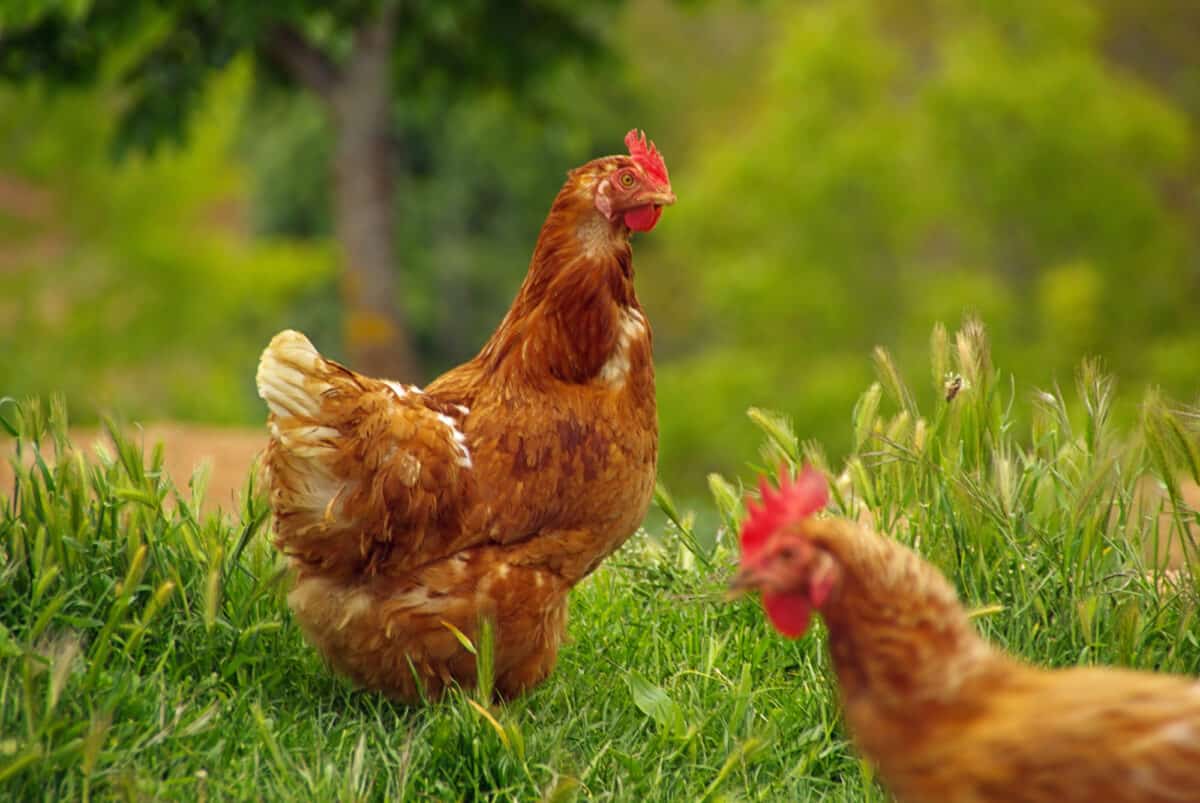
For laying hens, changes in egg production or egg quality can signal health problems. A sudden drop in egg production (outside of normal seasonal variations or molting periods) might indicate stress, disease, or nutritional deficiencies. Soft-shelled or shell-less eggs suggest calcium deficiency or metabolic issues affecting shell formation. Misshapen eggs, eggs with ridges or wrinkles, or unusually small or large eggs can indicate reproductive tract infections or stress. Blood-streaked eggs may signal inflammation in the oviduct. A serious condition called egg binding occurs when a hen cannot pass an egg, leading to distress, straining, and a penguin-like waddle. If not addressed promptly, egg binding can be fatal. Internal laying (when eggs are laid inside the body cavity rather than passing through the oviduct) is another serious condition that requires immediate veterinary attention. Immediate action: For calcium issues, supplement with crushed oyster shells or limestone. For suspected reproductive infections, consult a veterinarian. For egg binding, place the hen in a warm bath up to her chest and gently massage her abdomen, then keep her in a warm, humid environment while seeking veterinary care.
6. Neurological Symptoms
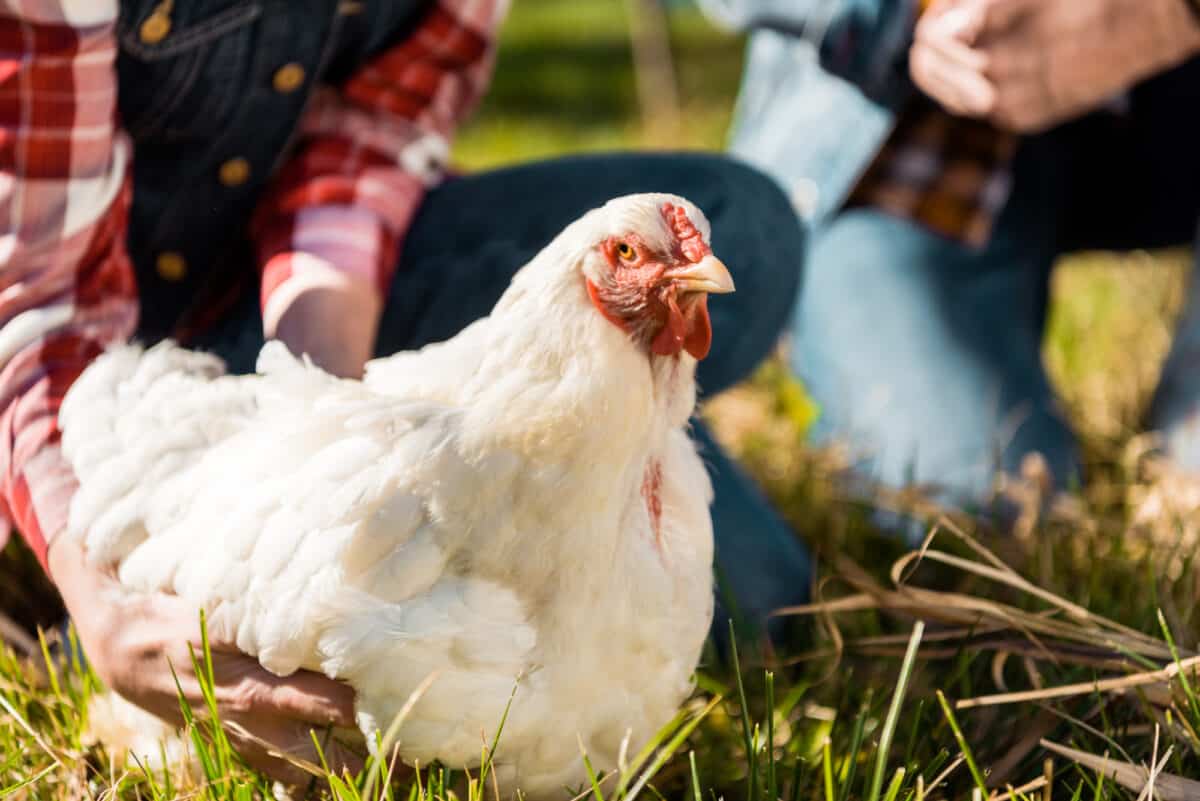
Neurological symptoms in chickens are particularly concerning as they often indicate serious conditions. Signs include twisted neck (commonly called “wry neck” or “stargazing”), tremors, seizures, loss of balance, walking in circles, or inability to stand. These symptoms can be caused by vitamin deficiencies (particularly vitamin E, selenium, or thiamine), bacterial infections like botulism, viral diseases such as Marek’s disease or Newcastle disease, head injuries, or toxins. Marek’s disease, a common viral infection in unvaccinated flocks, typically affects young chickens and causes progressive paralysis, often starting in the legs or wings. Newcastle disease, which is reportable in many countries, can cause severe neurological symptoms alongside respiratory issues. Immediate action: Isolate affected birds immediately and contact a veterinarian without delay. Some neurological conditions like vitamin deficiencies can be treated if caught early, while others like Marek’s disease have no cure but can be managed. If multiple birds show neurological symptoms, especially alongside respiratory issues, contact your state veterinarian or equivalent authority, as this could indicate a reportable disease.
5. Swollen Joints or Lameness
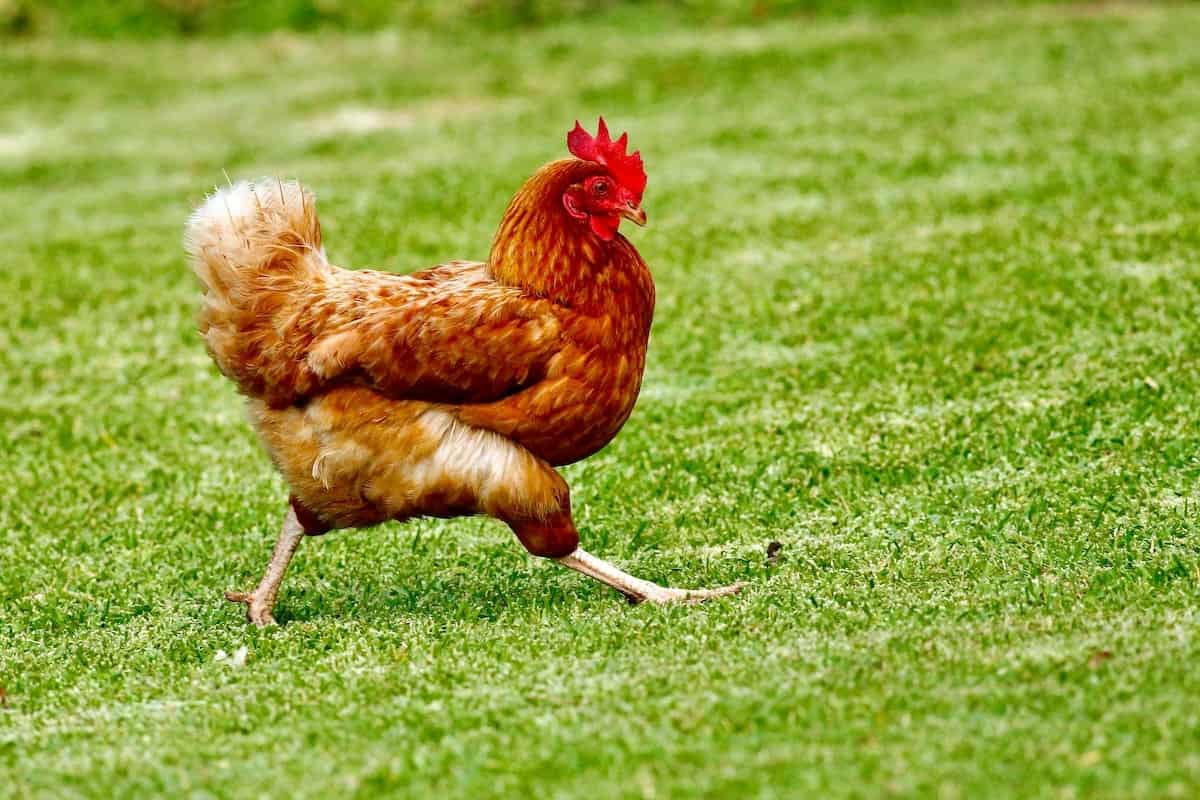
Chickens should move freely with smooth, coordinated movements. Limping, reluctance to walk, or holding a leg up can indicate several problems. Swollen joints might suggest bumblefoot (a bacterial infection in foot pads), arthritis, or Mycoplasma synoviae infection. Scaly leg mites can cause crusty, thickened scales on legs and feet that affect mobility. Vitamin deficiencies, particularly riboflavin (B2), can lead to curled toes or paralysis. Marek’s disease often manifests first as leg paralysis, typically affecting one leg before progressing. Injuries from jumping from high perches or getting caught in fencing can also cause lameness. Examine feet and legs carefully for injuries, swelling, heat, or parasites. Check between toes and under foot pads for signs of bumblefoot. Immediate action: Clean and treat any visible wounds or bumblefoot lesions. Provide clean, soft bedding and easy access to food and water for affected birds. Supplement diet with appropriate vitamins if deficiencies are suspected. For parasites like scaly leg mites, apply petroleum jelly or an appropriate parasiticide to suffocate the mites. Persistent or severe lameness requires veterinary attention.
4. Unusual Head or Face Symptoms

The head and face region of chickens can reveal numerous health issues. Swollen eyes, facial swelling, or discharge from eyes or nostrils often indicate respiratory infections or sinusitis. Crusty nostrils suggest upper respiratory issues that need addressing. Fowl pox, a viral disease, causes warty growths on unfeathered parts of the head, while wet fowl pox affects the mouth and respiratory tract. Swollen sinuses under the eyes (sometimes called “puffy face syndrome”) might indicate infectious sinusitis. Some chickens develop impacted nostrils from dust or debris, leading to breathing difficulties. Unusual growths or masses on the face or head could indicate abscesses or tumors. Head shaking or scratching at the head might signal mites in the ears or other irritations. Immediate action: Clean discharge from eyes or nostrils gently with warm water. For respiratory symptoms, isolate the affected bird and consult a veterinarian. Many facial infections require antibiotics or other prescription medications. For fowl pox, focus on supportive care as the disease typically runs its course in 2-4 weeks. Prevention through vaccination is available for fowl pox in areas where it’s common.
3. Weight Loss Despite Normal Eating

If your chicken maintains a normal appetite but continues to lose weight, this could indicate several serious health issues. Internal parasites like roundworms, tapeworms, or gapeworms can rob chickens of nutrients even when they’re eating well. A chicken with a heavy parasite load might appear thin with a prominent keel (breastbone) despite consuming normal amounts of food. Chronic diseases such as Marek’s disease, lymphoid leukosis, or tuberculosis can cause progressive weight loss. Malabsorption syndromes affect the chicken’s ability to absorb nutrients from food. Certain types of cancer can also cause weight loss despite normal eating. Regular weight monitoring can help catch this symptom early—healthy adult chickens should maintain relatively stable weights appropriate for their breed. Immediate action: Implement a regular deworming program if internal parasites are suspected. Collect fresh droppings and have them analyzed by a veterinarian to identify specific parasites. Provide high-quality, easily digestible feed with appropriate protein levels. Supplement with probiotics to support gut health. For persistent weight loss without obvious cause, consult a veterinarian for diagnostic testing.
2. Abnormal Posture or Gait
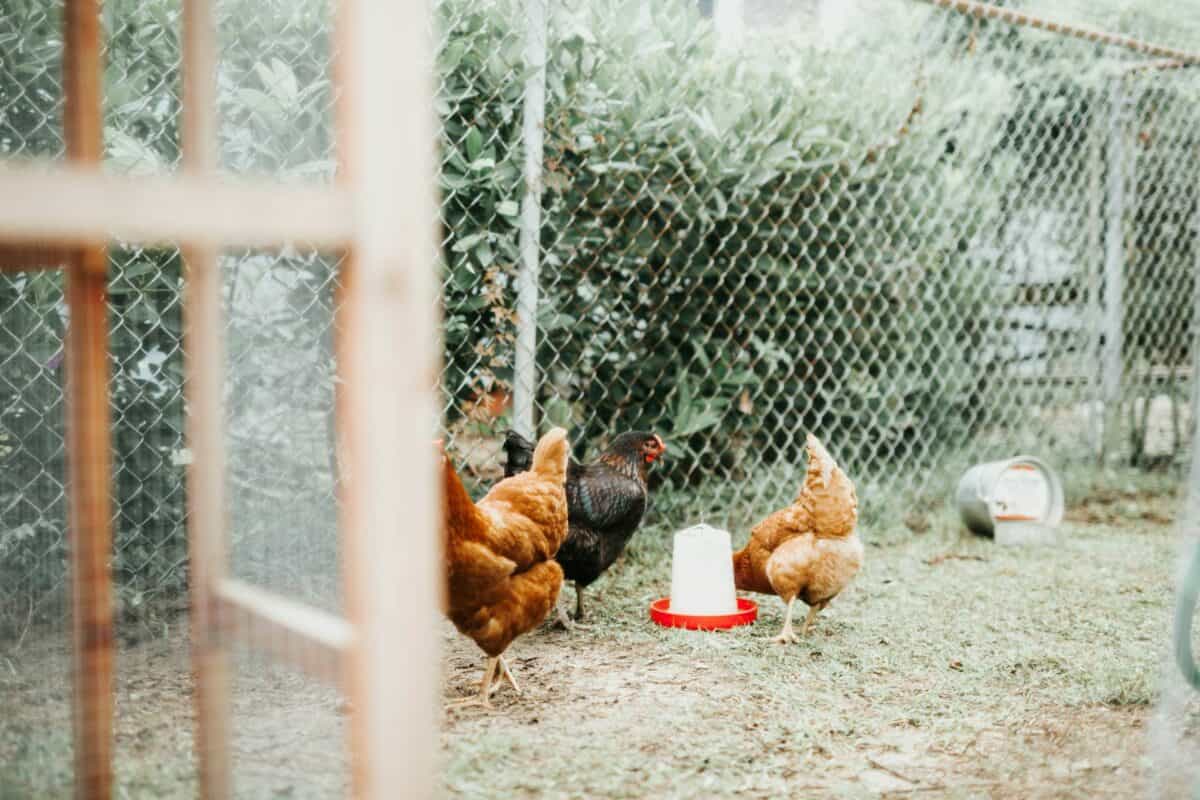
The way a chicken stands and moves can reveal much about its health. Healthy chickens stand upright with weight evenly distributed. Signs of illness include hunching, wing drooping, tail dragging, or an abnormal gait. A penguin-like stance with tail down and chest thrust forward often indicates egg binding or peritonitis in laying hens. Chickens with respiratory infections may stretch their neck forward while breathing. Some sick chickens stand with legs farther apart than normal for balance. Walking backward or in circles can indicate neurological issues. A wobbly, uncoordinated gait might suggest vitamin deficiencies, particularly vitamin E or B vitamins. Immediate action: Observe and document the specific posture or gait abnormality, as this information will help with diagnosis. For suspected egg binding, follow the warm bath protocol mentioned earlier while seeking veterinary care. For vitamin deficiencies, supplement with an appropriate poultry vitamin mix. For neurological symptoms, isolate the bird and consult a veterinarian promptly.
1. Excessive Thirst or Dehydration
Water consumption is a critical health indicator for chickens. Excessive drinking can signal fever, heat stress, diabetes, kidney issues, or certain infections. Conversely, reduced water intake can quickly lead to dehydration, particularly during hot weather. Signs of dehydration include dry, wrinkled skin (check the skin between the legs or under wings), thick saliva, dry mouth, sunken eyes, and concentrated droppings. Severely dehydrated chickens become lethargic and may struggle to stand. Dehydration can quickly become life-threatening, so prompt intervention is essential. Even mild dehydration can worsen other health conditions and slow recovery. Monitoring water consumption is an important part of flock management—each adult chicken typically drinks about 500-1000 ml of water daily, depending on size, weather, and diet. Immediate action: For dehydrated chickens, offer water with added electrolytes (commercial poultry electrolytes or a homemade solution of 1 teaspoon salt, 1 teaspoon baking soda, and 1 tablespoon sugar per quart of water). Offer small amounts frequently, and never force water down a chicken’s throat, as this may lead to aspiration. Ensure all chickens have access to clean, fresh water at all times, and clean waterers regularly to prevent bacterial buildup. In hot weather, add ice cubes or frozen water bottles to their waterers to help keep water cool and encourage hydration.
Conclusion
Raising chickens successfully means being attuned to the subtle signs of sickness before they become major health threats. Chickens are incredibly resilient but also remarkably good at masking discomfort until a condition becomes severe. That’s why consistent observation, good husbandry practices, and prompt action at the first sign of trouble are critical.
By familiarizing yourself with these 13 signs of illness—ranging from behavioral changes and respiratory distress to abnormal droppings and neurological symptoms—you’ll be better prepared to catch issues early and seek appropriate care. Regular health checks, a clean living environment, high-quality nutrition, and routine parasite control go a long way toward keeping your flock happy and productive.
And when in doubt, don’t hesitate to consult a veterinarian with poultry experience. Early intervention can save lives and protect the overall health of your flock. Healthy chickens mean fewer losses, better egg production, and a more enjoyable backyard farming experience.

From exploring the marine wonders in the Azores and witnessing the vast savannas of Kenya, to delving deep into the rich biodiversity of South Africa and traversing iconic landscapes in Australia and the US like Yellowstone, Chris's experiences are vast.
With a penchant for diving alongside sharks, the ocean holds a special place in his heart.
Through his academic insights, he champions wildlife conservation, striving with 'Animals Around The Globe' to cultivate a profound connection between humans and animals, enhancing our mutual appreciation.
Connect with him at Feedback@animalsaroundtheglobe.com.
- The Role of Giant Pandas in U.S. (China Diplomacy) - July 15, 2026
- These Psychedelic Sea Slugs Steal Venom and Glow Neon Bright - July 15, 2026
- Orcas of the Pacific Northwest: A Struggle for Survival - July 15, 2026