


The common goldfish, a fixture in home aquariums worldwide, harbors a remarkable biological secret that often surprises even experienced fish keepers. Unlike many pets that reach a predetermined adult size, goldfish possess an extraordinary capacity for continuous growth throughout their lives when provided with optimal living conditions. This phenomenon, known as indeterminate growth, contradicts the popular belief that goldfish are destined to remain small. In reality, these seemingly modest creatures can transform into impressive specimens measuring over a foot long when given the space and care they truly require. This article explores the fascinating science behind goldfish growth, the factors that influence their size, and what “the right conditions” actually entail for these often misunderstood aquatic pets.
The Myth of the Bowl-Sized Goldfish

The image of a goldfish contentedly swimming in a small glass bowl has been perpetuated for generations, creating one of the most persistent misconceptions in pet keeping. Contrary to popular belief, the tiny size of most pet goldfish is not their natural state but rather the result of stunted growth due to inadequate living conditions.
When confined to small spaces, goldfish release growth-inhibiting hormones into the water that effectively limit their development. This biological response is often misinterpreted as evidence that goldfish are naturally small. In reality, the typical pet goldfish is merely a fraction of the size it could potentially reach if provided with proper space, nutrition, and water quality.
The Science of Indeterminate Growth
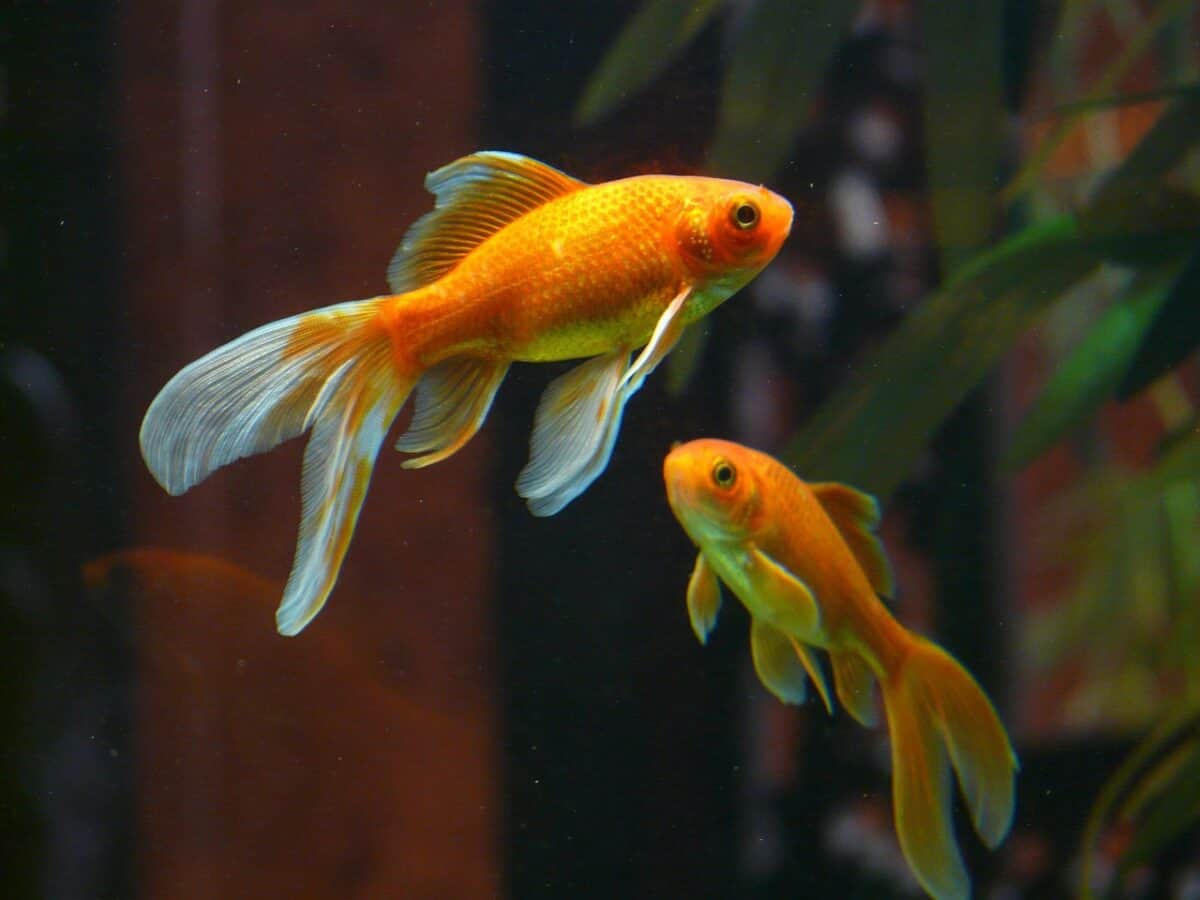
Goldfish belong to a select group of vertebrates that exhibit indeterminate growth, a biological phenomenon where an organism continues to grow throughout its lifespan, rather than stopping once it reaches adulthood. This growth pattern is more commonly associated with reptiles and amphibians, making it relatively unusual among pet fish species.
The scientific explanation lies in the goldfish’s cellular biology—their bodies continue to produce new cells and increase in size as long as environmental conditions permit. Unlike mammals, which have a genetically predetermined maximum size, goldfish growth is primarily limited by external factors rather than internal genetic programming. This remarkable adaptation allows goldfish to adjust their growth rate and ultimate size based on their environment, a characteristic that has contributed significantly to their survival and adaptability as a species.
The Wild Origins and Natural Size
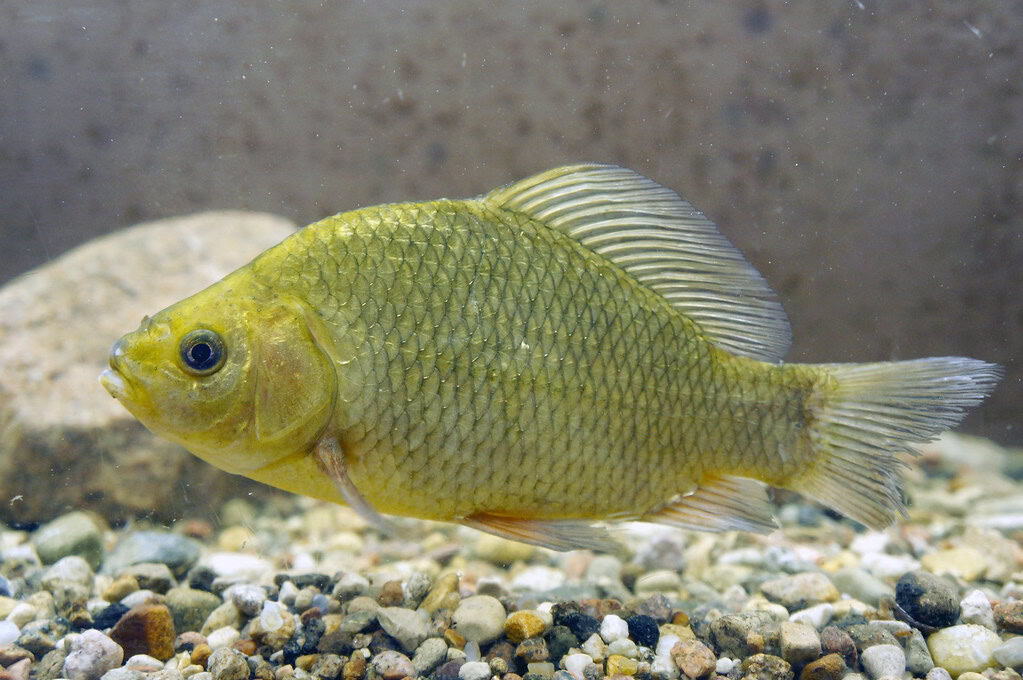
To understand the true growth potential of goldfish, we must look to their wild ancestors. Goldfish (Carassius auratus) were domesticated from wild crucian carp in China over a thousand years ago. In their natural habitats or in outdoor ponds, common goldfish routinely grow to 10-12 inches (25-30 cm) in length, while some varieties can reach up to 18 inches (45 cm) or more. Their wild relatives in natural waterways can grow even larger.
In fact, when released into open waterways, pet goldfish have been known to grow to enormous sizes, with some specimens weighing several pounds. A notable example occurred in 2013 when a 15-inch, 4.2-pound goldfish was discovered in Lake Tahoe, demonstrating the species’ impressive growth potential when freed from the confines of aquarium life. These cases illustrate that the goldfish’s compact size in home aquariums is an artificial limitation rather than a natural characteristic.
The Role of Tank Size in Growth

Perhaps the most critical factor in goldfish growth is the size of their habitat. The relationship between tank size and fish growth is well-documented in scientific literature. When kept in small containers, goldfish release growth-inhibiting hormones that concentrate in the limited water volume, effectively stunting their development. This is the body’s response to perceived resource limitations—a biological mechanism that helps the fish survive in restricted environments.
Experts recommend a minimum of 20 gallons for the first goldfish and an additional 10 gallons for each additional fish. Larger tanks or ponds not only dilute growth-inhibiting hormones but also provide more swimming space, which promotes exercise and proper muscle development. Studies have shown that the same fish, when transferred from a small tank to a larger one, will often experience a growth spurt as the concentration of inhibiting hormones decreases, allowing their natural growth patterns to resume.
Water Quality and Its Impact on Growth
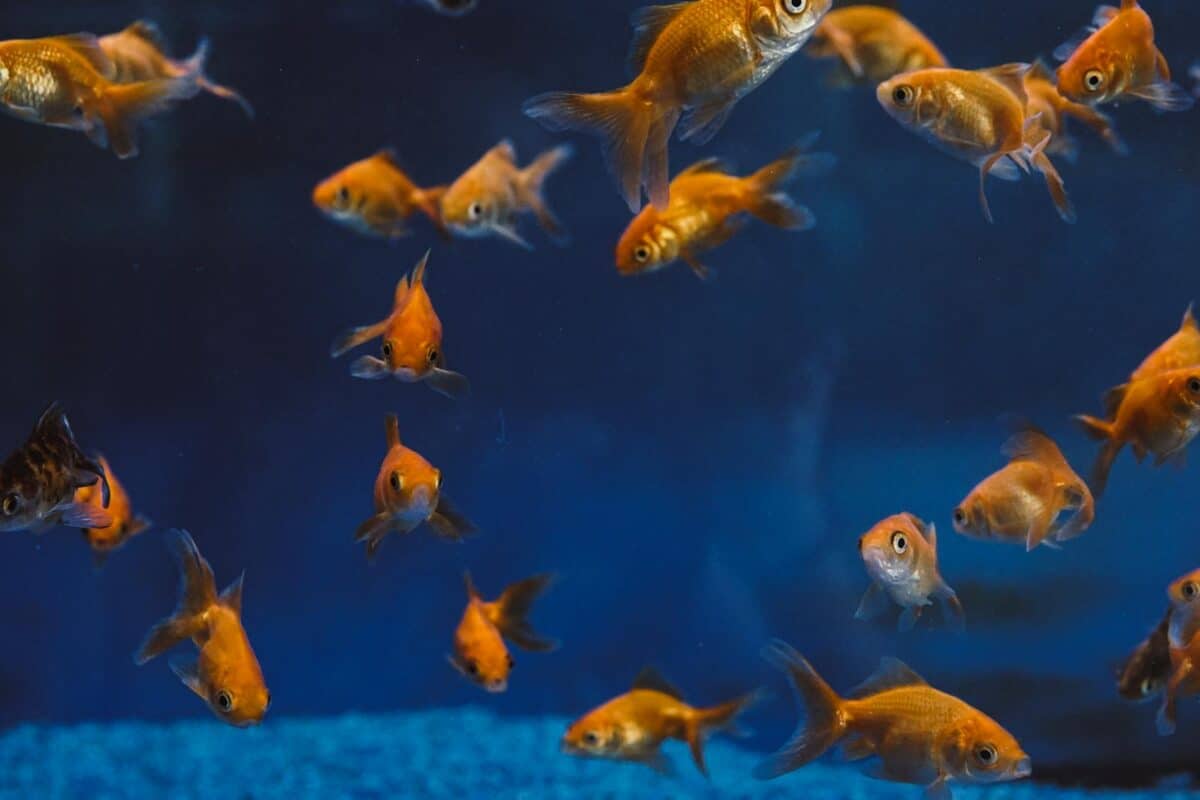
Water quality stands as a fundamental determinant in goldfish growth rates. These fish produce significant biological waste, and in confined spaces, ammonia, nitrites, and nitrates can quickly accumulate to toxic levels. Poor water quality forces goldfish to divert energy from growth to mere survival, effectively stunting their development. Optimal growth requires water with negligible ammonia and nitrite levels (ideally 0 ppm) and nitrates below 20 ppm. Regular water changes of 25-30% weekly are essential for removing accumulated waste products.
Additionally, goldfish thrive in water with a pH between 7.0 and 8.4 and moderate hardness. Temperature also plays a crucial role—goldfish grow faster in warmer water (around 65-72°F or 18-22°C), though this must be balanced with the fact that warmer water holds less oxygen and accelerates metabolism, potentially shortening lifespan. A high-quality filtration system capable of processing at least three to five times the tank volume per hour helps maintain the clean water conditions necessary for uninhibited growth.
Nutrition and Feeding Practices
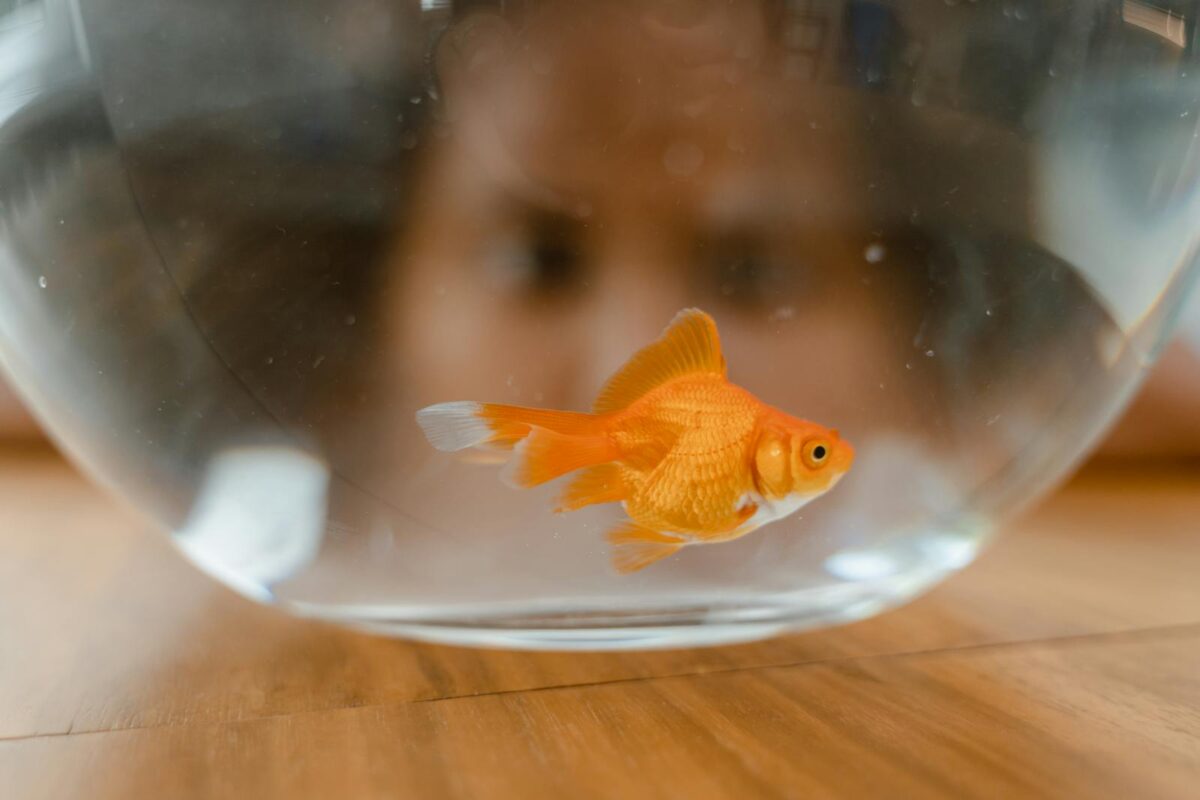
The dietary needs of goldfish directly influence their growth potential. These omnivorous creatures require a balanced diet rich in proteins, carbohydrates, vitamins, and minerals to support continuous growth. High-quality commercial goldfish foods typically contain 30-40% protein, which provides the building blocks for new tissue development. Supplementing with fresh vegetables like peas, spinach, and zucchini adds essential nutrients and fiber. Live or frozen foods such as daphnia, brine shrimp, and bloodworms offer concentrated protein sources that promote healthy growth.
The feeding frequency and portion size also matter significantly—young goldfish benefit from multiple small feedings throughout the day to fuel their rapid development, while adults can maintain healthy growth with once or twice daily feedings. Overfeeding, however, can lead to poor water quality and health issues that ultimately impede growth. The optimal approach balances nutritional intake with the fish’s metabolism and the tank’s filtration capacity.
Genetic Factors and Breed Differences

While all goldfish share the capacity for indeterminate growth, their genetic makeup significantly influences their growth rate and maximum potential size. Centuries of selective breeding have produced numerous goldfish varieties with distinct growth characteristics. Single-tailed varieties like the Common goldfish and Comet tend to grow larger and faster than fancy varieties such as Orandas, Ryukins, or Bubble Eyes. The streamlined body shape of single-tailed goldfish allows for more efficient swimming and better energy utilization, contributing to their superior growth potential.
In contrast, fancy goldfish varieties, with their elaborate fins, round bodies, and sometimes vision-impairing features, expend more energy on basic movement and typically grow more slowly and reach smaller maximum sizes. Genetic factors also influence how efficiently a goldfish converts food into body mass and how effectively it can adapt to environmental conditions. These inherent differences explain why two goldfish of different varieties, even when kept under identical conditions, may achieve significantly different sizes.
Age and Growth Patterns

The relationship between age and growth in goldfish follows a predictable pattern while maintaining the potential for lifelong development. Young goldfish experience their most rapid growth during the first few years of life, when they can grow as much as an inch per year under ideal conditions. This growth gradually slows as the fish ages, but never completely ceases as long as environmental conditions remain favorable. A healthy goldfish can live 10-15 years in an aquarium and 20+ years in a pond, continuing to grow incrementally throughout this period.
The most dramatic growth typically occurs between 6 months and 3 years of age, though growth spurts can happen at any time if conditions improve significantly. It’s worth noting that growth involves not just increasing length but also developing girth and mass. Older goldfish often become more robust in body shape even when length increases slow down. This pattern of rapid early growth followed by slower but continuous development throughout adulthood is characteristic of the indeterminate growth pattern that makes goldfish so remarkable among pet species.
The Pond Advantage

Outdoor ponds offer goldfish growth advantages that few indoor environments can match. The substantially larger water volume of even a modest garden pond—typically hundreds or thousands of gallons—dramatically reduces the concentration of growth-inhibiting hormones. Natural sunlight stimulates the production of vitamin D and promotes the growth of beneficial algae and microorganisms that goldfish can graze on, supplementing their diet with natural nutrients. The greater swimming distances in ponds encourage exercise, which strengthens muscles and promotes overall development.
Seasonal temperature fluctuations in outdoor ponds mirror the natural conditions goldfish evolved in, triggering important physiological responses that can enhance growth. During warm summer months, the increased metabolism and feeding activity can lead to growth spurts, while the cooler winter period allows for rest and energy conservation. Studies comparing identical goldfish kept in aquariums versus ponds consistently show that pond-dwelling specimens achieve significantly larger sizes over time, often growing to two or three times the size of their tank-kept counterparts within a few years.
Case Studies of Exceptional Growth

Documented cases of extraordinary goldfish growth provide compelling evidence of their remarkable potential. One notable example comes from a study conducted by the University of Lyon, where researchers tracked common goldfish in a controlled pond environment for seven years. These fish grew from typical pet-store size (approximately 2 inches) to over 14 inches in length and weighed nearly two pounds. In Australia, the Department of Primary Industries has documented feral goldfish in the Vasse River growing to 16 inches and weighing up to 4 pounds after escaping from garden ponds. Perhaps most impressive are the koi-goldfish hybrids in Japan’s renowned ornamental ponds, where specimens exceeding 20 inches have been recorded, with some exceptional individuals approaching 24 inches in length.
These cases aren’t anomalies but demonstrations of what happens when goldfish are provided with optimal conditions over extended periods. What makes these examples particularly valuable is that they represent various settings—controlled research environments, natural waterways, and carefully maintained ornamental ponds—all yielding similar results: goldfish growing far beyond the size most people associate with the species.
The Health Implications of Restricted Growth
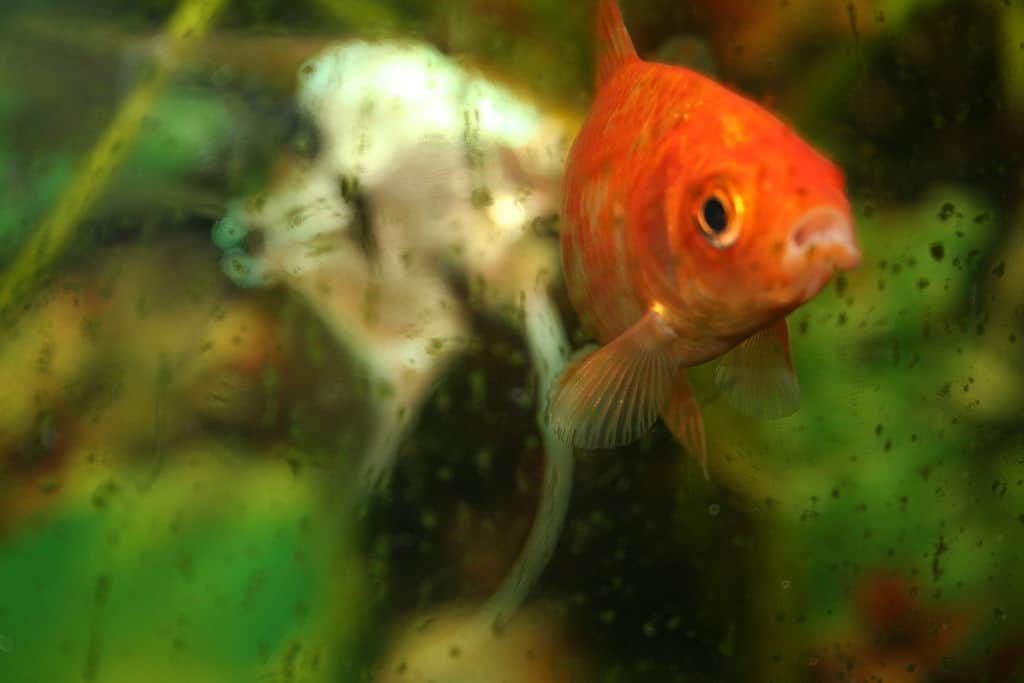
The practice of keeping goldfish in small containers doesn’t merely limit their size—it has profound implications for their health and longevity. When a goldfish’s growth is stunted due to inadequate living conditions, the external development may slow, but certain internal organs continue to grow, creating potentially fatal complications. This internal-external growth discrepancy can lead to compressed organs, swim bladder disorders, and immune system compromise. Studies conducted at veterinary research facilities have found that growth-stunted goldfish show measurably higher cortisol levels, indicating chronic stress.
Their lifespans are typically reduced by 70-80% compared to properly housed specimens, with many stunted goldfish living only 1-2 years instead of their potential 10-20 years. Behavioral impacts are equally concerning—stunted fish often exhibit reduced activity, decreased responsiveness, and abnormal swimming patterns. These findings challenge the ethical implications of the small goldfish bowl tradition and highlight the responsibility of providing appropriate housing. Importantly, even fish that have experienced years of stunted growth can resume development if placed in improved conditions, though they may never fully reach their genetic potential size.
Creating Optimal Growth Conditions
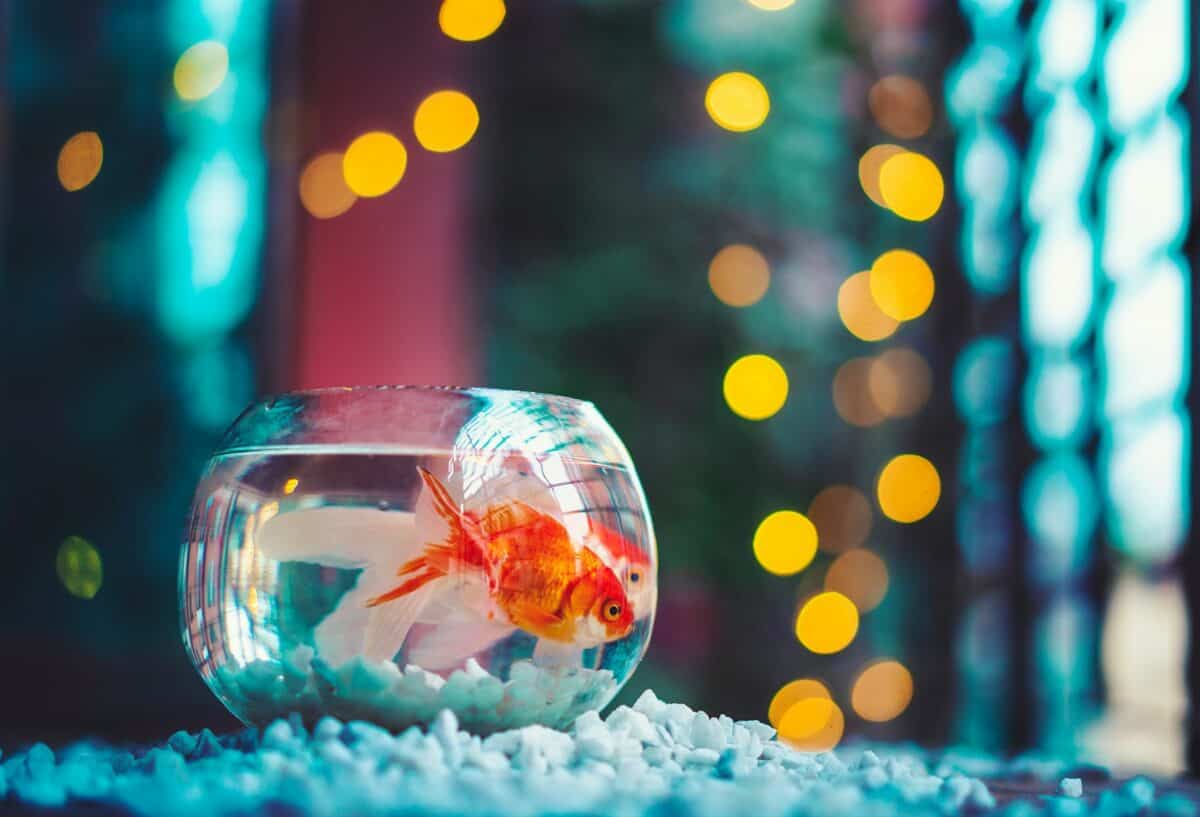
For goldfish keepers interested in allowing their pets to express their full growth potential, creating optimal conditions requires a comprehensive approach. The foundation begins with appropriately sized housing—a minimum 30-gallon aquarium for a single common goldfish or a pond of at least 500 gallons for multiple fish with room to grow. Filtration is critical; systems should be rated for at least twice the actual water volume and include biological, mechanical, and chemical filtration components. Water quality must be maintained through regular testing and 25-30% weekly water changes.
Feeding practices should incorporate high-quality commercial goldfish foods supplemented with protein-rich live foods and fresh vegetables. Temperature stability between 65-72°F (18-22°C) provides the ideal balance between metabolic rate and oxygen availability. Adequate oxygenation through air stones or water movement ensures sufficient oxygen for growing fish with increasing metabolic demands. Physical space for unimpeded swimming encourages exercise and muscle development. For those with outdoor options, transitioning goldfish to pond living during appropriate seasons can significantly accelerate growth. The key principle is consistency—fluctuations in water parameters or feeding regimens can stress fish and interrupt growth patterns. When these optimal conditions are maintained year after year, goldfish will continue their remarkable lifelong growth journey.
Conclusion: The Endless Growth Potential of Properly Kept Goldfish

The capacity for continuous growth in goldfish represents one of the most fascinating biological adaptations in the aquatic pet world, challenging our conventional understanding of fish development. When provided with spacious environments, excellent water quality, proper nutrition, and appropriate care, these humble creatures transform from the small, familiar pets of childhood memory into impressive, long-lived aquatic companions that bear little resemblance to their bowl-bound counterparts.
This remarkable growth potential not only highlights the goldfish’s biological uniqueness but also serves as a compelling reminder of our responsibility as caretakers to provide environments that allow animals to express their natural characteristics. The next time you observe a tiny goldfish in a pet store, consider the sleeping giant within—a creature perpetually poised for growth, waiting only for the right conditions to reveal its true magnificent potential.

From exploring the marine wonders in the Azores and witnessing the vast savannas of Kenya, to delving deep into the rich biodiversity of South Africa and traversing iconic landscapes in Australia and the US like Yellowstone, Chris's experiences are vast.
With a penchant for diving alongside sharks, the ocean holds a special place in his heart.
Through his academic insights, he champions wildlife conservation, striving with 'Animals Around The Globe' to cultivate a profound connection between humans and animals, enhancing our mutual appreciation.
Connect with him at Feedback@animalsaroundtheglobe.com.
- From Leopards to Peacocks: The Animals That Influence Fashion - July 21, 2026
- This Animal Can Change Color Faster Than a Chameleon - July 21, 2026
- Top 10 Animals and Wildlife in Hawaii - July 21, 2026