


Slithering through the grass or basking in the sun, garter snakes are among the most common serpents you might encounter in your backyard. Despite their ubiquity across North America, these slender reptiles often trigger unnecessary fear and misunderstandings. The truth about these garden visitors is far more fascinating—and beneficial—than many homeowners realize. Garter snakes serve as natural pest controllers, pose virtually no threat to humans, and contribute significantly to local ecosystems. This article will uncover the reality behind these misunderstood creatures, helping you appreciate their presence rather than fear it. From their distinctive identification features to their ecological importance, we’ll explore everything you need to know about the garter snakes sharing your outdoor space.
Identifying Garter Snakes in Your Yard

Garter snakes (Thamnophis spp.) are relatively small reptiles, typically measuring between 18 and 26 inches in length, though some specimens can reach up to 4 feet. Their most distinctive feature is the pattern of longitudinal stripes running down their bodies—usually a combination of yellow, green, blue, or white stripes against a darker background. However, coloration can vary significantly depending on the species and region.
Common garter snakes (Thamnophis sirtalis) often display a yellow or white stripe down the center of their back with a darker body that may appear black, brown, or olive. Their scales have a slightly keeled texture, giving them a less glossy appearance compared to some other snake species. With their relatively slender bodies and distinctively striped pattern, garter snakes are usually easy to distinguish from other backyard serpents once you know what to look for.
The Ecological Benefits of Backyard Garter Snakes

Far from being pests, garter snakes provide remarkable ecological services to your garden and surrounding landscape. These efficient predators consume a variety of garden nuisances including slugs, snails, earthworms, leeches, insects, small rodents, and occasionally amphibians. By controlling these populations, garter snakes help maintain a balanced ecosystem and can reduce the need for chemical pest control methods.
Their predation on rodents is particularly valuable, as mice and voles can damage garden plants and potentially spread diseases. Additionally, garter snakes themselves serve as prey for larger predators like hawks, owls, and herons, making them an important link in the food chain. Rather than viewing them as unwanted visitors, consider garter snakes as free, environmentally friendly pest management assistants working silently in your yard.
Debunking Myths: Are Garter Snakes Dangerous?

Despite common misconceptions, garter snakes pose virtually no threat to humans. While they do possess a mild venom delivered through saliva, this venom is extremely weak and primarily helps them subdue their small prey. Garter snake bites are rare and typically only occur when the snake is directly handled or feels threatened with no escape route.
Even in the uncommon event of a bite, the effects are minor—comparable to a bee sting—possibly causing slight swelling or irritation but nothing serious for most people. Unlike venomous species such as rattlesnakes or copperheads, garter snakes have no fangs for venom delivery. Some people may experience a mild allergic reaction to garter snake saliva, but severe reactions are exceptionally rare. These snakes are non-aggressive by nature and will almost always choose to flee rather than confront humans, making them safe neighbors in your backyard ecosystem.
Garter Snake Habitat Preferences in Suburban Settings
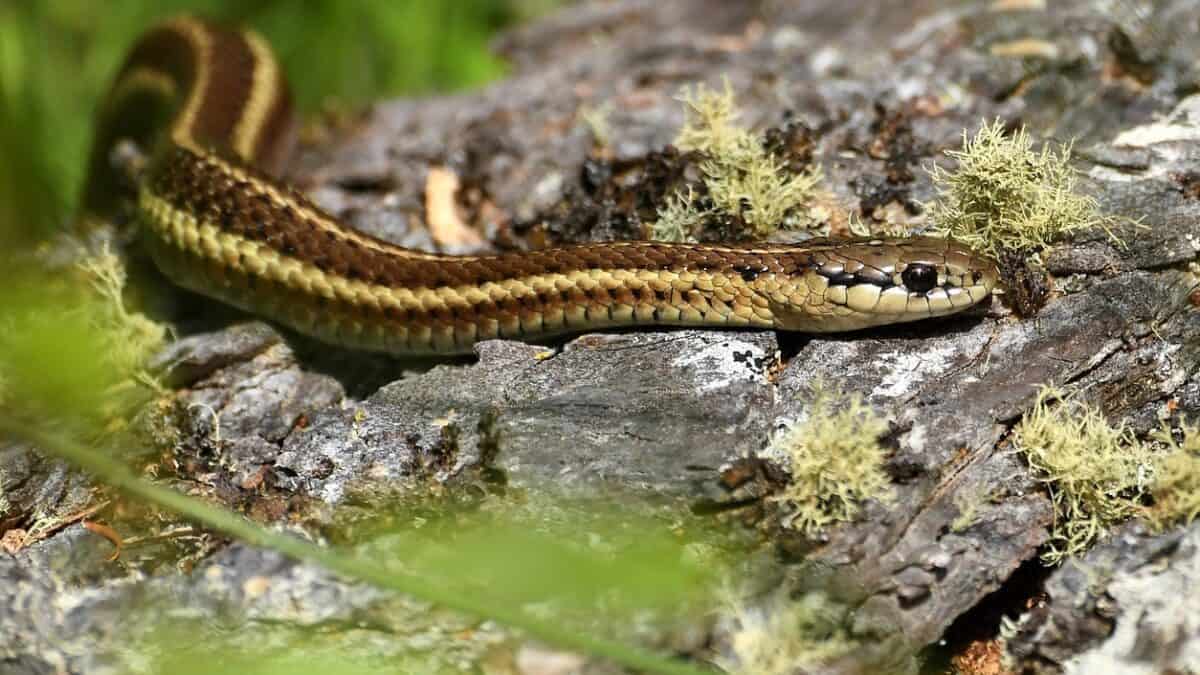
Garter snakes thrive in a variety of environments but show particular preferences within suburban landscapes. These adaptable reptiles seek out areas that provide three essential resources: cover for protection, basking spots for thermoregulation, and proximity to food sources. In backyard settings, they’re commonly found near rock walls, wood piles, compost heaps, dense shrubs, garden borders, and around water features. Gardens with mulch layers provide ideal hunting grounds and shelter, while south-facing slopes offer optimal basking locations for these cold-blooded creatures.
Garter snakes particularly favor ecotone zones—transitional areas between different habitats such as where your lawn meets a wooded area or where gardens transition to open grass. They require some moisture in their environment and will often be found near water sources, whether natural streams, decorative ponds, or even regularly watered garden beds. Their habitat flexibility contributes significantly to their success as one of North America’s most widespread snake species.
Seasonal Behavior Patterns of Garter Snakes

Garter snake activity follows distinct seasonal patterns that homeowners might observe throughout the year. In spring, these reptiles emerge from hibernation (known as brumation in reptiles) when temperatures consistently reach above 50°F (10°C). This emergence period often results in increased sightings as they actively seek mates and begin feeding after their winter fast. Summer brings peak activity periods during morning and evening hours, with snakes often retreating to cooler hiding spots during the hottest parts of the day.
By late summer and early fall, garter snakes begin preparing for winter by feeding heavily and seeking ideal hibernation locations. They typically enter brumation by October or November, depending on local climate conditions. During winter months, garter snakes gather in communal hibernacula—sheltered spaces that protect them from freezing temperatures—often in rock crevices, mammal burrows, or foundation gaps. Understanding these seasonal behaviors can help homeowners predict when they’re most likely to encounter these beneficial reptiles in their yards.
Reproduction and Life Cycle in Your Garden

Garter snakes have a fascinating reproductive cycle that may be taking place right in your backyard. Unlike many reptiles, garter snakes are ovoviviparous, meaning females give birth to live young rather than laying eggs. Mating typically occurs in spring shortly after emergence from brumation, with males often competing for female attention in what observers might notice as “mating balls”—clusters of multiple males surrounding a single female. After mating, female garter snakes undergo a gestation period of approximately 2-3 months.
In mid to late summer, they give birth to litters ranging from 10 to 40 young snakes (occasionally more in larger species), each measuring 6-9 inches long. These newborns are fully independent from birth, immediately dispersing to hunt and survive on their own without parental care. Young garter snakes grow rapidly during their first year and typically reach sexual maturity between 1.5-3 years of age. With proper habitat and food availability, garter snakes can live 4-5 years in the wild, though captive specimens have reached 10+ years under optimal conditions.
Common Garter Snake Species in North American Backyards

Several garter snake species may inhabit North American yards, each with distinctive characteristics and ranges. The Common Garter Snake (Thamnophis sirtalis) is the most widespread, found throughout most of the continental United States and into Canada, recognizable by its yellow or white stripes against a darker body. In western regions, the Western Terrestrial Garter Snake (Thamnophis elegans) displays more variable coloration, including reddish, brownish, or grayish bodies with contrasting stripes. Eastern gardens might host the Eastern Ribbon Snake (Thamnophis sauritus), a close relative of garter snakes distinguished by its more slender body and sharply defined yellow stripes.
The Plains Garter Snake (Thamnophis radix) populates Midwestern yards with its distinctive orange or reddish-orange dorsal stripe. Northwestern gardens might feature the Northwestern Garter Snake (Thamnophis ordinoides), known for its extreme color variation ranging from red to blue-black. Each species has adapted to local conditions while maintaining the characteristic striped pattern that makes garter snakes recognizable across their diverse range.
Creating a Garter Snake-Friendly Yard

If you appreciate the ecological benefits of garter snakes, you can create a welcoming environment that encourages their presence while maintaining a beautiful landscape. Start by incorporating diverse plantings with varying heights to create microhabitats—dense groundcovers, perennial beds, and shrub borders provide excellent snake habitat. Install rock features like dry-stacked walls or decorative rock piles that offer both basking surfaces and protective crevices. Maintain some naturalized areas with leaf litter and native plants to support the insects and other small creatures that garter snakes prey upon.
Water features, even small ones, attract both snakes and their prey, enhancing your yard’s biodiversity. Avoid chemical pesticides that can harm snakes directly or eliminate their food sources. Consider installing a dedicated “snake board”—a flat piece of plywood or metal placed in a quiet garden corner that snakes can use for shelter and heat absorption. Compost piles provide both hunting grounds and occasional hibernation sites. With these elements, you can create a garden that supports these beneficial reptiles while maintaining an attractive outdoor space.
Harmlessly Discouraging Snakes from Specific Areas

While garter snakes benefit your garden, there may be specific areas where you prefer not to encounter them. You can humanely discourage snakes from these zones without harming them or using toxic repellents. Start by eliminating preferred snake habitat in targeted areas—remove brush piles, keep grass short, minimize ground cover plants, and eliminate hiding spots near patios, play areas, or doorways. Create barriers using hardware cloth buried 6-12 inches deep around designated snake-free zones.
Certain plants with strong scents may act as natural deterrents, including garlic, lemongrass, marigold, and wormwood, though their effectiveness varies. Smooth barriers like clean hardscaping without crevices make less appealing snake territory. Frequently disturbed areas also tend to be avoided by snakes, so regular human activity naturally discourages their presence in high-traffic zones. Remember that complete elimination of snakes from your yard is neither practical nor ecologically desirable—the goal should be to direct them to appropriate areas of your landscape where their beneficial nature can be appreciated without unwanted encounters.
What to Do If You Encounter a Garter Snake

Encountering a garter snake in your yard can be startling, but responding appropriately ensures a positive outcome for both you and the snake. First, remain calm and give the snake space—most garter snake encounters end with the reptile quickly retreating when it detects human presence. Avoid sudden movements that might trigger a defensive response. Never attempt to handle, harm, or kill the snake; simply observe from a respectful distance and appreciate this glimpse of wildlife.
If the snake is in a problematic location, such as near a doorway or children’s play area, you can gently encourage it to move using a garden hose spray (not directly on the snake) or by carefully guiding it with a broom or rake, keeping the tool between you and the snake. For indoor snakes, place a container over the snake, slide cardboard underneath, and release it in a suitable outdoor location away from the house. Remember that garter snake encounters are temporary—these shy creatures naturally avoid human interaction and will move along if given the opportunity.
Teaching Children About Backyard Snakes

Educating children about garter snakes creates informed young naturalists while preventing unnecessary fear. Start by explaining that garter snakes are beneficial garden helpers that eat pests and pose virtually no threat to humans. Use age-appropriate books, videos, or supervised encounters to familiarize children with these reptiles’ appearance and behavior. Teach children to observe snakes from a respectful distance without attempting to touch or disturb them.
Establish clear rules: never pick up any snake without adult supervision, don’t corner or chase snakes, and always wash hands after any potential contact with wildlife. Create educational opportunities by keeping a nature journal of snake sightings, discussing their ecological role, or visiting nature centers with reptile exhibits. Address fears directly by acknowledging that being startled is natural but explaining the difference between dangerous venomous species (which are rare in most regions) and harmless garter snakes. By fostering curiosity rather than fear, you’ll help children develop a lifelong appreciation for these fascinating reptiles and their role in backyard ecosystems.
Garter Snakes Versus Other Common Backyard Snakes
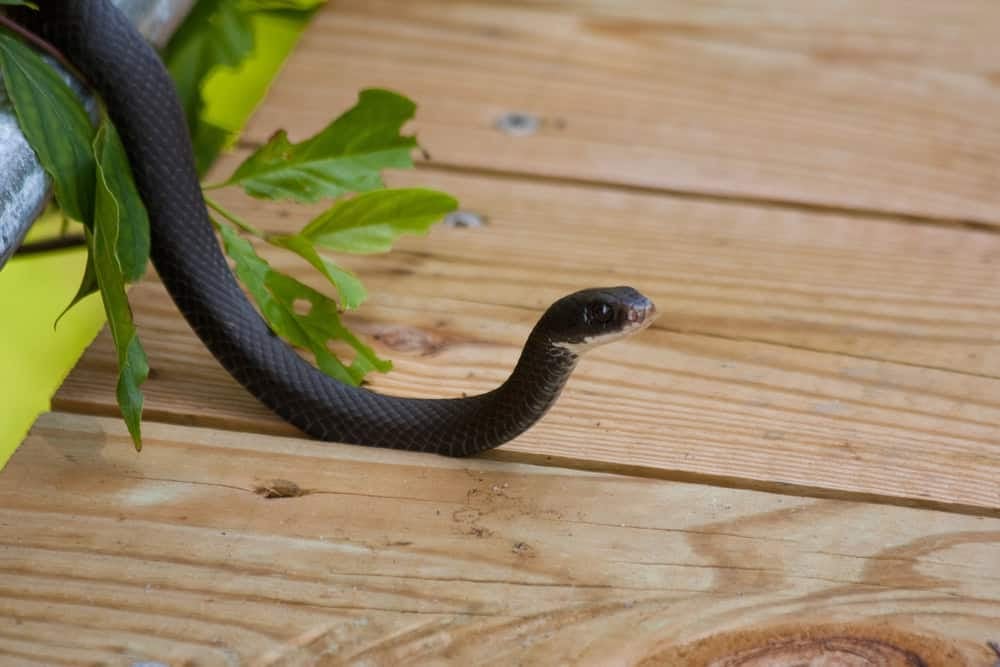
Distinguishing garter snakes from other backyard serpents is important for properly identifying your slithering visitors. Unlike rat snakes, which are typically larger (4-6 feet) with blotched or solid patterns rather than stripes, garter snakes maintain their distinctive longitudinal striping throughout life. Ring-necked snakes, though similar in size to garter snakes, display a solid dark body with a bright yellow or orange ring around the neck and a matching belly color.
Water snakes, which may inhabit similar environments, generally have heavier bodies with rough-looking scales and blotched or banded patterns rather than stripes. In regions where venomous species exist, it’s crucial to note that garter snakes lack the triangular head, heat-sensing pits, vertical pupils, and rattles that characterize venomous pit vipers. The harmless DeKay’s brownsnake, commonly found in gardens, is smaller than adult garter snakes (10-18 inches) with subtle dotted patterns rather than bold stripes. Learning these key differences helps homeowners correctly identify their snake visitors and respond appropriately to each species’ presence.
Conclusion: Embracing Your Striped Garden Allies

Garter snakes represent a perfect example of how wildlife often suffers from undeserved negative reputations despite offering significant benefits. These remarkable reptiles serve as natural pest controllers, fascinating subjects for observation, and important components of healthy backyard ecosystems. By understanding their behavior, recognizing their value, and learning to coexist comfortably with these harmless creatures, homeowners can foster a more balanced approach to backyard wildlife management.
Rather than fearing the slender, striped visitor in your garden bed, consider yourself fortunate to host a creature that has evolved alongside human settlements for centuries, adapting to our presence while continuing its ecological work. The truth about garter snakes in your backyard isn’t a tale of danger or nuisance but rather a story of beneficial coexistence and natural wonder that unfolds right outside your door.

From exploring the marine wonders in the Azores and witnessing the vast savannas of Kenya, to delving deep into the rich biodiversity of South Africa and traversing iconic landscapes in Australia and the US like Yellowstone, Chris's experiences are vast.
With a penchant for diving alongside sharks, the ocean holds a special place in his heart.
Through his academic insights, he champions wildlife conservation, striving with 'Animals Around The Globe' to cultivate a profound connection between humans and animals, enhancing our mutual appreciation.
Connect with him at Feedback@animalsaroundtheglobe.com.
- Why Spiders Don’t Get Stuck in Their Own Webs - July 20, 2026
- What Scientists Found in a 10,000-Year-Old Beehive - July 20, 2026
- This Spider Builds Fake Decoys of Itself - July 20, 2026