


Picture this: you’re cruising down a gorgeous mountain trail, breathing in that crisp air, when suddenly you hear it—the unmistakable rattle that makes your heart skip a beat. Or maybe you spot something long and slithery sunbathing right across your path. Don’t panic! That’s just America showing off its incredible snake diversity, and honestly, most of these reptilian trail-mates are more afraid of you than you are of them. Whether you’re hiking the Appalachian Trail, exploring desert canyons, or wandering through wetlands, knowing your snakes can transform fear into fascination and keep you safe while you’re out there living your best outdoor life.
15. Eastern Diamondback Rattlesnake

Meet the heavyweight champion of North American venomous snakes—the Eastern Diamondback Rattlesnake is not messing around. The eastern diamondback is the largest venomous snake in the United States and is a contender for the largest in the world. Eastern diamondbacks are brown, black, and cream and can grow up to 8 feet in length. These magnificent yet dangerous serpents are primarily found along the coastal southeastern United States, making them a concern for hikers in Florida, Georgia, and the Carolinas. In the vast wetlands of the Everglades and Big Cypress, the Eastern diamondback rattlesnake holds court. This snake is the largest rattlesnake species in the United States, its intimidating presence matched by its intricate diamond markings. Think of them as the grizzly bears of the snake world—impressive, powerful, and definitely deserving of your respect and distance. Despite its fearsome reputation, the Eastern diamondback avoids humans. Observers should watch from a distance, respecting the snake’s space.
14. Western Diamondback Rattlesnake

Western diamondback rattlesnakes have the highest fatality rate of any snake in the U.S. The western diamondback is one of the most common snakes in the western United States and is among the most dangerous. These snakes are like the tough guys of the desert, perfectly adapted to harsh environments and not afraid to stand their ground. These snakes grow between 4-6 feet and usually come in shades of black and gray. The western diamondback is responsible for the greatest number of bites in the United States and is a contender for the highest fatality rate of any species in the country. You’ll often find them basking on rocks in the Colorado River area and throughout the southwestern states. The Colorado River winds through arid landscapes, where the Western diamondback rattlesnake reigns supreme. This iconic snake’s rattle is a clear warning to intruders, a sound as distinctive as the river’s current. Found basking on sunlit rocks, the rattlesnake’s striking diamond pattern is unmistakable. When hiking in their territory, remember that their warning rattle is nature’s way of saying “back off, buddy!”
13. Timber Rattlesnake

The Timber Rattlesnake is like that mysterious neighbor who keeps to themselves but commands respect when they show up. Adults typically range from 30 to 60 inches in length. Coloration is variable and generally ranges from yellowish-brown to gray to almost black. Look for dark brown or black crossbands on their back. Heavy-bodied with characteristic rattle on the tail. These snakes have serious historical street cred too—they were featured on the famous “Don’t Tread on Me” flag during the American Revolution. The Timber Rattlesnake played a noteworthy role in U.S. history. Found in the original 13 colonies, it was used as a symbol during the American Revolution. In 1775 it was featured at the center of the “Gadsden Flag.” Luckily, Timber Rattlesnakes have a mild disposition and don’t bite often. They typically give plenty of warning by rattling and posturing. Hikers on the Appalachian Trail encounter these snakes regularly, and they’re usually pretty chill if you give them space.
12. Prairie Rattlesnake

Prairie Rattlesnakes are the ultimate survivors of the American heartland, perfectly adapted to wide open spaces and extreme weather. Adults typically range between 3.3 and 5 feet in length. Coloration is highly variable and can be greenish-gray, olive green, greenish-brown, light brown, or yellow. All variations have dark blotches on the body that turn into rings near the tail. These snakes are basically the nomads of the reptile world—they migrate up to seven miles seasonally to find the perfect hunting grounds. The Prairie Rattlesnake hibernates during the winter, often in communal dens. These dens are typically rock crevices, caves, or old mammal burrows. Individual snakes return to the same den each winter and migrate up to seven miles to their hunting grounds in the spring. They’re found in grasslands and even at elevations up to 9,500 feet, so mountain hikers in the western states should definitely keep an eye out. Their potent venom has both hemotoxic and neurotoxic properties, and although rare, can be fatal to an adult human.
11. Copperhead

Copperheads are the ultimate masters of disguise—these sneaky serpents are so good at blending in that you might walk right past one and never know it. This snake is coppery-brown in color with distinct “Hershey’s kiss” brown patterning on its sides. If encountered, it will often freeze and rely on its camouflage to remain unseen when threatened. Think of them as nature’s hide-and-seek champions, and unfortunately, they usually win the game. Copperheads are masters at camouflage and it’s easy to completely miss seeing one as you walk by them (ask me how I know). Just Google “hard to see copperheads” and test your eyes with some of the photos that will inevitably pop up! The good news is they’re relatively mild-mannered compared to their rattlesnake cousins. Of all four types of venomous snakes in the United States, copperhead venom is the least dangerous. They’re common along the East Coast and Appalachian regions, so hikers in Virginia, North Carolina, and similar areas should be extra cautious about where they step.
10. Cottonmouth (Water Moccasin)

The Cottonmouth, also known as the Water Moccasin, is basically the grumpy uncle of the snake world—they’re not afraid to stand their ground and let you know they’re not happy about your presence. The Mississippi River is home to the infamous cottonmouth snake, known for its aggressive nature. This snake thrives in the river’s swampy areas, often seen basking on logs or swimming effortlessly in the murky waters. With its thick, muscular body and distinct white mouth, the cottonmouth is both fascinating and fearsome. Unlike many snakes that prefer to flee, cottonmouths will often hold their position and open their mouths wide to show that distinctive white interior that gives them their name. Rattlesnakes and cottonmouth snakes are usually not afraid to stand their ground. They’re primarily found in the southeastern United States around swamps, rivers, and wetlands. Cottonmouths live in the southeastern United States, from southern Virginia to Florida to eastern Texas but their distribution is scattered. For hikers exploring boardwalks and trails near water in places like Florida, Louisiana, or Mississippi, these aquatic serpents are definitely something to watch for.
9. Coral Snake

Coral snakes are like the beautiful but deadly flowers of the snake world—gorgeous to look at but absolutely not something you want to get too close to. New World coral snakes — native to North, Central and South America (like the eastern coral snake found in the U.S., for example) — have a distinct color pattern: bright red bands, yellow bands and black rings that alternate along their body. Here’s where that famous rhyme comes in handy: “Red touches yellow, kill a fellow; red touches black, friend of Jack.” Coral snakes have yellow bands touching red bands, while king snakes have red bands touching black. Coral snakes use venom to paralyze their victims, while king snakes use constriction to suffocate them. Unlike their pit viper cousins, coral snakes have round pupils and don’t have that distinctive triangular head shape. Since coral snakes are in the cobra family, they do not have the same defining features of a pit viper. Their pupils are round, their head is not triangular shaped, and they do not have a heat-sensing pit. They’re more reclusive than aggressive, preferring to hide rather than fight, which is probably good news for hikers in the southeastern states where they’re found.
8. Black Rat Snake (Eastern Rat Snake)

The Black Rat Snake is basically the gentle giant of the snake world—they look intimidating at first glance but are actually doing you a huge favor by controlling rodent populations. The eastern ratsnake is the largest of 21 species generally recognized to be indigenous to the state. Adult lengths of 42 to 100 inches have been recorded. These impressive serpents are like nature’s pest control service, and they’re so good at their job that you’ll often find them hanging around barns and outbuildings. If you thru-hike the Appalachian Trail it is highly likely you will come across a black rat snake.Growing as long as seven feet this black beauty is difficult to miss. As their name implies the snake is fond of rodents. It makes sense then that they are sometimes found around AT shelters. The eastern ratsnake is a powerful constrictor. It uses this physical strength to subdue its prey by suffocation. They’re excellent climbers too, so don’t be surprised if you spot one draped over a tree branch like a living rope. These snakes are completely harmless to humans and deserve a respectful nod for keeping the mouse population in check.
7. Garter Snake

Garter snakes are basically the golden retrievers of the snake world—friendly, common, and absolutely harmless to humans. Garter snakes are another species you will likely come across while hiking. In fact, the Common Garter snake is thought to be the most widespread species of snake in the US. These snakes are small with a dark body and yellow stripes running their length. Not easily mistaken for a venomous snake, they are safe to handle and often kept as pets. Doing most of its traveling and foraging during the day, the eastern gartersnake is active over a longer period than most other snakes. Able to tolerate colder temperatures, it leaves the den first in the spring and it’s the last to hibernate in the fall. The eastern gartersnake is dark greenish to black across the body. Stripes, normally three, trail down the back and sides. These little guys are like the overachievers of the snake world—they’re active when other snakes are still sleeping in. They’re found literally everywhere across the United States, so pretty much every hiker will encounter one at some point. Think of them as your friendly neighborhood snake welcoming committee.
6. Bullsnake (Gopher Snake)
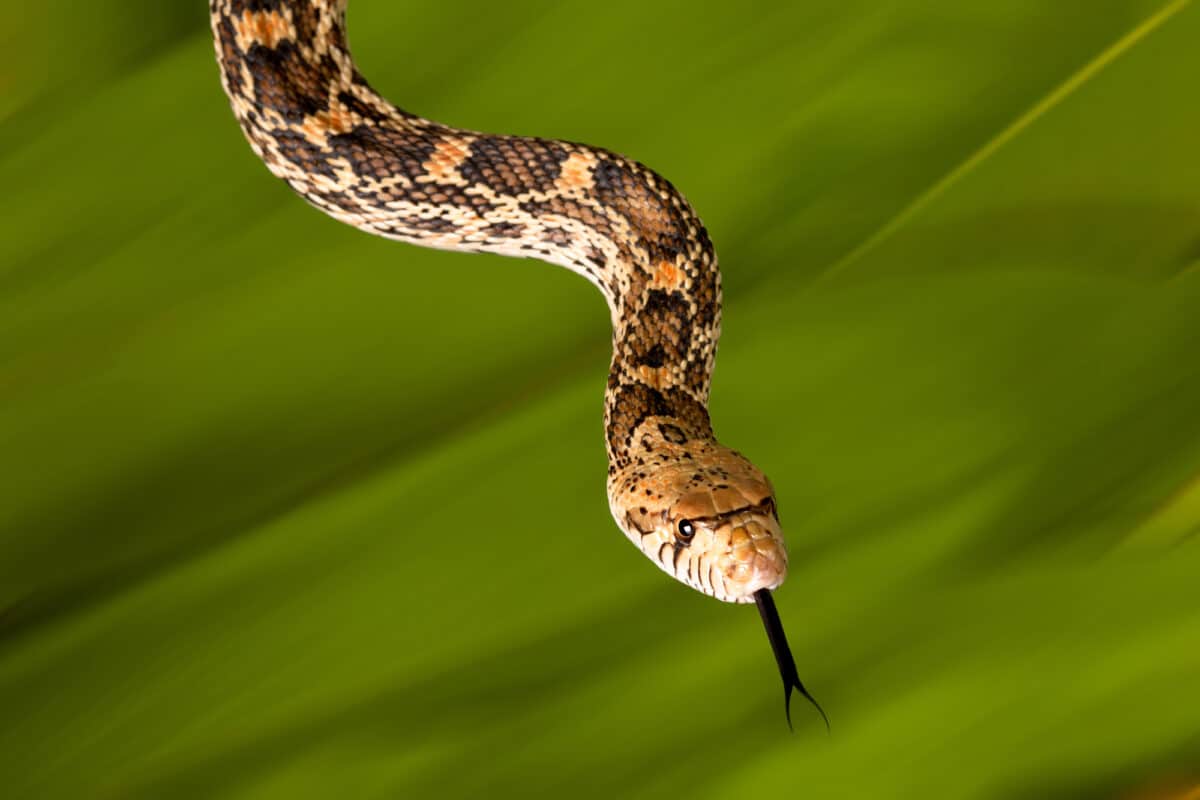
Bullsnakes are the ultimate drama queens of the snake world—they’ll put on quite the show to convince you they’re dangerous, but it’s all an act. Gopher snakes or Bullsnakes are widespread in North America and frequently seen by hikers. These snakes are large and usually tan with brown or red blotches on their back. This species is frequently mistaken for Rattlesnakes. This species is frequently mistaken for Rattlesnakes. They’ll hiss loudly, vibrate their tails against dry leaves to mimic a rattle, and even coil up like they’re ready to strike. The bullsnake, also known as the gopher snake, is one of the most widespread snakes in Colorado. They are also one of the largest, growing as large as 6 feet in length. Bullsnakes feed mostly on rodents and do not prey on rattlesnakes, which is a common misconception. But here’s the thing—they’re completely harmless and actually beneficial since they eat tons of rodents. However, other snakes, like a bullsnake or gopher snake, are also harmless but are the same size, shape and color as their more dangerous rattlesnake cousins · and some even hiss and shake to mimic the actions of rattlesnakes. These impressive constrictors are master diggers and can be found in a variety of habitats across the western United States.
5. King Snake

King snakes are the badass enforcers of the snake world—they literally eat other snakes, including venomous ones, which makes them the ultimate trail guardians. They are ground-dwelling snakes that often kill and eat other snakes, even venomous ones, including rattlesnakes, copperheads, and cottonmouths—kingsnakes are highly resistant to their venom. Their resistance to venom makes them a top predator in the snake world, earning them the name “king” snakes. These adaptable snakes live across North America, thriving in forests, grasslands and even deserts. They come in various patterns and colors, but the most recognizable are those with light bands on dark backgrounds. Kingsnakes have a number of pattern and color variations. The most common and easily recognized pattern is banding, usually light-colored bands on a darker background. Since they do not produce venom, kingsnakes use constriction to subdue their prey. Kingsnakes are active hunters, seeking out prey, not ambush hunters like rattlesnakes. If you see one on the trail, consider yourself lucky—they’re actually helping keep the venomous snake population in check in the area.
4. Milk Snake

Milk snakes are like the misunderstood rebels of the snake world—they’ve got this tough-looking appearance that mimics dangerous coral snakes, but they’re actually total softies. Milk snakes have smooth and shiny scales and their typical color pattern is alternating bands of red-black-yellow or white-black-red; however, red blotches instead of bands are seen in some populations. Some milk snakes have a striking resemblance to coral snakes, in Batesian mimicry, which likely scares away potential predators. Both milk snakes and coral snakes possess transverse bands of red, black, and yellow. The key difference? Remember that rhyme: red touches black, you’re okay Jack! A key difference is nonvenomous king and milk have black bands that touch red bands, while coral snakes have yellow bands that touch red. These secretive snakes are found across a huge range from Canada down to Ecuador. Milk snakes can be found from the southeastern extreme of Ontario, Canada, from southeastern Maine and all the states of the Eastern Seaboard, south to Florida, Alabama, Mississippi; in the midwest, from central Minnesota to Colorado, Nebraska, and the Dakotas; they are found in the foothills of the Appalachian Mountains; Georgia, Tennessee, Kentucky, Arkansas, Missouri, Kansas, Oklahoma, Texas and Louisiana. Across the wide range of this species, habitat varies; typically, milk snakes prefer to live in forested regions or areas of open woodland. However, they can also be found in swamps, prairie, farmland, rocky slopes, some semi-arid/chaparral areas, and sand dunes/beaches. They’re like the ninjas of the snake world—secretive and rarely seen during the day.
3. Corn Snake
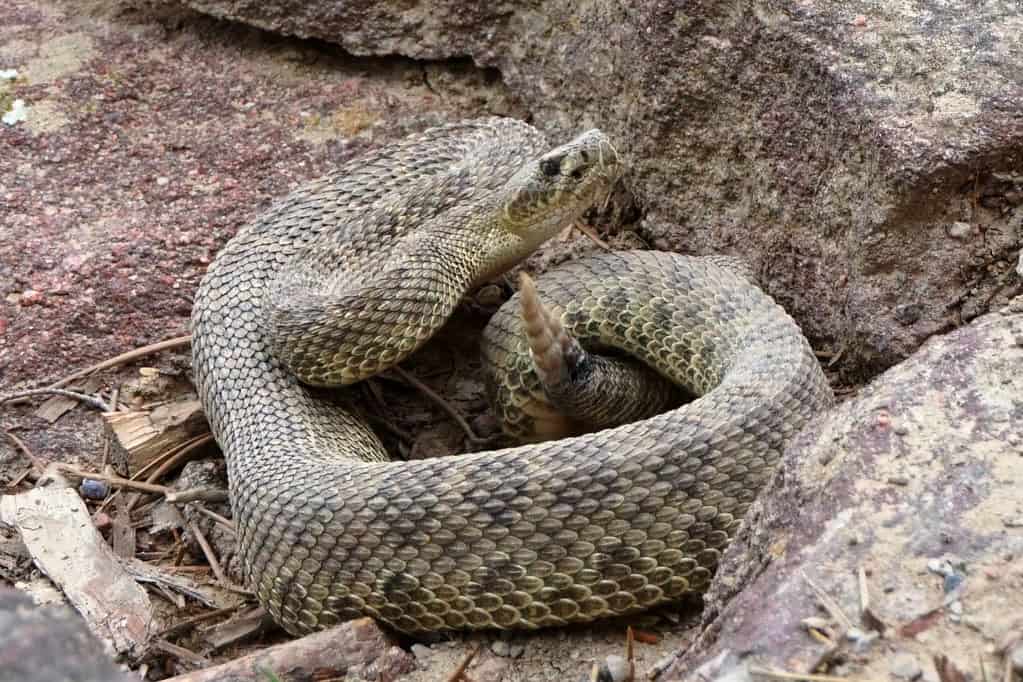
Corn snakes are essentially the golden retrievers of the reptile world—beautiful, docile, and absolutely beloved by anyone who gets to know them. These nonvenomous snakes get their name from the corn-like checkered pattern on their bellies and their frequent presence in grain storage areas where rodents are plentiful. With their stunning orange or reddish coloring and calm demeanor, they’re one of the most popular pet snakes in the U.S. Found across the southeastern and central United States, corn snakes thrive in woodlands, grasslands, barns, and even suburban areas. They’re excellent climbers and constrictors, and their role in controlling rodent populations makes them a farmer’s best friend. Hikers may spot them basking in the sun or slithering quietly through underbrush. If you see one, take a moment to admire its beauty—this is a true gem of American wildlife.
2. Ribbon Snake

Ribbon snakes are the supermodels of the snake world—slender, swift, and sleek. Often confused with their close relatives, garter snakes, ribbon snakes have long, thin bodies with distinctive light stripes running down the length of their dark-colored backs. These harmless snakes are often seen near ponds, streams, and wetlands across the eastern United States. They’re fast and shy, and if startled, they’ll make a quick escape into the water or nearby vegetation. Ribbon snakes feed on small amphibians and insects, making them an important part of the ecosystem. With their graceful movement and non-aggressive behavior, they’re a delight to spot on a trail near water.
1. Rough Green Snake

If Kermit the Frog had a snake cousin, it would definitely be the Rough Green Snake. These bright green beauties are arboreal (tree-dwelling) and almost invisible among the leaves, thanks to their perfect camouflage. Found throughout the southeastern U.S., they prefer moist, forested areas near water, and you might spot one draped across a low-hanging branch or shrub. These snakes are nonvenomous and gentle, feeding mostly on insects and spiders. Their calm nature makes them popular among reptile enthusiasts, and their vibrant color is unforgettable if you’re lucky enough to see one in the wild. For hikers, they’re a charming reminder of the incredible biodiversity lurking in plain sight.
Conclusion

Hiking in the United States offers breathtaking landscapes, diverse ecosystems, and yes—a wild variety of snakes. But instead of fear, let knowledge guide your reaction. Most of these snakes, whether venomous or harmless, would rather avoid you than confront you. Learning to identify them not only enhances your outdoor awareness but deepens your appreciation for the delicate balance of nature on the trail. From the stealthy copperhead to the heroic kingsnake, each of these reptiles plays a unique role in keeping ecosystems healthy. So next time you hear a rustle in the underbrush or catch a glimpse of something slithering across your path, take a breath, keep your distance, and remember—you’re just another traveler in their world. Happy hiking, and keep your eyes peeled!

As a little kid, I fell in love with nature, wildlife, and animals. Living in the USA, South Africa, Italy, China and Germany gave me the opportunity to discover the world's Wildlife. My favorite animals are Mountain Gorillas, Siberian Tigers, and Great White Sharks.
I'm a certified PADI Open Water Diver, went to Everest Base Camp and Trekked Gorillas in Uganda. I hold a Master of Science in Economics and Finance.
Please send any feedback to feedback@animalsaroundtheglobe.com
- 10 Most Unique Reptiles You will See in the US - July 21, 2026
- 3 Dangerous Invasive Species the USA Must Eradicate - July 21, 2026
- 10 Things That Calm Cats And 4 That Make Them Nervous - July 21, 2026