


In the lush canopies of Central and South American rainforests, sloths lead a life defined by slowness and energy conservation. These remarkable mammals spend nearly their entire lives hanging upside down among the branches, rarely descending to the forest floor. Yet, once a week, three-toed sloths undertake a perilous journey to the ground for one specific purpose: to defecate. This risky behavior has puzzled scientists for decades, as it seems to contradict the sloth’s otherwise risk-averse lifestyle. Why would an animal evolve to put itself in harm’s way just to relieve itself when it could simply drop waste from the safety of the trees? The answer reveals a fascinating web of ecological relationships and evolutionary adaptations that showcase nature’s intricate design.
The Mysterious Bathroom Habits of Sloths

Three-toed sloths (genus Bradypus) engage in one of the most peculiar bathroom rituals in the animal kingdom. Approximately once a week, these arboreal mammals descend from their treetop homes, crawl to a specific spot at the base of their tree, dig a small hole with their tail, defecate, and then cover the waste before slowly climbing back up to the canopy.
This entire excursion can take up to eight hours to complete and consumes about 8% of a sloth’s daily energy budget. During this time, sloths move at an agonizingly slow pace of about 0.15 miles per hour, making them extraordinarily vulnerable to predators like jaguars, ocelots, and harpy eagles. Two-toed sloths (genus Choloepus), interestingly, don’t share this risky behavior and instead defecate from the trees, highlighting the uniqueness of the three-toed sloth’s bathroom protocol.
The Deadly Risk of Ground Descent

The forest floor represents a dangerous zone for sloths. Research has shown that more than half of all adult sloth deaths occur during these bathroom breaks. When on the ground, a sloth’s slow movement and specialized adaptations for tree-dwelling become serious liabilities. They cannot run from predators, and their camouflage is far less effective against the brown forest floor than the green canopy.
Their claws, perfectly suited for hanging from branches, make ground locomotion awkward and inefficient. Each descent is essentially a gamble with death, yet three-toed sloths have maintained this behavior throughout their evolutionary history, suggesting it must provide some significant benefit to outweigh such a considerable risk.
The Algal Garden: A Living Disguise

Sloths host a remarkable ecosystem in their fur that includes several species of algae, particularly of the genus Trichophilus, which gives their coat a greenish tinge. This algae serves as excellent camouflage in the leafy canopy, helping sloths avoid detection by predators. The relationship goes beyond mere camouflage, though.
Scientists have discovered that some compounds produced by these algae may have medicinal properties that benefit the sloth, potentially fighting infections or parasites. Additionally, moths living in sloth fur feed on these algae, creating a three-way symbiotic relationship. The algae receive a protected place to grow with ample moisture, the moths get food, and the sloths gain both camouflage and possibly health benefits from the arrangement.
The Moth Connection: An Unlikely Partnership
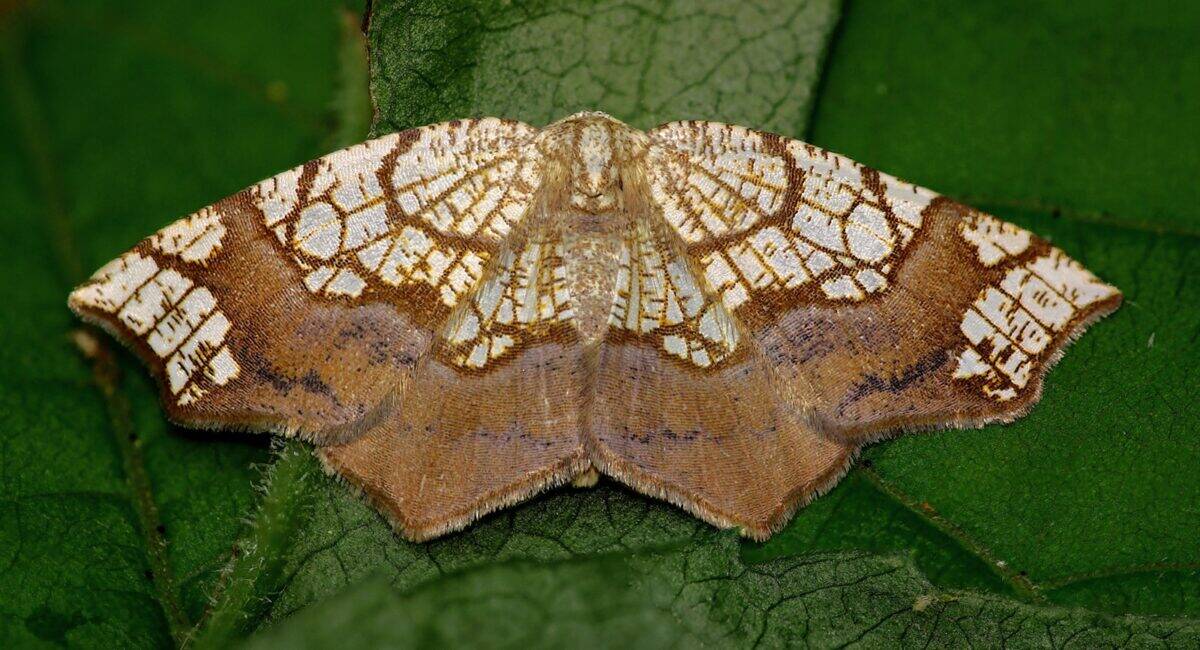
Sloth moths (family Pyralidae) are specialized insects that live exclusively in sloth fur. When a sloth descends to defecate, female moths leave the sloth’s fur and lay their eggs in the fresh dung. After the eggs hatch, the larvae feed on the dung, pupate, and then adult moths fly up into the trees to find another sloth host. This complex life cycle depends entirely on the sloth’s ground-defecation behavior.
The moths play a crucial role in the sloth’s algal garden by transferring nutrients from the dung to the fur, effectively fertilizing the algae. Studies have shown that sloths with more moths tend to have more abundant and diverse algal communities, suggesting this relationship is mutually beneficial and possibly one of the driving forces behind the risky bathroom behavior.
Nutrient Cycling: Fertilizing the Home Tree

One compelling theory explaining sloths’ ground defecation relates to nutrient cycling. By consistently defecating at the base of their preferred trees, sloths may be fertilizing these trees with their nitrogen-rich waste. This creates a form of self-sustaining ecosystem: the sloth eats leaves from the tree, processes them, deposits the nutrients back at the tree’s base, which helps the tree grow more nutritious leaves, which the sloth then consumes.
Research has shown that trees receiving regular deposits of sloth dung show higher foliar quality compared to trees without such deposits. This nutrient cycling could be particularly important in rainforest ecosystems where soil quality is generally poor, and most nutrients are tied up in the vegetation rather than the soil.
Communication Through Scent

Another hypothesis suggests that ground defecation serves as a form of chemical communication between sloths. By leaving dung piles at specific locations, sloths may be marking territory or signaling their presence to potential mates. The smell of sloth excrement can persist for days in the humid rainforest environment, creating lasting chemical signals.
Researchers have observed that female sloths sometimes visit multiple dung piles before selecting a mate, suggesting these deposits might contain information about the male’s health, diet, or genetic quality. This communication function would explain why sloths don’t simply drop feces randomly from the trees but instead make the dangerous journey to specific ground locations.
Evolutionary Puzzle: Why Not Defecate from the Trees?

The obvious question remains: why haven’t three-toed sloths evolved to simply defecate from the trees like their two-toed cousins? The answer likely lies in evolutionary trade-offs. While dropping waste from the trees would be safer, it would disrupt the complex ecological relationships that benefit the sloth.
Without ground defecation, the sloth moth could not complete its life cycle, which would reduce the moth population in the sloth’s fur, potentially decreasing the health of the algal garden that provides the sloth with camouflage. Additionally, the nutrient cycling and communication benefits would be lost. Evolutionary biologists suggest that the current behavior represents an optimized balance between risk and reward, where the benefits of ground defecation outweigh the considerable danger, at least in terms of overall fitness and reproductive success.
Digestive Adaptations: The World’s Slowest Metabolism

Sloths possess the slowest digestive system of any mammal, taking up to a month to completely process a single meal. This extraordinarily slow metabolism is an adaptation to their low-energy lifestyle and their diet of nutrient-poor leaves. Their multi-chambered stomachs contain specialized bacteria that break down the tough cellulose in leaves through fermentation, similar to the process in cows but much slower.
This sluggish digestion means sloths only need to defecate about once a week, minimizing the number of risky ground trips they must make. Some researchers hypothesize that this weekly rhythm also optimizes the life cycle of the sloth moth, creating a synchronized relationship between host and parasite that has evolved over millions of years.
Conservation Implications: Habitat Fragmentation Threats

The complex ecological relationships centered around sloth defecation behavior have important conservation implications. As rainforests become increasingly fragmented due to human activities, sloths face new challenges. In fragmented habitats, sloths may need to travel across open ground to reach new feeding trees, significantly increasing their predation risk.
Additionally, disruptions to the delicate balance between sloths, moths, and algae could have cascading effects on sloth survival. Conservation efforts focusing on maintaining connected forest canopies can help preserve the conditions necessary for sloths to maintain their unique lifestyle and ecological relationships. Some conservation programs now include creating artificial canopy bridges to allow sloths and other arboreal animals to cross gaps in the forest without descending to the ground.
Scientific Research Challenges: Studying Slow-Moving Animals

Studying sloth defecation behavior presents unique challenges for scientists. The animals’ slow movement makes traditional observation methods time-consuming, and their canopy lifestyle makes them difficult to track. Modern research techniques have overcome some of these obstacles, including the use of GPS tracking collars, DNA analysis of sloth dung, and camera traps positioned at known defecation sites.
These methods have revealed that individual sloths often return to the same defecation spots repeatedly, suggesting a level of spatial memory previously underappreciated in these animals. The slow pace of sloth life also means that long-term studies spanning many years are often necessary to gather sufficient data for meaningful conclusions, requiring significant dedication from researchers passionate about understanding these unusual mammals.
Cultural Significance: Sloths in Human Perception
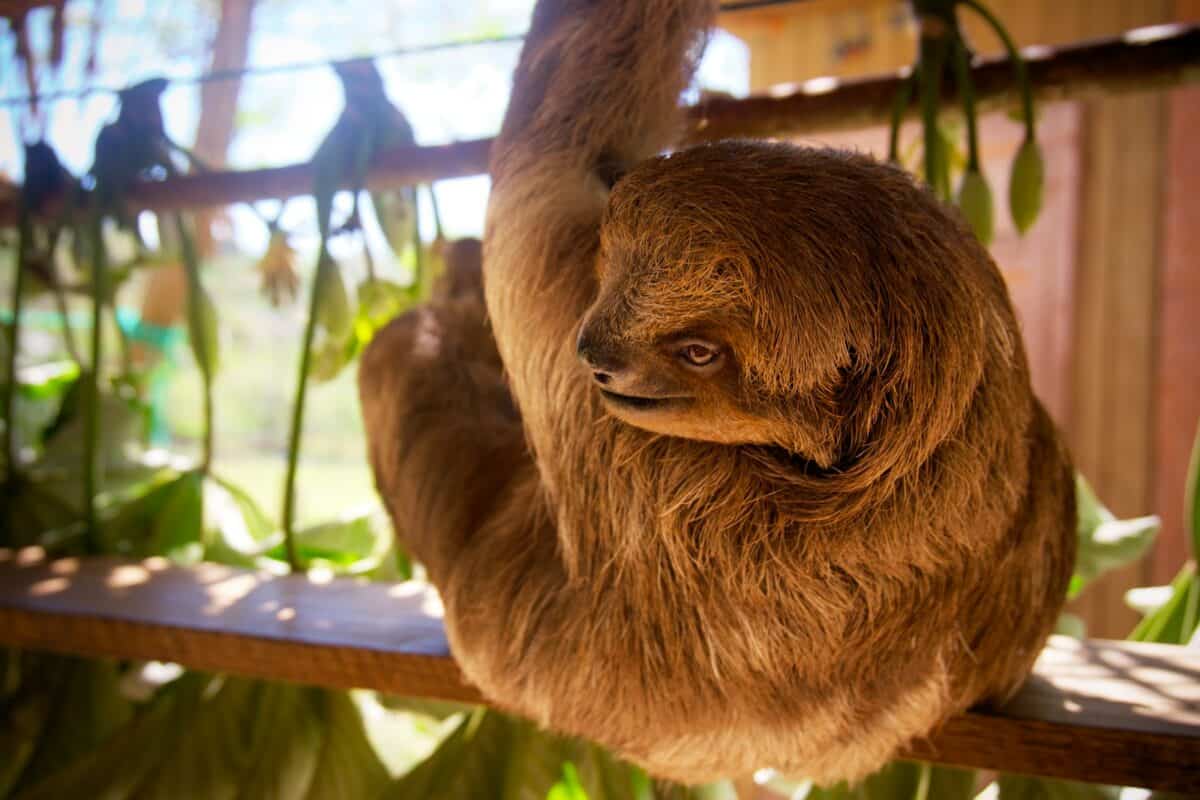
Sloths’ unusual bathroom habits have contributed to their distinctive place in human culture. While ancient civilizations like the Mayans considered sloths sacred animals with connections to the rain gods, modern popular culture often portrays sloths as comically slow or lazy creatures. The revelation of their risky defecation behavior has helped reshape public perception, highlighting the complex adaptations and ecological relationships that define these animals beyond their slow movement.
Conservation organizations have successfully used the fascinating story of sloth bathroom habits to engage the public in rainforest conservation efforts. The apparent “inefficiency” of sloth defecation behavior serves as a powerful reminder that evolution optimizes for reproductive success rather than safety or convenience, challenging human-centric perspectives on what constitutes “intelligent” behavior in nature.
Conclusion: A Remarkable Evolutionary Compromise

The peculiar ground-defecation behavior of three-toed sloths represents one of nature’s most fascinating evolutionary compromises. By risking their lives weekly to defecate on the forest floor, sloths maintain a complex web of ecological relationships that ultimately enhance their survival through improved camouflage, nutrition, and possibly communication. This behavior demonstrates how evolution doesn’t always favor the seemingly safest or most efficient solution, but rather the one that provides the greatest overall fitness advantage when all factors are considered.
As we continue to study these remarkable animals, their bathroom habits remind us of the intricate connections that exist throughout ecosystems, where even the most puzzling behaviors often reveal sophisticated ecological adaptations when examined closely. The sloth’s dangerous bathroom journey stands as a powerful example of how risk and reward are balanced in the natural world, where sometimes the most dangerous path proves to be the most beneficial for species survival.

From exploring the marine wonders in the Azores and witnessing the vast savannas of Kenya, to delving deep into the rich biodiversity of South Africa and traversing iconic landscapes in Australia and the US like Yellowstone, Chris's experiences are vast.
With a penchant for diving alongside sharks, the ocean holds a special place in his heart.
Through his academic insights, he champions wildlife conservation, striving with 'Animals Around The Globe' to cultivate a profound connection between humans and animals, enhancing our mutual appreciation.
Connect with him at Feedback@animalsaroundtheglobe.com.
- Why Spiders Don’t Get Stuck in Their Own Webs - July 20, 2026
- What Scientists Found in a 10,000-Year-Old Beehive - July 20, 2026
- This Spider Builds Fake Decoys of Itself - July 20, 2026