


Throughout human history, owls have captivated our collective imagination, becoming powerful symbols across diverse cultures and mythological traditions. Perhaps no association is more persistent than the connection between owls and wisdom—a symbolic relationship that spans continents and millennia. From the owl perched on the shoulder of the Greek goddess Athena to the wise old owl characters that populate modern children’s books, these nocturnal birds have consistently represented intelligence, knowledge, and deep insight. This enduring symbolism isn’t merely coincidental but emerges from both observable owl behaviors and the human tendency to project meaning onto the natural world. In this exploration, we’ll uncover why owls became wisdom’s messengers in global mythologies and how this symbolism continues to influence our cultural understanding today.
The Ancient Connection Between Owls and Wisdom
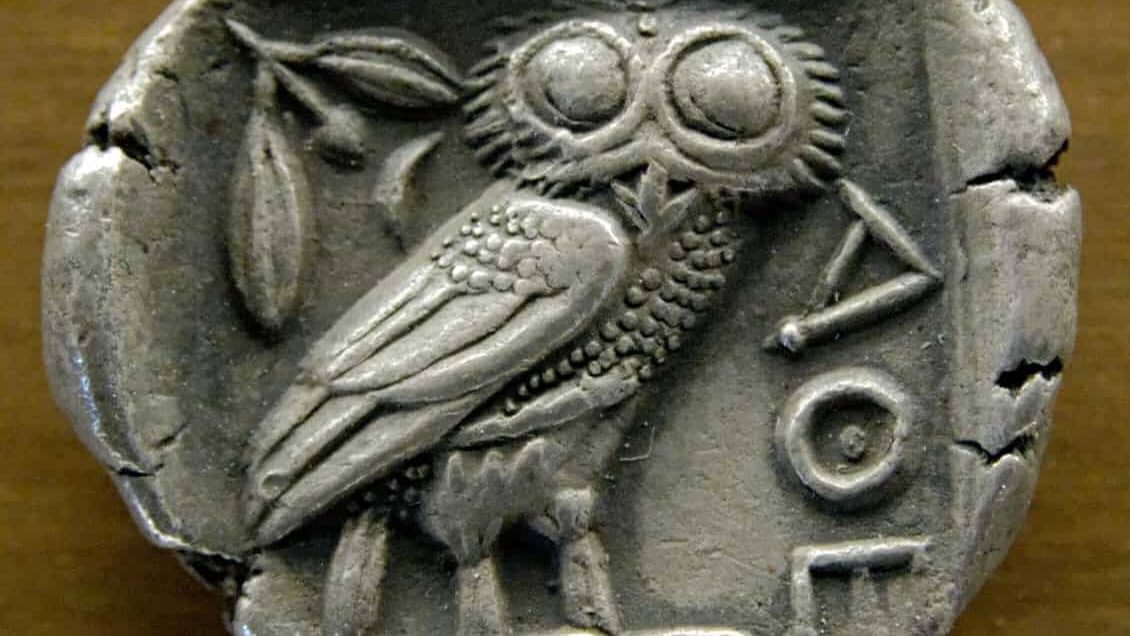
The association between owls and wisdom dates back thousands of years. One of the earliest and most influential connections appeared in ancient Greece, where the Little Owl (Athene noctua) became the companion and symbol of Athena, the goddess of wisdom, craft, and strategic warfare. This association was so strong that the Athenian tetradrachm, a silver coin used throughout the Athenian empire, featured Athena on one side and her owl on the reverse—essentially making the owl one of the earliest and most widely circulated emblems of wisdom in the Western world. Archaeological evidence shows that owl imagery appeared on pottery, sculptures, and architectural elements throughout ancient Greece, reinforcing this symbolic relationship in the daily lives of citizens. The profound influence of Greek culture on Western civilization ensured that this association would persist for millennia.
Owls in Ancient Greek Mythology
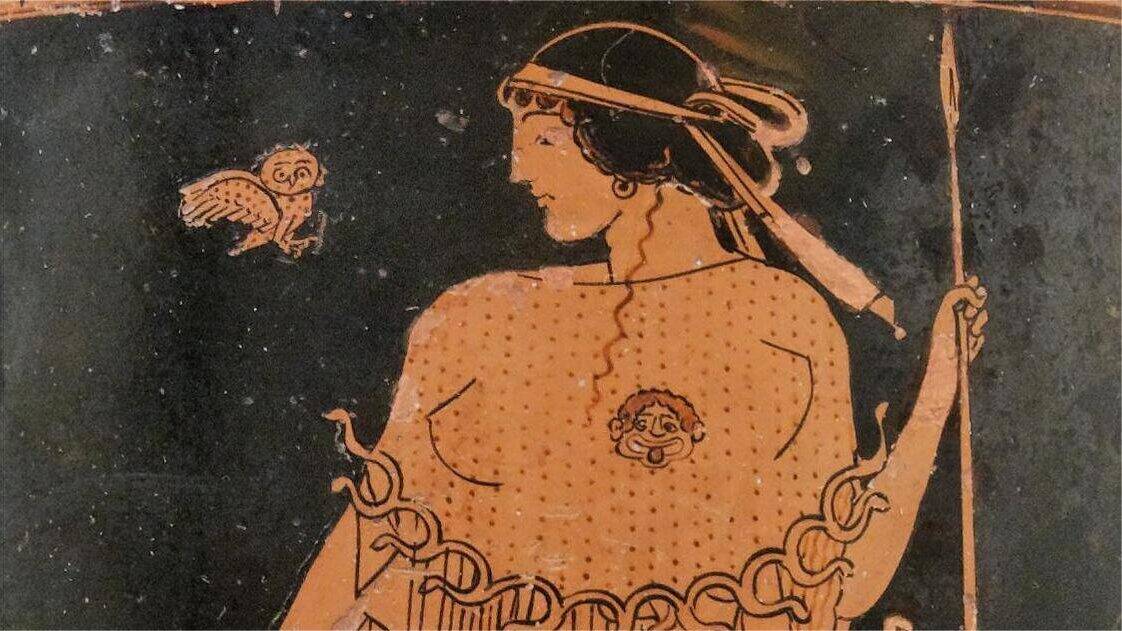
In Greek mythology, the owl’s connection to wisdom went beyond merely being Athena’s companion animal. The phrase “bringing owls to Athens” became proverbial for doing something unnecessary or redundant, as Athens was already full of both physical owls and representations of them due to their sacred status. According to mythological accounts, an owl would often fly over Greek armies before battle, which soldiers interpreted as Athena’s protection and a sign of coming victory. The goddess allegedly could transform into an owl when she wished to observe humans undetected, further emphasizing the bird’s role as a keeper of secret knowledge. The Greek word for the Little Owl, “glaux,” even became associated with the gleaming, knowing look in the eyes of those possessing deep wisdom—a linguistic reinforcement of the owl’s intellectual symbolism.
Owls in Native American Traditions

Across the Atlantic, Native American perspectives on owls varied dramatically between tribes, but many attributed special wisdom and foresight to these birds. The Pueblo peoples, particularly the Hopi, regarded the Burrowing Owl as the guardian of the underworld and keeper of ancient knowledge inaccessible to the living. As a creature that lived beneath the earth yet could fly into the heavens, it symbolized the ability to move between worlds and access hidden truths. Among the Ojibwe and some other Northeastern tribes, owls were often seen as oracles or messengers, warning of danger or delivering important insights from the spirit world. The Cherokee associated owls with wisdom but also with death and transformation—the ultimate knowledge that transcends normal understanding. These complex symbolic systems recognized the owl’s unique abilities while incorporating them into broader spiritual frameworks.
The Owl in Hindu Mythology

In Hindu mythology, the owl serves as the vahana (mount or vehicle) of Lakshmi, the goddess of wealth, fortune, and prosperity. This association might initially seem disconnected from wisdom, but in Hindu philosophical traditions, true prosperity comes through wisdom and right understanding. The owl’s ability to see in darkness symbolizes the capacity to perceive truth amid the obscurity of material existence. During Diwali, the festival of lights celebrating Lakshmi’s blessings, owl imagery becomes particularly prominent. Some Hindu texts describe the owl as possessing prajna (transcendental wisdom) because of its silence and watchfulness—qualities valued in meditation practices. The bird’s ability to rotate its head nearly 270 degrees was interpreted as representing comprehensive perspective and the ability to see things from multiple angles—a fundamental aspect of wisdom in Hindu thought.
Biological Attributes That Contributed to the Wisdom Symbolism

The symbolic association between owls and wisdom wasn’t arbitrary but emerged from careful observation of owl biology and behavior. The owl’s large, forward-facing eyes give it an alert, contemplative appearance that humans often interpret as thoughtful or knowing. Their capacity for nearly silent flight suggests stealth and careful deliberation. Perhaps most significantly, the owl’s exceptional night vision—allowing it to hunt successfully in darkness when most creatures are effectively blind—metaphorically represents the ability to see truth hidden from others. The owl’s habit of perching high and observing extensively before acting mirrors the reflective patience associated with wise decision-making. Even the bird’s distinctive head rotation capability suggests a comprehensive perspective—the ability to look in many directions and consider all angles before making a judgment. These natural attributes provided the perfect biological canvas upon which human cultures could project ideals of wisdom and knowledge.
Owls in Celtic and Norse Traditions
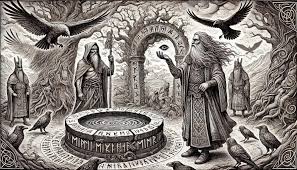
In Celtic mythology, owls were often associated with the underworld and the goddess Cerridwen, keeper of the cauldron of knowledge and inspiration. Their nocturnal nature connected them to the mysteries of darkness and unseen realms of understanding. Celtic shamans and druids reportedly observed owl behavior as part of their divination practices, believing these birds could reveal hidden knowledge. In Norse traditions, owls were sometimes linked to Frigg, Odin’s wife, who possessed the power of prophecy but kept her knowledge secret. More prominently, they connected to Odin himself—the god who sacrificed an eye for wisdom and was accompanied by two ravens representing thought and memory. The owl’s keen vision in darkness paralleled Odin’s pursuit of wisdom through sacrifice. Archaeological evidence suggests owl motifs appeared on ceremonial objects across northern Europe, frequently in contexts suggesting connections to spiritual wisdom and ritual knowledge.
Owls in Medieval European Symbolism
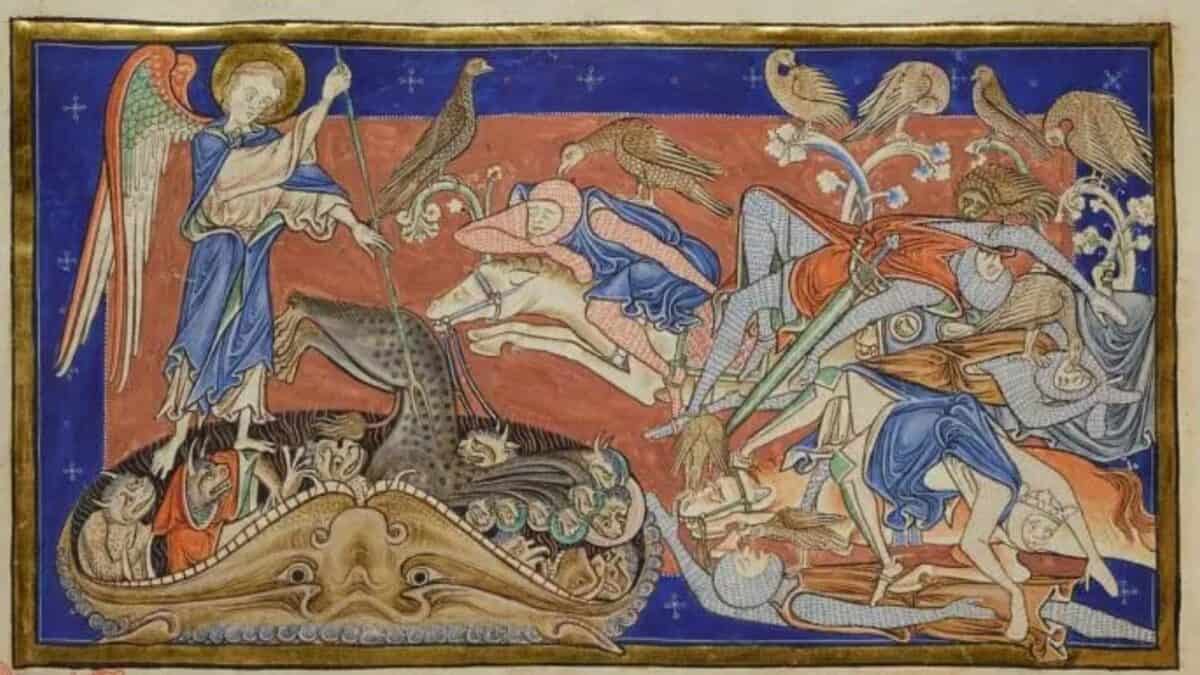
During Europe’s medieval period, the symbolic meaning of owls became more complex and often contradictory. While the classical association with wisdom persisted in scholarly contexts, Christian symbolism frequently cast the owl as a creature of darkness associated with heresy, witchcraft, or spiritual blindness—ironic given the bird’s exceptional vision. The owl’s nocturnal nature led to associations with Jews in some anti-Semitic medieval imagery, as Judaism was portrayed as “blind” to Christian revelation. However, this negative symbolism existed alongside continued recognition of the owl’s wisdom. Medieval bestiaries described owls ambivalently, acknowledging both their sinister associations and their connection to deep knowledge. In illuminated manuscripts, owls often appeared near scenes of scholarly activity or divine revelation, suggesting the persistence of their wisdom symbolism despite competing interpretations. This period demonstrates how even powerful symbolic associations can develop contradictory layers in changing cultural contexts.
Owls in Far Eastern Mythology

In Chinese mythology, owls present a similarly complex symbolic picture. The Chinese character for owl, 鸮 (xiāo), shares phonetic similarities with the word for filial piety (孝, xiào), creating linguistic connections between owls and proper moral conduct—a fundamental aspect of wisdom in Confucian thought. However, owls could also symbolize inauspicious events due to their association with darkness and their unsettling calls. In Japanese folklore, owls (fukurō) became symbols of good fortune and protection from suffering, partly through wordplay as their name sounds similar to “no hardship” (fu-kurō). Throughout East Asia, the owl’s ability to rotate its head came to represent the capacity to observe one’s surroundings fully and make informed decisions. Archaeological evidence from ancient Chinese tombs has revealed owl figurines placed with the deceased, possibly representing guides to navigate the wisdom needed in the afterlife.
Owls in Egyptian Mythology

Ancient Egyptian mythology presents a fascinating counterpoint to the widespread wisdom associations found elsewhere. In Egypt, owls were connected primarily to death and the underworld rather than wisdom. The hieroglyph of an owl represented the sound “m” and appeared in words related to death, darkness, and solitude. However, this connection to death wasn’t entirely negative—Egyptians viewed death as a transition requiring special knowledge and insight. The owl’s ability to navigate darkness made it an appropriate symbol for the journey through the underworld. In some contexts, the owl appeared in connection with Thoth, the ibis-headed god of wisdom, writing, and magic, suggesting at least some association with knowledge. Archaeological findings show owl amulets placed with mummies, potentially to help the deceased access the wisdom needed to answer the questions that would determine their fate in the afterlife.
The Owl in Modern Cultural Symbolism

The association between owls and wisdom has persisted remarkably into modern times, becoming even more pronounced in contemporary culture. University logos, educational software, and academic institutions frequently incorporate owl imagery to symbolize knowledge and learning. The famous Owl of Minerva (the Roman equivalent of Athena) appears as the symbol of the Phi Beta Kappa Society, America’s oldest academic honor society. Children’s literature consistently portrays owl characters as wise mentors or knowledge-keepers, from Owl in Winnie the Pooh to the owls of Harry Potter’s wizarding world. Commercial branding leverages this association through owl imagery for products related to education, research, or intellect. Even the slang term “wise old owl” remains in common usage, demonstrating how thoroughly this symbolic connection has been integrated into modern consciousness. The digital age has embraced the owl symbol through countless apps and platforms dedicated to learning and knowledge-sharing, ensuring this ancient association continues to evolve in new technological contexts.
Linguistic Connections Between Owls and Wisdom
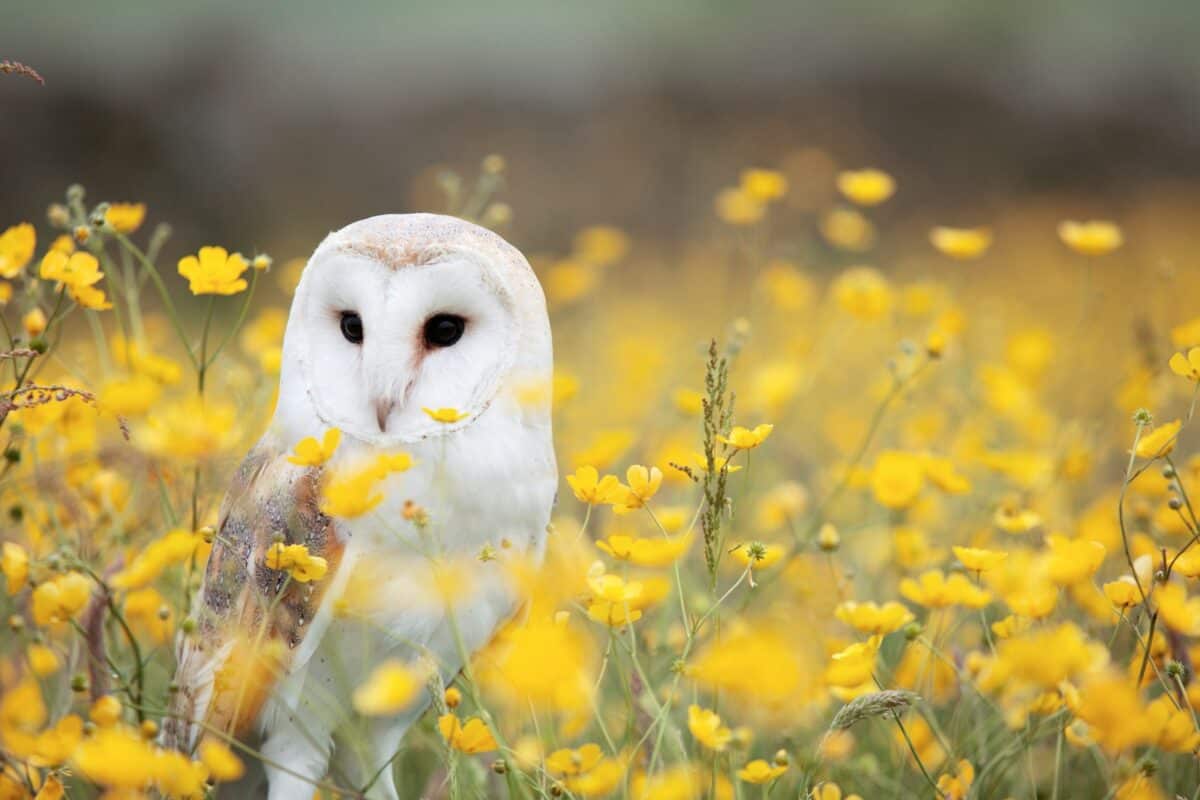
The association between owls and wisdom extends deep into linguistic patterns across multiple languages and cultures. In English, the collective noun for a group of owls is a “parliament”—directly referencing assemblies of wise deliberation. The Greek goddess Athena’s epithet “Glaukopis” (γλαυκῶπις) is often translated as “bright-eyed” or “owl-eyed,” creating a linguistic connection between owls and divine wisdom. In Sanskrit, the word for owl, “uluka,” appears in the compound “uluka-pratīkāśa” (owl-like) to describe the penetrating gaze of a wise person who sees beyond appearances. French expressions like “sage comme une chouette” (wise as an owl) demonstrate the persistence of this association in European languages. These linguistic patterns don’t merely reflect the symbolic connection—they actively reinforce it through daily speech, embedding the owl-wisdom association in cognitive frameworks across cultures and generations. The prevalence of these linguistic connections suggests the depth and persistence of this symbolic relationship in human thought.
The association between owls and wisdom represents one of humanity’s most persistent and widespread symbolic relationships, transcending cultural boundaries and historical periods. This connection emerges from a complex interplay between observable owl behaviors—their penetrating gaze, silent observation, and ability to see in darkness—and human projections of ideal intellectual qualities. The owl’s wisdom symbolism demonstrates how human cultures transform natural observations into rich symbolic systems that communicate values and ideals across generations. While interpretations have varied across cultures and times, the core association between owls and special knowledge has remained remarkably consistent for thousands of years. As we continue to employ owl imagery in educational contexts and popular culture, we participate in a symbolic tradition with roots reaching back to ancient Athens and beyond—a tradition that continues to evolve while maintaining its essential connection between these remarkable birds and the human pursuit of wisdom.

- How Crickets Chirp Using Their Wings - July 20, 2026
- The Largest Sea Turtle Ever Rescued Off North Carolina - July 20, 2026
- The Ocean’s Escape Artist: Why Octopuses Outsmart Us All - July 20, 2026