


The underwater world is home to numerous predatory fish species that have evolved remarkable adaptations for hunting and survival. Among these predators, sharks stand out as particularly distinctive creatures with unique characteristics that set them apart from other fish. While they may share some superficial similarities with other aquatic hunters, sharks possess a combination of anatomical, physiological, and behavioral traits that make them truly exceptional in the marine ecosystem. This article explores twelve fundamental differences between sharks and other predatory fish, highlighting the remarkable evolutionary divergence that has occurred over millions of years.
Skeletal Structure Cartilage vs. Bone

Perhaps the most fundamental difference between sharks and other predatory fish lies in their skeletal structure. While most fish species possess skeletons made of bone (making them osteichthyans or bony fish), sharks belong to a group called chondrichthyans, meaning their skeletons are composed entirely of cartilage. This lighter, more flexible material provides sharks with several advantages, including reduced body weight, greater buoyancy, and increased maneuverability in water. The cartilaginous skeleton also allows sharks to grow continuously throughout their lives, unlike most bony fish which have more defined growth limitations. This structural difference represents one of the earliest evolutionary divergences in the fish family tree, occurring over 400 million years ago.
Skin Composition and Texture

Shark skin is remarkably different from that of other predatory fish. Instead of the typical overlapping scales (called cycloid or ctenoid scales) found on most bony fish, sharks possess dermal denticles or “skin teeth.” These tiny, tooth-like structures give shark skin its characteristic rough, sandpaper-like texture. Each denticle features a base embedded in the skin with small, backward-facing spines that create microscopic ridges. This specialized skin provides multiple benefits: it reduces drag while swimming (improving hydrodynamics by up to 8%), offers protection against ectoparasites, and prevents colonial organisms from growing on the shark’s body. Some research suggests that shark skin can reduce bacterial growth, a feature that has inspired antimicrobial surface technologies in medical settings.
Jaw Structure and Teeth Replacement

The jaw structure of sharks is significantly different from that of other predatory fish. Unlike bony fish, whose jaws are fused to their skulls, sharks have jaws that are not fully attached to their cranium. This allows for a greater range of motion and extension when capturing prey. Even more distinctive is the sharks’ continuous tooth replacement system. While most predatory fish have a fixed set of teeth that may be replaced occasionally, sharks possess multiple rows of teeth arranged in conveyor belt-like series. When a tooth breaks or wears down, another moves forward to take its place within days. Depending on the species, sharks may produce and use anywhere from 20,000 to 50,000 teeth throughout their lifetime. This constant renewal ensures that sharks always maintain effective hunting capabilities regardless of dental damage.
Respiratory Mechanisms

Sharks employ a different respiratory strategy compared to most other predatory fish. The vast majority of bony fish utilize a buccal-opercular pump system for respiration, where they take in water through their mouth, pass it over their gills, and expel it through gill covers called opercula. In contrast, most sharks lack these gill covers and must keep swimming to force water over their gills—a process known as ram ventilation. Some shark species, like nurse sharks and wobbegongs, can actively pump water over their gills while resting on the ocean floor using specialized muscles, but many species must swim continuously to breathe. This requirement for constant movement has shaped many aspects of shark physiology and behavior, including sleep patterns. Some shark species exhibit a form of restful swimming where only half their brain rests at a time, allowing them to maintain movement while still achieving some recovery.
Buoyancy Control Mechanisms

The method of maintaining buoyancy represents another significant difference between sharks and other predatory fish. Most bony fish possess a gas-filled swim bladder that allows them to adjust their buoyancy and maintain position at various depths without expending energy. Sharks, however, lack this organ and rely primarily on their large, oil-filled livers for buoyancy. This oil, called squalene, is less dense than water and provides some lift. Nevertheless, most sharks remain slightly negatively buoyant, meaning they must swim continuously or sink. This has led to the evolution of their asymmetrical tail fin (heterocercal caudal fin), where the upper lobe is larger than the lower, generating lift as the shark swims forward. Some bottom-dwelling shark species have adapted to this negative buoyancy by developing flattened bodies and using their pectoral fins to rest on the seafloor.
Sensory Capabilities

While all predatory fish have evolved specialized sensory systems, sharks possess some truly extraordinary capabilities that set them apart. Perhaps most remarkable are the ampullae of Lorenzini—specialized electroreceptor organs that detect electrical fields generated by other animals. These jelly-filled pores allow sharks to detect electrical impulses as faint as 5 nanovolts per centimeter—sensitive enough to detect the heartbeat of prey hiding under sand. Sharks also possess a lateral line system (which they share with other fish) for detecting water movements, but their sense of smell is typically much more developed than that of most bony predatory fish. Some shark species can detect blood at concentrations as low as one part per million—equivalent to a single drop in an Olympic-sized swimming pool. This sensory array makes sharks incredibly effective hunters, especially in low visibility conditions.
Reproductive Strategies

Reproduction in sharks differs significantly from patterns seen in other predatory fish. While most bony fish are oviparous (egg-laying) with external fertilization, sharks exhibit a diverse range of reproductive strategies with internal fertilization as the common factor. Some sharks are oviparous, laying tough, leathery egg cases often called “mermaid’s purses.” Others are viviparous, giving birth to live young that develop inside the mother, sometimes with a placental connection similar to mammals. Perhaps most unusual are the ovoviviparous species, where eggs develop inside the mother but without a direct placental connection—in some cases, embryos may consume unfertilized eggs or even their siblings in utero (intrauterine cannibalism). This reproductive diversity, combined with typically long gestation periods (6-22 months) and small litter sizes, contrasts sharply with the broadcast spawning strategy employed by many predatory bony fish.
Growth Rates and Lifespan

Sharks generally exhibit much slower growth rates and longer lifespans than most other predatory fish. While many commercially important bony fish reach sexual maturity within 1-3 years, sharks typically take 7-15 years to reach reproductive age, with some species like the Greenland shark potentially not reaching maturity until 150 years of age. This slow growth correlates with extended lifespans—many shark species live 20-30 years in the wild, with some reaching documented ages of 70+ years. The Greenland shark holds the record as the longest-lived vertebrate, with some individuals estimated to be over 400 years old based on radiocarbon dating of eye lens nuclei. In contrast, even large predatory bony fish like tuna or groupers rarely exceed 30-40 years in the wild. This slow life history strategy makes shark populations particularly vulnerable to fishing pressure and environmental changes.
Digestive System Differences

The digestive systems of sharks differ from those of other predatory fish in several important ways. Sharks possess a spiral valve intestine—a corkscrew-shaped structure that increases surface area for nutrient absorption while keeping the overall digestive tract relatively short. This contrasts with the longer, more convoluted intestines found in most bony fish. Additionally, sharks have remarkably powerful digestive acids that can break down almost any organic material, including bone, shell, and even metal. Their stomachs can expand dramatically to accommodate large meals, allowing some species to consume up to 20% of their body weight at once. After such feasts, sharks may go weeks or even months without feeding, exhibiting a feast-or-famine feeding pattern unlike the more regular feeding schedules of many predatory bony fish. Some shark species can also regurgitate their stomach contents when threatened, quickly evacuating food to increase swimming speed and escape potential danger.
Thermoregulatory Capabilities

While the vast majority of fish are ectothermic (cold-blooded), relying on environmental temperatures to regulate their body heat, several shark species have evolved remarkable thermoregulatory abilities that set them apart. Lamnid sharks (including great white, mako, and porbeagle sharks) and some thresher sharks possess a specialized blood vessel arrangement called a rete mirabile or “wonderful net.” This structure functions as a countercurrent heat exchanger, allowing these sharks to maintain body temperatures significantly above the surrounding water. For example, the great white shark can maintain muscle temperatures up to 14°C (25°F) warmer than ambient water. This regional endothermy provides advantages in colder waters, allowing for sustained powerful swimming and more efficient hunting. While some predatory bony fish like tuna have independently evolved similar adaptations, this feature remains rare among fish and represents a specialized adaptation in certain shark lineages.
Social Behavior and Intelligence
The social behavior of sharks is increasingly recognized as more complex than previously thought, differing substantially from patterns observed in many other predatory fish. While schooling is common among bony predatory fish like tuna, barracuda, and jacks, most sharks tend to be solitary hunters that come together primarily for mating. However, research has revealed sophisticated social hierarchies and recognition capabilities in species like lemon sharks, which can remember and prefer associating with familiar individuals. Some species, like scalloped hammerheads, regularly form daytime schools but disperse to hunt individually at night. Shark intelligence also appears to be relatively advanced compared to many bony fish. Studies have demonstrated that sharks can learn through observation, solve problems, and may even engage in play-like behaviors—characteristics once thought exclusive to mammals and birds. Their brain-to-body mass ratio is higher than in most other fish, suggesting greater cognitive capacity.
Evolutionary Age and Adaptability

Sharks represent one of Earth’s most ancient and successful vertebrate lineages, with a fossil record extending back over 450 million years—predating dinosaurs by more than 200 million years and surviving all five mass extinction events. This evolutionary longevity far exceeds that of most modern predatory bony fish families, many of which evolved relatively recently. The basic shark body plan has remained remarkably consistent throughout this vast timespan, suggesting an exceptionally successful design. However, this doesn’t indicate stagnation—sharks have continuously adapted to changing environments and ecological niches. From the bizarre hammerhead configuration to the filter-feeding apparatus of whale sharks, from the powerful torpedo shape of makos to the flattened bodies of angel sharks, these animals have diversified while maintaining their cartilaginous foundation. This evolutionary resilience contrasts with many lineages of predatory bony fish, which have appeared, flourished, and disappeared throughout geological history.
Conclusion: Extraordinary Marine Predators
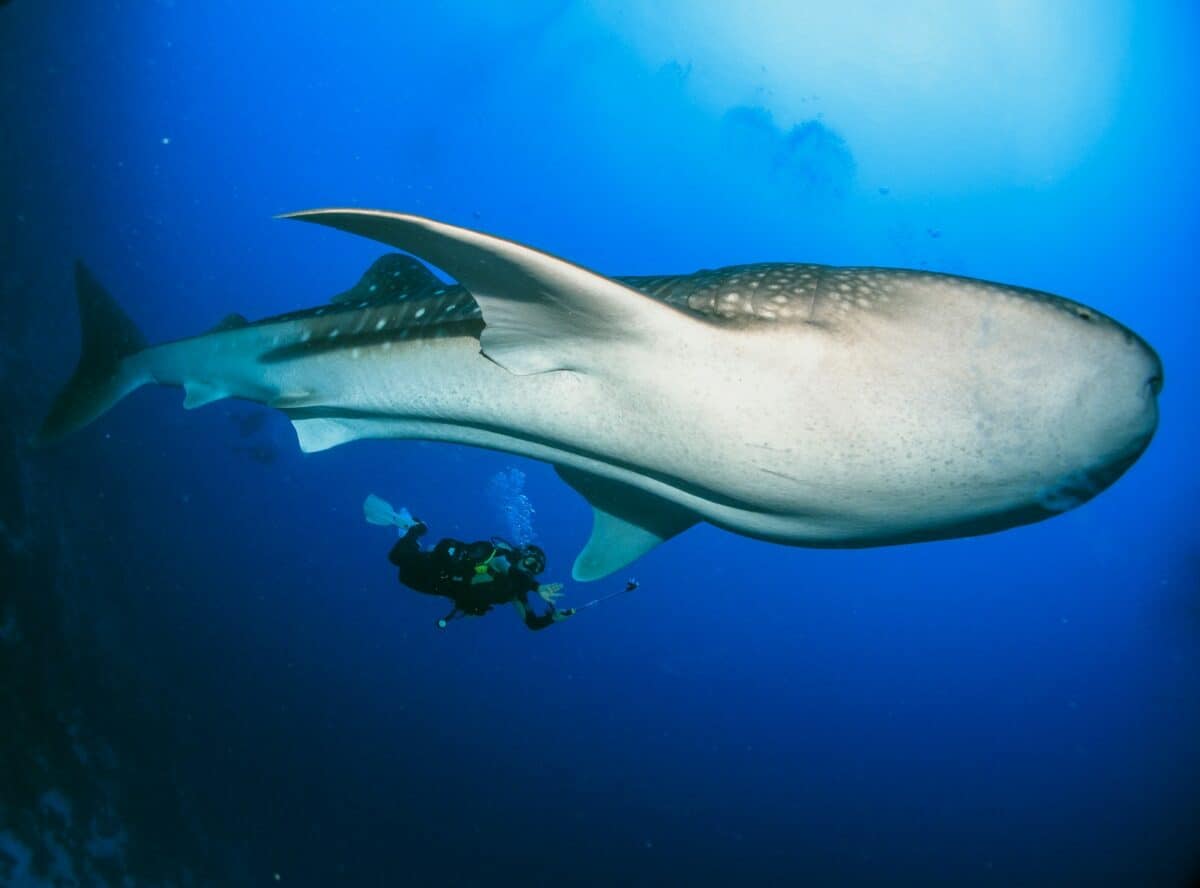
The twelve fundamental differences explored in this article demonstrate why sharks represent such a unique evolutionary lineage within the aquatic world. Their cartilaginous skeletons, specialized skin, continuous tooth replacement, and extraordinary sensory capabilities are just a few of the adaptations that have allowed them to thrive as apex predators for hundreds of millions of years. Despite sharing the same marine environments and sometimes similar ecological niches with other predatory fish, sharks have evolved along a distinctly different path, developing solutions to the challenges of underwater life that often differ radically from those of their bony counterparts. Understanding these differences not only illuminates fascinating aspects of marine biology but also helps clarify why sharks are particularly vulnerable to certain human impacts and why specialized conservation approaches are necessary to protect these remarkable creatures for future generations.

From exploring the marine wonders in the Azores and witnessing the vast savannas of Kenya, to delving deep into the rich biodiversity of South Africa and traversing iconic landscapes in Australia and the US like Yellowstone, Chris's experiences are vast.
With a penchant for diving alongside sharks, the ocean holds a special place in his heart.
Through his academic insights, he champions wildlife conservation, striving with 'Animals Around The Globe' to cultivate a profound connection between humans and animals, enhancing our mutual appreciation.
Connect with him at Feedback@animalsaroundtheglobe.com.
- This Monkey Has a Mustache - July 21, 2026
- How Steve Irwin Changed the World’s View of Wildlife - July 21, 2026
- The Catfish That Caused Earthquakes in Japanese Folklore - July 21, 2026