


In the vast plains of Africa, a sleek, spotted predator crouches low in the golden grass. Its muscular body tenses, eyes locked on a distant gazelle. In a heartbeat, this remarkable creature explodes into motion, accelerating from 0 to 60 miles per hour in less than three seconds—a feat that would leave most sports cars in the dust. This is the cheetah (Acinonyx jubatus), the undisputed speed champion of the terrestrial world. What makes this animal capable of such extraordinary velocity? How has evolution crafted this perfect sprinting machine? Join us as we explore the remarkable adaptations, hunting techniques, and conservation challenges of Earth’s fastest land animal.
The Cheetah: Evolution’s Speed Marvel
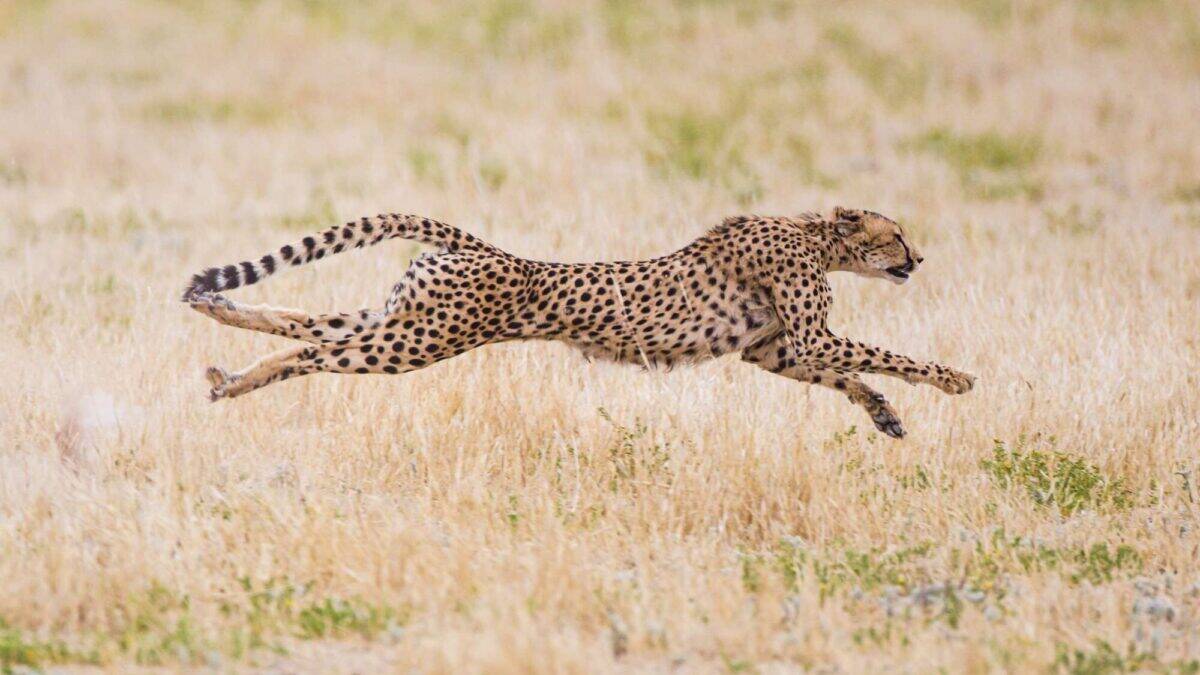
The modern cheetah evolved approximately 4 million years ago, with its entire physiology fine-tuned for one specialized purpose: high-speed pursuit. Unlike other big cats that rely on stealth and ambush tactics, cheetahs evolved as daylight hunters that use their unparalleled speed to outrun prey in open terrain. This evolutionary path has produced an animal so specialized for speed that it sacrifices the strength and power typical of other big cats. With a slender frame weighing between 75-140 pounds and standing about 30 inches at the shoulder, the cheetah represents one of nature’s most specialized evolutionary adaptations—a perfect example of how natural selection can optimize an organism for a particular ecological niche.
Record-Breaking Speed Statistics
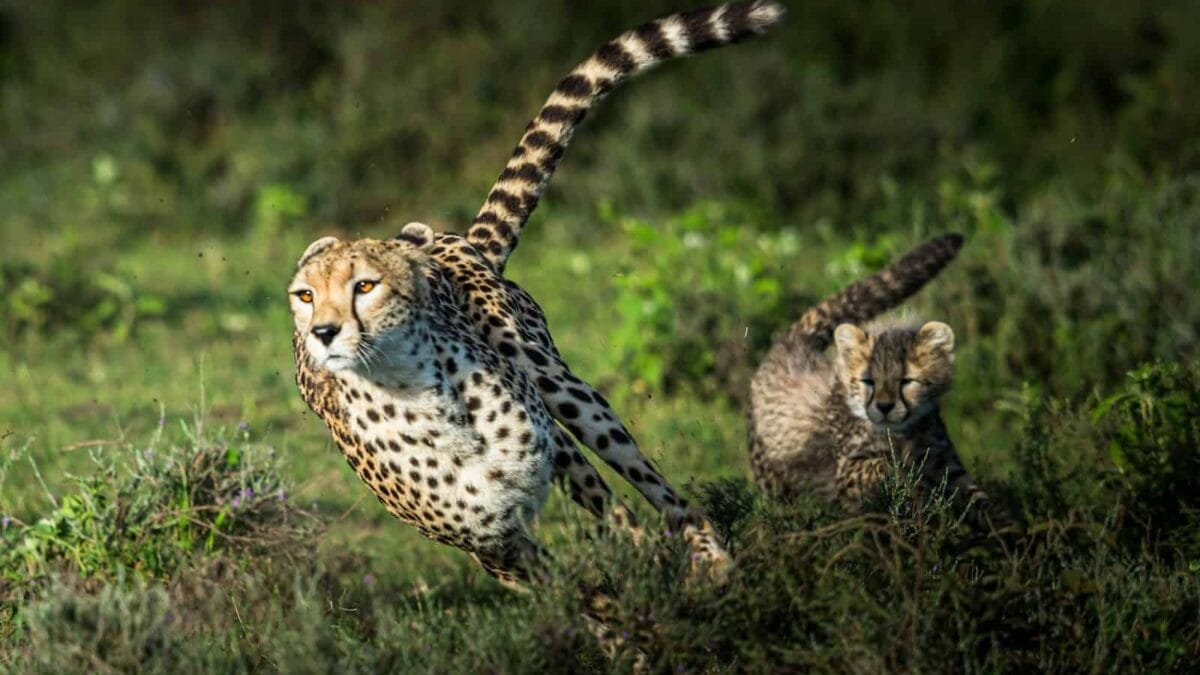
The cheetah’s speed capabilities are truly remarkable when quantified. While its commonly cited top speed is around 70 mph (112 km/h), the most reliably documented speed is 64.5 mph (103.9 km/h), recorded by a female cheetah named Sarah at the Cincinnati Zoo in 2012. What’s perhaps even more impressive than its top speed is the cheetah’s acceleration—it can reach 45 mph in just 2.5 seconds and hit its top speed in approximately 3 seconds. This makes the cheetah’s acceleration comparable to that of a Formula One race car. During these high-speed chases, the cheetah can cover up to 1,500 feet in a single minute, though most pursuits last only 20-30 seconds due to the immense energy expenditure. For comparison, the second-fastest land animal, the pronghorn antelope, tops out at about 55 mph, while a human Olympic sprinter reaches only about 28 mph.
Anatomical Adaptations for Speed
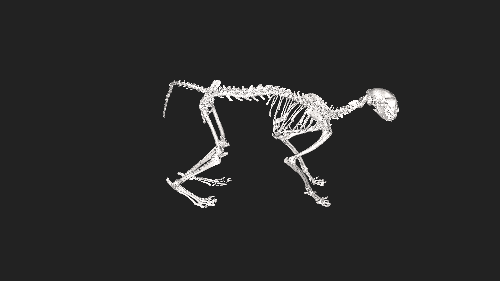
The cheetah’s body is a masterpiece of evolutionary engineering designed specifically for speed. Its lightweight skeleton, deep chest, and enlarged heart and lungs allow for maximum oxygen intake during high-speed pursuits. The cheetah’s spine is exceptionally flexible, acting like a spring that compresses and extends during running, significantly increasing stride length. Its slender limbs are longer than those of other cats of comparable size, with specialized muscles that allow for rapid acceleration. Semi-retractable claws (unique among cats) function like cleats, providing crucial traction during sprints and sharp turns. Even the cheetah’s enlarged nostrils and sinuses serve a purpose: they allow for increased oxygen intake during high-exertion chases. Perhaps most striking is the cheetah’s small, aerodynamic head with reduced muzzle length that minimizes wind resistance during pursuit—nature’s version of streamlining.
The Biomechanics of Speed
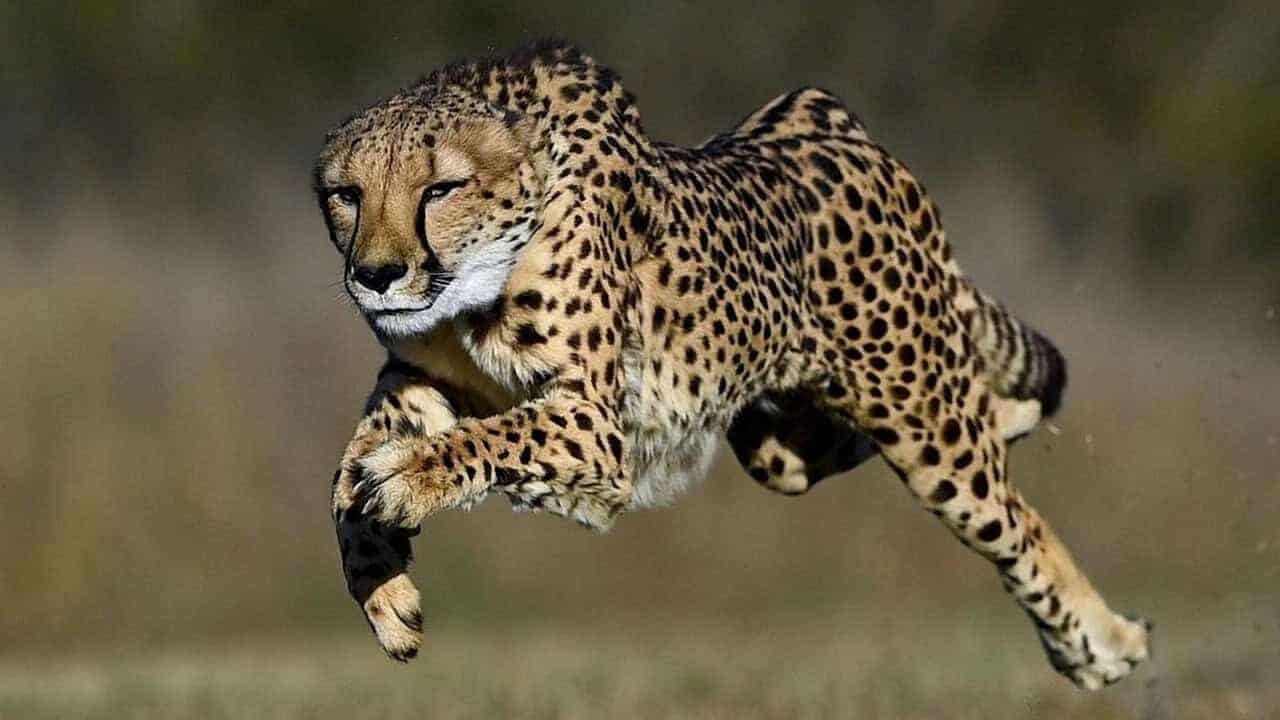
The cheetah’s running style is as specialized as its anatomy. Unlike other quadrupeds that typically have a two-phase gait at high speeds, the cheetah employs a unique four-phase “rotatory gallop.” During full sprint, it experiences two types of flight phases: one with all legs tucked beneath the body (gathered flight) and another with all legs stretched out (extended flight). This specialized gait allows for incredible stride length—up to 25 feet in a single bound—with each stride completed in less than half a second. The cheetah’s flexible spine acts as a secondary engine, coiling and extending with each bound to generate additional forward momentum. High-speed videography has revealed that during peak sprint, a cheetah spends more time airborne than in contact with the ground. This unique running mechanism creates the distinctive undulating motion visible when watching a cheetah at full speed, as its spine flexes and extends dramatically with each powerful stride.
The Role of the Tail in High-Speed Chases
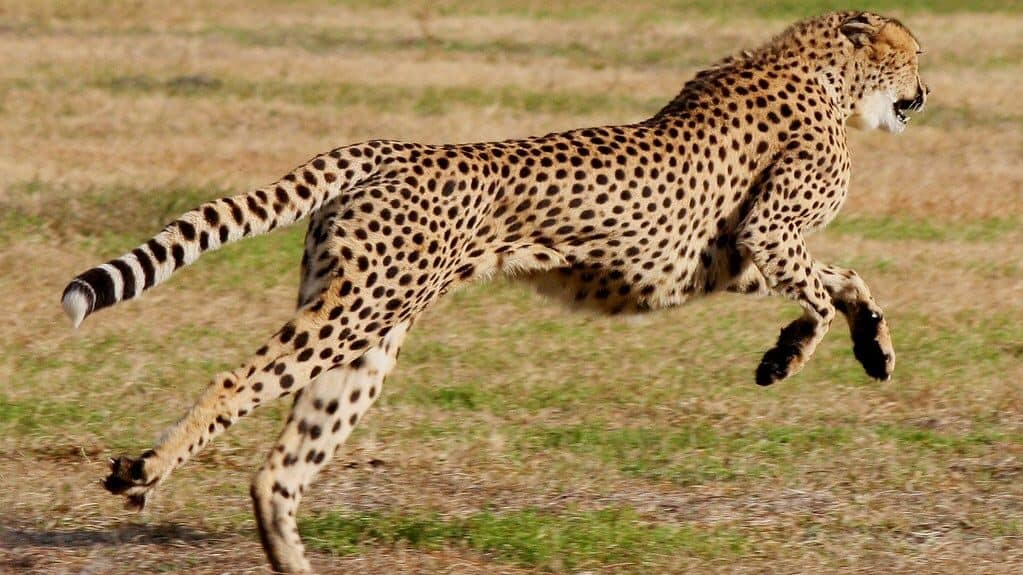
The cheetah’s long, muscular tail is far more than decorative—it functions as a crucial rudder and counterbalance during high-speed pursuits. Measuring up to 31 inches in length, the tail helps the cheetah maintain balance when making sharp turns at high speeds, acting as a counterweight to prevent rolling or skidding. When a cheetah spots prey and initiates a chase, its tail straightens out behind its body for initial acceleration. Then, as the cheetah approaches its prey and needs to make rapid directional changes, the tail swings rapidly from side to side, adjusting the cheetah’s center of gravity and allowing for incredibly tight turns at speeds that would send other animals tumbling. Research has shown that if a cheetah’s tail were to be immobilized (which researchers have tested using weighted models), its turning ability would be reduced by nearly 30%, demonstrating how critical this adaptation is to the animal’s hunting success.
Energy Economics: The High Cost of Speed
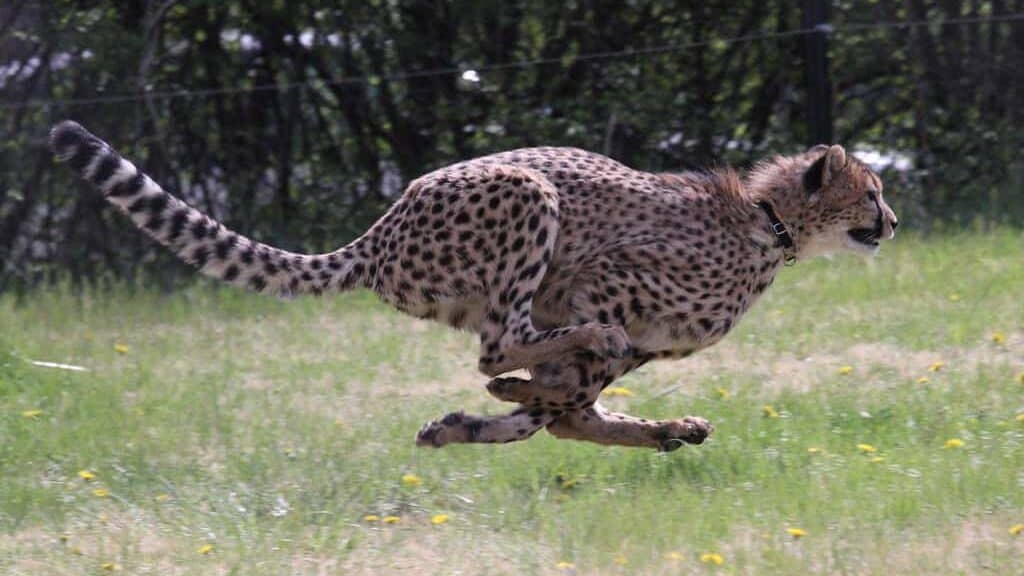
The cheetah’s remarkable speed comes with significant biological costs. A cheetah at full sprint elevates its body temperature to around 105°F (40.5°C) and consumes oxygen at a rate that would quickly lead to exhaustion in most other mammals. This is why cheetah sprints typically last no longer than 20-30 seconds—the energy demands are simply too great for sustained running. After a high-speed chase, a cheetah must rest for 15-30 minutes to cool down and recover, making it vulnerable to larger predators that might steal its kill. The cheetah’s specialized physique also comes with trade-offs: its lightweight build, while perfect for speed, leaves it lacking the strength needed to defend itself against lions, hyenas, and leopards. This represents a classic evolutionary trade-off—the cheetah has sacrificed power and endurance for unmatched acceleration and speed, a specialization that has proven successful for millions of years but also creates ecological vulnerabilities.
The High-Speed Hunting Strategy
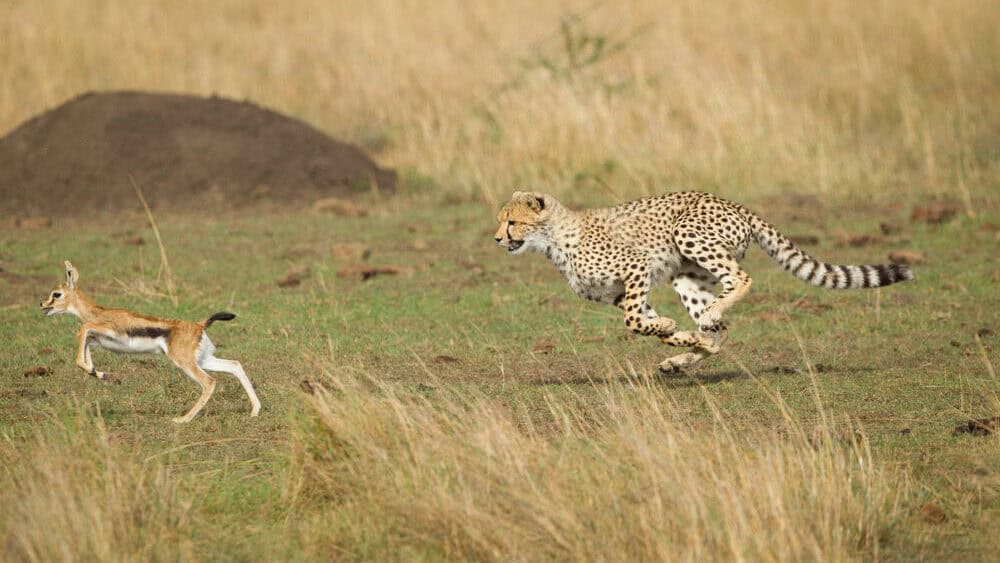
The cheetah’s hunting technique is precisely calibrated around its speed advantage. Unlike ambush predators, cheetahs hunt primarily during daylight hours when their exceptional vision can spot potential prey up to 5 kilometers away. A successful hunt begins with careful stalking, with the cheetah using terrain features to conceal its approach until it reaches the optimal distance of 50-70 meters from its prey. At this critical moment, the chase erupts—the cheetah accelerates explosively toward its target, typically a medium-sized ungulate like an impala or Thomson’s gazelle. During pursuit, the cheetah uses its flexible spine and specialized paw pads to follow the prey’s evasive maneuvers with remarkable precision. The final attack involves tripping the prey with a strategic swipe of the paw before delivering a suffocating bite to the throat. Success rates for cheetah hunts average between 40-50%—significantly higher than most other large predators, which typically succeed in only about 20-25% of hunting attempts.
Visual and Sensory Adaptations for Pursuit

The cheetah’s sensory systems are finely tuned for high-speed hunting. Its large eyes contain a high concentration of nerve cells that enhance visual acuity, allowing the cheetah to spot prey movements from great distances. A distinctive dark “tear mark” running from each eye to the mouth serves a practical purpose: these black streaks absorb sunlight and reduce glare, much like an athlete’s eye black, helping the cheetah maintain visual focus during daytime hunts. During high-speed chases, specialized semicircular canals in the cheetah’s inner ear provide exceptional balance and spatial orientation. The nasal passages and lungs are enlarged to maximize oxygen intake during sprints, with the ability to increase respiratory rate from 60 to 150 breaths per minute during a chase. Even the cheetah’s brain contains specialized neural circuits that process visual information with extraordinary speed, allowing it to make split-second adjustments to intercept prey that attempts evasive maneuvers.
Comparing Cheetahs to Other Speed Champions
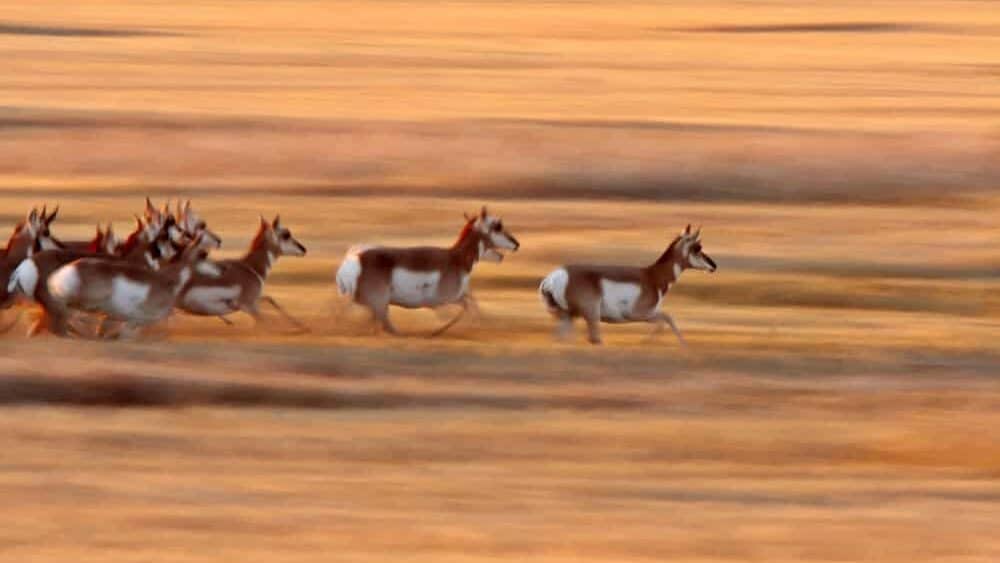
While the cheetah reigns supreme as the fastest land animal, placing its abilities in context with other speed specialists illuminates just how extraordinary its adaptations are. The pronghorn antelope, North America’s speed champion, can maintain 55 mph for several minutes—an endurance the cheetah lacks. The springbok of southern Africa, though slower at about 50 mph, can perform repeated vertical leaps up to 10 feet high while running (called “pronking”), a maneuver no cheetah could match. Among predators, the greyhound dog reaches speeds of up to 45 mph through a similar flexible spine mechanism, though at a much smaller scale. In the bird world, the peregrine falcon achieves diving speeds over 200 mph, though this is aided by gravity rather than pure muscle power. What makes the cheetah unique among all these speed specialists is its combination of size, acceleration, and maneuverability—it’s the only large mammal capable of both extreme acceleration and the agility required to pursue prey that makes erratic directional changes.
The Conservation Status and Threats
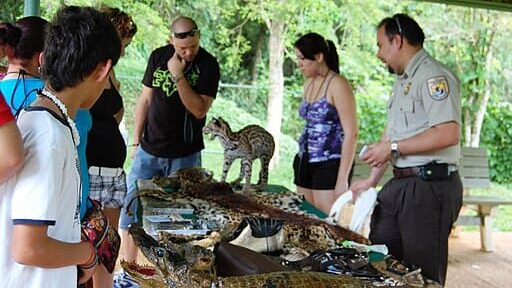
Despite its impressive physical capabilities, the cheetah faces severe conservation challenges. Currently classified as “Vulnerable” on the IUCN Red List, wild cheetah populations have declined from an estimated 100,000 in 1900 to approximately 7,000 today—a devastating 90% reduction in just over a century. This decline stems from multiple factors, including habitat loss due to agricultural expansion, human-wildlife conflict, illegal wildlife trade, and genetic bottlenecks resulting from past population reductions. The species is now extinct in 20 countries it once inhabited and has lost over 90% of its historic range across Africa and Asia. Cheetahs require vast territories to hunt effectively—an adult male may need up to 800 square kilometers—making them particularly vulnerable to habitat fragmentation. Additionally, their specialized physiology and low genetic diversity (resulting from a near-extinction event approximately 12,000 years ago) make cheetah populations less resilient to environmental changes than many other large predators.
Sub-Species and Geographic Variations
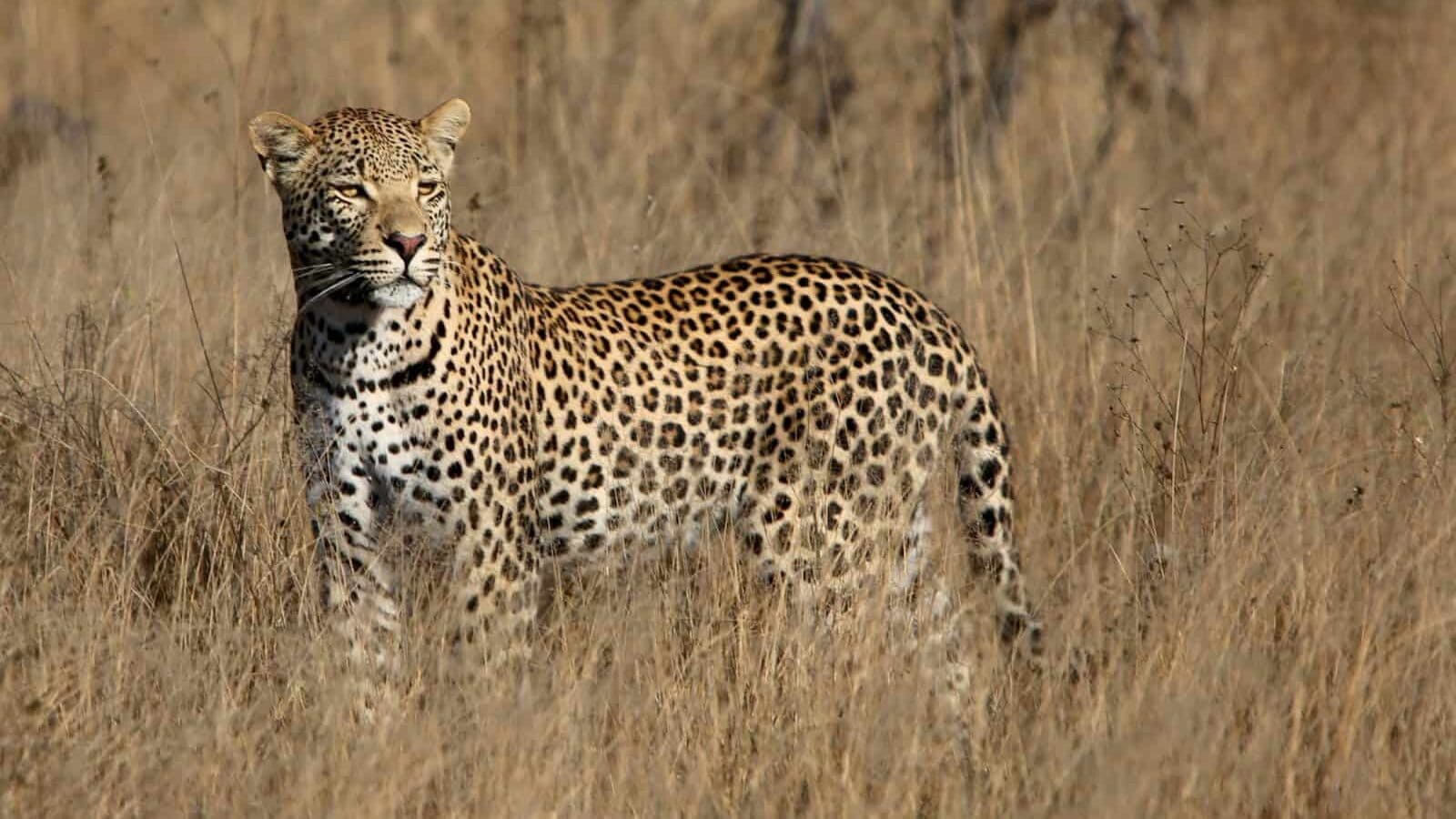
While all cheetahs share the same remarkable speed adaptations, subtle variations exist across the species’ range. Traditionally, scientists recognized five subspecies: four in Africa (A. j. jubatus in Southern and East Africa, A. j. soemmeringii in Northeast Africa, A. j. hecki in Northwest Africa, and A. j. venaticus in North Africa) and one in Asia (also A. j. venaticus, the critically endangered Asiatic cheetah). Recent genetic studies, however, suggest there may be only two distinct subspecies: the Southeast African cheetah and the Northeast African cheetah, with the Asiatic cheetah being a subset of the latter. Geographic variations include slight size differences (Northwest African cheetahs tend to be smaller) and coat pattern variations (East African cheetahs often have larger, more distinct spots). The Asiatic cheetah, now confined to isolated regions of Iran with fewer than 50 individuals remaining, represents the most critically endangered cheetah population and differs from African cousins with a slightly slighter build and longer fur.
Cheetah Intelligence and Social Behavior
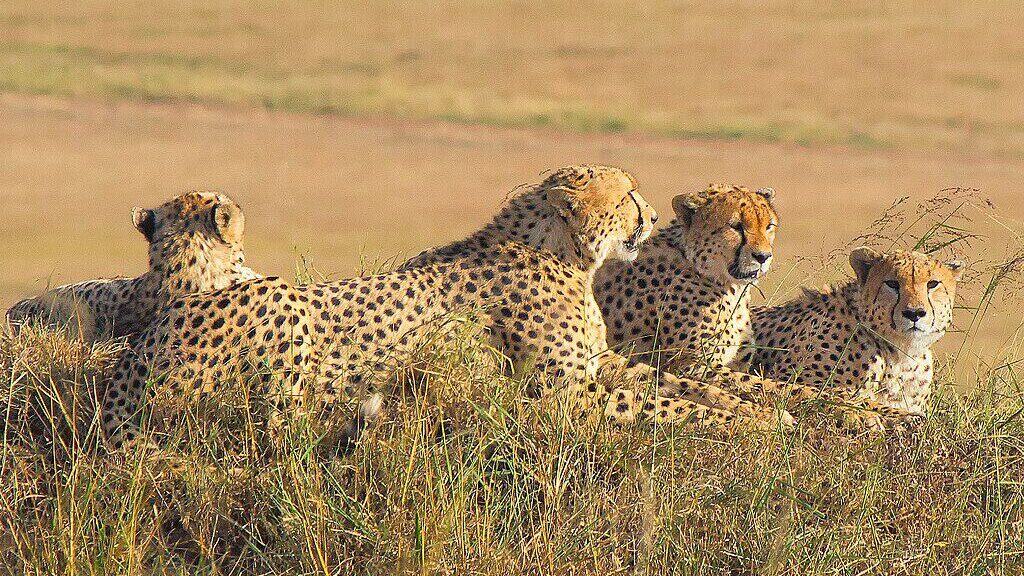
Beyond their physical prowess, cheetahs display remarkable cognitive abilities and complex social structures that contribute to their hunting success. Unlike most other big cats, male cheetahs frequently form permanent coalitions, usually consisting of brothers from the same litter who hunt and defend territory together. These coalitions significantly increase hunting success rates and territorial defense capability. Females, in contrast, are typically solitary except when raising cubs. Cheetahs use sophisticated spatial memory to navigate large territories and remember reliable hunting grounds and water sources across vast ranges. Their communication system includes a distinctive range of vocalizations unlike any other big cat—they cannot roar but instead produce a bird-like chirp that can be heard up to a mile away. They also communicate through complex body postures, facial expressions, and scent marking. Cubs undergo an extensive learning period, with mothers spending up to 18 months teaching offspring how to stalk, chase, and kill prey—a necessary education for mastering the complex high-speed hunting technique.
The cheetah stands as one of nature’s most magnificent achievements—an evolutionary masterpiece of speed, grace, and specialized adaptation. From its flexible spine and semi-retractable claws to its enlarged heart and specialized running gait, every aspect of the cheetah’s biology represents millions of years of refinement toward a single purpose: becoming the fastest land animal on Earth. Yet despite these remarkable adaptations that have allowed cheetahs to thrive for millions of years, their future remains uncertain in a rapidly changing world dominated by human activity. Conservation efforts focused on habitat protection, reducing human-wildlife conflict, and maintaining genetic diversity offer hope for the cheetah’s survival. As we marvel at the cheetah’s incredible speed capabilities, we must also recognize our responsibility to ensure that future generations can witness this extraordinary animal in the wild—nature’s perfect expression of the pursuit of speed.

- The Threats Tigers Face Today—From Poaching to Habitat Loss - July 29, 2026
- The Most Chill Animals Taking Over the Internet: Meet the Capybara Kings - July 29, 2026
- Prairie Dogs and Bison: Wildlife of the Tallgrass Prairie - July 29, 2026