

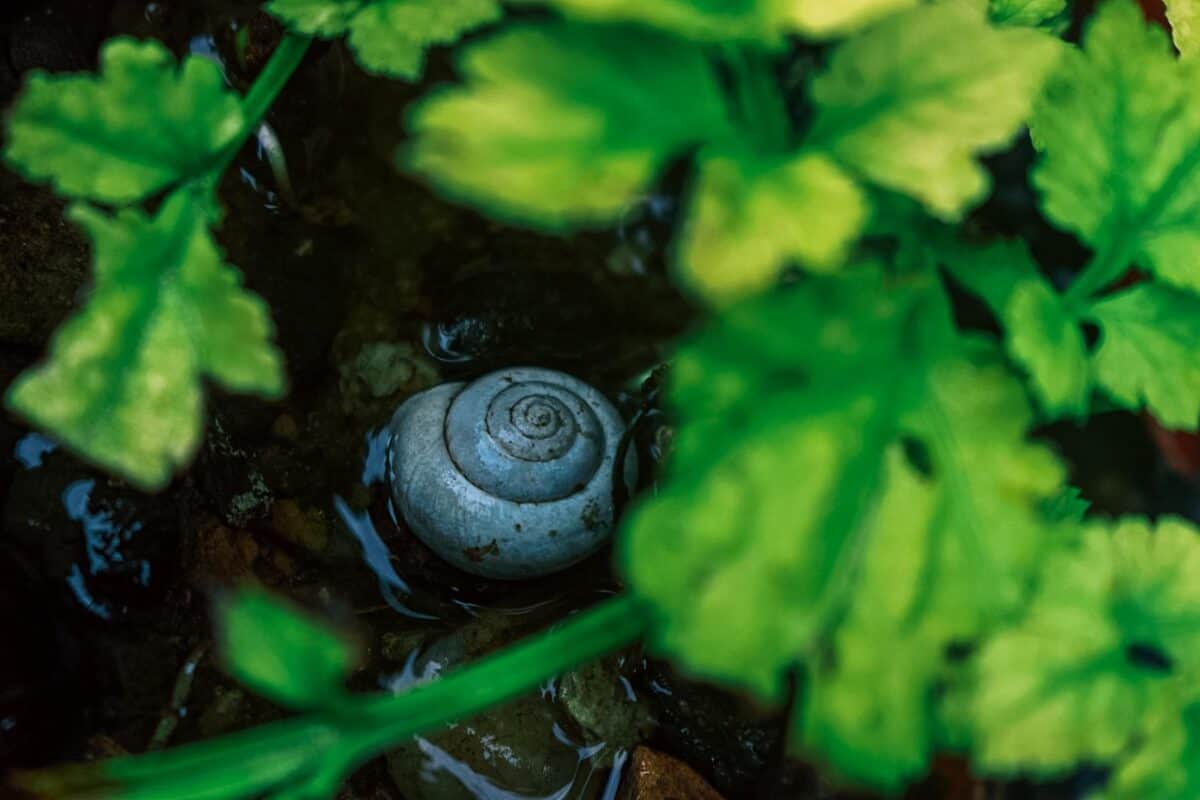
Snail hibernation, scientifically known as estivation or dormancy, is a fascinating survival mechanism that allows these mollusks to endure unfavorable environmental conditions. Unlike mammals that typically hibernate during winter, snails can enter dormancy during both cold winters and hot, dry summers. During this period, snails retreat deep into their shells, creating a protective barrier between themselves and the harsh external environment.
This state of dormancy involves significant physiological changes, including reduced metabolic rate, decreased respiratory function, and conservation of bodily fluids. For many snail species, this isn’t merely an optional behavior but a crucial survival strategy that has evolved over millions of years. Understanding the intricacies of snail hibernation provides valuable insights into how these seemingly fragile creatures have successfully adapted to diverse environments across the globe.
The Protective Role of the Shell
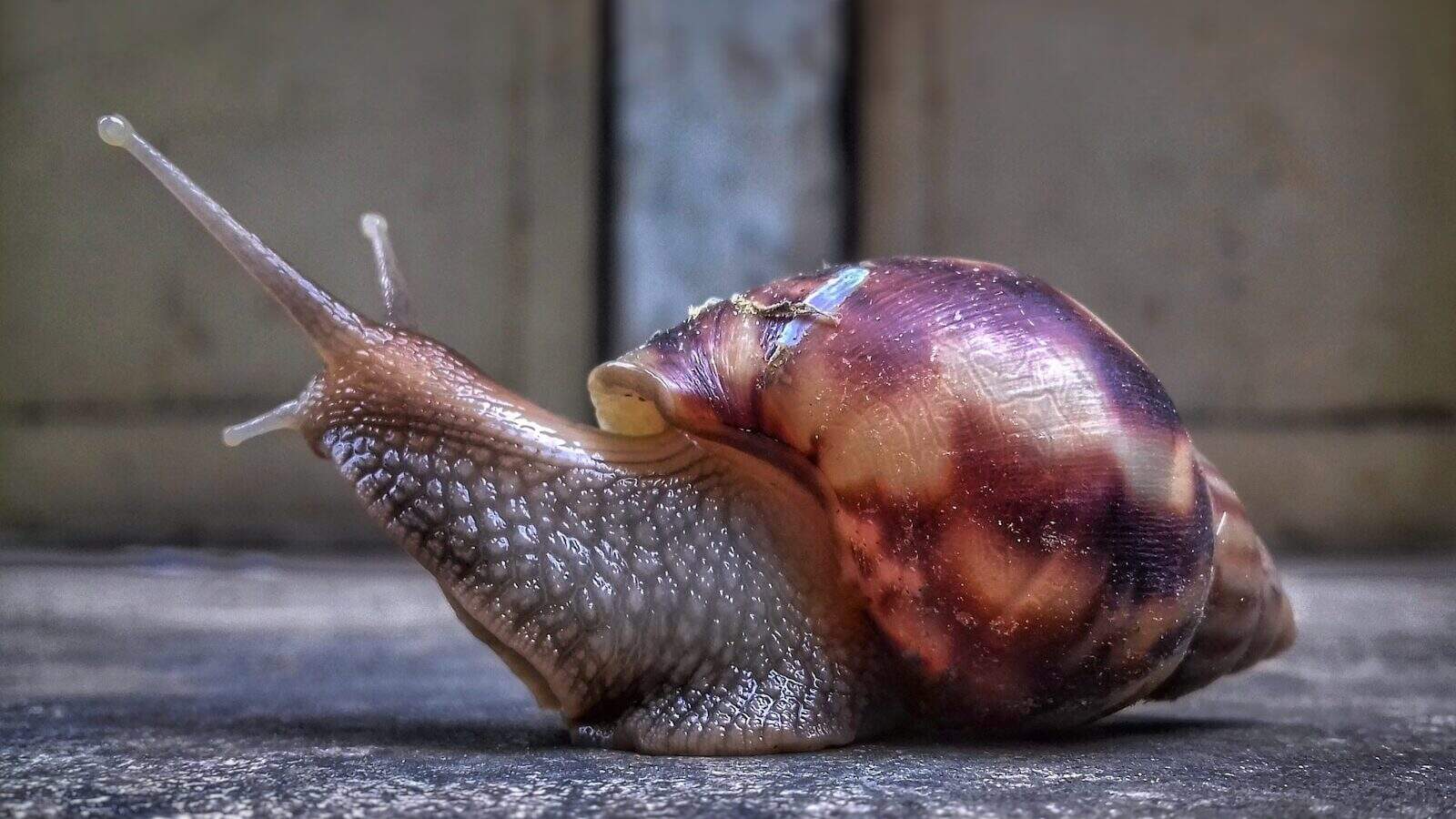
A snail’s shell serves as more than just a permanent home—it’s a sophisticated survival structure that plays a critical role during hibernation. Made primarily of calcium carbonate, the shell provides essential physical protection against predators and environmental hazards. When a snail retreats inside its shell for hibernation, it creates a nearly impenetrable fortress that shields its soft body from harm.
During dormancy, the shell also serves as a microclimate regulator, helping to maintain optimal humidity levels and temperature stability. This protective calcium fortress is particularly important during long periods of inactivity when the snail would otherwise be vulnerable. The spiral structure of most snail shells allows them to withdraw completely inside, making it possible for the snail to seal itself off from the outside world—a crucial feature that enables successful hibernation.
Triggering Factors for Hibernation
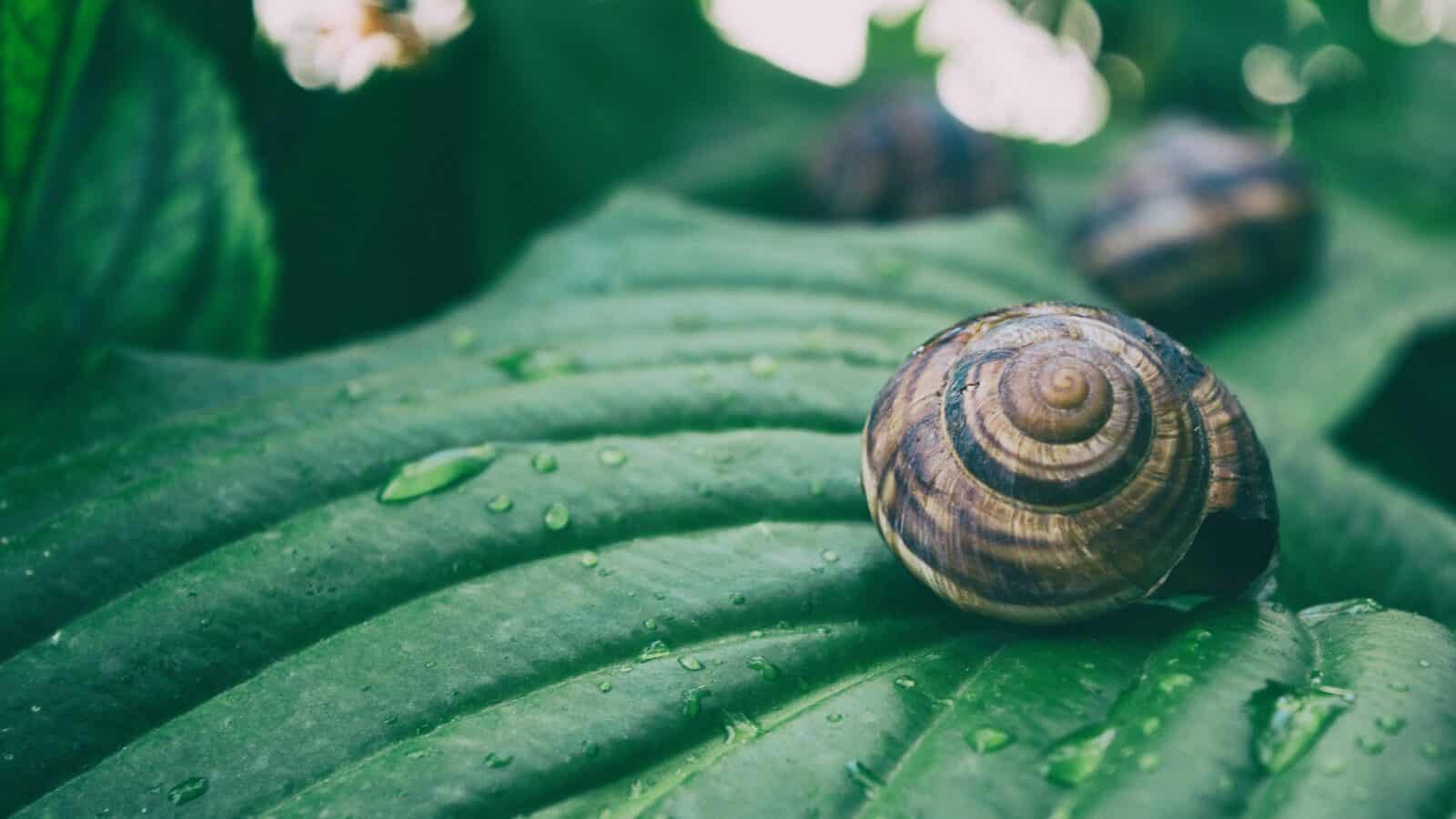
Snails don’t randomly decide to hibernate; their dormancy is triggered by specific environmental cues that signal potentially dangerous conditions ahead. Temperature changes are among the most significant triggers, with many species entering hibernation when temperatures drop below 5°C (41°F) or rise above 30°C (86°F). These temperature thresholds vary by species, with each evolved to respond to the typical climate patterns of their native habitats.
Moisture levels also play a crucial role in triggering hibernation. During drought conditions, snails face the risk of desiccation—fatal dehydration that can occur rapidly in their moisture-dependent bodies. Changes in day length (photoperiod) may also influence hibernation timing, particularly in species from regions with distinct seasonal changes. Together, these environmental signals create a complex decision matrix that tells a snail when retreating into its shell for an extended period would increase its chances of survival.
Creating the Hibernation Seal
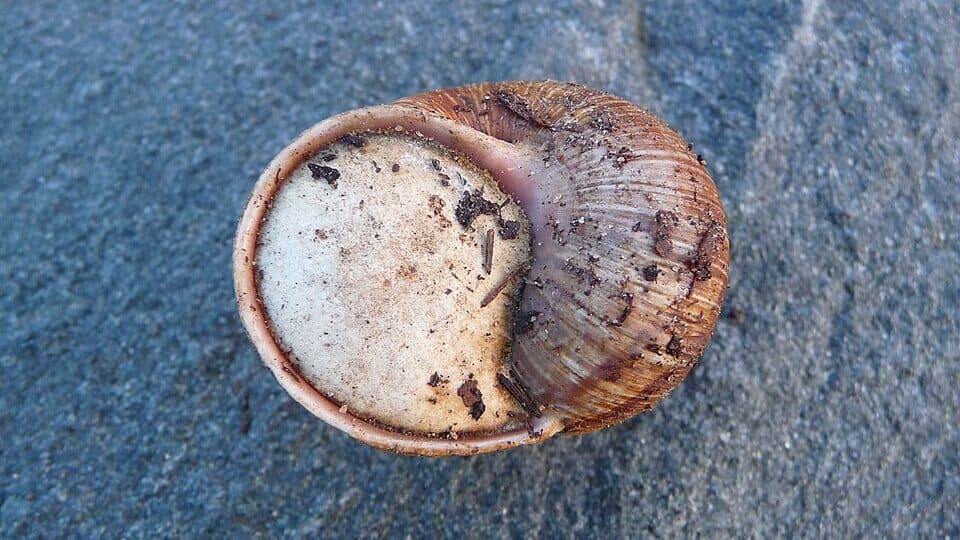
One of the most remarkable aspects of snail hibernation is the creation of a protective seal or “epiphragm” that covers the shell opening. This barrier is primarily composed of dried mucus, sometimes reinforced with calcium, and effectively seals the snail inside its shell. The epiphragm serves multiple critical functions: it prevents moisture loss from the snail’s body, protects against predators, and creates a controlled microenvironment inside the shell.
The composition of the epiphragm varies by species, with some producing thin, transparent membranes while others create thick, calcified barriers that resemble a small door. Land snails generally create more robust seals than their aquatic counterparts, reflecting the greater risks of desiccation in terrestrial environments. This remarkable adaptation allows snails to remain safely enclosed for months or even years in extreme cases, waiting until external conditions become favorable again.
Physiological Changes During Hibernation
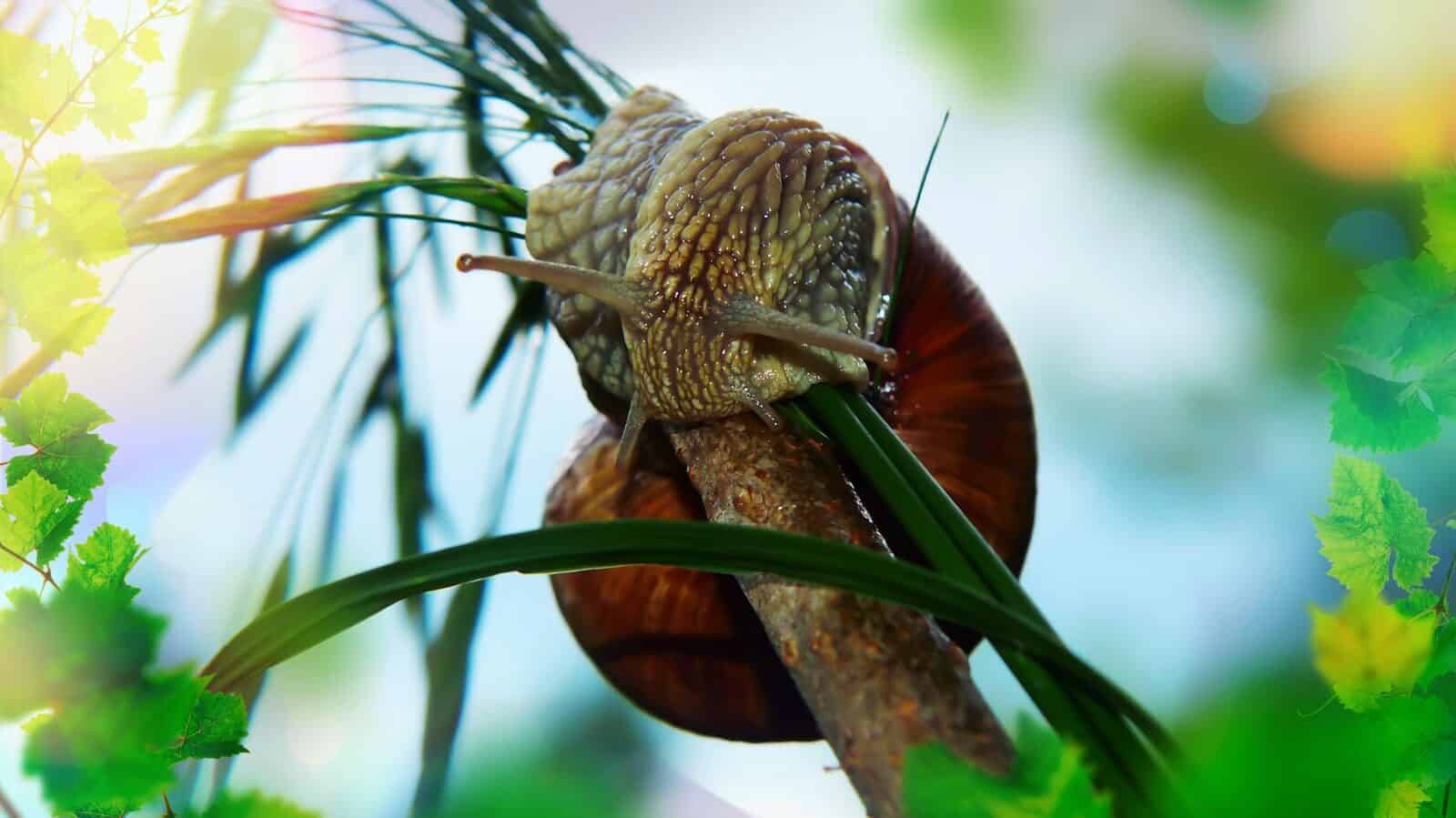
When a snail enters hibernation, its body undergoes profound physiological transformations designed to conserve energy and sustain life during extended periods without food or water. The snail’s heart rate drops dramatically—in some species by as much as 90%—and respiratory functions slow to minimal levels. Metabolic processes are reduced to the bare minimum required for survival, allowing the snail to subsist on stored energy reserves for extended periods.
During hibernation, snails also experience changes in their body chemistry, including increased production of compounds that function as natural antifreeze in winter-hibernating species. These compounds, often glycerol or glucose-based, prevent fatal ice crystal formation in their tissues when temperatures drop below freezing. Additionally, snails may reposition internal organs and contract muscles to minimize water loss through their body surface, further enhancing their ability to survive in a dormant state for remarkably long periods.
Duration of Snail Hibernation
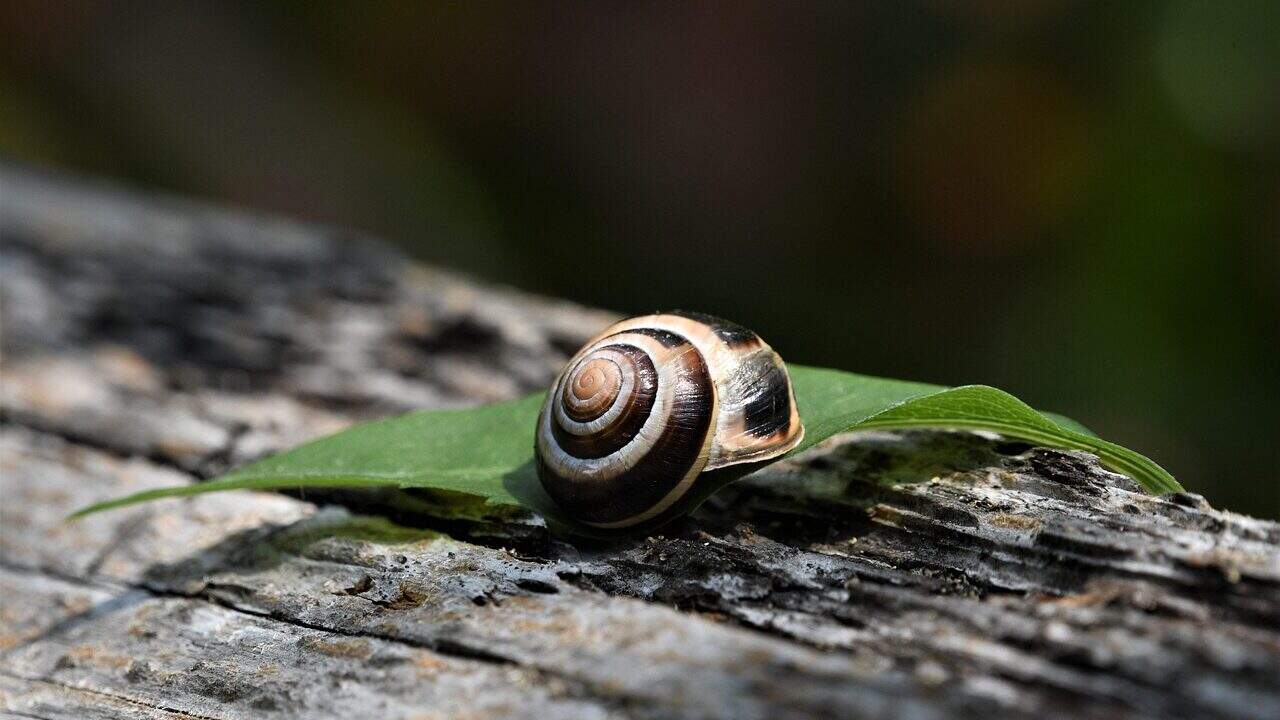
The length of time snails remain in hibernation varies dramatically across species and is heavily influenced by environmental conditions. In temperate regions, garden snails (Helix aspersa) typically hibernate for 4-6 months during winter, awakening when spring brings warmer temperatures and increased moisture. Desert-dwelling species, conversely, may enter dormancy for much longer periods, sometimes extending beyond a year as they wait for rare rainfall events.
Research has documented extraordinary cases of hibernation persistence, including instances where snails revived after being dormant for over three years in museum collections. This remarkable ability to suspend active life functions while maintaining viability demonstrates the effectiveness of shell-based hibernation as a survival strategy. While the average hibernation period typically aligns with seasonal changes, individual snails can adjust their dormancy duration based on the specific environmental conditions they encounter.
Different Hibernation Patterns Among Snail Species
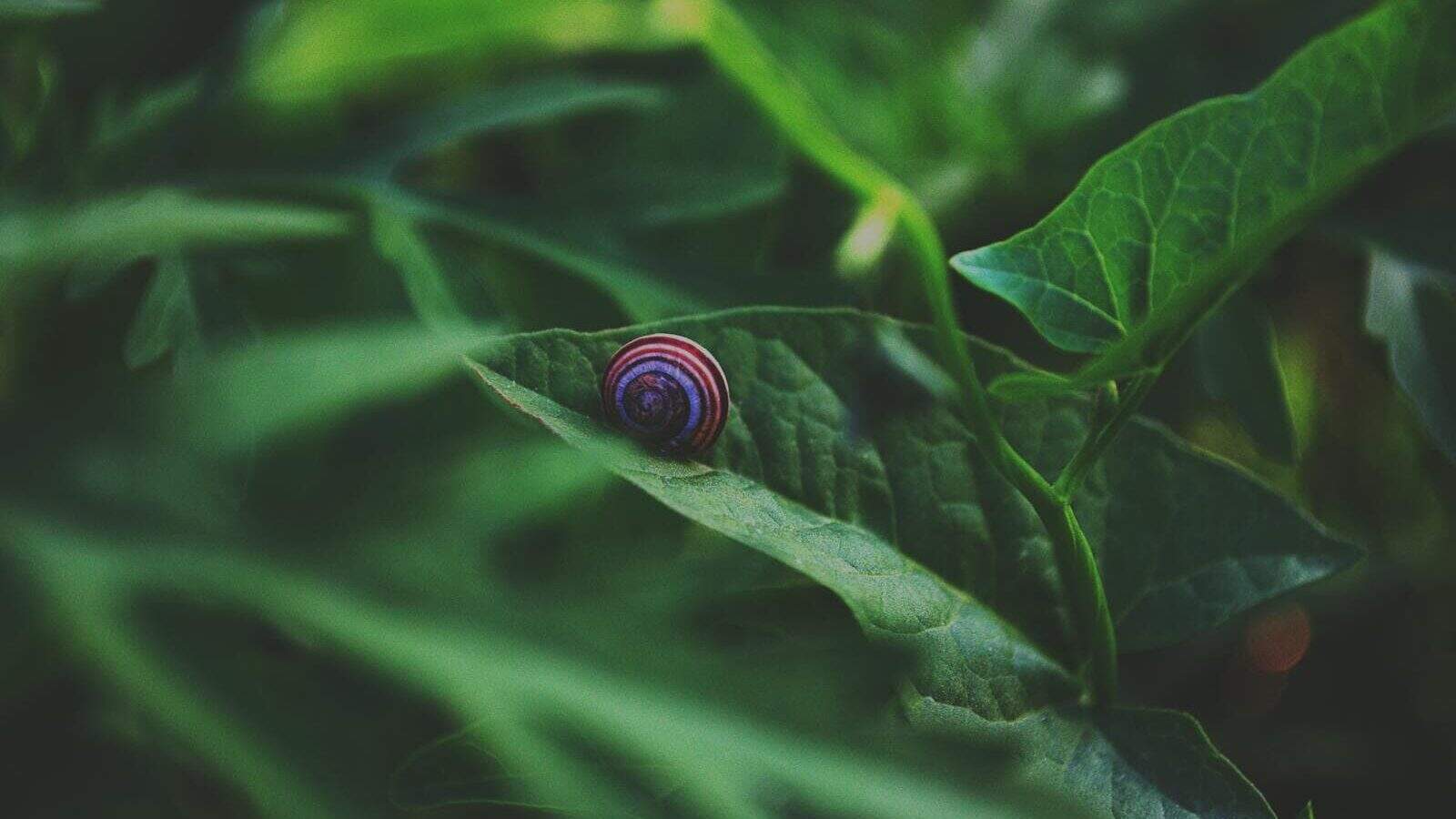
Hibernation strategies vary significantly across the approximately 43,000 snail species worldwide, reflecting evolutionary adaptations to diverse habitats. Terrestrial snails in temperate climates typically hibernate during winter months, seeking shelter in leaf litter, soil crevices, or attached to trees and walls. In contrast, snails from arid environments often estivate during hot, dry seasons, sometimes burrowing several inches into the soil before sealing themselves in their shells.
Aquatic snail species display their own unique hibernation patterns. Freshwater snails may burrow into mud at the bottom of ponds when water temperatures drop too low, while some marine snails migrate to deeper waters during unfavorable seasons rather than entering true hibernation. These varied approaches to dormancy highlight how the basic mechanism of retreating into a shell has been refined and specialized across different evolutionary lineages to address specific environmental challenges.
The Role of Humidity in Shell-based Hibernation
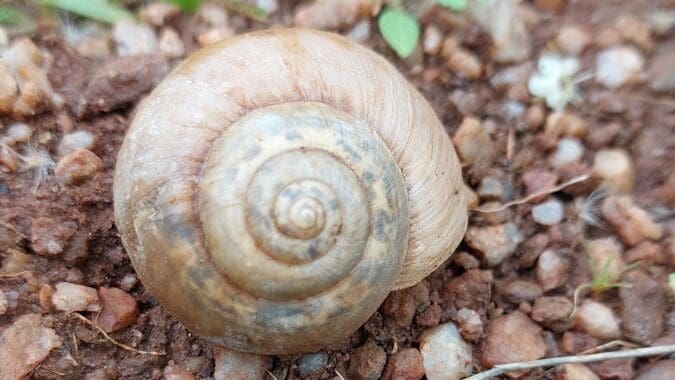
Humidity regulation represents one of the most critical aspects of successful hibernation for snails. Despite their protective shells and epiphragm seals, snails remain vulnerable to desiccation during dormancy periods. The shell creates a microenvironment that helps maintain internal humidity, but most species still need to retain approximately 70-80% of their normal body moisture to survive hibernation. This requirement explains why many hibernating snails seek locations with relatively stable humidity levels.
Inside the sealed shell, a delicate balance must be maintained. If the internal environment becomes too dry, the snail may dehydrate and die; conversely, excessive moisture can promote fungal or bacterial growth that threatens the dormant snail. The calcium carbonate composition of the shell itself plays a role in moisture regulation, as this material can absorb some water vapor during high humidity periods and release it when the air dries, creating a buffering effect that helps stabilize conditions inside the shell during long hibernation periods.
Energy Conservation Strategies
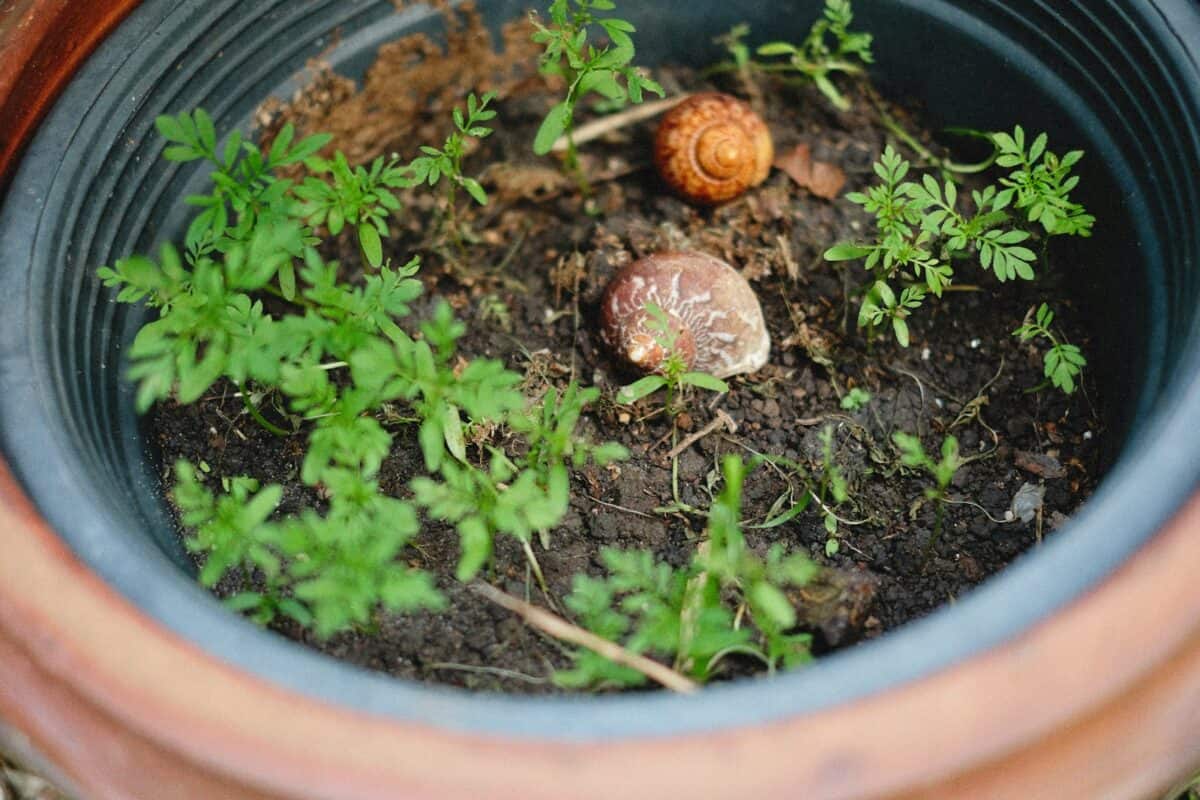
Surviving months without feeding requires sophisticated energy management, and hibernating snails employ several strategies to make their stored resources last. Before entering hibernation, many snail species increase their feeding activity, building up fat reserves primarily in their digestive glands. These energy stores are then slowly metabolized during dormancy, providing the minimal energy required to maintain essential life functions. Research indicates that hibernating snails can reduce their energy consumption by up to 99% compared to their active state.
Beyond fat storage, some snail species have developed the ability to recycle calcium from their own shells during prolonged hibernation. By slightly dissolving inner shell layers, they can access both calcium for physiological processes and the carbonate components which help buffer acid buildup from their minimal metabolism. This remarkable adaptation demonstrates how completely integrated the shell is in the hibernation process—functioning not just as shelter but as a living part of the snail’s survival system during dormancy.
Risks and Vulnerabilities During Hibernation
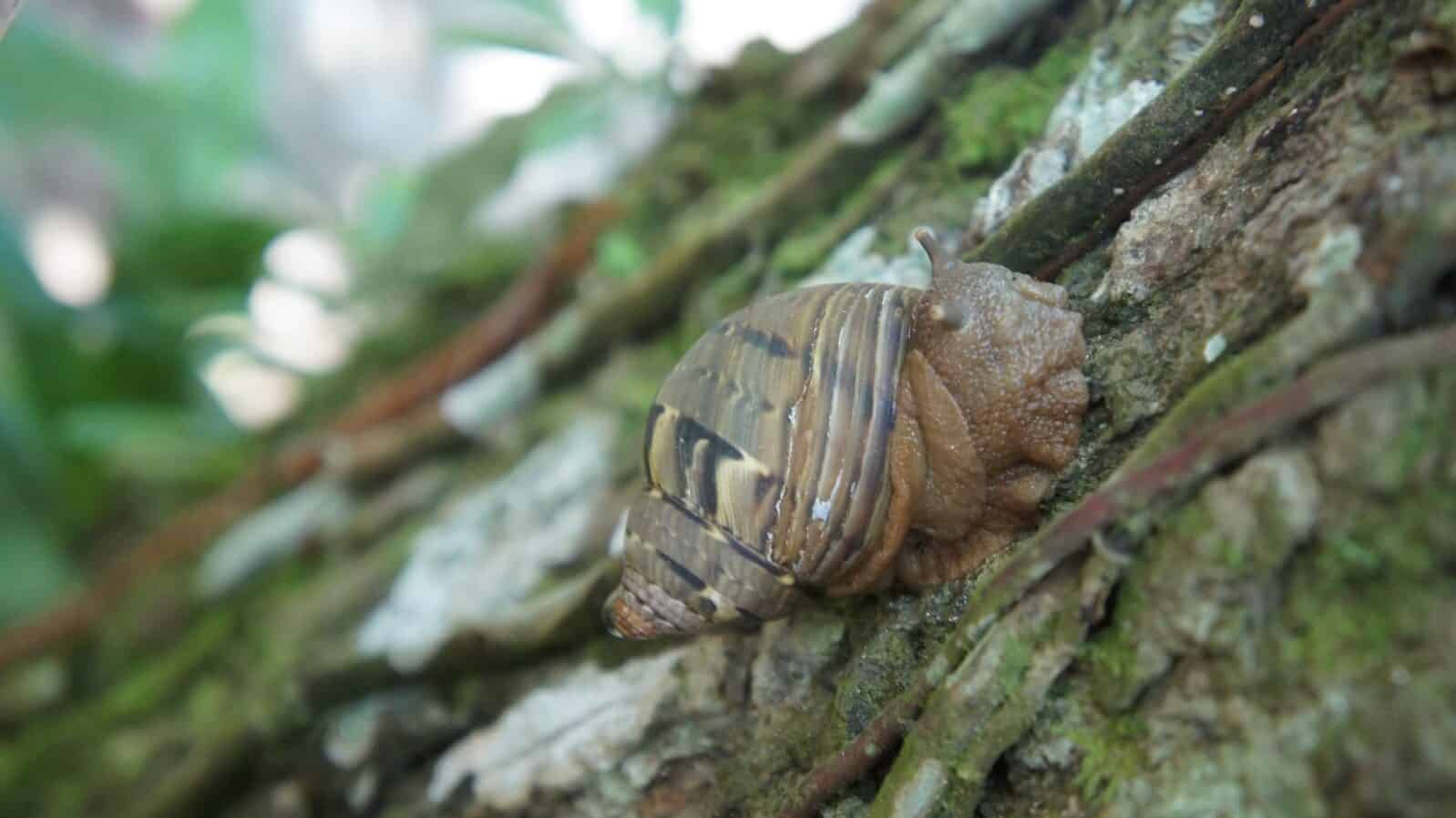
While hibernation inside their shells provides significant protection, dormant snails still face several threats. Predators adapted to snail consumption, such as certain birds, rodents, and insects, can sometimes break through the epiphragm or shell to reach the vulnerable snail inside. Extended periods of unusual weather, particularly unseasonable warmth that triggers premature awakening followed by sudden freezing conditions, can be fatal as the snail may not have sufficient energy reserves to create a new protective seal.
Parasitic infections present another serious risk during hibernation. Some parasites remain active even when the snail host enters dormancy, continuing to consume resources and potentially killing the snail before favorable conditions return. Human activities, particularly habitat disturbance, agricultural practices, and the application of molluscicides, can also be devastating to hibernating snail populations. Climate change represents a growing threat, as increasingly unpredictable weather patterns may disrupt the environmental cues that snails rely on to time their hibernation periods correctly.
Awakening from Hibernation
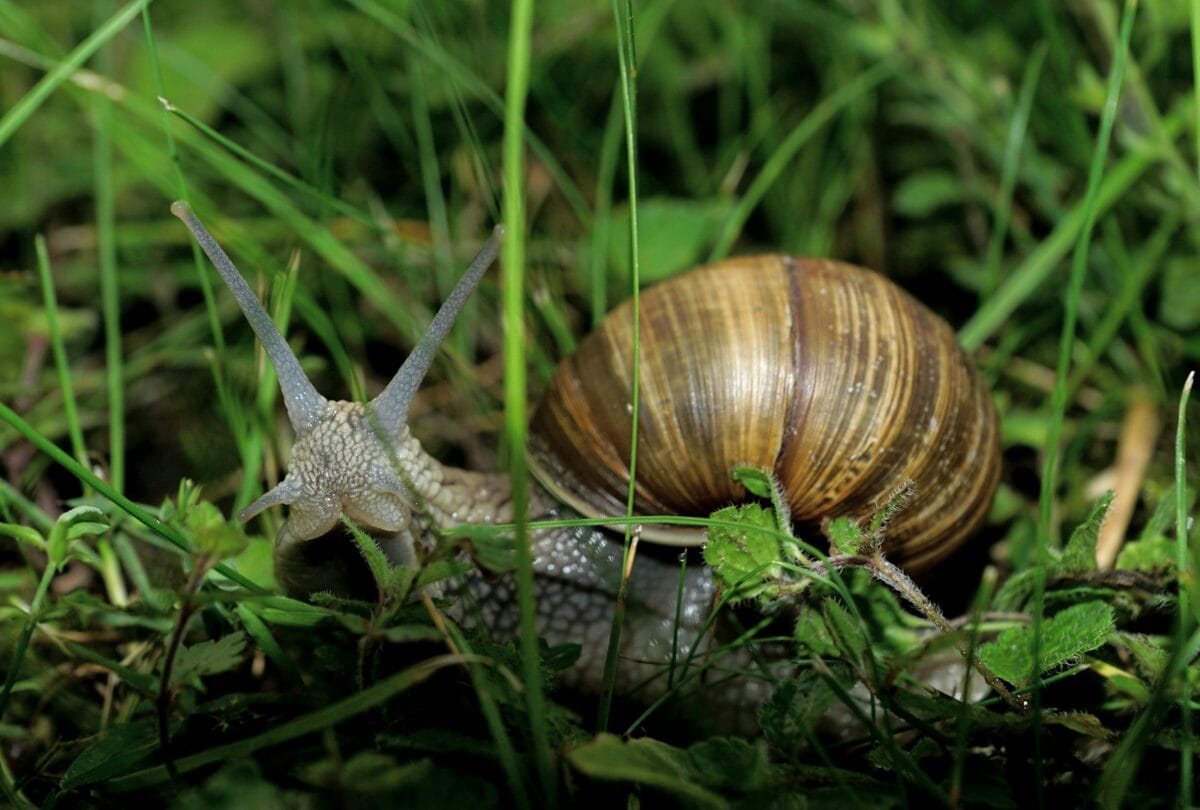
The process of emerging from hibernation is a critical transition period for snails. As environmental conditions improve—typically with rising temperatures and increased moisture—physiological changes begin to reverse. The snail’s metabolic rate gradually increases, heart and respiratory functions accelerate, and the body prepares to resume normal activities. Breaking through the epiphragm requires considerable effort, especially for species that create heavily calcified seals.
Once active, snails face an urgent need to replenish lost resources. Rehydration is typically the first priority, with many species actively absorbing water through their foot immediately after emergence. Feeding begins shortly thereafter, with newly awakened snails often showing voracious appetites as they restore depleted energy reserves. For reproductive-age snails, the post-hibernation period frequently coincides with breeding activities, as the return of favorable conditions provides an optimal environment for producing the next generation.
The Evolutionary Marvel of Shell Hibernation
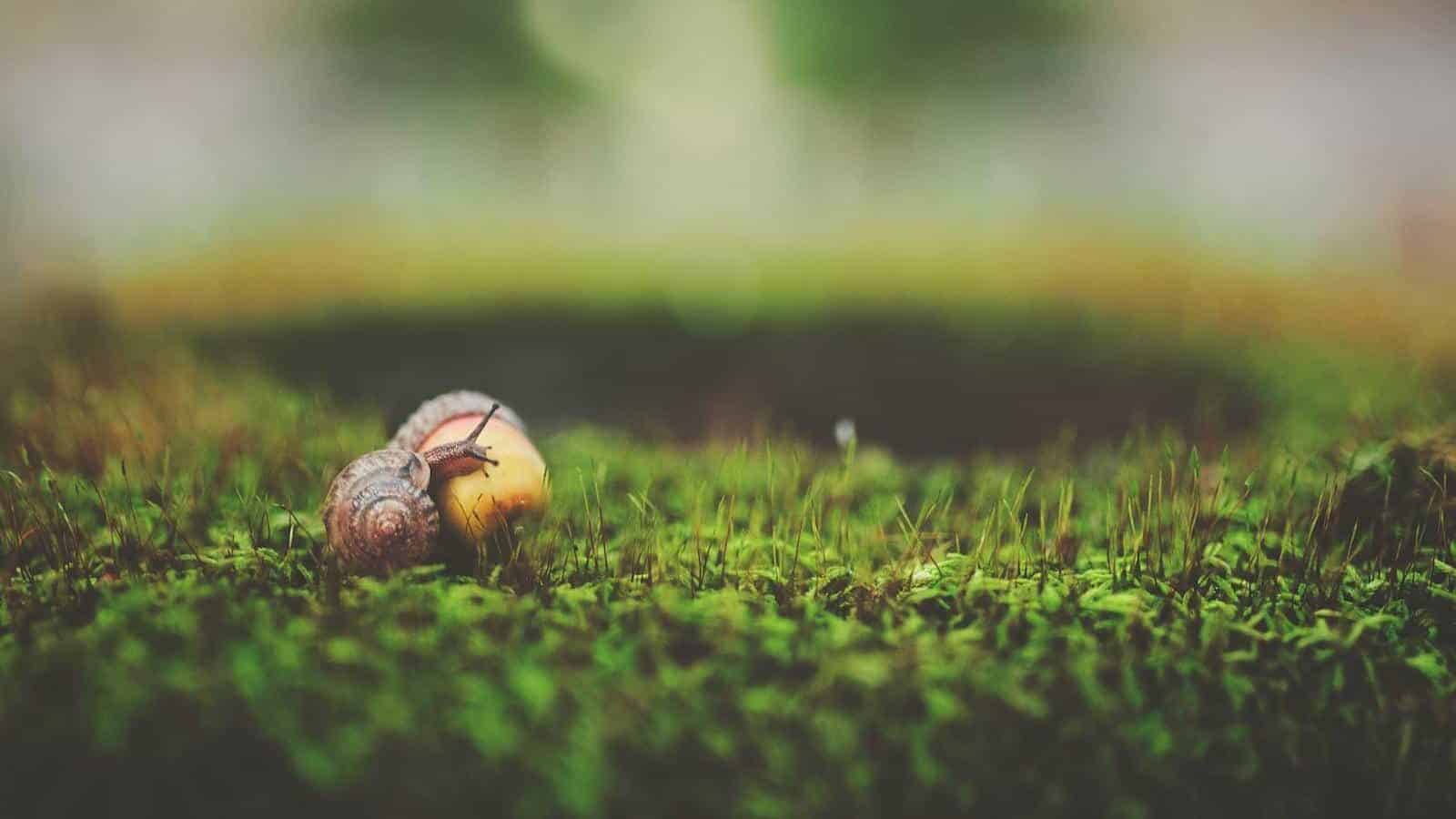
The ability of snails to hibernate within their shells represents one of nature’s most elegant survival adaptations, perfected over millions of years of evolution. This remarkable strategy has enabled snails to colonize diverse habitats across the planet, from tropical rainforests to arid deserts, by providing a means to endure otherwise lethal environmental conditions. The integration of physical protection, physiological adaptation, and behavioral responses demonstrates the sophisticated nature of this seemingly simple survival mechanism.
For researchers, snail hibernation continues to offer valuable insights into extreme survival physiology, with potential applications in medical science, particularly in areas related to organ preservation and metabolic regulation. Conservation efforts increasingly recognize the importance of understanding hibernation patterns to protect vulnerable snail species, many of which face threats from habitat loss, climate change, and invasive competitors.
For gardeners and nature enthusiasts, the sight of snails emerging from hibernation serves as a reliable seasonal indicator, marking the transition between winter and spring or the end of dry periods. This natural calendar has been observed by humans for countless generations, creating cultural connections to these small but remarkably resilient creatures.
As we continue to study and appreciate the complexity of snail hibernation, we gain not only scientific knowledge but also a deeper respect for the ingenious survival strategies that have allowed these ancient mollusks to persist through countless environmental challenges throughout their evolutionary history.

- Why These Birds Are Outcompeting U.S. Natives - July 24, 2026
- What Human Overpopulation Means for the World’s Wildlife - July 24, 2026
- The Largest Oyster Ever Harvested From U.S. Bays - July 24, 2026