

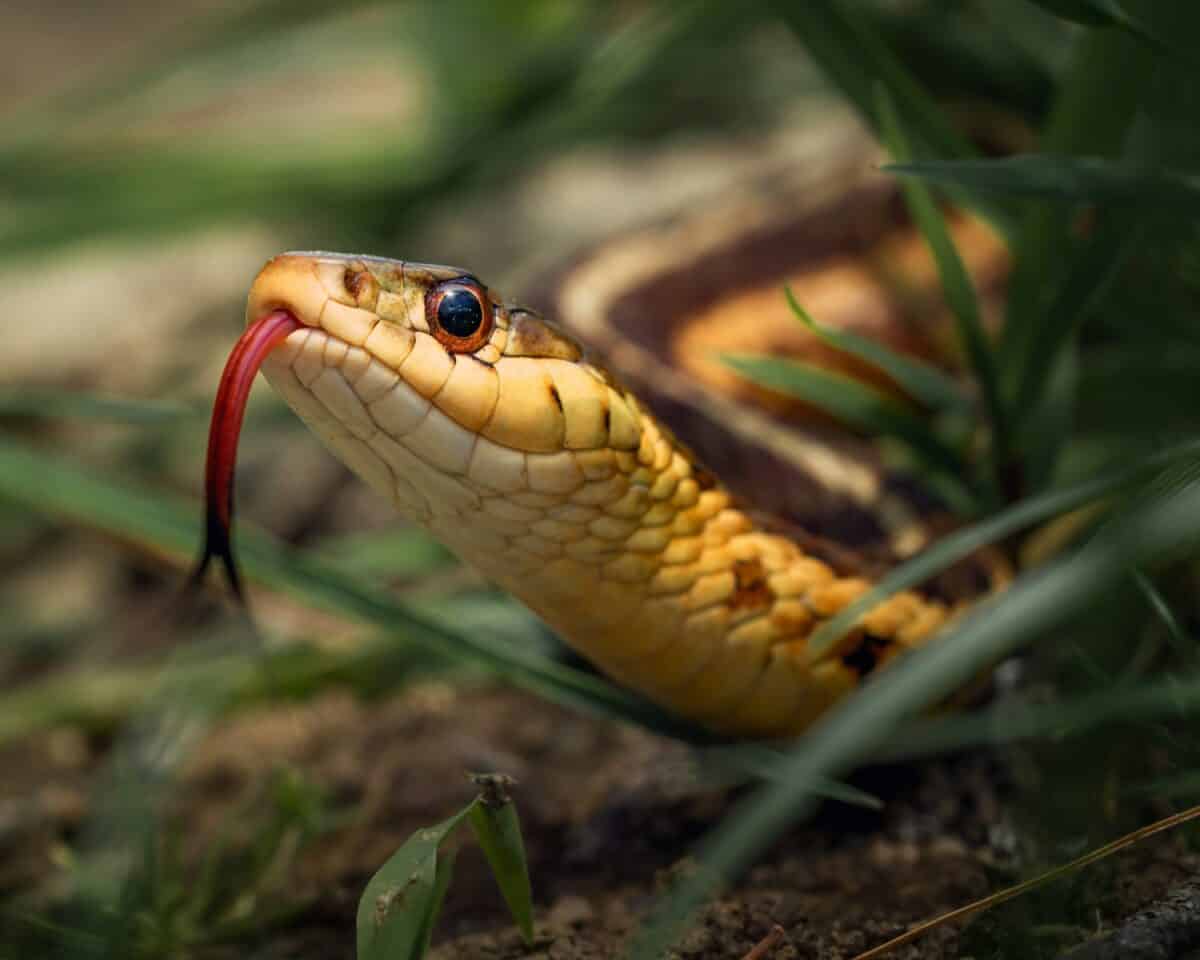
Snakes are perhaps the most misunderstood creatures in American wildlife. From folklore to Hollywood porrayals, misconceptions about these reptiles have slithered into our collective consciousness, creating unwarranted fear and sometimes leading to harmful encounters—for both humans and snakes. The United States is home to approximately 50 species of snakes, yet myths about them persist despite scientific evidence to the contrary. In this comprehensive guide, we’ll separate fact from fiction by examining 18 common misconceptions about U.S. snakes, providing accurate information that might just transform your perspective on these fascinating animals.
Myth 15 All Snakes Are Dangerous and Venomous
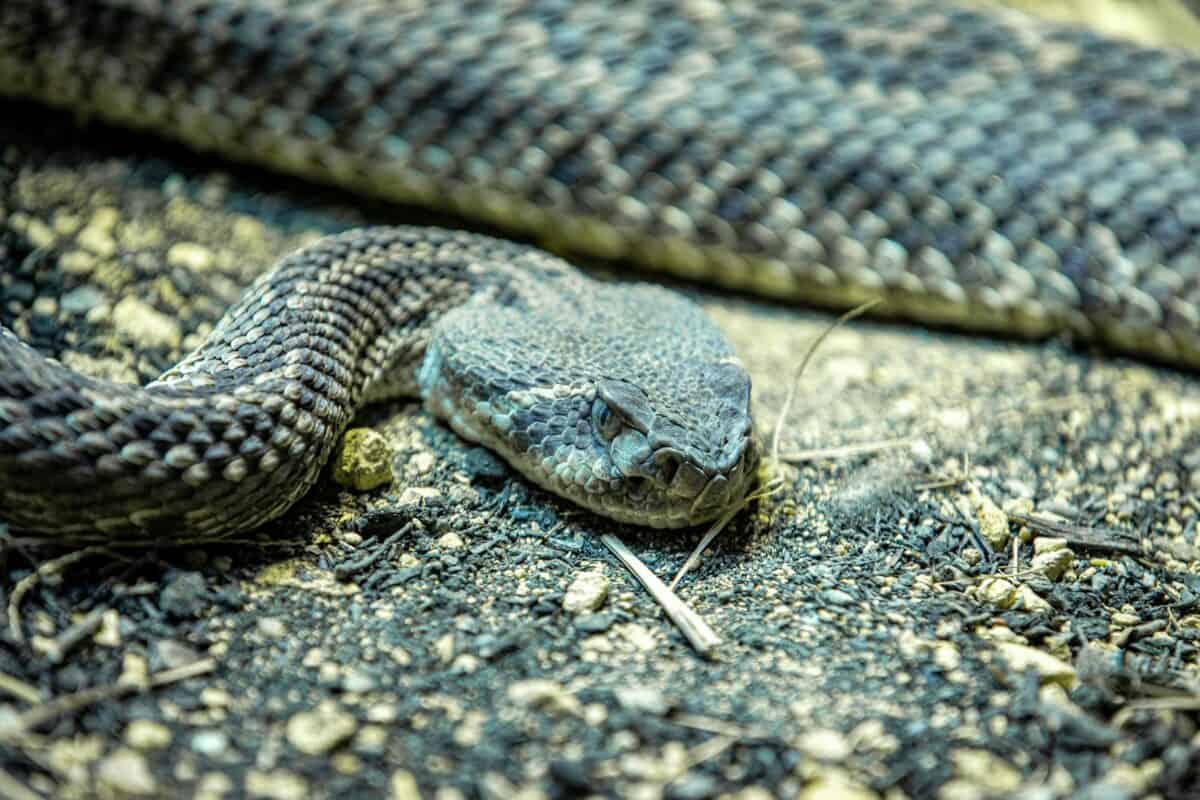
One of the most pervasive myths is that every snake encountered in the wild poses a deadly threat. In reality, of the approximately 50 snake species native to the United States, only 20 are venomous, and just a handful are considered medically significant to humans. Common venomous species include rattlesnakes, copperheads, cottonmouths (water moccasins), and coral snakes. The vast majority of U.S. snakes are completely harmless to humans and play vital roles in their ecosystems.
Non-venomous species like garter snakes, rat snakes, king snakes, and corn snakes are beneficial predators that help control rodent populations. These harmless snakes often suffer needless persecution due to misidentification and general ophidiophobia (fear of snakes). Learning to identify the few venomous species in your region is a more practical approach than assuming all snakes are dangerous.
Myth 14 Snakes Chase People
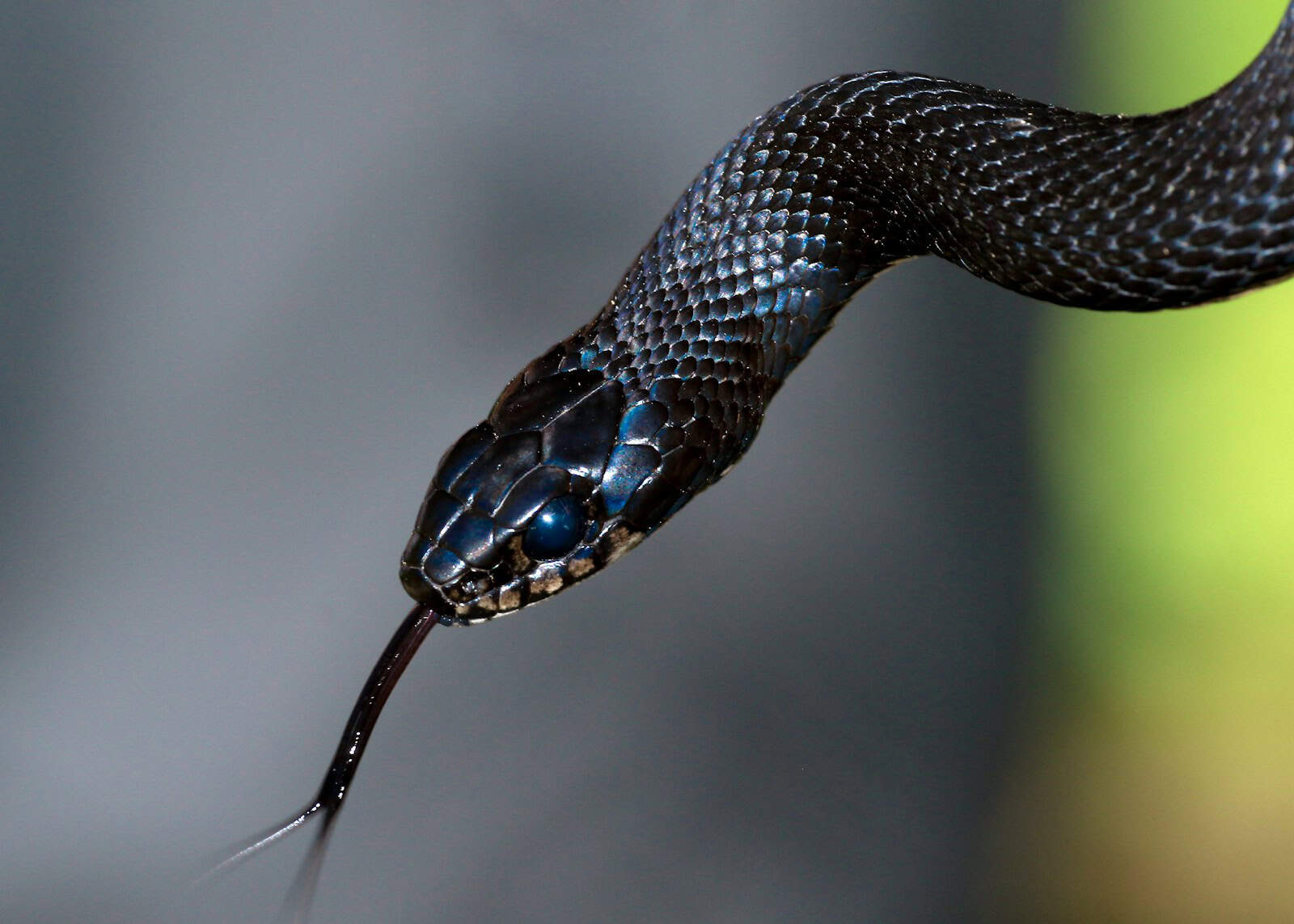
The idea that snakes will pursue humans with intent to attack is one of the most common misconceptions. Snakes have no interest in chasing humans—they’re generally shy creatures that prefer to avoid confrontation. When a snake appears to be “chasing” someone, it’s typically because the person is inadvertently blocking the snake’s escape route, and the snake is trying to reach safety. Snakes perceive humans as potential predators, not as prey.
Defensive behaviors in snakes are often misinterpreted as aggression. For example, cottonmouths may stand their ground when threatened rather than retreat immediately, which people misinterpret as the snake preparing to attack. In reality, the snake is displaying defensive posturing while looking for an opportunity to escape. Given the option, virtually all snakes will choose flight over fight when encountering humans.
Myth 13 Baby Snakes Are More Dangerous Than Adults
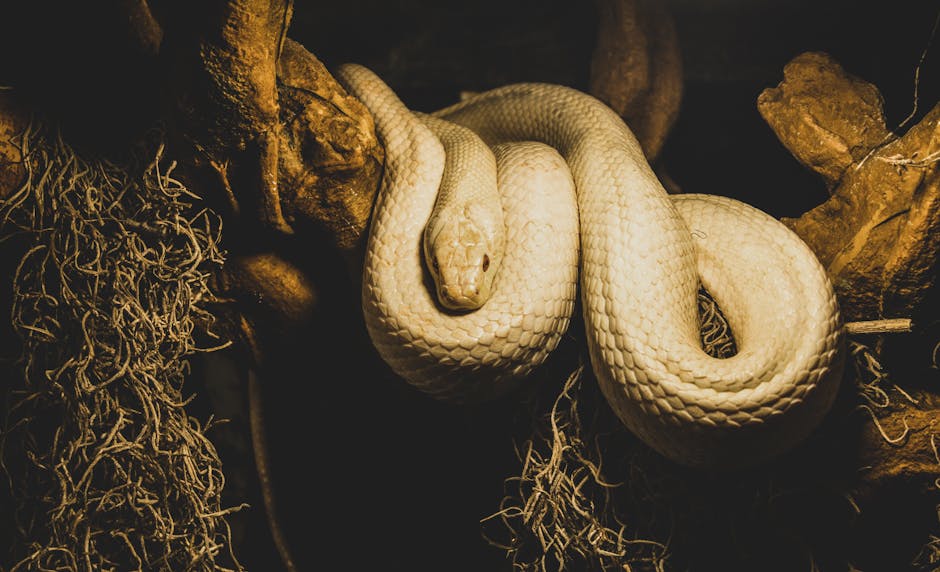
A widespread belief suggests that baby venomous snakes are more dangerous than adults because they cannot control the amount of venom they inject or because their venom is more potent. This is false on both counts. Scientific research has shown that juvenile snakes have complete control over their venom delivery system, just like adults. Additionally, while the composition of venom may change slightly as a snake matures, there’s no evidence that juvenile venom is inherently more toxic.
What makes adult snakes potentially more dangerous is their larger size, which allows them to deliver a greater volume of venom and strike from a longer distance. They also have larger fangs that can penetrate deeper. Baby snakes do tend to be more defensive and quick to strike when threatened, but this is a behavioral difference, not a venom potency issue. Each snake encounter should be treated with the same level of caution, regardless of the snake’s age.
Myth 12 Snakes Are Slimy

Many people imagine snakes to have wet, slimy skin similar to amphibians like frogs or salamanders. This couldn’t be further from the truth. Snake skin is actually dry and smooth, covered with overlapping scales made of keratin—the same protein found in human fingernails. These scales provide protection and help snakes conserve water in their bodies, which is essential since many species live in arid environments.
The misconception about sliminess may stem from the way snakes move so fluidly or how their scales can appear glossy in certain light. Some snakes, particularly those that have recently shed their skin, might have an especially shiny appearance. However, if you were to touch a snake (which should only be done with captive snakes and proper handling knowledge), you’d find the texture surprisingly pleasant—smooth, dry, and often warm from the sun.
Myth 11 Snakes Can Sting with Their Tongues

The flickering, forked tongue of a snake often leads people to believe it’s a stinging apparatus or some kind of weapon. In reality, a snake’s tongue is a sophisticated sensory organ with no capacity to harm. When a snake flicks its tongue, it’s collecting chemical particles from the air and ground. The tongue then delivers these particles to the Jacobson’s organ (or vomeronasal organ) in the roof of the mouth, which interprets the chemicals and provides the snake with information about its surroundings.
This chemosensory system allows snakes to detect prey, predators, and potential mates, essentially functioning as a combination of smell and taste. The forked design of the tongue provides directional information, helping snakes determine which direction a scent is coming from. Far from being dangerous, the tongue-flicking behavior is simply a snake’s way of perceiving its environment, similar to how humans use their eyes and noses.
Myth 10 Snakes Always Travel in Pairs

There’s a persistent folk belief that if you encounter one snake, its mate must be nearby. This myth likely originated from observations during mating season when male snakes may follow female pheromone trails, or from the occasional discovery of multiple snakes in ideal habitat areas. However, snakes are generally solitary creatures that only come together for mating purposes and then go their separate ways.
The exception to this solitary behavior occurs during brumation (the reptilian equivalent of hibernation), when multiple snakes may gather in suitable winter dens called hibernacula. Species like garter snakes and rattlesnakes are known to brumate communally, sometimes with dozens or even hundreds of individuals sharing the same den. However, these aggregations are for survival purposes during cold weather, not because snakes habitually travel or live in pairs or groups during the active season.
Myth 9 Milk Snakes Get Their Name Because They Drink Cow’s Milk
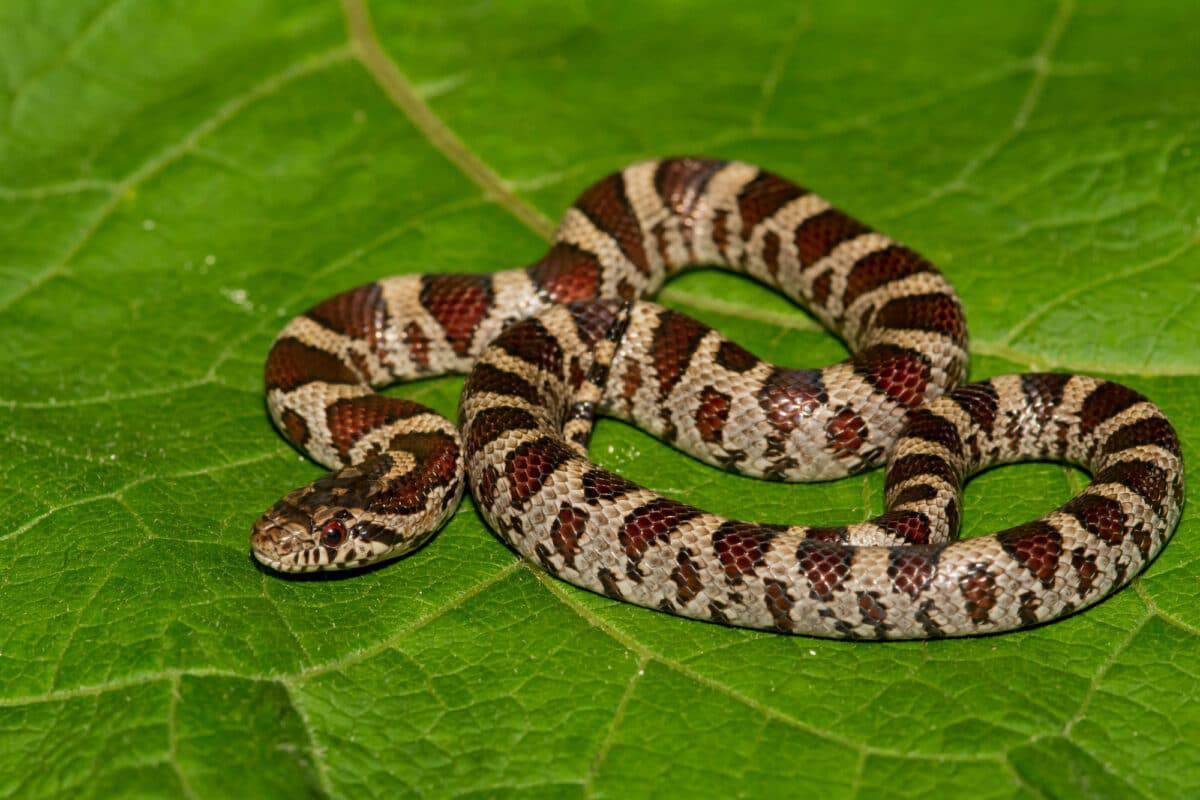
An old farming myth suggests that milk snakes (Lampropeltis triangulum) received their name because they sneak into barns to drink milk from cows. This is biologically impossible. Snakes are carnivores with specialized digestive systems designed to process meat, not dairy. They lack the physical capability to suck milk from a cow’s udder, and milk would likely cause digestive problems if consumed.
The truth behind the name is much simpler. Milk snakes earned their moniker because they’re frequently found in and around barns and dairy facilities. What attracts them to these locations isn’t milk but rather the abundance of mice and rats that are drawn to stored grain and feed. Farmers might have noticed these colorful snakes in their barns and mistakenly associated them with mysteriously depleted milk supplies, when in reality, the snakes were providing valuable rodent control services.
Myth 8 Snakes Can Hypnotize Their Prey
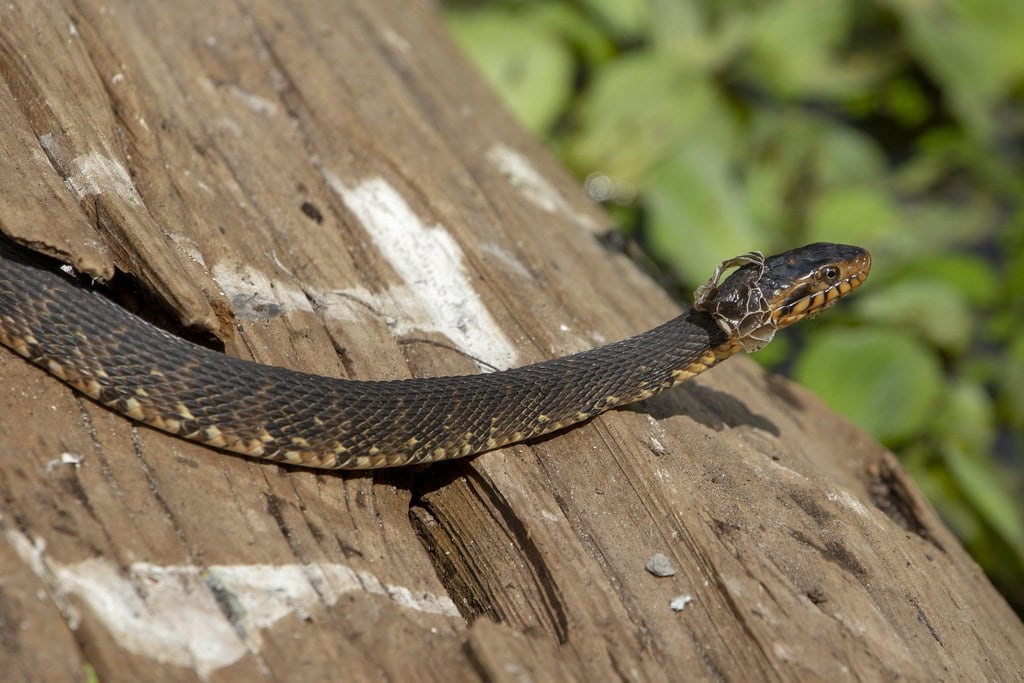
The idea that snakes can entrance or hypnotize their prey into submission is a dramatic myth perpetuated by fiction and folklore. No snake species possesses hypnotic abilities. When prey animals appear to “freeze” in the presence of a snake, they’re exhibiting a natural fear response called tonic immobility or thanatosis—commonly known as “playing dead.” This is an instinctive survival strategy that some animals employ when faced with a predator.
What might look like hypnosis to human observers is actually the result of highly evolved predatory behaviors. Many snakes are ambush predators that remain motionless until striking, which can create the illusion of a stare-down between predator and prey. Others, like rattlesnakes, use their heat-sensing pits to track warm-blooded prey with remarkable precision, giving them an almost supernatural appearance of focus. These hunting adaptations are impressive enough without attributing mythical powers to these reptiles.
Myth 7 Snakes Dislocate Their Jaws to Eat
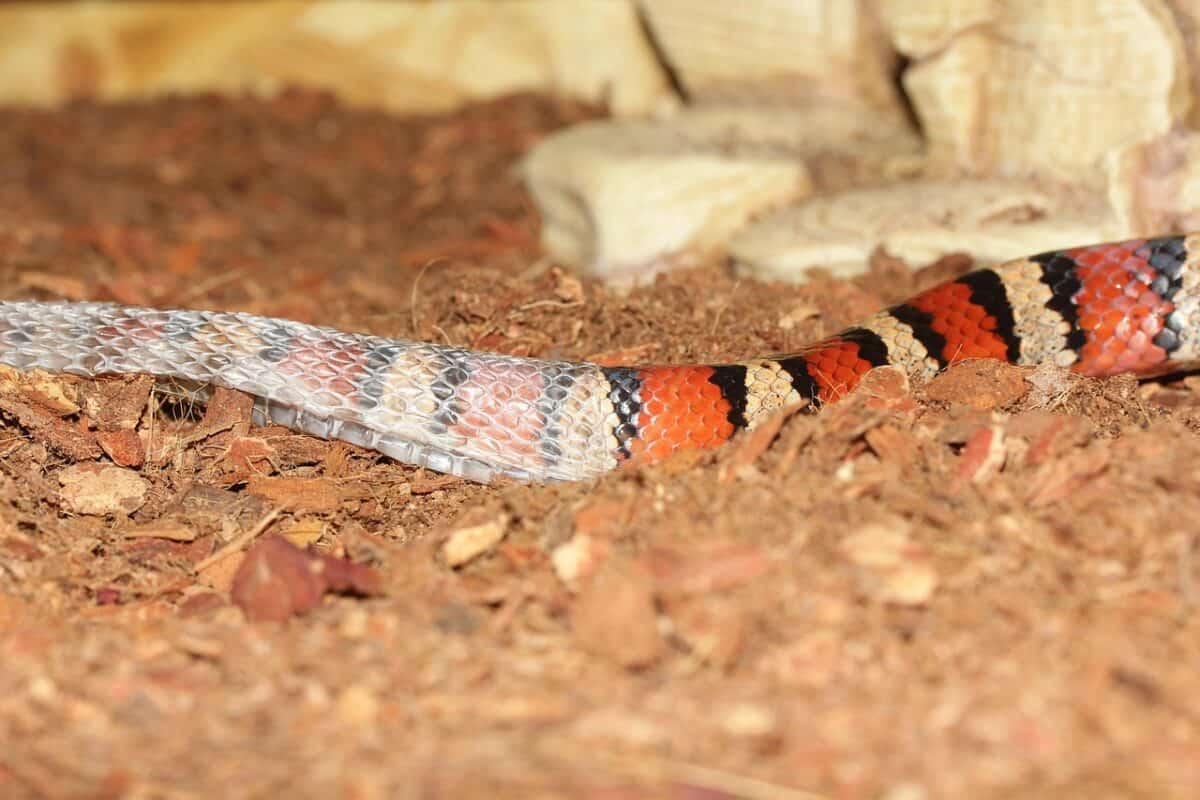
While it’s common to hear that snakes “dislocate” or “unhinge” their jaws to consume large prey, this isn’t anatomically accurate. Snakes don’t actually dislocate anything when eating. Instead, they have a specialized skull structure with multiple joints that allow for extraordinary flexibility. The lower jawbones (mandibles) aren’t fused at the front like human jaws but are connected by stretchy ligaments, and the quadrate bones connecting the upper and lower jaws allow for significant movement.
This unique anatomy enables snakes to open their mouths far wider than would be possible with a rigid jaw structure. Additionally, their skin and internal organs can stretch significantly to accommodate large meals. The process of consuming prey that appears too large for the snake’s head is a marvel of evolutionary adaptation, involving a complex series of muscular movements that gradually work the food down the snake’s body. It’s an impressive feat of natural engineering, but it doesn’t involve any dislocation.
Myth 6 Snakes Are Deaf

The absence of external ears leads many people to conclude that snakes are completely deaf. While snakes lack the outer ear structures that many animals have, they aren’t deaf. Snakes possess internal ear structures that allow them to detect vibrations, particularly those transmitted through the ground or solid surfaces. This sensitivity to vibration is why snakes can sense approaching footsteps long before a human comes into view.
Recent research has even shown that some snakes can detect airborne sounds within specific frequency ranges, though not as comprehensively as animals with external ears. Snake hearing is specialized for their lifestyle and ecological niche—they may not hear like humans do, but they aren’t navigating a silent world. Their primary sensory inputs come from vision, their heat-sensing pits (in pit vipers), and their remarkable chemical detection system, with vibration detection complementing these senses.
Myth 5 You Can Tell a Venomous Snake by Its Head Shape
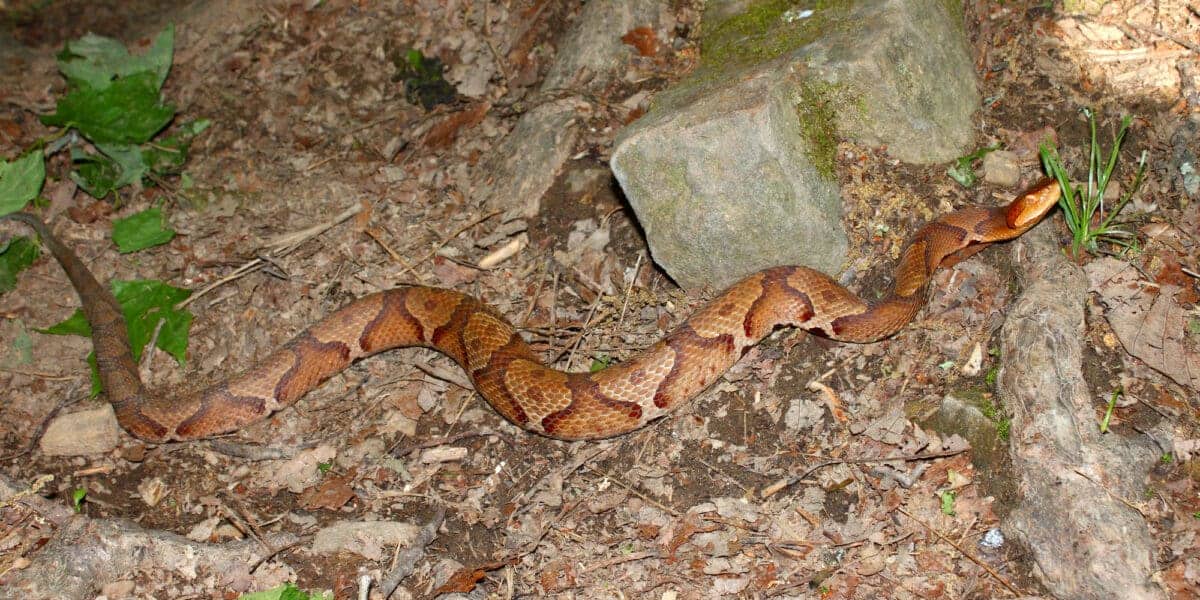
The widely circulated rule that venomous snakes have triangular heads while non-venomous snakes have rounded heads is dangerously oversimplified. While it’s true that many pit vipers (like rattlesnakes and copperheads) have somewhat triangular heads due to their venom glands, numerous exceptions make this an unreliable identification method. Several venomous species, including coral snakes, have rounded heads. Conversely, many non-venomous snakes can flatten their heads when threatened, creating a triangular appearance.
Relying solely on head shape for identification can lead to false confidence or unnecessary fear. More reliable identification factors include the presence of heat-sensing pits between the eyes and nostrils (in pit vipers), pupil shape (though this requires getting dangerously close), color patterns, and overall body shape. The safest approach is to learn the specific venomous species in your area and their distinguishing characteristics, rather than relying on simplified rules that have too many exceptions.
Myth 4 Venomous Snakes Always Have Elliptical Pupils
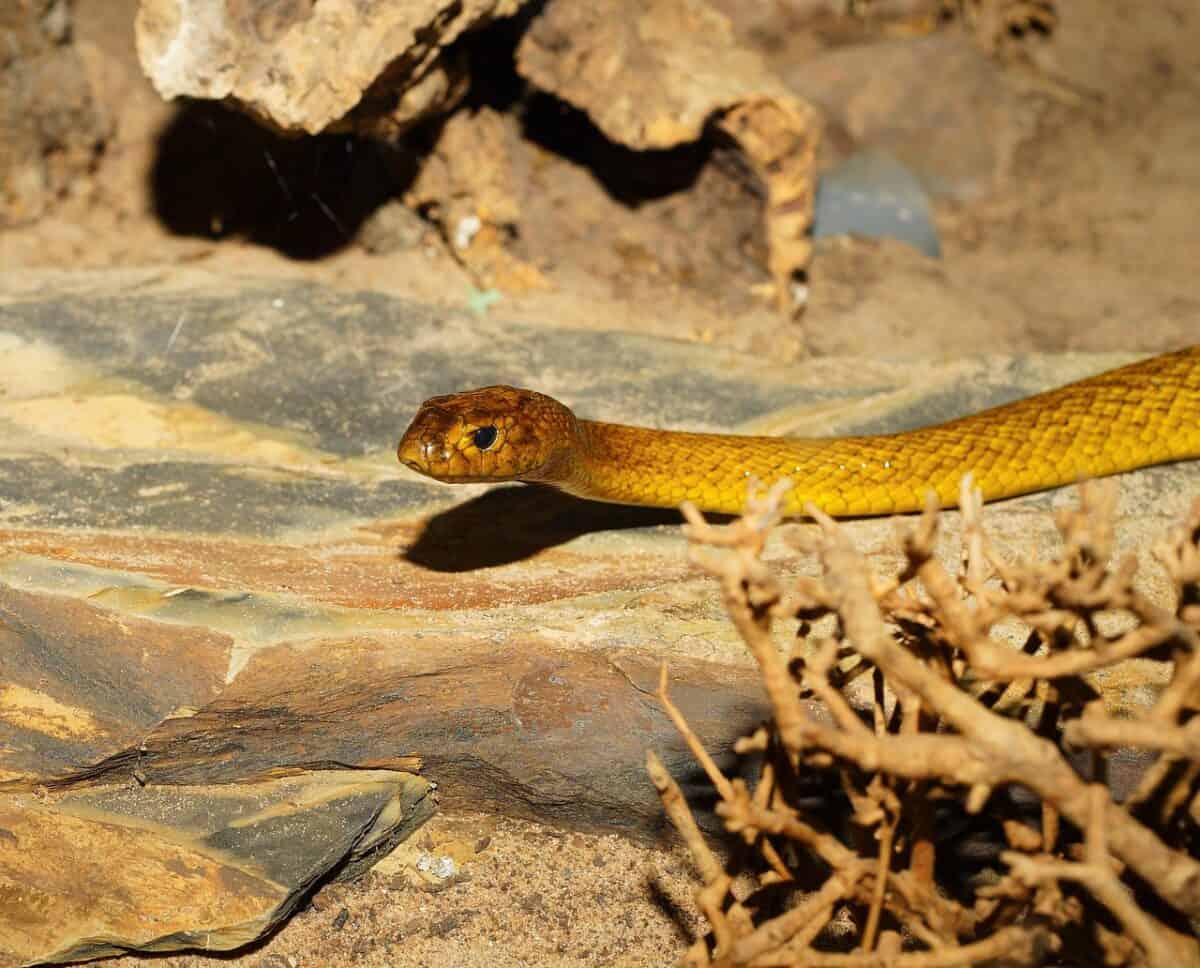
The belief that venomous snakes have elliptical (cat-like) pupils while non-venomous snakes have round pupils is another identification shortcut that doesn’t hold up to scrutiny. While pit vipers in the United States (including rattlesnakes, copperheads, and cottonmouths) do indeed have elliptical pupils, coral snakes—which are highly venomous—have round pupils. Furthermore, many non-venomous snake species around the world, including some boas and pythons, have elliptical pupils.
Pupil shape is more closely related to a snake’s activity patterns than its venom status. Typically, snakes with elliptical pupils are nocturnal or crepuscular (active at dawn and dusk), while those with round pupils tend to be diurnal (active during daylight). Additionally, checking a snake’s pupils requires getting dangerously close, making this an impractical and potentially hazardous identification method. Regional field guides and professional advice provide much safer and more accurate identification resources.
Myth 3 Snakes Must Coil Before Striking

Many people believe that a snake must be coiled to strike, leading to a false sense of security around stretched-out snakes. In reality, while coiling can help a snake generate more force for a longer strike, snakes can strike effectively from many positions. Most species can strike from a straight or slightly curved position, and some can even strike while moving. The strike distance for most U.S. snakes is approximately one-third to one-half of their body length, though some species can reach further.
This misconception can be particularly dangerous when people assume a snake that isn’t coiled poses no immediate threat. A safer approach is to maintain a respectful distance from any snake, regardless of its body position. For venomous species, experts recommend staying at least twice the snake’s body length away. Remember that most snake bites occur when people try to kill, capture, or harass snakes—behaviors that put both the human and snake at unnecessary risk.
Myth 2 Snakes Cannot Cross a Horsehair Rope
The folk belief that snakes won’t cross ropes made of horsehair has persisted for generations, with some campers and outdoor enthusiasts still surrounding their sleeping areas with such ropes for protection. This myth likely originated from observations that snakes sometimes avoid rough surfaces that might damage their scales. However, there’s nothing special about horsehair that repels snakes, and no scientific evidence supports this claim.
Snakes can and will cross horsehair ropes if motivated to do so. Their scales are designed to handle various terrains, from rough rocks to tree bark. While snakes might prefer smoother paths when available, they won’t be deterred by texture alone when seeking food, shelter, or mates. More effective snake deterrents include removing attractions like rodent populations, sealing entry points to buildings, and maintaining a clear perimeter around structures. For camping, a sealed tent on a groundsheet provides much better protection than any rope barrier.
Myth 1 Snake Venom Is Poisonous

While it may seem like semantic nitpicking, there’s an important scientific distinction between “venomous” and “poisonous” that’s often confused in discussions about snakes. Venom is injected or delivered through a specialized apparatus (like fangs), while poison is absorbed, ingested, or inhaled. Snakes that harm through biting are venomous, not poisonous. This distinction matters because the delivery method affects how humans can safely interact with these animals.
In the United States, there are no truly poisonous snakes—only venomous ones. This means their toxins are dangerous when injected into the bloodstream but generally harmless if consumed (though this should never be tested). Some species, like the garter snake, can sequester toxins from their prey (typically toads) and become mildly toxic if handled extensively, but even this doesn’t make them truly poisonous in the scientific sense. Understanding this distinction helps clarify that snakes don’t poison humans through casual contact, which is a common but unfounded fear.
Conclusion:

The belief that rattlesnakes always give a warning rattle before striking has led many hikers and outdoor enthusiasts into a false sense of security. While rattlesnakes do use their distinctive rattle as a warning mechanism when they feel threatened, they don’t always rattle before defensive strikes. A rattlesnake may strike immediately if startled or if it feels the threat is too immediate for warnings. Additionally, in areas where rattlesnakes are heavily persecuted, some populations appear to be rattling less frequently—possibly an evolutionary response to being targeted when they make noise.
Factors like temperature and the snake’s individual temperament also influence rattling behavior

As a little kid, I fell in love with nature, wildlife, and animals. Living in the USA, South Africa, Italy, China and Germany gave me the opportunity to discover the world's Wildlife. My favorite animals are Mountain Gorillas, Siberian Tigers, and Great White Sharks.
I'm a certified PADI Open Water Diver, went to Everest Base Camp and Trekked Gorillas in Uganda. I hold a Master of Science in Economics and Finance.
Please send any feedback to feedback@animalsaroundtheglobe.com
- 10 Surprising Roles Spiders Play in Human Medicine - July 28, 2026
- 10 Animals Scientists Did not Know Existed in the US - July 28, 2026
- 13 Sinkholes That Swallowed Entire Neighborhoods - July 28, 2026