
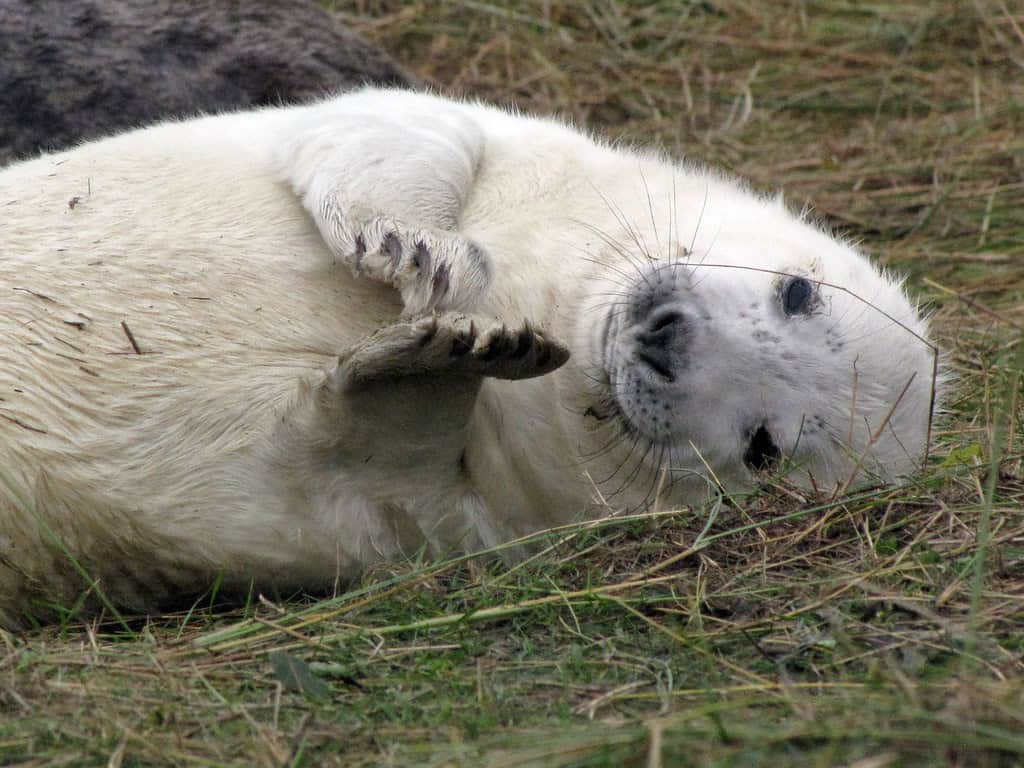
For decades, marine biologists observed seals making clapping motions underwater but struggled to understand the purpose behind this behavior. Many people who have visited aquariums or marine shows have seen trained seals clapping their flippers together above water as part of performances, leading to the misconception that underwater clapping might simply be a playful behavior. However, recent research has revealed that wild seals clap underwater for very specific and strategic reasons unrelated to human entertainment. This natural behavior serves important social and survival functions in their underwater world.
In 2020, researchers from Monash University in Australia published groundbreaking footage in the journal Marine Mammal Science that definitively captured wild grey seals (Halichoerus grypus) clapping their front flippers together underwater without any human training. This discovery prompted further investigation into why these marine mammals engage in this distinctive behavior, proving that underwater clapping is not a learned trick but rather an innate communication method that plays a significant role in seal social dynamics.
A Form of Acoustic Communication

Underwater clapping primarily functions as a form of acoustic communication among seals. When a seal forcefully brings its flippers together underwater, it creates a distinctive sharp, cracking sound that can travel significant distances through the water. Sound travels approximately four times faster in water than in air, making these acoustic signals an efficient communication method in the marine environment. The clapping sound cuts through ambient ocean noise and can be heard by other seals even in visually challenging conditions.
This acoustic signal is particularly valuable in murky waters where visibility is limited or during times when seals need to communicate over longer distances. Unlike their vocalizations, which may blend with other ocean sounds, the distinct percussion of a clap creates a unique sound signature that stands out in the underwater soundscape. This makes clapping an effective way for seals to transmit information to others in their vicinity without relying on visual cues.
Male Dominance Displays

One of the primary reasons male seals clap underwater is to establish and maintain dominance within their social hierarchy. During breeding seasons, male seals become particularly territorial and competitive as they vie for access to females. Research has shown that male grey seals use underwater clapping as an aggressive display toward rival males. The loud, sharp sound serves as a warning signal that communicates strength and dominance, potentially intimidating competitors without the need for physical confrontation.
Dr. David Hocking, the lead researcher who documented this behavior, noted that male seals typically produce these claps during the breeding season when competition is fiercest. The loudness and sharpness of the clap may indicate the physical strength of the male, with stronger seals potentially producing louder claps. This non-violent means of asserting dominance helps minimize actual physical fights, which could result in serious injuries to the competing males, while still effectively establishing the social order.
Attracting Potential Mates
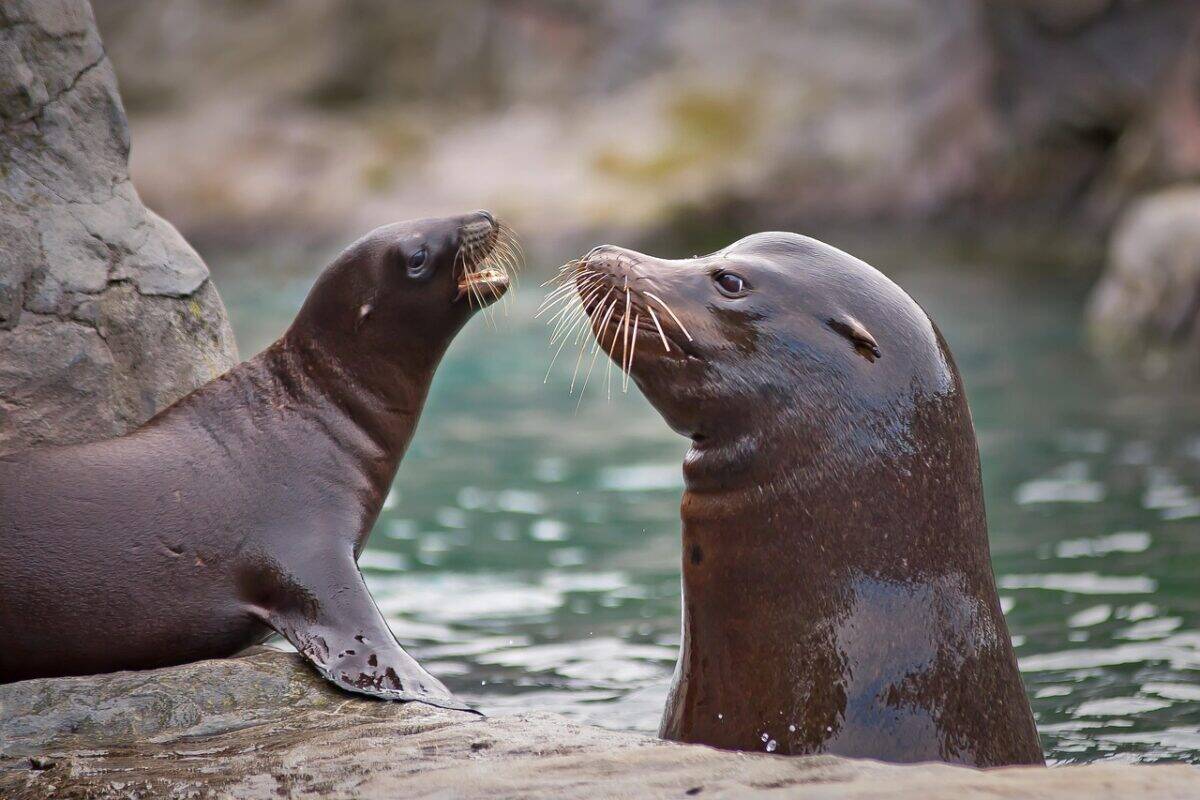
Beyond warning off rival males, underwater clapping also serves as a method for male seals to attract female attention during mating season. Female seals may assess potential mates based on various displays of fitness, with the strength and frequency of clapping potentially serving as one such indicator. A male seal that can produce loud, powerful claps demonstrates his physical prowess and good health—qualities that suggest he would father strong offspring.
The breeding season for many seal species is relatively short and intensely competitive. In this context, males need efficient ways to broadcast their availability and fitness to females across a wide area. The acoustic properties of underwater clapping make it an excellent advertisement mechanism, allowing the sound to reach multiple females simultaneously and travel across distances where visual displays might not be effective. This acoustic display complements other mating behaviors, creating a multi-faceted approach to courtship.
Group Coordination and Communication

Beyond mating contexts, seals may use underwater clapping as a means of group coordination. Researchers have observed instances where clapping appears to signal the start of group movement or alert others to the presence of food sources. In species that hunt cooperatively, this acoustic signal could help coordinate hunting strategies, especially in environments where visual communication is limited due to water clarity or light conditions.
The distinct sound of a clap can also serve as a location beacon, helping group members find each other when separated. Young seals may learn to recognize the specific clapping patterns of their mothers or pod members, using these acoustic signatures to maintain group cohesion in challenging marine environments. This communication method demonstrates the sophisticated social structures that exist among seal populations and how they’ve evolved complex systems for maintaining these structures underwater.
Warning Signals About Predators

Another critical function of underwater clapping is predator warning. When a seal detects a threat such as an orca or shark, it may clap to alert other seals in the vicinity. The distinctive sound cuts through other ocean noise and travels quickly, providing an immediate alert system that can trigger group defensive behaviors. This rapid communication can be the difference between life and death in predator encounters.
The effectiveness of this warning system is enhanced by seals’ natural tendency to respond to sudden, sharp sounds by becoming instantly alert. When one seal claps a warning, others in the vicinity typically respond by changing direction, increasing swimming speed, or seeking shelter. This coordinated response to acoustic warning signals demonstrates the sophisticated social behavior of seals and how their communication systems have evolved to enhance group survival in their challenging marine environment.
Differences Between Species
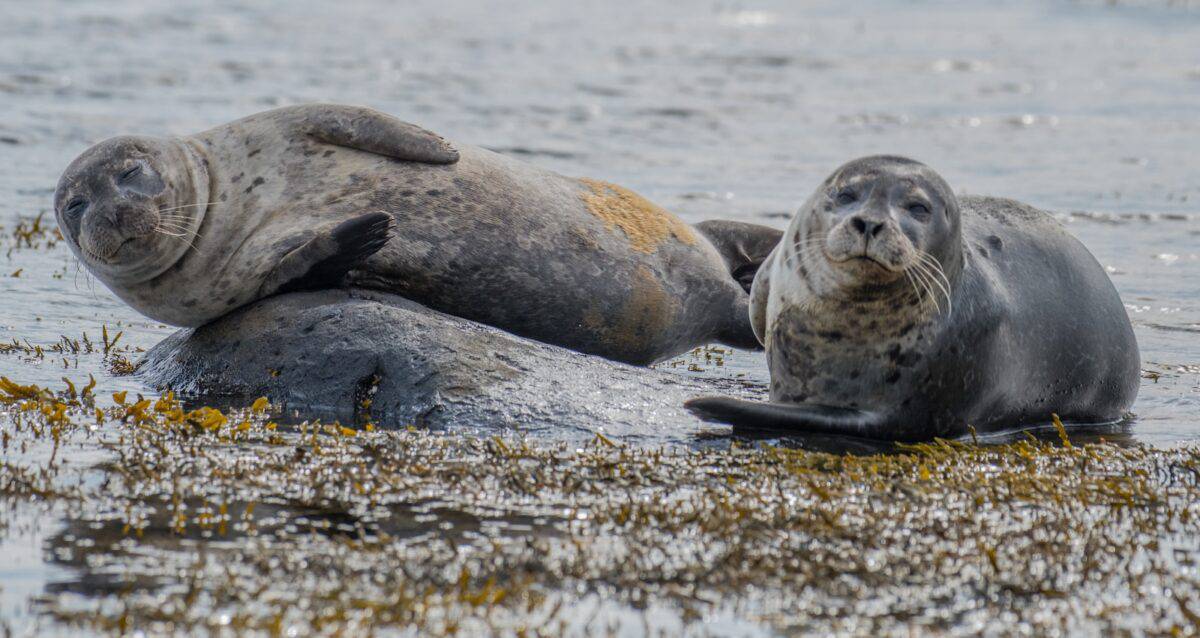
While underwater clapping has been most thoroughly documented in grey seals (Halichoerus grypus), researchers believe this behavior occurs across multiple seal species with different patterns and frequencies. Harbor seals (Phoca vitulina), for example, appear to clap less frequently than grey seals, suggesting variations in communication strategies between species. These differences likely reflect adaptations to specific ecological niches, social structures, and environmental conditions.
Some species may rely more heavily on vocal communications, while others have developed more sophisticated clapping patterns. Elephant seals (Mirounga angustirostris and Mirounga leonina), known for their extreme sexual dimorphism and highly competitive breeding systems, display complex acoustic communication that may incorporate elements of body slapping along with their distinctive vocalizations. The variation in clapping behavior across species provides valuable insights into how different seal populations have evolved unique communication strategies to meet their specific social and environmental challenges.
The Physical Mechanics of Seal Clapping
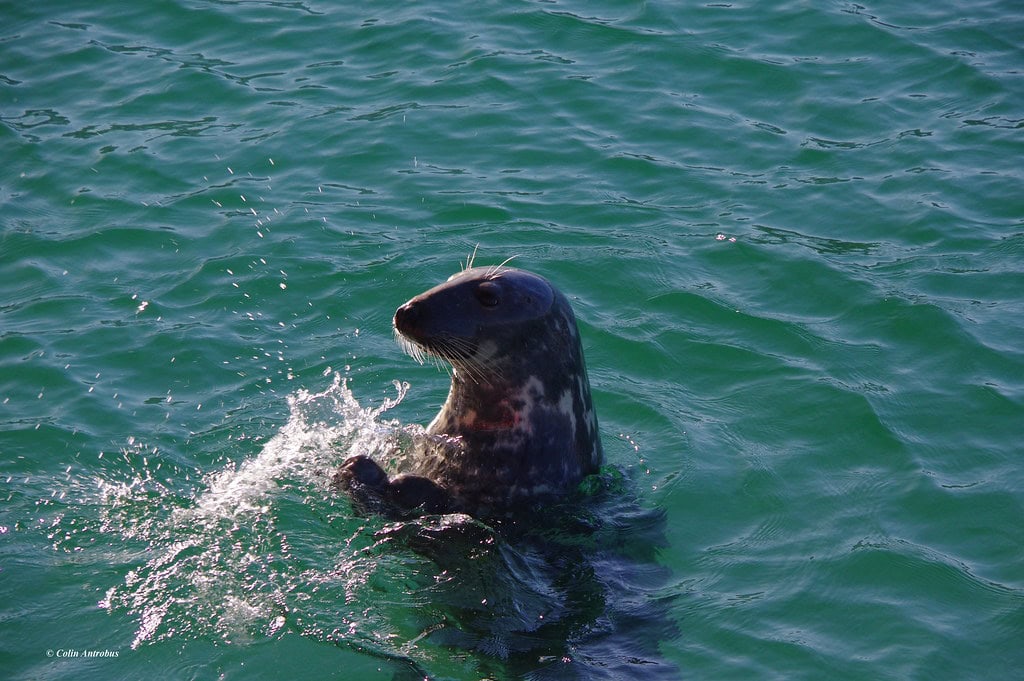
The physical ability of seals to clap underwater is fascinating from a biomechanical perspective. Seals have evolved front flippers with sufficient flexibility and muscular control to forcefully bring them together, generating the sharp, percussive sound. The structure of seal flippers, which contain modified hand bones encased in a streamlined package, provides both the rigidity and surface area needed to produce a loud sound when clapped together underwater.
Slow-motion video analysis has revealed that the most effective seal claps occur when the flippers meet with their broadest surfaces aligned. This maximizes the displacement of water and creates the loudest sound. The force required to overcome water resistance and create a sharp clapping sound is considerable, making this behavior an honest signal of physical condition and strength. The specialized neuromuscular control needed for precise underwater clapping represents yet another remarkable adaptation in these highly evolved marine mammals.
Research Challenges and Discoveries
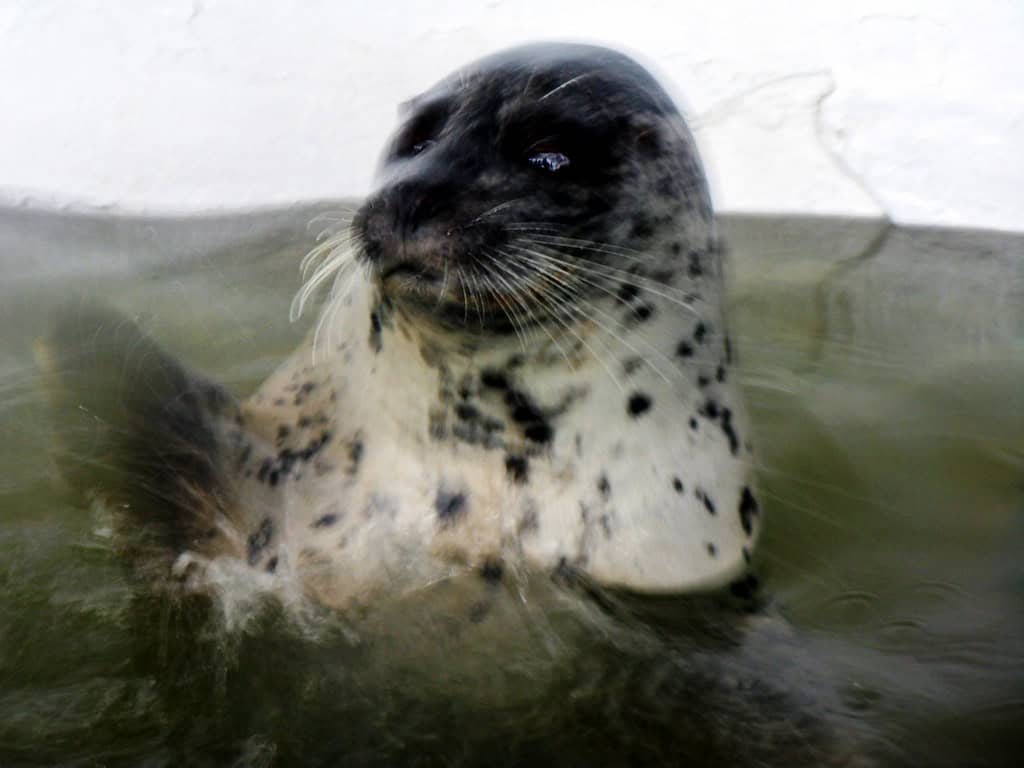
Documenting and studying underwater clapping behavior has presented significant challenges for marine biologists. The behavior often occurs in wild settings where visibility can be limited, and the unpredictable nature of wild seal behavior makes capturing these moments difficult. The breakthrough 2020 study by researchers from Monash University came after years of attempting to document this behavior, highlighting the patience required for marine mammal behavioral research.
Advanced underwater recording equipment has been crucial in these research efforts. High-definition underwater cameras with enhanced low-light capabilities, coupled with sophisticated hydrophones that can capture and isolate specific underwater sounds, have allowed researchers to gather compelling evidence of this behavior. As technology continues to improve, our understanding of underwater clapping and other seal behaviors will likely expand, providing even greater insights into the complex social lives of these marine mammals.
Evolutionary Origins of Clapping
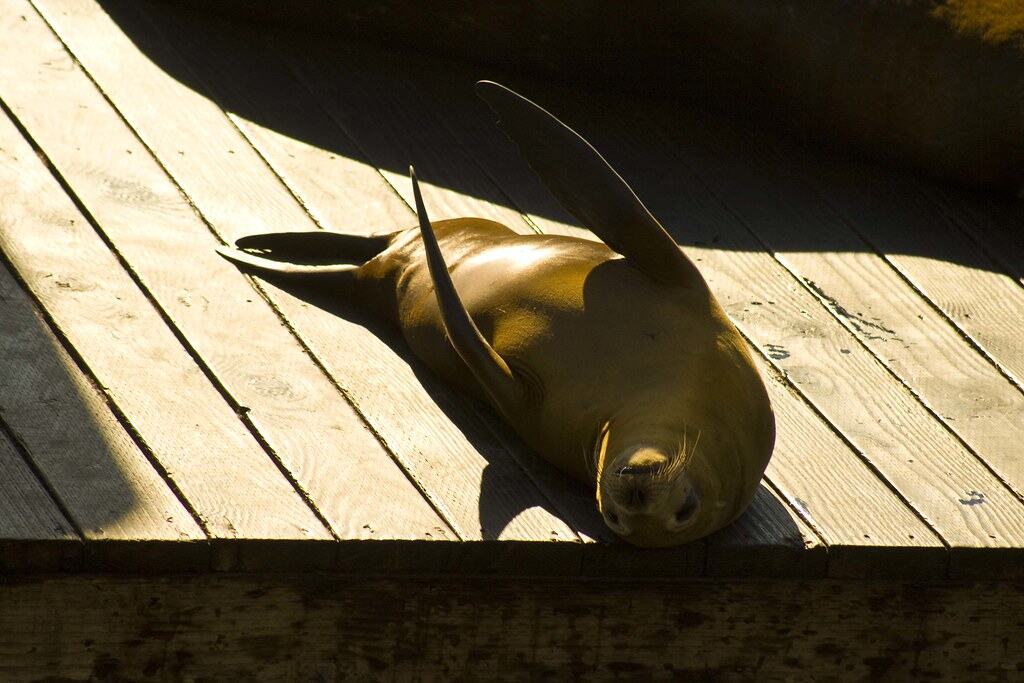
The evolutionary development of underwater clapping represents a fascinating example of behavioral adaptation. Scientists believe this behavior evolved as seals transitioned from terrestrial to marine environments. While many mammal species use acoustic signals for communication, the adaptation of creating percussive sounds underwater represents a specialized evolution that addresses the unique challenges of marine communication.
The benefits of this behavior must have been significant enough to drive its development and retention across generations. The ability to produce a distinctive sound that travels efficiently underwater would have provided immediate advantages in group coordination, mate attraction, and predator warning. This suggests that social communication has been a crucial aspect of seal ecology throughout their evolutionary history. The refinement of this behavior over thousands of generations demonstrates how natural selection can shape not just physical attributes but also complex behavioral traits.
Human Influence and Conservation Implications
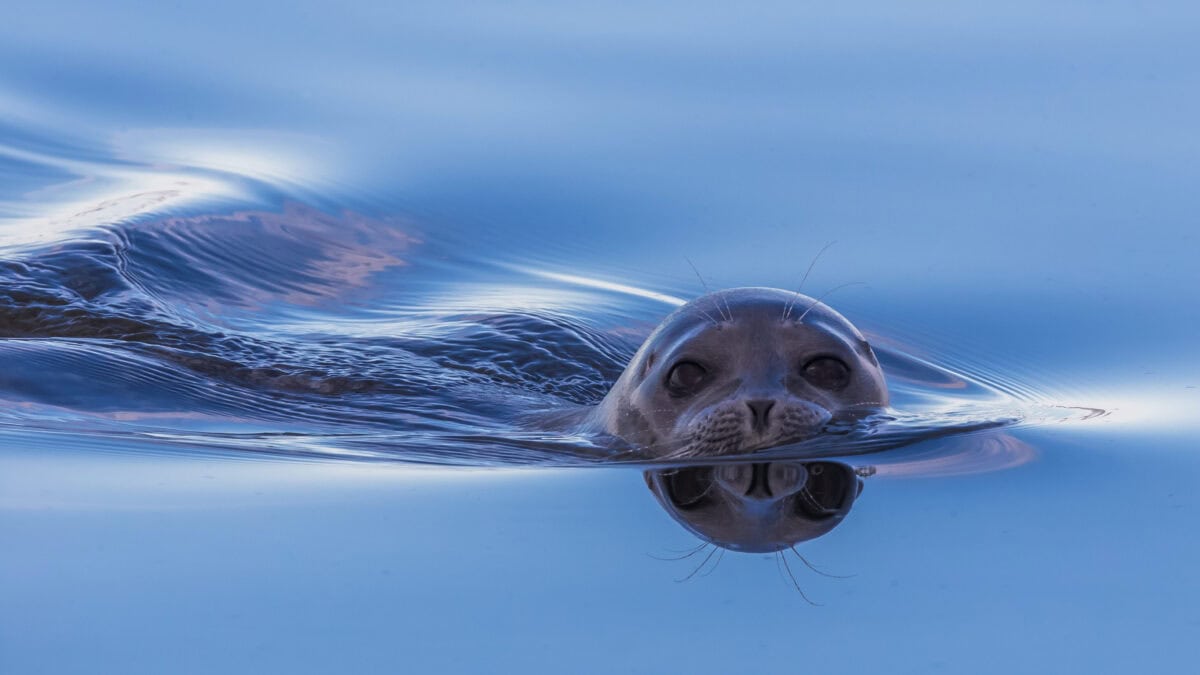
Understanding natural seal communication behaviors like underwater clapping has important implications for conservation efforts. As human-generated ocean noise increases through shipping, offshore construction, and seismic exploration, the acoustic environment in which seals communicate is becoming increasingly cluttered. This noise pollution may interfere with seals’ ability to hear and respond to the clapping signals of their conspecifics, potentially disrupting crucial social interactions.
Conservation efforts that take into account the acoustic ecology of marine mammals are becoming increasingly important. By recognizing the significance of underwater clapping and other acoustic communications, marine protected areas can be designed to limit disruptive noise during critical periods such as breeding seasons. Additionally, regulations regarding underwater noise generation near seal colonies can be developed based on scientific understanding of how these animals communicate. This holistic approach to marine conservation acknowledges that protecting a species requires preserving not just their physical habitat but also their communication environment.
Clapping in Captivity Versus the Wild

There are notable differences between the clapping behavior observed in wild seals and the trained clapping performances seen in captive settings. In captivity, seals are typically trained to clap their flippers above water as part of entertainment shows. This trained behavior mimics human clapping and is reinforced through food rewards. While impressive, this behavior bears little resemblance to the natural underwater clapping observed in wild populations, which serves specific ecological and social functions.
The distinction highlights the importance of studying animal behavior in natural contexts. While captive research provides valuable opportunities for controlled study, understanding the true purpose and significance of behaviors requires observation in the wild. Modern marine mammal facilities increasingly focus on natural behavior encouragement rather than trick training, allowing captive seals to express more of their natural behavioral repertoire. This shift reflects growing recognition that promoting natural behaviors contributes to better welfare for captive marine mammals while also providing more authentic educational experiences for visitors.
Conclusion: The Significance of Seal Clapping Beyond Entertainment

Underwater seal clapping represents far more than the cute trick we’ve come to associate with trained seals in aquariums and marine parks. This natural behavior serves as a sophisticated communication system that helps seals navigate their complex social world, establish dominance hierarchies, attract mates, and warn each other about potential dangers. The discovery and documentation of this behavior in wild populations has transformed our understanding of seal communication and social dynamics.
As research continues, we’re likely to discover even more nuances in how different seal species use clapping in various contexts. This growing body of knowledge not only enriches our appreciation of these remarkable marine mammals but also informs conservation efforts designed to protect their natural behaviors and habitat. Understanding that seals clap for communication rather than entertainment reminds us that marine mammals have rich, complex lives that extend far beyond their interactions with humans.
For scientists, underwater clapping provides a valuable window into the social and cognitive capabilities of seals, challenging us to recognize their sophisticated behavioral adaptations. For the general public, this knowledge transforms our perception of seals from simple performers of human-taught tricks to intelligent animals with their own communication systems and social rules. In this way, the study of natural behaviors like underwater clapping helps bridge the gap between scientific understanding and public appreciation of marine mammal conservation.
As we continue to share our oceans with these remarkable creatures, recognizing and respecting their natural communication methods becomes an essential part of responsible marine stewardship. The next time you see a seal clapping in a marine show, remember that in the wild, their underwater applause serves a purpose far beyond human entertainment—it’s a vital part of their natural communication toolkit that has evolved over millions of years.

- The Strongest Bite Force in the Animal Kingdom Isn’t What You Think - August 8, 2026
- Why the Snow Leopard Remains One of the World’s Most Elusive Predators - August 8, 2026
- This Spider Has the Fastest Attack in the World - August 8, 2026