


Worried about unexpected vet bills?
Pet insurance can cover thousands in unexpected vet costs. Get a free quote from Lemonade in under 2 minutes.
Get My Free Quote →Sponsored · Opens Lemonade.com
Among the many charming behaviors in the animal kingdom, few are as endearing as sea otters wrapping themselves in kelp. This distinctive habit, often captured in photographs that melt hearts worldwide, serves crucial survival functions beyond its apparent cuteness. Sea otters, the smallest marine mammals in North America, have developed this behavior as an ingenious adaptation to their oceanic lifestyle. But what exactly drives these furry marine creatures to cocoon themselves in seaweed? The answer reveals a fascinating intersection of evolution, instinct, and environmental adaptation that has helped these remarkable animals survive for thousands of years in their coastal habitats.
The Anchoring Function of Kelp

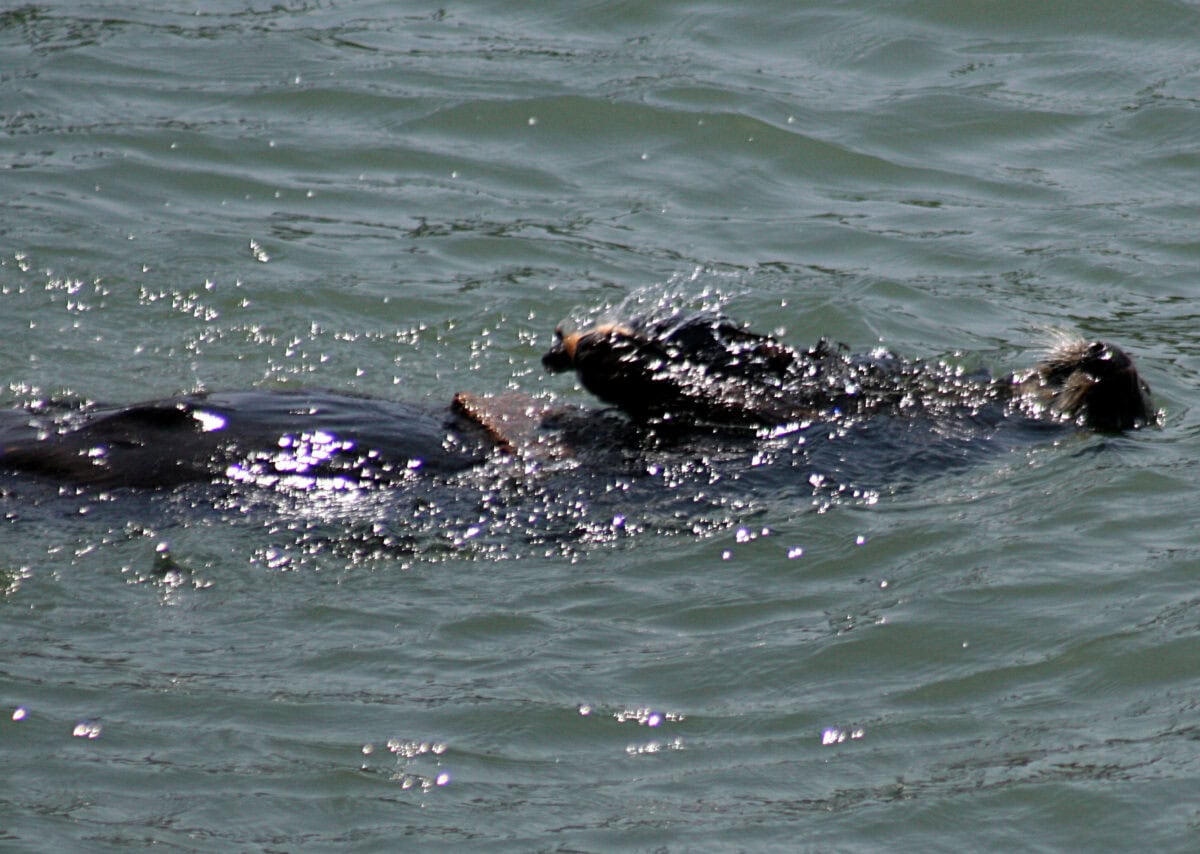
The primary reason sea otters wrap themselves in kelp is remarkably practical: it serves as a natural anchoring system. When sea otters rest or sleep, they face the constant risk of drifting away with ocean currents and tides. By entangling themselves in kelp, these marine mammals effectively create a biological anchor that keeps them from floating away while they sleep. This adaptation is particularly important because sea otters typically sleep floating on their backs at the water’s surface.
The kelp’s strong, flexible structure provides an ideal tethering system. Sea otters wrap strands of kelp around their bodies, sometimes using multiple pieces to create a more secure hold. This natural anchoring mechanism ensures they remain within their home range, even during periods of unconsciousness, preventing them from drifting into unfamiliar or potentially dangerous territories. For creatures that spend nearly their entire lives in the water, this adaptation has proven invaluable to their survival as a species.
Protection During Rest Periods

Sea otters are unique among marine mammals in that they lack the thick blubber layer that insulates other ocean dwellers like seals and whales. Instead, they rely on the densest fur in the animal kingdom—up to one million hairs per square inch—to stay warm. This biological reality means they must rest frequently to conserve energy. During these vulnerable rest periods, kelp wrapping provides an additional layer of protection against potential threats.
When wrapped in kelp, sea otters are less visible to predators like sharks and orcas. The kelp helps break up their silhouette from below, making them harder to spot. Additionally, the physical barrier of kelp can serve as an early warning system—any disturbance to the kelp may alert a sleeping otter to approaching danger. For mothers with pups, kelp wrapping becomes even more critical, as it helps keep their vulnerable offspring from drifting away while the mother dives for food.
Group Stability in “Rafts”

Sea otters are social creatures that often gather in groups called “rafts.” These rafts can contain anywhere from a few individuals to more than 100 otters of the same sex. When forming these rafts, sea otters frequently use kelp as a communal anchoring system. By wrapping themselves in the same kelp beds, they create a more stable social structure that benefits the entire group.
This collective anchoring helps maintain group cohesion during rest periods, storms, or rough seas. It allows the rafts to remain intact despite changing ocean conditions, which in turn enhances social bonding, communication, and collective security. Scientists have observed that otters in these kelp-anchored rafts display reduced stress levels compared to solitary individuals, suggesting that this behavior contributes significantly to their social well-being and overall survival strategies.
Energy Conservation in Cold Waters

Sea otters have an extraordinarily high metabolic rate—about three times higher than mammals of similar size. This rapid metabolism is necessary to maintain their body temperature in cold ocean waters but comes with a significant energy cost. They must consume approximately 25% of their body weight in food daily to meet these energy demands. By wrapping themselves in kelp, sea otters reduce the energy they would otherwise expend to maintain their position in the water.
The kelp wrapping allows them to rest more efficiently, conserving precious energy reserves for hunting and other essential activities. Research has shown that sea otters who regularly anchor themselves in kelp during rest periods can reduce their daily energy expenditure by up to 24%. This energy saving is particularly critical during winter months or in regions with colder water temperatures, where the metabolic demands on sea otters are even greater.
Protection from Harsh Weather Conditions

Coastal environments where sea otters live are often subject to rapidly changing weather conditions. Strong winds can create choppy waters, while storms can generate powerful waves and currents. In these challenging conditions, kelp provides sea otters with essential protection. The flexible yet sturdy structure of kelp forests absorbs much of the ocean’s kinetic energy, creating relatively calmer areas within their boundaries.
When sea otters wrap themselves in kelp during rough weather, they benefit from this natural buffer against the elements. The kelp’s dampening effect on wave action reduces the physical stress on the otters and decreases their risk of being separated from their group or swept into dangerous areas. This weather protection is particularly important for mother-pup pairs, as young otters are especially vulnerable to exhaustion and hypothermia in turbulent waters.
The Evolutionary Development of Kelp Wrapping
The behavior of kelp wrapping didn’t develop overnight but evolved over thousands of years as sea otters adapted to their marine lifestyle. Unlike other marine mammals that evolved from land-dwelling ancestors already adapted for aquatic life, sea otters are descended from river otters that gradually transitioned to coastal and then fully marine environments. This evolutionary path required numerous adaptations, with kelp wrapping emerging as a critical behavior for survival.
Fossil records suggest that modern sea otter species have existed for approximately 1-2 million years, with their kelp-wrapping behavior likely developing as they became increasingly marine-dependent. The behavior appears to be both instinctive and learned—young otters observe their mothers and other adults wrapping in kelp and eventually mimic this behavior. This combination of genetic predisposition and social learning has reinforced kelp wrapping as a fundamental survival strategy across generations of sea otters.
The Unique Relationship Between Kelp Forests and Sea Otters

The relationship between sea otters and kelp forests extends far beyond the otters’ wrapping behavior—it’s a textbook example of ecological interdependence. Sea otters are keystone species in kelp forest ecosystems, meaning they have a disproportionately large effect on their environment relative to their abundance. They help maintain healthy kelp forests by controlling populations of sea urchins, which would otherwise overgraze and destroy kelp beds.
This relationship creates a beautiful symbiosis: sea otters protect the kelp forests by controlling urchin populations, and in return, the kelp provides otters with anchoring, protection, and habitat. Research in areas where sea otters have been reintroduced after local extinction shows dramatic recovery of kelp forests, demonstrating the powerful ecological role these animals play. By wrapping themselves in kelp, sea otters are not only helping themselves but also maintaining their connection to an ecosystem they help sustain.
Geographical Variations in Kelp Wrapping Behavior

Sea otter populations exist across a wide geographical range, from northern Japan through the Kuril Islands, the Kamchatka Peninsula, the Commander Islands, the Aleutian Islands, peninsular and south coastal Alaska, and down the North American west coast to central California. Interestingly, researchers have documented variations in kelp-wrapping behavior across these different populations, suggesting both cultural and environmental influences on this adaptive behavior.
In areas with abundant kelp forests and stronger currents, such as coastal Alaska, kelp wrapping appears more prevalent and elaborate. In contrast, in regions with calmer waters or less abundant kelp, such as some parts of California, otters may engage in this behavior less frequently or with simpler wrapping patterns. These regional differences highlight the adaptability of sea otters and their ability to modify behaviors based on local environmental conditions, demonstrating the sophisticated nature of this seemingly simple behavior.
Threats to Kelp Forests and Sea Otter Wrapping Behavior

Despite the critical importance of kelp forests to sea otters, these marine ecosystems face numerous threats from human activities and climate change. Ocean warming, marine heatwaves, pollution, coastal development, and destructive fishing practices have all contributed to declining kelp forests in various regions. In California, some kelp forests have declined by more than 95% in recent years due to a complex combination of warming waters, sea star wasting disease, and subsequent sea urchin population explosions.
These kelp forest declines directly impact sea otters’ ability to engage in their natural wrapping behavior. Without sufficient kelp, otters must expend more energy to maintain their position, face increased predation risk, and experience more significant stress during rest periods. Conservation efforts aimed at protecting and restoring kelp forests are therefore vital not only for overall marine biodiversity but specifically for preserving this essential sea otter behavior that has evolved over millennia.
Scientific Research and Observation Techniques

Studying sea otter wrapping behavior presents unique challenges for marine biologists. Much of what we know comes from a combination of direct observational studies, remote monitoring, and inference based on the outcomes of these behaviors. Scientists often use shore-based telescopes, small boats with minimal disturbance protocols, underwater cameras, and occasionally time-depth recorders attached temporarily to otters to gather data on their kelp-wrapping habits.
More recent technological advances have enhanced our understanding of this behavior. Drone footage has provided new perspectives on group dynamics during kelp wrapping, while GPS tracking has revealed how consistently individual otters return to specific kelp beds for anchoring. Citizen science has also contributed significantly to our knowledge, with coastal residents and wildlife enthusiasts submitting observations and photographs that help track patterns and changes in kelp-wrapping behavior over time and across different populations.
Cultural Significance and Public Fascination

The image of a sea otter wrapped in kelp has captured the public imagination and become an iconic symbol in marine conservation. This behavior, with its blend of practicality and apparent coziness, humanizes these marine mammals in a way that resonates deeply with people. Conservation organizations frequently use images of kelp-wrapped otters in their outreach materials, finding that this behavior creates an emotional connection that helps promote broader marine protection efforts.
Indigenous peoples along the Pacific coast have long incorporated observations of sea otter behavior, including kelp wrapping, into their cultural knowledge and storytelling. Many tribes consider sea otters to be spiritually significant and include references to their unique behaviors in traditional stories and art. Today, the fascination with sea otters and their kelp-wrapping behavior continues to inspire art, literature, and even design principles in fields ranging from architecture to sustainable product development.
The Continuing Importance of Kelp Wrapping

As we face a future of changing oceans and ecosystems, the kelp-wrapping behavior of sea otters serves as a powerful reminder of the intricate adaptations that have evolved in marine species. This behavior, simultaneously practical and charming, illustrates how even the most seemingly simple animal habits often have complex evolutionary and ecological foundations. For sea otters, kelp wrapping remains as essential today as it has been throughout their evolutionary history, providing safety, energy conservation, social cohesion, and protection that no human-designed solution could replace.
Conservation efforts must therefore focus not just on protecting sea otters themselves but on preserving the kelp forest ecosystems that make their unique lifestyle possible. By understanding and appreciating behaviors like kelp wrapping, we gain deeper insight into the remarkable adaptations that allow species to thrive in specific environments. As we continue to study and protect these fascinating marine mammals, their kelp-wrapping behavior reminds us of the beautiful ingenuity that can emerge from the long dance of evolution and adaptation in our world’s oceans.
Worried about unexpected vet bills?
Pet insurance can cover thousands in unexpected vet costs. Get a free quote from Lemonade in under 2 minutes.
Get My Free Quote →Sponsored · Opens Lemonade.com

From exploring the marine wonders in the Azores and witnessing the vast savannas of Kenya, to delving deep into the rich biodiversity of South Africa and traversing iconic landscapes in Australia and the US like Yellowstone, Chris's experiences are vast.
With a penchant for diving alongside sharks, the ocean holds a special place in his heart.
Through his academic insights, he champions wildlife conservation, striving with 'Animals Around The Globe' to cultivate a profound connection between humans and animals, enhancing our mutual appreciation.
Connect with him at Feedback@animalsaroundtheglobe.com.
- The World’s Smallest Mammal Could Fit on Your Fingertip - June 10, 2026
- How Turtles Use Earth’s Magnetic Field to Navigate Oceans - June 10, 2026
- Turtles as World-Bearers in Indigenous Beliefs - June 10, 2026