


As fireworks light up the night sky and Americans gather to celebrate Independence Day, nature has its own patriotic display that often goes unnoticed. Across the United States, numerous species sport the national colors of red, white, and blue—a living testament to America’s natural heritage. From the dense forests of the Pacific Northwest to the crystal waters of the Florida Keys, these red, white, and blue creatures embody the spirit of American wildlife. This Fourth of July, let’s take a moment to appreciate these naturally patriotic animals that call America home and the conservation efforts that help protect them for future generations to enjoy.
The American Bald Eagle: America’s National Symbol

No discussion of patriotic wildlife would be complete without mentioning the American bald eagle (Haliaeetus leucocephalus). Adopted as the national symbol in 1782, this majestic raptor represents strength, freedom, and the American spirit. With its distinctive white head and tail contrasting against a dark brown body, the bald eagle showcases two of America’s national colors. These impressive birds can have a wingspan of up to 7.5 feet and can spot prey from up to a mile away.
Once endangered due to hunting, habitat destruction, and the pesticide DDT, bald eagles have made a remarkable comeback. Their population has increased from just 417 nesting pairs in the contiguous United States in 1963 to more than 71,400 nesting pairs and an estimated 316,700 individual birds today. This conservation success story exemplifies American perseverance and serves as a reminder of what can be accomplished when we commit to protecting our natural heritage.
The Eastern Bluebird: A Splash of Blue in American Backyards
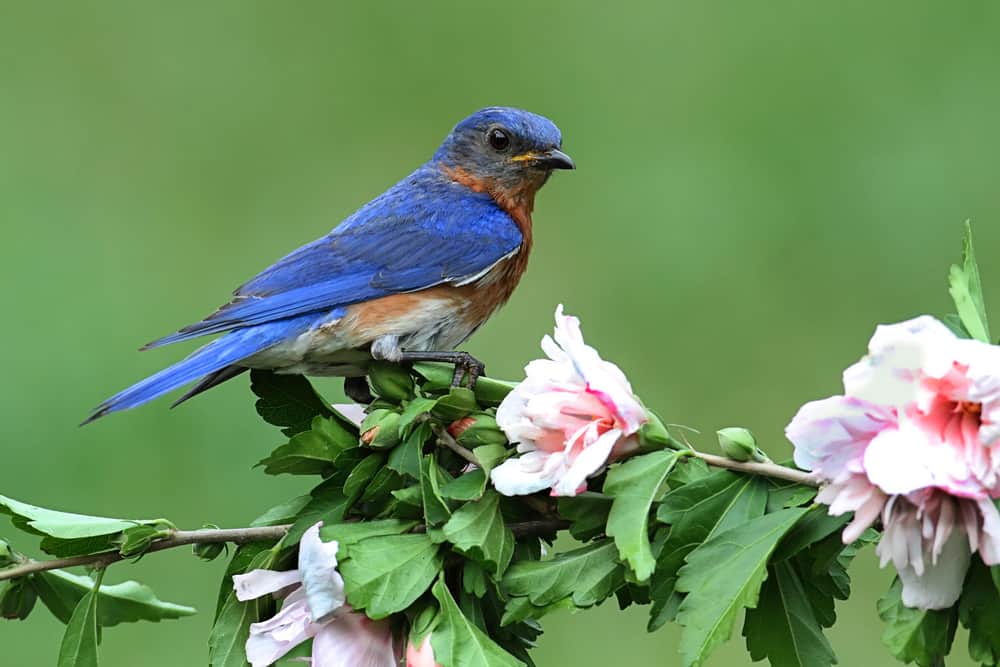
The Eastern bluebird (Sialia sialis) brings a brilliant flash of blue to American gardens and countryside. Males display a vibrant azure-blue back with a rusty red breast, perfectly embodying the red and blue of the American flag. These small thrushes, measuring about 6-8 inches long, are beloved by birdwatchers across the eastern United States for their melodious warbling song and striking coloration.
Eastern bluebirds faced population declines in the early 20th century due to competition from introduced species like European starlings and house sparrows. However, thanks to dedicated conservation efforts, including the installation of thousands of bluebird nest boxes across the country, their numbers have rebounded significantly. Today, these patriotic birds serve as a symbol of successful citizen science and grassroots conservation, with countless Americans participating in bluebird monitoring programs each year.
The Cardinal: A Red Symbol of American Backyard Wildlife

The Northern cardinal (Cardinalis cardinalis), with its brilliant red plumage, is one of America’s most recognizable birds. Named for the red robes worn by Roman Catholic cardinals, these distinctive songbirds are year-round residents across the eastern and central United States. The male’s striking crimson feathers provide a pop of red in winter landscapes, while females display a more subtle reddish-brown coloration with red accents on their crest, wings, and tail.
Cardinals have adapted remarkably well to human development, thriving in suburban environments with mixed vegetation. Their cheerful whistling calls can be heard throughout the year, even in winter when many other songbirds fall silent. Seven U.S. states have designated the cardinal as their state bird, making it the most popular state bird in the nation—a testament to Americans’ affection for this red-feathered favorite that brings the color of the flag right to our bird feeders.
The American Red Squirrel: Small but Spirited

The American red squirrel (Tamiasciurus hudsonicus) may be small in size, but it’s big in personality and patriotic coloration. These feisty rodents sport a rusty red coat on their back and sides, contrasting with a white underbelly. Found primarily in coniferous forests across the northern United States, Alaska, and Canada, red squirrels are known for their territorial nature and impressive vocal repertoire, which includes chatters, trills, and screeches that can be heard throughout their woodland homes.
Unlike their larger gray cousins, red squirrels specialize in harvesting and storing conifer seeds, creating large caches called middens that can contain thousands of cones. These industrious creatures embody the American work ethic, spending summer and fall gathering and storing food for the harsh winter months. Their adaptability and resourcefulness have allowed them to thrive in challenging environments, making them a fitting representative of American resilience in our northern forests.
The Blue Jay: Bold Blue in American Forests
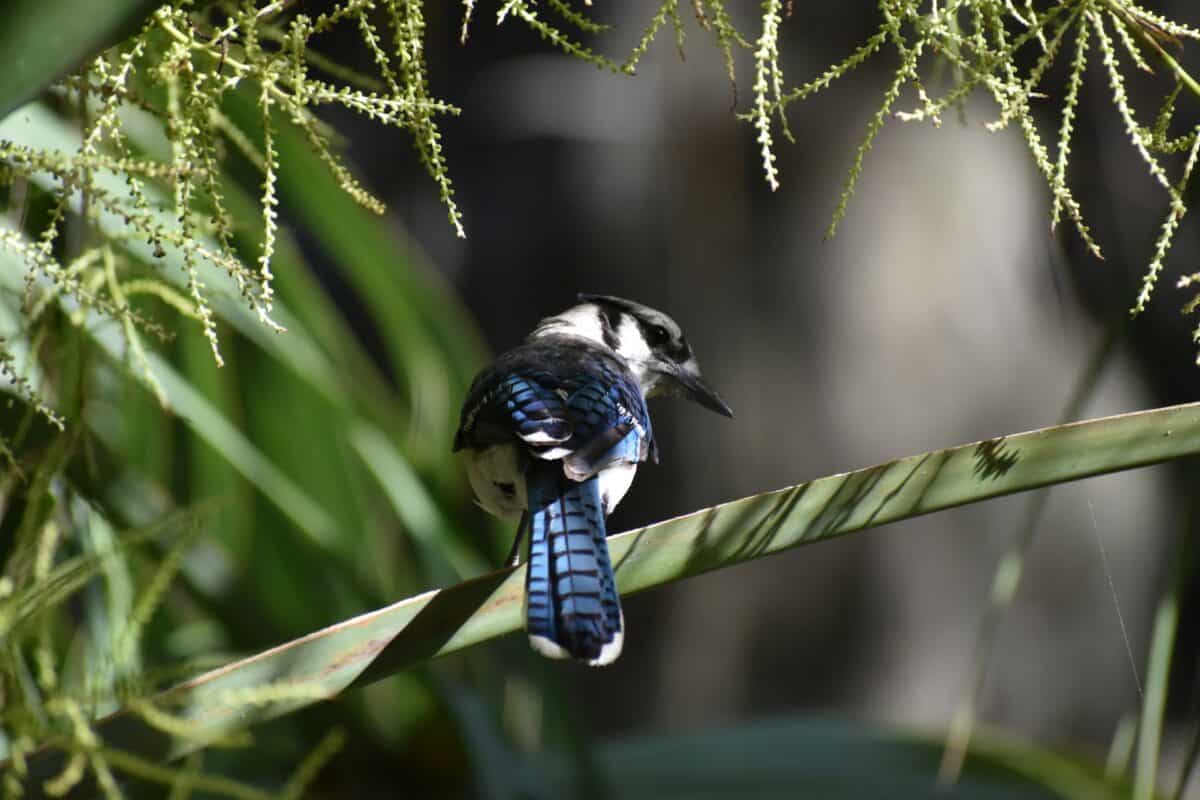
The blue jay (Cyanocitta cristata) brings a striking blue presence to forests and suburbs across eastern and central North America. With its vibrant blue crest, back, and tail, contrasting white chest and face markings, and black necklace, this intelligent corvid displays all three of America’s national colors. Blue jays are known for their complex social systems, diverse vocalizations, and remarkable intelligence, capable of mimicking hawks and even human speech.
While sometimes viewed as bullies at bird feeders, blue jays play crucial ecological roles, including forest regeneration through acorn dispersal. These birds can carry up to five acorns at once—storing them in their throat pouch and bill—and are estimated to plant thousands of oak trees in their lifetime. Their raucous calls serve as an alarm system for other forest creatures, warning of approaching predators. The blue jay’s resourcefulness and adaptability make it a quintessentially American species, thriving in both wilderness and suburban environments.
The American Flag Fish: Patriotism in Aquatic Form
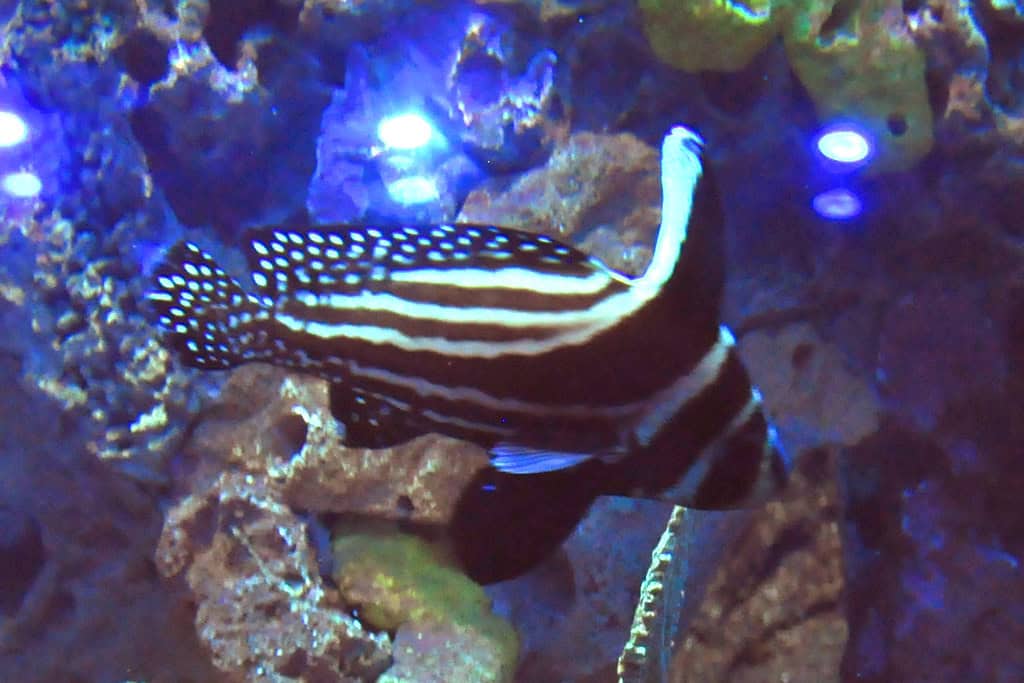
Perhaps no creature embodies American colors more literally than the American flag fish (Jordanella floridae). This small freshwater killifish native to Florida displays all three national colors: males feature bright red and blue vertical stripes on their bodies with white fin accents, creating a pattern reminiscent of the American flag. Growing to just about 2.5 inches in length, these diminutive fish pack a patriotic punch with their distinctive coloration.
Found naturally in slow-moving streams, canals, and marshes of the Florida peninsula, American flag fish are algae eaters that help maintain water clarity in their native habitats. Their popularity in the aquarium trade has made them ambassadors of American wildlife worldwide. Conservation efforts in Florida’s wetlands are crucial for protecting the natural habitat of these uniquely patriotic fish, which face challenges from water pollution, habitat alteration, and climate change.
The White-tailed Deer: America’s Most Recognized Game Animal
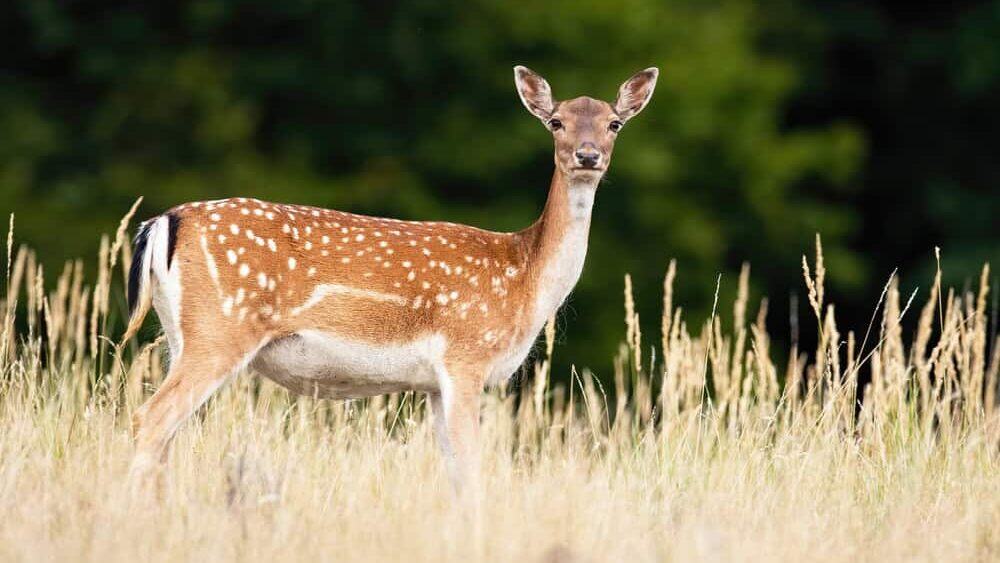
The white-tailed deer (Odocoileus virginianus) contributes the white element to our patriotic wildlife collection. Named for the distinctive white underside of its tail, which it raises like a flag when alarmed, this graceful mammal is found in every U.S. state except Alaska. White-tailed deer played a significant role in American history, providing food, clothing, and tools for Native Americans and early European settlers. Today, they remain the most popular game animal in the country.
A remarkable conservation success story, white-tailed deer have rebounded from near-extirpation in many areas during the early 20th century to sometimes problematic abundance today. Their adaptability to human-altered landscapes has allowed populations to thrive in suburban and even urban environments. The white-tailed deer’s resilience in the face of changing landscapes reflects the adaptive spirit of America itself, making it a fitting patriotic wildlife symbol as we celebrate Independence Day.
The Blue Crab: Coastal Blue Delicacy
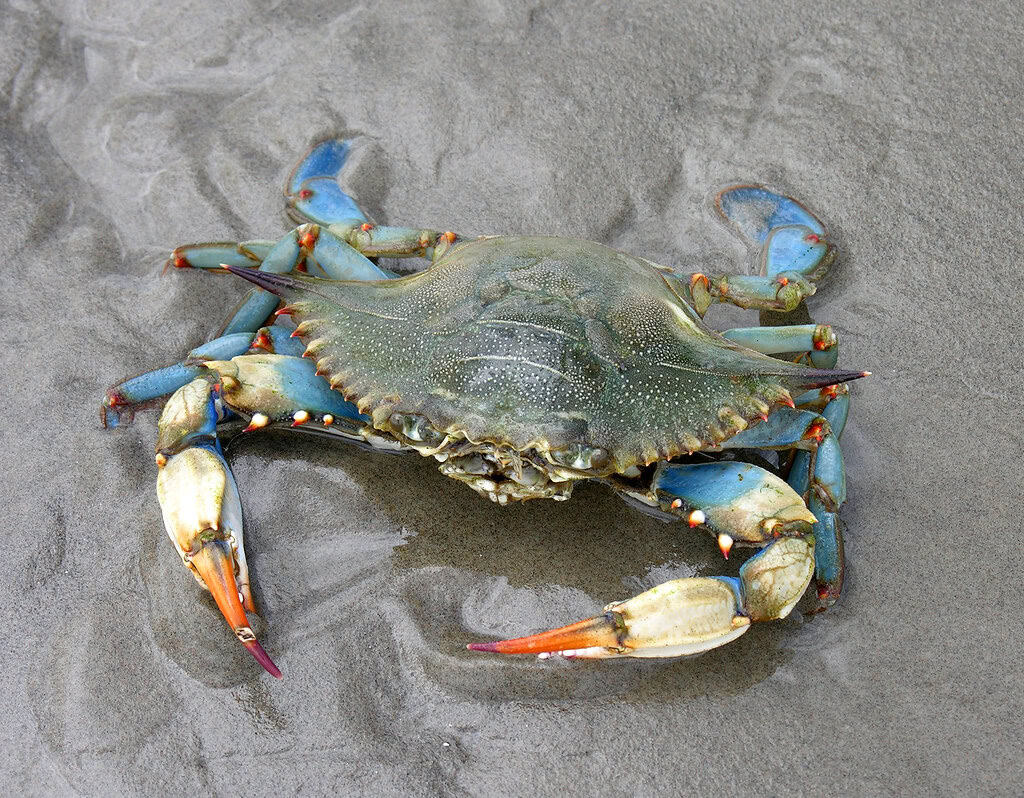
The Atlantic blue crab (Callinectes sapidus) brings patriotic coloration to America’s eastern coastal waters. Named for its sapphire-tinted claws and legs, this commercially important crustacean displays a beautiful blue hue that contrasts with its red-tipped claws and white underbody. Native to the Atlantic coast from Nova Scotia to Argentina, blue crabs are especially associated with the Chesapeake Bay, where they hold cultural and economic significance as Maryland’s state crustacean.
Blue crabs support vital commercial and recreational fisheries along the Atlantic and Gulf coasts, with the Chesapeake Bay producing approximately 50% of the total U.S. harvest. Their lifecycle links freshwater and saltwater ecosystems, as females migrate to the ocean to release their eggs. Conservation efforts focus on maintaining sustainable harvests and protecting critical habitats, including underwater grass beds that provide nursery areas for juvenile crabs. The blue crab’s economic importance and coastal heritage make it a true American treasure with appropriately patriotic coloration.
The Red-spotted Newt: Tricolor Amphibian

The red-spotted newt (Notophthalmus viridescens) is a small amphibian that displays a remarkable color transformation throughout its life cycle. In its juvenile terrestrial stage, known as the red eft, it exhibits a brilliant orange-red body with distinctive red spots bordered by black rings. As it matures into its aquatic adult form, the newt’s color shifts to an olive-green or bluish-green, while maintaining the red spots and developing a pale yellow or white belly—effectively displaying all three patriotic colors at different life stages.
Found in forests and ponds across eastern North America, red-spotted newts have fascinating adaptations, including the ability to regenerate lost limbs and a skin toxin that deters predators. They serve as indicators of ecosystem health, as their permeable skin makes them sensitive to environmental contaminants. On this Fourth of July, these small but remarkable amphibians remind us that America’s natural heritage includes not just iconic species but also the smaller, often overlooked creatures that play vital roles in our diverse ecosystems.
The Western Bluebird: Western America’s Patriotic Songbird
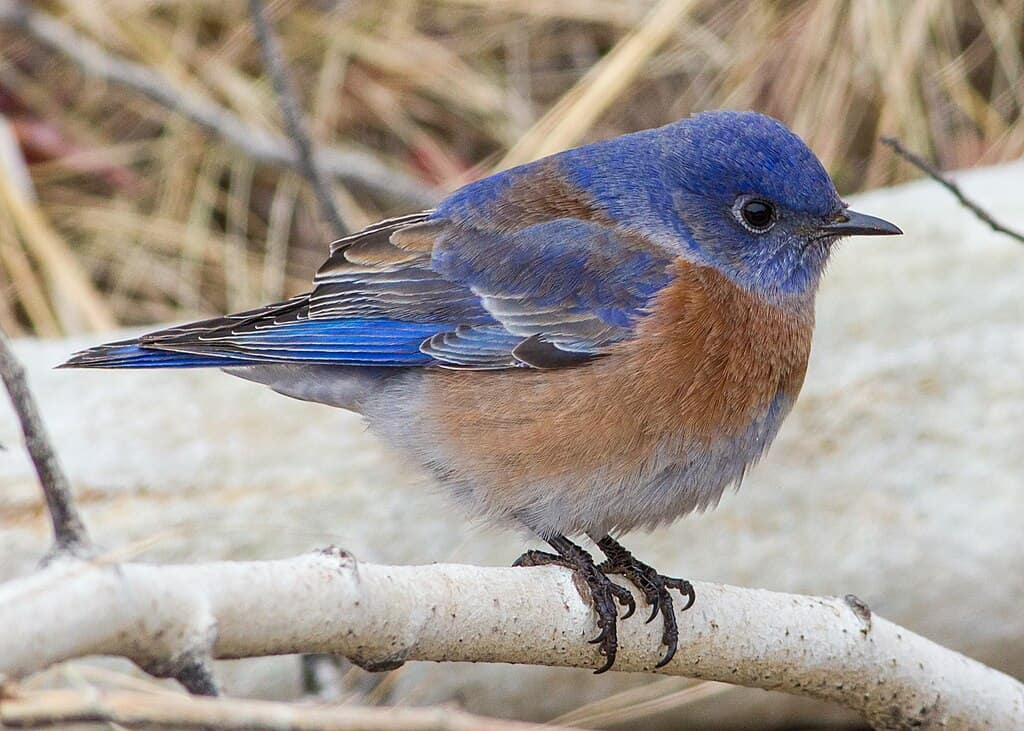
While the Eastern bluebird brightens the eastern states, its cousin the Western bluebird (Sialia mexicana) brings patriotic colors to western landscapes. Males display a vibrant blue head, wings, and tail with a rusty red breast and flanks, creating a perfect red and blue patriotic combination. Slightly smaller than robins, these charming songbirds inhabit open woodlands, farmlands, and suburban areas across the western United States, from British Columbia to Mexico.
Like their eastern relatives, Western bluebirds have benefited from conservation efforts, particularly the installation of nest boxes to compensate for the loss of natural cavities. These birds face competition for nesting sites from introduced species and have experienced population declines due to habitat loss. Community science projects monitoring bluebird trails have helped track their recovery and engage citizens in conservation. Their preference for open habitats with scattered trees reflects the diverse western landscapes that form an essential part of America’s natural heritage.
The American Red Foxes: Rusty Red Mammals
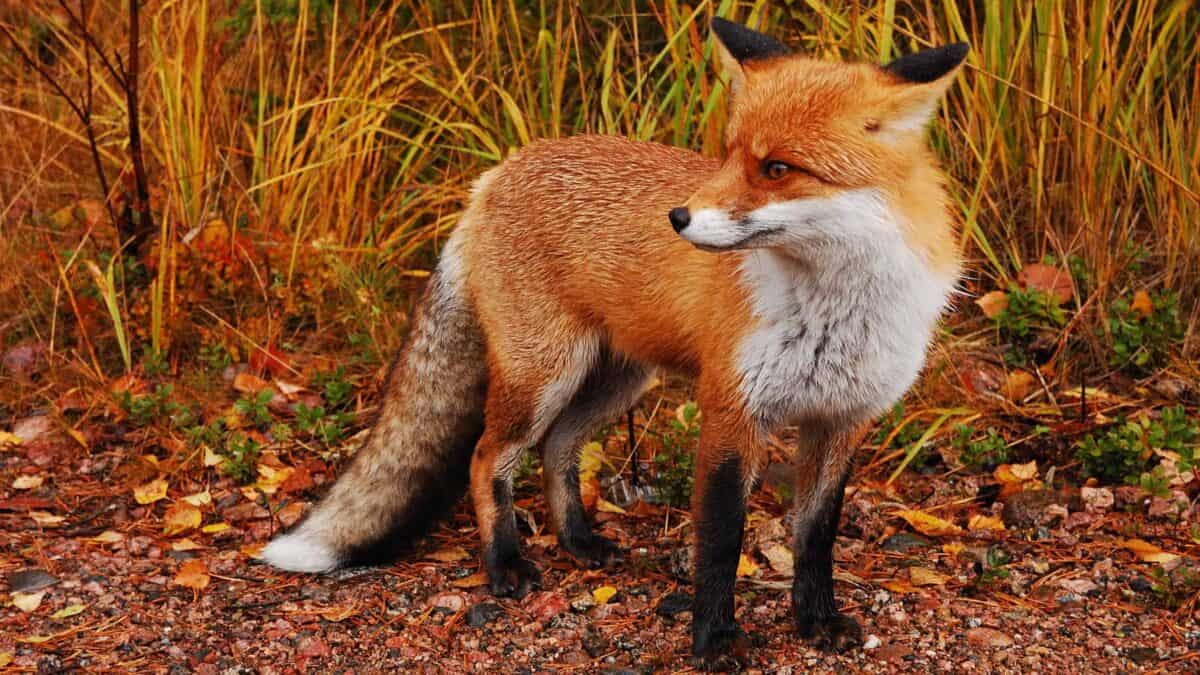
The red fox (Vulpes vulpes) adds a mammalian representation to our patriotic wildlife collection with its rusty red coat, white-tipped tail, and black legs—incorporating two of the three national colors. These adaptable canids are found across North America and have successfully colonized urban and suburban environments, becoming one of the few wild predators that thrive in close proximity to humans. Their intelligence and problem-solving abilities have earned them a reputation as clever tricksters in folklore around the world.
Red foxes display remarkable ecological adaptability, with a diet ranging from small mammals and birds to insects, fruits, and even human food scraps in urban areas. This adaptability has allowed them to expand their range as landscapes change. While sometimes viewed as nuisances when they raid chicken coops or garbage cans, red foxes provide valuable ecosystem services by controlling rodent populations. Their ability to adapt and persist despite centuries of hunting and habitat alteration makes them emblematic of resilience—a quality worth celebrating on Independence Day.
Celebrating and Conserving America’s Patriotic Wildlife

As we celebrate the Fourth of July with fireworks and festivities, taking time to appreciate America’s red, white, and blue wildlife offers a meaningful connection to our natural heritage. These species represent not just patriotic colors but also the diversity, resilience, and beauty of American ecosystems from coast to coast. Many of these animals have survived significant challenges, from near-extinction to habitat loss, demonstrating the same perseverance that we celebrate in our national character.
Conservation of these patriotic species requires ongoing commitment from individuals, communities, and policymakers. Supporting wildlife habitat protection, participating in community science projects, creating wildlife-friendly spaces in our own backyards, and advocating for conservation policies all contribute to ensuring these living symbols of America continue to thrive. This Independence Day, let’s renew our dedication to preserving America’s natural treasures so that future generations can continue to enjoy the red, white, and blue wildlife that makes our nation’s natural landscape as diverse and inspiring as its people.

From exploring the marine wonders in the Azores and witnessing the vast savannas of Kenya, to delving deep into the rich biodiversity of South Africa and traversing iconic landscapes in Australia and the US like Yellowstone, Chris's experiences are vast.
With a penchant for diving alongside sharks, the ocean holds a special place in his heart.
Through his academic insights, he champions wildlife conservation, striving with 'Animals Around The Globe' to cultivate a profound connection between humans and animals, enhancing our mutual appreciation.
Connect with him at Feedback@animalsaroundtheglobe.com.
- Red, White, and Blue: Patriotic Wildlife to Celebrate the Fourth - July 12, 2026
- Real Animal Survival Tactics Compared to Movie Myths - July 12, 2026
- Would You Support Banning Zoos for Endangered Species - July 12, 2026
Leave a comment
You must be logged in to post a comment.