


The swift fox, a small, nocturnal canid native to the short and mixed-grass prairies of North America, has become a focal point for conservation efforts across the Midwest. Once abundant throughout the Great Plains from Canada to Texas, this charismatic species experienced a dramatic population decline in the 20th century, disappearing from an estimated 60% of its historical range. Today, the swift fox represents not just a species in recovery, but a symbol of the prairie ecosystem’s health and resilience. Its conservation status highlights broader concerns about grassland habitat loss, agricultural expansion, and the delicate balance of predator-prey relationships in America’s heartland. This article explores why the swift fox has become a priority for Midwest conservation efforts, examining its ecological significance, historical decline, current status, and the collaborative initiatives working to ensure its survival for generations to come.
The Swift Fox: A Prairie Icon
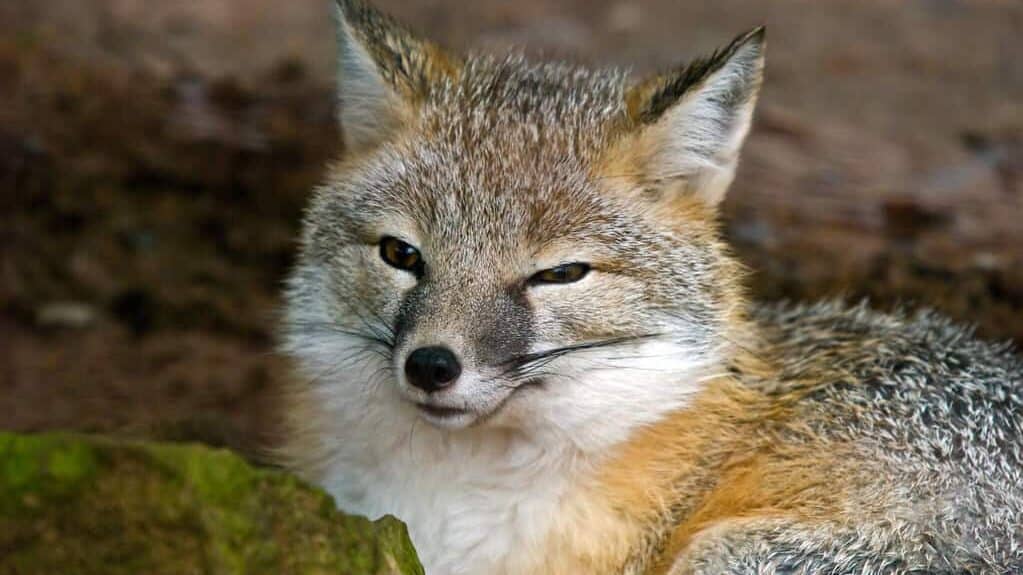
The swift fox (Vulpes velox) is one of North America’s smallest canid species, weighing just 4-7 pounds and standing about 12 inches tall at the shoulder. Named for their remarkable speed—they can reach up to 30 miles per hour—these foxes are perfectly adapted to life on the open prairie. Their sandy-brown or gray-tan coloration provides excellent camouflage against the grassland backdrop, while their compact size allows them to utilize abandoned badger or prairie dog burrows for denning and shelter from extreme weather conditions.
Unlike many other fox species, swift foxes are primarily nocturnal and crepuscular (active at dawn and dusk), though they may occasionally be spotted during daylight hours. They form monogamous pairs that often mate for life, with both parents participating in rearing their young. As an integral part of the prairie ecosystem for thousands of years, the swift fox has evolved alongside American bison, pronghorn, and prairie dogs—species that collectively shaped the landscape of the Great Plains through their interdependent relationships.
Historical Range and Decline
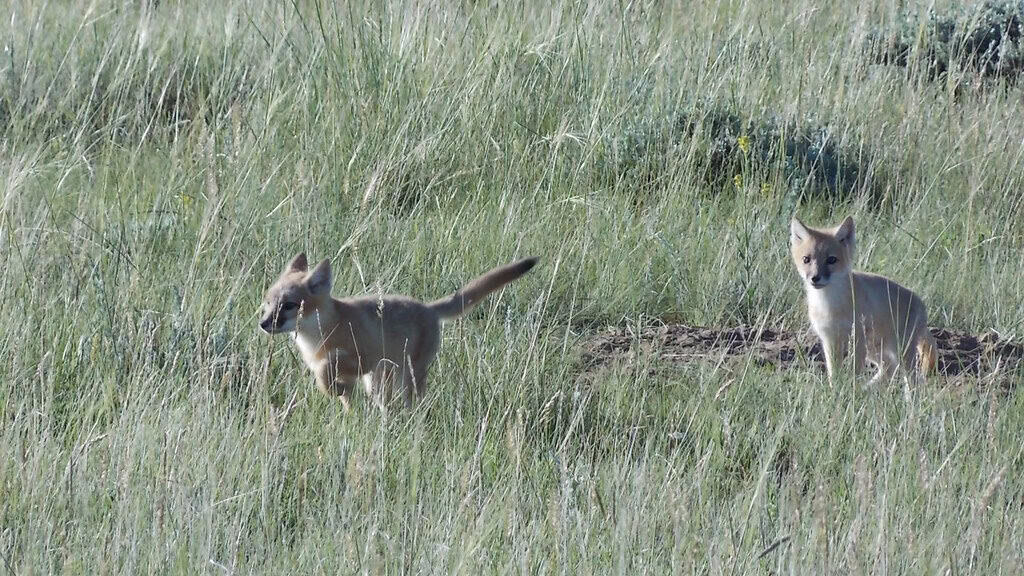
Before European settlement, swift foxes ranged widely across the short and mixed-grass prairies from southern Alberta and Saskatchewan in Canada through Montana, the Dakotas, Wyoming, Nebraska, Kansas, Colorado, Oklahoma, New Mexico, and Texas. This vast range corresponded closely with the expanse of native prairie ecosystems that once dominated the center of North America. Historical accounts from early explorers and naturalists suggest that swift foxes were once common throughout this range, with some reports describing them as “abundant” across the Great Plains.
The decline of the swift fox began in the late 1800s and accelerated through the mid-20th century, driven by multiple factors. Large-scale conversion of native prairie to cropland eliminated vast stretches of suitable habitat. Predator control programs targeting wolves and coyotes inadvertently decimated swift fox populations through poisoning, trapping, and shooting. By the 1950s, swift foxes had been extirpated from much of their northern range and were considered extinct in Canada by 1978. In the United States, their populations became fragmented and isolated, persisting primarily in portions of Wyoming, Colorado, Kansas, Oklahoma, New Mexico, and Texas.
Ecological Significance as a Keystone Species
Swift foxes play a crucial role in the prairie ecosystem as both predator and prey, making them what ecologists consider a “keystone species”—one that has a disproportionately large effect on its environment relative to its abundance. As predators, swift foxes help control populations of small mammals such as mice, voles, and ground squirrels, which can become agricultural pests when their numbers grow unchecked. Their diet also includes insects, particularly grasshoppers and beetles, helping to maintain the balance of invertebrate communities that support prairie plant diversity.
Equally important is the swift fox’s role as prey for larger predators such as coyotes, golden eagles, and badgers. This position in the food web creates natural checks and balances that help regulate predator-prey dynamics across the prairie ecosystem. Swift foxes also interact with other grassland species in ways that enhance biodiversity—their abandoned dens provide shelter for other wildlife, and their foraging activities contribute to seed dispersal. This ecological significance makes swift fox recovery not just about saving a single species, but about restoring functional, healthy prairie ecosystems.
Indicator of Prairie Ecosystem Health

Conservation biologists consider the swift fox an important indicator species for prairie ecosystem health. Because these foxes require relatively intact grassland habitats with short to mixed-grass prairie vegetation, their presence or absence can signal the overall condition of the prairie ecosystem. Areas that support stable swift fox populations typically exhibit greater biodiversity, more natural ecological processes, and less fragmentation than areas where the species has disappeared. By monitoring swift fox populations, scientists can gauge the success of broader conservation efforts aimed at restoring native prairie landscapes.
The relationship between swift foxes and black-tailed prairie dogs provides a compelling example of this indicator role. Prairie dog colonies create habitat features beneficial to swift foxes, including short vegetation that allows for better predator detection and abandoned burrows that foxes can modify for denning. Research has shown that swift fox populations often thrive in areas with active prairie dog colonies, making the fox a secondary indicator of prairie dog ecosystem health as well. This interconnectedness highlights why species-specific conservation often expands to benefit entire ecological communities.
Current Conservation Status
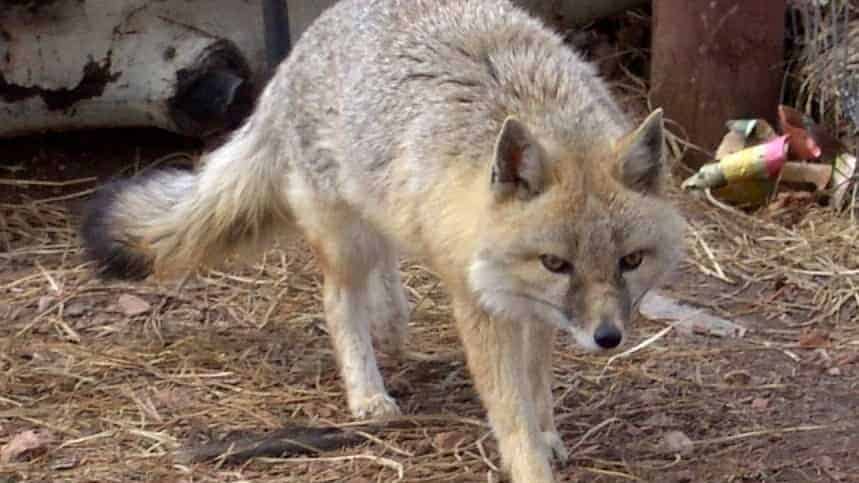
The swift fox currently holds varying conservation statuses across its range, reflecting both regional recovery efforts and continuing challenges. In the United States, the swift fox was considered for listing under the Endangered Species Act in the 1990s but was ultimately designated as “warranted but precluded,” meaning that while protection was justified, other species had higher priority. Today, it remains a species of conservation concern in most states within its range. In Nebraska, for example, the swift fox is listed as a Tier 1 At-Risk Species in the State Wildlife Action Plan, while in South Dakota, it’s classified as a threatened species.
In Canada, successful reintroduction efforts beginning in the 1980s led to the swift fox being downlisted from “extirpated” to “endangered” in 1998, and then to “threatened” in 2009—a rare conservation success story. Current population estimates suggest there are approximately 7,000-10,000 swift foxes remaining across their entire range, with the most stable populations in Colorado, Kansas, and Wyoming. While this represents a significant recovery from their lowest numbers, swift foxes still occupy only about 40% of their historical range in the United States and less than 3% in Canada, underscoring the continuing need for conservation attention.
Habitat Loss and Fragmentation Challenges

The primary threat to swift fox populations continues to be habitat loss and fragmentation. The conversion of native prairies to cropland has been extensive throughout the Midwest and Great Plains—by some estimates, more than 70% of the original tallgrass prairie, 40% of mixed-grass prairie, and 30% of shortgrass prairie have been transformed for agricultural use. This massive landscape change has left swift foxes with fragmented habitat patches that may not be large enough to support viable populations. Research indicates that swift foxes typically require large areas of contiguous prairie habitat—at least 5-10 square miles—to maintain sustainable populations.
Infrastructure development compounds this fragmentation problem. Roads, energy development (including oil, gas, and wind), and expanding urban areas create barriers to swift fox movement and increase mortality risks. Roads are particularly problematic; studies have shown that swift foxes rarely cross highways with moderate to high traffic volumes, effectively isolating populations on either side. The cumulative impact of these fragmentation effects means that even when suitable habitat patches exist, they may be functionally unavailable to swift foxes if they cannot safely travel between them. This is why conservation strategies increasingly focus on habitat connectivity and wildlife corridors in addition to habitat preservation.
Reintroduction Efforts and Success Stories
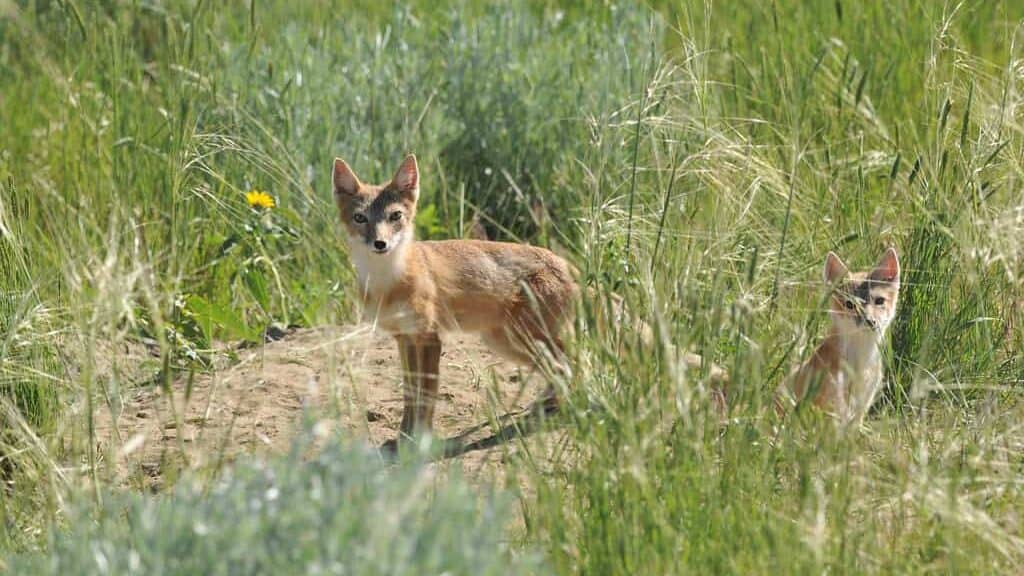
One of the most encouraging aspects of swift fox conservation has been the success of reintroduction programs. The most notable example comes from Canada, where swift foxes had been completely extirpated by the 1930s. Beginning in 1983, a cooperative effort between Canadian wildlife agencies, U.S. partners, and conservation organizations began reintroducing captive-bred foxes to southern Alberta and Saskatchewan. By 2009, these efforts had established a self-sustaining population of approximately 500-1,000 individuals in Canada, allowing the species to be downlisted from “endangered” to “threatened” status—a remarkable recovery for a species once declared extinct in the country.
Similar reintroduction successes have occurred in portions of the American Midwest. In South Dakota, swift foxes were reintroduced to the Bad River Ranch and surrounding areas beginning in 2002, establishing new populations in areas where they had been absent for decades. In Nebraska, the Winnebago Tribe has partnered with conservation organizations to reintroduce swift foxes to tribal lands, combining wildlife recovery with cultural restoration. These programs demonstrate that with proper habitat management and protection from human-caused mortality, swift foxes can successfully recolonize areas of their former range, bringing ecological benefits back to these prairie ecosystems.
The Role of Private Landowners
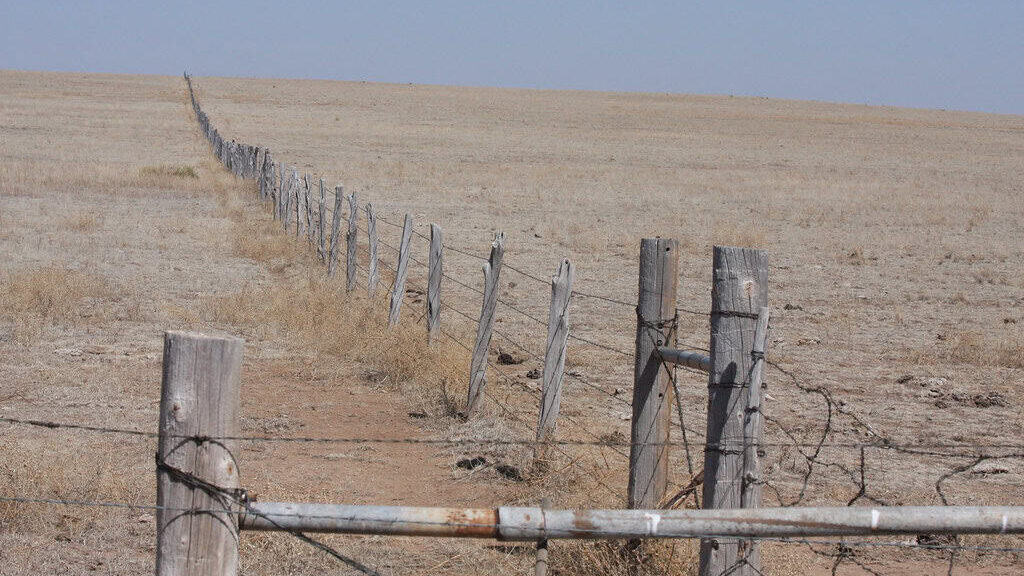
With approximately 90% of remaining prairie habitat in private ownership, the engagement of farmers and ranchers is crucial to swift fox conservation. Unlike conservation in areas dominated by public lands, Midwest prairie conservation depends heavily on voluntary participation by private landowners. Fortunately, several programs have emerged to facilitate this partnership. The USDA’s Conservation Reserve Program (CRP) provides financial incentives for landowners to convert environmentally sensitive agricultural land back to native vegetation, creating potential swift fox habitat. Similarly, conservation easements allow landowners to protect their property from future development while maintaining ownership and limited use rights.
Innovative “working lands” approaches recognize that properly managed cattle grazing can be compatible with—and sometimes beneficial to—swift fox habitat. Traditional ranching practices often maintain the short to mixed-grass conditions that swift foxes prefer, unlike intensive crop agriculture. Organizations like the American Prairie Reserve in Montana are pioneering conservation models that integrate wildlife protection with sustainable ranching operations. These collaborative approaches acknowledge the economic realities faced by landowners while advancing conservation goals, creating a pathway for swift fox recovery that works with, rather than against, the human communities that share the landscape.
Predator Dynamics and Management Considerations
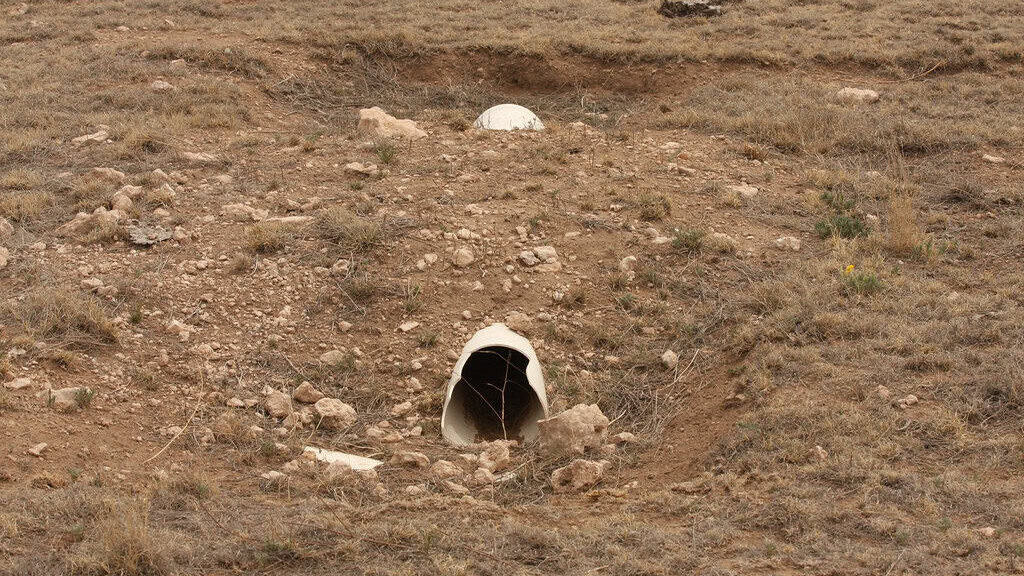
The relationship between swift foxes and other predators, particularly coyotes, presents a complex conservation challenge. Coyotes are both competitors and predators of swift foxes, with studies suggesting that coyote predation can account for up to 80% of swift fox mortality in some areas. Historically, wolf populations would have naturally limited coyote numbers, but with wolves largely eliminated from the Midwest and Great Plains, coyote populations have increased and expanded their range. This mesopredator release effect—where the removal of top predators allows mid-sized predators to increase—has potentially negative consequences for smaller predators like the swift fox.
Conservation managers must carefully navigate these predator dynamics. While predator control programs targeting coyotes might seem beneficial for swift foxes in the short term, such interventions can have unintended consequences for ecosystem function. Instead, many conservation initiatives focus on providing sufficient habitat complexity—including adequate denning sites and escape cover—to allow swift foxes to coexist with coyotes. Research has shown that in areas with plentiful prairie dog colonies or complex burrow systems, swift foxes can better evade coyote predation. This ecosystem-based approach addresses predation pressure without disrupting natural predator-prey relationships.
Climate Change Implications

Climate change presents emerging challenges for swift fox conservation in the Midwest. The Great Plains region is projected to experience more extreme weather events, including severe droughts and intense rainfall periods, potentially affecting the prey base that swift foxes depend on. Changes in precipitation patterns could alter vegetation structure in ways that make habitat less suitable for these prairie specialists. Some climate models predict an expansion of woody vegetation into grassland ecosystems, which would disadvantage swift foxes that prefer open, short-grass environments.
Addressing these climate-related threats requires forward-thinking conservation strategies. Creating larger, connected habitat reserves provides species like the swift fox greater resilience to adapt to changing conditions. Maintaining and restoring native prairie plant communities with diverse species compositions improves ecosystem resilience to climate fluctuations. Conservation planners are increasingly incorporating climate change projections into their work, identifying and protecting areas that might serve as climate refugia—locations where suitable conditions for swift foxes are likely to persist even as regional climates change. This proactive approach acknowledges that effective conservation must address not only current threats but anticipate future challenges as well.
Collaborative Conservation Initiatives

The recovery of the swift fox has become a model for collaborative conservation across jurisdictional boundaries. The Swift Fox Conservation Team, formed in 1994, brings together wildlife agencies from the ten states within the species’ historical range, plus federal agencies, tribal representatives, and non-governmental organizations. This team coordinates monitoring efforts, shares research findings, and develops range-wide conservation strategies. Their collective approach has helped standardize survey methods, identify priority conservation areas, and track population trends across state lines—essential for a species whose range spans multiple jurisdictions.
Tribal nations have also emerged as important partners in swift fox conservation. The Fort Belknap Indian Community in Montana, the Lower Brule Sioux Tribe in South Dakota, and the Winnebago Tribe in Nebraska have all incorporated swift fox recovery into their wildlife management plans. These initiatives often integrate traditional ecological knowledge with western scientific approaches, recognizing the cultural significance of the swift fox to Indigenous communities. Non-profit organizations like the World Wildlife Fund, Defenders of Wildlife, and The Nature Conservancy provide additional support through land acquisition, habitat restoration, and public education campaigns. This diverse coalition demonstrates how conservation succeeds when multiple stakeholders find common ground in protecting shared natural heritage.
The swift fox stands as both a conservation challenge and an opportunity for the Midwest region. Its recovery represents more than just the restoration of a single species—it symbolizes the potential for healing our prairie ecosystems and reconnecting fragmented landscapes. The collaborative efforts currently underway demonstrate that with dedicated resources, science-based management, and cross-boundary cooperation, species once pushed to the brink can begin the journey toward recovery. However, this journey remains incomplete, with swift foxes still absent from significant portions of their historical range.
Looking forward, the success of swift fox conservation will depend on balancing human land use needs with ecological imperatives. It will require continued investment in research to better understand how swift foxes respond to changing landscapes and climate conditions. Most importantly, it will necessitate sustained engagement with the communities that share the landscape with these small but significant prairie dwellers. By prioritizing the conservation of the swift fox, Midwest states are not merely protecting a charismatic mammal—they are committing to a vision of restored prairie ecosystems that benefit wildlife and people alike for generations to come.
The swift fox—quick, adaptable, and resilient—embodies the very qualities that conservation efforts themselves must possess to succeed in our rapidly changing world. As we work to ensure this prairie icon maintains its place on the landscape, we also secure a more sustainable future for the Midwest’s natural heritage and the diverse communities, both human and wild, that depend on healthy grassland ecosystems.

- 21 Scary Creatures You Might Run Into While Hiking In The U.S - June 3, 2026
- The Difference Between Turtles and Tortoises—Explained - June 3, 2026
- What Makes Owls the Silent Predators of the Night? - June 3, 2026