


The United States celebrates its diverse wildlife through official state emblems, symbols, and designations that represent each state’s natural heritage. From the majestic bald eagle to the industrious honeybee, these animal symbols tell a story about regional identity, cultural values, and ecological significance. Some creatures appear repeatedly across different states, demonstrating their widespread importance throughout American history and ecosystems. This comprehensive exploration reveals the 14 animals that appear most frequently in official state symbols across America, including state birds, mammals, insects, and even aquatic life. Understanding these emblematic creatures offers insight into our nation’s relationship with its natural environment and the values each state chooses to represent itself.
The Ubiquitous Bald Eagle

The bald eagle stands as America’s most recognizable national symbol, appearing on the Great Seal of the United States and serving as the national bird since 1782. Beyond its federal significance, the bald eagle has been adopted as the state bird of Washington (1951) and is featured on numerous state seals, flags, and emblems. Alaska, Illinois, Iowa, Michigan, New York, Oregon, Pennsylvania, Utah, and Virginia all incorporate the bald eagle into their official iconography in some form.
The bald eagle’s popularity stems from its perceived characteristics of strength, freedom, and longevity. After nearly becoming extinct in the continental United States during the 20th century due to hunting and DDT poisoning, the bald eagle made a remarkable recovery following conservation efforts and the banning of DDT. This comeback story resonates with American values of resilience and rebirth, further cementing the eagle’s place in state symbolism. Interestingly, despite its prevalence in state emblems, only two states have designated it as their official bird, preferring to acknowledge its national significance while selecting more regionally distinctive avian representatives.
The Western Meadowlark Bird of the Plains
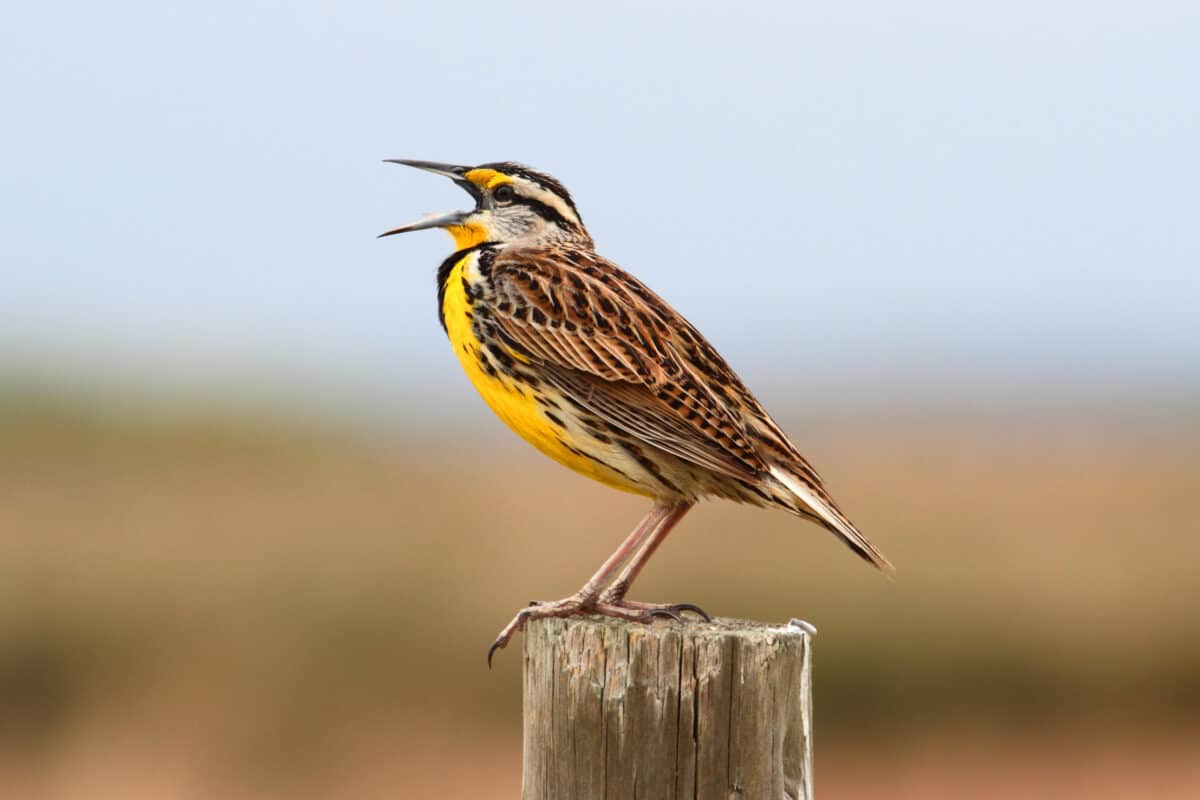
The western meadowlark (Sturnella neglecta) holds the distinction of being the official state bird for six states: Kansas, Montana, Nebraska, North Dakota, Oregon, and Wyoming. This makes it the most frequently designated state bird in America, reflecting its widespread presence across the western and central United States. With its bright yellow breast adorned with a distinctive black “V” marking and melodious flute-like song, the meadowlark has captivated residents of prairie and agricultural states for generations.
The western meadowlark’s popularity as a state symbol can be attributed to its visibility and cultural significance in agricultural communities. As a ground-nesting bird of open grasslands, the meadowlark thrived in the prairie ecosystems that dominated much of the central United States. When states began adopting official birds in the early 20th century, many western states chose this recognizable songbird that farmers and ranchers encountered daily. Its cheerful presence in agricultural settings and its tendency to sing from prominent perches made it a beloved symbol of the American heartland. The meadowlark’s selection by multiple states also reflects the shared ecological heritage of the Great Plains region.
The Industrious Honeybee

The European honeybee (Apis mellifera) appears as an official state insect or agricultural symbol in 18 states, making it one of the most widely adopted animal emblems. Arkansas, Georgia, Kansas, Louisiana, Maine, Mississippi, Missouri, Nebraska, New Jersey, North Carolina, Oklahoma, South Dakota, Tennessee, Utah, Vermont, West Virginia, and Wisconsin have all designated the honeybee as their state insect, while Kentucky recognizes it as an agricultural insect emblem. This widespread adoption reflects the honeybee’s economic importance and symbolic resonance with American values.
States have embraced the honeybee as a symbol for multiple reasons beyond its crucial role in agriculture through pollination. The honeybee’s perceived industriousness, social cooperation, and productivity align with American ideals of hard work and community. The organized structure of beehives, with their efficiency and order, has long served as a metaphor for an ideal society. Additionally, honey production represents one of humanity’s oldest agricultural relationships with the natural world. Many state legislatures specifically mentioned these symbolic qualities when adopting the honeybee, noting how its characteristics mirror the desired attributes of their citizens—diligence, cooperation, and productivity in service to the greater community.
The White-tailed Deer America’s Most Common Large Mammal
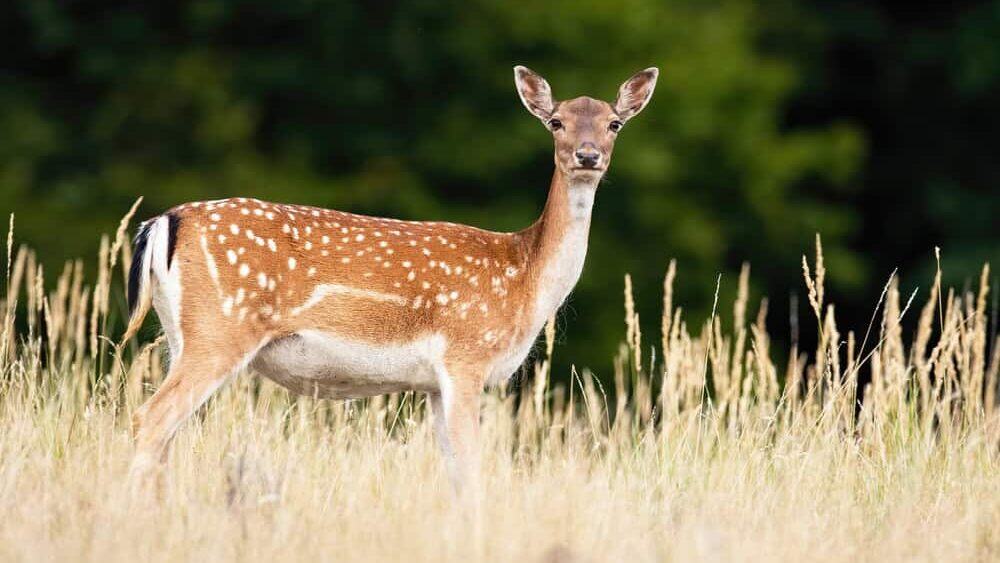
The white-tailed deer (Odocoileus virginianus) serves as the official state mammal or game animal for ten states: Arkansas, Illinois, Michigan, Mississippi, Nebraska, New Hampshire, Ohio, Oklahoma, Pennsylvania, and South Carolina. This widespread recognition makes it the most frequently designated state mammal in America. The white-tailed deer’s prevalence in state symbolism reflects its ubiquity across the American landscape, its economic importance to hunting and wildlife tourism, and its cultural significance dating back to pre-colonial times.
Native to much of the continent, white-tailed deer populations have actually increased with human development as fragmented forests and suburban landscapes provide ideal edge habitat. This adaptability has allowed the species to thrive even as other large mammals declined. Beyond its ecological presence, the white-tailed deer holds deep cultural significance. For indigenous peoples, deer provided essential resources, while European settlers likewise depended on venison. Today, deer hunting generates billions in economic activity annually across these states. Many state legislatures cited the deer’s beauty, grace, and historical significance when adopting it as an official symbol, noting how the species has witnessed the entirety of American history while continuing to thrive despite landscape changes.
The Northern Cardinal The Red Bird of Eastern States
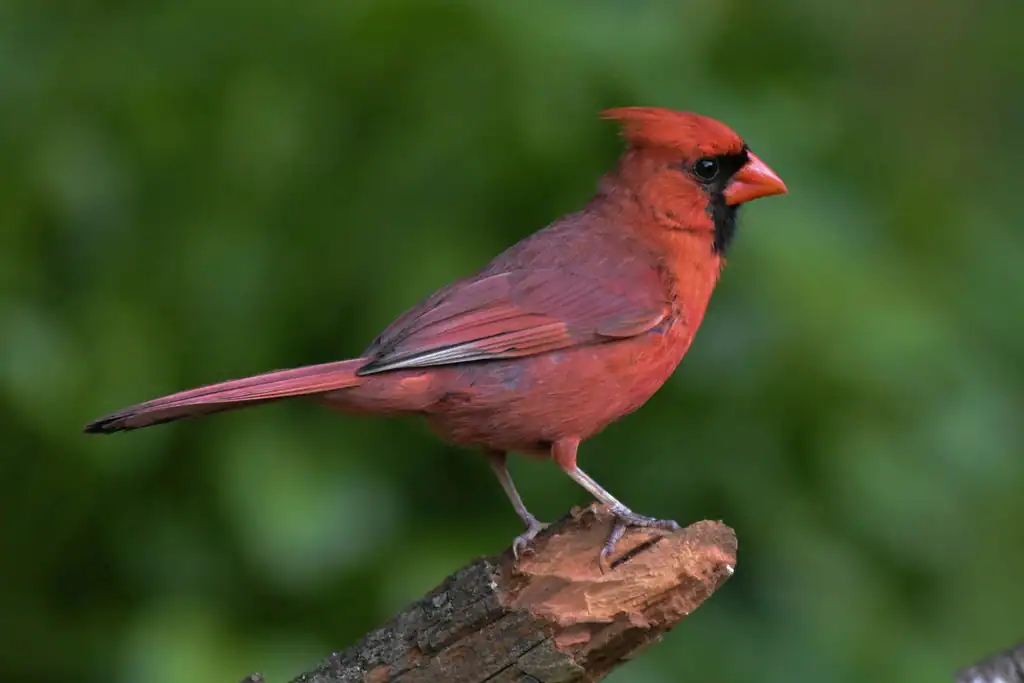
The northern cardinal (Cardinalis cardinalis) holds the distinction of being the official state bird for seven states: Illinois, Indiana, Kentucky, North Carolina, Ohio, Virginia, and West Virginia. This makes it the second most commonly designated state bird after the western meadowlark. With its brilliant red plumage (in males), distinctive crest, and clear whistling song, the northern cardinal has captivated residents of eastern and midwestern states for generations, earning it widespread symbolic recognition.
The cardinal’s popularity as a state emblem stems from several factors. Its year-round residence in these states, rather than migrating seasonally, creates a sense of permanent association with the landscape. The bird’s bright coloration provides a welcome splash of color during dreary winter months, leading to its frequent appearance in regional art, literature, and folklore. Cardinals are also relatively comfortable around human habitation, making them familiar visitors to backyard feeders and urban parks. When eastern states began selecting official birds in the 1920s and 1930s, the cardinal was a natural choice for many legislatures, representing a beloved and recognizable species that remained present throughout the year, symbolizing permanence and fidelity to place.
The American Black Bear Symbol of Wilderness
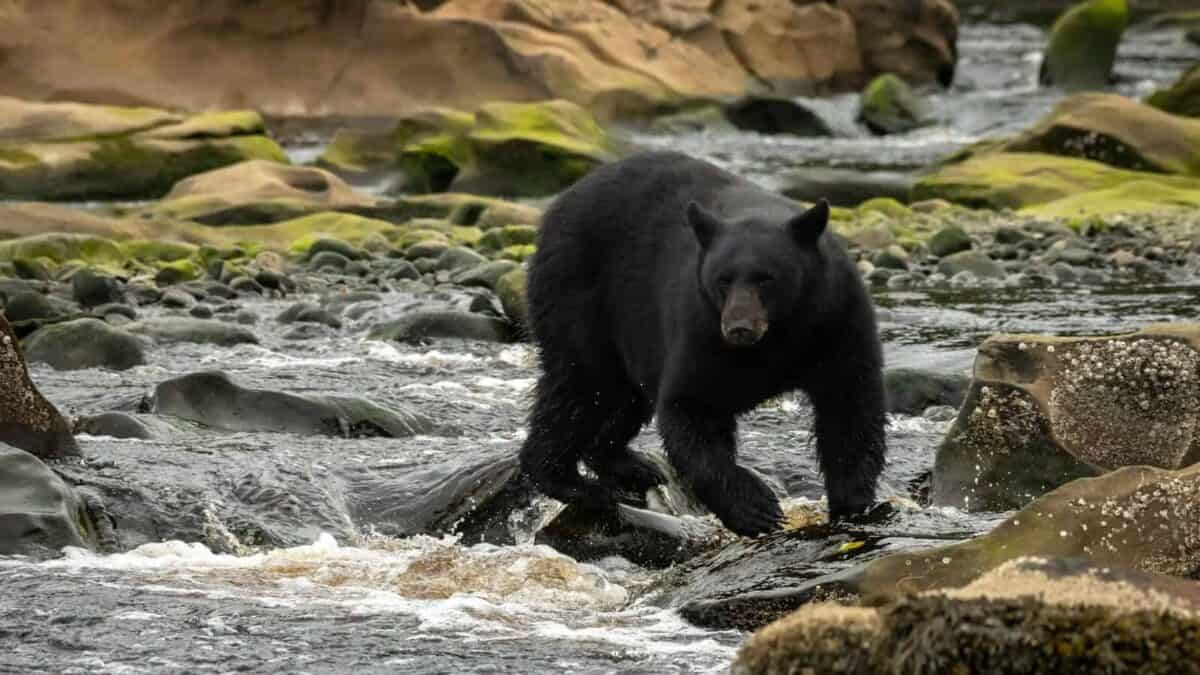
The American black bear (Ursus americanus) serves as the official state mammal or animal for eight states: Louisiana, Maine, New Mexico, New York, North Carolina, Oklahoma, West Virginia, and Wyoming. This widespread adoption makes it one of the most frequently recognized large mammals in state symbolism. Despite its name, the American black bear can actually vary in color from jet black to cinnamon brown and even white in some coastal populations, adapting to various habitats across North America.
The black bear’s prominence in state emblems reflects its historical and cultural significance across diverse regions of the country. For many states, the bear represents the enduring wilderness that defined the American frontier experience. Unlike the now-extinct eastern cougar or regionally extirpated gray wolf, the adaptable black bear has maintained populations throughout most of its historical range, even as human development expanded. Many state legislatures cited the bear’s intelligence, adaptability, and symbolic connection to wilderness when adopting it as an official emblem. The black bear also features prominently in indigenous folklore and art across North America, adding cultural depth to its symbolic value. As conservation concerns grow, the bear increasingly represents successful wildlife management and coexistence between humans and large carnivores.
The Eastern Bluebird Harbinger of Happiness
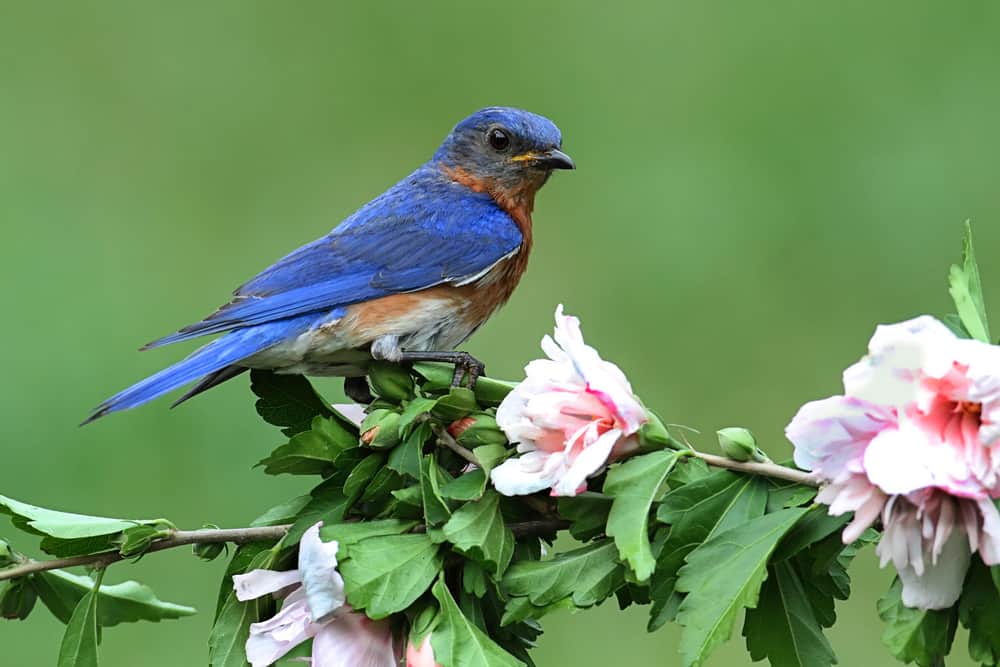
The eastern bluebird (Sialia sialis) serves as the official state bird for seven states: Missouri, New York, and Nevada have designated it their state bird, while it appears on emblems, seals, or as secondary avian symbols in Connecticut, Florida, Michigan, and Wisconsin. With its vibrant blue upperparts contrasting with a rusty-orange breast, the eastern bluebird is immediately recognizable and has deep cultural associations with happiness, spring’s arrival, and good fortune in American folklore.
The bluebird’s popularity as a state symbol can be traced to both its aesthetic appeal and its comeback story. During the mid-20th century, eastern bluebird populations declined dramatically due to competition from introduced species like house sparrows and European starlings, as well as habitat loss. Grassroots conservation efforts, particularly the establishment of bluebird trails with specially designed nest boxes, helped restore populations. This conservation success story resonated with state legislatures seeking symbols of environmental stewardship and resilience. Additionally, the bluebird figures prominently in American folk songs, literature, and indigenous mythology as a symbol of happiness and renewal. When states adopted the bluebird as their emblem, many explicitly referenced these cultural associations alongside the species’ beauty and melodious song.
The Rainbow Trout America’s Premier Game Fish
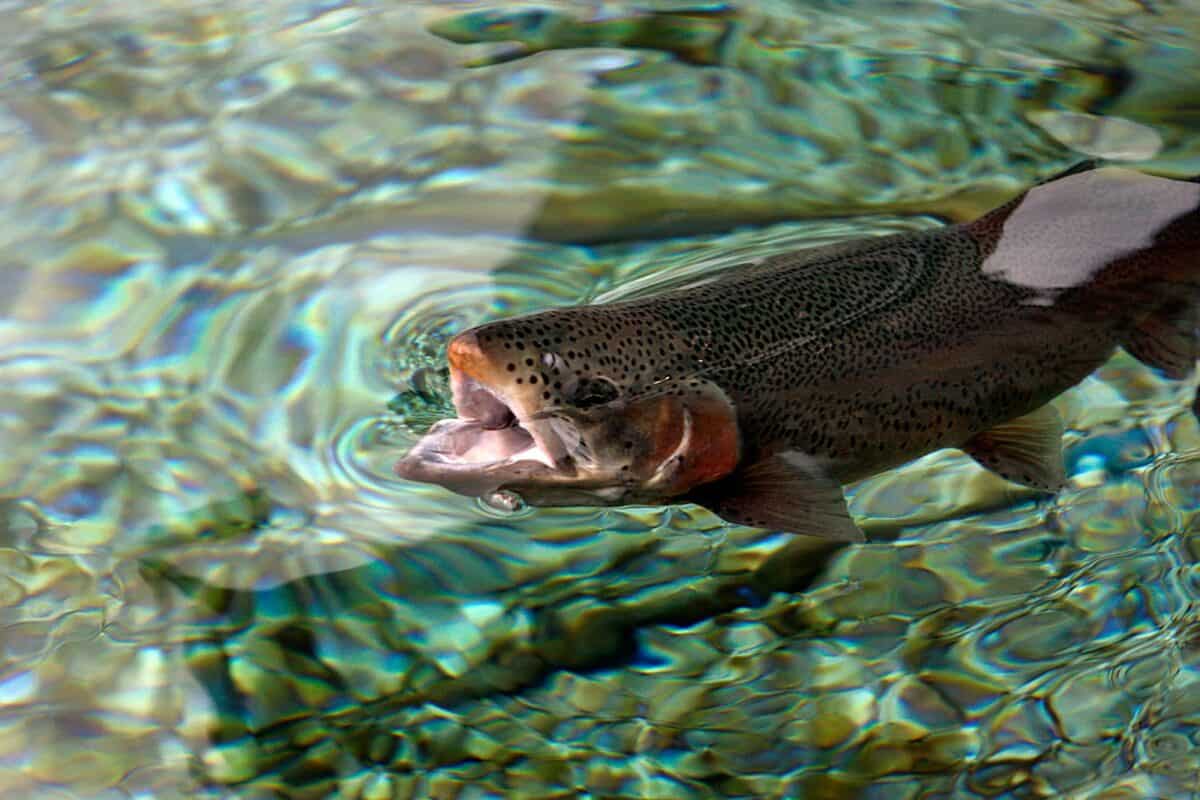
The rainbow trout (Oncorhynchus mykiss) appears as an official state fish, game fish, or aquatic emblem in twelve states: Alaska, California, Colorado, Idaho, Nevada, New Hampshire, New Mexico, North Carolina, Oregon, Pennsylvania, Utah, and Washington. This widespread recognition makes it the most frequently designated aquatic species in state symbolism. Native to cold-water streams of western North America but widely introduced elsewhere, the rainbow trout is prized for its fighting spirit when caught, culinary value, and the pristine environments it inhabits.
The rainbow trout’s prevalence in state symbolism reflects both its recreational importance and its role as an indicator of environmental health. Sport fishing for trout generates billions in economic activity annually across these states, supporting rural economies through tourism, equipment sales, and guide services. Beyond economics, many state legislatures cited the trout’s beauty—with its distinctive pink lateral stripe and speckled pattern—when adopting it as an official symbol. As a species that requires clean, cold, oxygen-rich water to thrive, the rainbow trout also serves as a living barometer for water quality and ecosystem health. Several states explicitly referenced this environmental indicator role when selecting the rainbow trout, noting how its presence signals healthy watersheds and successful conservation efforts.
The Monarch Butterfly Migratory Marvel

The monarch butterfly (Danaus plexippus) serves as the official state insect or butterfly for seven states: Alabama, Idaho, Illinois, Minnesota, Texas, Vermont, and West Virginia. Additionally, it appears on natural heritage emblems in California, Michigan, and New Jersey. This widespread recognition makes it one of the most frequently designated invertebrates in state symbolism. With its distinctive orange and black wing pattern and remarkable multi-generational migration spanning thousands of miles, the monarch has captured public imagination and scientific interest for generations.
The monarch’s popularity as a state symbol stems from its visibility, cultural significance, and compelling life history. Unlike many insects, monarchs are widely recognized by the general public and associated with positive qualities like beauty and transformation. Their epic migration—in which several generations complete a round trip between Mexico and Canada—represents one of nature’s most extraordinary phenomena. In recent decades, monarch populations have declined significantly due to habitat loss, pesticide use, and climate change, elevating their symbolic value as conservation ambassadors. When adopting the monarch as an official emblem, many state legislatures specifically cited its educational value for teaching ecological concepts like metamorphosis, migration, and interconnected ecosystems. The monarch’s dependence on milkweed plants has also sparked widespread citizen science and habitat restoration initiatives across these states.
The American Bison Icon of the American West
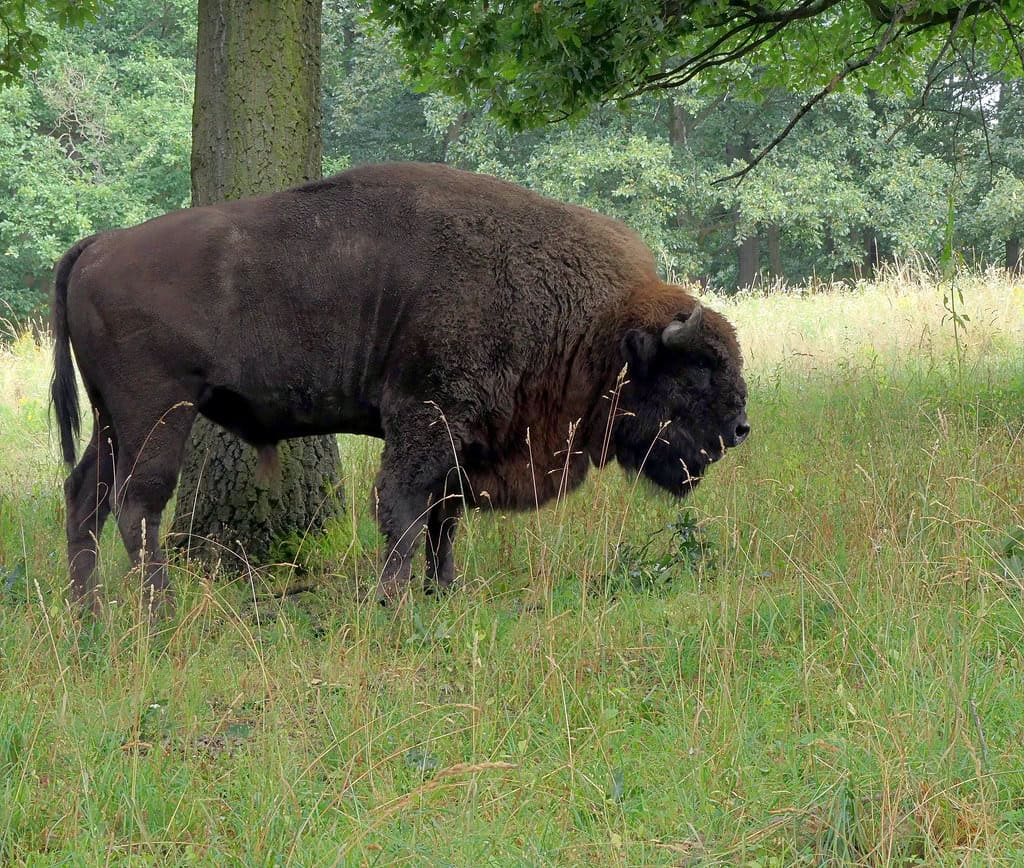
The American bison (Bison bison), often colloquially called buffalo, serves as the official state mammal or animal for seven states: Kansas, Oklahoma, South Dakota, Wyoming, Nebraska, West Virginia, and Utah. It also appears prominently on state flags, seals, and commemorative emblems in Colorado, Kansas, Manitoba, and North Dakota. Once numbering in the tens of millions across North America, the American bison was hunted to near extinction in the 19th century before conservation efforts rescued the species from oblivion.
The bison’s significance in state symbolism extends beyond its imposing physical presence to encompass its profound historical, cultural, and ecological importance. For plains Native American tribes, the bison was the central resource providing food, shelter, tools, and spiritual meaning. For European settlers, the bison came to represent the untamed wilderness of the frontier. The species’ near-extinction and subsequent recovery parallels America’s evolving relationship with conservation. When adopting the bison as an official emblem, state legislatures frequently cited this dramatic history alongside the animal’s role in shaping prairie ecosystems through grazing patterns. Today, as bison herds are reestablished on public and tribal lands, the species increasingly symbolizes ecological restoration and the reclamation of natural heritage.
The Eastern Tiger Swallowtail America’s Butterfly

The eastern tiger swallowtail butterfly (Papilio glaucus) serves as the official state butterfly or insect for five states: Alabama, Delaware, Georgia, South Carolina, and Virginia. With its striking yellow wings adorned with black “tiger” stripes and blue and red markings, this large butterfly is one of the most recognizable and widely distributed species in eastern North America. Its presence in gardens, parks, and woodlands makes it a familiar sight from the Gulf Coast to New England.
The eastern tiger swallowtail’s adoption as a state symbol reflects both aesthetic appreciation and ecological awareness. As one of the first North American butterflies to be scientifically described and illustrated (by Mark Catesby in 1731), the species has a long history in American natural history. When selecting official emblems, state legislatures cited the butterfly’s beauty, its role as a pollinator, and its life cycle as educational tools for environmental awareness. Virginia’s designation in 1991 specifically noted the butterfly’s historical significance—it was studied and admired by early Virginia naturalists including John Banister and William Byrd II. The swallowtail’s adaptability to various habitats, from deep forests to suburban gardens, has helped maintain its populations even as other butterfly species decline, making it an accessible symbol for citizens to encounter and appreciate.
The Largemouth Bass America’s Freshwater Sport Fish

The largemouth bass (Micropterus salmoides) serves as the official state fish or freshwater fish for five states: Alabama, Florida, Georgia, Mississippi, and Tennessee. This widespread recognition in southeastern states reflects the species’ cultural and economic importance to the region. Known for its aggressive strikes and fighting ability when hooked, the largemouth bass has developed a devoted following among anglers, supporting a multi-billion dollar recreational fishing industry across these states.
The largemouth bass’s prominence in state symbolism stems from both its recreational value and its adaptability to various aquatic habitats. Native to eastern and central North America but widely introduced elsewhere, the species thrives in environments ranging from natural lakes and rivers to man-made reservoirs and farm ponds. This adaptability has allowed it to become established throughout these states, creating fishing opportunities in nearly every county. When adopting the largemouth bass as an official emblem, state legislatures frequently cited its economic impact through tourism, fishing tournaments, and equipment sales. Florida’s designation specifically referenced the state’s development of a distinct genetic strain—the Florida largemouth bass—prized by anglers for its potential to grow to trophy size. The bass’s popularity has also driven conservation efforts to improve water quality and habitat conditions in many waterways across these states.
The Red-tailed Hawk Sentinel of American Skies
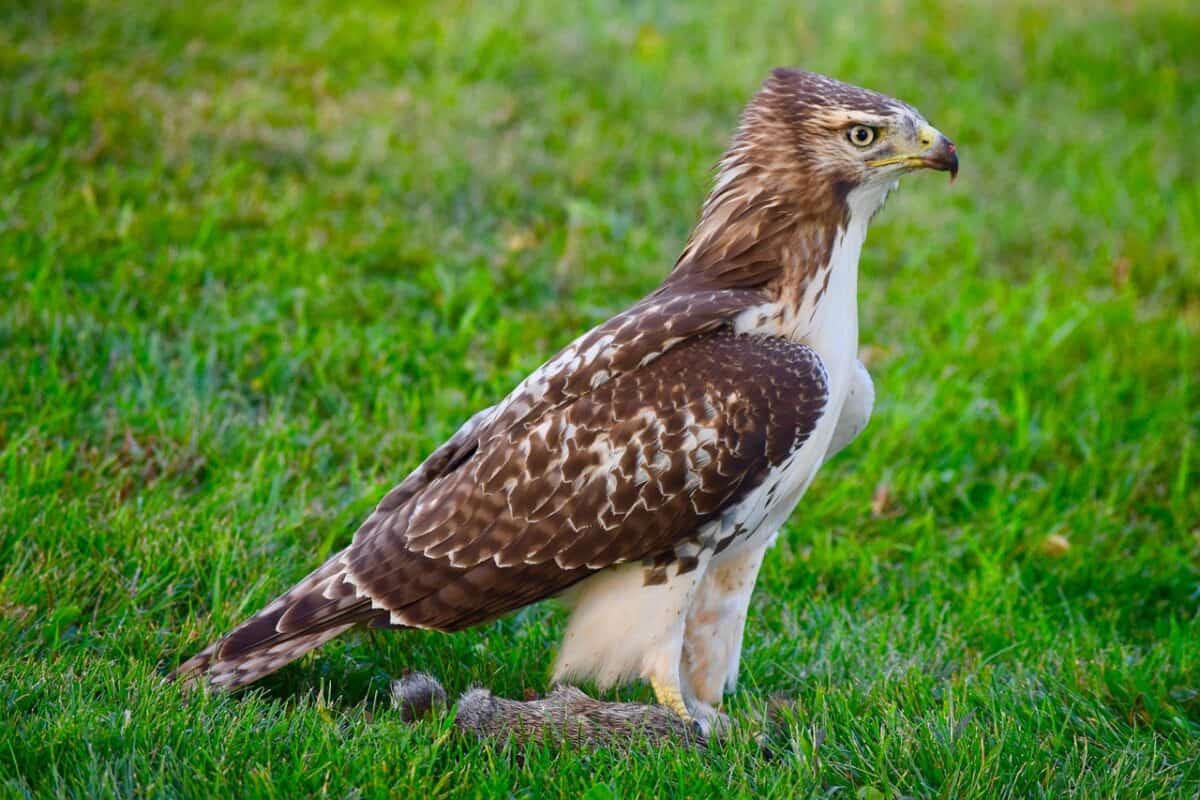
The red-tailed hawk (Buteo jamaicensis) appears as an official state raptor, bird of prey, or secondary avian emblem in five states: Alaska, Idaho, New Mexico, Virginia, and Wisconsin. Additionally, it features prominently on state wildlife conservation emblems in California, New York, and Texas. With its distinctive rusty-red tail, widespread distribution across all 50 states, and habit of hunting from visible perches or soaring over open country, the red-tailed hawk is America’s most familiar and frequently observed large raptor.
The red-tailed hawk’s adoption as a state symbol reflects both its ecological role and its cultural significance. As a top predator primarily feeding on rodents.
Conclusion:

From songbirds and butterflies to large mammals and powerful raptors, the animals featured most prominently in U.S. state emblems reflect a deep and multifaceted relationship between Americans and their natural environment. These symbols are not chosen randomly—they embody each state’s unique ecology, values, and history. Whether it’s the resilience of the bald eagle, the industrious nature of the honeybee, or the grassroots conservation story of the monarch butterfly, each emblem carries meaning that goes far beyond its physical form.
By examining the animals most frequently honored in state symbols, we gain insight into the regional pride, cultural connections, and conservation priorities that shape America’s identity. These creatures serve as living ambassadors of the landscapes they inhabit and the ideals they represent. As environmental challenges grow, these emblematic species can also inspire stewardship and a renewed commitment to preserving the biodiversity that defines each state and, collectively, the nation.

As a little kid, I fell in love with nature, wildlife, and animals. Living in the USA, South Africa, Italy, China and Germany gave me the opportunity to discover the world's Wildlife. My favorite animals are Mountain Gorillas, Siberian Tigers, and Great White Sharks.
I'm a certified PADI Open Water Diver, went to Everest Base Camp and Trekked Gorillas in Uganda. I hold a Master of Science in Economics and Finance.
Please send any feedback to feedback@animalsaroundtheglobe.com
- Why the Great Barrier Reef Is the Best Place to Spot Sea Turtles - June 3, 2026
- 2 Animals With Super Sized Body Parts and What They are For - June 3, 2026
- Explore The Azores - June 3, 2026