


When we think of animal communication, barking dogs, singing birds, or even the complex vocalizations of whales might come to mind. Snakes, however, tend to be overlooked in conversations about animal communication. These remarkable reptiles, often misunderstood and sometimes feared, have developed sophisticated methods of conveying information to fellow snakes and other animals, including humans. Their communication systems, while less obvious to the casual observer, are fascinatingly complex and perfectly adapted to their evolutionary needs. From chemical signals to physical displays, snakes have a rich vocabulary that helps them navigate their environments, find mates, and avoid danger. Understanding these communication methods not only deepens our appreciation for these incredible creatures but also helps dispel common misconceptions that contribute to ophidiophobia—the fear of snakes. Let’s explore the intricate ways snakes share information with the world around them, and address some common misunderstandings about their communicative behaviors.
Chemical Communication Through Pheromones

Perhaps the most important way snakes communicate is through chemical signals called pheromones. Unlike humans who rely primarily on visual and auditory information, snakes live in a world dominated by chemical cues. They release these specialized chemicals that can convey complex messages about territory, reproductive status, and even emotional states to other snakes. When a snake wants to communicate with others of its kind, it leaves a chemical trail that can persist in the environment for hours or even days.
To detect these chemical messages, snakes use their extraordinary vomeronasal organ, also known as Jacobson’s organ, located in the roof of their mouth. This is why you’ll often see snakes flicking their forked tongues—they’re collecting airborne particles and transferring them to this specialized sensory organ. Each fork of the tongue delivers samples to different sides of the Jacobson’s organ, allowing snakes to detect directional information about the source of the chemical signal. This sophisticated chemical communication system is especially important during mating season when male snakes follow pheromone trails left by receptive females, sometimes traveling considerable distances to find a potential mate.
Vibrational Messages Through the Ground

Snakes are remarkably sensitive to vibrations traveling through the ground, using this sensitivity as another important communication channel. Their entire body acts as a receptor for these vibrational messages, allowing them to detect the movements of predators, prey, and other snakes from significant distances. Some species have been observed to deliberately create vibrations by thumping their bodies against the ground or substrate, particularly during mating rituals or territorial disputes. These deliberate vibrations serve as signals to other snakes in the vicinity.
Research has shown that certain snake species can distinguish between different types of vibrations, identifying those made by potential predators versus those made by potential prey or mates. For example, the North American rat snake can detect minute vibrations produced by rodents moving through leaf litter or underground tunnels. This vibrational communication complements their other senses and plays a crucial role in their survival, allowing them to respond appropriately to environmental stimuli without necessarily seeing the source of the vibration. In social contexts, these vibrations can serve as warnings, territorial declarations, or invitations to potential mates.
Visual Displays and Body Positioning

Despite lacking limbs, snakes are masters of body language, using a variety of visual displays to communicate with potential threats and conspecifics. When threatened, many species will flatten their necks or bodies to appear larger and more intimidating. The iconic cobra’s hood display is perhaps the most recognized example of this behavior, but many non-venomous species employ similar tactics. Some snakes will raise the anterior portion of their bodies off the ground in an “S” shape, signaling readiness to strike if the threat persists. These postural communications serve as important warning signals that help snakes avoid actual confrontations, which could be energetically costly or result in injury.
Color changes and specific body movements also play important roles in snake visual communication. During courtship, male snakes often perform specific movements to attract females, including rhythmic body undulations or tail vibrations that serve as visual and vibrational signals. Some species even engage in “combat dances,” where males intertwine their bodies in a wrestling match to establish dominance and earn mating rights. The brightness and contrast of patterns can intensify during these displays, particularly in species with chromatophores that allow for limited color changes. These visual communications are especially important for diurnal species that are active during daylight hours when visual signals can be more readily perceived.
Vocalizations Beyond Hissing
While snakes lack vocal cords, they are not completely silent creatures. The familiar hissing sound produced by many snake species is created by forcing air through a small opening called the glottis at the back of their mouth. This distinctive sound serves as a warning to potential predators and can vary in intensity and duration depending on the level of threat perceived. Some species, like the puff adder, can produce particularly loud and intimidating hisses that effectively deter many would-be predators. However, hissing is just one of several vocal communications in a snake’s repertoire.
Beyond hissing, certain snake species have evolved specialized structures that allow for unique vocalizations. The Indian saw-scaled viper, for instance, creates a rasping sound by rubbing specialized scales against each other when it feels threatened—a behavior known as stridulation. Perhaps most surprising to many people, some species can actually produce low-frequency growls or “barks.” The king cobra has been documented making a low-frequency growl when confronted, while the bull snake can produce a convincing rattlesnake-like sound by vibrating against objects in its environment. These vocalizations, while limited compared to many other vertebrates, provide snakes with another important channel for communicating with the world around them.
Tactile Communication During Mating

Touch plays a crucial role in snake communication, particularly during courtship and mating. Male snakes often initiate mating by gently touching or rubbing against females with various parts of their bodies. This tactile communication helps establish consent and readiness for mating, as well as allowing both snakes to assess each other’s health and suitability as reproductive partners. In many species, males will align their bodies alongside females and produce rhythmic muscular contractions that travel along their length, stimulating the female and communicating reproductive intent.
During actual mating, which can last from minutes to days depending on the species, snakes maintain constant tactile communication. Males may wrap their tails around the female’s body or engage in specific tactile behaviors that help maintain proper positioning. In some species, males have specialized scales or structures that enhance this tactile communication. For example, male garter snakes have small bumps called keels on certain scales that increase friction and sensory feedback during mating. After mating, some species continue tactile communication through behaviors like intertwining bodies or remaining in close physical contact, potentially strengthening pair bonds in those species that show limited forms of social behavior.
Territorial Scent Marking
Many snake species establish and maintain territories through sophisticated scent marking behaviors. Using specialized glands located near their cloaca (the posterior opening that serves reproductive, digestive, and excretory functions), snakes deposit chemical signatures that effectively say “this area is claimed.” These territorial markers contain information about the individual snake’s identity, size, health status, and sometimes even its recent diet. Other snakes encountering these chemical signals can assess whether to challenge the territory holder or move on to unoccupied habitat. This form of communication helps reduce direct confrontations, which could be dangerous for both parties.
The composition of these territorial markers varies between species and even between individuals, creating a chemical “fingerprint” unique to each snake. Some species mark more frequently during breeding seasons when competition for mates intensifies. Interestingly, research has shown that larger, more dominant snakes often produce more potent territorial markers that contain higher concentrations of certain semiochemicals—chemical substances that carry messages between individuals. These enhanced markers more effectively deter competitors. In some communally denning species, like certain garter snakes, these scent markers also help individuals relocate favorable hibernation sites year after year, demonstrating how chemical communication serves both territorial and navigational functions.
The Rattlesnake’s Warning System

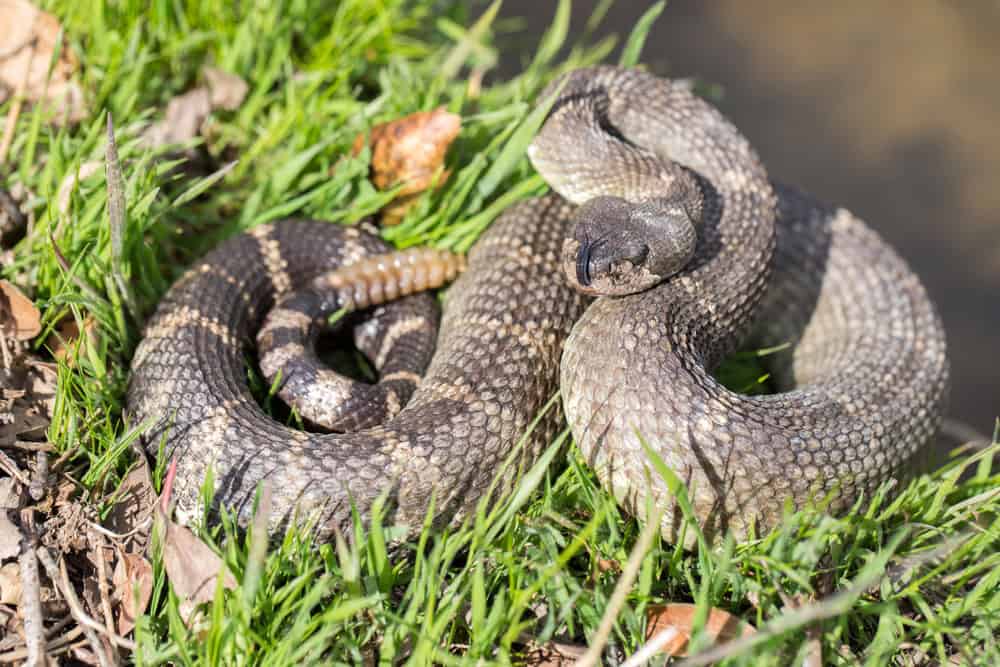
The iconic rattle of a rattlesnake represents one of nature’s most specialized communication adaptations. Consisting of interlocking segments of keratin (the same material as human fingernails), the rattle grows throughout the snake’s life as it sheds its skin, adding a new segment with each molt. When the muscles at the base of the rattle contract, these hollow segments vibrate against each other, producing the distinctive buzzing sound that serves as a clear warning to potential threats. This highly effective acoustic communication can reach decibel levels comparable to a lawn mower and can be heard from considerable distances.
What makes the rattlesnake’s communication system particularly sophisticated is how it modulates its warning based on perceived threat levels. Research has demonstrated that rattlesnakes can control the frequency and intensity of their rattling, often starting with a slow cadence that accelerates if the threat persists or approaches. Studies suggest rattlesnakes can even adjust the dominant frequency of their rattle based on the size of the approaching animal, using higher frequencies for smaller threats and lower frequencies for larger ones. This nuanced acoustic communication system evolved as a defensive strategy, allowing rattlesnakes to avoid confrontations and preserve their valuable venom for hunting rather than defense. The effectiveness of this communication is evidenced by the fact that many non-venomous snake species have evolved to mimic the sound through other means, such as vibrating their tails in leaf litter.
Stress Signals and Defensive Communication

When threatened, snakes employ a sophisticated gradient of defensive communications that escalate based on the persistence of the threat. Initial defensive communications often involve subtle postural changes that might go unnoticed by human observers but are clear signals to predators familiar with snake behavior. These might include slight elevation of the head, stiffening of the body, or changes in breathing pattern that alter the snake’s silhouette. If these subtle cues fail to deter the threat, snakes typically progress to more obvious defensive displays like hissing, hood flaring (in cobras and related species), or mock strikes with a closed mouth.
Different snake species have evolved specialized defensive communications tailored to their particular ecological niches. The eastern hognose snake performs one of the most dramatic displays, flattening its neck, hissing loudly, and performing convincing mock strikes. If these tactics fail, it employs an extraordinary behavior called death-feigning—rolling onto its back, opening its mouth, extruding its tongue, and secreting a foul-smelling musk while remaining completely motionless. This complex communication effectively signals to predators that the snake is already dead and potentially diseased, making it an unappetizing meal. The defensive communications of snakes represent not just simple reactions but complex, evolved dialogues with potential predators that help both parties avoid costly physical confrontations.
Group Communication in Social Species

While snakes are often portrayed as solitary creatures, research has revealed that many species exhibit more complex social behaviors than previously recognized, including sophisticated forms of group communication. Garter snakes, for example, hibernate in communal dens containing hundreds or even thousands of individuals, using chemical signals to coordinate this massive gathering. These communal sites are often used year after year, with returning snakes following chemical trails left by earlier arrivals. Within these aggregations, snakes communicate information about environmental conditions, potential threats, and reproductive opportunities through a combination of chemical, tactile, and behavioral signals.
Some species of sea snakes have been observed hunting cooperatively, using coordinated movements and body positioning to herd fish into confined spaces where they can be more easily captured. This behavior requires complex communication between individuals to maintain formation and respond to the movements of the prey. In breeding aggregations, male snakes often establish dominance hierarchies through non-lethal combat or displays, communicating their status to other males through victorious postures and chemical signals. Female choice also plays a role in these social interactions, with females communicating receptivity or rejection through specific body movements and chemical cues. These examples challenge the traditional view of snakes as asocial animals and highlight the sophistication of their communication systems in group contexts.
Misunderstanding 3 Tongue Flicking as Aggression

One of the most common misinterpretations of snake behavior is the belief that tongue flicking indicates aggression or an imminent strike. In reality, this characteristic behavior serves a completely different purpose and has nothing to do with hostile intent. The snake’s forked tongue is primarily a sensory organ, collecting chemical particles from the environment and transferring them to the Jacobson’s organ in the roof of the mouth for analysis. This process, called chemoreception, is essentially how snakes “smell” their surroundings. When a snake flicks its tongue more rapidly, it’s simply gathering more information about its environment—perhaps detecting a new scent, searching for prey, or trying to locate a potential mate.
Understanding this behavior is crucial for human-snake interactions. Many people react with fear when they see a snake flicking its tongue rapidly in their direction, believing the snake is preparing to attack. This misinterpretation can lead to unnecessary killing of snakes or dangerous attempts to handle or move them. In reality, a snake that’s merely gathering information about a human through tongue flicking is engaged in normal exploratory behavior, not displaying aggression. True pre-strike behaviors in snakes typically involve more obvious warning signs like body coiling, head raising, or hissing. By recognizing tongue flicking for what it truly is—a sensory behavior rather than an aggressive one—we can respond more appropriately and safely to snake encounters.
Misunderstanding 2 Hissing Always Means Imminent Attack

While snake hissing is indeed a defensive communication, many people misinterpret it as a sign that a snake is about to strike immediately. In reality, hissing typically represents an intermediate warning in a snake’s defensive communication sequence—an attempt to avoid physical confrontation rather than initiate it. When a snake hisses, it’s communicating its discomfort with the current situation and requesting space. This vocalization serves as a mutually beneficial warning system, allowing both the snake and the potential threat to avoid a dangerous interaction. Most snakes would much prefer to escape than engage in a risky strike, which exposes them to potential injury and depletes valuable energy reserves or venom supplies.
Understanding the true meaning of hissing can lead to safer outcomes for both humans and snakes. When a person hears a snake hiss, the appropriate response is to slowly back away and give the animal space to retreat. Continuing to approach a hissing snake or attempting to handle it significantly increases the risk of a defensive bite. Different snake species have varying thresholds for transitioning from hissing to striking, but virtually all use hissing as an earlier warning stage rather than an indication of imminent attack. Some non-venomous species like hognose snakes are particularly renowned for their dramatic hissing displays, which they rely on heavily to discourage predators since they lack venom as a defensive backup. By respecting the snake’s communication and responding appropriately to hissing, we can coexist more safely with these important ecosystem members.
Misunderstanding 1 Rattling Tails Means Rattlesnake

A common misconception is that any snake observed rapidly vibrating its tail must be a rattlesnake. In reality, many non-venomous snake species have evolved to mimic the rattlesnake’s warning system through a behavior called tail vibrating. When threatened, species like rat snakes, corn snakes, bull snakes, and kingsnakes will rapidly vibrate their tails against leaves, grass, or other debris to create a buzzing sound remarkably similar to a rattlesnake’s warning. This form of Batesian mimicry—where a harmless species imitates a dangerous one—provides these non-venomous snakes with an effective defensive communication tool that leverages the well-established reputation of rattlesnakes.
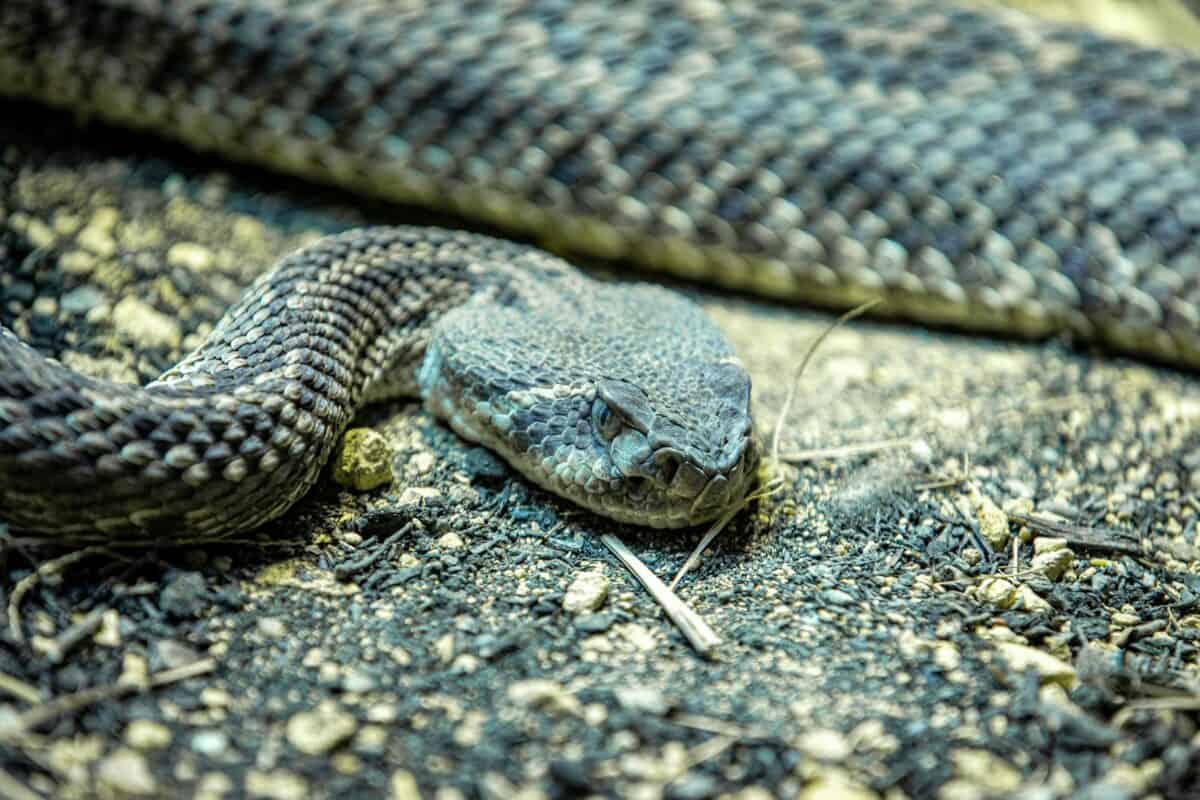
This mimicry can lead to unfortunate consequences when people misidentify harmless snakes as venomous rattlesnakes and kill them unnecessarily. In regions where both rattlesnakes and their mimics exist, it’s important to learn proper identification features beyond just the tail-vibrating behavior. True rattlesnakes possess a distinctive rattle made of interlocking segments of keratin at the end of their tail, along with other identifying characteristics like facial pits, elliptical pupils, and typically triangular heads. Non-venomous mimics have smooth, tapering tails without rattles, round pupils, and different head shapes and scale.
Conclusion:

Snakes may be silent, but they have a rich and subtle language all their own. Through body posture, tongue flicking, pheromones, vibration sensing, and even coloration, snakes communicate everything from territorial warnings to readiness to mate. These cues, though often overlooked, reveal a complex world of interaction that operates without sound or facial expression. For those who take the time to observe, a snake’s movements and behaviors speak volumes about its intentions and emotions.
Unfortunately, many human interpretations of snake behavior are rooted in fear or myth. Defensive displays like hissing or coiling are often mistaken for aggression, when in fact they’re pleas for space or safety. By better understanding how snakes truly communicate—and dispelling the misunderstandings—we can foster a greater appreciation for these misunderstood reptiles. With respect and education, we can learn to coexist with snakes and recognize them not as threats, but as fascinating, communicative creatures of the natural world.

As a little kid, I fell in love with nature, wildlife, and animals. Living in the USA, South Africa, Italy, China and Germany gave me the opportunity to discover the world's Wildlife. My favorite animals are Mountain Gorillas, Siberian Tigers, and Great White Sharks.
I'm a certified PADI Open Water Diver, went to Everest Base Camp and Trekked Gorillas in Uganda. I hold a Master of Science in Economics and Finance.
Please send any feedback to feedback@animalsaroundtheglobe.com
- 14 Creatures That Glow in the Dark And Why - June 18, 2026
- 12 Most Powerful Animal Jaws in the Wild - June 18, 2026
- 16 Ways Horses Have Helped Humans Over the Ages - June 18, 2026