

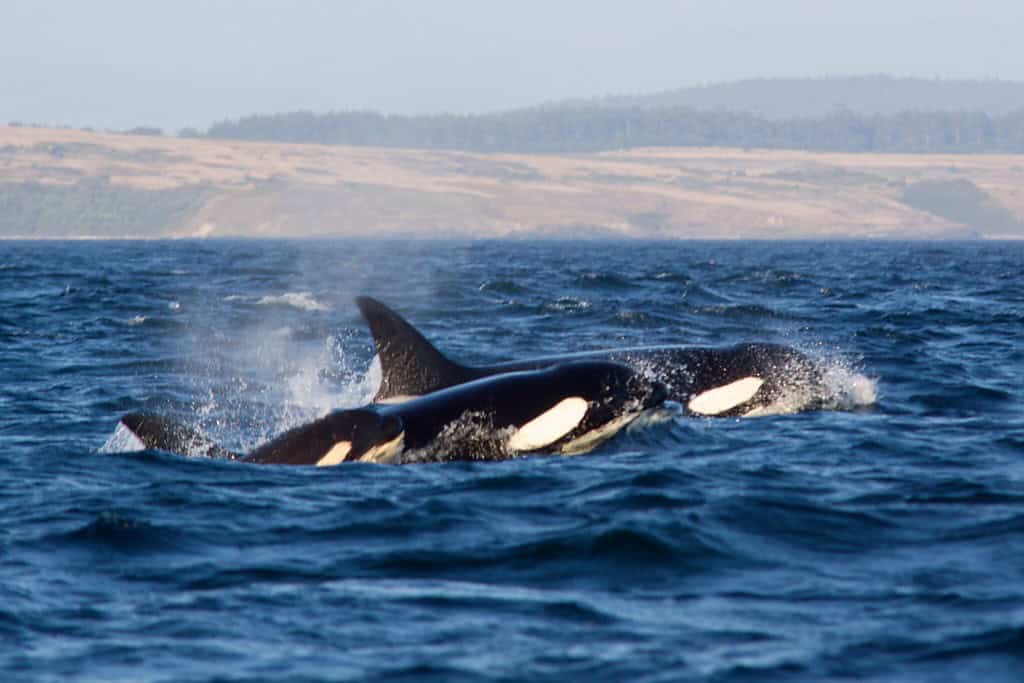
Picture this: a massive black and white predator, weighing up to 6 tons, deliberately launching itself onto a beach where it could easily become stranded forever. It sounds like suicide, but for orcas, this death-defying maneuver is actually one of nature’s most sophisticated hunting techniques. These apex predators have mastered the art of intentional beaching, and they’re passing this dangerous skill down to their offspring in what researchers call one of the most remarkable examples of cultural transmission in the animal kingdom.
What makes this behavior even more extraordinary is that it’s not instinctual – it’s learned. Young orcas don’t automatically know how to beach themselves safely. Instead, they must undergo intensive training from their mothers and pod members, learning the precise timing, angle, and technique required to execute this risky hunting strategy without becoming permanently stranded. This complex behavior showcases the incredible intelligence and cultural sophistication of these marine mammals, proving once again that orcas are among the most cognitively advanced creatures on our planet.
The Evolutionary Origins of Beach Hunting
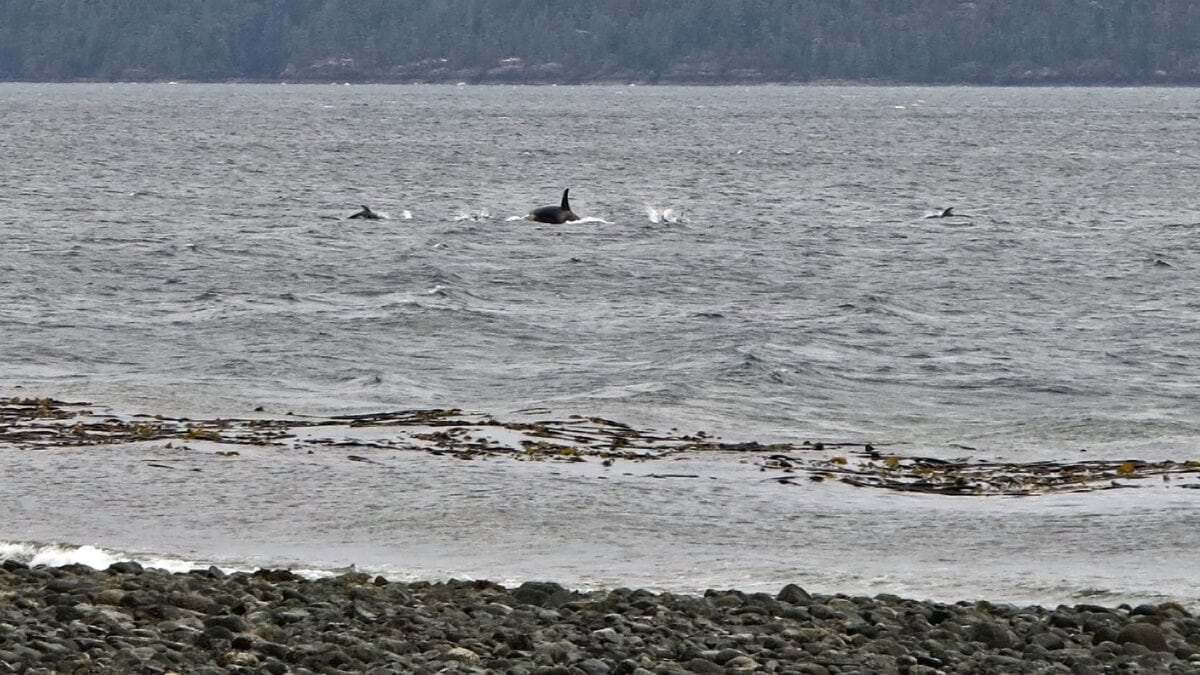
Scientists believe that orcas first developed beach hunting techniques thousands of years ago as a response to abundant prey living in shallow coastal waters. This behavior likely emerged independently in different orca populations around the world, demonstrating the species’ remarkable adaptability and problem-solving abilities. The technique represents a perfect storm of evolutionary pressure, environmental opportunity, and cognitive development that allowed these marine predators to exploit an entirely new ecological niche.
Archaeological evidence suggests that coastal orca populations have been using beaching techniques for at least several millennia. Fossil records and indigenous cultural accounts from various regions indicate that this hunting strategy has deep historical roots. The behavior appears to have evolved as orcas recognized the vulnerability of seals, sea lions, and other marine mammals when they haul out onto beaches or rocky shores.
What’s particularly fascinating is that this hunting technique requires orcas to overcome their natural aquatic instincts. Unlike other marine mammals that occasionally beach themselves accidentally, orcas have deliberately developed this behavior as a calculated hunting strategy. This represents a significant evolutionary leap, as it requires the animals to temporarily abandon their natural element to secure prey.
Anatomical Adaptations for Safe Beaching

Orcas possess several unique anatomical features that make intentional beaching possible without fatal consequences. Their powerful tail flukes can generate tremendous thrust, allowing them to propel themselves onto beaches with enough momentum to reach prey while maintaining the ability to return to deeper water. Their streamlined bodies and flexible spines enable them to navigate the transition from water to land more effectively than many other cetaceans.
The orca’s robust skeletal structure plays a crucial role in surviving the physical stress of beaching. Their rib cage and internal organs are specially adapted to withstand the pressure changes that occur when transitioning from the buoyant aquatic environment to the crushing weight of gravity on land. This anatomical resilience allows them to remain on beaches for brief periods without suffering organ damage.
Perhaps most importantly, orcas have developed exceptional spatial awareness and proprioception that helps them judge distances, angles, and timing during beaching attempts. Their sophisticated echolocation abilities allow them to map the underwater topography and calculate the exact approach needed for a successful beach landing. These physical adaptations work in concert with their cognitive abilities to make this dangerous hunting technique possible.
The Learning Process Begins in Infancy
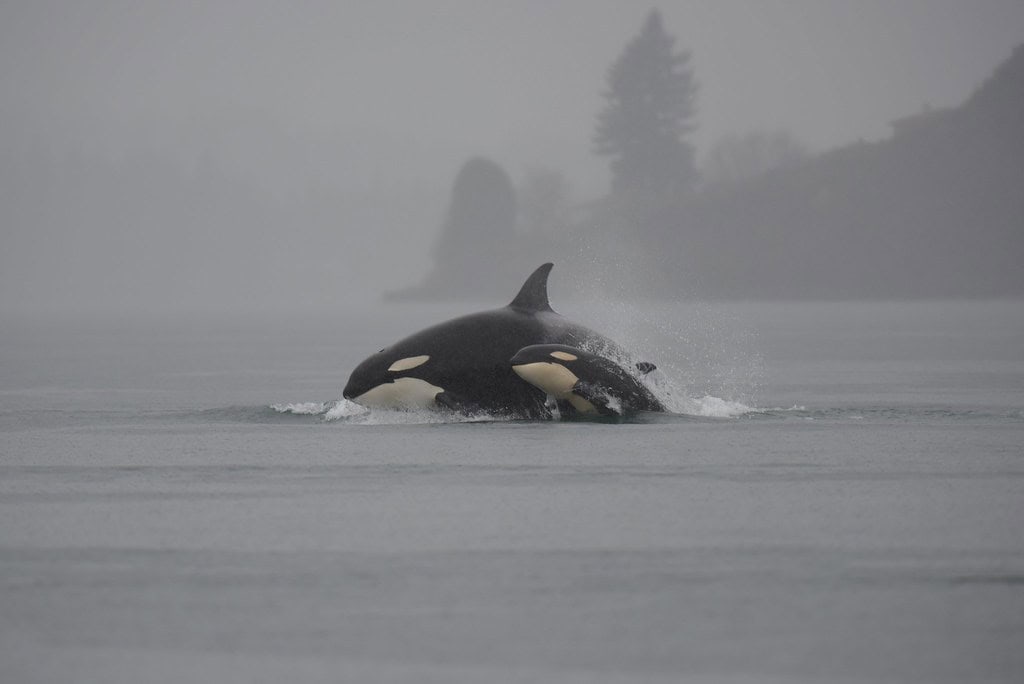
Young orcas typically begin observing beach hunting behaviors when they’re just a few months old, though they won’t attempt the technique themselves for several years. Mothers deliberately position their calves in safe viewing areas where they can watch and learn from experienced hunters without risking their own safety. This early exposure is crucial for developing the visual and cognitive foundation necessary for later skill development.
The learning process is remarkably structured and progressive. Calves first learn to recognize suitable beaching locations by observing their mothers’ choices. They begin to understand the environmental factors that make certain beaches ideal for hunting, including water depth, beach gradient, and prey availability. This foundational knowledge takes months to develop and requires constant reinforcement through repeated observations.
During this early phase, young orcas also learn to read the subtle behavioral cues that indicate when a beaching attempt is imminent. They observe how their mothers position themselves, coordinate with other pod members, and time their approaches to maximize success while minimizing risk. This observational learning phase is critical because it allows calves to develop theoretical knowledge before they ever attempt the dangerous technique themselves.
Environmental Factors That Influence Teaching

The success of beach hunting instruction depends heavily on environmental conditions, with certain factors creating optimal learning opportunities. Tidal patterns play a crucial role, as mothers typically choose to teach during specific tidal phases when water levels provide the safest conditions for both hunting and escape. Low tide often creates the ideal scenario, as it exposes more beach area while maintaining sufficient water depth for retreat.
Weather conditions significantly impact the teaching process, with mothers preferring calm seas and clear visibility for instruction. Rough waters make beaching attempts more dangerous and unpredictable, while poor visibility reduces the effectiveness of visual learning for young calves. Seasonal variations also influence teaching schedules, as prey availability and weather patterns create natural windows of opportunity for instruction.
Geographic location determines the specific techniques that mothers teach their offspring. Orcas in different regions have developed distinct beaching styles adapted to local conditions – from the rocky shores of Patagonia to the sandy beaches of the Pacific Northwest. These regional variations are passed down through generations, creating unique cultural traditions within different orca populations.
The Role of Matriarchal Leadership

Orca societies are structured around powerful matriarchal hierarchies, with the oldest and most experienced females leading hunting instruction. These matriarchs serve as the primary teachers, passing down not only the technical skills required for beach hunting but also the cultural knowledge about when, where, and how to execute these dangerous maneuvers. Their authority is rarely questioned, and their teaching methods have been refined over decades of experience.
The matriarch’s teaching approach is highly individualized, adapting to each young orca’s personality, physical development, and learning pace. Some calves are naturally more cautious and require extensive encouragement, while others may be overly aggressive and need restraint. Experienced matriarchs can recognize these differences and adjust their instruction accordingly, ensuring that each youngster develops the skills safely and effectively.
Succession planning within orca pods ensures that hunting knowledge is preserved across generations. As matriarchs age, they gradually transfer teaching responsibilities to their daughters and other experienced females. This systematic knowledge transfer prevents the loss of crucial hunting techniques and maintains the cultural continuity that makes beach hunting possible.
Physical Conditioning and Preparation

Before young orcas can safely attempt beach hunting, they must undergo extensive physical conditioning to build the strength and agility required for this demanding technique. Mothers engage their calves in various exercises that develop the powerful tail muscles necessary for generating sufficient thrust to reach the beach. These conditioning activities often resemble play but serve the crucial purpose of building the physical foundation for future hunting success.
Balance and coordination training form another essential component of the preparation process. Young orcas must learn to maintain control while transitioning from the three-dimensional freedom of water to the two-dimensional constraints of beach hunting. This requires developing new motor skills and spatial awareness that don’t naturally exist in their normal aquatic environment.
Mothers also focus on developing their calves’ breath-holding abilities, as beach hunting often requires extended periods of exertion while partially or completely out of water. This conditioning helps ensure that young orcas can maintain their energy and focus during the critical moments of a hunting attempt. The physical preparation process can take several years to complete, highlighting the complexity and difficulty of mastering this hunting technique.
Cognitive Development and Decision-Making Skills

The mental aspects of beach hunting are perhaps even more challenging than the physical components, requiring young orcas to develop sophisticated decision-making abilities. Mothers teach their calves to assess multiple variables simultaneously, including prey position, water depth, wave conditions, and escape routes. This complex cognitive processing must happen in real-time during the high-stress environment of an actual hunting attempt.
Risk assessment skills are crucial for survival, as a single miscalculation can result in fatal stranding. Young orcas must learn to evaluate whether a hunting opportunity is worth the inherent danger, considering factors such as prey size, probability of success, and environmental conditions. This decision-making process requires the integration of sensory information, past experience, and predictive modeling.
Pattern recognition abilities help young orcas identify optimal hunting conditions and predict prey behavior. They learn to recognize the subtle signs that indicate when seals or sea lions are most vulnerable, such as specific positioning on the beach or particular behavioral patterns. This cognitive development continues throughout their lives, with experienced hunters constantly refining their ability to read and interpret complex environmental and behavioral cues.
Communication and Coordination During Training

Successful beach hunting often requires precise coordination between multiple pod members, making communication skills essential for young orcas to master. Mothers teach their calves a complex system of vocalizations, body language, and positioning signals that allow the pod to work together effectively during hunting attempts. These communication methods are highly sophisticated and vary between different orca populations.
The timing of communication is crucial, as hunters must coordinate their movements without alerting prey to their presence. Young orcas learn to use subtle underwater signals and maintain silence during critical approach phases. This requires developing an understanding of when to communicate and when to remain perfectly quiet, skills that can take years to master fully.
Coordination training involves teaching young orcas their specific roles within the hunting group. Some individuals may serve as drivers, herding prey toward the beaching area, while others act as the primary hunters who execute the actual beach landing. Understanding these roles and how they fit into the larger hunting strategy is essential for successful group coordination.
The First Supervised Attempts

When young orcas reach approximately 3-4 years of age, they may begin making their first supervised beaching attempts under the careful guidance of their mothers. These initial efforts are typically conducted in very safe conditions, such as extremely shallow water or gently sloping beaches that minimize the risk of stranding. The mother remains in close proximity, ready to intervene if the youngster encounters difficulties.
Early attempts often focus on technique rather than actually catching prey, with mothers emphasizing proper body positioning, approach angles, and escape procedures. Young orcas frequently make mistakes during these first attempts, such as approaching too fast, landing at incorrect angles, or failing to generate sufficient momentum for retreat. These errors are part of the natural learning process and provide valuable teaching opportunities.
Success rates during first attempts are typically very low, which is expected and accepted by the teaching mothers. The primary goal is skill development and confidence building rather than successful prey capture. Mothers provide constant feedback and encouragement, helping their calves understand what worked well and what needs improvement for future attempts.
Advanced Techniques and Specialized Maneuvers
![Advanced Techniques and Specialized Maneuvers (image credits: NOAA (http://www.afsc.noaa.gov/Quarterly/amj2005/divrptsNMML3.htm]), Public domain, https://commons.wikimedia.org/w/index.php?curid=1433661)](https://www.animalsaroundtheglobe.com/wp-content/uploads/2025/07/1751794345985_Killerwhales_jumping.jpg)
As young orcas develop proficiency in basic beach hunting, they begin learning more advanced techniques that experienced hunters use to increase their success rates. These specialized maneuvers include precise timing with wave action, using momentum to slide further up the beach, and executing rapid directional changes to pursue fleeing prey. Each technique requires years of practice to master and represents the pinnacle of orca hunting sophistication.
One particularly impressive advanced technique involves coordinating with tidal movements to maximize both hunting effectiveness and safety. Experienced orcas can time their approaches to coincide with incoming waves, using the additional water to extend their reach while ensuring adequate depth for retreat. This technique requires an intimate understanding of local tidal patterns and wave dynamics.
Some populations have developed unique regional variations of beach hunting that reflect local environmental conditions and prey species. For example, orcas in Patagonia have perfected techniques for hunting on rocky shores, while those in other regions have adapted their methods for sandy beaches or tidal pools. These regional specializations are passed down through generations, creating distinct cultural traditions within different orca communities.
Safety Measures and Risk Management

Teaching young orcas to beach hunt safely requires extensive instruction in risk management and emergency procedures. Mothers spend considerable time teaching their calves how to recognize dangerous conditions that could lead to stranding, such as rapidly changing tides, unstable beach surfaces, or inadequate water depth for retreat. This safety training is just as important as learning the hunting techniques themselves.
Emergency escape procedures form a critical component of the safety curriculum, with mothers teaching their calves multiple methods for returning to deep water if they become temporarily stranded. These techniques include using body undulations to create momentum, timing movements with wave action, and recognizing when to abort a hunting attempt before it becomes dangerous. The ability to execute these emergency procedures can mean the difference between life and death.
Mothers also teach their calves to recognize their own physical limitations and avoid attempting hunts that exceed their current capabilities. This self-awareness is crucial for preventing accidents and ensuring that young orcas don’t attempt dangerous maneuvers before they’re physically and mentally prepared. The development of this judgment requires years of experience and careful guidance from experienced hunters.
Cultural Transmission Across Generations
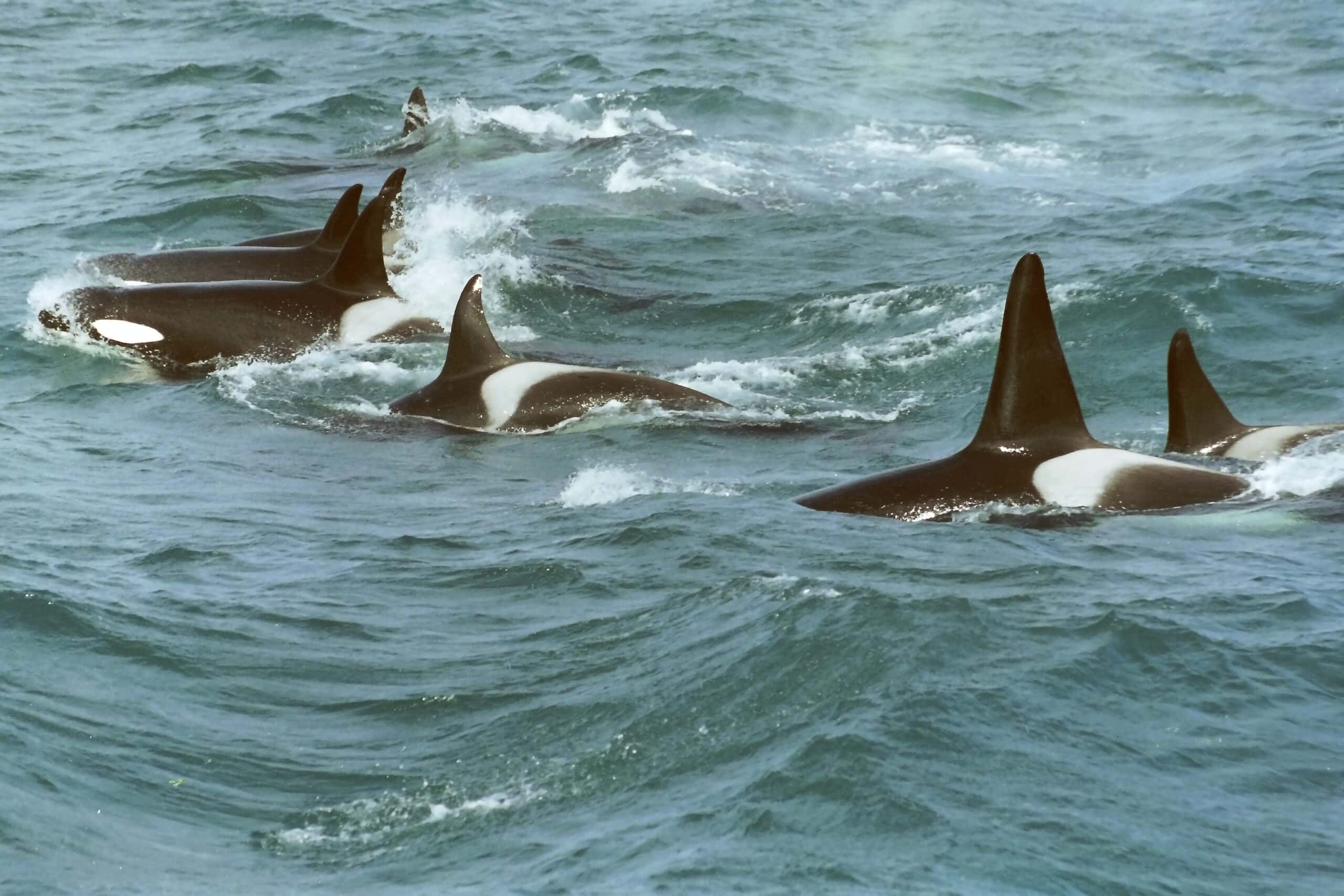
The teaching of beach hunting techniques represents one of the most remarkable examples of cultural transmission in the animal kingdom, with knowledge passing from mothers to daughters across multiple generations. This cultural continuity ensures that hunting techniques continue to evolve and improve over time, with each generation adding refinements and adaptations to the traditional methods. The preservation of this knowledge requires active teaching and cannot be maintained through instinct alone.
Different orca populations have developed distinct cultural traditions around beach hunting, creating unique “dialects” of hunting techniques that reflect local environmental conditions and historical experiences. These cultural differences are so pronounced that researchers can often identify which population an orca belongs to based solely on their hunting methods. This cultural diversity demonstrates the remarkable plasticity and adaptability of orca societies.
The loss of experienced matriarchs can have devastating effects on a pod’s ability to maintain beach hunting traditions. When key knowledge holders die before fully transferring their skills to the next generation, hunting techniques can be lost forever. This vulnerability highlights the importance of protecting experienced orcas and ensuring that cultural knowledge has multiple pathways for transmission within each pod.
The Role of Play in Learning
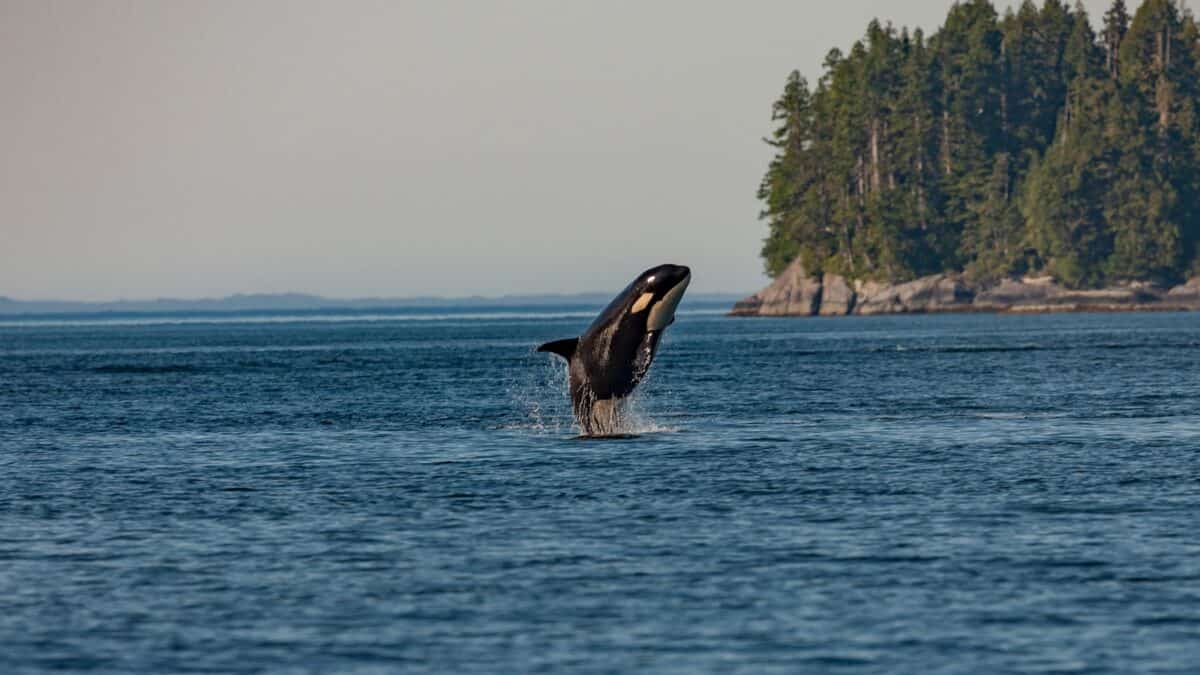
Play behavior serves as a crucial component of beach hunting education, allowing young orcas to practice dangerous techniques in safe environments. Mothers often encourage their calves to engage in play activities that mimic aspects of beach hunting, such as approaching shallow water, practicing precise movements, and developing the physical strength required for successful hunts. This play-based learning reduces the risks associated with formal instruction while building essential skills.
Mock hunting scenarios allow young orcas to experience the excitement and decision-making pressure of actual hunts without the life-threatening consequences of mistakes. These practice sessions help build confidence and muscle memory, making the transition to real hunting attempts much smoother and safer. The integration of play into the learning process also helps maintain the young orcas’ interest and engagement throughout the long training period.
Social play interactions with siblings and pod mates provide additional learning opportunities, as young orcas can observe and learn from each other’s mistakes and successes. This peer learning complements maternal instruction and creates a rich educational environment that accelerates skill development. The combination of formal instruction, play-based learning, and peer interaction creates a comprehensive educational experience that maximizes learning effectiveness.
Seasonal Variations in Teaching

The timing of beach hunting instruction varies significantly based on seasonal factors, with mothers carefully selecting optimal periods for teaching their calves. Spring and summer months often provide the best conditions for instruction, as calmer weather, longer daylight hours, and increased prey availability create ideal learning environments. These seasonal windows allow for intensive training periods that can accelerate skill development.
Prey migration patterns heavily influence teaching schedules, with mothers timing instruction to coincide with the arrival of suitable prey species in coastal areas. The seasonal movements of seals, sea lions, and other target species create natural opportunities for learning, as young orcas can observe large numbers of potential prey while practicing their hunting techniques. This seasonal alignment between instruction and prey availability maximizes the educational value of each training session.
Winter conditions often limit teaching opportunities due to harsh weather, reduced visibility, and dangerous sea conditions. However, some populations use winter months for theoretical instruction, focusing on observation and cognitive development rather than active practice. This seasonal variation in teaching approach demonstrates the flexibility and adaptability of orca educational methods.
Individual Learning Differences
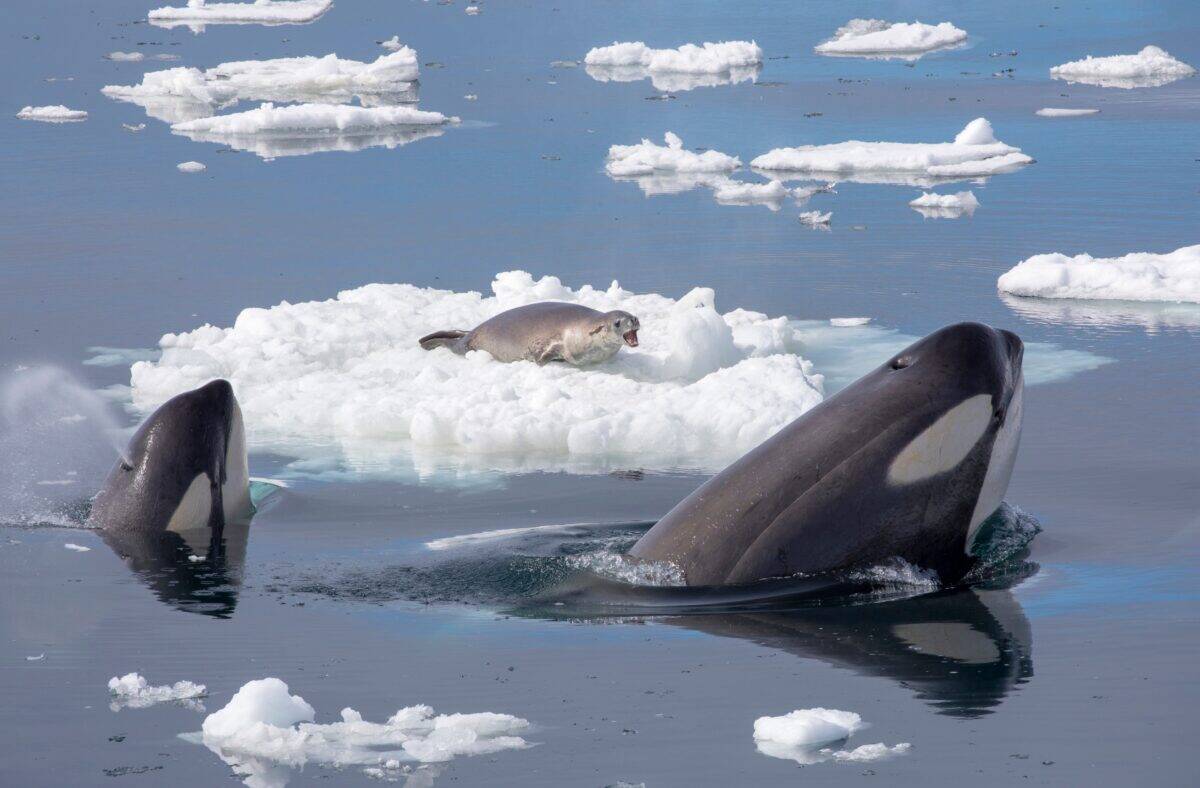
Not all young orcas learn beach hunting techniques at the same pace or with the same level of proficiency, leading mothers to adapt their teaching methods to accommodate individual differences. Some calves demonstrate natural aptitude for the complex spatial reasoning required for successful beach hunting, while others may struggle with the physical demands or risk assessment aspects of the technique. Recognizing and accommodating these individual differences is crucial for successful instruction.
Personality traits significantly influence learning outcomes, with more cautious individuals often requiring additional encouragement and support to overcome their natural hesitancy. Conversely, overly aggressive or impulsive calves may need restraint and additional safety instruction to prevent dangerous mistakes. Experienced mothers can recognize these personality differences early and adjust their teaching approach accordingly.
Learning disabilities or physical limitations can impact a young orca’s ability to master beach hunting techniques, requiring specialized instruction methods or alternative roles within the hunting group. Mothers demonstrate remarkable flexibility in adapting their teaching to accommodate these challenges, ensuring that all pod members can contribute to hunting success in some capacity. This inclusive approach strengthens the overall hunting effectiveness of the pod.
The Science Behind Successful Teaching
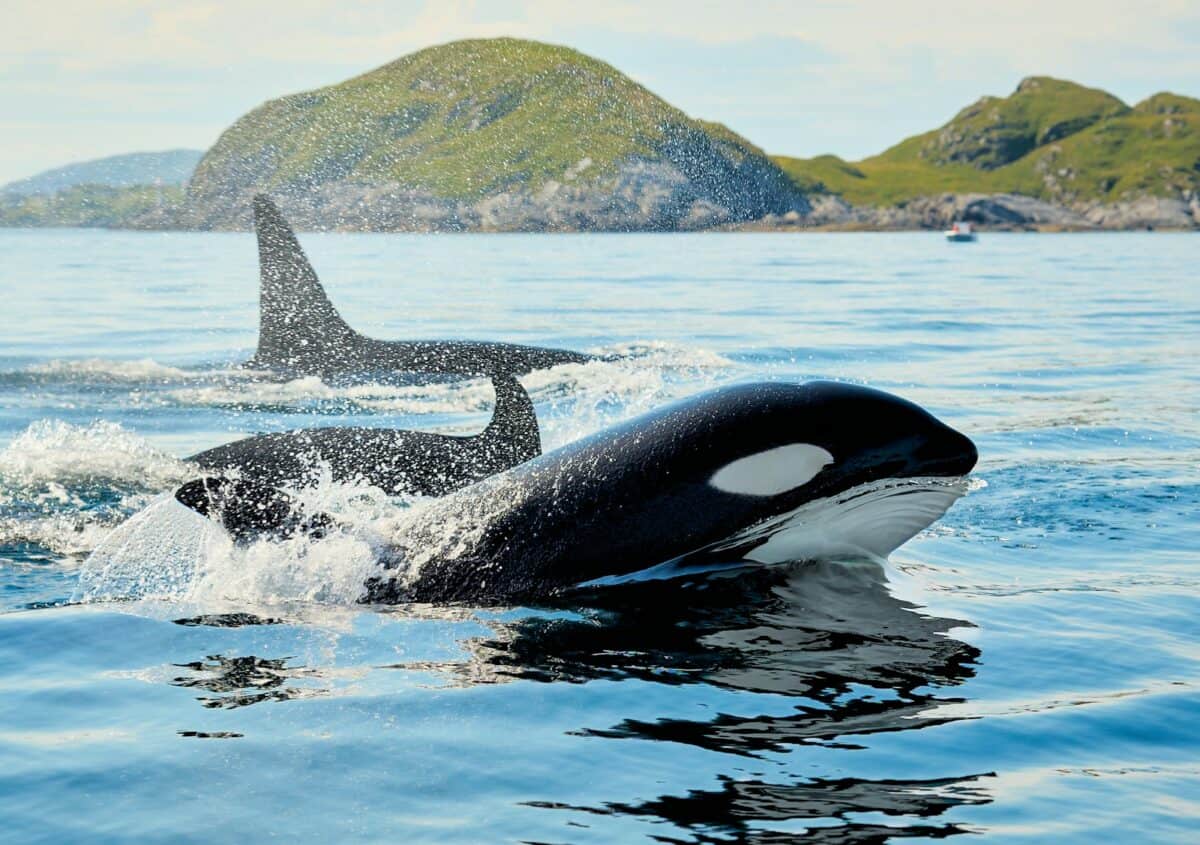
Recent research has revealed the sophisticated cognitive mechanisms underlying orca teaching behaviors, demonstrating that these marine mammals employ many of the same instructional strategies used by humans. Mothers use demonstration, guided practice, error correction, and positive reinforcement to help their calves develop beach hunting skills. This pedagogical sophistication rivals that found in the most intelligent terrestrial species.
Neurological studies have shown that young orcas undergo significant brain development during the learning period, with areas responsible for spatial processing, risk assessment, and motor coordination showing increased activity and growth. This neuroplasticity allows them to rewire their brains to accommodate the complex cognitive demands of beach hunting, essentially creating new neural pathways dedicated to this specialized behavior.
The social learning mechanisms employed by orcas include imitation, emulation, and innovation, with young individuals not only copying their mothers’ techniques but also developing their own variations and improvements. This combination of conservative knowledge preservation and innovative development ensures that beach hunting techniques continue to evolve and improve over time, adapting to changing environmental conditions and prey behaviors.
Conservation Implications
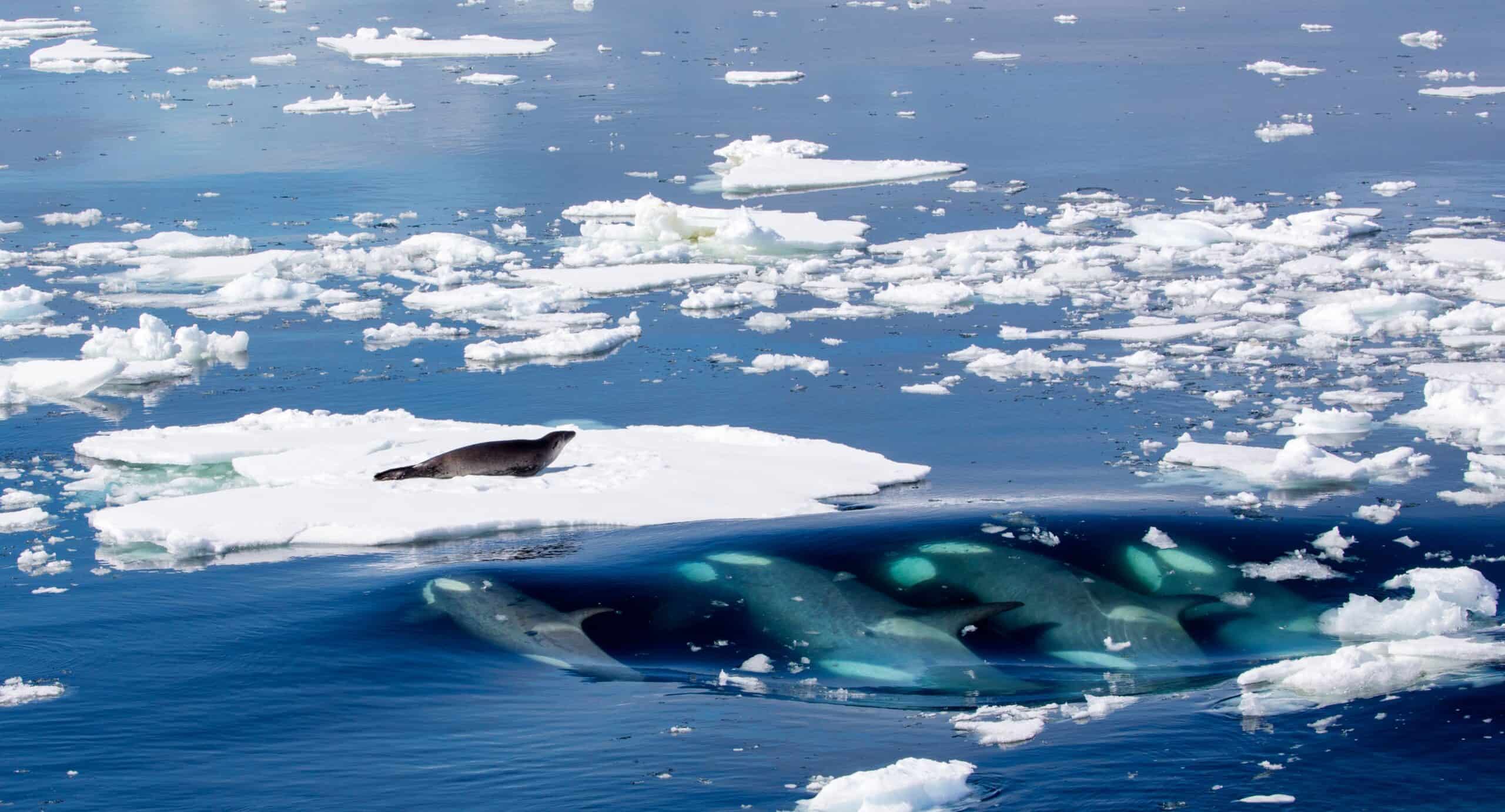
The cultural transmission of beach hunting techniques has significant implications for orca conservation, as the loss of experienced individuals can result in the permanent disappearance of these sophisticated hunting behaviors. Human activities such as boat traffic, pollution, and habitat destruction can disrupt teaching opportunities and interfere with the delicate process of knowledge transfer between generations. Protecting critical teaching areas and minimizing human disturbance during instruction periods is essential for maintaining these cultural traditions.
Climate change poses additional threats to beach hunting traditions, as changing ocean conditions, altered prey distributions, and modified coastal environments can make traditional techniques less effective or more dangerous. Orca populations may need to adapt their teaching methods to accommodate these environmental changes, requiring flexibility and innovation from experienced instructors. The ability to maintain cultural knowledge while adapting to changing conditions will be crucial for the long-term survival of beach hunting traditions.
Conservation efforts must recognize the importance of protecting not just individual orcas but also the cultural knowledge they carry. The death of a skilled matriarch represents not only the loss of an individual but also the potential loss of irreplaceable hunting knowledge that has been refined over generations. This cultural dimension of conservation adds complexity to protection efforts but is essential for maintaining the full richness of orca societies.
Future Research Directions
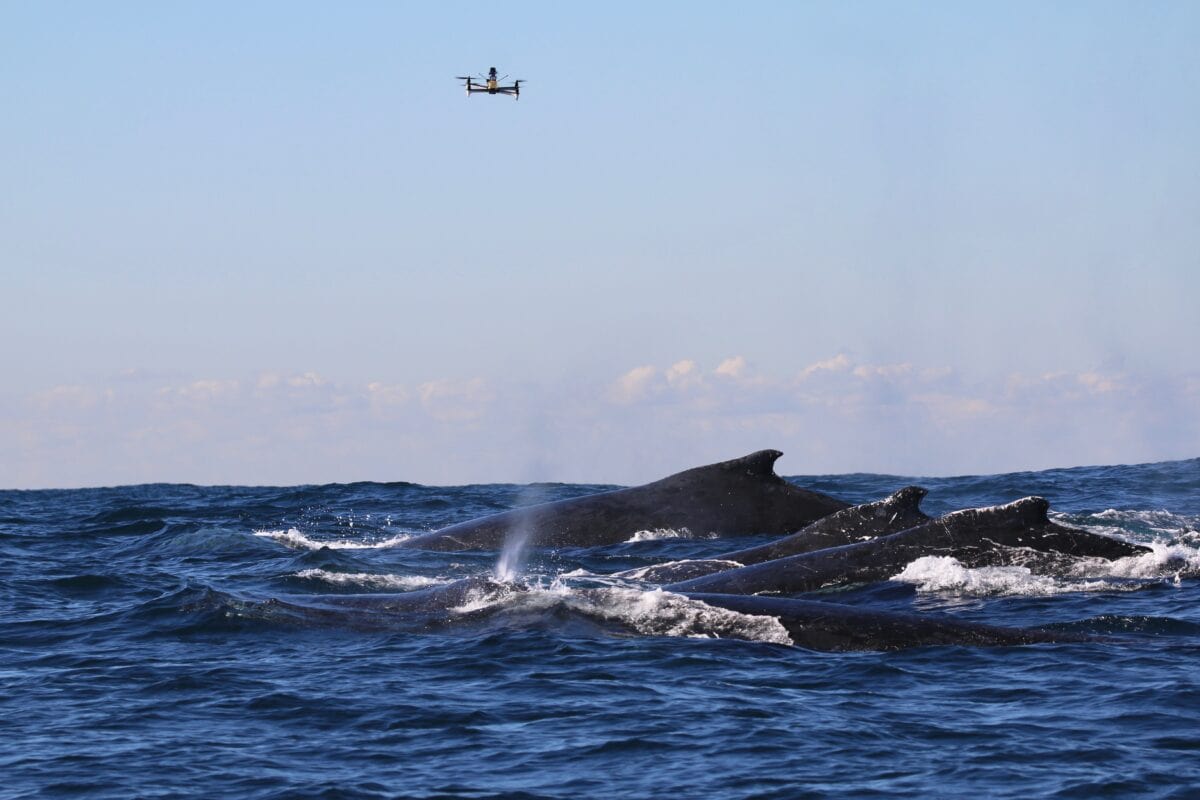
Scientists continue to study the fascinating process of beach hunting instruction, with new research technologies providing unprecedented insights into the cognitive and social mechanisms involved. Advanced underwater cameras, drone surveillance, and acoustic monitoring equipment allow researchers to observe and document teaching behaviors in greater detail than ever before. These technological advances are revealing new aspects of orca intelligence and social learning that were previously unknown.
Comparative studies between different orca populations are providing valuable insights into how environmental factors influence teaching methods and hunting techniques. By examining variations in instruction across different regions and populations, researchers can better understand the adaptive nature of these cultural traditions and identify the factors that contribute to successful knowledge transmission. This research has important implications for both conservation efforts and our understanding of animal intelligence.
Future research directions include investigating the genetic components of learning ability, studying the long-term effects of human disturbance on teaching success, and exploring the potential for artificial intelligence to model and predict the transmission of cultural knowledge in orca populations. These studies will continue to expand our understanding of one of nature’s most remarkable examples of cultural learning and transmission.
Conclusion

The phenomenon of orcas teaching their young to beach themselves represents one of nature’s most extraordinary examples of cultural learning and transmission. This complex behavior showcases the remarkable intelligence, social sophistication, and adaptability of these marine apex predators. The intricate process of instruction, involving years of careful observation, practice, and refinement, demonstrates that orcas possess cognitive abilities that rival those of the most intelligent terrestrial species.
The cultural transmission of beach hunting techniques across generations highlights the importance of experienced matriarchs in orca societies and the vulnerability of these traditions to human interference and environmental change. As we continue to study and understand these remarkable behaviors, we gain deeper insights into the complex social structures and cognitive capabilities of one of the ocean’s most fascinating inhabitants. The preservation of these cultural traditions depends not only on protecting individual orcas but also on maintaining the social structures and environmental conditions that make such sophisticated learning possible.
What aspects of this incredible teaching process surprised you most about orca intelligence and social behavior?

- The Coldest-Blooded Reptile That Can Survive Snow - June 20, 2026
- These Giant Jellyfish Keep Washing Up on U.S. Beaches - June 20, 2026
- These Fish Change Gender to Survive - June 19, 2026