


Wolves, nature’s masterful predators, have evolved a complex set of instincts that have ensured their survival across millennia. These magnificent creatures rely on deeply ingrained behaviors that guide everything from hunting and social interactions to territory defense and pup rearing. Understanding these instincts not only provides insight into wolf behavior but also helps explain many behaviors we see in their domesticated descendants—our beloved dogs. In this exploration of wolf psychology, we’ll examine eight natural instincts that have proven reliable survival tools for wolves throughout evolutionary history, and two instinctual behaviors that can sometimes lead these intelligent animals into dangerous situations. By understanding what drives wolves, we gain a deeper appreciation for these keystone predators and their crucial role in maintaining healthy ecosystems.
The Pack Hierarchy Instinct
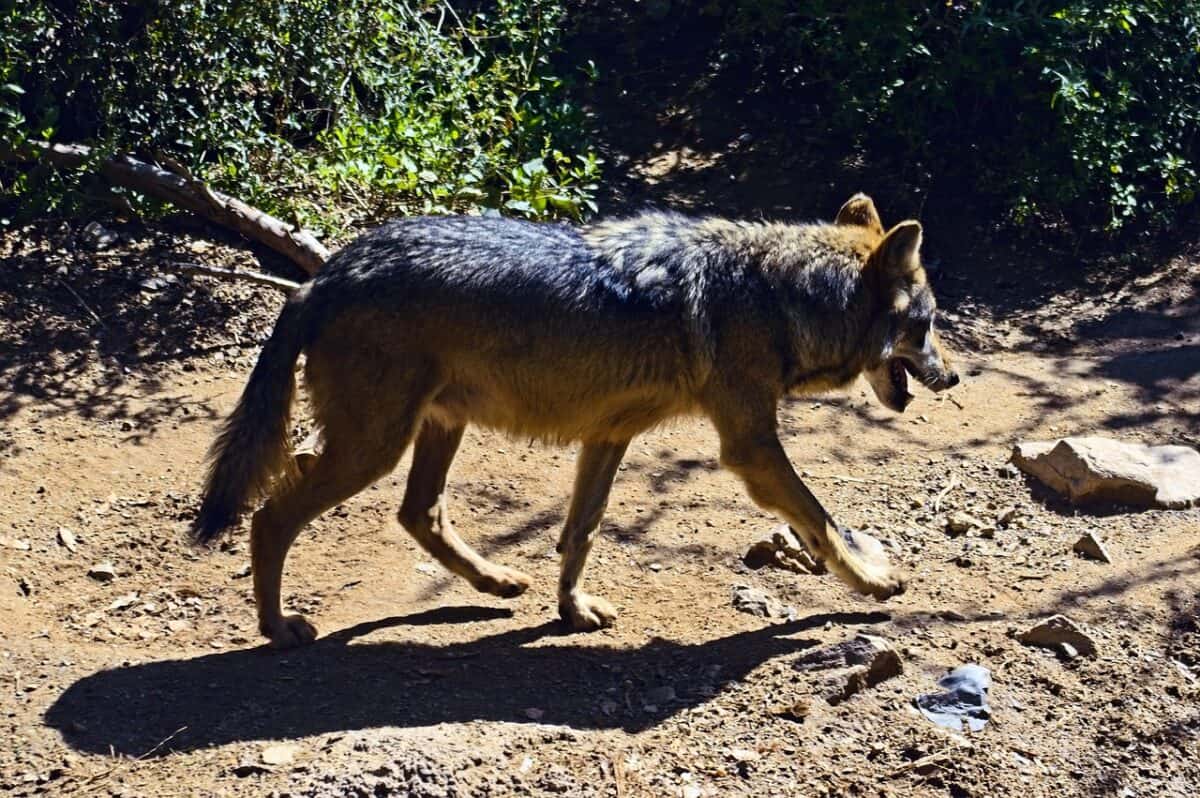
Perhaps the most well-known wolf instinct is their adherence to pack hierarchy. Wolves instinctively form complex social structures with clear leadership roles that maintain order and cooperation. The traditional view of the “alpha wolf” has evolved in scientific understanding, with researchers now recognizing that wild wolf packs typically function more like family units, with breeding pairs (often referred to as the alpha male and female) leading their offspring. This natural family structure creates stability and clear decision-making processes that benefit the entire pack.
This hierarchical instinct serves wolves well because it minimizes destructive conflict within the group while maximizing hunting efficiency and territory defense. Young wolves instinctively recognize and respect the authority of the breeding pair, learning crucial survival skills through observation and participation in pack activities. The pack’s cohesion, maintained through this instinctual respect for hierarchy, allows wolves to take down prey much larger than themselves and defend vast territories against rival packs—tasks that would be impossible for solitary wolves to accomplish.
The Hunting Coordination Instinct
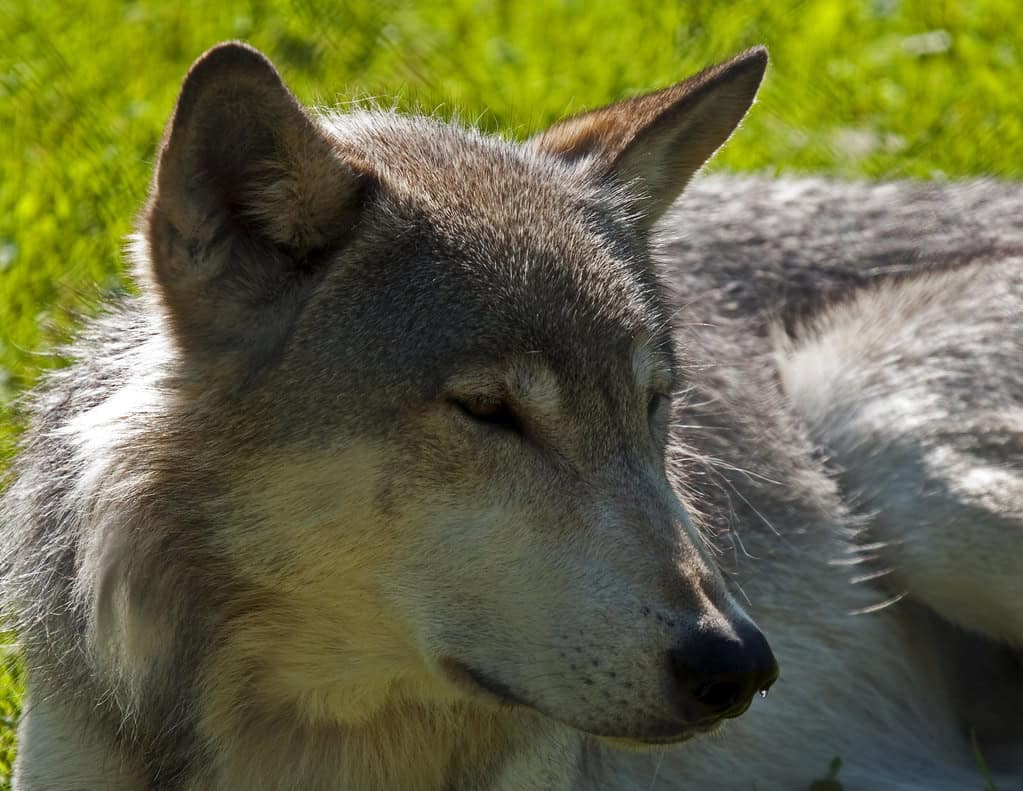
Wolves possess an extraordinary instinct for coordinated hunting that few other species can match. This instinct drives wolves to work together with remarkable precision, using sophisticated tactics that demonstrate both innate behavior and learned strategies. When pursuing large prey like elk or moose, wolves instinctively take different positions—some wolves chase and harass the target while others strategically position themselves to intercept or ambush. This division of labor isn’t taught but emerges naturally from their genetic programming, refined through practice and experience.
What makes this hunting instinct particularly impressive is how wolves adapt their strategies based on terrain, prey species, and environmental conditions. They instinctively understand how to use landscape features to their advantage, driving prey into natural bottlenecks or toward pack members waiting in ambush. Studies have documented wolves testing herds to identify vulnerable individuals, demonstrating an instinctual ability to assess prey condition and select optimal targets. This hunting coordination instinct has been crucial to wolf survival, allowing them to thrive in diverse habitats ranging from Arctic tundra to dense forests and open grasslands.
The Territory Marking Instinct
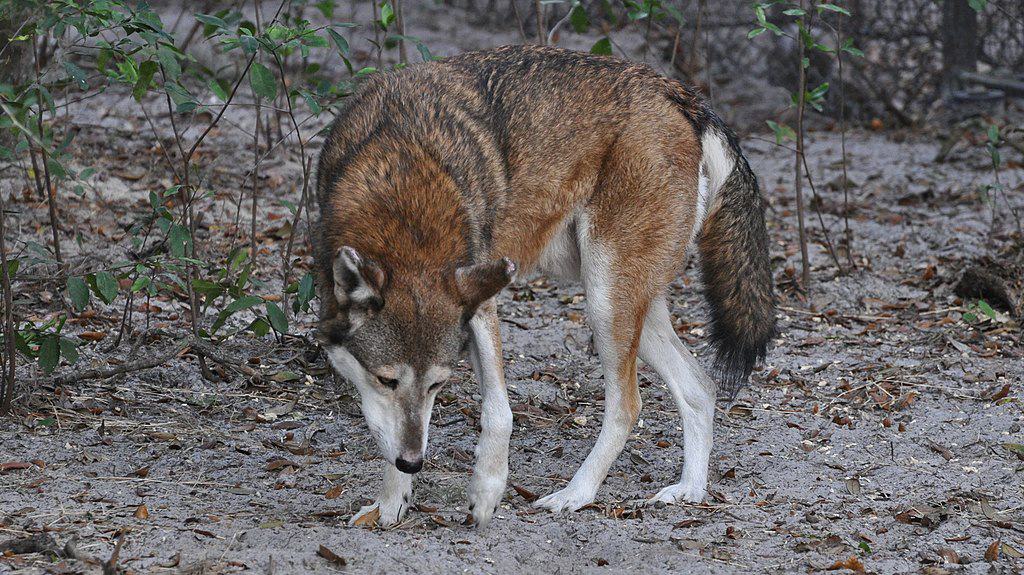
Wolves possess a powerful instinct to establish and maintain territories, using scent marking as their primary communication tool. This territorial behavior involves urinating at boundary lines, depositing scat in prominent locations, and ground scratching—all serving as olfactory and visual signals to neighboring packs. A wolf pack’s territory can range from 50 to over 1,000 square miles depending on prey density, habitat type, and wolf population pressure. The pack members instinctively understand the importance of maintaining these boundaries and contribute collectively to territorial defense.
This marking instinct serves wolves by reducing potentially deadly conflicts between neighboring packs. Rather than constant physical confrontations, wolves can “read” the landscape through scent markers, understanding which areas belong to other packs without direct encounters. Research has shown that wolves can determine the number, sex, and even reproductive status of other wolves through these scent marks. The territory marking instinct also helps distribute wolf populations across available habitat in sustainable ways, preventing overuse of resources and maintaining ecological balance. Wolf territories typically have little overlap except in buffer zones where confrontations occasionally occur, demonstrating how effective this instinctual system is at managing space sharing among apex predators.
The Den Selection Instinct
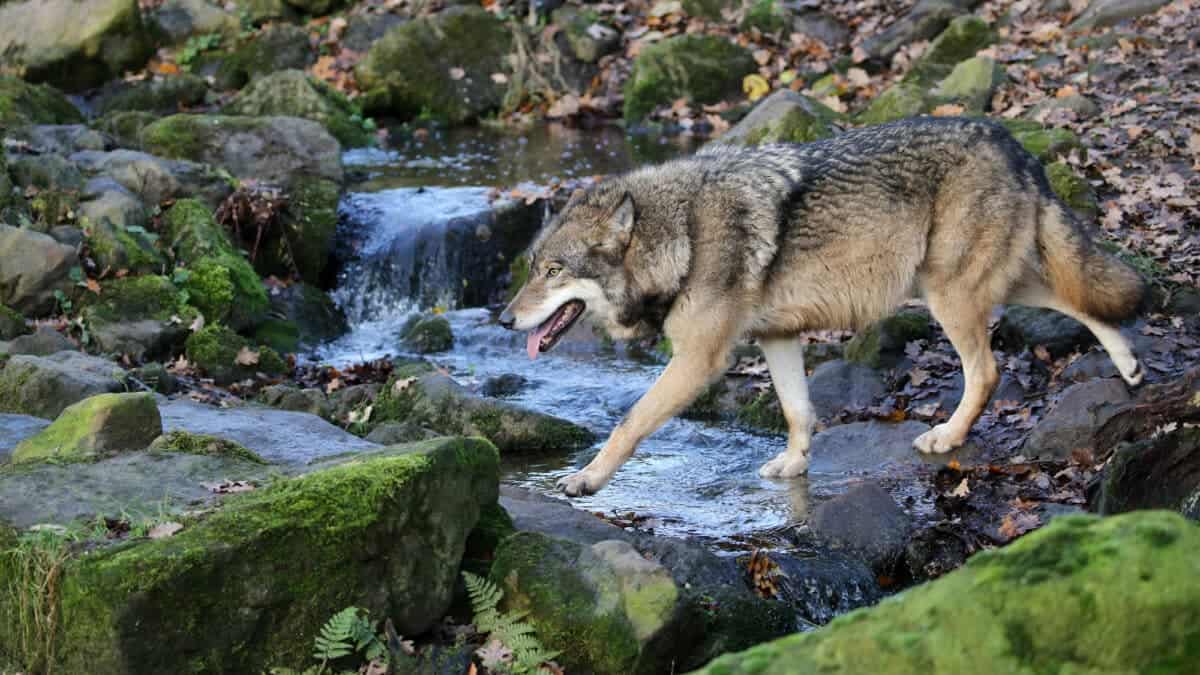
Female wolves possess a remarkable instinct for selecting appropriate den sites to birth and raise their pups. This critical decision-making process involves evaluating multiple environmental factors to ensure the safety and viability of their offspring. Breeding females instinctively seek locations that offer natural protection from predators and harsh weather—typically choosing sites near water sources, with good drainage, and offering multiple escape routes. They frequently select hillsides, rock outcroppings, hollow logs, or abandoned beaver lodges that provide both concealment and structural protection.
The den selection instinct incorporates sophisticated spatial awareness, with wolves instinctively avoiding areas of frequent human activity or territories of competing predators like bears. Female wolves often return to successful den sites year after year, demonstrating the reliability of this instinct in identifying optimal locations. The den serves as the pack’s focal point during the pup-rearing season, with adult wolves radiating out to hunt and returning to provision the nursing mother and growing pups. This instinct ensures that vulnerable wolf pups have the greatest possible chance of survival during their first critical weeks of life when they are entirely dependent on parental care and protection.
The Pup Rearing Instinct

Wolves exhibit an extraordinary collective instinct for pup rearing that extends beyond just the breeding pair to involve the entire pack. This cooperative breeding strategy ensures higher survival rates for wolf pups compared to many other predator species. When pups are born, pack members instinctively shift their behaviors to accommodate the needs of the vulnerable newborns. Non-breeding adult wolves (often older siblings from previous litters) regurgitate food for the nursing mother and later directly for the growing pups. This behavior occurs without any training or direction, demonstrating the depth of this innate caregiving instinct.
The pup rearing instinct also encompasses education and socialization. Adult wolves naturally demonstrate hunting techniques, territorial behaviors, and social interactions that pups observe and imitate. Play behaviors among adult wolves and pups serve as crucial learning opportunities, with adults instinctively moderating their strength and aggression to avoid injuring the young while still teaching important life skills. Perhaps most remarkably, wolf packs sometimes adopt orphaned pups from other packs—an instinctual behavior that prioritizes species survival over strict genetic relatedness. This comprehensive caregiving instinct ensures that wolf pups receive not just physical nourishment but also the social and behavioral education they’ll need to become successful adult pack members.
The Howling Communication Instinct

One of the most iconic wolf instincts is their powerful drive to communicate through howling. This vocal behavior serves multiple crucial functions in wolf society and has been finely tuned by evolution to transmit information across vast distances. Wolves instinctively howl to coordinate pack activities, advertise territory boundaries, and locate separated pack members. Each wolf has a distinct vocal signature that allows pack members to identify individuals even when they cannot see one another. Research has documented howls carrying over distances exceeding six miles in open terrain, making this an extraordinarily efficient communication system.
The howling instinct is also deeply tied to pack cohesion and bonding. When one wolf begins to howl, others instinctively join in, creating the chorus effect that many find so haunting. Scientists have identified different types of howls that serve specific purposes—assembly howls that gather the pack, territorial howls that warn off intruders, and greeting howls that celebrate reunions. Wolf pups begin practicing howling at just a few weeks of age, demonstrating the innate nature of this behavior. Perhaps most fascinating is how wolves instinctively modulate their howls to create the illusion of a larger pack—a sophisticated vocal deception that helps smaller packs defend their territories against larger groups by sounding more numerous than they actually are.
The Prey Drive Instinct
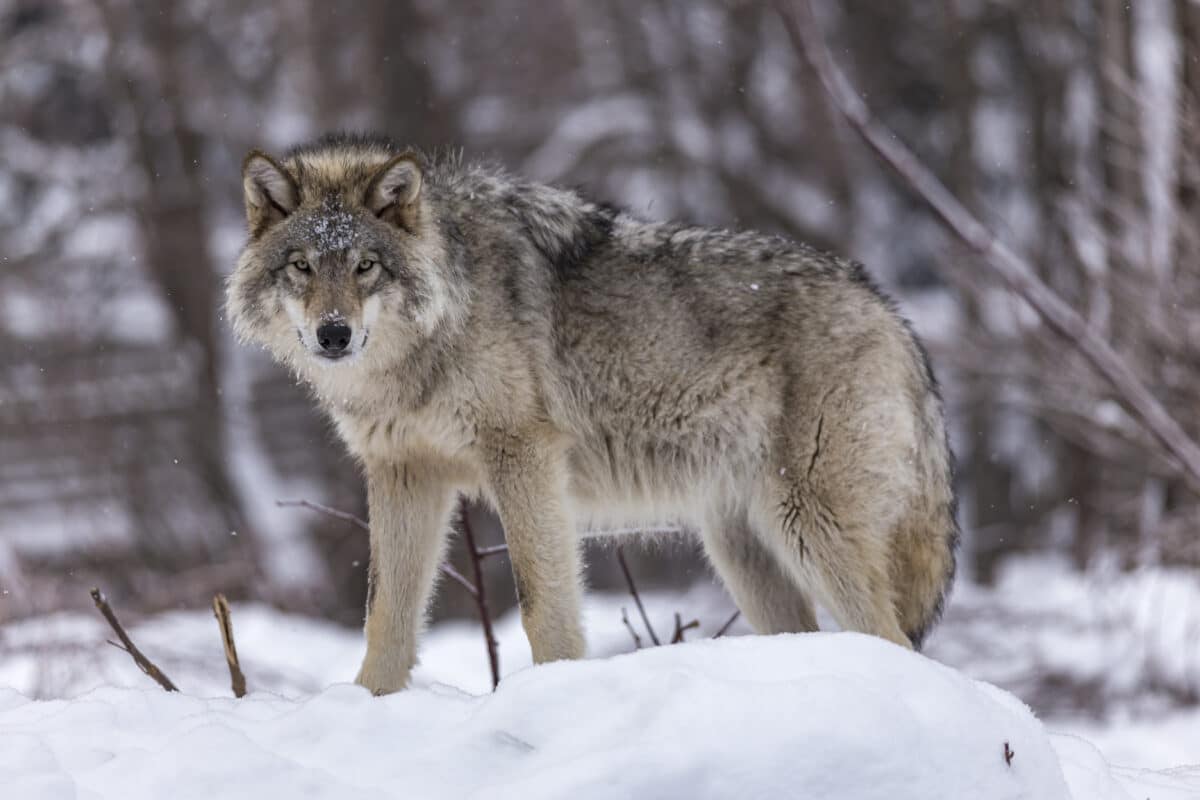
The prey drive instinct in wolves represents one of their most fundamental survival mechanisms—a complex set of behaviors that trigger in sequence from spotting potential prey to the final kill. This instinctual chain includes searching, stalking, chasing, biting, and consuming behaviors that activate in precise order. What makes this instinct particularly fascinating is its selective nature: wolves instinctively recognize appropriate prey species even without prior experience, showing innate discrimination between suitable targets and non-prey animals. This prey drive operates on a threshold system—when hunger increases or vulnerable prey is detected, the instinct activates more readily.
This prey drive instinct has been refined through millennia of evolution to focus wolf energy on obtainable, nutritionally worthwhile targets. Wolves instinctively assess prey vulnerability, often testing herds to identify sick, injured, or very young animals that require less energy to bring down. They show remarkable restraint by typically avoiding prey that could easily injure them, such as healthy adult bison or moose, unless desperate conditions prevail. The same instinct includes an automatic “off switch” once the wolf has consumed sufficient food, preventing wasteful killing beyond the pack’s needs. This sophisticated prey drive system ensures wolves maintain the optimal balance between energy expenditure during hunting and caloric gain from successful kills—a critical calculation for survival in harsh wilderness environments.
The Scavenging Opportunism Instinct

Despite their reputation as masterful hunters, wolves possess an equally important instinct for opportunistic scavenging that serves them well in challenging environments. This adaptable feeding strategy allows wolves to exploit food sources beyond their own kills, maximizing their energy intake while minimizing hunting risks. Wolves instinctively investigate carrion odors from remarkable distances, with studies suggesting they can detect carcasses from up to 1.75 miles away under favorable wind conditions. This natural drive to locate and utilize already-dead animals provides crucial nutritional supplementation, especially during winter months when hunting success rates decline dramatically.
The scavenging instinct includes specific behaviors that enhance its effectiveness. Wolves instinctively cache surplus food by digging shallow holes and covering meat with soil, snow, or vegetation for later retrieval—a behavior that creates natural “refrigeration” in cold climates. They also display a remarkable ability to consume and digest parts of carcasses that other predators avoid, including bone, hide, and hair, extracting maximum nutritional value from each scavenging opportunity. Perhaps most impressively, wolves show instinctual caution when approaching unfamiliar carcasses, often circling and observing before feeding—a behavior that reduces risk from other predators that might be nearby or from potentially dangerous decomposing meat. This balanced approach to scavenging complements their hunting abilities and contributes significantly to their survival strategy.
The Dangerous Curiosity Instinct
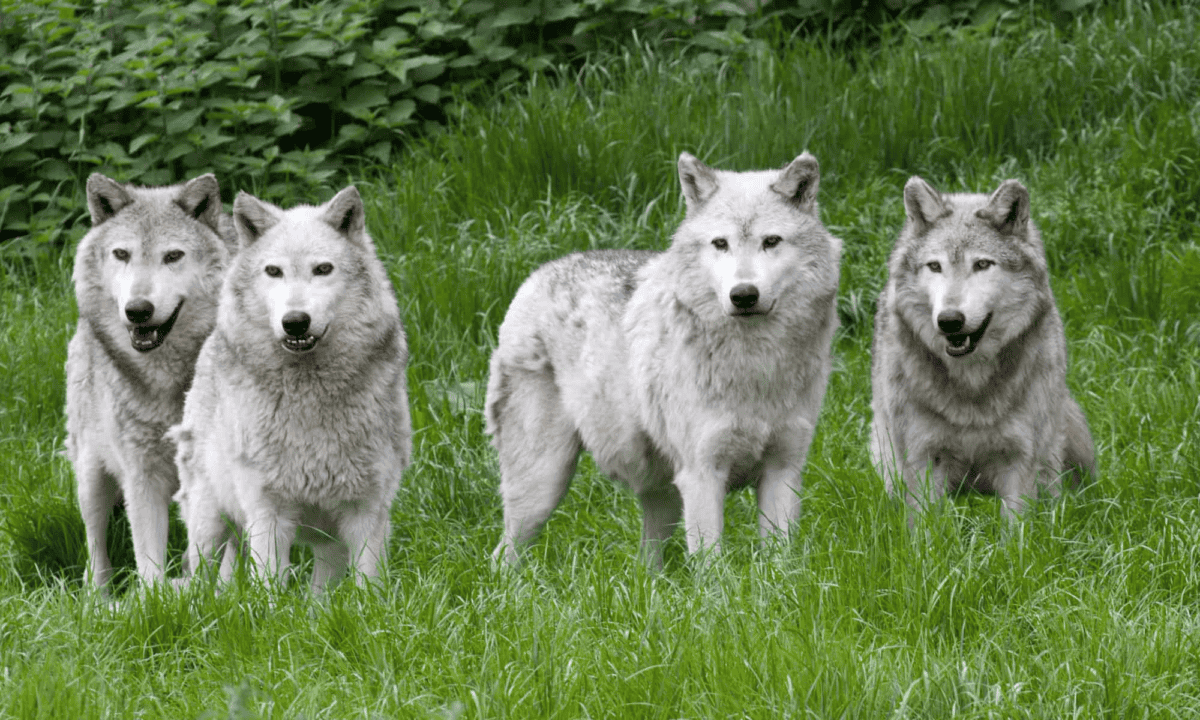
While most wolf instincts serve them well, their natural curiosity can sometimes lead them into dangerous situations. Wolves possess an innate investigative drive that compels them to explore novel objects, sounds, and scents in their environment—a trait that has adaptive value for discovering new resources but can also expose them to hazards. This curiosity instinct manifests when wolves encounter unfamiliar human structures, vehicles, or equipment in their territories. Rather than always maintaining a safe distance, wolves sometimes approach to investigate, potentially bringing them into harmful proximity to humans or human activities.
Historical records and contemporary research document numerous instances where curious wolves have investigated traps, poisoned bait, or human settlements with fatal consequences. Young wolves are particularly susceptible to this risky curiosity, lacking the learned wariness that older pack members develop through negative experiences. Wildlife biologists have observed that in protected areas where wolves haven’t been hunted for generations, their natural curiosity becomes more pronounced, sometimes leading to closer approaches to humans and developed areas. This instinct, while valuable for adaptation to changing environments, represents one of the behavioral traits that can lead these otherwise cautious predators astray, particularly in landscapes increasingly dominated by human infrastructure and activity.
The Misplaced Trust Instinct
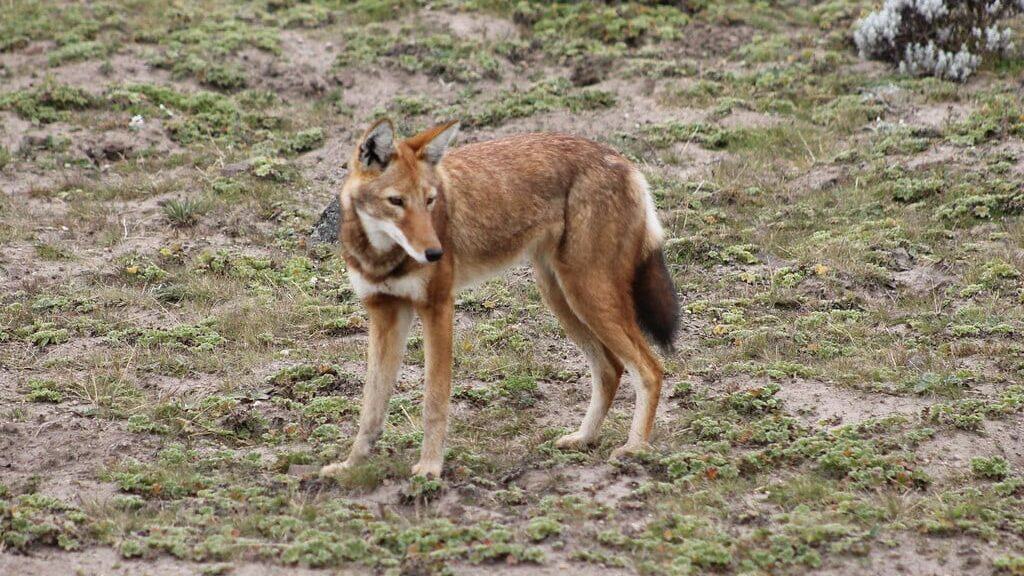
The second instinct that can lead wolves astray is their occasional tendency toward misplaced trust in familiar patterns. Wolves are creatures of habit who establish regular travel routes, hunting grounds, and denning areas that they use repeatedly when successful. Under stable conditions, this reliability instinct serves them well, allowing efficient use of their territory. However, when conditions change—particularly due to human activities—this same instinct can become dangerous. Wolves may continue to use traditional corridors even after roads have been built across them, leading to vehicle collisions. They might return to historically safe denning areas even after human development has encroached nearby, putting their pups at risk.
This misplaced trust becomes particularly problematic in areas where human attitudes or management policies toward wolves fluctuate. Wolves that become habituated to human presence during protective periods may continue to trust that consistency when policies change, making them vulnerable during hunting or control actions. Research from areas with wolf hunting seasons shows that wolves don’t immediately alter their behavior when hunting begins, often continuing to use exposed travel routes and predictable activity patterns for weeks before adapting. In essence, wolves sometimes trust the patterns of their world too deeply, their instinct for consistency overriding what might otherwise be appropriate caution in changing circumstances. This behavioral tendency reflects the evolutionary reality that, before widespread human impacts, environmental conditions typically changed slowly enough for wolves to adapt through learning rather than requiring immediate behavioral flexibility.
Conclusion: Understanding Wolf Instincts A Window Into Nature’s Wisdom

The eight beneficial instincts that wolves rely upon—pack hierarchy, hunting coordination, territory marking, den selection, pup rearing, howling communication, prey drive, and scavenging opportunism—demonstrate the sophisticated evolutionary adaptations that have allowed these apex predators to survive across millennia in diverse habitats. These instinctual behaviors represent nature’s wisdom encoded in the wolf’s DNA, refined through countless generations of natural selection. Conversely, the two instincts that sometimes lead wolves astray—their curiosity and misplaced trust—remind us that even the most perfectly adapted species can face challenges when environments change rapidly, particularly due to human influence.
Understanding these wolf instincts offers valuable insights beyond just appreciating these magnificent animals. Conservation efforts benefit from recognizing how these instinctual behaviors shape wolf movement patterns, habitat requirements, and responses to human activity. For dog owners, recognizing these ancestral instincts helps explain many companion canine behaviors that have their roots in wolf psychology. Perhaps most importantly, studying wolf instincts provides a humbling reminder of the intricate balance of natural systems, where each behavioral adaptation represents a solution to environmental challenges developed over evolutionary timescales. In protecting wolves and the wild places they need to express their natural instincts, we preserve not just a species but a living embodiment of nature’s problem-solving genius.

As a little kid, I fell in love with nature, wildlife, and animals. Living in the USA, South Africa, Italy, China and Germany gave me the opportunity to discover the world's Wildlife. My favorite animals are Mountain Gorillas, Siberian Tigers, and Great White Sharks.
I'm a certified PADI Open Water Diver, went to Everest Base Camp and Trekked Gorillas in Uganda. I hold a Master of Science in Economics and Finance.
Please send any feedback to feedback@animalsaroundtheglobe.com
- Why the Great Barrier Reef Is the Best Place to Spot Sea Turtles - June 3, 2026
- 2 Animals With Super Sized Body Parts and What They are For - June 3, 2026
- Explore The Azores - June 3, 2026