


Spiders have fascinated and frightened humans for millennia. These eight-legged arthropods have evolved remarkable anatomical features that set them apart from virtually every other creature on Earth. From their specialized silk-producing organs to their unique respiratory systems, spiders represent one of nature’s most successful evolutionary experiments. With over 48,000 known species inhabiting nearly every ecosystem on the planet, these arachnids have developed extraordinary adaptations that enable them to thrive as both predators and prey. In this article, we’ll explore the fascinating anatomical features that make spiders truly unique organisms, delving into the biological marvels that have allowed them to survive for more than 380 million years.
The Exoskeleton: A Spider’s Protective Armor

Unlike mammals with internal skeletons, spiders possess an exoskeleton made primarily of chitin, a tough, flexible polysaccharide similar to the material found in crab shells. This external armor provides crucial protection against predators and environmental hazards while also preventing water loss—a vital adaptation for terrestrial living. The exoskeleton is divided into two main body segments: the cephalothorax (or prosoma) at the front, which houses the brain, stomach, and legs, and the abdomen (or opisthosoma) at the rear, containing the heart, digestive system, and silk glands.
Perhaps most remarkably, the spider’s exoskeleton cannot expand as the animal grows. This limitation necessitates a process called molting, where spiders periodically shed their entire exoskeleton and grow a larger one. During this vulnerable period, spiders often hide away from predators, as their new exoskeleton is initially soft and provides little protection. Depending on the species, spiders may molt anywhere from 4 to 12 times before reaching adulthood, with each molt representing a distinct growth stage called an instar.
Eight Legs: The Hallmark of Arachnids

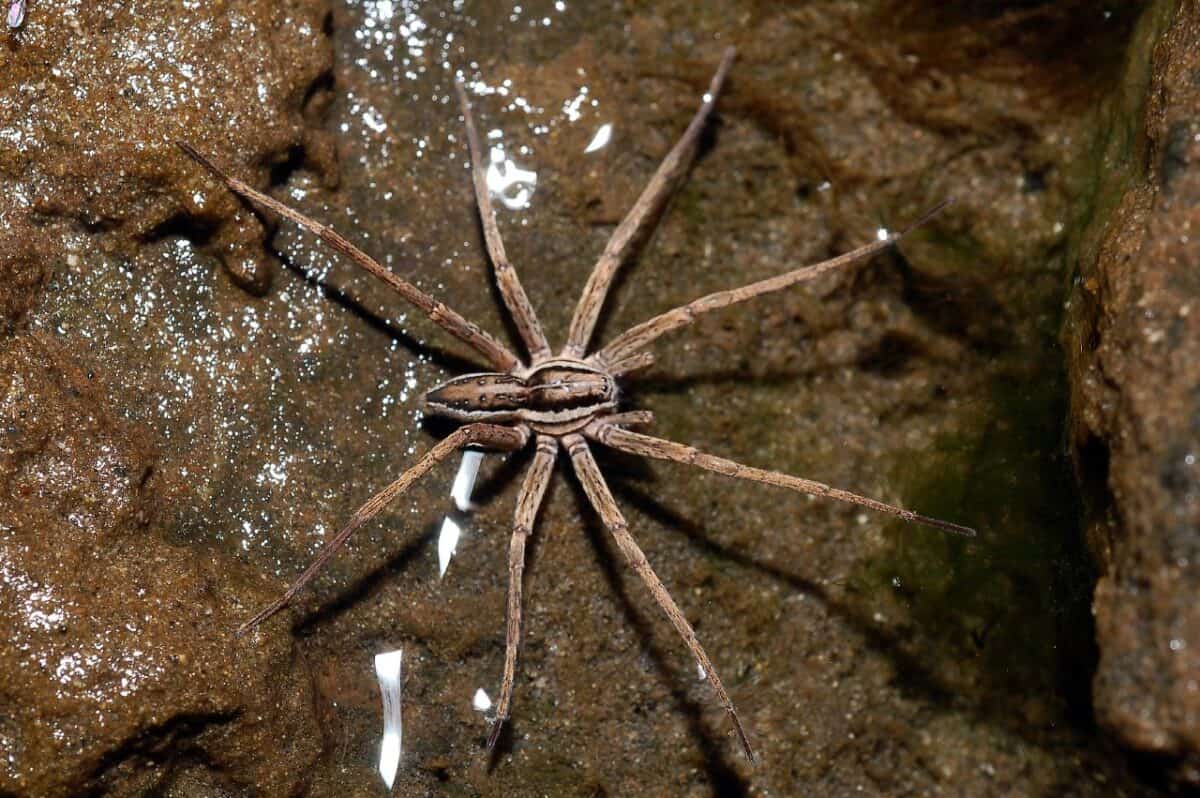
The most immediately recognizable feature of spiders is their eight legs, which instantly distinguishes them from insects (which have six). Each leg consists of seven distinct segments: the coxa, trochanter, femur, patella, tibia, metatarsus, and tarsus. This complex structure provides spiders with remarkable agility and precision in movement. The legs are not merely for walking—they serve as highly sensitive sensory organs. Covered in specialized hairs called setae, spider legs can detect the slightest vibrations, air currents, and even chemical signals in their environment.
Spider legs operate through a hydraulic system rather than muscles alone. While they do possess flexor muscles to bend their legs inward, they lack extensor muscles to straighten them. Instead, spiders pump hemolymph (their version of blood) into their legs to extend them—a remarkably efficient system that allows for precise movements with minimal energy expenditure. This hydraulic mechanism also explains why dead spiders are typically found with their legs curled inward; without blood pressure to extend them, the flexor muscles contract the legs by default.
Multiple Eyes: A Unique Visual System

Unlike most arthropods, spiders typically possess eight eyes arranged in specific patterns that vary by species—though some cave-dwelling species have reduced or lost their eyes entirely. These eyes are simple (ocelli) rather than compound like those of insects, but they’re specialized for different functions. The arrangement and size of a spider’s eyes often reflect its hunting strategy and lifestyle. Jumping spiders, for instance, have large forward-facing principal eyes that provide sharp, color vision for hunting, while their secondary eyes offer nearly 360-degree peripheral vision to detect movement.
The visual acuity of spiders varies dramatically between species. Hunting spiders like wolf spiders and jumping spiders have excellent vision, with the latter possessing the sharpest vision of any invertebrate. These hunters can see details at distances up to 20 cm away—remarkable for an animal with a brain smaller than a pinhead. Web-building spiders, by contrast, have poorer eyesight and rely more heavily on vibrations detected through their webs. This diversity in visual capabilities illustrates how spider anatomy has evolved to match specific ecological niches and hunting strategies.
Specialized Mouthparts: Fangs and Chelicerae

A spider’s mouth apparatus consists primarily of chelicerae—specialized appendages that each contain a fang and venom gland. These fangs inject venom into prey, immobilizing or killing it while simultaneously beginning the digestive process. Spider fangs are hollow and function much like hypodermic needles, delivering venom with remarkable precision. The orientation of these fangs varies among spider families: mygalomorph spiders (like tarantulas) have fangs that point downward and parallel to each other, while araneomorph spiders (most common spiders) have fangs that face each other and cross like pincers.
Beside the chelicerae are pedipalps, leg-like appendages that serve multiple functions. In females and immature males, pedipalps primarily help manipulate food and sense the environment. In mature males, however, the tips of the pedipalps develop into complex structures used to transfer sperm during mating—essentially functioning as external genitalia. This anatomical adaptation allows male spiders to collect their sperm in a specialized web and then draw it into their pedipalps before seeking a mate, representing one of the most unusual reproductive systems in the animal kingdom.
The Silk-Producing Marvel: Spinnerets

Perhaps the most extraordinary feature of spider anatomy is their spinnerets—specialized organs located at the rear of the abdomen that produce silk. Most spiders have six spinnerets arranged in three pairs, though the number can vary by species. Each spinneret contains numerous spigots connected to different silk glands, allowing spiders to produce various types of silk for specific purposes. The spinnerets can move independently, giving spiders precise control over silk placement when building webs, wrapping prey, or creating egg sacs.
Spider silk itself is a biological wonder—a protein fiber that, pound for pound, is stronger than steel yet more elastic than nylon. Different silk types serve different functions: dragline silk forms the supporting structure of webs, capture silk contains sticky droplets to ensnare prey, and egg sac silk protects developing offspring. Some spiders can produce up to seven distinct types of silk from different glands. The liquid silk protein solution is stored in the silk glands and only solidifies into fibers when extruded through the spinnerets, where it undergoes physical changes due to tension and exposure to air—a process scientists have long sought to replicate for industrial applications.
Unique Respiratory System: Book Lungs and Tracheae

Spiders possess one of the most unusual respiratory systems in the animal kingdom, often combining two different types of breathing organs. Book lungs, named for their stack of tissue sheets resembling the pages of a book, are the primary respiratory organs in many spider species. These structures contain numerous thin, blood-filled plates that exchange oxygen and carbon dioxide with the air. Air enters through a slit in the exoskeleton called a spiracle, and oxygen diffuses across the thin tissue layers into the spider’s hemolymph.
In addition to book lungs, many spider species also possess a tracheal system—a network of tubes that directly deliver oxygen to tissues throughout the body. This dual respiratory system represents an evolutionary advantage, providing efficient oxygen delivery that supports the spider’s active predatory lifestyle. The respiratory configuration varies among spider families: primitive spiders like tarantulas have two pairs of book lungs, while more evolved species typically have one pair of book lungs complemented by a tracheal system. This respiratory diversity reflects different evolutionary pathways and adaptations to various environments and metabolic demands.
Digestive System: External Pre-Digestion
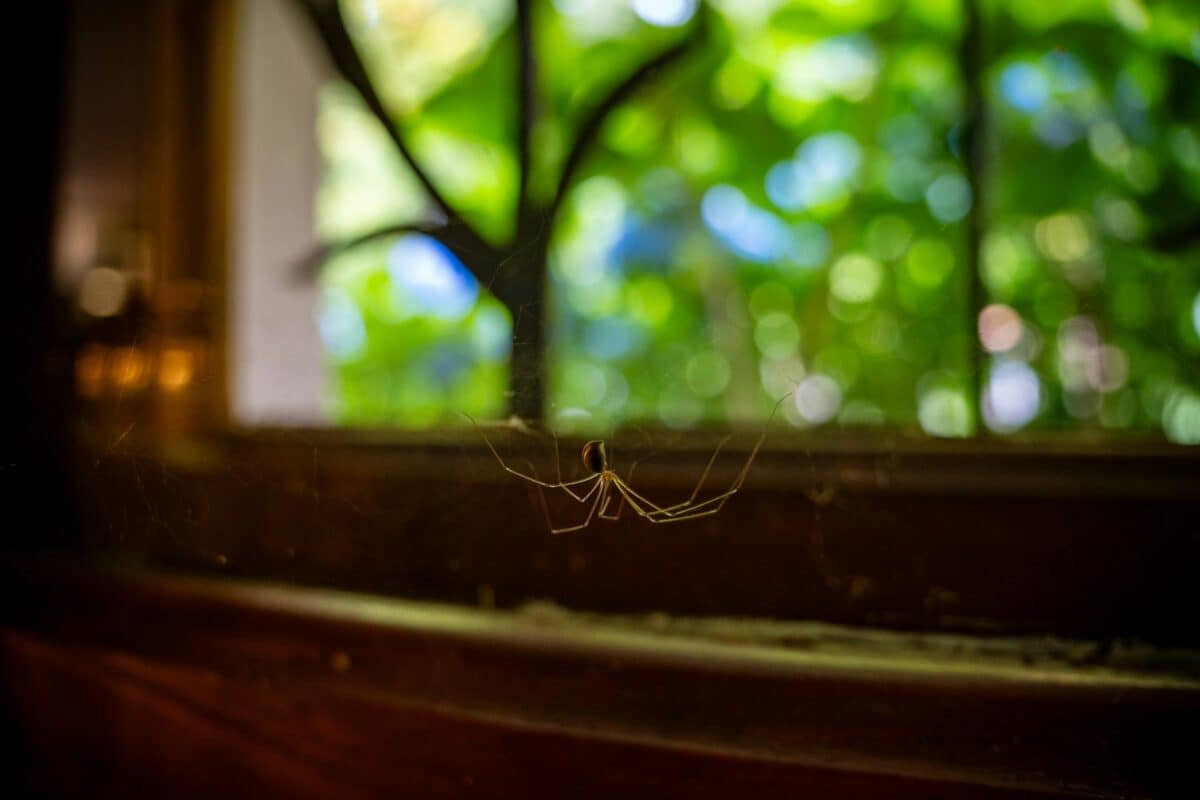
Spiders practice a form of external digestion that sets them apart from most other predators. After immobilizing prey with venom, spiders excrete digestive enzymes from their mouths onto their victims. These powerful enzymes liquefy the prey’s tissues, turning them into a nutrient-rich soup that the spider can then ingest through its small mouth opening. This adaptation allows spiders to consume prey much larger than themselves—a significant advantage for a predator. The liquefied meal travels through a narrow esophagus into the sucking stomach, which functions as a pump to draw the fluid into the midgut where absorption occurs.
The spider’s digestive tract extends into the abdomen, where it branches into numerous diverticula—blind-ended sacs that dramatically increase the surface area for nutrient absorption. This branched structure allows spiders to efficiently extract nutrients from their liquid diet. The undigested remains pass through a short hindgut and are eliminated through the anus. This highly specialized digestive system enables spiders to go extended periods without food—some species can survive months between meals by slowing their metabolism, an important adaptation for dealing with unpredictable prey availability in many environments.
Circulatory System: The Open Hemolymph Circuit

Unlike vertebrates with closed circulatory systems, spiders possess an open circulatory system where hemolymph—their equivalent of blood—flows freely around internal organs rather than being confined to vessels. The spider’s heart is a simple tubular structure located in the abdomen’s upper portion, with small pores called ostia that allow hemolymph to enter. When the heart contracts, hemolymph is pumped forward through the aorta into the cephalothorax, bathing the brain and other organs before circulating back to the abdomen.
Spider hemolymph appears blue-green because it contains hemocyanin—a copper-based respiratory protein—rather than the iron-based hemoglobin found in vertebrates. This hemocyanin transports oxygen throughout the body, though less efficiently than hemoglobin. The open circulatory system also plays a crucial role in the spider’s hydraulic leg extension mechanism and contributes to internal pressure that helps maintain body shape. Additionally, hemolymph carries nutrients, hormones, and immune cells called hemocytes that protect against infections, making this simple-appearing system remarkably multifunctional despite its primitive structure.
Nervous System: Small Brain, Remarkable Capabilities

Despite having a brain smaller than a pinhead, spiders display astonishing cognitive abilities and complex behaviors. The spider’s central nervous system consists of a supraesophageal ganglion (brain) located in the cephalothorax above the esophagus, and a subesophageal ganglion below it. From these ganglia, nerves extend to the eyes, mouthparts, and throughout the body. Rather than processing all information in the brain, spiders have a distributed nervous system where much of the neural processing occurs in ganglia located in the legs—a form of decentralized computing that allows for rapid responses.
This neural architecture enables spiders to perform remarkable feats of coordination and problem-solving. Jumping spiders can calculate complex three-dimensional trajectories for their leaps. Orb weavers construct geometrically precise webs without any instruction or practice. Some species even demonstrate learning capabilities, modifying their hunting strategies based on experience. Perhaps most impressive is that many of these behaviors are accomplished with minimal neural tissue—the jumping spider achieves its exceptional visual processing and hunting prowess with a brain containing fewer than 600,000 neurons, compared to the human brain’s 86 billion. This efficiency makes spider neurobiology a fascinating subject for researchers studying computational systems and artificial intelligence.
Reproductive Anatomy: Complex and Diverse Systems

Spider reproductive anatomy showcases some of the most unusual adaptations in the animal kingdom. Female spiders possess paired ovaries in the abdomen that connect to an epigyne—a hardened external genital structure with openings to sperm-storing organs called spermathecae. This complex genital architecture varies dramatically between species and serves as a key characteristic for taxonomic identification. Males, meanwhile, lack direct copulatory organs. Instead, they develop specialized structures at the tips of their pedipalps that function as sperm transfer devices. These palpal bulbs often feature elaborate, species-specific shapes that must precisely match the female’s epigyne—a form of “lock and key” mechanism that helps prevent hybridization between species.
The mating process itself reflects these anatomical specializations. Male spiders first spin a small “sperm web” onto which they deposit a drop of seminal fluid from their genital opening. They then use their pedipalps to draw up this fluid before seeking a female. During mating, the male inserts his pedipalps into the female’s epigyne, transferring sperm to her spermathecae where it may be stored for months before fertilizing eggs. This indirect sperm transfer is unique among arthropods and has driven the evolution of complex courtship rituals that help males approach potentially cannibalistic females safely. In many species, males have developed specialized anatomical features or behaviors specifically to reduce the risk of being eaten during or after mating—an evolutionary arms race between the sexes that has produced some of the most bizarre reproductive adaptations in nature.
Sensory Organs: Beyond Vision

While spider eyes receive much attention, these arachnids possess an array of other remarkable sensory structures that provide them with detailed information about their environment. Perhaps most important are the thousands of mechanoreceptor hairs (setae) covering their bodies and legs. These specialized hairs can detect the slightest air movements—allowing spiders to sense approaching predators or prey—and vibrations traveling through surfaces. Web-building spiders essentially use their webs as extended sensory organs, detecting the precise location and size of ensnared prey through vibration patterns transmitted to their legs.
Spiders also possess chemoreceptors that detect airborne and contact chemicals, allowing them to “taste” with their feet and pedipalps. These chemical senses help them identify suitable prey, detect pheromones from potential mates, and recognize the silk of other spiders. Some hunting spiders even possess specialized organs called lyriform organs—slit-like structures in the exoskeleton that detect minute deformations and vibrations. In jumping spiders, these organs can detect vibrations from sounds, essentially giving them a form of hearing despite lacking ears. The integration of these diverse sensory inputs enables spiders to create a detailed mental representation of their surroundings despite their relatively simple nervous systems, allowing for the complex hunting strategies and social behaviors observed in many species.
Conclusion: Nature’s Masterpiece of Adaptation
The spider’s anatomy represents one of evolution’s most successful designs, combining efficiency, versatility, and specialization in a small package that has allowed these arachnids to colonize nearly every terrestrial habitat on Earth. From their hydraulic leg extension system to their silk-producing organs, spiders possess anatomical features that have no parallel elsewhere in the animal kingdom. These unique adaptations have enabled them to become formidable predators despite their typically small size, occupying ecological niches that would otherwise be unavailable to arthropods of their dimensions. Their anatomical innovations continue to inspire human technology, from the development of new materials based on spider silk to robotic designs influenced by their efficient locomotion.
Perhaps most remarkable is how spider anatomy demonstrates evolutionary solutions to biological challenges that differ radically from those seen in vertebrates. Their external digestion, open circulatory system, hydraulic limb extension, and indirect sperm transfer represent alternative pathways to solving fundamental biological problems. By studying these divergent solutions, scientists gain broader insights into evolutionary processes and biological principles. As we continue to discover new spider species and investigate their anatomy with increasingly sophisticated techniques, we can expect to uncover even more remarkable adaptations that expand our understanding of what is biologically possible. The spider stands as a testament to the extraordinary diversity of life and the countless ways that natural selection can shape organisms to thrive in a complex and challenging world.

From exploring the marine wonders in the Azores and witnessing the vast savannas of Kenya, to delving deep into the rich biodiversity of South Africa and traversing iconic landscapes in Australia and the US like Yellowstone, Chris's experiences are vast.
With a penchant for diving alongside sharks, the ocean holds a special place in his heart.
Through his academic insights, he champions wildlife conservation, striving with 'Animals Around The Globe' to cultivate a profound connection between humans and animals, enhancing our mutual appreciation.
Connect with him at Feedback@animalsaroundtheglobe.com.
- What Scientists Found in a 10,000-Year-Old Beehive - July 20, 2026
- This Spider Builds Fake Decoys of Itself - July 20, 2026
- What Happens If a Crocodile Fights a Hippo? - July 20, 2026
Leave a comment
You must be logged in to post a comment.