


The reintroduction of wolves in Michigan represents one of the most contentious wildlife management issues in the state’s history. Once abundant across the Upper Peninsula and northern Lower Peninsula, gray wolves were nearly eradicated by the 1970s due to hunting, trapping, and habitat loss. Their gradual return—through both natural migration and conservation efforts—has ignited fierce debate among residents, policymakers, conservationists, and various stakeholder groups. The controversy touches on fundamental questions about ecosystem management, rural livelihoods, recreational land use, and the very relationship between humans and predators in modern landscapes. Understanding why this issue generates such heated disagreement requires examining multiple perspectives, scientific research, and the complex interplay of ecological, economic, and cultural factors at stake.
Historical Context of Wolves in Michigan
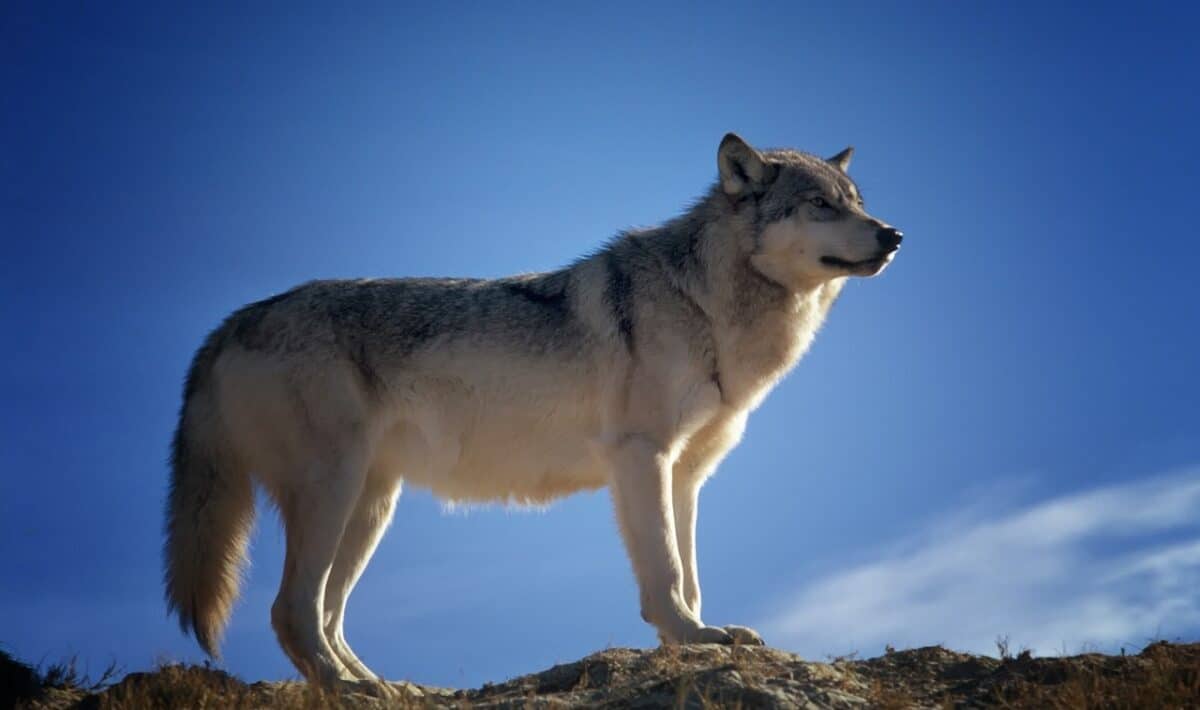
Prior to European settlement, an estimated 2,000-3,000 gray wolves roamed Michigan’s forests, serving as apex predators in a balanced ecosystem. By the mid-20th century, systematic eradication efforts had reduced their numbers to near extinction in the state. The last native wolves were killed in the Lower Peninsula in the 1910s and in the Upper Peninsula by the 1960s, with only occasional sightings of wolves crossing over from Minnesota or Wisconsin. The species’ status dramatically changed when wolves received federal protection under the Endangered Species Act in 1974, setting the stage for their eventual recovery.
During the 1980s and 1990s, wolves began naturally recolonizing Michigan’s Upper Peninsula from neighboring Wisconsin and Minnesota populations. This natural migration, coupled with federal and state protection, allowed the population to steadily grow. By 2022, the Michigan Department of Natural Resources (MDNR) estimated approximately 695 wolves in the Upper Peninsula across 143 packs, marking a remarkable recovery from near-extinction. This resurgence, while celebrated by many as a conservation success story, has also rekindled age-old tensions between humans and predators in shared landscapes.
Ecological Benefits of Wolf Reintroduction

Ecologists and wildlife biologists point to numerous benefits wolves bring to Michigan’s ecosystems. As apex predators, wolves help regulate ungulate populations, particularly white-tailed deer, preventing overgrazing and promoting healthier forest regeneration. Research in the Upper Peninsula has shown that wolves primarily target vulnerable deer—the sick, injured, old, or very young—potentially improving the overall health of deer herds by removing diseased individuals that might spread ailments like Chronic Wasting Disease. This natural selection process creates different patterns of herbivory than human hunting, which often targets the largest, healthiest animals.
Wolves also create what ecologists call a “landscape of fear,” altering deer behavior and movement patterns in ways that reduce browsing pressure on sensitive vegetation. This trophic cascade effect has been documented in other regions with wolf populations, most famously in Yellowstone National Park, where wolf reintroduction led to ecosystem-wide changes including improved riparian habitat, increased beaver populations, and greater biodiversity. While Michigan’s forests differ from Yellowstone, preliminary research suggests similar ecological benefits are occurring in areas with established wolf packs, contributing to more diverse and resilient ecosystems.
Economic Concerns from Farmers and Ranchers
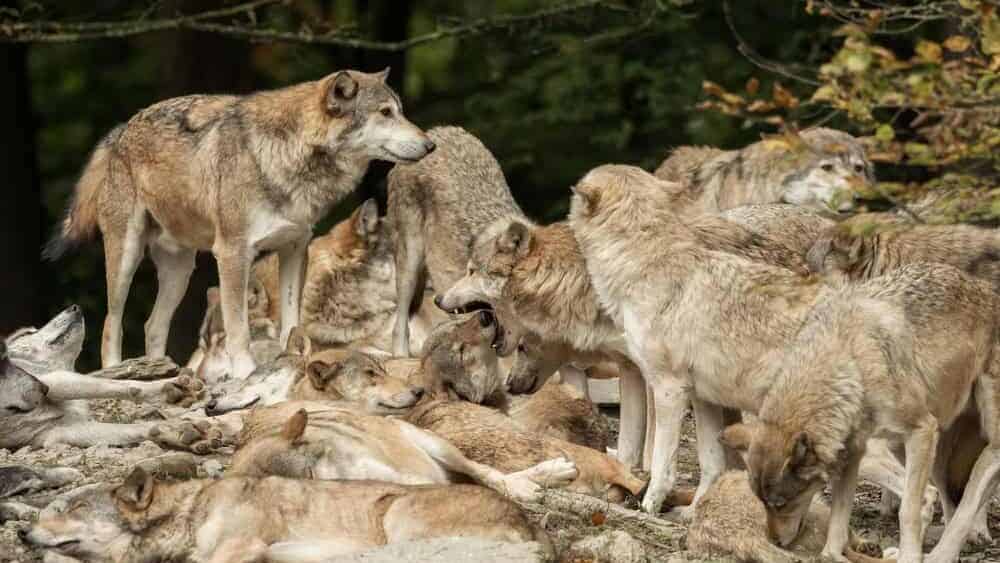
Among the most vocal opponents of wolf reintroduction are livestock producers, particularly in the Upper Peninsula, who face direct economic impacts from predation. Between 2010 and 2022, the MDNR verified 155 wolf attacks on livestock, domestic animals, and hunting dogs in Michigan. While this number may seem relatively small compared to other causes of livestock mortality, the financial and emotional toll on individual farmers can be substantial. A single wolf attack can result in multiple casualties, creating significant economic hardship for small-scale operations already operating on thin profit margins in the challenging agricultural environment of Michigan’s north country.
The compensation programs established to reimburse farmers for verified wolf depredation have been criticized as inadequate. They typically cover only the market value of killed animals, not accounting for veterinary costs for injured livestock, stress-induced productivity losses in surviving animals, or the additional labor and expenses required for implementing wolf deterrents. Some farmers also report frustration with the verification process, claiming that the burden of proof is too high and that many predation events go uncompensated. These economic realities have fueled significant opposition to wolf recovery efforts among agricultural communities, who feel their livelihoods are being sacrificed for conservation goals established by distant decision-makers.
Hunter Perspectives and Competing Wildlife Values
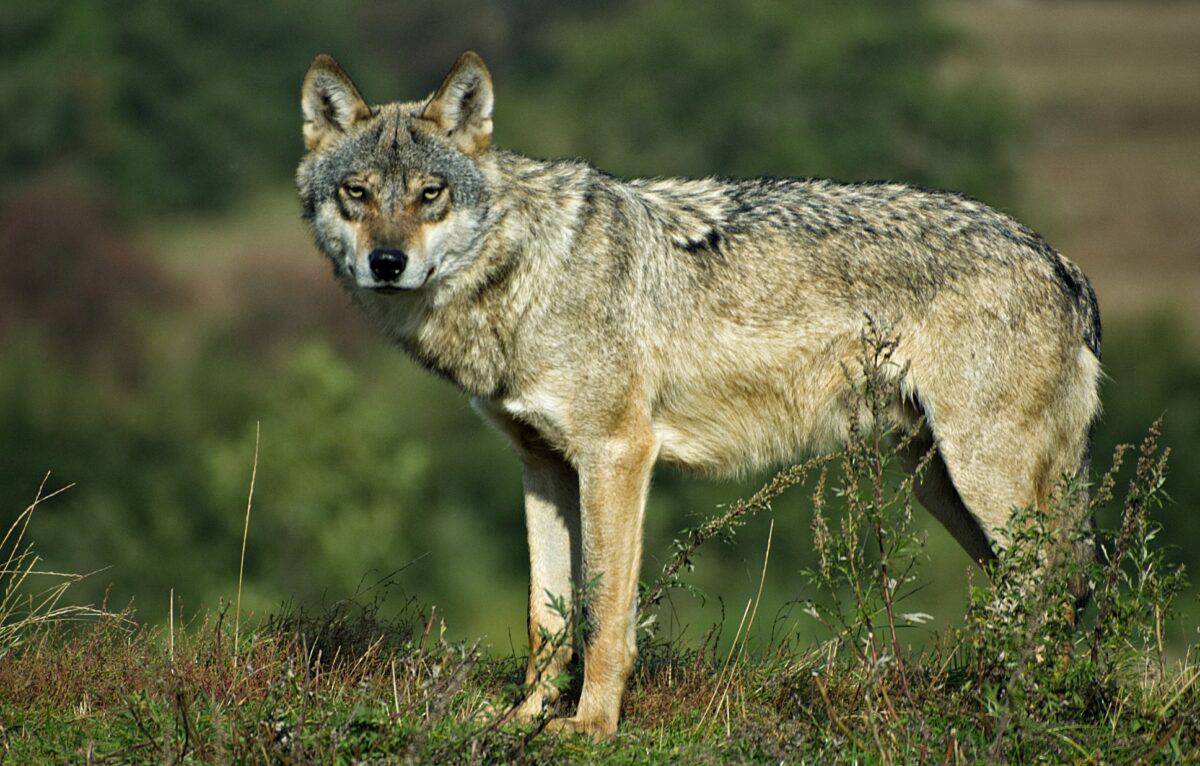
Michigan’s hunting community holds diverse views on wolf reintroduction. Some hunters, particularly those focused on deer hunting, express concern that wolves reduce deer populations in certain areas, potentially affecting hunting success and traditions. Research from the Upper Peninsula has shown localized impacts on deer density in areas with established wolf territories, though the relationship is complex and influenced by many factors including habitat quality, winter severity, and human hunting pressure. The perception that wolves threaten hunting opportunities has mobilized some hunting organizations to advocate for wolf population control, including the controversial proposition of establishing a wolf hunting season.
Conversely, other hunters view wolves as a natural part of the ecosystem and appreciate their role in maintaining healthy game populations. These hunters often emphasize the value of pursuing game in truly wild landscapes where all native predators are present. This philosophical divide within the hunting community reflects broader differences in wildlife values—between those who primarily value wildlife as a resource to be managed for human benefit and those who place greater emphasis on natural ecological processes. The debate becomes particularly heated when discussing proposed wolf hunts, with stakeholders disagreeing fundamentally on whether wolves should be classified as game animals or protected wildlife.
Cultural and Spiritual Significance to Indigenous Communities
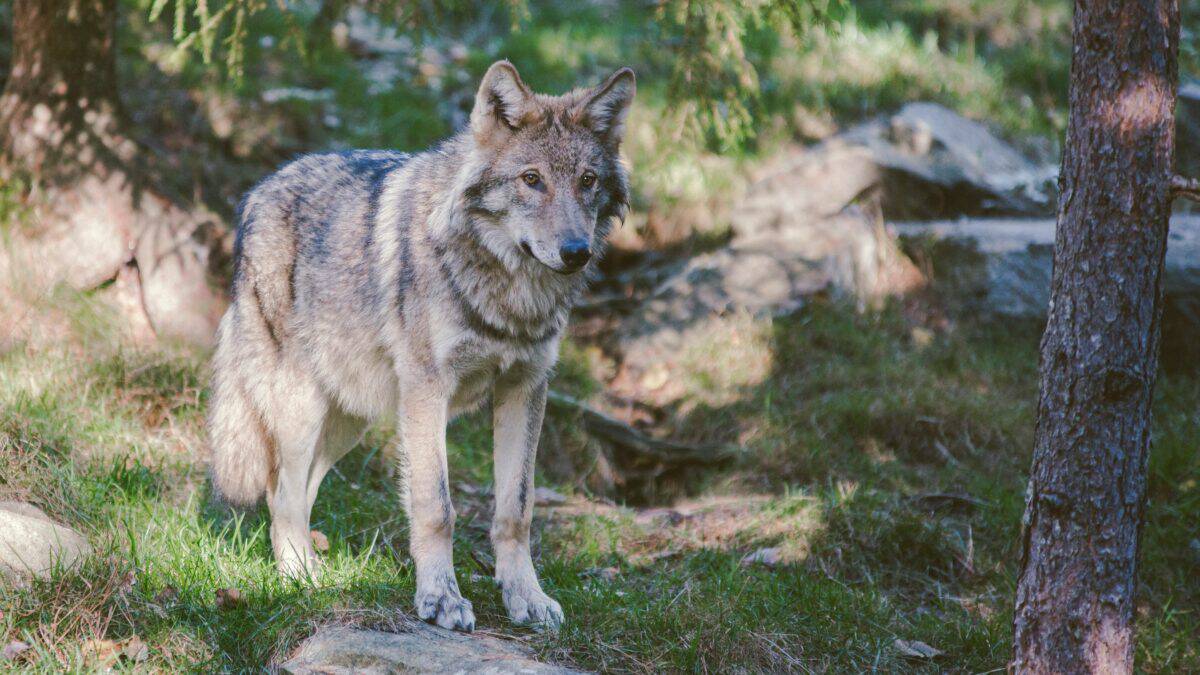
For Michigan’s Native American tribes, particularly the Anishinaabe (Ojibwe, Odawa, and Potawatomi), wolves hold profound cultural and spiritual significance. In traditional Anishinaabe cosmology, the wolf (ma’iingan) is considered a brother to humans, created as a companion and fellow traveler. Many tribal stories teach that the fate of wolves and humans is interconnected—what happens to one will happen to the other. This deep cultural connection has led Michigan’s tribal governments to generally support wolf protection efforts, with some tribes establishing their own wolf management plans emphasizing coexistence rather than lethal control.
The Bay Mills Indian Community, Keweenaw Bay Indian Community, Lac Vieux Desert Band, and other tribes have been active participants in wolf management discussions, often advocating for greater protection and recognition of the species’ cultural importance. Their perspectives add a crucial dimension to the debate, highlighting that for many Indigenous people, wolves represent not just an ecological or economic issue but a matter of cultural continuity and spiritual health. This Indigenous viewpoint sometimes conflicts with both pro-hunting and ranching interests, creating complex alliances and divisions that transcend simple pro-wolf versus anti-wolf positions.
Scientific Disputes and Population Management

The science of wolf management itself has become contested terrain, with experts disagreeing about fundamental questions such as optimal population size, carrying capacity, and appropriate management techniques. The MDNR’s wolf management plan aims to maintain a viable wolf population while addressing conflicts, but determining the appropriate balance remains challenging. Some biologists argue that Michigan’s Upper Peninsula could sustainably support more wolves than the current population, while others contend that human tolerance, rather than ecological carrying capacity, should determine management goals. This reflects a broader tension in wildlife management between purely biological considerations and the social dimensions of coexistence.
Disputes also arise regarding the effectiveness of different management approaches. Non-lethal deterrents—including fladry (flags hung on fences), guard animals, sound and light devices, and changes in husbandry practices—have shown promise in reducing conflicts in some contexts but remain imperfect solutions. Meanwhile, the efficacy of lethal control remains hotly debated, with some research suggesting that wolf removal can sometimes increase livestock depredation by disrupting pack structure. The scientific uncertainty surrounding these issues provides ammunition for various stakeholders to cherry-pick evidence supporting their preferred policies, further complicating consensus-building efforts.
Legal Battles and Regulatory Ping-Pong

The legal status of wolves in Michigan has undergone numerous changes, creating a confusing regulatory environment. Wolves were initially protected under the federal Endangered Species Act, then partially delisted, relisted, delisted again, and relisted once more through various court decisions and administrative actions. This regulatory ping-pong has frustrated stakeholders on all sides. In 2012, Michigan legislators classified wolves as game animals, potentially opening the door for a hunting season. This led to a citizen referendum to overturn the hunting classification, which passed, only to be circumvented by a second legislative act. Another referendum overturned that action as well, demonstrating the deep public engagement with this issue.
The most recent major development came in February 2022, when wolves were removed from federal endangered species protection across most of the lower 48 states, including Michigan. However, in September 2022, a federal judge restored protections, ruling that the U.S. Fish and Wildlife Service had failed to adequately consider threats to wolves outside core population areas. This ongoing legal uncertainty has complicated management efforts and heightened tensions, as stakeholders struggle to navigate changing regulations while advancing their preferred policies. The result has been a patchwork of temporary solutions rather than a stable, long-term management framework acceptable to most parties.
Rural-Urban Divide in Wolf Perception
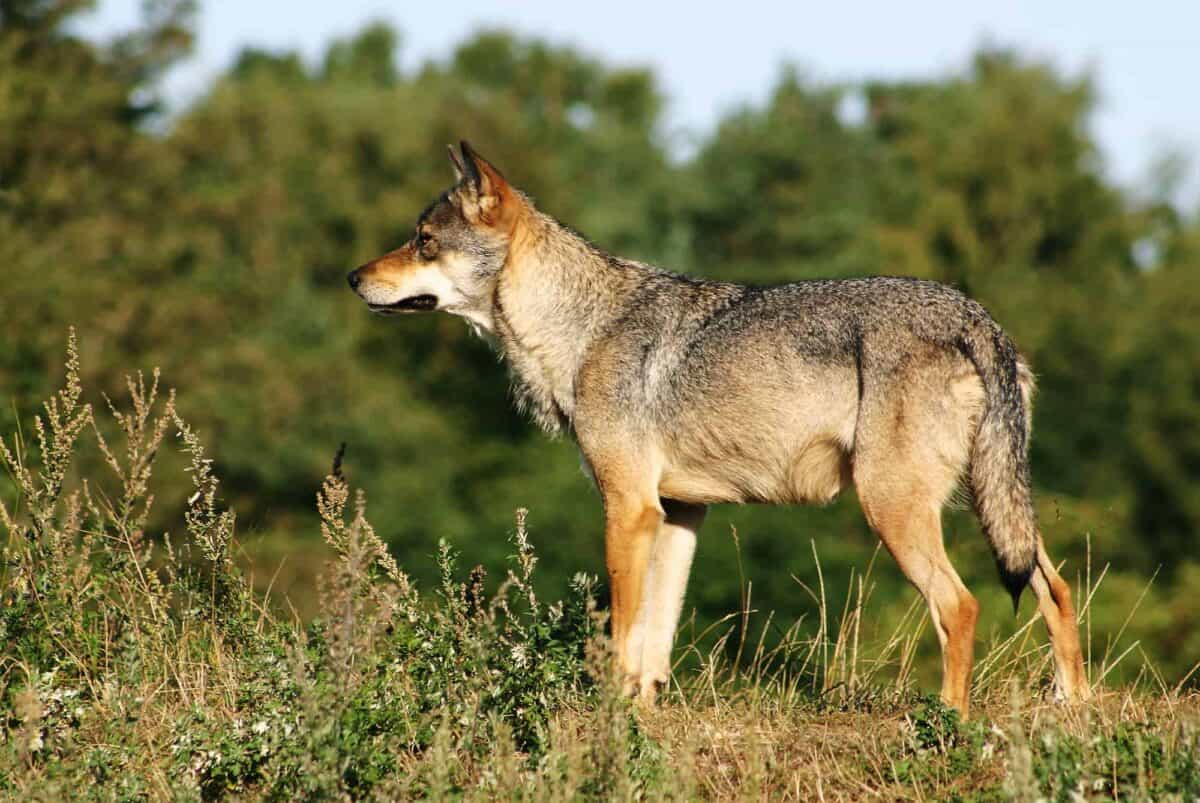
One of the most pronounced aspects of the wolf debate in Michigan is the stark divide between rural and urban perspectives. Generally, support for wolf reintroduction is stronger in urban and suburban areas, particularly in southern Michigan, where residents experience the emotional and aesthetic benefits of knowing wolves exist in the state without bearing the costs of direct coexistence. Urban perspectives often emphasize the ecological benefits of wolves and their intrinsic right to exist in their native range. Public opinion surveys have consistently shown that Michigan residents from more densely populated areas tend to favor stronger protections for wolves and oppose hunting.
Conversely, many rural residents in the Upper Peninsula—who live alongside wolves and may experience economic impacts or safety concerns—express more negative attitudes toward wolf recovery. This geographic division reflects broader cultural and economic tensions in the state, with some rural residents feeling that their livelihoods and way of life are being sacrificed for environmental policies designed to please distant urban constituencies. This perception has sometimes led to illegal killing of wolves and resistance to conservation initiatives, highlighting the importance of addressing social acceptance in wildlife management planning. The challenge for policymakers is to develop approaches that acknowledge legitimate rural concerns while still advancing conservation objectives.
Public Safety Concerns and Risk Perception
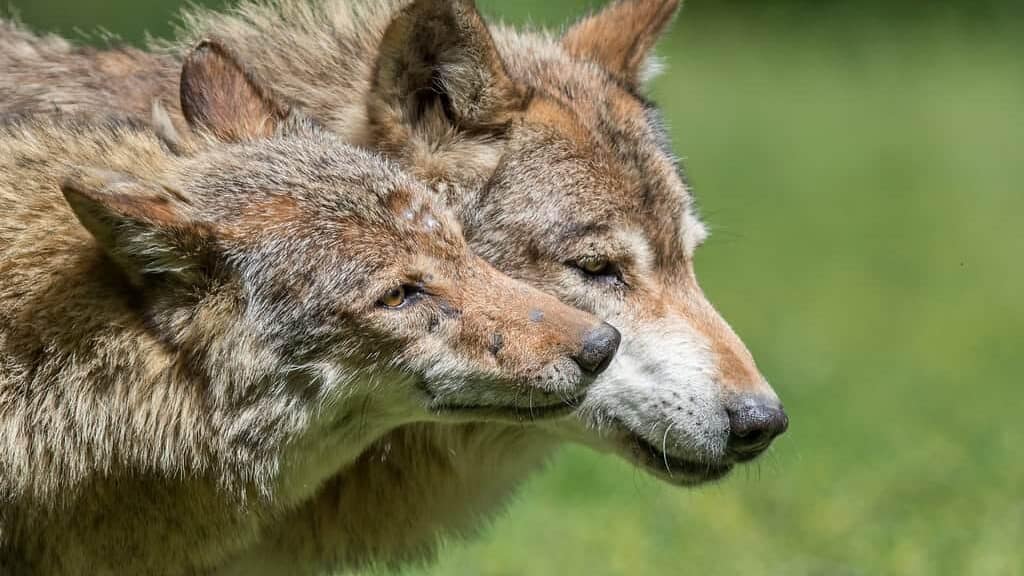
Fear for human safety, particularly regarding children and pets, represents another contentious aspect of the wolf debate. While verified wolf attacks on humans are extremely rare in North America—with no documented fatal attacks in Michigan’s modern history—the fear of such encounters remains real for many residents and visitors to wolf country. The MDNR has documented cases of wolves approaching humans, entering yards, and showing reduced fear of people, behaviors that can heighten public anxiety even when they don’t result in attacks. In rural areas where children wait for school buses in the pre-dawn hours or play outdoors unsupervised, these concerns take on particular urgency for parents.
Wildlife managers and wolf advocates often emphasize that the risk of wolf attacks is statistically much lower than many other dangers people readily accept, such as dog bites, automobile accidents, or even lightning strikes. However, risk perception research shows that people tend to fear risks that are unfamiliar, involuntary, and potentially catastrophic more than statistically greater but normalized risks. This psychological reality, combined with deeply rooted cultural fears of wolves embedded in European-American folklore (think “Little Red Riding Hood”), creates a situation where public safety concerns may be disproportionate to actual risk but nonetheless represent a legitimate social dimension of the management challenge.
Recreational Land Use Conflicts

Michigan’s Upper Peninsula is renowned for outdoor recreation, including hunting with dogs, backpacking, camping, and snowmobiling—activities that can bring humans into potential conflict with wolves. Of particular concern is the risk to hunting dogs, especially those used for bear hunting, which may range far from their owners and inadvertently enter wolf territories. Between 2010 and 2022, the MDNR confirmed 48 wolf attacks on hunting dogs, primarily during the bear training and hunting seasons. These incidents not only represent financial losses for hunters (trained hunting dogs can be valued at several thousand dollars) but also emotional trauma from losing what many consider to be family members.
The presence of wolves also affects other recreational uses of public lands. Some hikers and campers express anxiety about camping in wolf territory, particularly with children or pets, potentially avoiding certain areas despite the minimal statistical risk. Conversely, a growing “wolf tourism” industry has emerged, with some visitors specifically seeking opportunities to hear wolves howl or perhaps glimpse one in the wild. These competing recreational values add another layer of complexity to the management debate, as different user groups push for policies that prioritize their preferred activities and experiences in Michigan’s northern forests.
Media Portrayal and Public Education Challenges

The way wolves are portrayed in news coverage and social media significantly influences public perception and policy debates. Sensationalist headlines about “wolf attacks” or “marauding predators” can reinforce negative stereotypes and fears, while stories exclusively highlighting ecological benefits may minimize legitimate human concerns. Research on media coverage of wolves in Michigan has found that news stories tend to emphasize conflict over coexistence, potentially amplifying divisions rather than building common ground. Social media platforms further complicate the issue by creating echo chambers where misinformation about wolf behavior and impacts can spread rapidly.
Environmental and wildlife organizations have attempted to counter misconceptions through public education campaigns, school programs, and outreach efforts highlighting accurate information about wolf ecology and behavior. Meanwhile, groups representing agricultural or hunting interests develop their own educational materials emphasizing the challenges of coexisting with predators. The MDNR has worked to provide neutral, science-based information, but struggles to reach audiences already entrenched in polarized positions. These communication challenges underscore that the wolf controversy is not merely about biological facts but also about competing narratives and values regarding humans’ relationship with predators and the natural world.
Conclusion: Finding Common Ground in Complex Territory

The heated debate surrounding wolf reintroduction in Michigan reflects much more than disagreements about a single species—it encompasses fundamental questions about how humans should share landscapes with potentially dangerous but ecologically valuable wildlife. The controversy touches on deep-seated values regarding conservation, rural livelihoods, recreational priorities, and cultural traditions. While complete consensus may be unattainable, successful management will require recognizing the legitimacy of diverse perspectives and creating inclusive processes that give voice to all stakeholders, particularly those most directly affected by wolf presence.
Moving forward, Michigan faces the challenge of developing management approaches that maintain viable wolf populations while addressing legitimate human concerns through both preventive measures and fair compensation for losses. This will likely require place-based, flexible strategies rather than one-size-fits-all policies. Investment in innovative non-lethal deterrents, improved livestock husbandry practices, and targeted education efforts may help reduce conflicts while building greater social acceptance for wolves in appropriate habitats.
The controversy also offers opportunities for broader conversations about land use, wildlife management priorities, and the future of Michigan’s rural communities. By approaching these discussions with respect for different perspectives and a willingness to seek compromise, Michiganders may find ways to coexist with wolves that honor both ecological science and human needs. Whatever management path emerges, it will undoubtedly continue to evolve as wolf populations, human communities, and ecosystems change over time in response to each other and broader environmental trends.
Perhaps most importantly, the wolf debate reminds us that conservation in the 21st century is as much about managing human beliefs, values, and behaviors as it is about managing wildlife populations. Finding sustainable solutions will require not just biological expertise but also social science insights, cultural sensitivity, economic creativity, and political will. The future of wolves in Michigan—and the health of the ecosystems they inhabit—depends on our collective ability to navigate these complex human dimensions with wisdom and mutual respect.

From exploring the marine wonders in the Azores and witnessing the vast savannas of Kenya, to delving deep into the rich biodiversity of South Africa and traversing iconic landscapes in Australia and the US like Yellowstone, Chris's experiences are vast.
With a penchant for diving alongside sharks, the ocean holds a special place in his heart.
Through his academic insights, he champions wildlife conservation, striving with 'Animals Around The Globe' to cultivate a profound connection between humans and animals, enhancing our mutual appreciation.
Connect with him at Feedback@animalsaroundtheglobe.com.
- Why Spiders Don’t Get Stuck in Their Own Webs - July 20, 2026
- What Scientists Found in a 10,000-Year-Old Beehive - July 20, 2026
- This Spider Builds Fake Decoys of Itself - July 20, 2026