

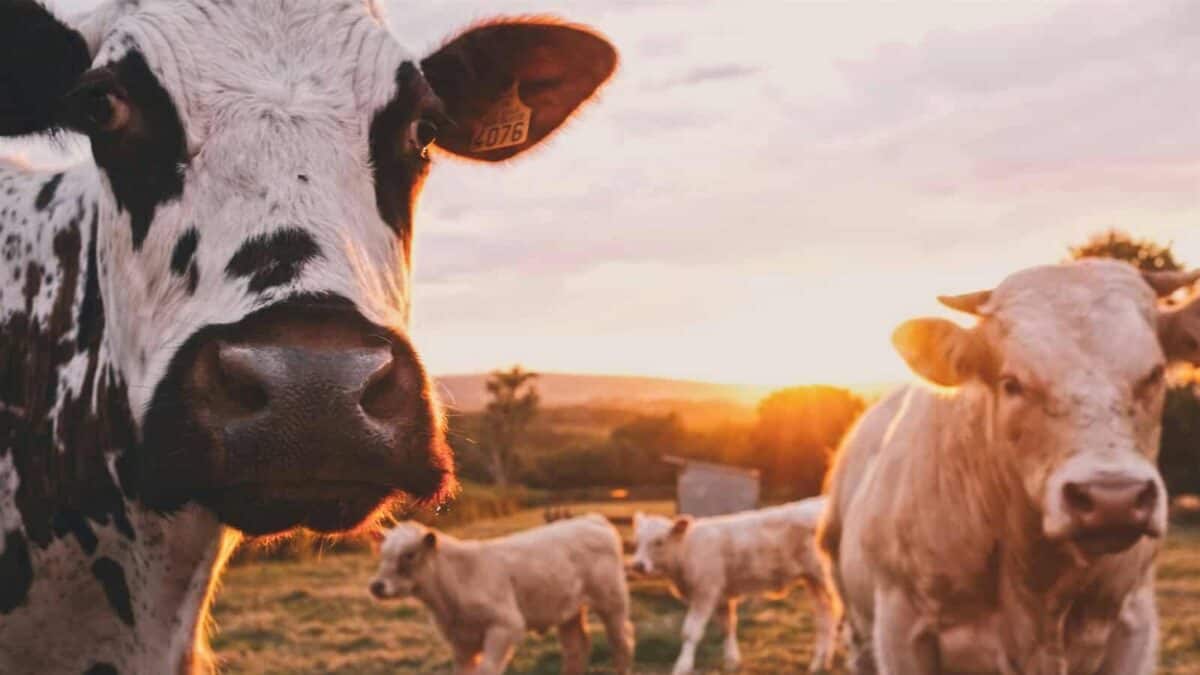
Animal slaughter practices and the cultural attitudes surrounding them vary dramatically across the globe. While some societies ritualize, celebrate, and find community in livestock slaughter, others advocate strongly against it, mourning the loss of animal life and pushing for plant-based alternatives. These profound differences reflect complex historical, religious, ecological, and ethical frameworks that have evolved over thousands of years. This article explores the rich tapestry of cultural perspectives on animal slaughter, examining why certain traditions honor the practice while others condemn it, and how these attitudes continue to evolve in our increasingly interconnected world.
The Cultural Significance of Ritual Slaughter
In many traditional societies, animal slaughter is not merely a utilitarian act but a deeply sacred ritual that connects communities to their ancestors, deities, and the natural world. For instance, in Hindu communities celebrating Gadhimai in Nepal, animal sacrifice has historically been performed to please the goddess of power. Similarly, during Eid al-Adha in Muslim communities, the ritual slaughter of animals commemorates Prophet Ibrahim’s willingness to sacrifice his son as an act of obedience to God, before God provided a ram as a substitute.
These ritualized forms of slaughter often involve specific protocols, prayers, and community participation. The Maasai people of East Africa traditionally slaughter cattle during important ceremonies, including weddings and coming-of-age rituals, with the blood sometimes consumed for its perceived spiritual and nutritional properties. The ritualization of slaughter in these contexts serves to acknowledge the gravity of taking an animal’s life while transforming the act into something meaningful that reinforces cultural identity and social bonds.
Harvest Festivals and Seasonal Slaughter Celebrations

Throughout agricultural societies, the slaughter of animals has historically been tied to seasonal rhythms and harvest cycles. In many European traditions, late autumn was traditionally the time for slaughtering livestock that couldn’t be fed through winter, creating festivals like Martinmas (St. Martin’s Day) on November 11th, when pigs were traditionally slaughtered and preserved for winter consumption. These seasonal slaughters were practical necessities that evolved into community celebrations, bringing people together during potentially difficult times of the year.
In rural America, “hog-killing time” was a similar community event where extended families would gather to process animals for winter, sharing labor and celebrating afterward with fresh meat that couldn’t be preserved. The Chinese lunar calendar marks the arrival of winter with the Dongzhi Festival, traditionally a time when animals would be slaughtered to provide meat for winter and to celebrate with family. These seasonal practices reflect not just practical food preservation methods but also the human tendency to create meaning and community around necessary but difficult tasks.
Religious Frameworks for Ethical Slaughter
Many religious traditions have developed specific protocols for animal slaughter that address both practical and ethical concerns. In Judaism, kosher slaughter (shechita) requires animals to be killed by a single cut to the throat with a sharp, flawless knife by a trained slaughterer (shochet). The intention is to minimize suffering by causing rapid blood loss and unconsciousness. Similarly, Islamic halal slaughter (dhabiha) requires invoking Allah’s name before cutting the animal’s throat with a sharp knife, severing the jugular vein, carotid artery, and windpipe in a single motion.
These religious frameworks often emphasize respect for the animal and recognition of the moral weight of taking a life. In many Native American traditions, hunters would thank the animal’s spirit and sometimes perform rituals to ensure the animal’s successful journey to the afterlife. The Inuit traditionally thank the seal’s spirit after a hunt, offering it fresh water as a sign of respect. These practices reflect an understanding that while slaughter may be necessary for survival, it carries moral implications that must be addressed through proper ritual and respect.
Mourning Traditions and Animal Rights Perspectives

In stark contrast to celebratory approaches to animal slaughter, other cultural and philosophical traditions emphasize mourning and even prohibition of animal killing. Jainism represents perhaps the most stringent approach, with its principle of ahimsa (non-violence) extending to all living beings. Jain monks may sweep the ground before them as they walk to avoid accidentally crushing insects and wear masks to avoid inhaling small organisms. For strict adherents, farming itself poses moral challenges because plowing may harm soil creatures.
Buddhist traditions, while not universally vegetarian, often emphasize compassion for all sentient beings and encourage minimizing harm. In parts of East Asia influenced by Buddhism, ceremonies like the “fangsheng” (life release) involve purchasing animals destined for slaughter and releasing them as an act of compassion and merit-building. Modern animal rights movements have developed this perspective further, arguing that animals have inherent rights not to be used as resources and that slaughter represents a moral wrong regardless of how humanely it is conducted. Organizations like PETA often hold funeral-like ceremonies or visual memorials for animals killed for food, deliberately adopting the language and symbols of human mourning.
Economic Necessity Versus Moral Luxury
Attitudes toward animal slaughter are often shaped by economic realities. In subsistence communities where animal protein represents a crucial nutritional resource, celebratory or matter-of-fact approaches to slaughter may prevail over mourning. For nomadic pastoralists like the Mongolian herders, their entire way of life depends on livestock, and they develop intimate but practical relationships with their animals. The slaughter, while respected, is a necessary part of survival that cannot be avoided without threatening human wellbeing.
In contrast, post-industrial affluent societies have the economic luxury to consider alternatives to animal products, leading to the rise of vegetarianism and veganism as moral choices rather than economic necessities. This economic divide creates tension in global conversations about animal ethics, with some arguing that mourning animal slaughter or advocating for its elimination is a privilege not available to all communities. The debate highlights how material conditions shape not just practices but ethical frameworks themselves, with different moral priorities emerging from different economic realities.
The Psychological Distance of Modern Slaughter

One of the most significant shifts in human relationship to animal slaughter has been its removal from public view in industrialized nations. While traditional societies often conducted slaughter in village centers or family farms with community participation, modern industrial slaughterhouses operate behind walls, with specialized workers rather than community members performing the killing. This physical and psychological distancing has profoundly altered how many people relate to meat production, creating what anthropologists call the “absent referent” – the disconnection between meat products and the animals they come from.
This distancing has arguably facilitated both increased meat consumption and increased moral objection to it. Consumers can purchase meat without confronting the reality of slaughter, while those who do witness modern industrial slaughter often find it disturbing precisely because they lack the cultural frameworks that traditionally gave meaning to the act. This has led to the seemingly paradoxical situation in many Western countries where meat consumption remains high while public tolerance for visible slaughter decreases, with many consumers preferring not to think about how their meat is produced while continuing to eat it.
Factory Farming and the Industrialization of Death
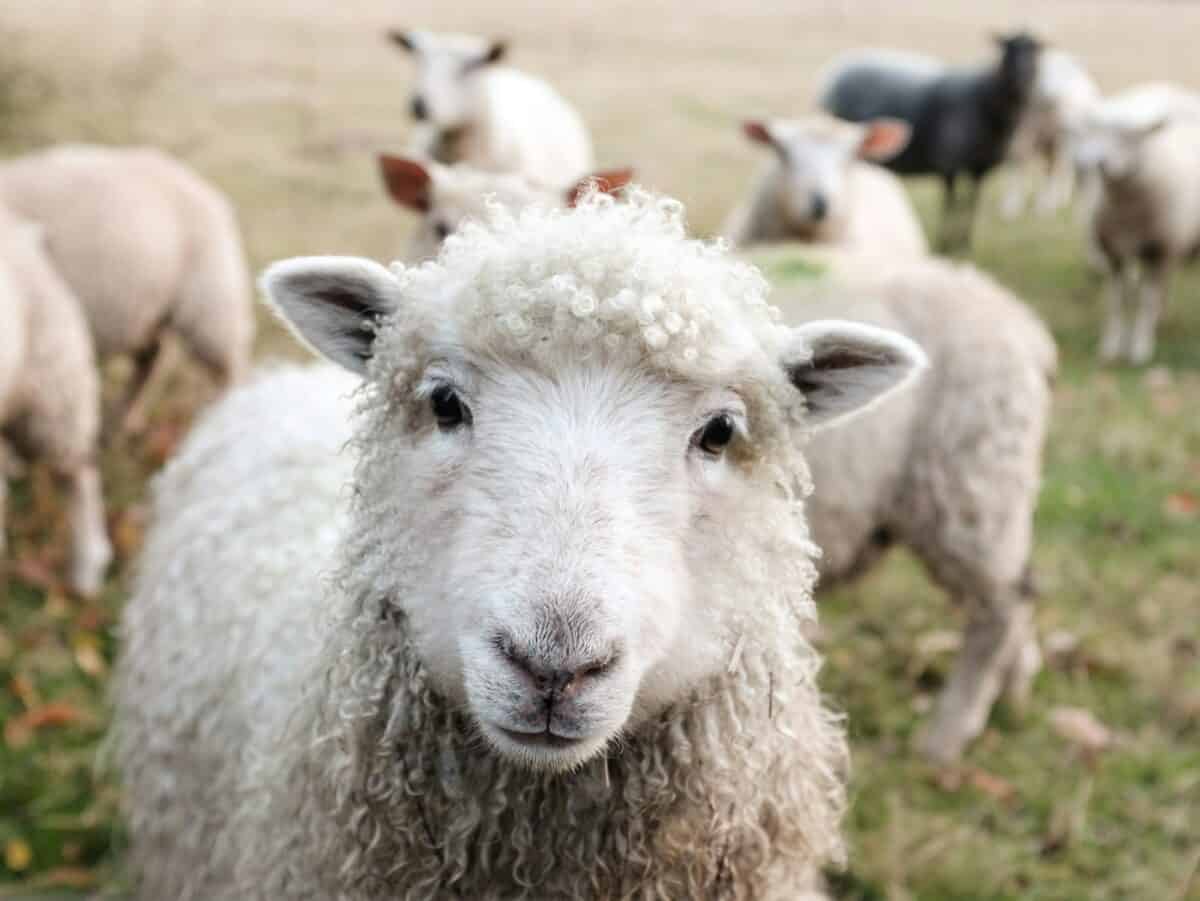
The scale and methods of modern industrial animal agriculture have transformed not just how animals are killed but the entire context surrounding their deaths. Traditional slaughter typically involved animals that had lived relatively natural lives before a single killing event. In contrast, modern factory farming creates what philosopher Timothy Pachirat calls “zones of confinement” where animals live highly restricted lives before entering the “zone of killing” in industrial slaughterhouses where workers may process thousands of animals per day.
This industrialization has generated new forms of ethical concern focused not just on the moment of death but on the entire system of production. Critics argue that modern slaughter has been stripped of its cultural and spiritual significance, becoming merely an economic process maximized for efficiency rather than respect. In response, movements like “slow food” and “ethical omnivorism” attempt to reclaim more traditional approaches to animal slaughter, emphasizing small-scale, local production where consumers may even participate in or witness the killing of animals they will consume. These movements represent attempts to restore meaning and ethical frameworks to practices that industrialization has made anonymous and mechanical.
Cultural Shifts and Changing Attitudes

Historical evidence suggests that attitudes toward animal slaughter are not static but evolve within cultures over time. Ancient Greek and Roman societies conducted animal sacrifice as central religious practices, but these traditions gradually disappeared with the rise of Christianity. Similarly, public executions of animals once served as entertainment in many European societies but became increasingly viewed as barbaric through the 19th and 20th centuries. These shifts demonstrate how practices once celebrated can become mourned or condemned as cultural values evolve.
Contemporary polls suggest similar shifts may be occurring regarding food animals. Younger generations in many countries report higher rates of vegetarianism and concern for animal welfare than older cohorts. Countries like Switzerland have introduced strict animal welfare laws requiring humane stunning before slaughter, even creating tensions with religious slaughter practices. Meanwhile, countries that traditionally consumed less meat, like China and Brazil, have seen rising meat consumption as their economies develop, suggesting complex relationships between economic development, cultural values, and attitudes toward animal slaughter that continue to evolve globally.
The Politics of Meat and National Identity
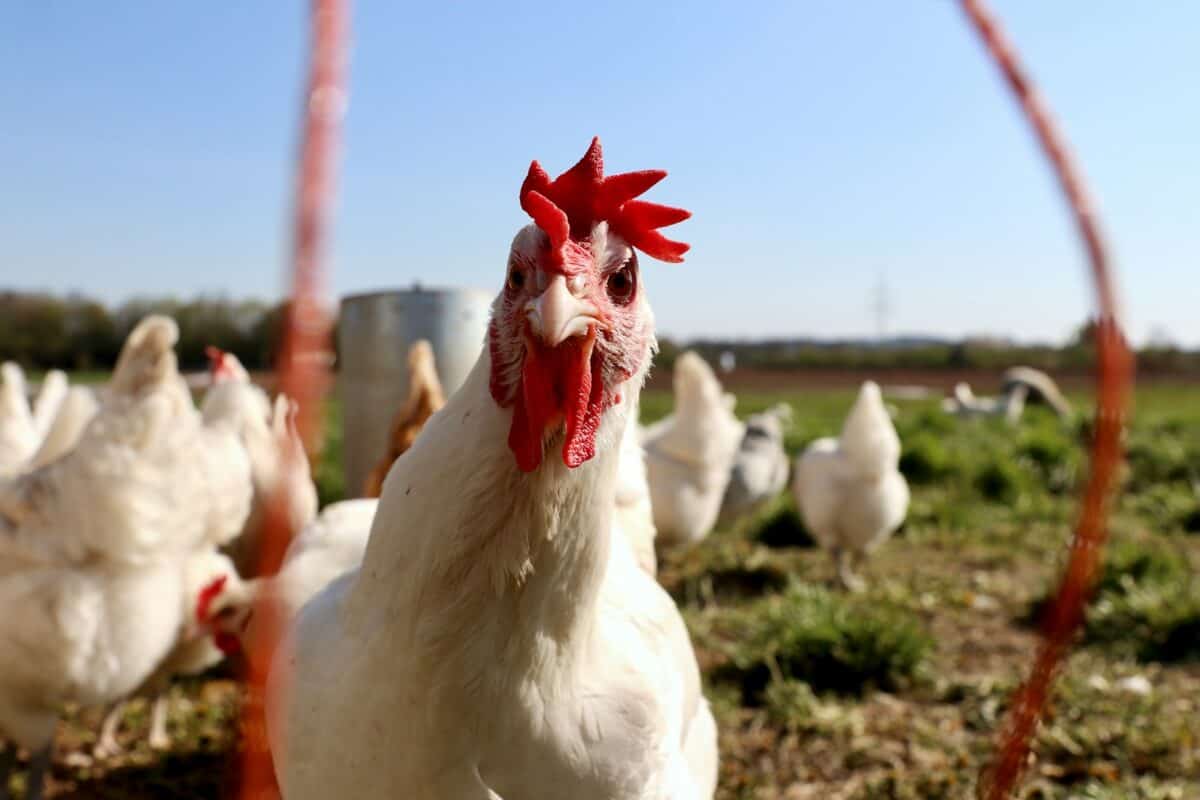
Meat consumption and attitudes toward slaughter have become increasingly politicized in many societies, often intertwining with notions of national or cultural identity. In countries like Argentina, Brazil, and the United States, barbecue traditions and meat consumption have become associated with national character and heritage. Politicians may emphasize their appreciation for meat-centric meals to signal authenticity and connection to cultural traditions, while proposals to reduce meat consumption may be framed as attacks on cultural heritage.
This politicization extends to religious slaughter practices, which have become flashpoints in debates about multiculturalism and religious freedom. Several European countries have banned ritual slaughter without pre-stunning, creating tensions with Jewish and Muslim communities who see these bans as infringements on religious liberty. Conversely, the protection of traditional indigenous hunting and slaughter practices has become part of broader movements for indigenous sovereignty and cultural preservation. These conflicts reveal how attitudes toward animal slaughter have become proxies for larger debates about identity, tradition, and the accommodation of diverse practices within modern nation-states.
Technological Solutions and Ethical Compromises

As ethical concerns about animal slaughter increase, technological innovations offer potential compromises between traditional meat consumption and moral objections to killing animals. Cultured meat (lab-grown from animal cells without slaughter) represents one frontier, promising conventional meat products without animal death. Though still in development stages, cultured meat aims to satisfy meat preferences while eliminating slaughter—potentially bridging the gap between those who celebrate meat consumption and those who mourn animal killing.
Other technologies focus on making conventional slaughter less painful. Advanced stunning methods, regulated slaughterhouse designs, and monitoring technologies aim to minimize suffering during industrial processing. The development of plant-based alternatives designed to mimic meat’s taste and texture—such as the Impossible and Beyond burgers—offers another technological response to ethical concerns. These innovations suggest a future where cultures might find new compromises between traditional food practices and evolving ethical perspectives, potentially transforming the sharp division between celebration and mourning into more nuanced approaches.
Psychological Research on Empathy and Disgust

Psychological research offers insights into why attitudes toward animal slaughter vary so dramatically. Studies in moral psychology suggest that individuals differ in their “empathetic concern,” the degree to which they experience emotional responses to others’ suffering—including animals. Those with higher empathetic concern tend to find animal slaughter more disturbing regardless of cultural background. Additionally, research on the psychology of disgust indicates that reactions to blood, death, and bodily violation are partly innate but significantly shaped by cultural exposure and habituation.
These psychological factors interact with cultural frameworks in complex ways. Children raised in agricultural settings with regular exposure to animal slaughter typically develop different emotional responses than urban children first exposed to slaughter as adults. Cultural rituals and narratives around slaughter also provide psychological frameworks that help manage emotional responses to death and killing. This research suggests that both celebration and mourning serve important psychological functions—celebration helps normalize necessary but potentially distressing practices, while mourning acknowledges the moral weight of taking life and helps process the emotional impact of death.
Conclusion: Navigating Cultural Differences in a Global World

The profound differences in how cultures approach animal slaughter reveal deeper truths about human relationships with death, necessity, and the natural world. Whether celebrated through ritual feasts or mourned through memorials and abstention, these diverse approaches reflect legitimate attempts to navigate the moral complexities of using animals for human purposes. As our world becomes increasingly interconnected, these different traditions increasingly come into contact and sometimes conflict, challenging us to find ways to respect cultural diversity while also addressing evolving ethical standards regarding animal welfare.
The future will likely involve continued negotiation between traditional practices and changing values, between economic necessities and ethical aspirations. Rather than expecting global uniformity in attitudes toward animal slaughter, a more realistic and respectful approach acknowledges the deep historical and practical roots of different perspectives while encouraging cross-cultural dialogue about minimizing unnecessary suffering. Both those who celebrate slaughter through carefully maintained traditions and those who mourn it through advocacy for alternatives share a recognition of its significance—an acknowledgment that how we treat animals reflects fundamental aspects of our humanity.
In this ongoing conversation, science, tradition, ethics, and economics all have important contributions to make. The most productive path forward may not involve imposing one cultural perspective over others but rather finding ways for diverse approaches to coexist while continuously evolving in response to new knowledge and changing circumstances. In this way, the diversity of human responses to animal slaughter can be seen not as a problem to solve but as a rich resource for understanding our complex relationships with animals, death, and each other.

From exploring the marine wonders in the Azores and witnessing the vast savannas of Kenya, to delving deep into the rich biodiversity of South Africa and traversing iconic landscapes in Australia and the US like Yellowstone, Chris's experiences are vast.
With a penchant for diving alongside sharks, the ocean holds a special place in his heart.
Through his academic insights, he champions wildlife conservation, striving with 'Animals Around The Globe' to cultivate a profound connection between humans and animals, enhancing our mutual appreciation.
Connect with him at Feedback@animalsaroundtheglobe.com.
- Why Spiders Don’t Get Stuck in Their Own Webs - July 20, 2026
- What Scientists Found in a 10,000-Year-Old Beehive - July 20, 2026
- This Spider Builds Fake Decoys of Itself - July 20, 2026
Leave a comment
You must be logged in to post a comment.