


The ancient redwood forests of California’s northern coast create one of North America’s most unique ecosystems. These towering giants, some over 2,000 years old and reaching heights exceeding 350 feet, form a magnificent canopy that nurtures diverse wildlife communities. Redwood Country—spanning from central California up through southern Oregon—is not just about the majestic trees but also about the remarkable animals that call this misty, verdant realm home. From the forest floor to the highest branches, wildlife thrives in this protected habitat that receives up to 100 inches of annual rainfall. The combination of coastal influence, old-growth forests, and varied terrain creates microclimates that support an extraordinary array of species. Whether you’re planning a visit or simply curious about this ecological wonder, discovering the wildlife of Redwood Country offers a fascinating glimpse into one of America’s most precious natural treasures.
The Iconic Roosevelt Elk
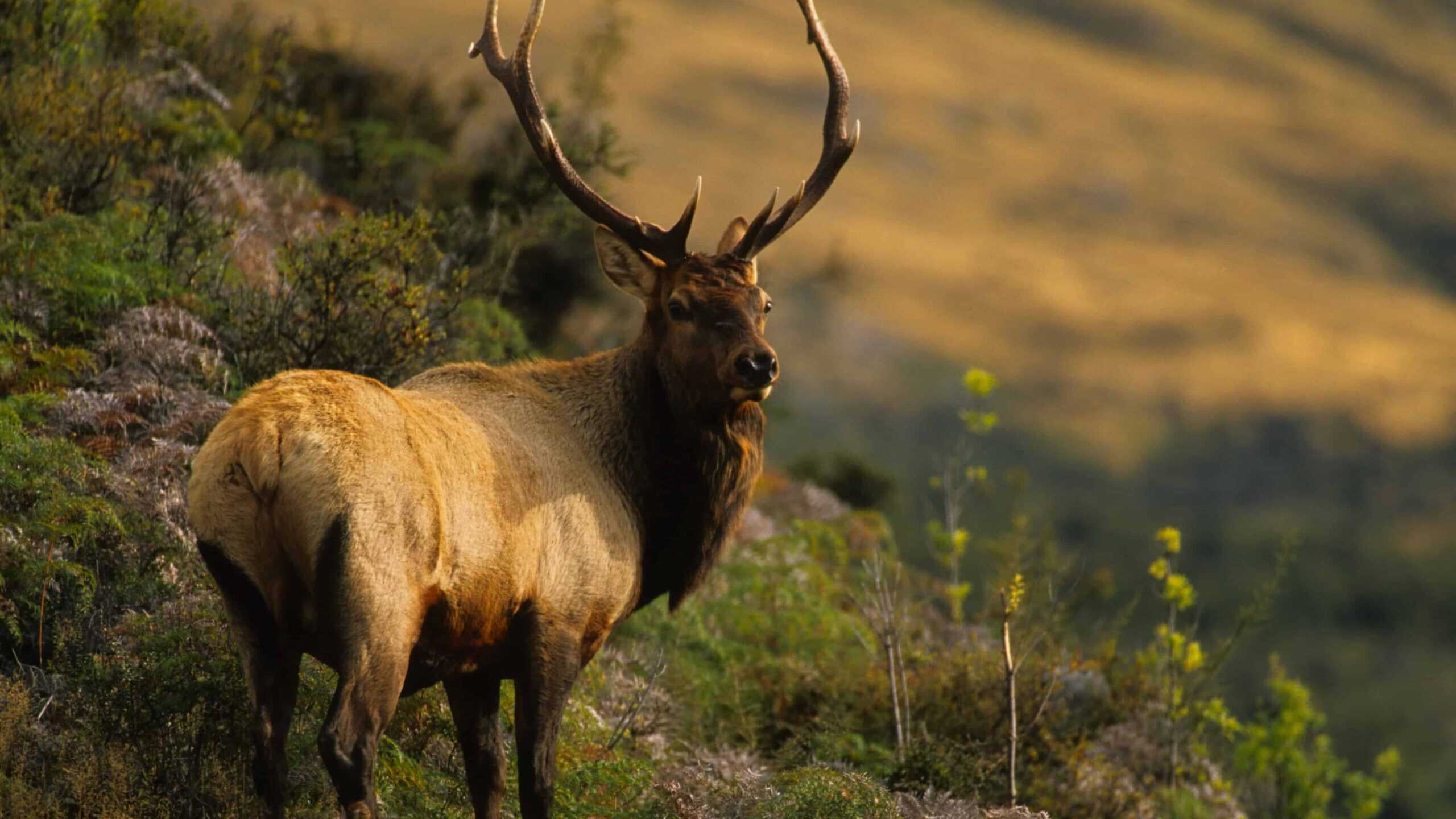
Perhaps the most impressive land mammal you’ll encounter in Redwood Country is the Roosevelt elk (Cervus canadensis roosevelti), the largest subspecies of elk in North America. Males can weigh up to 1,100 pounds, with magnificent antlers spanning up to four feet. These majestic creatures often graze in meadows adjacent to redwood groves, particularly in Prairie Creek Redwoods State Park and Redwood National Park, where they’re frequently spotted from the Newton B. Drury Scenic Parkway.
Roosevelt elk play a crucial ecological role in the redwood ecosystem by maintaining open meadows through their grazing activities. These meadows provide habitat diversity within the forest system. Dawn and dusk offer the best viewing opportunities, though during rutting season (August through October), visitors should maintain a safe distance as bulls become territorial and potentially aggressive. The preservation of these elk was actually one of the driving factors behind the establishment of Prairie Creek Redwoods State Park in 1923, saving them from near-extinction due to overhunting in the early 20th century.
Black Bears of the Redwoods

Black bears (Ursus americanus) are common yet elusive residents of Redwood Country. Despite their name, these bears in the redwood region often display a cinnamon or brown coat color. Weighing between 200-300 pounds on average, black bears primarily forage for berries, nuts, insects, and occasionally small mammals. They’re most active in early morning and evening hours, though hikers might encounter them at any time on remote trails in parks like Jedediah Smith Redwoods State Park or the backcountry of Humboldt Redwoods.
Unlike their grizzly cousins (which no longer exist in California), black bears tend to be shy around humans and typically avoid confrontation. However, they can become problematic when habituated to human food, which is why proper food storage in campgrounds is strictly enforced throughout Redwood Country. Bear sightings, while thrilling, should be enjoyed from a distance of at least 100 yards. If you’re fortunate enough to spot one, it might be climbing a tree, digging for insects in fallen logs, or teaching cubs to forage—all natural behaviors that highlight their importance as omnivores in the redwood ecosystem.
Marbled Murrelets: The Tree-Nesting Seabirds

One of Redwood Country’s most unusual and threatened inhabitants is the marbled murrelet (Brachyramphus marmoratus), a seabird with a remarkable life history that connects the ocean to the forest. These small, robin-sized birds spend most of their lives at sea feeding on small fish, but uniquely among seabirds, they nest high in the canopy of old-growth redwoods and Douglas firs, sometimes as far as 50 miles inland. Their unusual nesting behavior wasn’t confirmed until 1974, making them one of the last North American bird species to have their nesting habits documented.
Marbled murrelets don’t build traditional nests; instead, they lay a single egg on a moss-covered branch platform in the upper canopy of ancient trees. Parents take turns incubating the egg and making daily flights to the ocean to gather food for their chick. These birds are rarely seen due to their canopy lifestyle, but early mornings in old-growth forests like those in Prairie Creek Redwoods State Park sometimes offer glimpses of their swift, direct flights above the canopy. Their populations have declined significantly due to loss of old-growth forest habitat, making conservation of redwood ecosystems critical for their survival.
Mountain Lions: Elusive Apex Predators
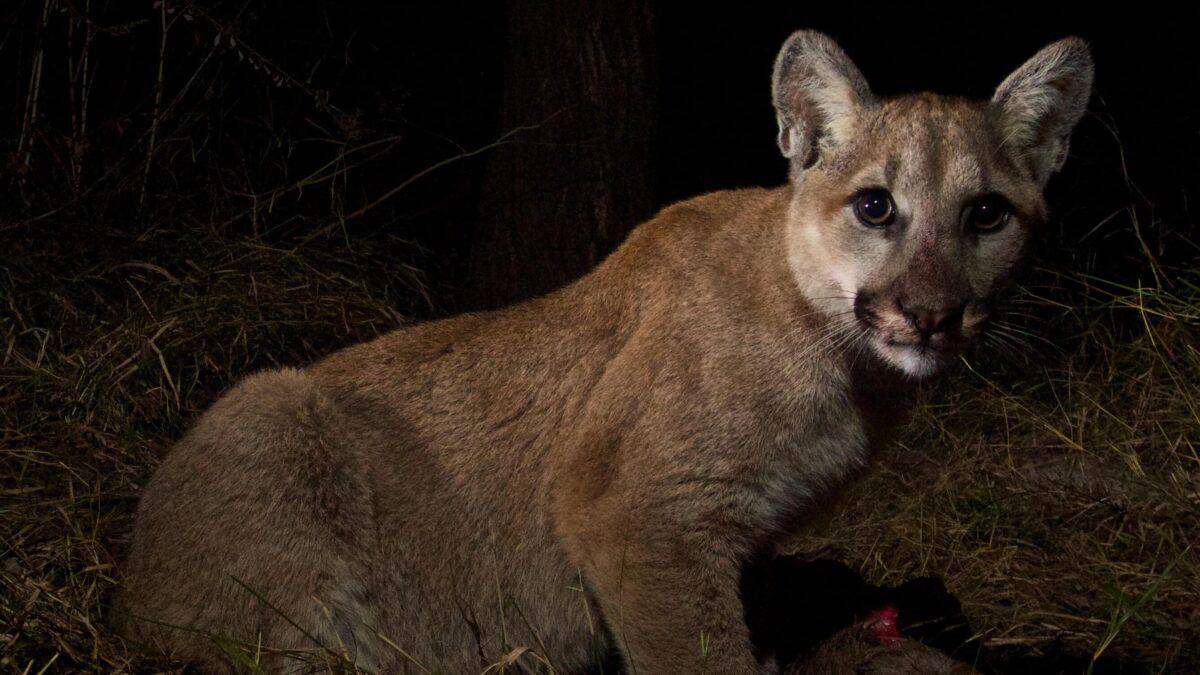
Mountain lions (Puma concolor), also known as cougars or pumas, represent the top predator in the redwood ecosystem. These powerful cats can weigh up to 150 pounds and maintain large territories throughout Redwood Country. Exceptionally stealthy, mountain lions primarily hunt black-tailed deer, helping maintain healthy deer populations and influencing prey behavior. Actual sightings are extremely rare due to their secretive nature and primarily nocturnal hunting habits.
While the chance of encountering a mountain lion is very low, their presence is essential for ecosystem health. These apex predators help maintain balance in the food web by controlling deer populations, which in turn affects vegetation patterns and forest regeneration. Evidence of mountain lion presence might include partially covered kill sites, tracks in mud (resembling large cat prints without claw marks), or scat along trails. Parks like Humboldt Redwoods State Park and the more remote sections of Redwood National Park provide crucial habitat for these magnificent predators that require large, undisturbed territories to thrive.
The Diverse World of Redwood Amphibians
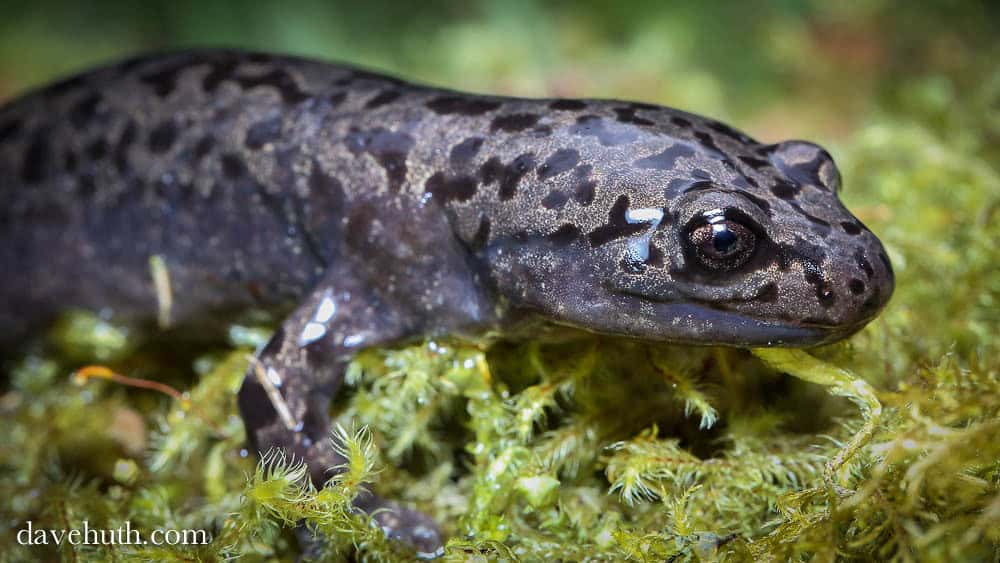
The cool, damp environment of Redwood Country creates perfect conditions for a remarkable diversity of amphibians. Perhaps most notable is the Pacific giant salamander (Dicamptodon tenebrosus), which can grow up to 13 inches long, making it one of North America’s largest salamanders. These impressive creatures inhabit streams and moist forest floors throughout the redwood region. Equally fascinating is the banana slug (Ariolimax columbianus), a bright yellow mollusk that can reach 10 inches in length and plays a crucial role in decomposing forest detritus.
Other notable amphibians include the northern red-legged frog, rough-skinned newt, and the rare Foothill yellow-legged frog. The threatened California red-legged frog also makes its home in some redwood forest streams. These amphibians are excellent bioindicators—their permeable skins make them highly sensitive to environmental changes and pollution, so their presence signals a healthy ecosystem. The best places to observe amphibians include Prairie Creek’s fern-lined streams, Montgomery Woods State Natural Reserve, and Humboldt Redwoods State Park, particularly after rain when they’re most active. Look carefully under logs, along stream edges, and in seasonal ponds, but remember to observe without disturbing these sensitive creatures.
Spotted Owls and Other Forest Birds
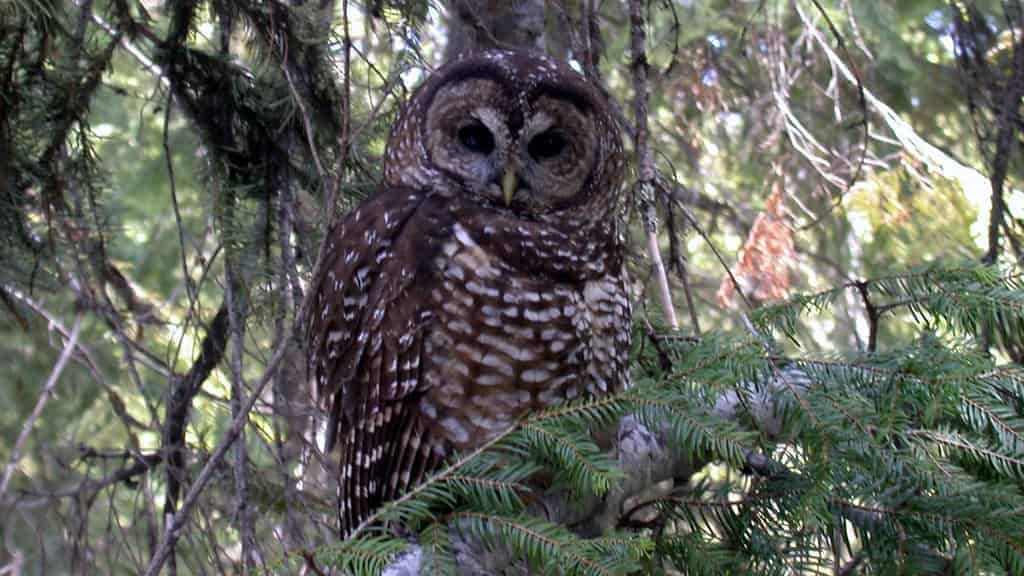
The northern spotted owl (Strix occidentalis caurina) stands as one of the most iconic and controversial birds of the redwood forest. This medium-sized owl with dark eyes and spotted plumage depends on old-growth forests for survival, requiring large territories with ancient trees for nesting and hunting. Their preference for mature forest habitat placed them at the center of conservation battles in the 1990s, ultimately leading to increased protection for remaining old-growth forests. Though rarely seen due to their nocturnal habits and declining numbers, their distinctive “hoo-hoo-hooo” calls might be heard at dusk in remote sections of parks like Redwood National Park.
Beyond spotted owls, Redwood Country hosts an impressive diversity of other bird species. The Steller’s jay, with its bold blue plumage and distinctive crest, is commonly seen at campgrounds and picnic areas. Varied thrushes, winter wrens, and Pacific-slope flycatchers provide the forest’s soundtrack, especially during early morning hours. Red-breasted sapsuckers create distinctive horizontal rows of holes in trees, while pileated woodpeckers—North America’s largest woodpecker—leave rectangular excavations in their search for carpenter ants. The marbled murrelet, discussed earlier, represents just one of over 200 bird species that utilize these forests during some portion of their life cycle, making Redwood Country a premier destination for birdwatchers.
Coastal Marine Life
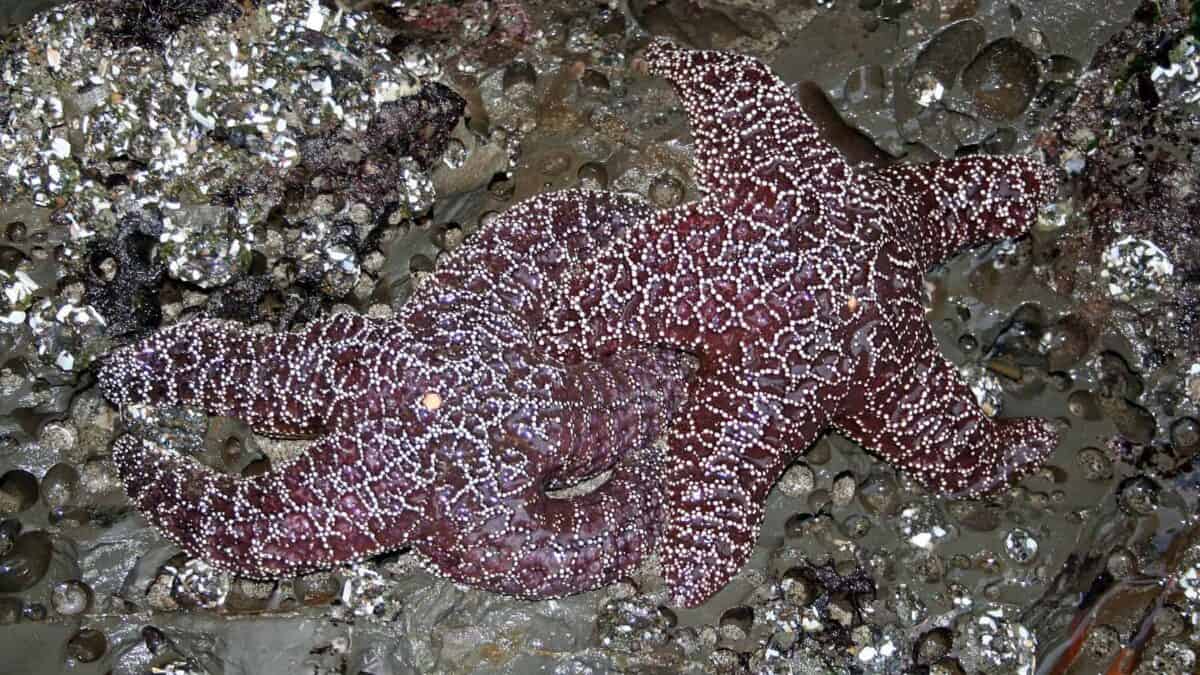
The redwood ecosystem doesn’t end at the forest edge but extends to the Pacific Ocean, where an equally diverse array of marine wildlife thrives. Along the coastline adjacent to redwood parks, tidepools reveal fascinating creatures like sea stars, anemones, hermit crabs, and colorful nudibranchs. These accessible intertidal zones at places like Enderts Beach and Palmer’s Point offer visitors close encounters with marine biodiversity, though timing visits to coincide with low tide is essential for the best viewing.
The offshore waters host even more spectacular wildlife. Gray whales migrate along this coastline twice yearly, with northbound migration in March-May and southbound in November-January. Patient observers might spot their spouts from coastal overlooks. Harbor seals and California sea lions frequently haul out on offshore rocks and secluded beaches. River otters sometimes venture into coastal waters from inland streams, while more rarely, visitors might glimpse a pod of orcas or bottlenose dolphins passing offshore. The Klamath River mouth in Redwood National Park is particularly known for its wildlife concentration, including sea lions that gather to feed on salmon runs in late summer and fall.
Black-tailed Deer: The Forest’s Browsers
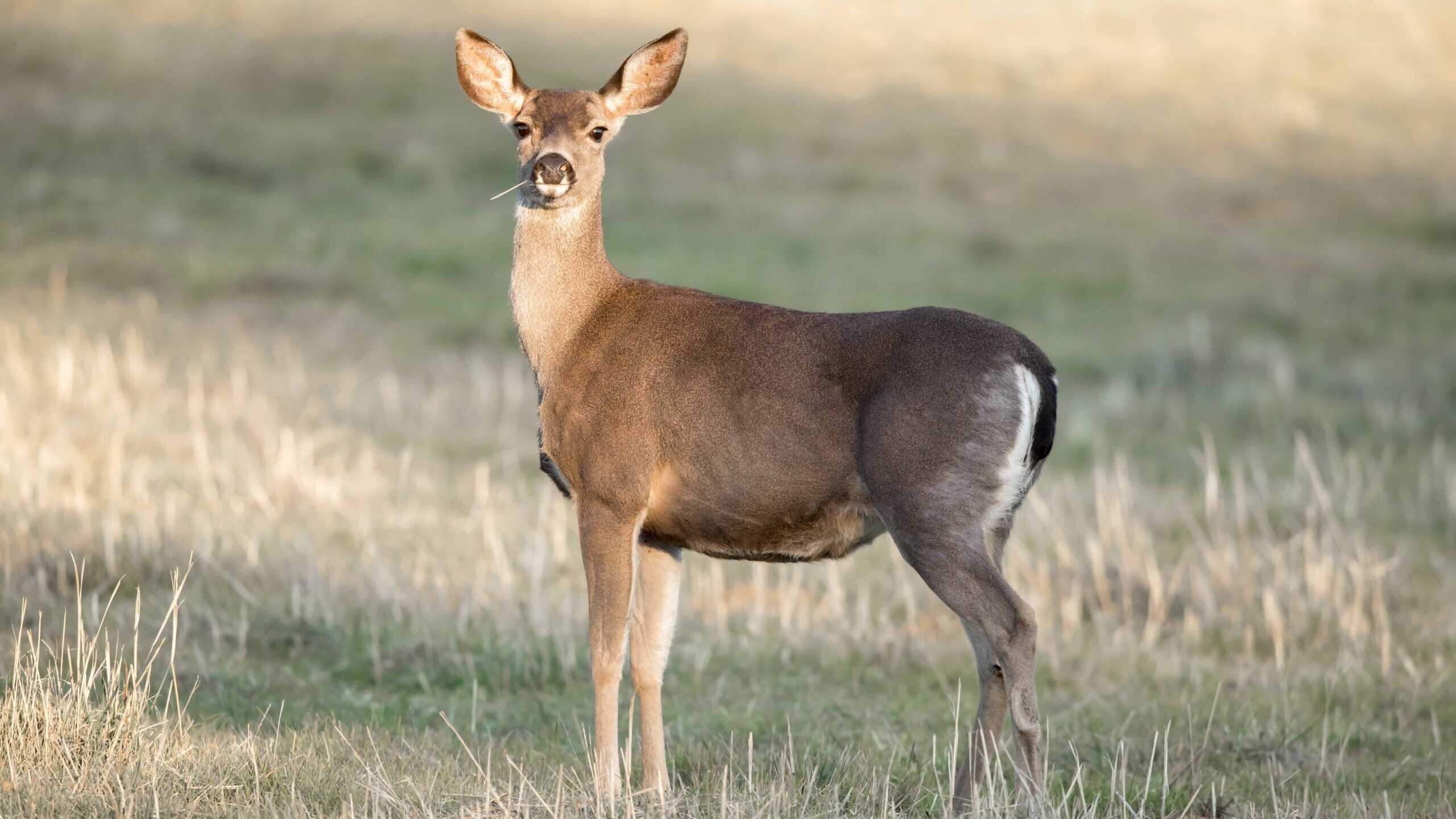
The black-tailed deer (Odocoileus hemionus columbianus), a subspecies of mule deer, is perhaps the most frequently encountered large mammal in Redwood Country. Smaller than their eastern white-tailed relatives, these graceful ungulates have adapted perfectly to life among the redwoods. Their diet consists of a variety of vegetation including ferns, shrubs, lichens, and mushrooms found throughout the forest. Dawn and dusk typically offer the best viewing opportunities, though they may be spotted throughout the day in meadows, along roads, and on trails throughout all redwood parks.
These deer play an important ecological role by dispersing seeds through their droppings and creating browse lines in vegetation. They’re also a key prey species for mountain lions and historically for wolves (now extinct in the region). Fawns, typically born in late spring and early summer, are often hidden in tall grass or brush while their mothers feed nearby. Visitors driving through redwood parks should maintain reduced speeds, especially around curves, as deer frequently cross roads unexpectedly. Lady Bird Johnson Grove, Elk Prairie, and the edges of Redwood Creek provide excellent viewing opportunities for these elegant forest dwellers.
Small Mammals of the Forest Floor
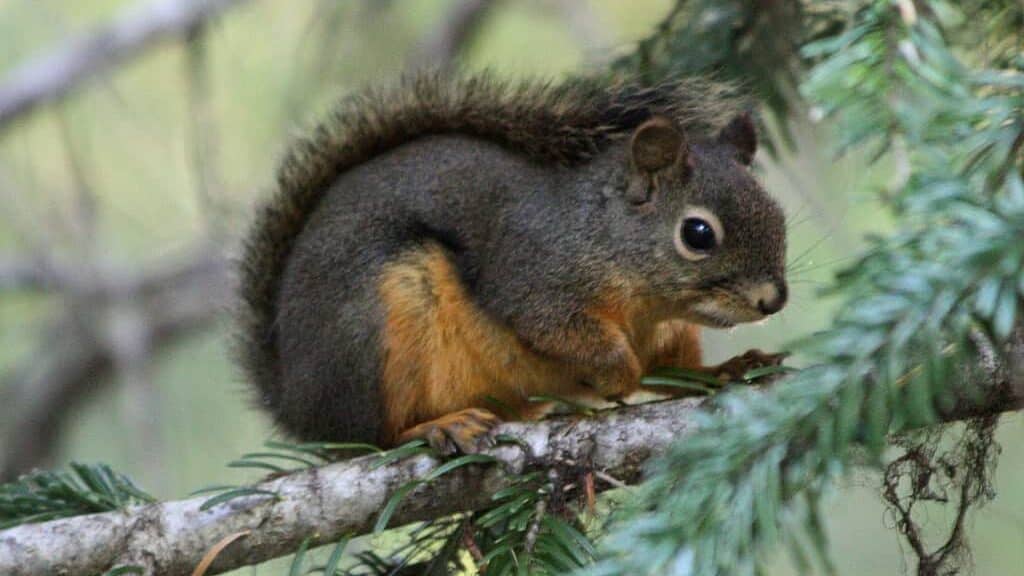
Beneath the towering redwoods thrives a busy world of small mammals that most visitors overlook. Douglas squirrels (Tamiasciurus douglasii), also called chickarees, are among the most visible and vocal. These rusty-brown squirrels harvest and cache conifer seeds, creating middens (piles of discarded cone scales) that can last for generations. Their chattering calls often alert other forest creatures to human presence. Northern flying squirrels, though rarely seen due to their nocturnal habits, glide between trees using specialized skin flaps, playing a crucial role in dispersing fungi spores that benefit redwood health.
Other notable small mammals include Townsend’s chipmunks with their distinctive striped patterns, deer mice that scurry along the forest floor, and shrews that voraciously hunt insects. American martens, members of the weasel family, occasionally range through the higher elevation redwood forests. The dusky-footed woodrat builds impressive stick houses up to six feet tall, sometimes incorporating odd items like bottle caps or bits of foil. These industrious creatures create structures that may be used by generations of woodrats and provide microhabitats for other species. Look for small mammal activity around fallen logs, along stream banks, and in areas with dense understory vegetation.
Salmon and River Ecosystems
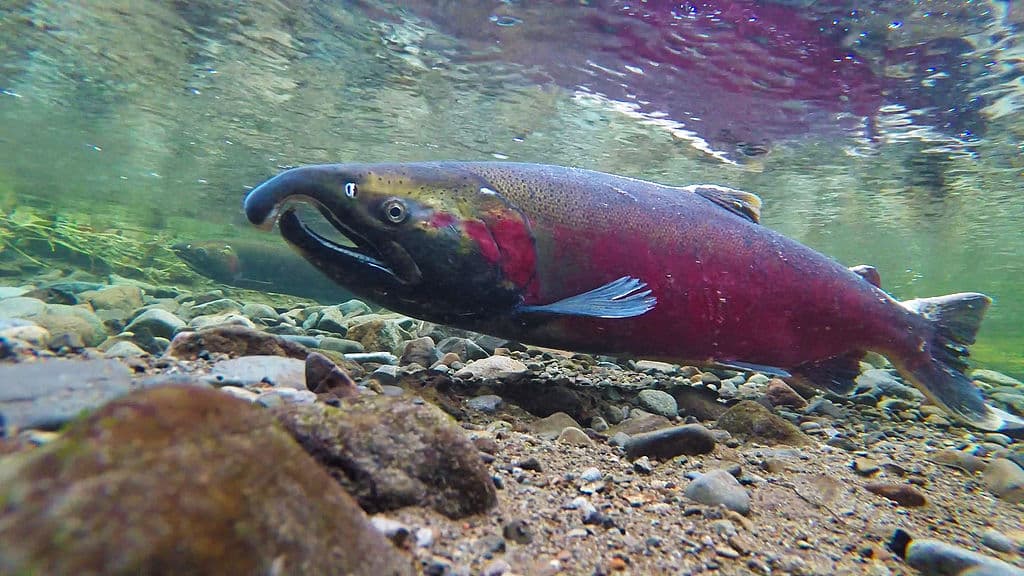
The rivers and streams flowing through Redwood Country connect forest to ocean and host one of nature’s most dramatic cycles—the annual salmon runs. Coho salmon, Chinook salmon, and steelhead trout are born in these waterways, migrate to the ocean to mature, then return to their natal streams to spawn and complete their life cycle. The best time to witness these remarkable fish is during fall and winter months, particularly after heavy rains when river levels rise, allowing the fish to navigate upstream. Prime viewing locations include the Redwood Creek Overlook, Prairie Creek, and the Smith River—the only undammed major river in California.
These anadromous fish provide a crucial nutrient transfer from ocean to forest ecosystems. After spawning, their carcasses feed numerous forest creatures and decompose to enrich stream habitats and surrounding vegetation with marine-derived nutrients. This ecological connection highlights the interdependence of seemingly separate environments. The streams themselves host other fascinating aquatic species including Pacific lamprey, sculpin, and various freshwater invertebrates. The health of these river systems directly impacts the surrounding redwood forests, demonstrating how these ancient trees depend on complex ecological relationships that extend far beyond their massive trunks.
Fascinating Forest Insects
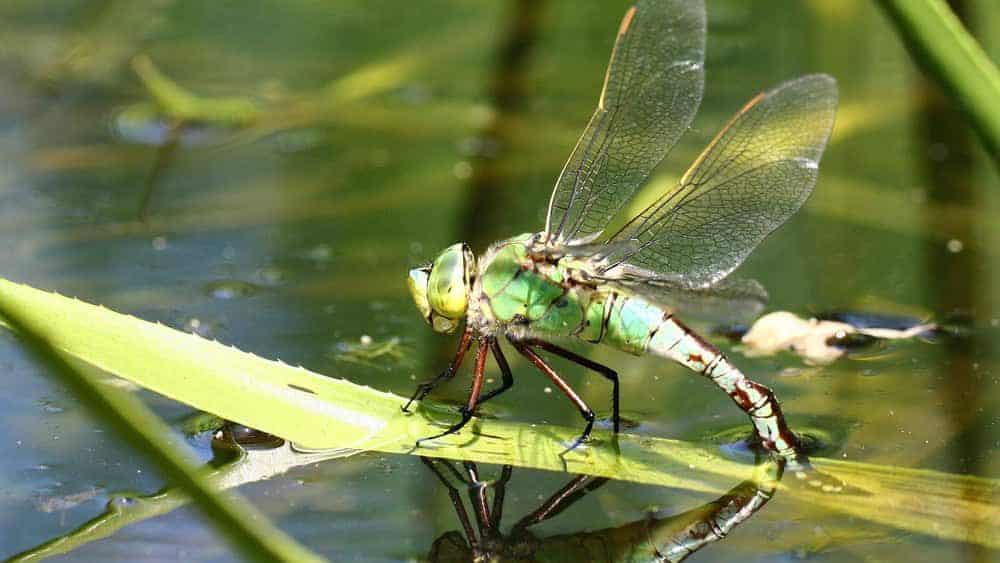
The redwood ecosystem supports an incredible diversity of insects, many playing vital ecological roles that maintain forest health. Dragonflies and damselflies patrol streams and wetlands, controlling mosquito populations while displaying iridescent wings that shimmer in dappled sunlight. Impressive yellow-faced bumblebees and other native pollinators ensure the reproduction of countless flowering plants in forest clearings and edges. Bark beetles, though sometimes considered pests, actually help decompose dead trees and create habitat opportunities for woodpeckers and other cavity-nesting species.
Some of the most fascinating insects include the walking stick, perfectly camouflaged to resemble twigs; metallic wood-boring beetles with iridescent green and blue coloration; and the Western tiger swallowtail butterfly, which can often be seen feeding on wildflowers in sunny meadows adjacent to redwood groves. Millipedes, though technically not insects but arthropods, play a crucial role in breaking down fallen leaves and other organic matter, recycling nutrients back into the soil. Look for insect activity on blooming plants, along streams, and on decaying logs. Early morning hours often provide the best viewing opportunities when many insects are less active and easier to observe.
Observing wildlife in Redwood Country offers unforgettable experiences, but doing so responsibly ensures these encounters remain positive for both visitors and animals. Always maintain appropriate distances—at least 100 yards from bears and elk, and 25 yards from other large mammals. Use binoculars or telephoto lenses rather than approaching animals closely. Never feed wildlife, which alters natural behaviors and can create dangerous situations. Keep pets leashed where permitted and leave them home when visiting sensitive areas, as their scent and movement can disturb wildlife and trigger defensive responses.
Timing greatly influences wildlife viewing success. Early morning and late afternoon typically offer the best opportunities as many species are most active during these periods. Visiting during weekdays or off-season months means fewer crowds and potentially more animal sightings. Moving slowly, speaking quietly, wearing natural colors, and sitting patiently in one location dramatically increases chances of meaningful wildlife encounters. Consider joining ranger-led programs available throughout Redwood National and State Parks, which provide expert guidance and interpretation. Remember that responsible wildlife viewing prioritizes the animals’ welfare above perfect photos or close encounters, ensuring these magnificent creatures continue to thrive in their ancient forest home for generations to come.

- How Crickets Chirp Using Their Wings - July 20, 2026
- The Largest Sea Turtle Ever Rescued Off North Carolina - July 20, 2026
- The Ocean’s Escape Artist: Why Octopuses Outsmart Us All - July 20, 2026