

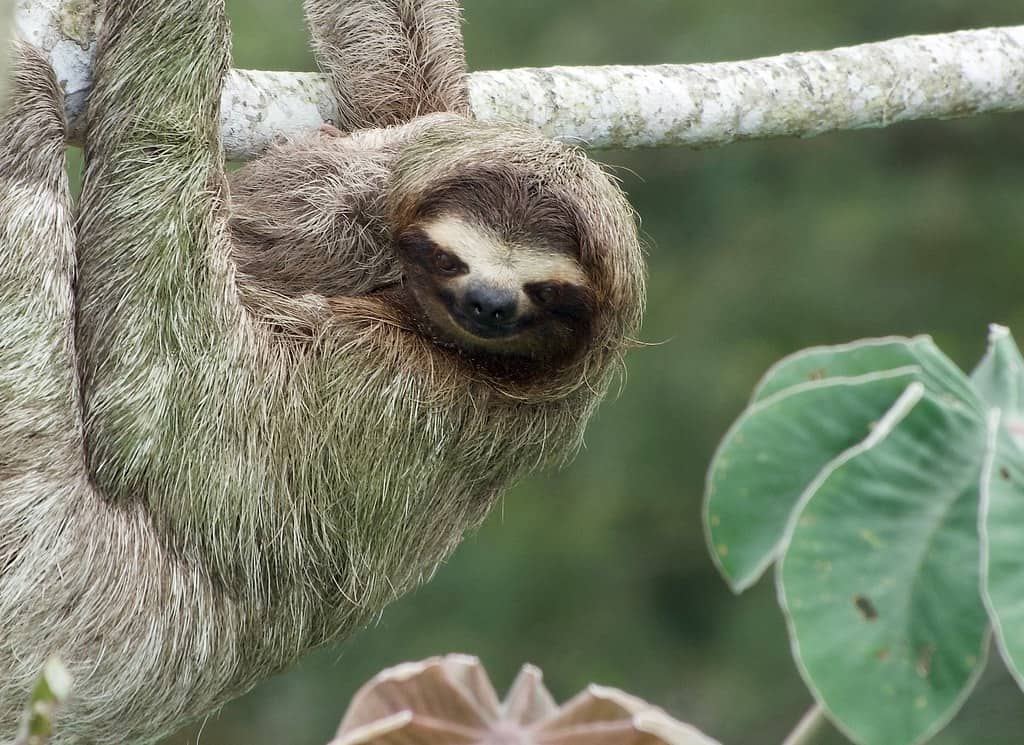
Sloths, those endearing slow-moving mammals of the tropical rainforests, have captured human hearts worldwide with what appears to be their perpetual gentle smile. Their curved mouths and seemingly contented expressions make them internet sensations and beloved figures in popular culture. But is that facial expression really a smile? And if so, what causes these fascinating creatures to display such a serene countenance? This article explores the science, evolution, and cultural significance behind the sloth’s famous “smile,” revealing the fascinating truth about these remarkable animals and their distinctive facial features.
The Anatomy Behind the Sloth’s Smile
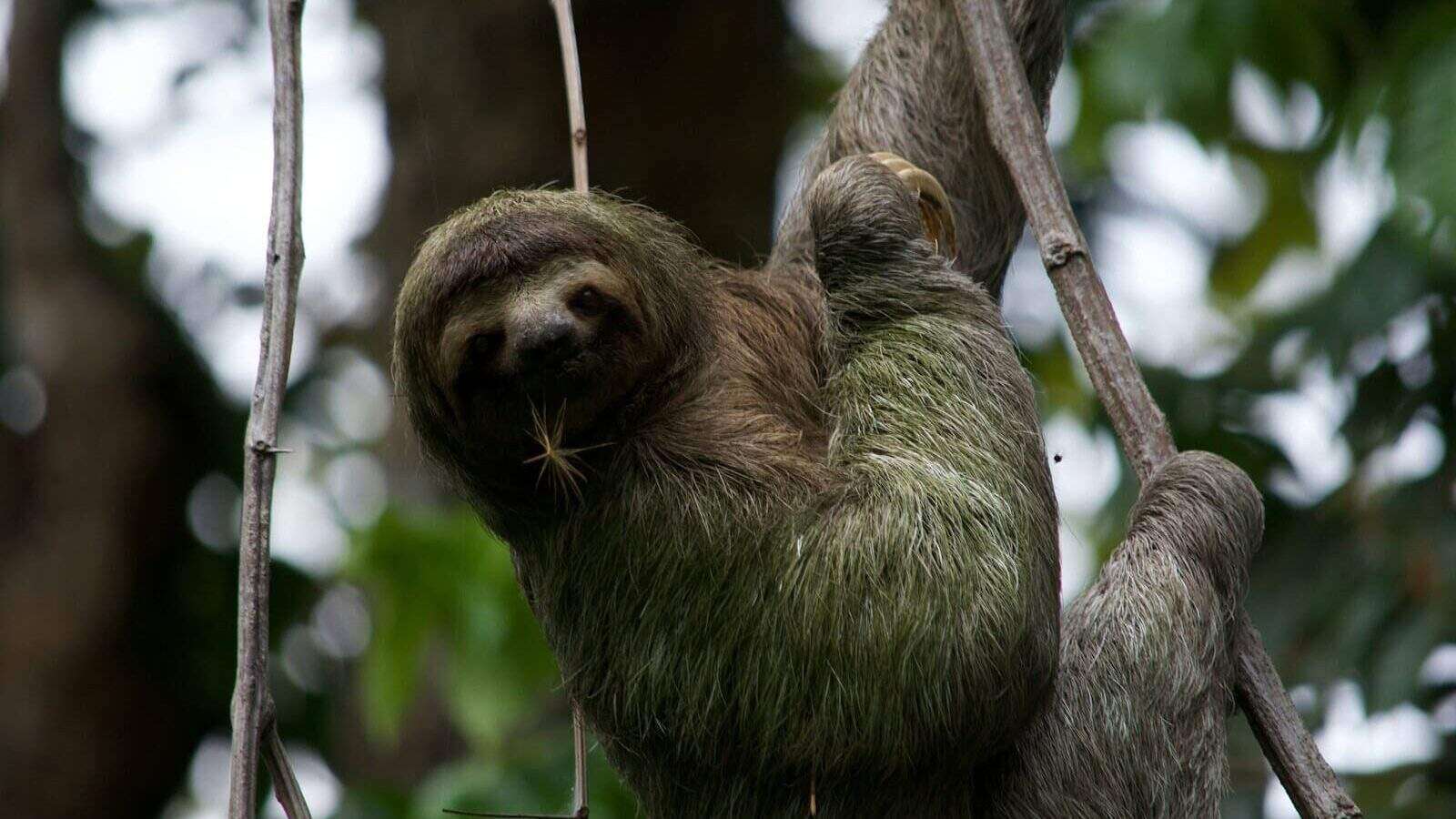
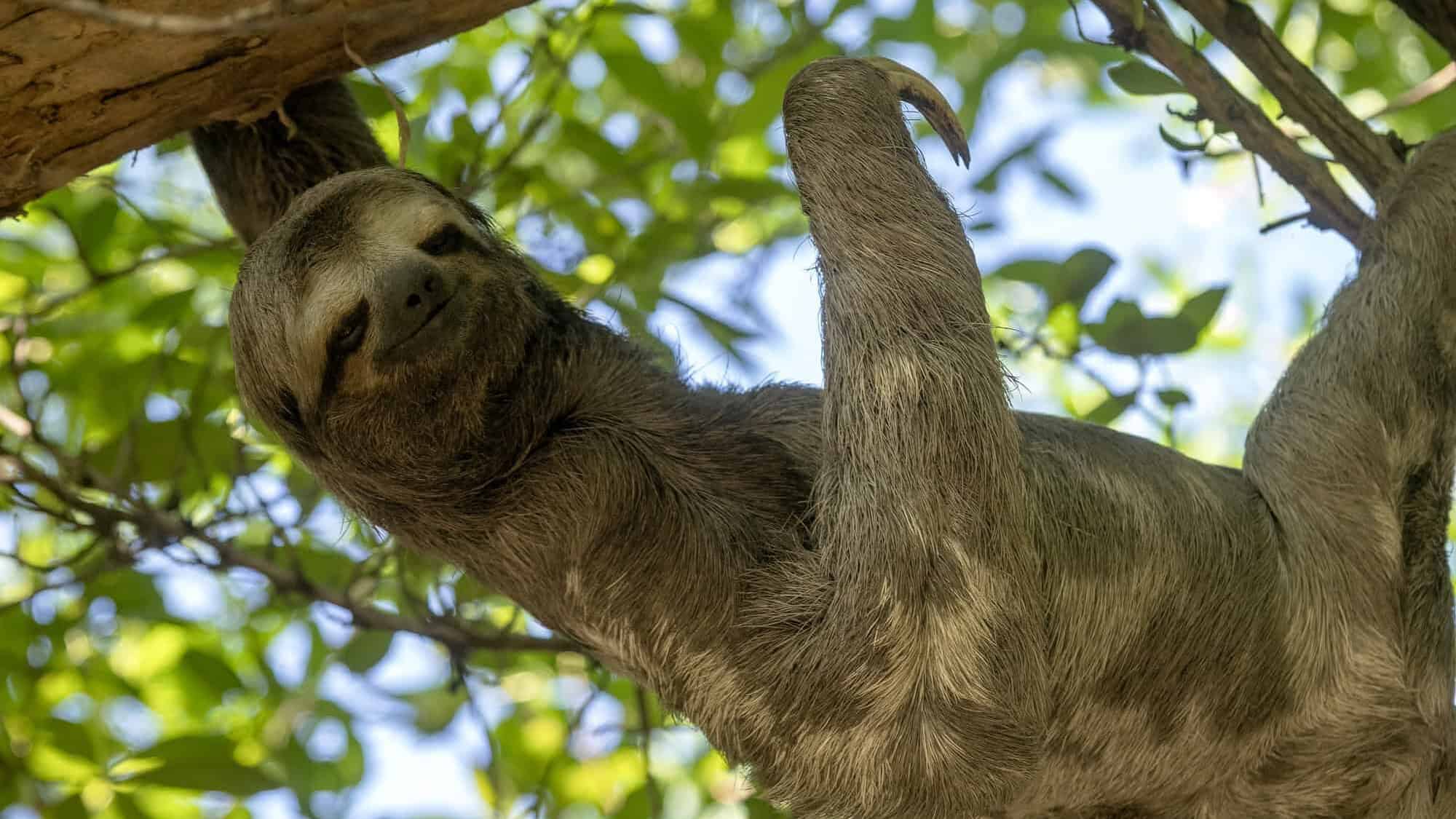
What humans perceive as a “smile” on a sloth’s face is actually the result of specific facial anatomy rather than an emotional expression. Sloths have a unique facial structure with a slightly upturned mouth and round, forward-facing eyes that create an appearance humans interpret as friendly and content. Their facial muscles are configured differently from human facial muscles, and the curve of their mouth is a permanent feature rather than a changeable expression.
Zoologists explain that the fixed shape of a sloth’s mouth serves practical purposes related to their herbivorous diet and feeding habits. The structure efficiently helps them strip leaves from branches using their lips and teeth. Unlike humans, who have 43 facial muscles allowing for a wide range of expressions, sloths have fewer facial muscles and limited capacity for expression changes, meaning their “smile” is present regardless of their emotional state.
Anthropomorphism: Why We See Smiles

Humans have a natural tendency to project human emotions and expressions onto animals, a phenomenon known as anthropomorphism. Our brains are hardwired to recognize faces and interpret facial expressions, particularly in areas associated with happiness or friendliness. When we look at a sloth, our pattern-recognition capabilities immediately identify their curved mouth as similar to a human smile, causing us to attribute human emotions like contentment or happiness to them.
Research in cognitive psychology demonstrates that this anthropomorphic tendency is particularly strong with animals that have forward-facing eyes and facial features that can be mapped onto a human-like face. Scientists suggest this may have evolutionary advantages, as it helped our ancestors form bonds with domesticated animals and interpret potential threats from wild ones. With sloths, their seemingly permanent smile, coupled with their slow, non-threatening movements, triggers a positive emotional response in humans, enhancing our connection to these animals.
The Evolutionary Purpose of the Sloth’s Facial Structure
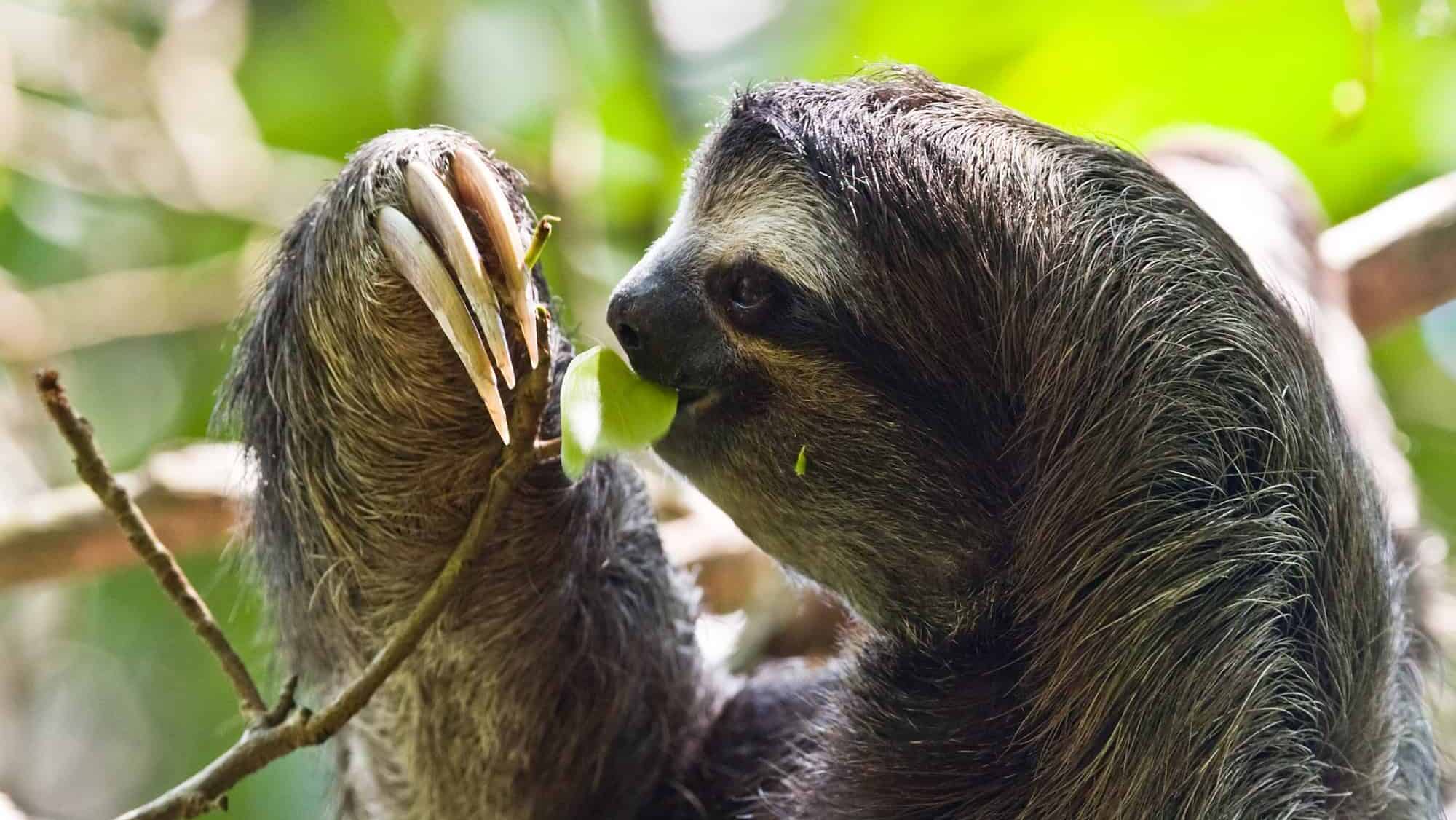
The sloth’s facial structure has evolved over millions of years to serve specific ecological functions rather than for emotional expression. Their upturned mouth allows for efficient foraging and consumption of their specialized diet of leaves, buds, and tender shoots. The structure creates an effective tool for stripping vegetation from branches as they hang upside down in the canopy. Their permanently fixed expression is a case of form following function in evolutionary adaptation.
Additionally, some biologists suggest that the sloth’s facial features might serve social purposes within their species. While not the same as human smiling, their distinctive facial appearance might aid in species recognition or subtle communication. However, it’s important to note that sloths are primarily solitary animals, and their facial structure likely evolved primarily for feeding efficiency rather than social signaling, unlike many other mammals that use varied facial expressions for complex social interactions.
The Sloth’s Metabolism and Its Connection to Their Demeanor

A sloth’s famously slow metabolism significantly influences their overall demeanor and apparent contentment. These remarkable mammals have the lowest metabolic rate of any mammal, operating at just 40-45% of what would be expected for their body weight. This slow metabolism means they conserve energy by moving very deliberately and resting for 15-20 hours per day. Their unhurried lifestyle, coupled with their facial structure, contributes to the perception of a permanently relaxed and smiling creature.
The energy conservation strategy is directly tied to their leaf-based diet, which is low in calories and requires specialized digestion. Their multi-chambered stomachs can take up to a month to digest a single meal, and they may lose up to a third of their body weight between meals. Rather than indicating happiness, the sloth’s peaceful demeanor and “smile” reflect a highly specialized evolutionary adaptation to maximize survival on minimal energy intake. Their seemingly contented expression is the visible manifestation of an animal perfectly adapted to its ecological niche.
Do Sloths Experience Happiness?
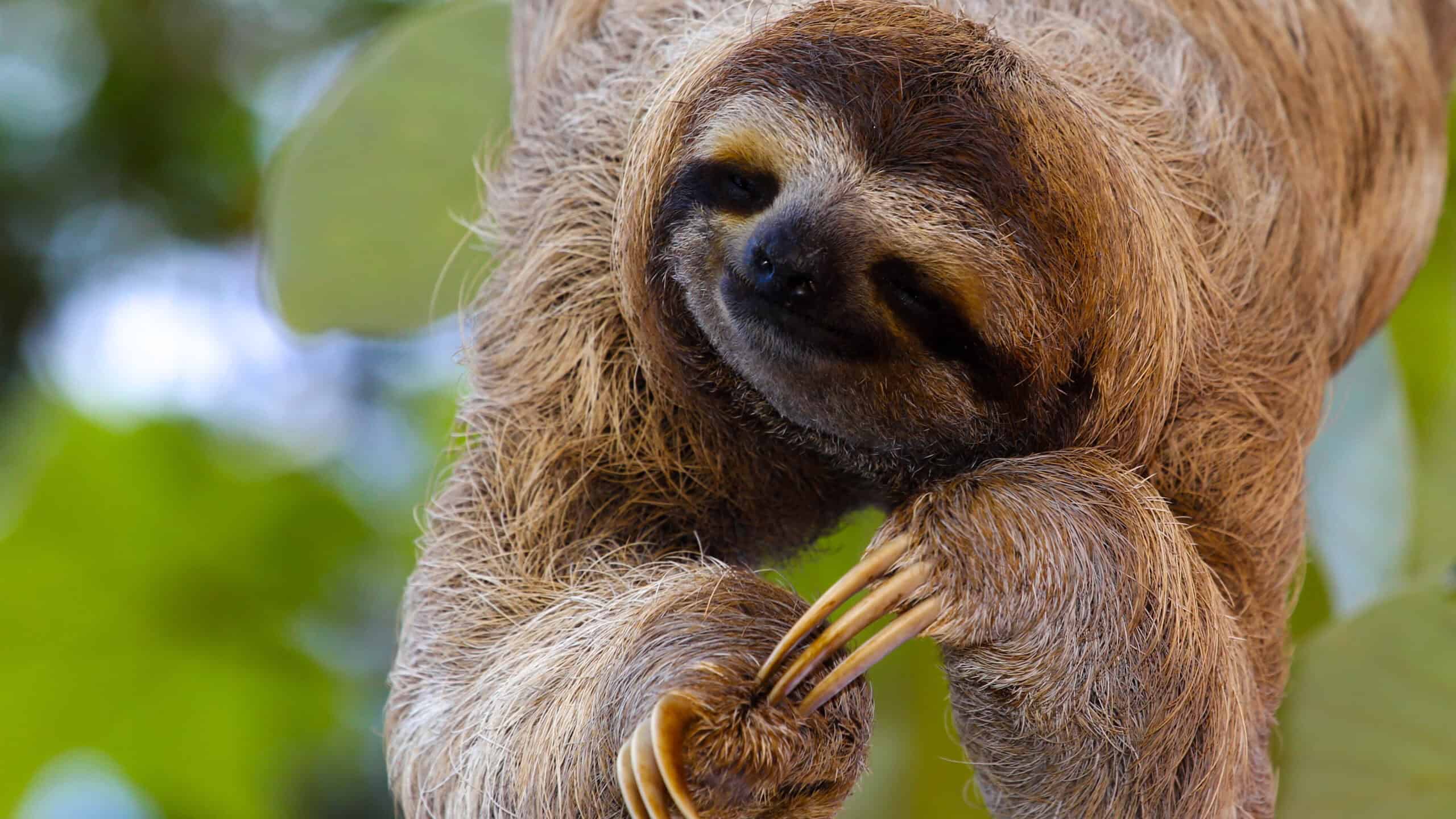
While sloths don’t smile in the human sense, this doesn’t mean they don’t experience positive emotional states. Animal cognition research suggests that many mammals, including sloths, likely experience basic emotions including contentment and distress. Sloths demonstrate preferences for certain foods, environments, and social interactions that suggest they have positive and negative experiences. However, their emotional experiences are likely quite different from humans and expressed in species-appropriate ways rather than through facial expressions.
Behavioral indicators of a contented sloth include normal feeding patterns, proper grooming behaviors, and calm movements through their environment. Conversely, stressed sloths may demonstrate reduced appetite, unusual vocalizations, or defensive postures. It’s important to understand that what we perceive as a “happy smile” is not how sloths express their emotional state. Rather, sloths likely communicate their internal states through subtle body language, vocalizations, and behavioral changes that are often too nuanced for casual human observers to notice.
The Cultural Impact of the Sloth’s Smile

The sloth’s perceived smile has transformed these once-obscure rainforest dwellers into cultural icons. Their seemingly happy expressions have made them stars of memes, animated films, children’s books, and merchandise. The character of Flash in Disney’s “Zootopia” perfectly captures how the sloth’s facial expression and slow movements have been anthropomorphized in popular culture. This representation has actually helped raise awareness about sloth conservation and their rainforest habitats.
However, this cultural popularity has also led to some concerning trends, including the rise of “sloth selfie” tourism and an increase in the exotic pet trade. Conservation organizations note that while the sloth’s “smile” has helped make them beloved ambassadors for rainforest protection, it’s essential that public education includes accurate information about their biology and needs rather than just celebrating their cute appearance. The most responsible wildlife tourism operations allow visitors to view sloths in natural or rehabilitation settings without direct handling or disruption of their natural behaviors.
Different Sloth Species and Their Facial Variations
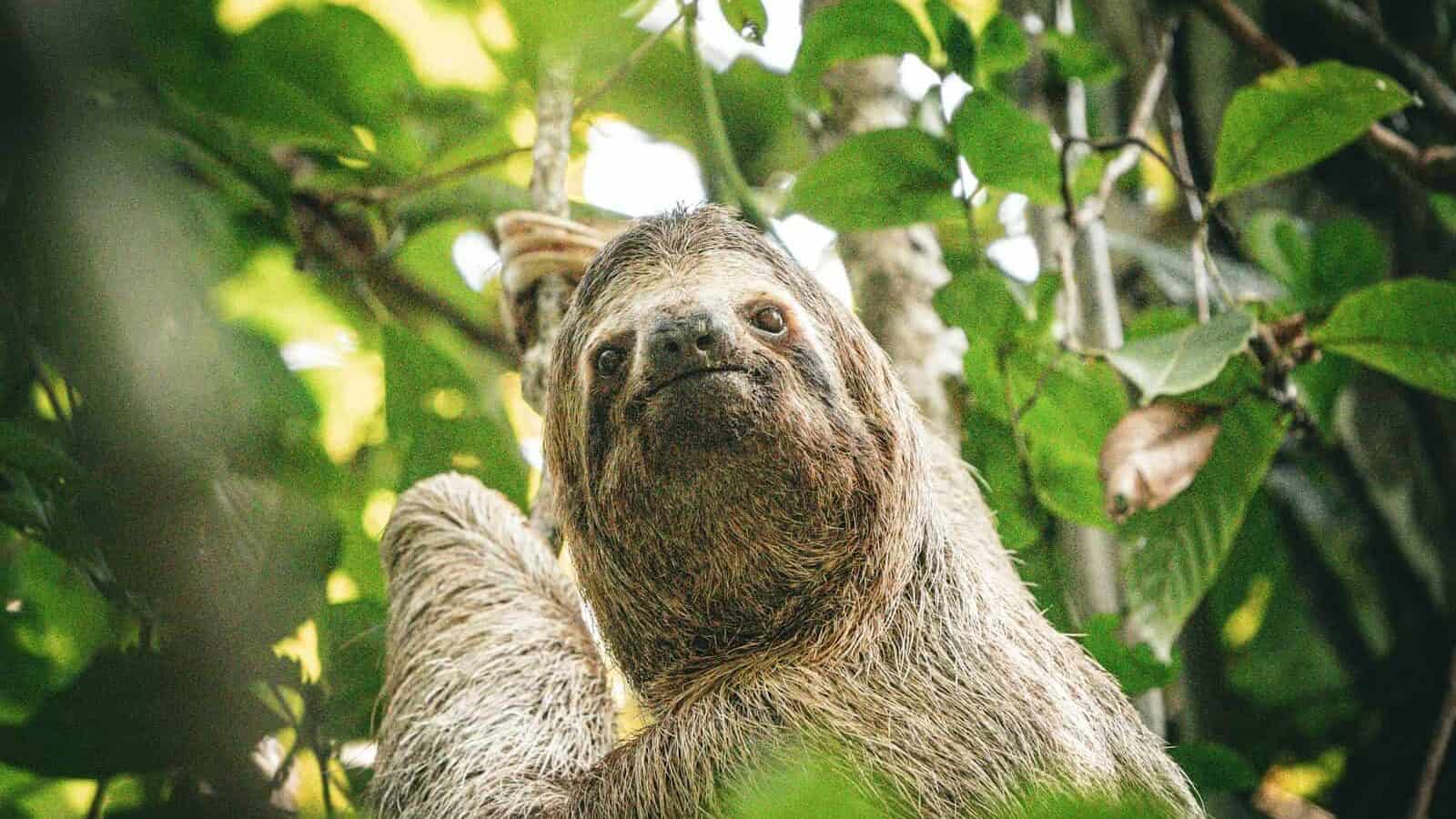
Not all sloth species have identical facial structures, though all share the characteristic features that humans interpret as a smile. The six surviving sloth species are divided into two families: the three-toed sloths (Bradypodidae) and the two-toed sloths (Megalonychidae). Three-toed sloths typically have more prominent “smiles” with a more defined facial marking that resembles a permanent grin. They also have distinctive black markings around their eyes that enhance their expressive appearance.
Two-toed sloths, by contrast, have slightly different facial structures with less pronounced “smiles” and more elongated snouts. Their facial markings are less distinct, though they still possess the curved mouth that appears smile-like to human observers. These differences reflect their evolutionary divergence approximately 35-40 million years ago and subtle variations in their feeding strategies and ecological niches. Despite these differences, both families share the facial anatomy that gives them their characteristic gentle expression that humans find so appealing.
The Neuroscience of Why Humans Are Drawn to Sloth Faces
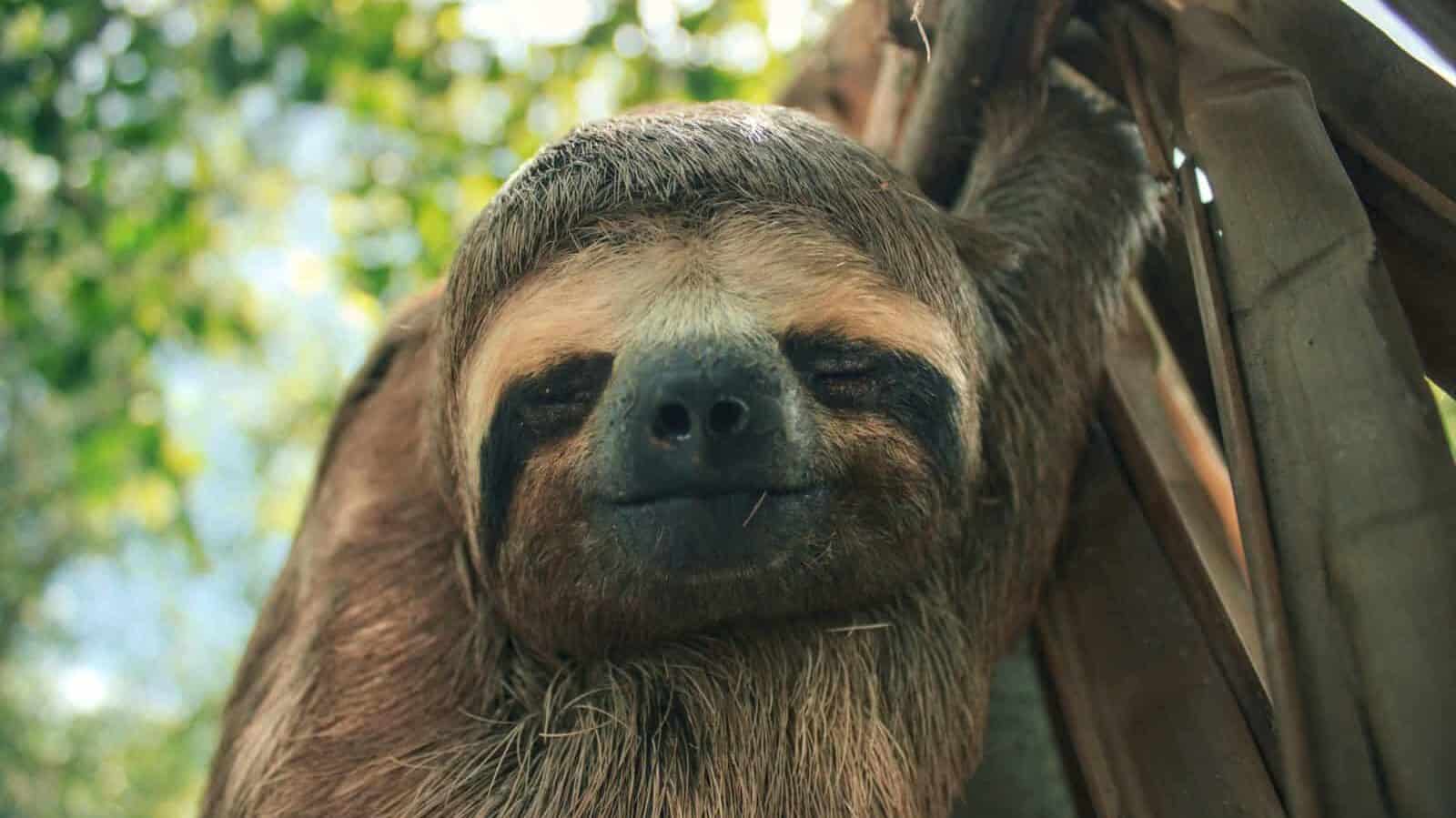
Neuroscience research provides fascinating insights into why humans feel such strong positive reactions to sloth faces. When we look at images of sloths, our brains activate regions associated with processing positive emotions, particularly the orbitofrontal cortex and the nucleus accumbens—the same areas activated when viewing human babies or other cute animals. The sloth’s large eyes relative to their face size trigger what scientists call the “baby schema” response, an innate tendency to feel protective and affectionate toward creatures with juvenile features.
Additionally, functional MRI studies show that viewing animals with perceived positive expressions activates our mirror neuron system, creating a form of emotional contagion where we subtly mimic and internalize the perceived emotion. The combination of the sloth’s baby-like features (large eyes, rounded face) and their apparent smile creates a powerful neurological response that explains their immense popularity on social media and in wildlife documentaries. This neurological response likely contributes to conservation benefits, as humans are more motivated to protect animals that trigger positive emotional responses.
Misconceptions About Sloth Behavior and Expressions
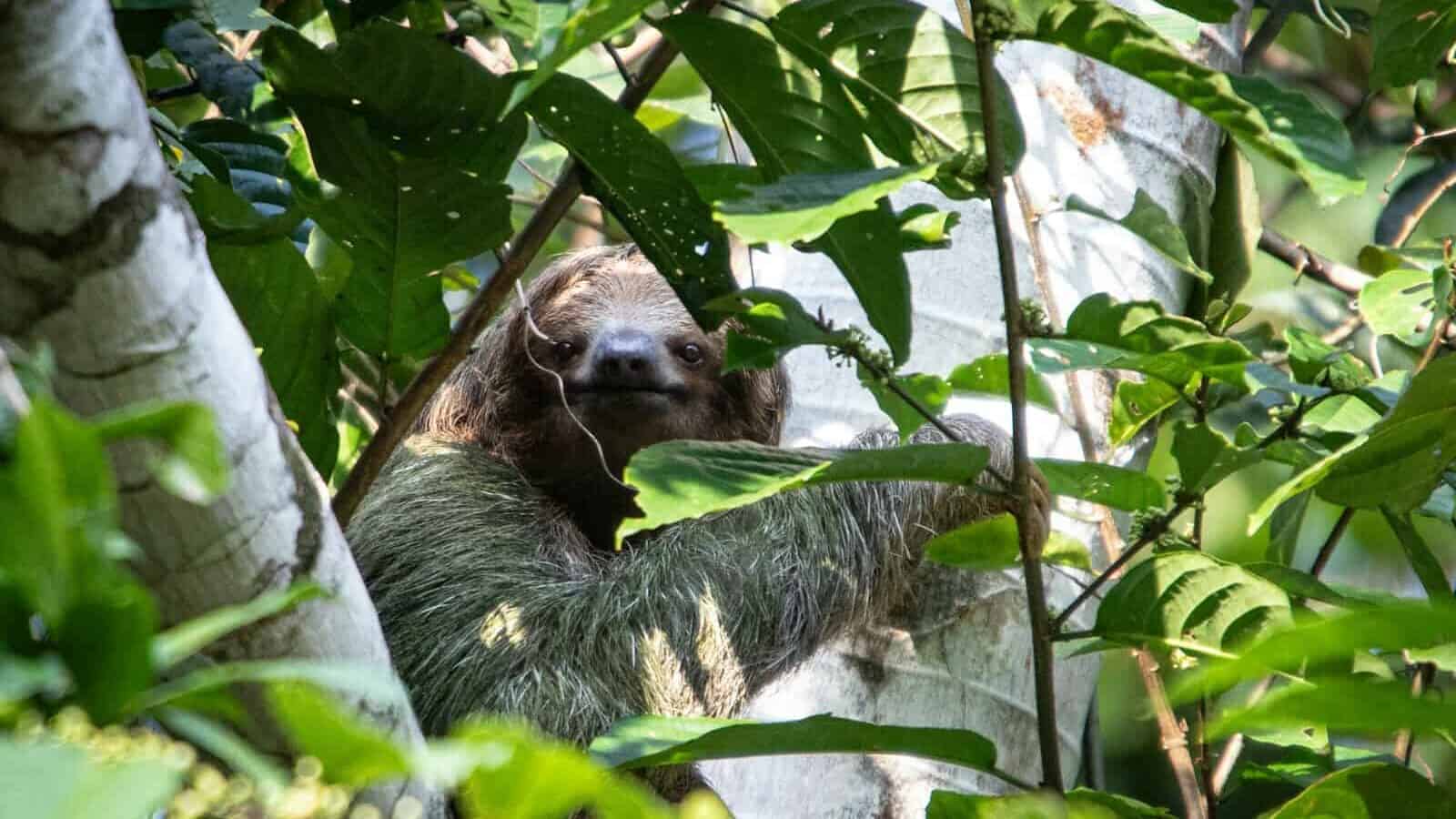
Despite their popularity, sloths remain widely misunderstood animals with several persistent myths about their behavior and expressions. One common misconception is that sloths are always happy because they’re always smiling—in reality, their facial structure simply gives this appearance regardless of their internal state. Another misconception is that sloths are lazy, when in fact their slow movements represent a highly successful evolutionary strategy for energy conservation in their low-calorie dietary niche.
Perhaps the most problematic misconception is that sloths enjoy being handled by humans because they don’t resist and maintain their “smile.” Wildlife experts emphasize that sloths typically freeze when stressed—a defensive mechanism—rather than displaying obvious distress signals. Their slow movements and fixed expressions can mask significant stress during human interactions. This misunderstanding has fueled irresponsible wildlife tourism practices. Educational efforts by conservation organizations focus on helping people appreciate sloths for their remarkable adaptations rather than projecting human emotions onto their permanent expressions.
Sloths in Rehabilitation: Reading Their True Emotions
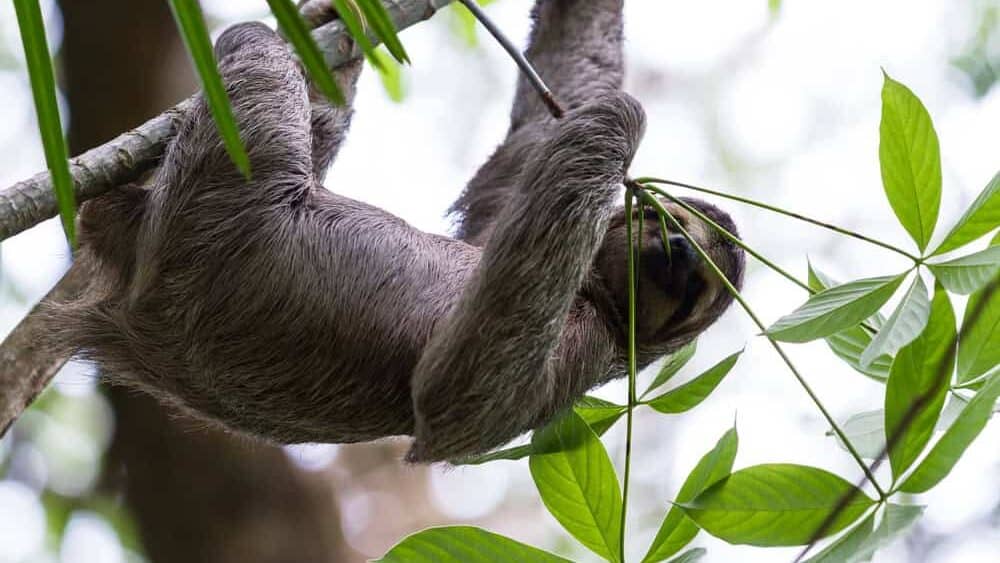
Wildlife rehabilitators who work closely with injured or orphaned sloths have developed expertise in reading the subtle cues that indicate a sloth’s true emotional and physical state beyond their permanent “smile.” These professionals observe behaviors like ear positioning, tension in the limbs, changes in breathing patterns, and vocalizations that might be imperceptible to casual observers. A content sloth in rehabilitation might demonstrate relaxed limbs, normal feeding behaviors, and willingness to explore their environment, while a stressed sloth might refuse food or demonstrate rigid posturing.
Sloth sanctuaries and rehabilitation centers play a crucial role in public education about these animals’ true nature. Organizations like the Sloth Conservation Foundation and The Sloth Institute in Costa Rica combine rescue and rehabilitation work with research and public education programs. They teach visitors that while a sloth’s face might naturally appear cheerful, responsible interaction means respecting their specialized needs, including minimal handling, appropriate diet, and natural behaviors like climbing and foraging. These centers emphasize that the best way to appreciate a sloth’s “smile” is by observing them engaged in natural behaviors in appropriate environments.
Protecting the Smiling Ambassadors of the Rainforest
All six remaining sloth species face significant conservation challenges despite their popularity. Habitat loss through deforestation represents their greatest threat, as specialized canopy dwellers with specific dietary needs and limited mobility on the ground. Three-toed sloths are particularly vulnerable as they feed almost exclusively on Cecropia tree leaves. Additionally, road development through forest habitats has led to increased deaths from vehicle strikes and electrocution on power lines as sloths attempt to navigate between fragmented forest areas.
Conservation efforts focus on protecting intact forest habitat, creating wildlife corridors with rope bridges over roads, and educating local communities about peaceful coexistence with these charismatic animals. The sloth’s “smile” has proven valuable for conservation fundraising and education efforts, making them effective ambassadors for broader rainforest protection. Conservation scientists emphasize that protecting sloths requires preserving entire forest ecosystems and addressing climate change impacts that threaten their specialized ecological niche. By understanding the true nature behind their smile, humans can better protect these remarkable evolutionary success stories.
The sloth’s famous “smile” reveals a fascinating intersection of biology, evolution, and human psychology. What appears to us as a gentle, happy expression is actually a specialized anatomical adaptation shaped by millions of years of evolution to support their unique lifestyle. Our human tendency to anthropomorphize these animals reflects our innate drive to connect with other species and find emotional meaning in their expressions, even when those expressions evolved for entirely different purposes.
Understanding the truth behind the sloth’s permanent expression doesn’t diminish their charm but rather enhances our appreciation for these remarkable evolutionary specialists. Their seemingly smiling faces have made them beloved ambassadors for rainforest conservation, capturing public attention in ways that benefit their protection. Their unique facial structure, coupled with their slow, gentle nature, continues to fascinate scientists and capture public imagination worldwide.
As we admire the sloth’s perpetual “smile,” we’re reminded of the complex ways different species adapt to their environments and how our human perceptions color our understanding of the natural world. The most respectful way to appreciate these fascinating creatures is to protect their forest homes, support ethical conservation efforts, and recognize that their well-being depends not on conforming to human expectations, but on our ability to preserve the natural environments where they have thrived for millennia with their gentle expressions intact.
The sloth’s face teaches us an important lesson: sometimes what appears as happiness from our human perspective is actually something far more profound—a perfect adaptation to a specific way of life that has sustained these remarkable animals through millions of years of evolutionary history.

- Could Dogs Be Used to Detect Illness in Humans? - July 17, 2026
- Why Sloths Give Gentle Smiles - July 17, 2026
- How Ostriches Engage in Unique Mating Dances and Rivalry - July 17, 2026
Leave a comment
You must be logged in to post a comment.