


We’ve all experienced that sudden, sharp headache after gulping down an ice cream cone or slurping a slushy too quickly. That painful sensation, commonly known as “brain freeze” or “ice cream headache,” makes us wince and pause until the discomfort subsides. But have you ever wondered if your dog feels the same pain when enthusiastically lapping up a frozen treat on a hot summer day? Or if wild animals experience this phenomenon when consuming cold food or water? The question of whether animals get brain freeze opens up a fascinating exploration of comparative physiology, animal behavior, and the shared experiences between humans and our animal companions.
The Science Behind Brain Freeze in Humans
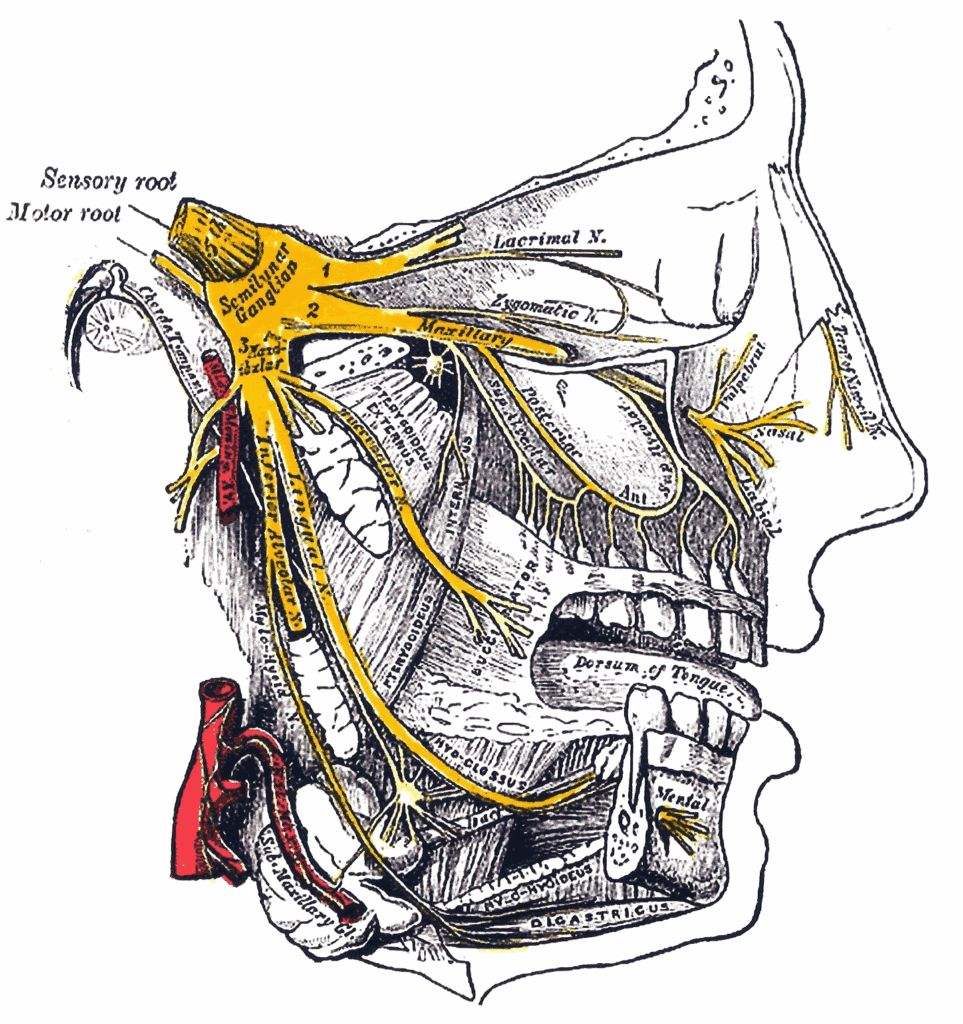
Before determining if animals experience brain freeze, it’s important to understand what causes this phenomenon in humans. Scientifically known as sphenopalatine ganglioneuralgia, brain freeze occurs when something extremely cold touches the roof of your mouth or back of the throat, particularly the area where your hard palate meets your soft palate. This sudden temperature change triggers blood vessels in this region to constrict rapidly and then dilate, causing a rush of blood to the brain.
This rapid vascular change stimulates pain receptors, sending signals through the trigeminal nerve (the main sensory nerve of the face) to the brain, which interprets these signals as pain coming from the forehead region. The entire process is actually a protective mechanism—your body is essentially warning you to slow down consumption of the cold substance before it potentially lowers your brain temperature to dangerous levels, though that would take far more cold consumption than a simple ice cream cone.
Can Dogs Experience Brain Freeze?

Many dog owners have witnessed their pets eagerly devouring ice cream or frozen treats, only to suddenly stop, paw at their face, or back away with a confused expression. These behaviors have led veterinarians and animal behaviorists to believe that yes, dogs likely do experience a sensation similar to brain freeze. Dogs have similar facial anatomy to humans, including the trigeminal nerve and the blood vessels in the palate area that are responsible for the brain freeze sensation in people.
A viral video trend a few years ago showed dogs being given ice cream and subsequently displaying reactions that appeared very similar to human brain freeze responses—head shaking, backing away from the treat, and temporary confusion. While we cannot ask dogs directly about their experience, these behavioral responses suggest they feel something unpleasant when consuming very cold foods too quickly. However, veterinarians caution against deliberately trying to induce brain freeze in pets as it causes unnecessary discomfort.
Cats and Cold-Induced Headaches
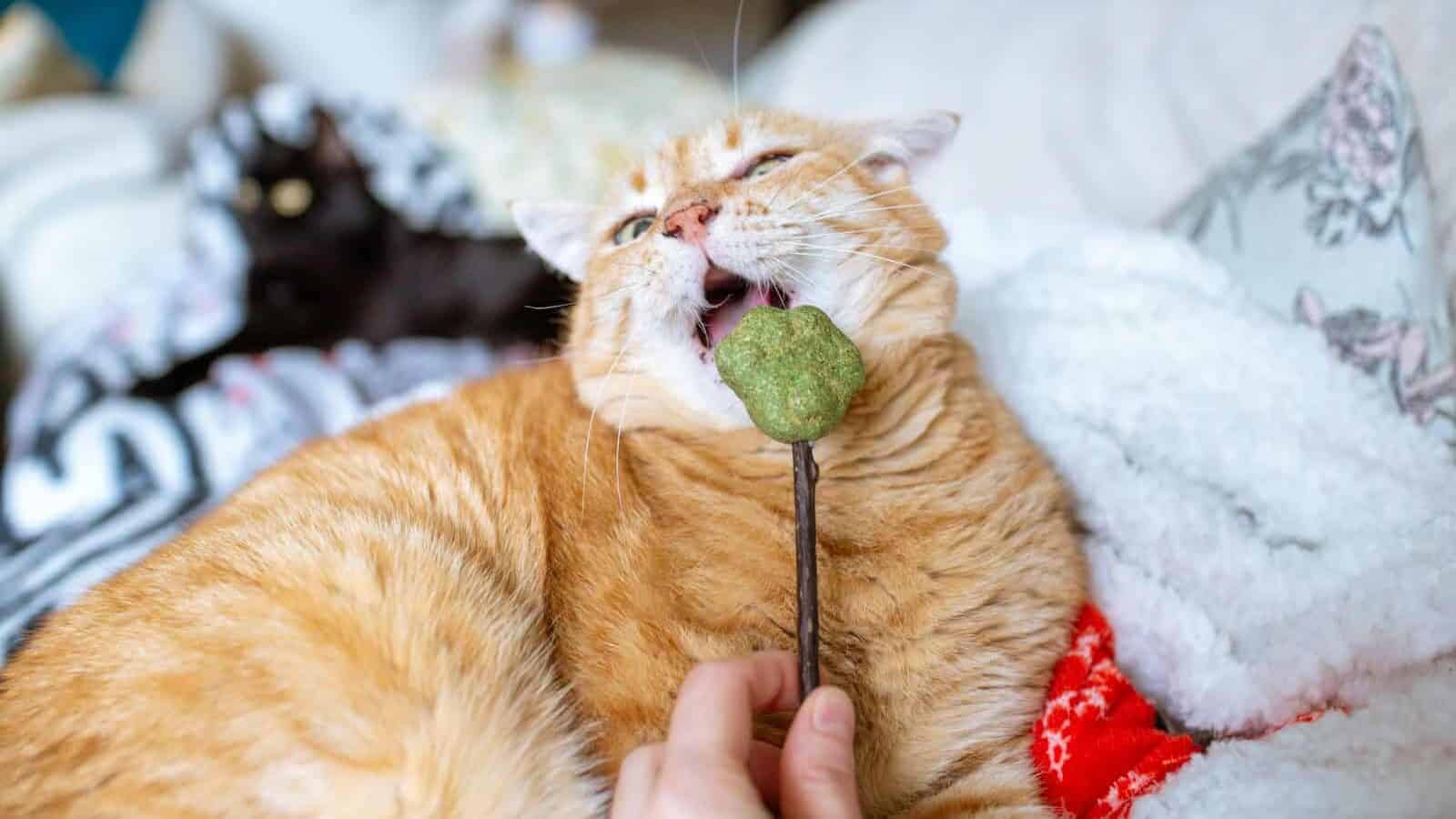
Like dogs, cats appear to be susceptible to brain freeze as well. Feline anatomy includes the same trigeminal nerve pathways that transmit the brain freeze sensation in humans. Cat owners have reported similar reactions when their feline companions lick ice cream or other frozen treats—sudden stopping, head shaking, and sometimes backing away from the cold substance. Some cats may even vocalize their discomfort with small meows or growls.
Interestingly, cats are generally more cautious with new foods and sensations than dogs, so they might be less likely to rush into eating something extremely cold. Their more reserved approach to novel food items might actually be a natural protection against the discomfort of brain freeze. Veterinarians recommend offering cats only small amounts of any cold treats and monitoring their reactions carefully, as dairy products commonly found in frozen treats can also cause digestive issues for many cats.
Brain Freeze in Wild Animals
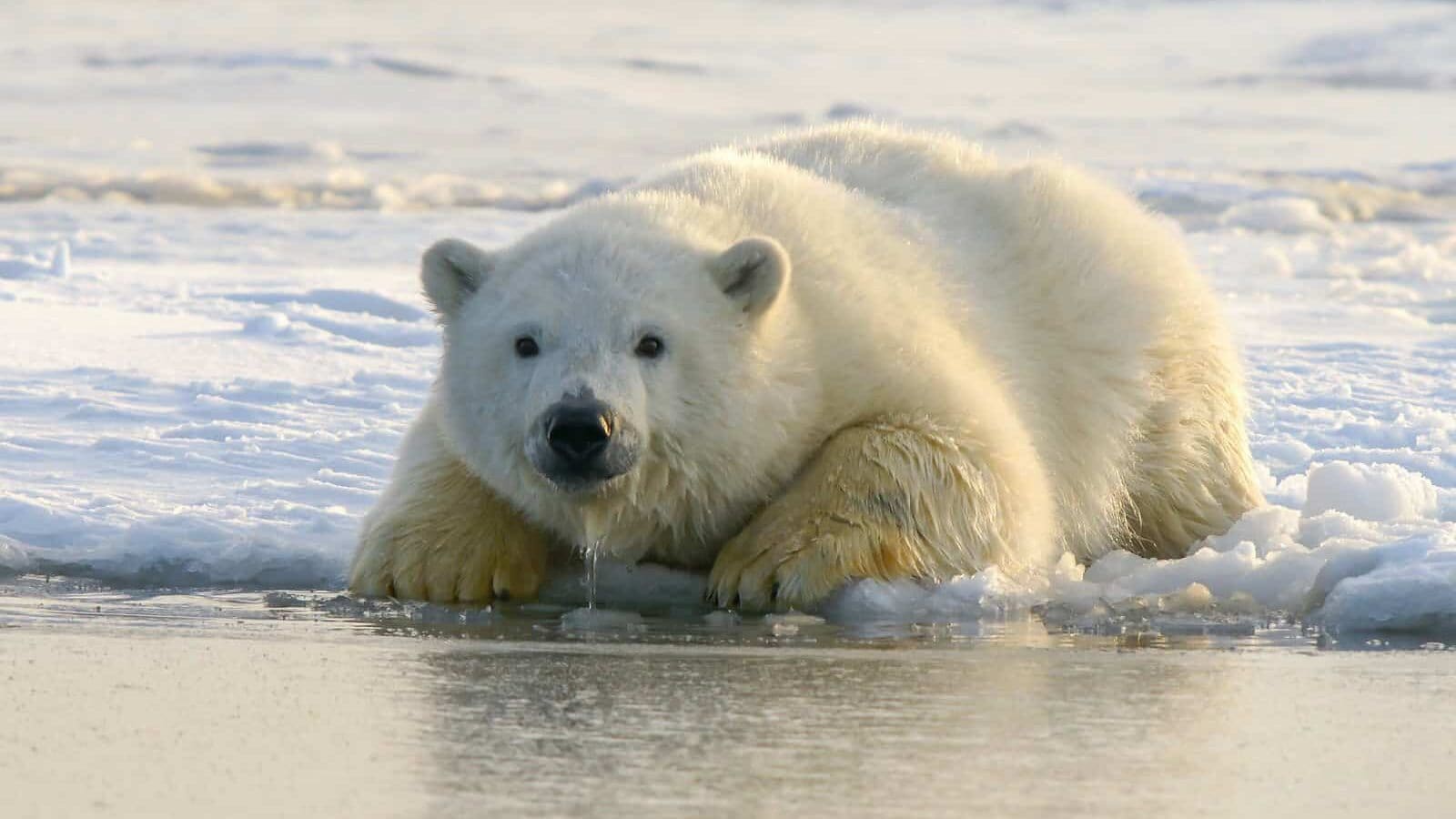
Determining whether wild animals experience brain freeze presents more challenges than with domestic pets. Observation in natural settings is difficult, and the opportunity for wild animals to encounter foods cold enough to trigger brain freeze is limited in most natural environments. However, scientists believe that the physiological mechanism behind brain freeze likely exists in many mammal species, particularly those with similar neural anatomy to humans.
Some observations of polar bears, seals, and other animals that regularly consume frozen prey or drink ice-cold water suggest they may have adapted to avoid this painful sensation. These species often eat frozen food more slowly or in smaller bites, which might be an evolutionary adaptation to prevent the rapid temperature changes that trigger brain freeze. Additionally, some arctic mammals have specialized vascular structures in their mouths and faces that help regulate blood flow and temperature, potentially reducing the likelihood of experiencing cold-induced headaches.
Birds and Reptiles: Different Physiological Responses
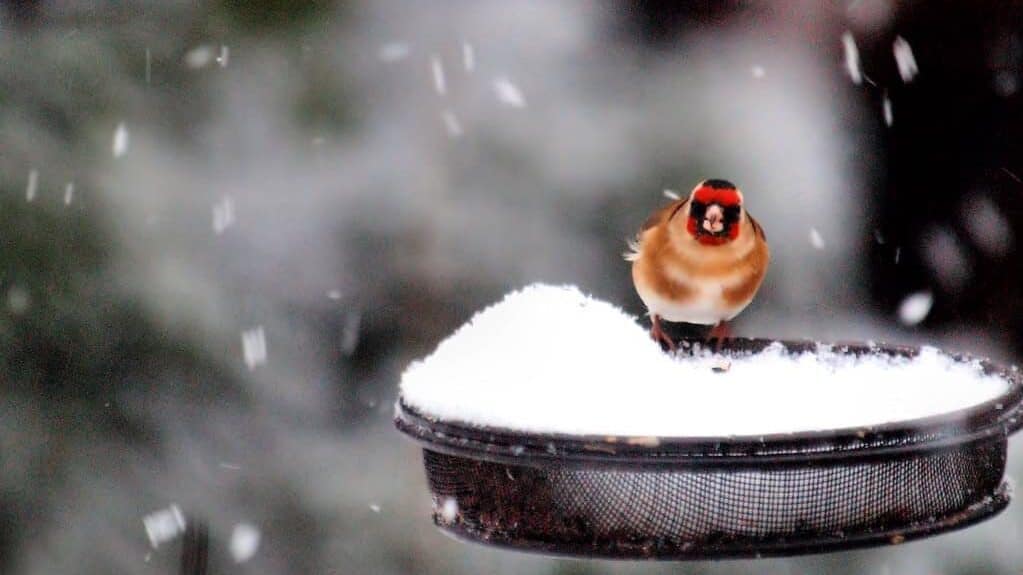
Birds and reptiles have significantly different physiological structures than mammals, which likely affects their experience with cold foods. Birds lack the soft palate structure that plays a key role in human brain freeze, and their higher body temperatures and different vascular systems may change how they process temperature changes in the mouth and head. While birds are known to eat snow or ice in winter conditions, there’s little evidence to suggest they experience the same type of cold-stimulus headache that mammals do.
Reptiles, being cold-blooded (ectothermic), have entirely different temperature regulation systems than mammals. Their nervous systems and blood vessels don’t respond to temperature in the same way ours do. A reptile consuming something cold would experience a general body temperature decrease rather than the specific vascular response that causes brain freeze in humans. This fundamental difference in physiology suggests that reptiles probably don’t experience brain freeze as mammals do, though they may have their own forms of discomfort related to rapid temperature changes.
The Role of Brain Size and Complexity
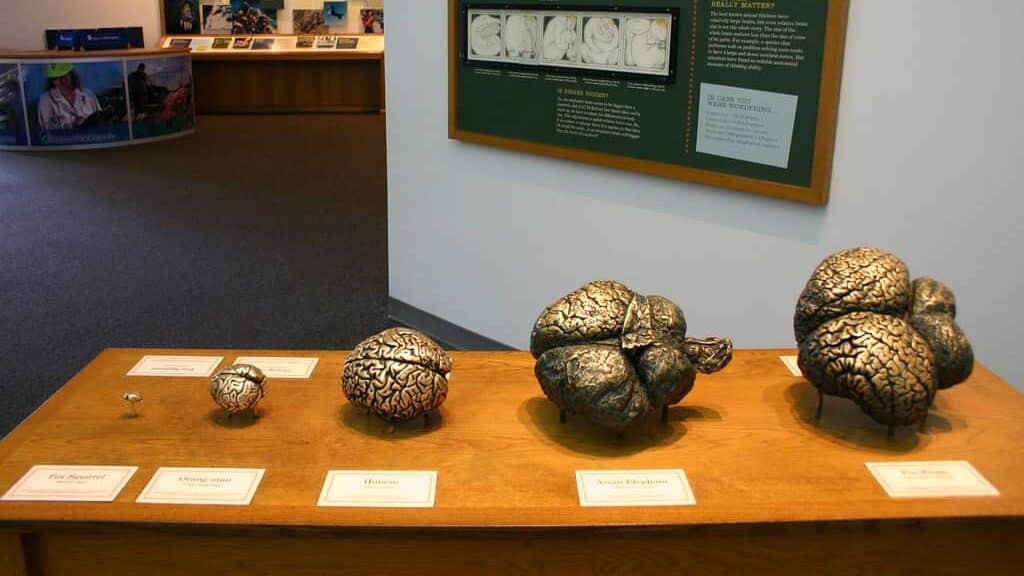
An interesting consideration in the brain freeze discussion is how brain size and neural complexity might influence the experience across different species. Humans have highly developed brains with complex pain processing centers that interpret the signals from cold-sensitive nerves in specific ways. Animals with less complex brains might process these sensations differently, perhaps experiencing them as general discomfort rather than the localized headache humans report.
Larger mammals with brain structures more similar to humans, such as primates, dolphins, and elephants, might experience something closer to human-like brain freeze. Meanwhile, smaller mammals or those with less developed pain-processing neural pathways might have fundamentally different experiences when consuming very cold substances. This neurological variation across species suggests that “brain freeze” might manifest as a spectrum of sensations rather than an identical experience across the animal kingdom.
Evolutionary Purpose of Cold Sensitivity

The brain freeze response serves as a protective mechanism in humans, essentially warning us against consuming something that could potentially lower our core temperature too quickly. This protective function likely extends to other mammals as well. From an evolutionary perspective, animals that could sense and respond to extreme temperature changes would have advantages in survival, particularly when consuming foods in cold environments or during winter months.
For predatory animals that eat prey that may be partially frozen, having sensitivity to cold could prevent them from lowering their body temperature too drastically during feeding. Similarly, for animals that might drink from nearly frozen water sources, the ability to sense when something is dangerously cold could prevent hypothermia or other cold-related injuries. This suggests that while brain freeze might be uncomfortable, it could represent an important evolutionary adaptation shared across many species.
Animal Reactions to Cold: What Behaviors Tell Us

When researchers and veterinarians study whether animals experience brain freeze, they rely heavily on behavioral observations since animals cannot verbally report their sensations. Common reactions that suggest brain freeze in pets include sudden stopping of eating, pawing at the face or mouth, head shaking, backing away from the cold food, and sometimes vocalizations of distress. In some cases, animals might press their heads against objects, a behavior that could indicate they’re experiencing head pain.
These behavioral responses vary across species and individuals, with some animals showing more dramatic reactions than others. For example, some dogs might yelp or whine when experiencing brain freeze, while others might simply pause briefly before continuing to eat. These variations might reflect differences in pain tolerance, previous experience with cold foods, or even breed-specific sensitivities. By carefully documenting these reactions, scientists can build a better understanding of how widespread and similar the brain freeze experience might be across different animal species.
Safe Cold Treats for Pets

If you want to offer your pet a cold treat without risking the discomfort of brain freeze, there are several approaches to consider. First, offer frozen treats in small portions that encourage slower consumption. Specially designed pet-safe ice creams and frozen yogurts are available commercially, often formulated to be less cold than human varieties while still providing a refreshing experience. For dogs, frozen fruits like blueberries or small pieces of frozen banana can provide cooling relief on hot days without being cold enough to trigger brain freeze.
For cats, who are often more sensitive to cold and have more dietary restrictions, try freezing small amounts of low-sodium chicken broth in ice cube trays, or offering tiny portions of cat-safe frozen treats. Always monitor your pet when introducing any new food, cold or otherwise, and be particularly watchful with frozen items to ensure they don’t cause discomfort. Remember that many human ice creams contain ingredients like chocolate or xylitol that are toxic to pets, so always choose pet-specific products or simple frozen whole foods that are known to be safe.
Research Challenges and Ethical Considerations

Studying brain freeze in animals presents several significant challenges for researchers. The most obvious is the inability to get direct feedback from animal subjects about what they’re experiencing. Unlike human studies where participants can describe the sensation, location, and intensity of their brain freeze, researchers must rely entirely on behavioral observations and physiological measurements when studying animals. This introduces a degree of uncertainty into any conclusions about animal experiences.
Additionally, there are important ethical considerations around intentionally inducing discomfort in animals for research purposes. While understanding comparative pain responses across species has scientific value, researchers must carefully balance this against the ethical obligation to minimize animal suffering. As a result, much of our understanding comes from observational studies of pets or animals that encounter cold substances in their normal activities, rather than from controlled experiments specifically designed to induce brain freeze. This ethical approach means our knowledge develops more slowly but in a more humane manner.
Unique Adaptations to Cold in Specialized Species
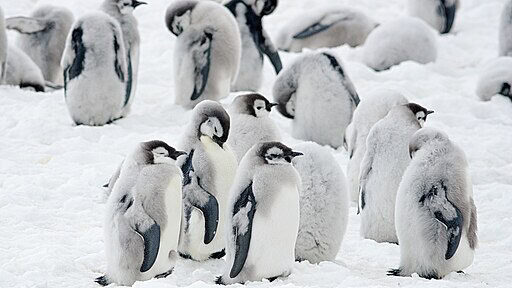
Some animal species have evolved remarkable adaptations that might prevent them from experiencing brain freeze despite regularly consuming very cold items. Arctic and antarctic species offer fascinating examples of these specialized adaptations. Emperor penguins, for instance, have special heat exchange systems in their nasal passages that warm incoming air before it reaches sensitive tissues. This same system might help them when consuming ice or very cold fish without experiencing the rapid temperature changes that trigger brain freeze in humans.
Marine mammals like seals and whales that feed in frigid waters have developed specialized vascular networks called “retia mirabilia” (wonderful nets) that help regulate blood temperature between their core and extremities. These networks essentially create a countercurrent heat exchange system that might protect their brains from rapid temperature changes when consuming frozen prey. Some arctic mammals also have anatomical adaptations in their mouths and throats that could prevent the rapid cooling of sensitive tissues when eating snow or drinking near-freezing water, potentially making them less susceptible to the brain freeze phenomenon that humans experience so readily.
While we cannot definitively know the exact sensations experienced by different animal species, the evidence strongly suggests that many mammals—particularly our domestic companions like cats and dogs—do experience something similar to what humans call brain freeze. The shared neural anatomy, similar behavioral responses, and evolutionary purpose of cold sensitivity all point to this being a common experience across many species, albeit with variations based on specific physiological adaptations.
This shared experience of brain freeze provides another fascinating connection between humans and the animal world, reminding us of our common evolutionary heritage and physiological similarities. It also emphasizes the importance of being mindful when offering cold treats to our animal companions, ensuring we provide them in ways that maximize enjoyment while minimizing potential discomfort.
As we continue to study animal cognition and sensory experiences, we may develop better methods to understand phenomena like brain freeze across species. Until then, the next time you see your dog pause mid-lick of a frozen treat, you can reasonably assume they’re experiencing something quite similar to your own brain freeze—a momentary discomfort that’s the price we pay for the delicious pleasure of cold treats on a hot day.
For pet owners, this knowledge can help us be more empathetic providers, offering frozen delights in moderation and in ways that allow our animal friends to enjoy them without the sudden shock of cold-induced headaches. After all, brain freeze is one experience most of us would prefer not to share too intensely with our beloved pets.

- What’s Hiding in the Forests of the Pacific Northwest - July 21, 2026
- Tarsiers: The Tiny Primates with Giant Eyes - July 21, 2026
- Are Zoos Still Ethical in 2025? - July 21, 2026