

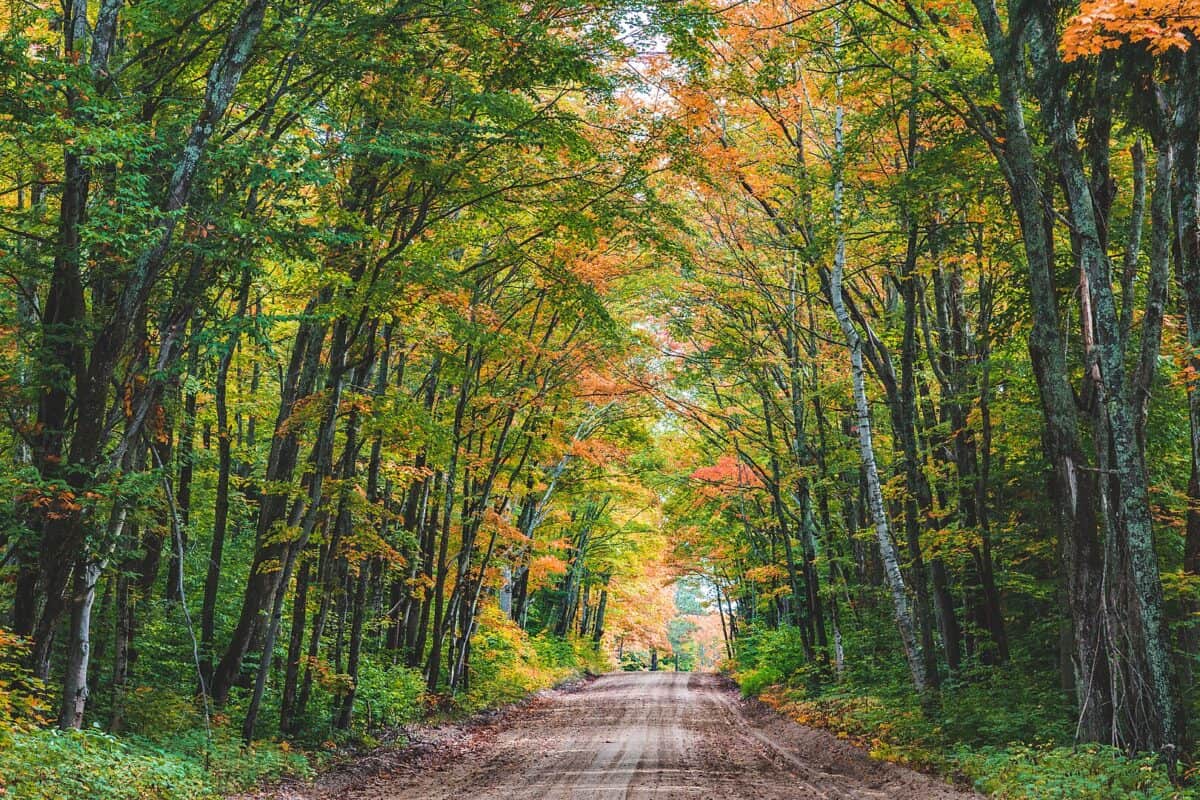
The forests of the Upper Midwest—spanning Minnesota, Wisconsin, Michigan, and parts of Illinois—are more than just serene landscapes of maple, oak, and pine. These woodland realms harbor a remarkable diversity of life, much of which remains hidden from casual observers. From elusive predators prowling the understory to rare flora flourishing in specific microhabitats, these forests contain ecological treasures that have evolved over thousands of years. The region’s unique glacial history, varying climate patterns, and the confluence of different forest types create an environment where both northern and southern species find niches. As you venture beneath the canopy of these ancient woodlands, a world of mystery unfolds—creatures that are seldom seen, plants with fascinating adaptations, and ecological relationships that maintain the delicate balance of this ecosystem. Let’s explore what truly hides in the forests of the Upper Midwest, beyond what meets the eye during a casual hike.
The Ghost of the North: Gray Wolves
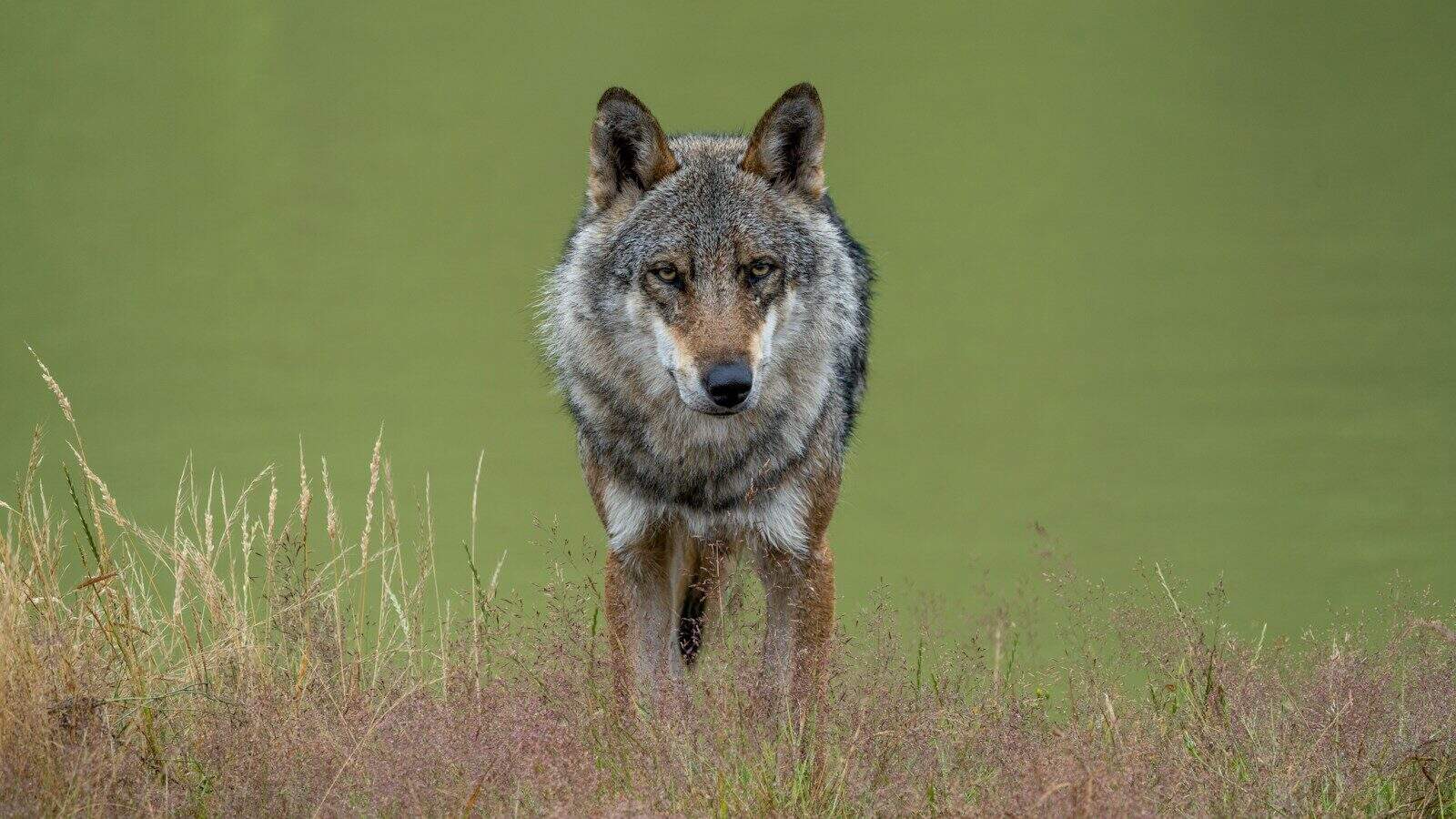
Perhaps no creature embodies the wild spirit of the Upper Midwest forests better than the gray wolf (Canis lupus). Once extirpated from much of their range, these apex predators have made a remarkable comeback in northern Minnesota, Wisconsin, and Michigan’s Upper Peninsula. With approximately 4,000 wolves now inhabiting the region, these intelligent canids move like shadows through the forest, often going undetected despite their size. Their howls—haunting calls that can carry for miles—might be heard more often than the animals themselves are seen.
Wolves play a crucial ecological role as they regulate deer populations, which in turn affects forest composition and health. Research shows that areas with established wolf packs often have more diverse plant communities because deer browsing is reduced or altered by the presence of these predators. Despite their importance, wolves remain controversial, with ongoing debates about management strategies and their impact on livestock. For many outdoor enthusiasts, simply knowing these magnificent animals are present enriches the wilderness experience, even if an actual sighting is rare.
The Secretive Felid: Bobcats and the Rare Lynx
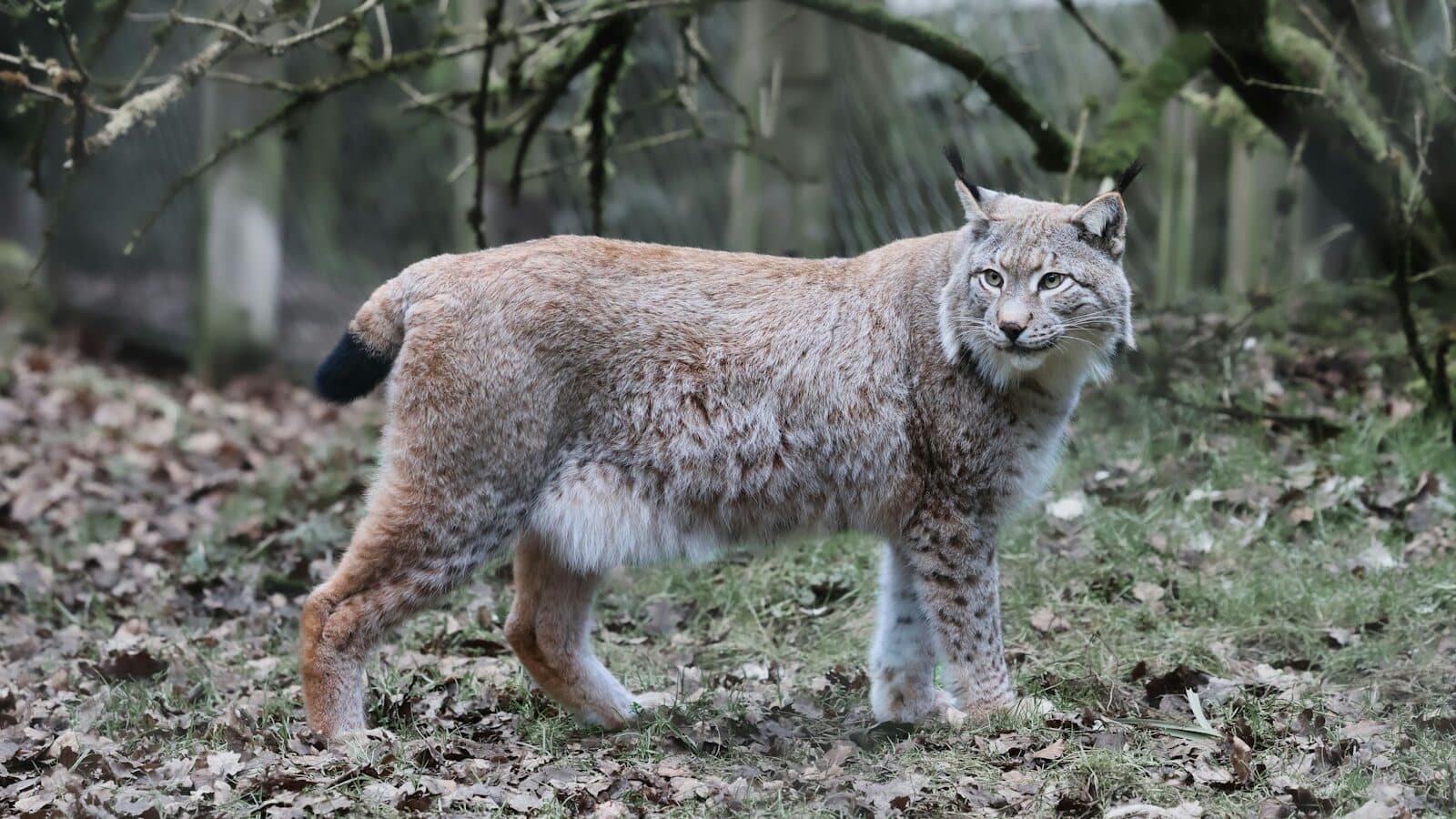
While wolves get much of the attention, the forests of the Upper Midwest harbor two feline predators that are masters of concealment. The bobcat (Lynx rufus) has adapted well to the region’s mixed forests, maintaining healthy populations throughout much of the area. These medium-sized cats, weighing between 15-35 pounds, are primarily nocturnal and incredibly stealthy. Their spotted coats provide perfect camouflage among the dappled light of the forest floor, making them nearly invisible to human eyes. Bobcats can be identified by their short “bobbed” tails, tufted ears, and facial ruffs.
Far more rare and elusive is the Canada lynx (Lynx canadensis), a specialist predator that depends heavily on snowshoe hare populations. With its oversized paws that act as natural snowshoes, longer legs, and more pronounced ear tufts, the lynx is adapted for northern forests and deep snow. Minnesota represents the southern edge of their range, and sightings are extremely uncommon. Climate change poses a significant threat to lynx populations as warming temperatures affect snowpack and potentially push this cold-adapted species further north. Both cats leave distinctive tracks in snow or mud—often the only evidence of their presence for most forest visitors.
Hidden in Plain Sight: The American Marten
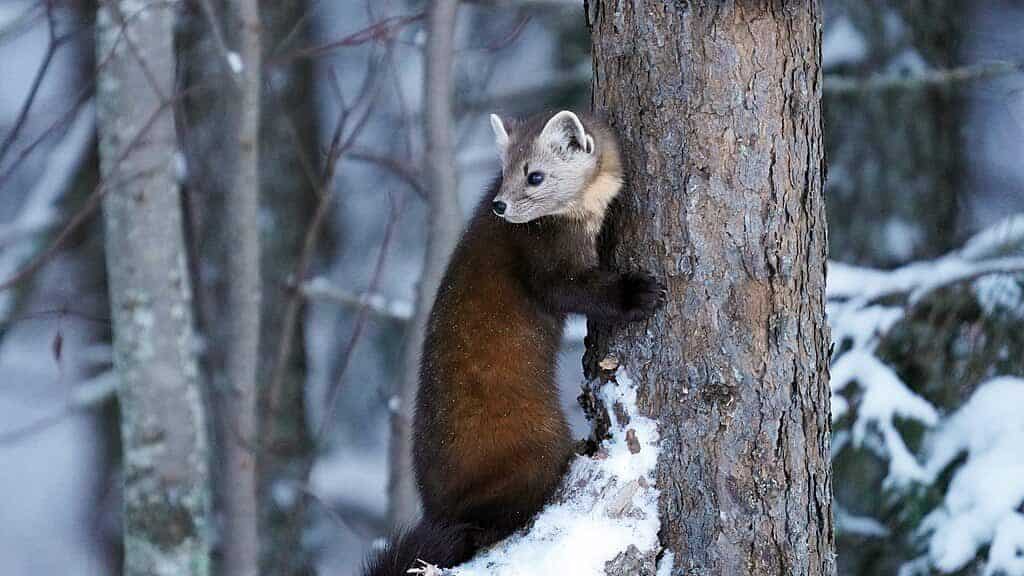
The American marten (Martes americana) represents one of the most charming yet seldom-seen inhabitants of the Upper Midwest’s northern forests. This member of the mustelid family—related to weasels, otters, and wolverines—prefers mature coniferous or mixed forests with abundant dead trees and complex structure. About the size of a small house cat but much more slender, martens have rich brown fur, bushy tails, and distinctive orange or cream-colored throat patches. Their semi-arboreal lifestyle means they spend significant time in trees, hunting squirrels, mice, and birds or searching for berries.
Once nearly eliminated from the region due to unregulated trapping and widespread logging of old-growth forests, martens have made a comeback in parts of northern Minnesota, Wisconsin, and Michigan following reintroduction efforts. However, they remain sensitive to forest fragmentation and require large tracts of connected mature forest to maintain viable populations. Wildlife cameras have become an important tool for documenting these secretive mammals, revealing their presence in areas where they were thought to be absent. Their tracks in snow—five toes and visible claw marks arranged in a bounding pattern—are often the only sign that these charismatic predators share the forest with human visitors.
The Forest Floor: A World of Fungi

Beneath the leaf litter and within the soil of Upper Midwest forests lies an astonishingly complex fungal network that largely escapes notice. Thousands of species of fungi inhabit these woodlands, with many forming mycorrhizal relationships with trees—symbiotic connections where fungi help trees access water and nutrients in exchange for carbohydrates produced through photosynthesis. This invisible network, sometimes called the “wood wide web,” connects trees and other plants in ways scientists are only beginning to understand. Some forest areas may contain over 300 species of fungi per square meter of soil.
While much of this fungal diversity remains hidden underground, autumn brings a spectacular display as many species produce fruiting bodies—mushrooms—in a dazzling array of shapes, sizes, and colors. From the prized edible morels (Morchella spp.) that emerge in spring to the striking Amanita muscaria with its red cap and white spots, these fungi add both beauty and ecological function to the forest. Unfortunately, many forest fungi face threats from habitat loss, climate change, and invasive species. Some, like the endangered Minnesota truffle (Tuber canaliculatum), are so rare that they’re rarely encountered even by mycologists who study them. The fungal communities of these forests represent one of their most diverse yet least appreciated components.
Dwindling Giants: Old-Growth Remnants
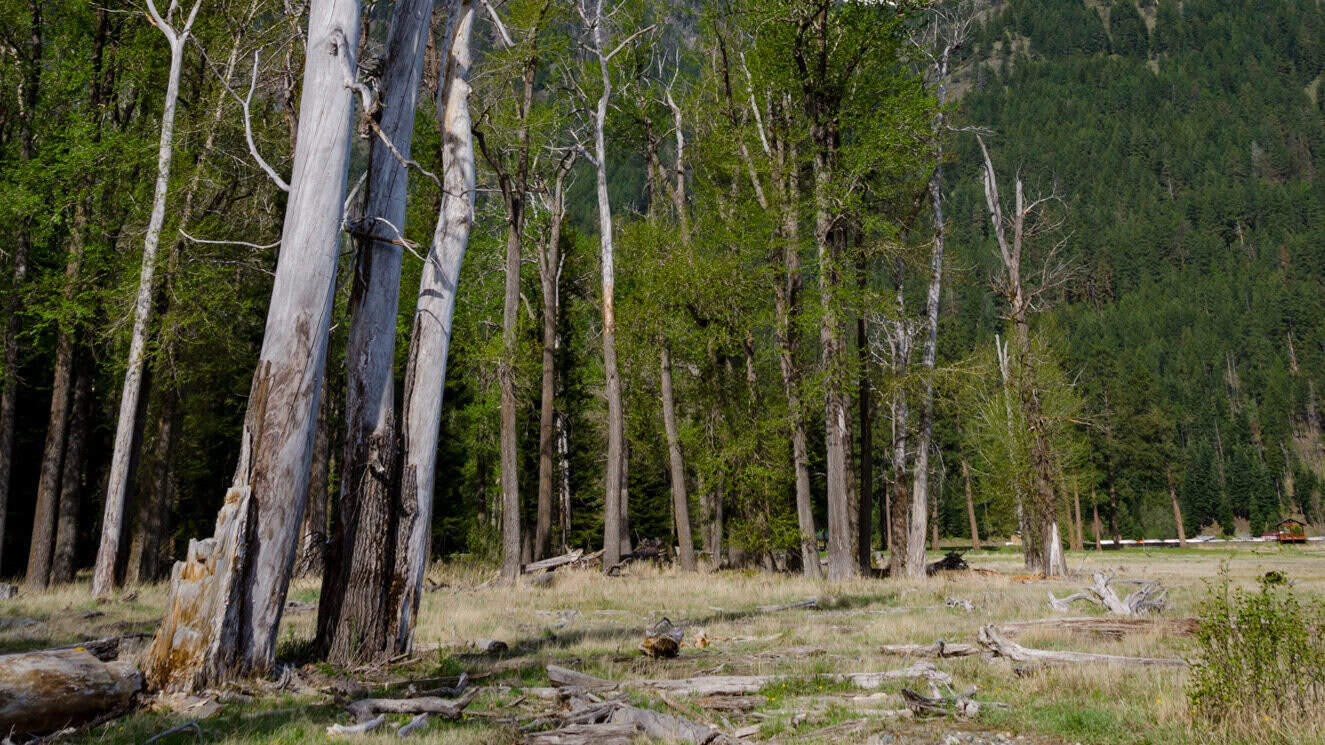
Perhaps the most significant hidden treasures of the Upper Midwest forests are the scattered remnants of old-growth stands that have somehow escaped the region’s intensive logging history. Less than 1% of the original old-growth forests remain in most states in the region, making these ancient woodlands exceptionally rare. In these special places, eastern white pines may reach over 150 feet tall and 400 years of age, while ancient northern red oaks and sugar maples create a diverse canopy structure unlike that found in younger forests. The Porcupine Mountains in Michigan’s Upper Peninsula protect one of the largest remaining tracts of old-growth northern hardwood forest in North America, spanning about 35,000 acres.
These old-growth remnants harbor ecological features absent in younger forests: massive standing dead trees (snags) that provide crucial habitat for woodpeckers and other cavity-nesting species; complex canopy structures that create diverse microclimates; and deep organic soils built up over centuries. They also serve as living museums, offering glimpses of what the region’s forests looked like before European settlement. Some specialized species, like the northern goshawk and certain lichens and mosses, strongly prefer these ancient forest conditions. Conservation efforts focus on protecting remaining old-growth stands while allowing some managed forests to develop old-growth characteristics over time—a process that requires centuries of patience.
Ephemeral Wonders: Spring Wildflowers
For a brief but glorious window between snowmelt and full leaf-out, the forest floor of deciduous woodlands transforms into a carpet of wildflowers. These spring ephemerals—plants that complete their above-ground lifecycle in just a few weeks—take advantage of the sunlight reaching the forest floor before the canopy leafs out. Species like trillium, bloodroot, hepatica, and Dutchman’s breeches emerge seemingly overnight, creating spectacular displays that vanish almost as quickly as they appear. The timing of this spring flush is critically synchronized with the lifecycle of many forest insects, particularly early-emerging native bees that depend on these flowers for nectar.
The presence and abundance of spring ephemerals serve as indicators of forest health. Many species are sensitive to disturbance and take decades to recolonize areas after logging or other significant disruptions. Climate change poses a particular threat, as warming temperatures may cause trees to leaf out earlier, reducing the critical window of sunlight these flowers depend upon. Some species, like the showy lady’s slipper orchid (Minnesota’s state flower), have become increasingly rare due to habitat loss and collection. Conservation efforts include protecting high-quality forest habitats and educating the public about the importance of leaving these wildflowers undisturbed for future generations to enjoy.
Winged Mysteries: Owls of the Northern Forests
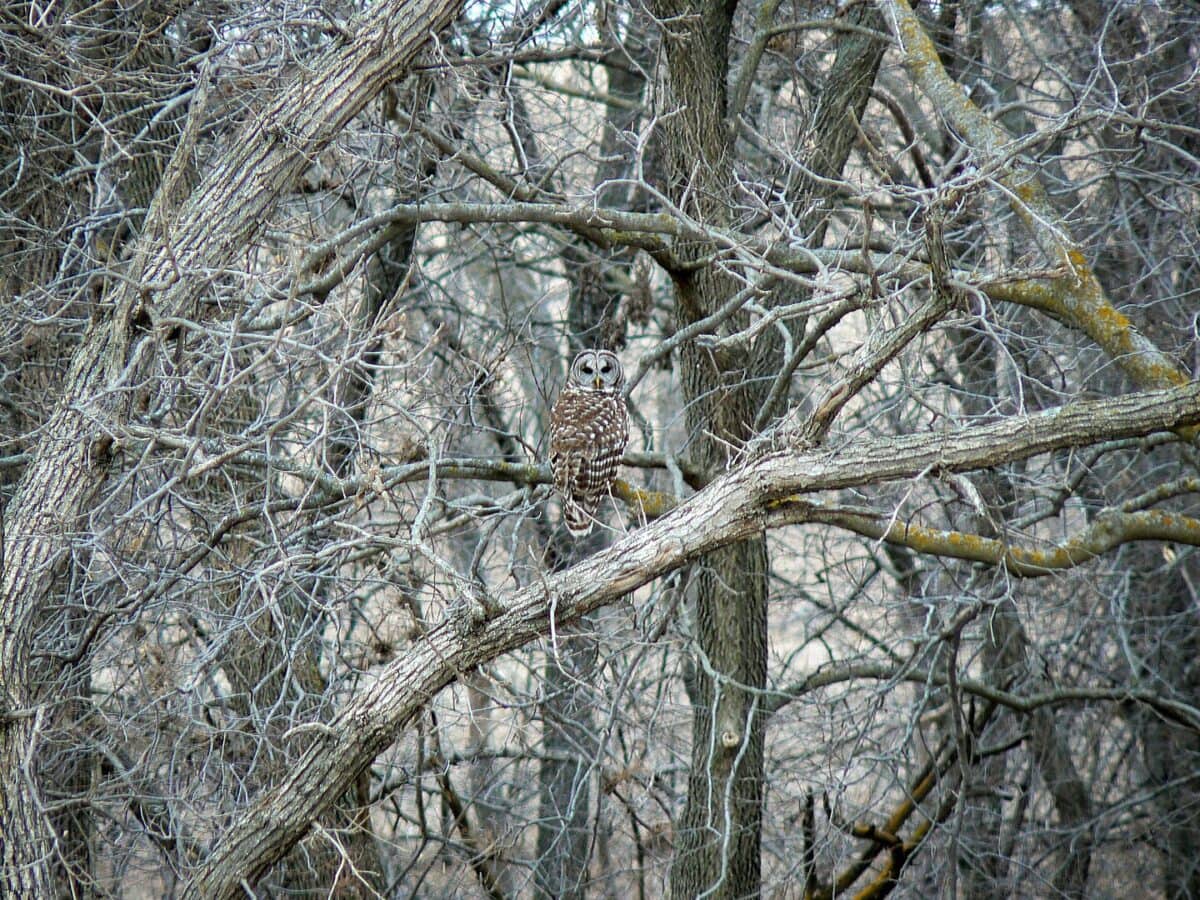
The forests of the Upper Midwest harbor a remarkable diversity of owl species, many of which remain largely unseen due to their nocturnal habits and exceptional camouflage. The great gray owl—North America’s largest owl by length—makes its southernmost appearances in Minnesota’s northern forests, where it hunts voles and other small mammals in forest openings. Even more elusive is the northern saw-whet owl, a tiny raptor barely larger than a robin that nests in woodpecker holes and dense conifers. During migration and winter, this diminutive owl may be more common than realized, though its secretive nature makes detection challenging without specialized surveys.
The barred owl, with its distinctive “who-cooks-for-you” call, represents one of the more commonly heard (if not seen) forest owls, while the eastern screech-owl occupies woodland edges and forest fragments throughout the southern parts of the region. For many outdoor enthusiasts, hearing an owl’s call in the darkness represents a memorable wildlife encounter, even without a visual sighting. Researchers use audio recording devices to document owl presence and abundance, revealing that these nocturnal predators are more widespread than casual observation might suggest. Conservation concerns for forest owls include habitat fragmentation, climate change impacts on prey availability, and collisions with vehicles during winter movements when some species venture closer to roads in search of food.
Underwater Forests: Aquatic Ecosystems

The forests of the Upper Midwest aren’t limited to terrestrial environments. The region’s countless lakes, streams, and wetlands harbor their own form of “forests”—stands of aquatic vegetation that provide crucial habitat for fish and other aquatic organisms. In clearer lakes, underwater meadows of native aquatic plants like wild celery, various pondweeds, and water lilies create complex structures that support diverse food webs. These aquatic plant communities remain invisible to most people, visible only to those who venture beneath the surface or use specialized equipment to sample these ecosystems.
These underwater habitats face numerous threats, including invasive species like Eurasian watermilfoil and curly-leaf pondweed that can outcompete native vegetation. Excessive nutrient runoff from agricultural and residential development can trigger algal blooms that block sunlight from reaching submersed plants. Climate change brings additional challenges, altering water temperatures and potentially favoring invasive species. Conservation efforts focus on preventing the spread of aquatic invasives through boater education programs, maintaining natural shoreline buffers to filter runoff, and restoring degraded aquatic plant communities. The health of these underwater forests directly affects water quality, fishing opportunities, and the overall ecological integrity of the region’s cherished waterways.
Unexpected Residents: Remnant Prairie Species
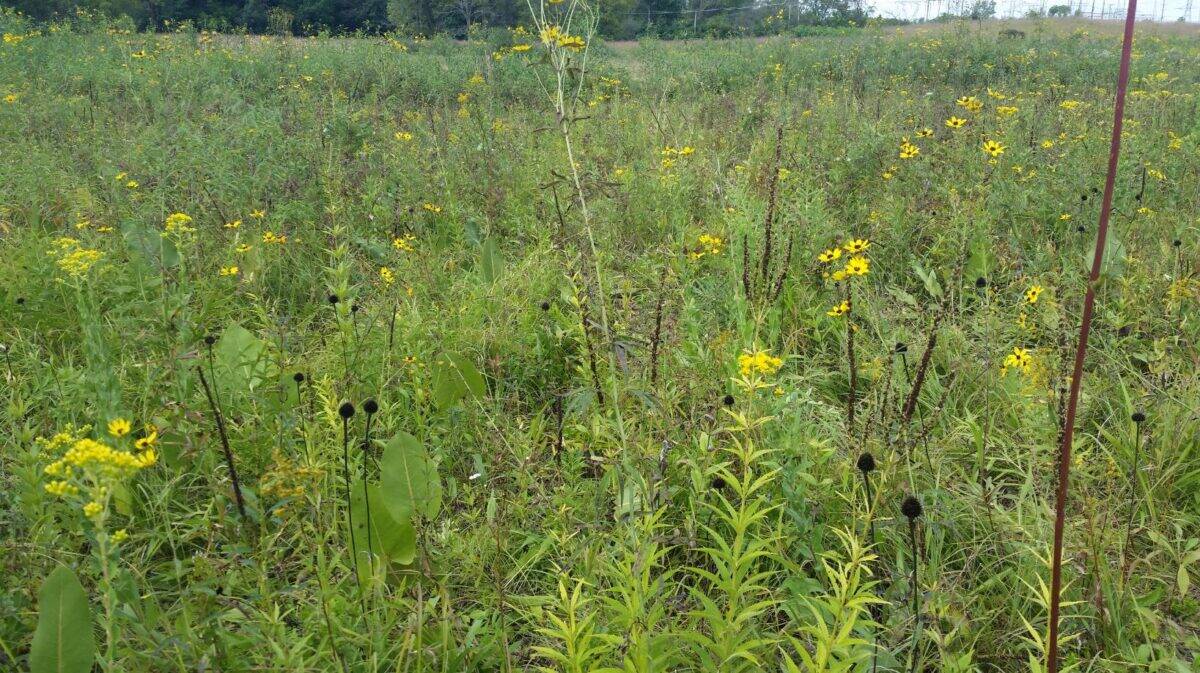
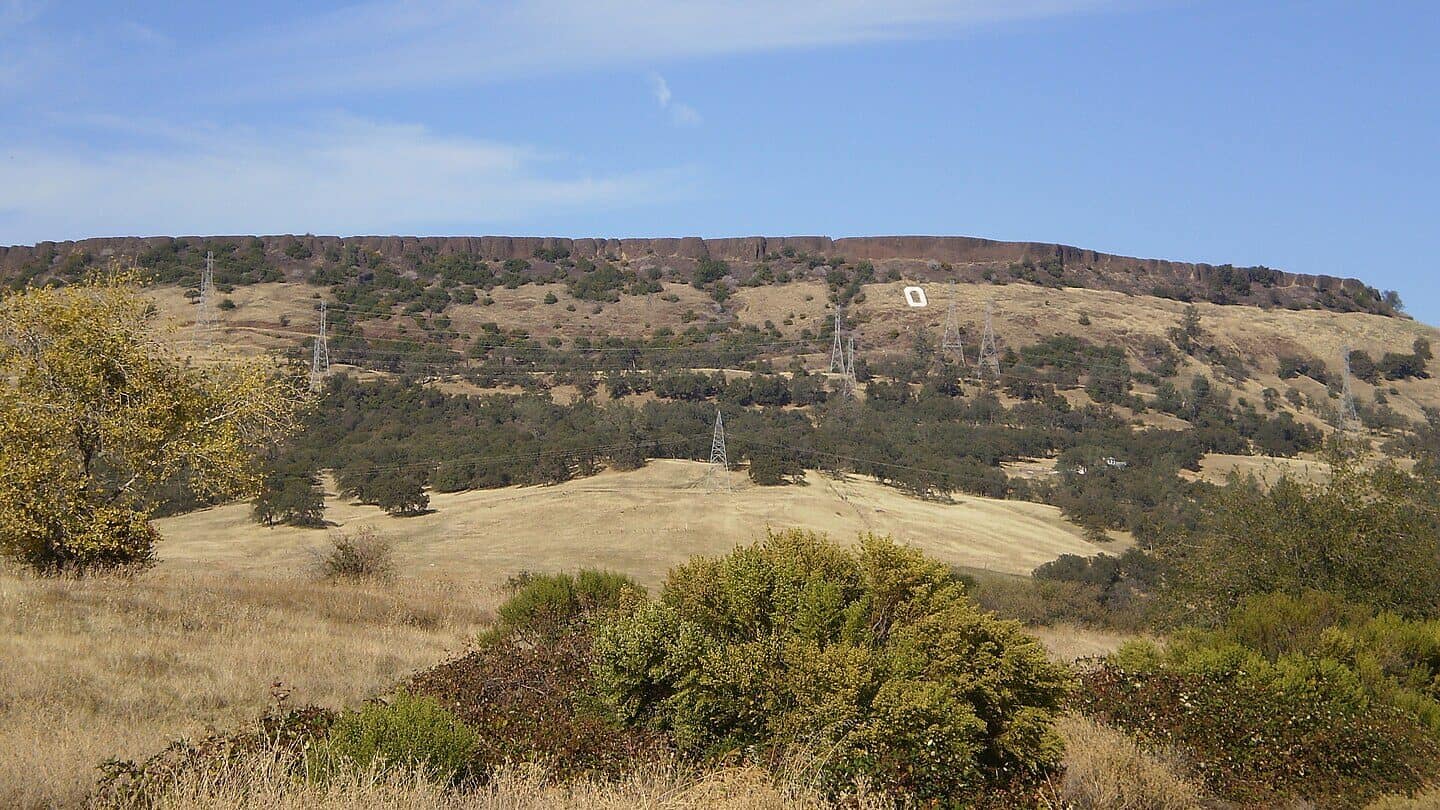
While we typically associate the Upper Midwest forests with woodland species, some areas harbor surprising remnants of the region’s prairie past. Oak savannas and woodland openings sometimes contain isolated populations of prairie plants and animals that have persisted despite forest encroachment. In southwest Wisconsin’s Driftless Area and parts of Minnesota and Michigan, south-facing slopes with thin soils may support specialized plant communities more typical of prairies, including various grasses, coneflowers, and blazing stars. These “hidden prairies” within the forest matrix add to the region’s biodiversity and provide important habitat for pollinators.
Even more surprising are the animals associated with these openings. The timber rattlesnake—a species typically associated with rocky bluffs and open woodlands—maintains scattered populations in parts of Wisconsin and Minnesota, though encounters are extremely rare. Various butterfly species, including the rare regal fritillary, depend on specific prairie plants that persist in forest clearings. As natural fire regimes have been suppressed, many of these openings have gradually filled in with trees, threatening these specialized communities. Conservation efforts now include carefully planned prescribed burns and selective thinning to maintain these diverse habitats within the broader forest landscape, preserving ecological diversity that would otherwise be lost.
Night Shift: Nocturnal Mammals
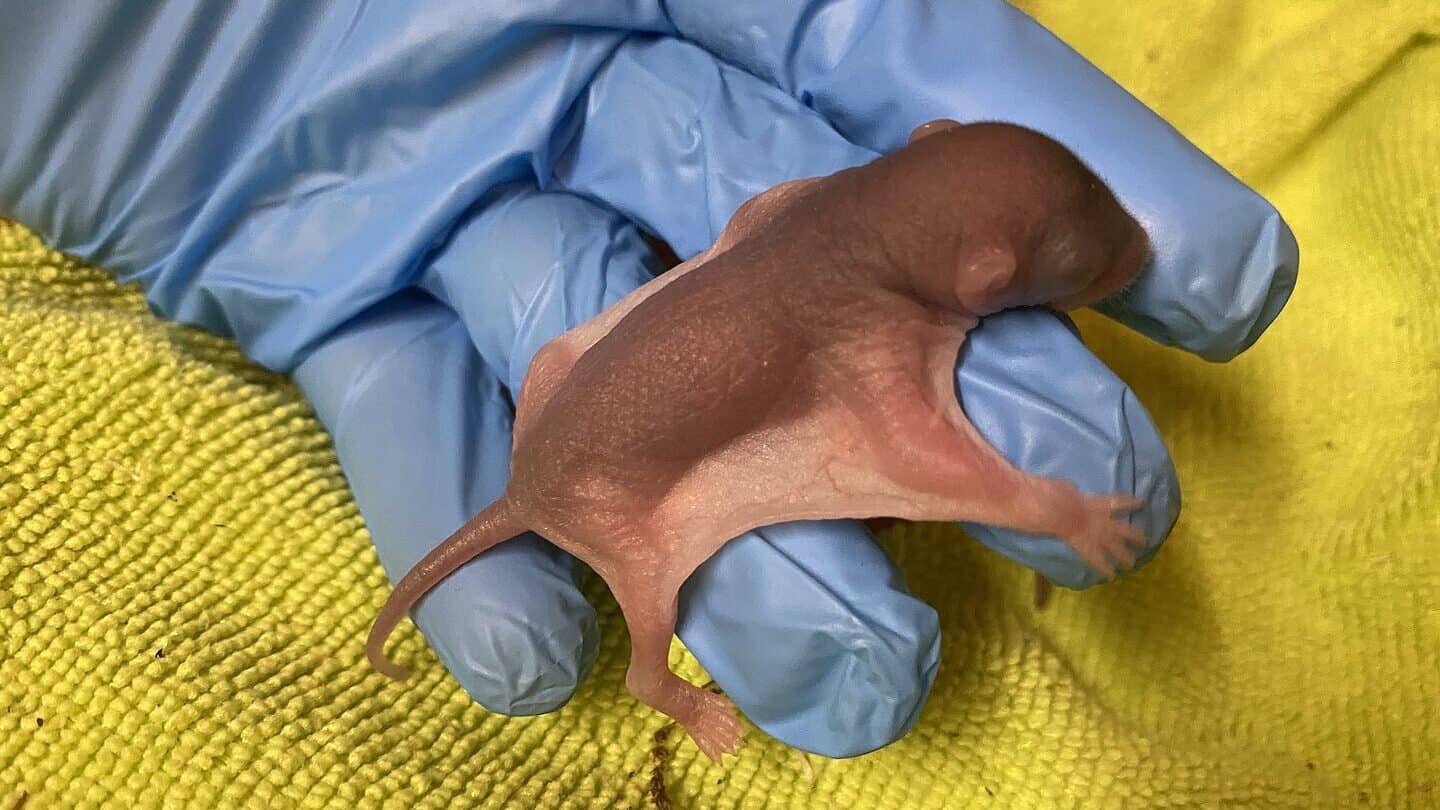
When darkness falls over the Upper Midwest forests, a different community of mammals becomes active—species that most daytime visitors never encounter. The southern flying squirrel, despite being relatively common in hardwood forests throughout much of the region, remains largely undetected due to its strictly nocturnal habits. These charming gliders move through the forest canopy using a membrane of skin between their limbs to sail from tree to tree in search of nuts, seeds, and insects. Their larger cousin, the northern flying squirrel, occupies coniferous and mixed forests further north, where they play an important ecological role in dispersing the spores of underground fungi critical to forest health.
Other nocturnal specialists include several bat species that roost in tree cavities and under loose bark during the day. The northern long-eared bat, federally listed as threatened due to the devastating impacts of white-nose syndrome, depends on mature forests with abundant snags and suitable roosting sites. Porcupines, with their waddling gait and preference for coniferous habitats, become more active at night when they climb trees to feed on bark, needles, and twigs. Even the common raccoon and opossum—species often associated with suburban areas—have their natural place in these forest ecosystems, where they fulfill important roles as omnivorous foragers and seed dispersers. For those willing to venture into the woods after dark (with proper safety precautions), a whole different forest community awaits discovery.
Climate Refugees: Species on the Move
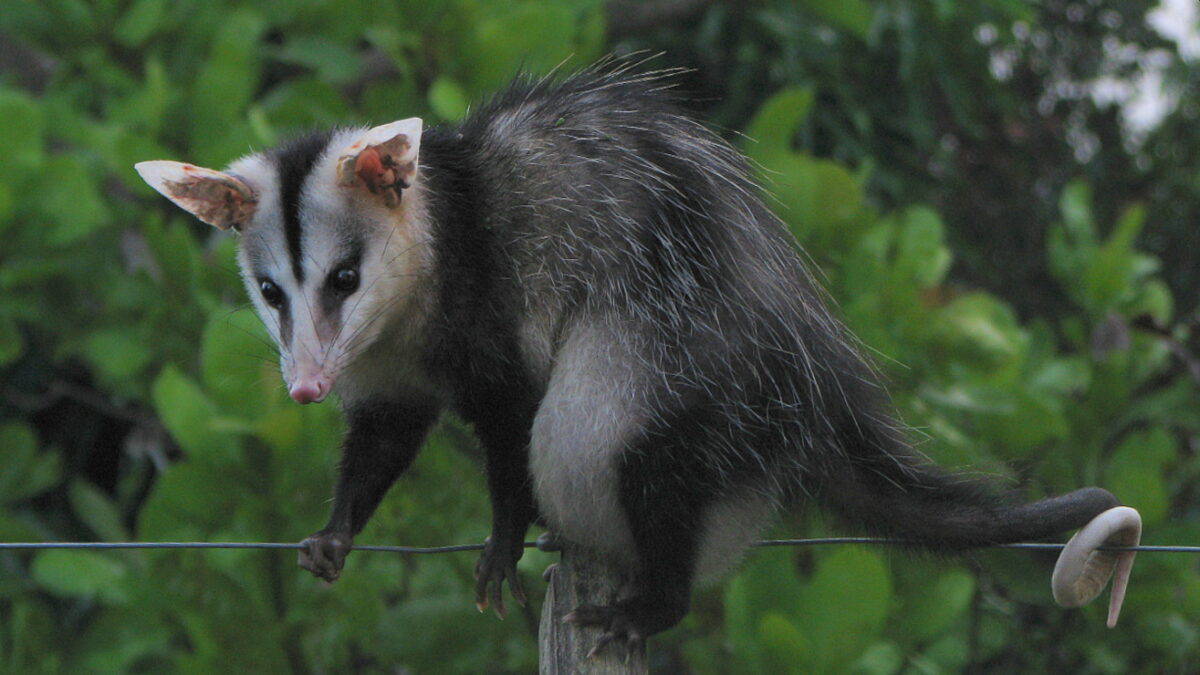
The forests of the Upper Midwest sit at a fascinating ecological crossroads where northern boreal forest elements meet southern deciduous woodlands. This transitional zone is becoming increasingly important as climate change pushes species ranges northward. Species previously rare or absent from the region have begun establishing populations, effectively using these forests as stepping stones in their northward journey. The opossum, historically limited to more southern regions, has expanded its range throughout Wisconsin and Minnesota in recent decades, aided by milder winters. Various bird species with traditionally southern distributions, such as the red-bellied woodpecker and northern cardinal, have similarly expanded northward.
While some species are moving in, others face significant challenges. Paper birch, a signature tree of northern forests, shows declining regeneration at the southern edge of its range as conditions become less favorable. Moose populations in Minnesota have declined dramatically, with warming temperatures contributing to increased parasite loads and heat stress. The implications of these shifts extend beyond individual species to affect entire ecological communities. The Upper Midwest’s forests are essentially serving as living laboratories where the effects of climate change on temperate forest ecosystems can be observed in real-time. Conservation strategies increasingly focus on maintaining landscape connectivity to facilitate natural range shifts and identifying and protecting climate refugia—areas where vulnerable species might persist despite regional climate trends.
Exploring the Hidden Forest: Conservation and Discovery
The forests of the Upper Midwest hold countless secrets waiting to be discovered by those who take the time to look closely. From microscopic soil organisms to elusive predators, this complex ecosystem supports remarkable biodiversity that contributes to the region’s ecological resilience and natural heritage. Conservation efforts across Minnesota, Wisconsin, Michigan, and Illinois aim to protect these forests from fragmentation, invasive species, unsustainable harvest practices, and climate change impacts. Organizations like The Nature Conservancy, state natural resource departments, and the U.S. Forest Service manage protected areas that safeguard some of the most ecologically significant forest tracts. Public engagement through citizen science projects, educational programs, and responsible outdoor recreation helps build the constituency needed for long-term forest conservation.
For visitors eager to experience the hidden wonders of these forests, patience and careful observation yield the greatest rewards. Dawn and dusk offer prime opportunities for wildlife viewing, while guided naturalist programs can reveal fascinating details easily overlooked. Whether it’s discovering a tiny orchid nestled in the moss, spotting the tracks of a fisher in fresh snow, or simply sitting quietly to listen to the chorus of breeding frogs in a forest wetland, these personal connections foster appreciation for what might otherwise remain hidden. As we face an uncertain climate future, the

- What’s Hiding in the Forests of the Pacific Northwest - July 21, 2026
- Tarsiers: The Tiny Primates with Giant Eyes - July 21, 2026
- Are Zoos Still Ethical in 2025? - July 21, 2026