


In the shadow of gunfire and amid the chaos of humanitarian crises, wildlife veterinarians face extraordinary challenges treating big cats trapped in conflict zones. These dedicated professionals risk their lives to provide medical care to lions, tigers, leopards, and other vulnerable feline species caught in the crossfire of human warfare. Working in regions torn apart by civil unrest, political instability, or outright war, these veterinarians combine traditional veterinary medicine with crisis management skills to save some of Earth’s most magnificent predators. Their stories represent a unique intersection of conservation, veterinary science, and conflict resolution that often goes untold in mainstream media coverage of war zones.
The Unique Challenges of Conflict Zone Veterinary Work

Wildlife veterinarians operating in conflict zones face obstacles far beyond those encountered in typical conservation settings. Security concerns dominate every aspect of their work, from planning missions to implementing treatment protocols. These professionals must navigate checkpoints, avoid active combat areas, and sometimes negotiate with armed groups just to reach animals in need. In places like Syria, Yemen, or parts of central Africa, vets may need military escorts or special permissions from multiple warring factions.
Beyond security issues, conflict zones typically lack basic infrastructure. Veterinarians often work without electricity, clean water, or proper medical facilities. Equipment must be portable, durable, and sometimes improvised from available materials. Many vets describe having to perform complex procedures by flashlight or having to create makeshift operating tables in abandoned buildings. The psychological toll is also immense, as these professionals witness both human and animal suffering while making difficult triage decisions about which animals can realistically be saved with limited resources.
Essential Equipment for Field Operations

Wildlife veterinarians working with big cats in conflict zones rely on specialized equipment designed for mobility, durability, and versatility. Portable anesthesia kits are perhaps the most critical tools, allowing vets to safely immobilize dangerous predators weighing hundreds of pounds. These kits typically include remote delivery systems like dart guns, blow pipes, or pole syringes that can administer sedatives from a safe distance. Lightweight ultrasound machines, battery-operated surgical equipment, and solar-powered refrigeration units for medications have become increasingly common in field operations.
Communications equipment is equally vital, with satellite phones and GPS tracking devices ensuring teams can coordinate in areas where cellular networks have been destroyed. Many vets also carry personal protective equipment that serves dual purposes – protecting from both zoonotic diseases and potential combat hazards. Organizations like Veterinarians Without Borders and Wildlife Conservation Society have developed specialized “conflict zone veterinary kits” that include essential medications, diagnostic tools, and surgical supplies packed in waterproof, easily transportable containers designed to withstand extreme conditions.
Anesthesia Protocols for Big Cats Under Stress
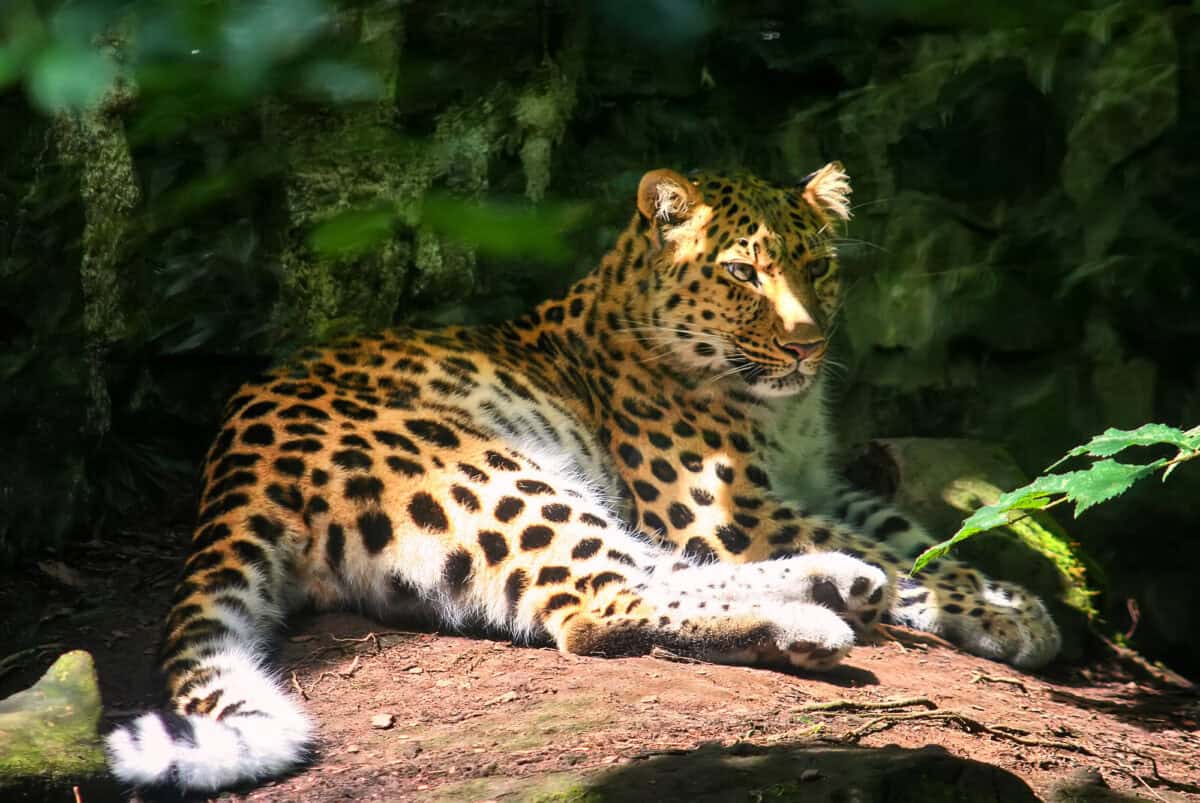
Anesthetizing big cats is challenging under ideal conditions, but conflict situations introduce additional complications that require modified protocols. Big cats in war zones often suffer from malnutrition, dehydration, and extreme stress, all of which affect how their bodies respond to anesthetic drugs. Veterinarians must carefully adjust dosages based on visual assessments of an animal’s condition, often without knowing their exact weight or medical history. The drug combinations used typically include potent opioids like etorphine or carfentanil alongside sedatives and tranquilizers, carefully calculated to provide adequate sedation while minimizing cardiovascular and respiratory risks.
Monitoring anesthetized big cats in field conditions presents another significant challenge. While standard veterinary practice relies on electronic monitoring equipment, conflict zone work often depends on manual monitoring techniques. Vets and their assistants must physically monitor respiratory rates, check mucous membrane color, and assess depth of anesthesia through reflexes and muscle tone. Recovery periods are particularly dangerous, as partially sedated big cats in unfamiliar or threatening environments may react unpredictably. Teams often create temporary barriers or use vehicles as safety barriers during recovery phases to protect both the animal and the veterinary team.
Treating Bullet Wounds and Shrapnel Injuries
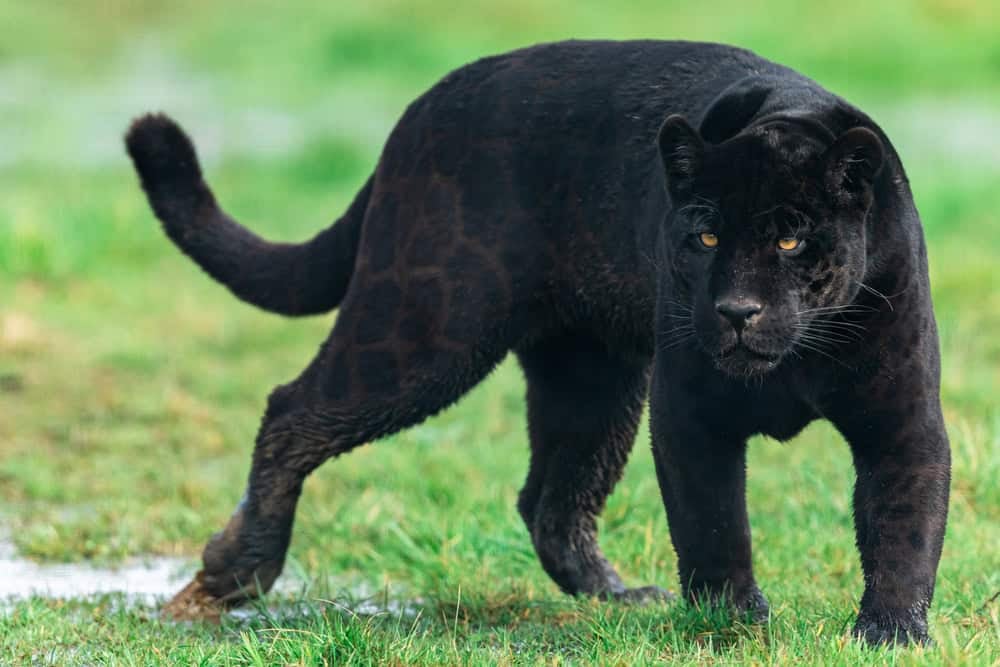
Bullet wounds and shrapnel injuries are tragically common among big cats in conflict zones. These injuries present unique veterinary challenges, as big cat anatomy and physiology require specialized approaches different from those used in domestic animals or humans. Wound assessment begins with diagnostic imaging when available, though many vets must rely on portable X-ray units or even manual palpation to locate metal fragments. The dense muscle mass and thick skin of big cats means projectiles often remain embedded deep in tissues, creating pathways for infection and ongoing inflammation.
Treatment protocols typically involve extensive debridement of damaged tissue, removal of accessible foreign material, and establishing drainage when necessary. Vets often must leave deeply embedded fragments in place when removal would cause more harm than benefit. Antibiotics are essential, with broad-spectrum medications administered at higher doses than those used for domestic cats due to differences in metabolism. Pain management presents additional challenges, as big cats metabolize many common analgesics differently than other mammals. Long-term monitoring of these injuries is ideal but rarely possible in conflict settings, making initial treatment decisions even more critical for the animal’s survival.
Managing Captive Big Cats from Abandoned Zoos
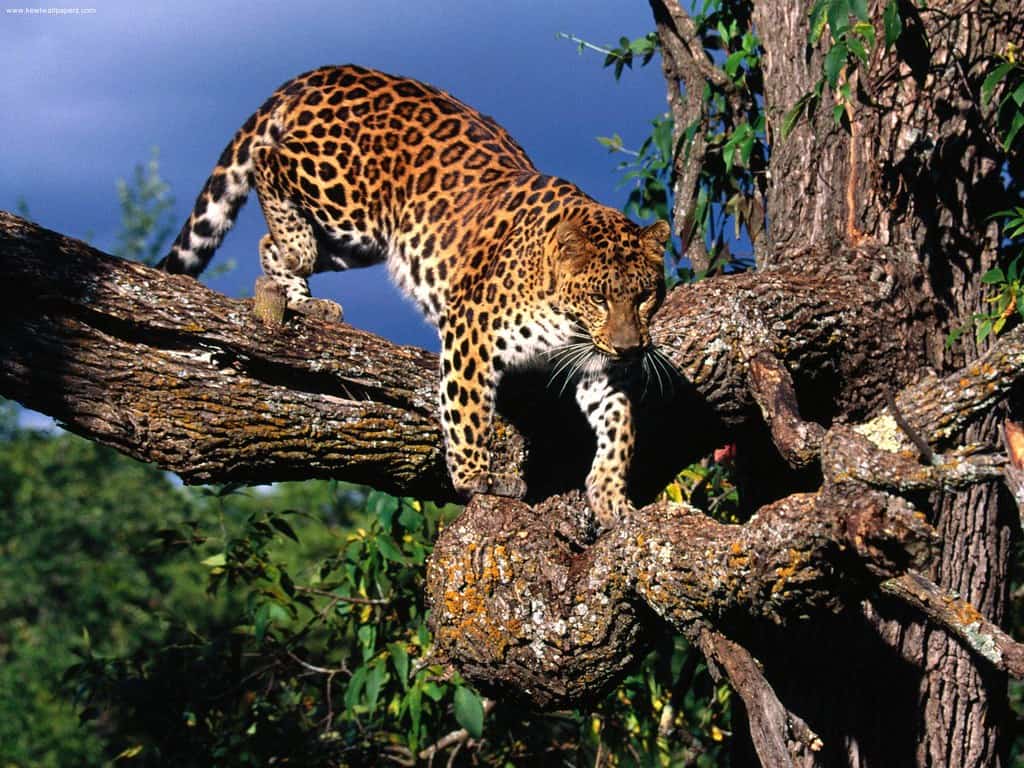
When conflict erupts in urban areas, zoo animals often become unintended casualties. Abandoned zoos present particularly heartbreaking scenarios, with big cats left in cages without food, water, or care. Wildlife veterinarians working in places like Iraq, Syria, and Libya have developed specialized approaches for these situations. Initial assessment focuses on triage – identifying which animals can be treated in place versus which require evacuation. Severe dehydration and starvation are common, requiring careful rehydration and nutritional rehabilitation protocols to avoid refeeding syndrome, a potentially fatal condition that occurs when malnourished animals receive nutrients too quickly.
The psychological trauma experienced by these captive cats presents another treatment dimension. Many exhibit stereotypic behaviors like pacing, self-mutilation, or aggression stemming from their abandonment and exposure to war sounds and vibrations. Veterinarians work with behavioral specialists when possible to develop environmental enrichment plans even within conflict settings. Evacuation of these animals presents enormous logistical and political challenges, requiring international coordination, specialized transport equipment, and diplomatic negotiations. Organizations like Four Paws International and Animals Lebanon have developed expertise in these complex rescue operations, working alongside veterinarians to relocate big cats to sanctuaries outside conflict zones.
Addressing Secondary Poisoning and Environmental Toxins
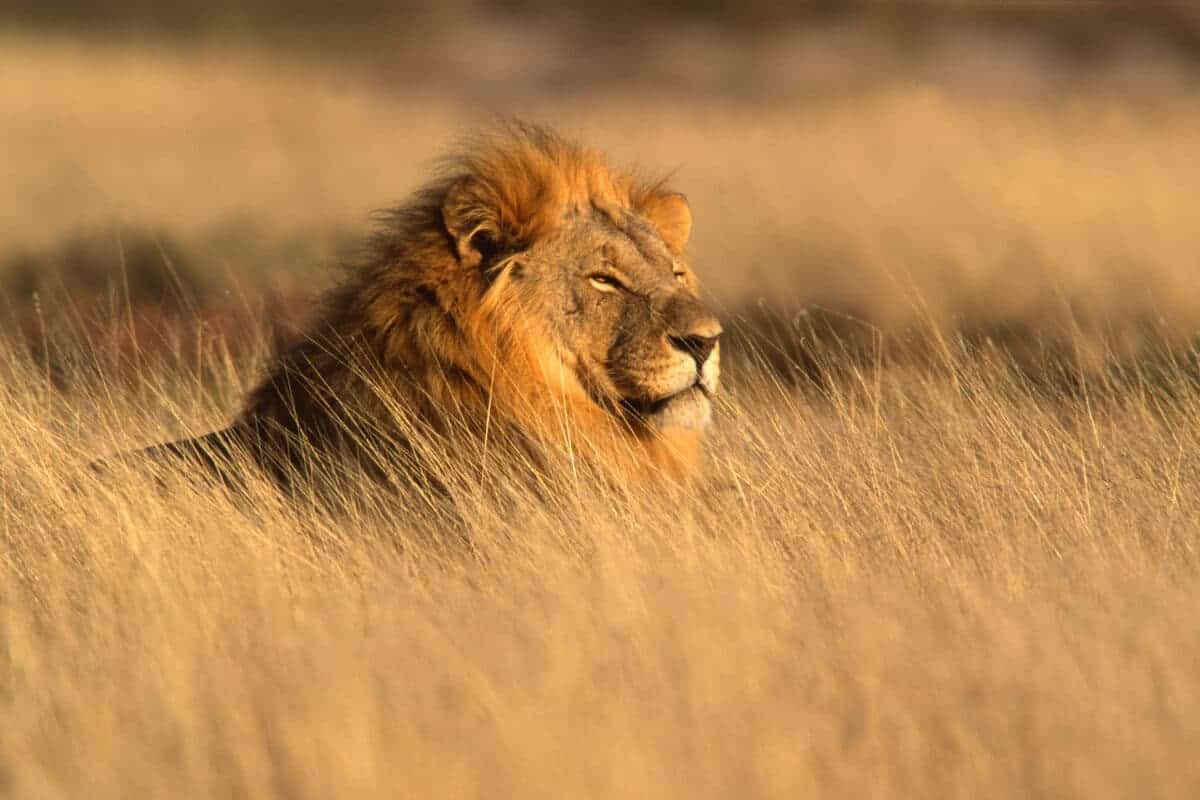
Conflict zones become hotspots for environmental contamination, creating indirect threats to big cat health. Military operations introduce heavy metals, fuel contaminants, and chemical weapons residue into ecosystems, while disruptions to sanitation systems can lead to water contamination. Big cats may suffer secondary poisoning through their prey, ingesting toxins that have bioaccumulated in the food chain. Veterinarians must be vigilant for symptoms of toxin exposure, including neurological abnormalities, liver dysfunction, and reproductive issues. Diagnosis often relies on clinical signs rather than laboratory testing, though some field teams now carry portable toxicology screening kits.
Treatment approaches focus on supportive care, including fluid therapy, hepatoprotective medications, and chelation therapy for certain heavy metal exposures. Preventing further exposure becomes a critical part of treatment, sometimes necessitating difficult decisions about relocating animals from their native territories. Wildlife veterinarians also play important roles in documenting environmental contamination in conflict zones, collecting biological samples that can later inform broader remediation efforts. This work represents a growing intersection between wildlife medicine, environmental science, and human rights, as the same contaminants affecting big cats often impact human communities in these regions.
Telemedicine and Remote Support Networks

The dangers and access limitations of conflict zones have accelerated the development of telemedicine approaches for wildlife veterinary care. Field veterinarians now regularly connect with specialists around the world using satellite internet connections and encrypted communication platforms. Through these networks, a veterinarian treating a tiger in a war-torn region of Myanmar might receive real-time guidance from a big cat specialist at a major zoo in Europe or North America. Organizations like the Wildlife Health Network have established emergency consultation services specifically for conflict zone scenarios, connecting field vets with experts in surgery, anesthesia, internal medicine, and other specialties.
Digital diagnostic tools have become increasingly valuable in these remote support systems. Portable ultrasound devices that connect to smartphones, blood analyzers the size of a coffee cup, and even AI-assisted diagnostic apps help field veterinarians gather and transmit critical information to consulting specialists. These technologies don’t replace hands-on veterinary skills but provide crucial decision support in challenging cases. Training programs now incorporate these telemedicine approaches, with organizations like the International Fund for Animal Welfare offering specialized courses in conflict zone veterinary medicine that include remote consultation protocols and digital diagnostic techniques.
Cultural Considerations and Community Engagement

Effective veterinary work in conflict zones requires cultural sensitivity and community engagement that extends beyond medical skills. Big cats often hold significant cultural, religious, or economic importance to local communities, influencing how intervention efforts are perceived. Successful wildlife veterinarians invest time in understanding these cultural contexts and building relationships with community leaders before undertaking medical interventions. In some regions, this might involve consulting with traditional healers or religious authorities who can provide cultural context and help gain community acceptance for wildlife treatment efforts.
Local knowledge proves invaluable in conflict settings where formal wildlife monitoring systems have collapsed. Community members often provide critical information about animal locations, behavior changes, or emerging threats that would otherwise remain unknown to outside veterinarians. Many veterinary teams now incorporate local capacity building into their work, training community members in basic monitoring techniques and first aid for wildlife. This approach creates sustainable support systems that function even when international veterinarians cannot access an area due to security concerns. Organizations like the Snow Leopard Trust have pioneered community-based conservation models that integrate veterinary care with local cultural practices, providing templates for similar work with other big cat species in conflict regions.
Legal and Ethical Frameworks for Intervention
Wildlife veterinarians in conflict zones operate within complex legal and ethical frameworks that can significantly impact their work. International humanitarian law provides limited protections for wildlife in conflict settings, though conventions like the 1977 Environmental Modification Convention indirectly address some aspects of environmental warfare. More directly relevant are international wildlife treaties such as CITES (Convention on International Trade in Endangered Species) and the Convention on Biological Diversity, which maintain legal force even during conflicts. Veterinarians must navigate these frameworks while also respecting the sovereignty of governments, the authority of non-state actors who may control territory, and the emerging field of “conflict conservation law.”
Ethical considerations add another layer of complexity, particularly regarding triage decisions and resource allocation. Veterinarians must weigh factors like species conservation status, individual animal suffering, human safety, and long-term survival prospects when deciding which animals to treat. The principle of “do no harm” takes on additional dimensions when interventions might place human team members at risk or when treatment might save an animal only to return it to dangerous circumstances. Professional organizations like the World Association of Wildlife Veterinarians have developed ethical guidelines specifically for conflict settings, though these continue to evolve as new challenges emerge. Many veterinarians report that ethical dilemmas, rather than technical medical challenges, create their most difficult moments in conflict zone work.
Post-Conflict Rehabilitation and Release

As conflicts subside, wildlife veterinarians shift focus to rehabilitation and possible release of treated big cats. This phase presents its own unique challenges, beginning with assessment of an animal’s suitability for return to the wild. Veterinarians evaluate physical capabilities, hunting skills, and behavioral patterns to determine if a big cat can survive independently. Those deemed releasable undergo rehabilitation protocols designed to minimize human habituation while rebuilding strength and natural behaviors. This process may take months or even years, requiring secure facilities in still-fragile post-conflict environments. For predators like big cats, rehabilitation must include opportunities to practice hunting, often through carefully designed feeding programs that progressively increase the challenge of obtaining food.
Release planning incorporates both veterinary and ecological considerations. Teams conduct habitat assessments to ensure adequate prey, water, and territory free from immediate human threats. Many projects utilize soft release techniques, where animals are monitored and provisioned initially while adjusting to freedom. GPS collars and other monitoring technologies help veterinarians track post-release success, though maintaining this monitoring in post-conflict regions with limited infrastructure presents ongoing challenges. For animals unable to return to the wild, veterinarians work with international networks to identify appropriate sanctuary placements, navigating complex permitting processes for cross-border transfers. Organizations like the International Union for Conservation of Nature provide guidelines for these rehabilitation and release efforts, though each case requires customization based on species, individual, and regional factors.
Training the Next Generation of Conflict Zone Wildlife Veterinarians
Specialized training programs have emerged to prepare veterinarians for the unique challenges of working with big cats in conflict settings. These programs extend beyond standard wildlife medicine to include security protocols, negotiation skills, trauma medicine, and psychological resilience training. Universities in countries with recent conflict experience, such as Lebanon, Colombia, and Uganda, have developed particularly relevant curricula that combine academic knowledge with practical field experience. International organizations including the Wildlife Conservation Society and Vets Without Borders offer mentorship programs pairing experienced conflict zone veterinarians with early-career professionals interested in this specialized field.
Simulation-based training has become an important educational tool, with programs creating realistic scenarios that mimic the challenges of treating big cats amid active conflicts. These exercises incorporate security threats, equipment failures, and ethical dilemmas alongside medical challenges. Cultural competency training receives increasing emphasis, with courses addressing how to work effectively across different cultural contexts while respecting local knowledge systems. Mental health support and self-care strategies form another critical training component, as conflict zone veterinarians face high rates of burnout and compassion fatigue. This holistic approach to training recognizes that successful wildlife veterinary work in conflict zones requires a unique combination of medical expertise, diplomatic skills, cultural sensitivity, and personal resilience.
The Future of Big Cat Conservation in Conflict-Prone Regions

Looking ahead, wildlife veterinarians are developing innovative approaches to protect big cats in regions prone to recurring conflicts. Preventative strategies now include the creation of wildlife emergency response plans before conflicts erupt, identifying potential evacuation routes, safe havens, and veterinary supply caches. The concept of “conservation corridors” – protected pathways allowing wildlife to naturally move away from conflict zones – has gained traction, with veterinarians contributing to their design and implementation. Technological innovations continue to expand field capabilities, with developments like 3D-printed prosthetics, drone-delivered medications, and AI-assisted monitoring systems offering new tools for big cat care in challenging environments.
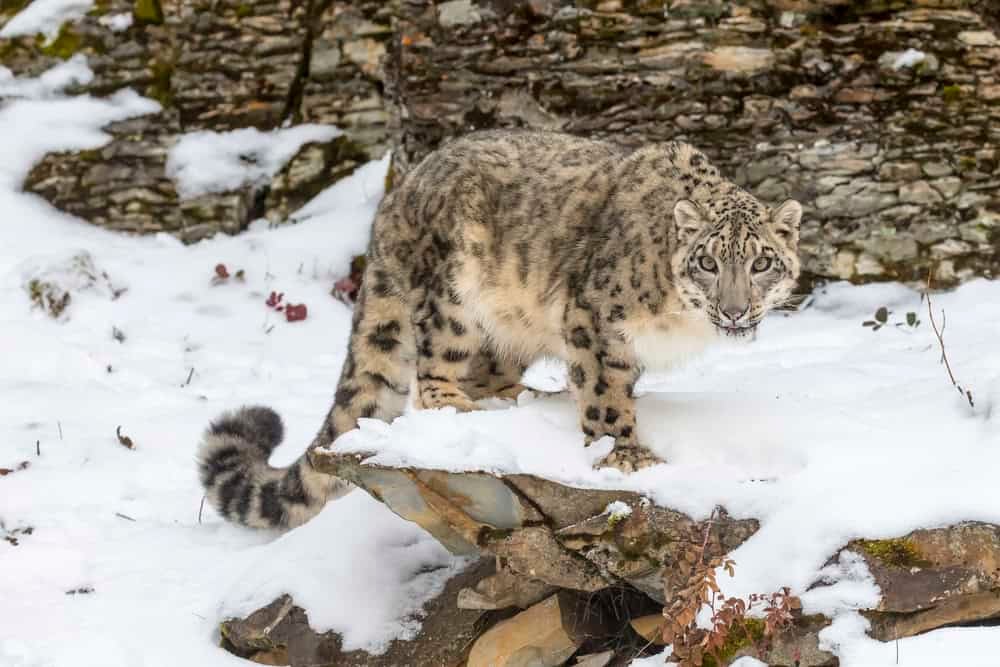
Importantly, the field increasingly recognizes that lasting solutions must address the interconnections between human conflict and wildlife conservation. Veterinarians now regularly participate in “conservation diplomacy,” where wildlife protection becomes a neutral issue around which opposing parties can find common ground. In regions like the Kashmir conflict zone between India and Pakistan, shared concern for endangered snow leopards has created rare opportunities for cooperation. Programs that train former combatants as wildlife monitors or anti-poaching rangers provide alternative livelihoods while supporting conservation goals. These integrated approaches acknowledge that the future of big cats in conflict zones depends not just on veterinary intervention during crises, but on building resilient conservation systems that can withstand political instability and promote human-wildlife coexistence even in the world’s most challenging regions.

From exploring the marine wonders in the Azores and witnessing the vast savannas of Kenya, to delving deep into the rich biodiversity of South Africa and traversing iconic landscapes in Australia and the US like Yellowstone, Chris's experiences are vast.
With a penchant for diving alongside sharks, the ocean holds a special place in his heart.
Through his academic insights, he champions wildlife conservation, striving with 'Animals Around The Globe' to cultivate a profound connection between humans and animals, enhancing our mutual appreciation.
Connect with him at Feedback@animalsaroundtheglobe.com.
- How Wildlife Vets Treat Big Cats in Conflict Zones - July 29, 2026
- Animals in Fantasy Films vs. Their Real-Life Species - July 29, 2026
- The Secret Language of Elephants Is Finally Being Decoded - July 29, 2026
Leave a comment
You must be logged in to post a comment.