

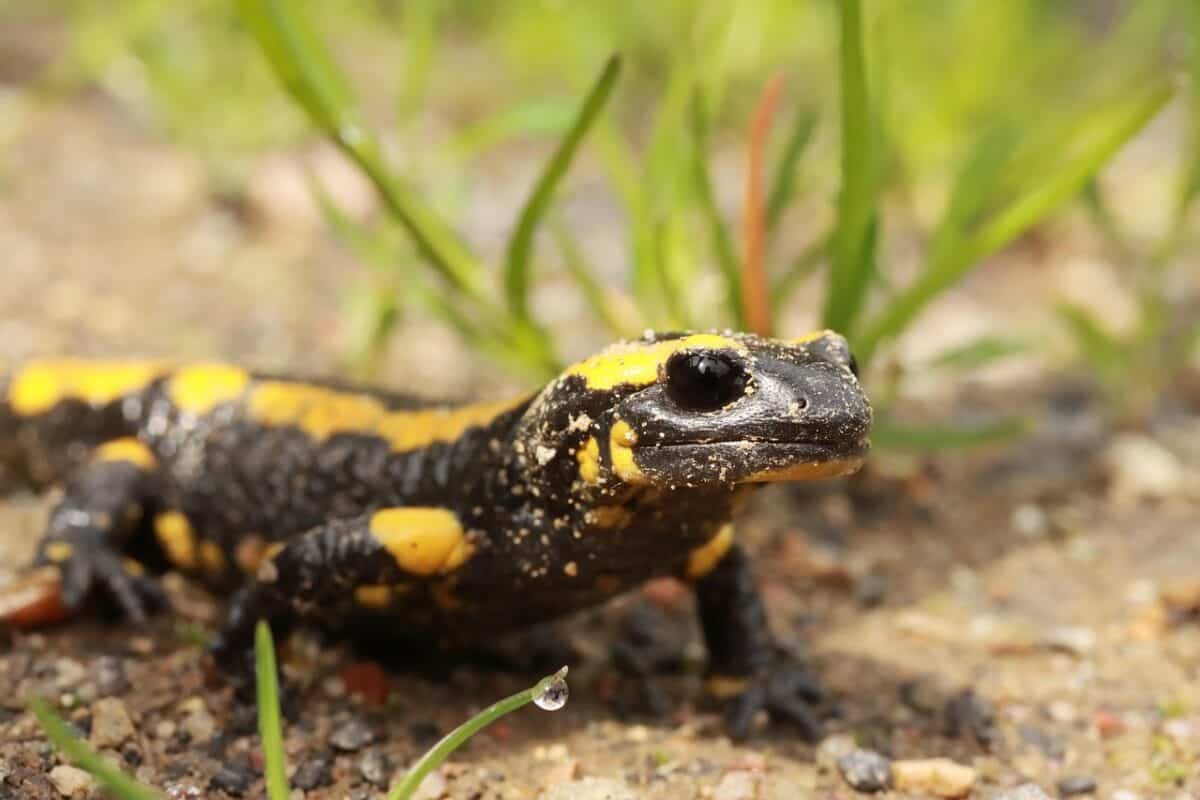
In the animal kingdom, few abilities are as astonishing as regeneration—the capacity to regrow lost body parts. While many creatures possess some regenerative capabilities, salamanders stand in a class of their own. These small amphibians can regrow not just their tails, but limbs, parts of their hearts, sections of their spines, and even portions of their brains. This extraordinary ability has fascinated scientists for centuries and continues to be at the forefront of regenerative medicine research today.
What makes salamanders particularly special is the completeness and functionality of their regenerated parts. Unlike other animals that might form scar tissue or grow imperfect replacements, salamanders can restore complex structures with remarkable fidelity to the original. Their regenerated limbs contain all the necessary bones, muscles, nerves, and blood vessels, functioning almost identically to the originals. This regenerative superpower gives salamanders a survival advantage in the wild and offers scientists valuable insights that could potentially revolutionize human medicine.
The Science Behind Tail Regeneration
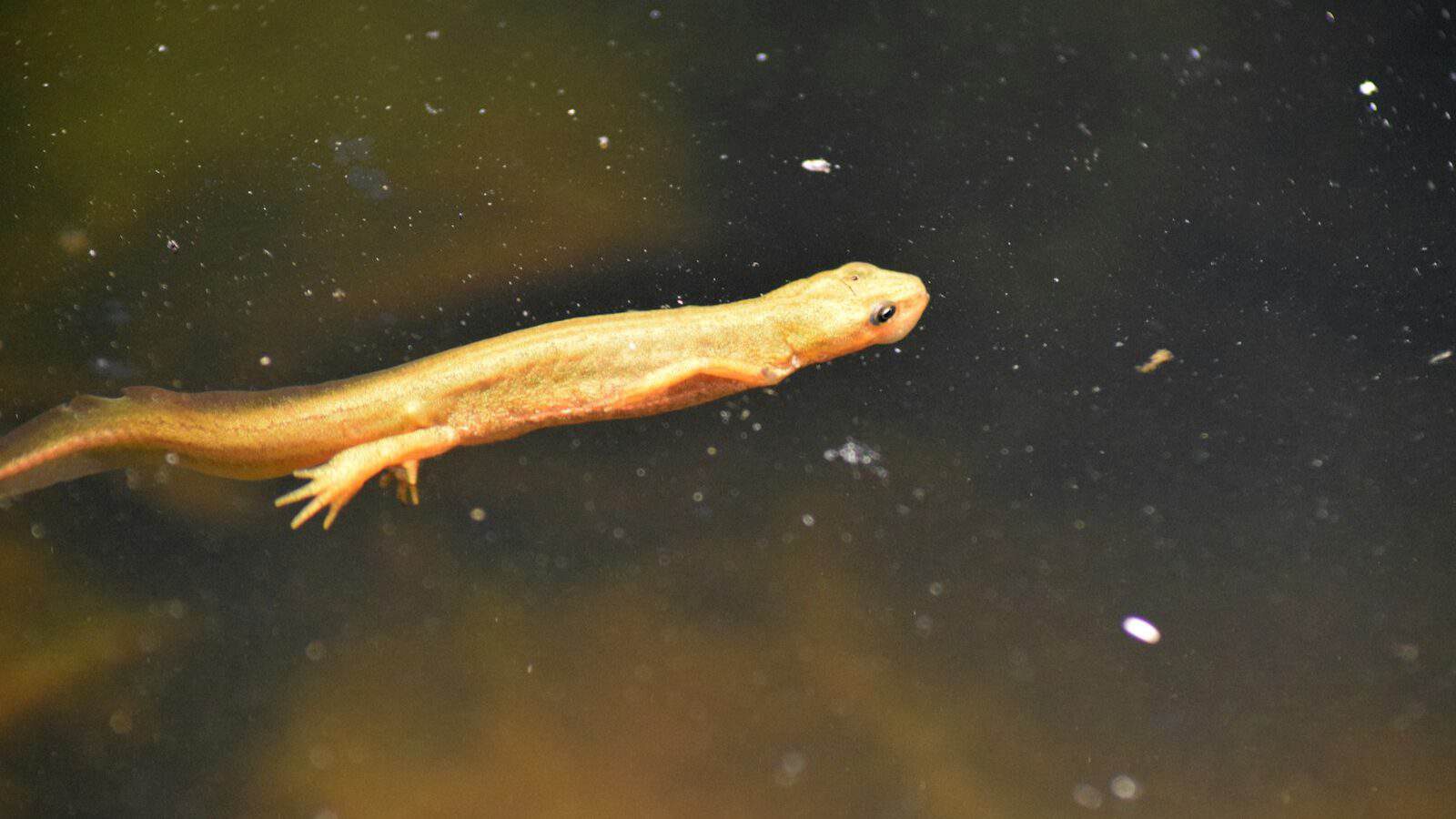
When a salamander loses its tail—often as a defense mechanism to escape predators—a complex biological process immediately begins. Within hours of losing the appendage, a protective layer of cells called the wound epithelium forms over the injury. This crucial first step prevents infection and creates the foundation for regeneration. Beneath this protective cover, cells near the wound site undergo a remarkable transformation. They dedifferentiate—essentially turning back their biological clocks to become more stem cell-like, capable of developing into multiple tissue types.
These newly reprogrammed cells form a structure called the blastema, a mass of undifferentiated cells that serves as the construction site for the new tail. The blastema cells multiply rapidly and gradually redifferentiate into specific cell types—muscle, bone, nerve, and connective tissue—following genetic instructions to rebuild the tail in its correct proportions and with full functionality. The entire process, from injury to complete regeneration, typically takes several weeks, with the new tail eventually becoming indistinguishable from the original.
Beyond Tails: Limb Regeneration
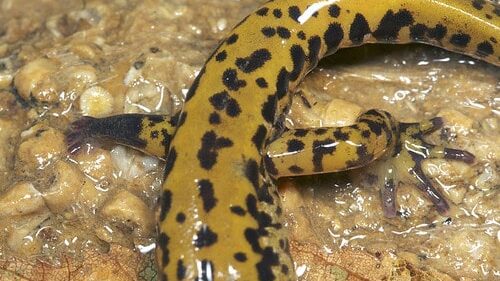
Perhaps even more impressive than tail regeneration is the salamander’s ability to regrow entire limbs. When a salamander loses a leg, the regeneration process follows similar initial steps to tail regrowth but with added complexity. After the wound epithelium forms and the blastema develops, the cells must organize themselves into the intricate structure of a limb, complete with bones arranged in the correct sequence, muscles with proper attachments, and nerves that connect appropriately to the central nervous system.
What’s particularly remarkable is that the regenerated limb maintains proper proportionality and orientation. The salamander doesn’t simply grow a generic appendage—it recreates the specific limb that was lost, whether it’s a front leg or back leg, left or right. This spatial awareness in regeneration, called positional memory, is one of the most fascinating aspects of salamander regeneration and remains an active area of scientific investigation. Even after multiple amputations at the same site, salamanders can repeatedly regenerate fully functional limbs with high fidelity.
Cellular Mechanisms: The Role of Stem Cells
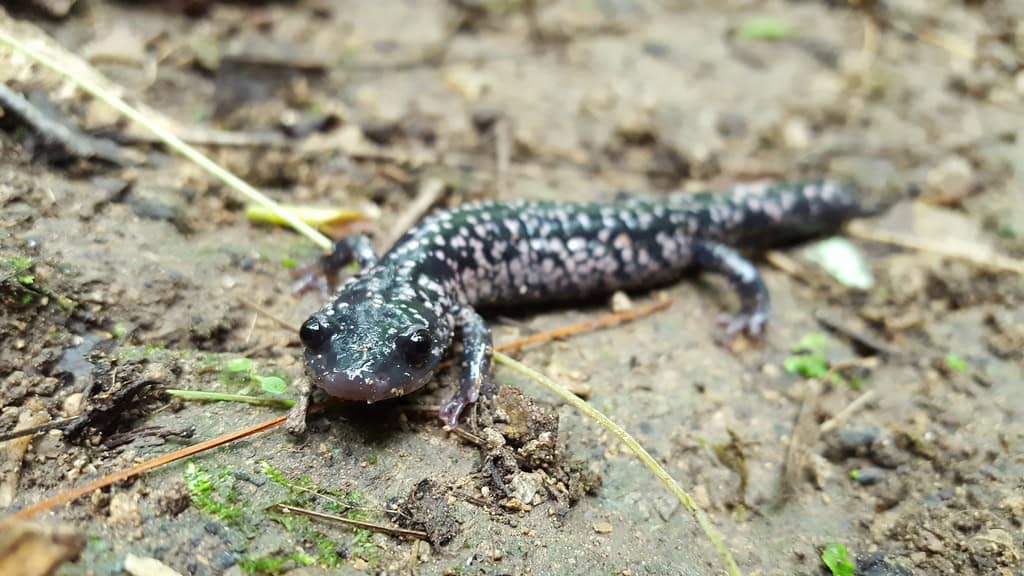
At the heart of salamander regeneration are unique cellular behaviors that differ significantly from human healing processes. When humans suffer injuries, we typically form scar tissue—a fibrous patch that seals wounds but doesn’t restore function. Salamanders, however, activate special cells that either are adult stem cells or can transform into stem cell-like states. These cells, found throughout the salamander’s body, retain remarkable plasticity, allowing them to develop into various tissue types as needed for regeneration.
Research has identified several key cell types involved in this process. One important player is the satellite cell, which normally helps repair muscle damage but in salamanders can contribute to the blastema formation. Another crucial element is the presence of macrophages—immune cells that not only fight infection but also appear to regulate the regeneration process. Scientists have discovered that if these macrophages are depleted or prevented from accessing the injury site, regeneration is severely impaired, suggesting they play a critical signaling role in initiating and guiding the regrowth process.
The Genetic Blueprint for Regeneration
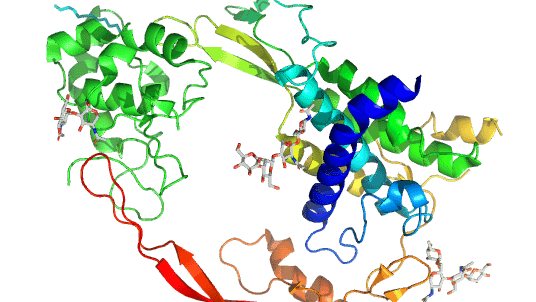
The genetic factors enabling salamander regeneration have been a focus of intense scientific investigation. Rather than possessing entirely unique genes, salamanders appear to use many of the same genes found in other vertebrates but regulate them differently. When regeneration begins, salamanders activate specific genetic pathways that control cell growth, differentiation, and patterning. Key among these are the Wnt signaling pathway, which helps establish the body’s axis during development, and fibroblast growth factors (FGFs), which stimulate cell division and differentiation.
Interestingly, the axolotl (Ambystoma mexicanum), a type of salamander renowned for its regenerative abilities, has an enormous genome—about ten times larger than the human genome. This expanded genetic material doesn’t necessarily contain more genes but includes extensive regulatory regions that may contribute to the precise control needed for complex regeneration. Advances in genetic sequencing technology have allowed scientists to map the axolotl genome, providing new insights into how these ancient genetic programs are activated and regulated during the regeneration process.
Neural Regeneration: Regrowing Nerves and Brain Tissue

One of the most extraordinary aspects of salamander regeneration is their ability to repair and regrow neural tissue. In humans and most other mammals, damage to the central nervous system is largely permanent—severed spinal cords don’t heal, and damaged brain tissue rarely recovers function. Salamanders, however, can regenerate significant portions of their spinal cords and even parts of their brains, with functional recovery of the associated neural networks.
When a salamander’s tail is amputated, the spinal cord must also be regenerated. Remarkably, the existing nerve cells extend new processes into the growing tissue, and new neurons develop from progenitor cells to complete the neural circuits. Similarly, after brain injury, salamanders can replace lost neurons and reconnect neural pathways. This neural regeneration is particularly significant for medical research, as it offers potential insights into treating spinal cord injuries, brain trauma, and neurodegenerative diseases in humans. The molecular signals that guide this neural regrowth remain an active area of investigation with promising implications for human medicine.
Heart and Organ Regeneration
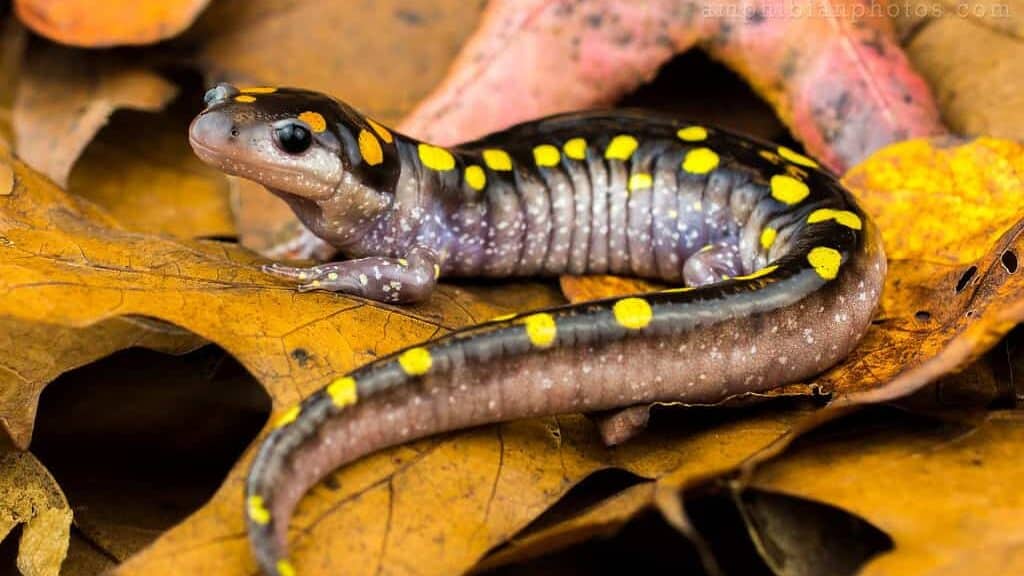
The regenerative abilities of salamanders extend to internal organs, most notably the heart. If a portion of a salamander’s heart is removed or damaged, it can regrow the missing tissue and restore full cardiac function. This stands in stark contrast to mammals, where heart damage typically results in permanent scar tissue formation. After cardiac injury in salamanders, existing heart muscle cells near the wound site dedifferentiate, multiply, and then redifferentiate to rebuild the damaged area with functional cardiac muscle.
Beyond the heart, salamanders can regenerate portions of other organs, including parts of the liver, pancreas, and even the eye lens. In the case of eye structures, salamanders can regrow a damaged lens through a process where cells in the iris dedifferentiate and transform into lens cells—a remarkable example of natural cellular reprogramming. These capabilities make salamanders valuable models for studying organ regeneration, with potential applications for developing treatments for human heart disease, diabetes, and various degenerative conditions affecting vital organs.
Evolutionary Perspective: Why Salamanders?
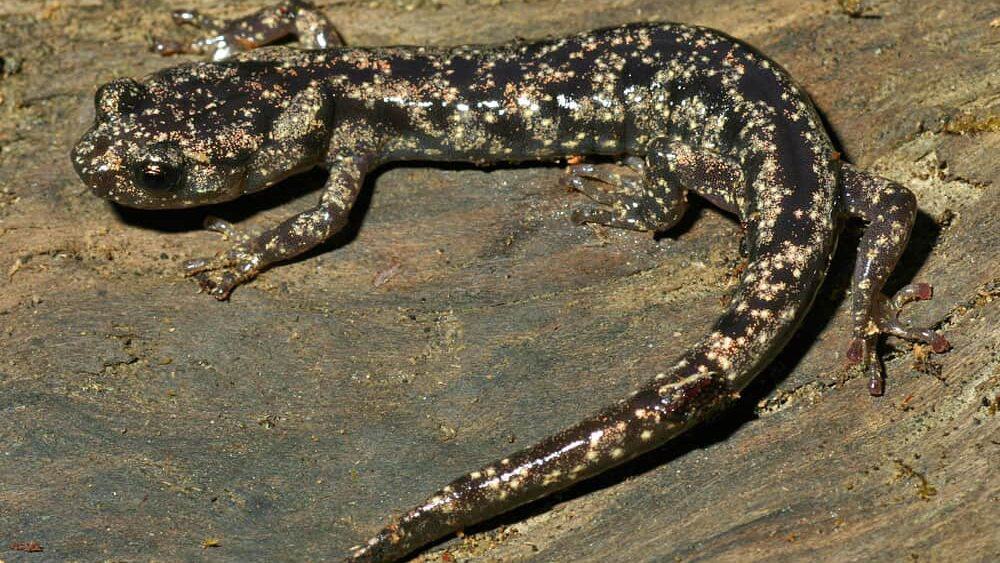
The question of why salamanders possess such extraordinary regenerative abilities when most other vertebrates do not remains one of the most intriguing aspects of this field. From an evolutionary perspective, there are several theories. One view suggests that robust regeneration may be an ancestral trait that most vertebrates have lost over evolutionary time, rather than a special adaptation that salamanders gained. Early vertebrates may have had greater regenerative capacity, but as more complex immune systems and other specialized features evolved, this ability became restricted in many lineages.
Salamanders’ unique life history may also play a role. Many salamander species undergo dramatic metamorphosis and retain certain developmental genes in an active state throughout their lives. Additionally, their relatively slow metabolism and cell cycle may create conditions favorable for the precise cellular control needed for regeneration. Some research also suggests that salamanders’ immune systems respond to injury differently than mammals, promoting regeneration rather than scarring. Understanding these evolutionary factors could help scientists identify which aspects of regeneration might be reactivated in other species, including humans.
Axolotls: The Regeneration Champions
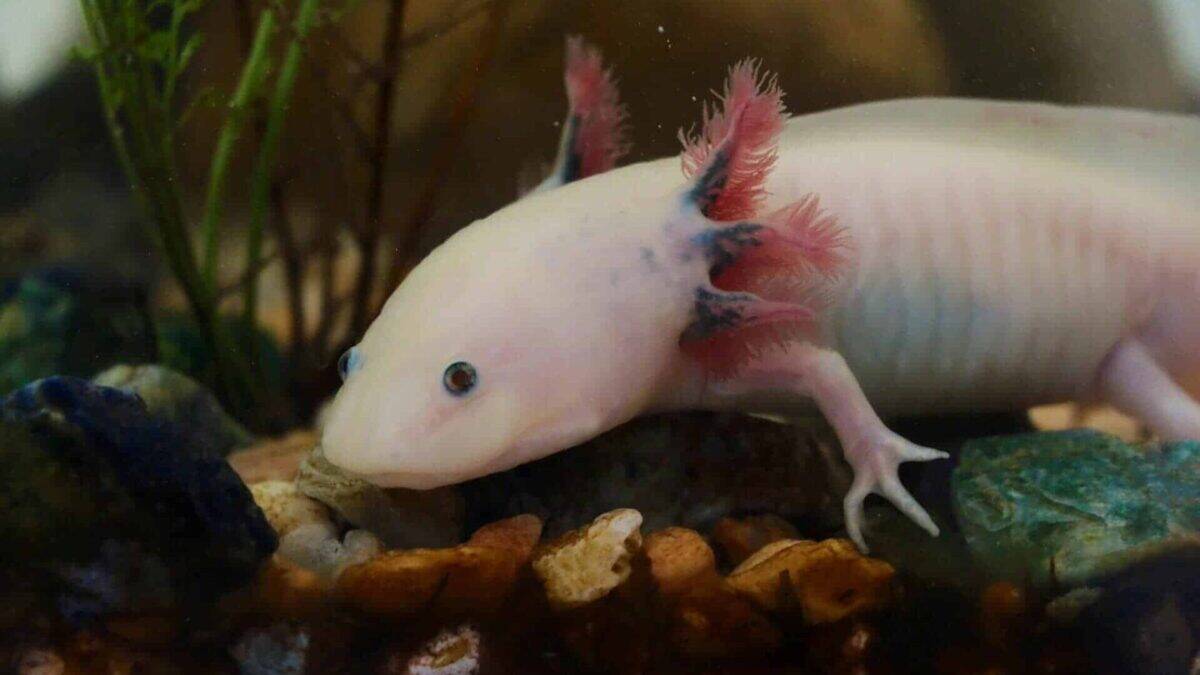
Among salamanders, the axolotl (Ambystoma mexicanum) stands out as the superstar of regeneration research. Native to Lake Xochimilco in Mexico City, these remarkable creatures can regenerate multiple structures throughout their lives with nearly perfect fidelity. Axolotls are neotenic salamanders, meaning they retain juvenile characteristics into adulthood, including external gills and an aquatic lifestyle. This perpetual state of developmental flexibility may contribute to their exceptional regenerative capabilities.
Axolotls have become invaluable laboratory models for studying regeneration because they combine extraordinary regenerative abilities with relatively large size, making them easier to study than smaller salamander species. Their translucent larvae also allow researchers to observe the regeneration process in living specimens. Unfortunately, wild axolotls are critically endangered due to habitat loss, pollution, and the introduction of invasive species. While they thrive in laboratory and aquarium settings around the world, conservation efforts are crucial to preserve wild populations of these regeneration champions in their native habitat.
Applications in Human Medicine
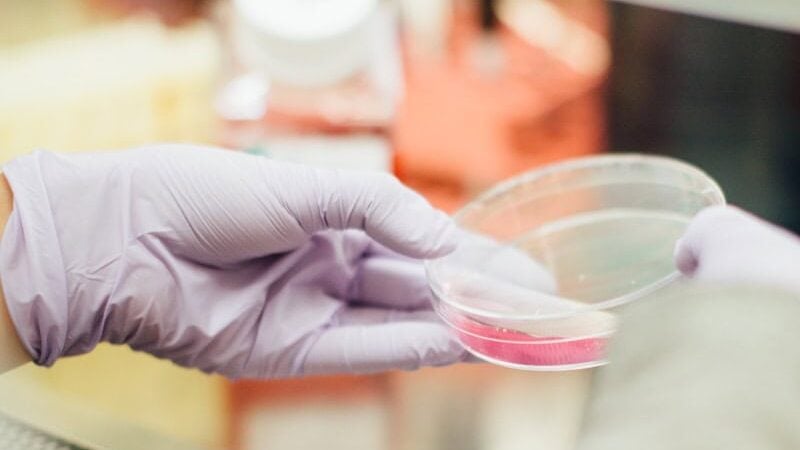
The study of salamander regeneration has profound implications for human medicine. While humans possess limited regenerative capabilities—our livers can partially regenerate, and our skin can heal—we cannot naturally regrow limbs or repair damaged hearts, spinal cords, or brain tissue. Understanding how salamanders accomplish these feats could potentially lead to breakthrough treatments for conditions ranging from traumatic injuries to degenerative diseases.
Several promising research directions have emerged from salamander studies. Scientists are investigating how to manipulate the human immune response to favor regeneration over scarring, similar to salamander healing processes. Others are focusing on identifying and activating dormant genetic pathways that might enable greater regeneration in human tissues. Advances in stem cell research, gene editing, and tissue engineering are being combined with insights from salamander biology to develop new approaches to regenerative medicine. While we’re still far from being able to regrow human limbs, the molecular and cellular lessons from salamanders are already informing treatments for wound healing, organ repair, and nerve regeneration.
Challenges in Regeneration Research

Despite the remarkable progress in understanding salamander regeneration, significant challenges remain in translating these findings to human applications. One major obstacle is the fundamental biological differences between salamanders and mammals. Mammals have evolved complex immune systems that quickly form scar tissue to prevent infection, which may inhibit the cellular conditions needed for regeneration. Additionally, mammalian cells generally have less plasticity than salamander cells, making it more difficult for them to dedifferentiate and contribute to regeneration.
Technical challenges also exist in the research itself. Salamander genomes are enormous and complex, making genetic analysis difficult despite advances in sequencing technology. The relatively long lifespan and regeneration timeframe of salamanders also makes experiments time-consuming. Furthermore, ethical and safety considerations surrounding genetic manipulation and stem cell therapies present regulatory hurdles for clinical applications. Despite these challenges, the potential rewards of harnessing even a fraction of salamanders’ regenerative abilities for human medicine continue to drive this fascinating field forward.
The Future of Regeneration Science
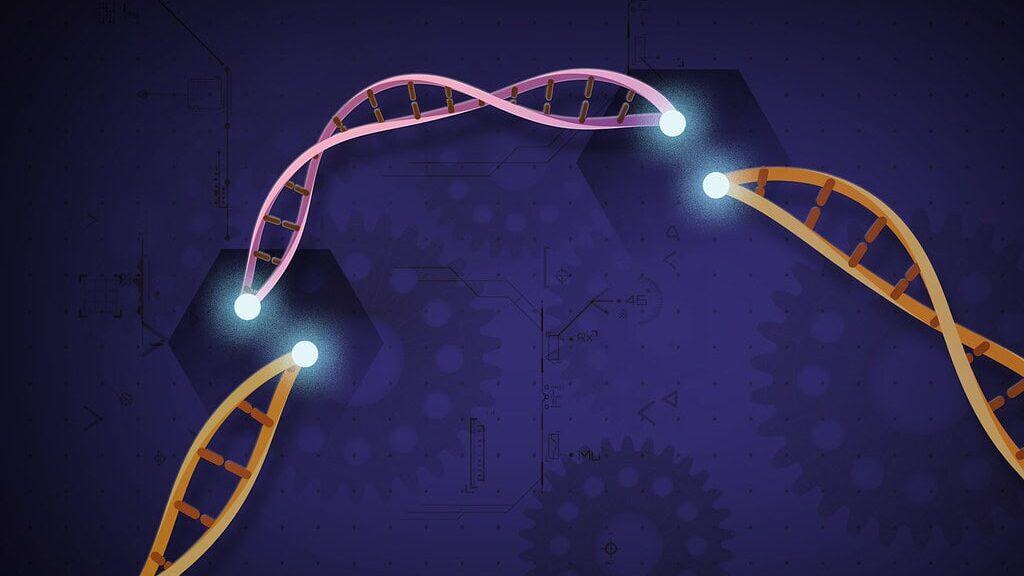
The future of regeneration science inspired by salamanders looks incredibly promising. Emerging technologies such as CRISPR gene editing, single-cell RNA sequencing, and advanced imaging techniques are providing unprecedented insights into the molecular and cellular mechanisms of salamander regeneration. These tools allow researchers to track gene expression changes during regeneration with extraordinary precision and even manipulate specific genes to test their functions in the regenerative process.
Interdisciplinary approaches combining developmental biology, evolutionary biology, immunology, and bioengineering are leading to more comprehensive understanding of regeneration. Some scientists are developing biomaterials that mimic the salamander’s regenerative environment, while others are creating computer models to simulate the complex interactions that occur during regrowth. As this research progresses, we may see incremental improvements in treating specific injuries and conditions, gradually building toward more dramatic regenerative therapies. While we may never match the salamander’s full regenerative repertoire, the lessons learned from these remarkable amphibians continue to expand the boundaries of what’s possible in human healing.
Salamanders remain nature’s undisputed champions of regeneration, capable of regrowing tails, limbs, organs, and even parts of their central nervous system with remarkable precision. Their extraordinary abilities stem from a complex interplay of evolutionary history, genetic regulation, cellular plasticity, and unique immune responses that scientists are still working to fully understand. As we continue to unravel the molecular and cellular secrets behind these regenerative feats, we move closer to potentially revolutionary applications in human medicine.
While humans may never match the salamander’s regenerative prowess, every insight gained from studying these remarkable amphibians brings us one step closer to improved treatments for injuries and diseases. From enhancing wound healing to repairing damaged organs or even restoring movement after spinal injuries, the possibilities inspired by salamander biology are vast and compelling. The journey from observing a salamander regrow its tail to developing therapies that could help humans heal better represents one of the most fascinating intersections of evolutionary biology and modern medicine.
As we face the challenges of an aging global population and increasing chronic disease burden, the potential benefits of regenerative medicine cannot be overstated. The humble salamander, with its seemingly magical ability to rebuild its body parts, continues to serve as both inspiration and instruction manual for scientists working at the frontiers of regenerative medicine. Perhaps the greatest lesson from these remarkable creatures is that the most groundbreaking medical advances often begin with simple curiosity about the natural world’s most extraordinary phenomena.
In the salamander’s regrown tail lies not just an evolutionary marvel but a blueprint that might someday transform human health and healing. The path from basic salamander biology to clinical applications remains long and complex, but the journey itself continues to yield valuable discoveries that expand our understanding of life’s fundamental processes and possibilities.

- How Crickets Chirp Using Their Wings - July 20, 2026
- The Largest Sea Turtle Ever Rescued Off North Carolina - July 20, 2026
- The Ocean’s Escape Artist: Why Octopuses Outsmart Us All - July 20, 2026