


Throughout human history, few animals have captured our collective imagination quite like the wolf. These magnificent predators have prowled through our stories, religions, and cultural narratives for thousands of years, simultaneously embodying our deepest fears and most admired virtues. From the terrifying Fenrir of Norse mythology who was prophesied to devour the god Odin during Ragnarök, to the nurturing she-wolf who saved and suckled the founders of Rome, Romulus and Remus, wolves have played pivotal roles in the mythological frameworks that helped ancient civilizations make sense of their world. This article explores the rich tapestry of wolf mythology across different cultures, examining how these creatures have been portrayed as everything from destructive monsters to divine messengers, and what these portrayals reveal about human psychology and our complex relationship with the natural world.
The Dual Nature of Wolf Symbolism
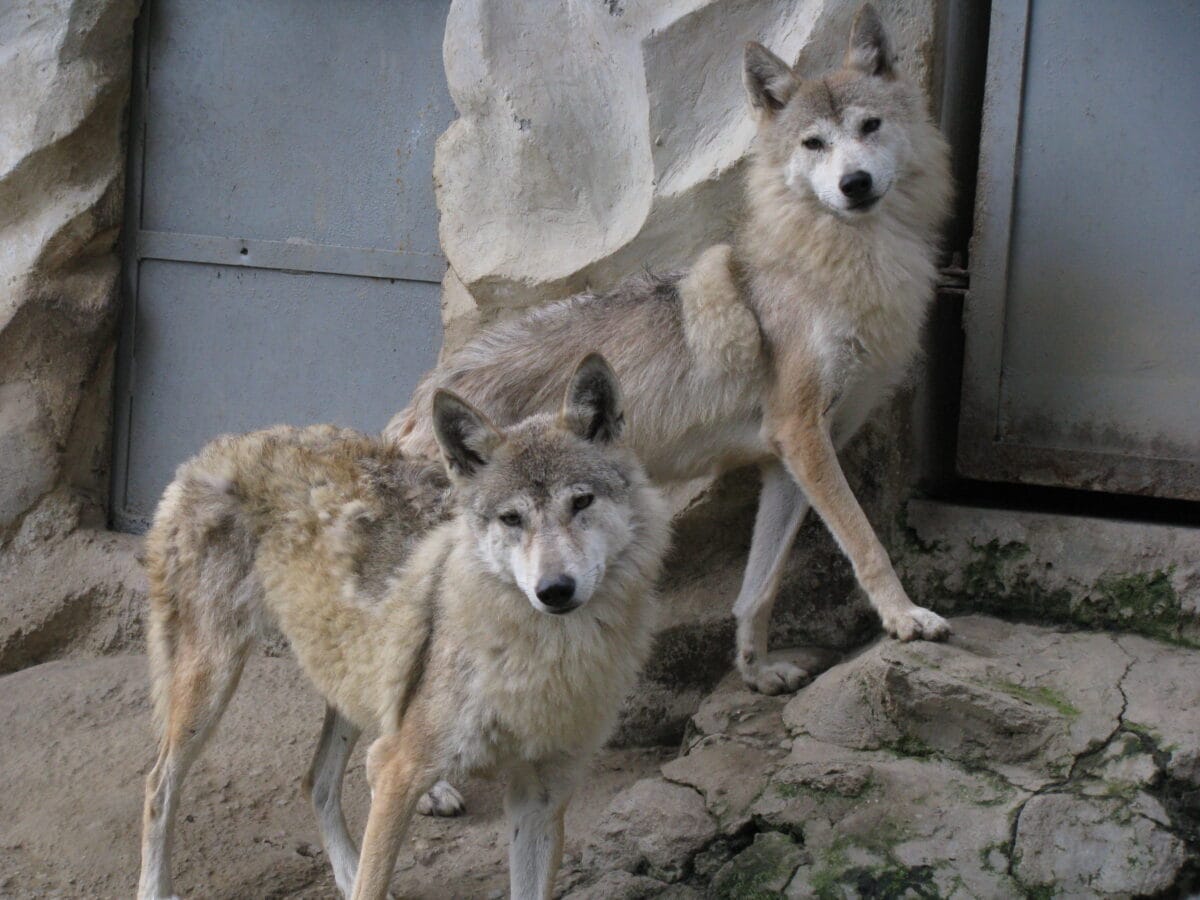
Wolves embody a fascinating duality in human mythology and folklore that spans cultures worldwide. On one hand, they represent qualities humans have long admired: loyalty to their pack, cooperation, strength, intelligence, and familial devotion. Wolf packs demonstrate sophisticated social structures with clear leadership and collective hunting strategies that ancient humans both respected and emulated. This positive symbolism appears in cultures that lived in closer harmony with nature, where wolves were seen as teachers, guides, and even ancestors.
Conversely, wolves have also symbolized humanity’s greatest fears: the dangerous unknown lurking in darkness, the threat of wilderness to civilization, and the savage aspects of nature that resist human control. This negative portrayal became particularly pronounced in agricultural societies where wolves posed a genuine threat to livestock and livelihood. This dichotomy—the wolf as both hero and villain—reveals much about human psychology and our complicated relationship with wildness, power, and the untamed aspects of nature that wolves so perfectly embody.
Fenrir: The Apocalyptic Wolf of Norse Mythology
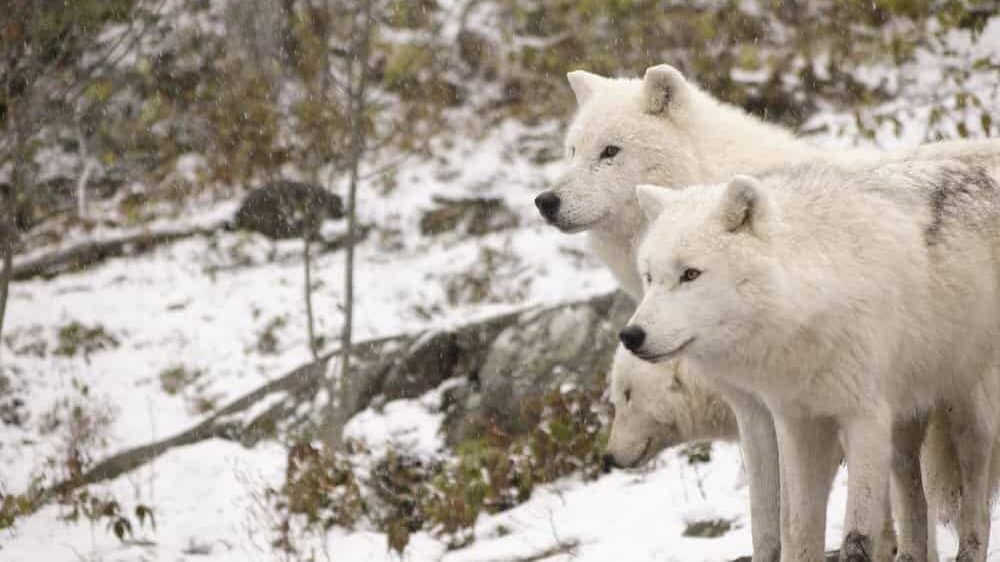
In Norse mythology, Fenrir stands as one of the most terrifying wolf figures in any mythological tradition. Born to the trickster god Loki and the giantess Angrboða, Fenrir was a monstrous wolf of immense size and power. The gods recognized the threat Fenrir posed to their realm and attempted to bind him three times. The first two chains—Leyding and Dromi—were easily broken by the great wolf. Only the dwarven-crafted magical ribbon Gleipnir, made from impossible things (the sound of a cat’s footfall, the beard of a woman, the roots of a mountain, the sinews of a bear, the breath of a fish, and the spittle of a bird), finally succeeded in binding him.
What makes Fenrir particularly significant is his role in Ragnarök, the Norse apocalypse. According to prophecy, Fenrir would break free during Ragnarök and devour Odin, the All-Father himself. Fenrir’s sons, Sköll and Hati, were destined to chase and eventually swallow the sun and moon. This portrayal of wolves as forces of cosmic destruction reflects the Norse understanding of wolves as powerful symbols of chaos and the inevitable end of the established order. The Fenrir myth encapsulates primal fears about nature’s ultimate triumph over civilization and divine order.
Romulus and Remus: The Wolf Mother of Rome
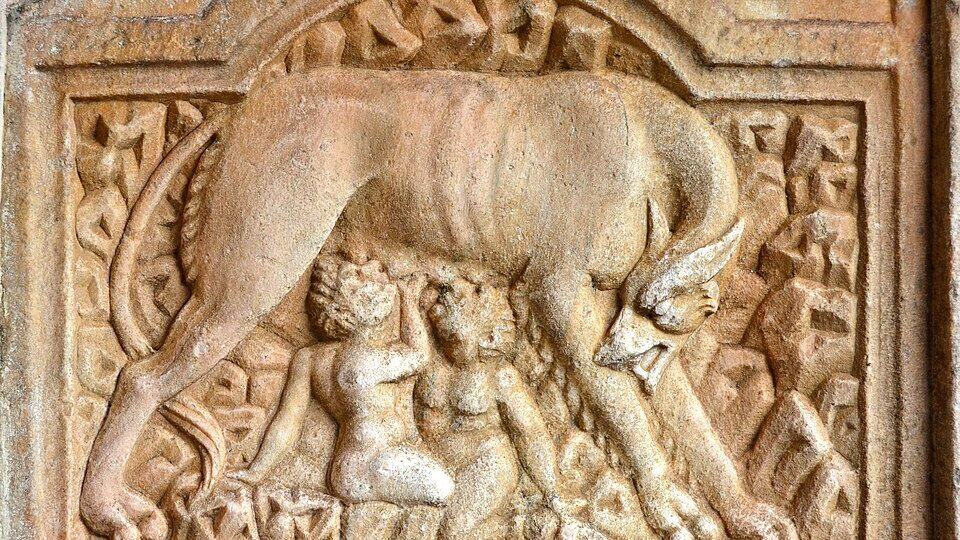
The founding myth of Rome presents one of history’s most famous positive portrayals of a wolf. According to Roman legend, twin brothers Romulus and Remus were born to Rhea Silvia, a Vestal Virgin, and the god Mars. When their great-uncle Amulius, who had usurped the throne from their grandfather Numitor, learned of their existence, he ordered the infants to be drowned in the Tiber River. However, the servant tasked with this deed took pity on them and simply placed them in a basket on the river, where they were eventually discovered by a she-wolf at the base of Palatine Hill.
The she-wolf, known as the Lupa Capitolina, nursed and cared for the abandoned twins until they were found by the shepherd Faustulus and his wife, who raised them to adulthood. This nurturing wolf represents a stark contrast to the destructive wolves of northern European mythology. Here, the wolf is a maternal figure, a savior rather than a destroyer. The twins would later go on to found Rome, with Romulus becoming its first king after killing Remus in a dispute. The image of the she-wolf suckling the twins became an enduring symbol of Rome, representing the city’s divine origins and fierce, protective spirit. This myth demonstrates how wolves could be incorporated into origin stories as positive, nurturing figures—a perspective notably different from many other European traditions.
Wolves in Ancient Greek Mythology
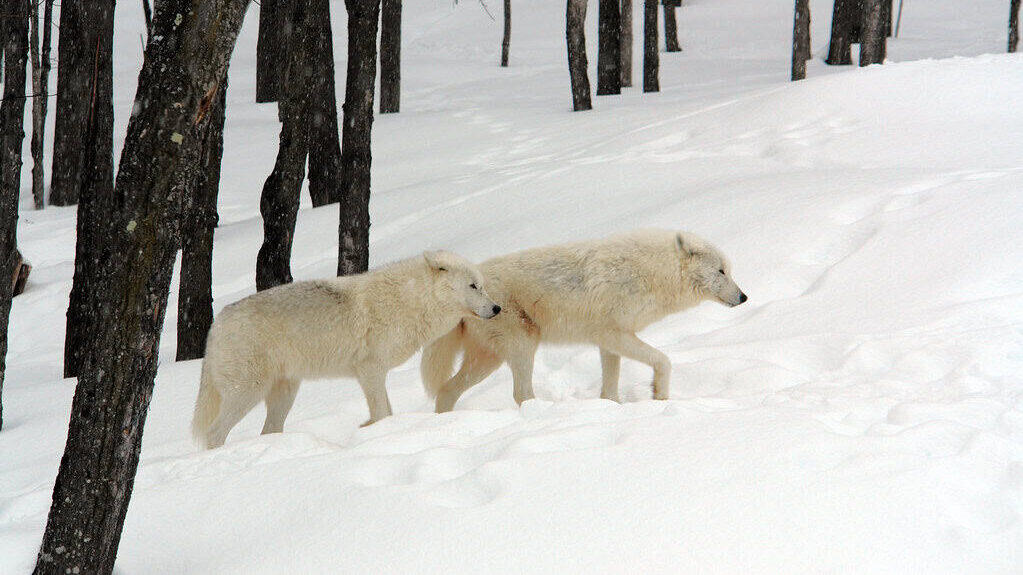
In ancient Greek mythology, wolves occupied a complex position associated with several deities and transformative tales. Apollo Lykeios (Apollo the Wolf-God) maintained a mysterious connection to wolves, with his epithet “Lykeios” derived from the Greek word for wolf. Some scholars suggest this association stems from Apollo’s role as a protector of flocks against wolves, while others believe it reflects older wolf-worship that was later incorporated into Apollo’s cult. The sanctuary of Apollo at Delphi reportedly housed a bronze statue of a wolf, further cementing this connection.
Perhaps the most famous wolf-related Greek myth is the story of King Lycaon of Arcadia. According to Ovid’s “Metamorphoses,” Zeus visited Lycaon’s palace in human form to test his hospitality. Lycaon, suspicious of his divine visitor, served Zeus a meal containing human flesh—either that of a hostage or, in some versions, Lycaon’s own son. As punishment for this horrific transgression, Zeus transformed Lycaon into a wolf, condemning him to live as the very embodiment of his savage nature. This myth gave rise to the concept of lycanthropy and established an early connection between wolves and human transformation that would later evolve into werewolf legends throughout Europe.
Wolves in Native American Traditions
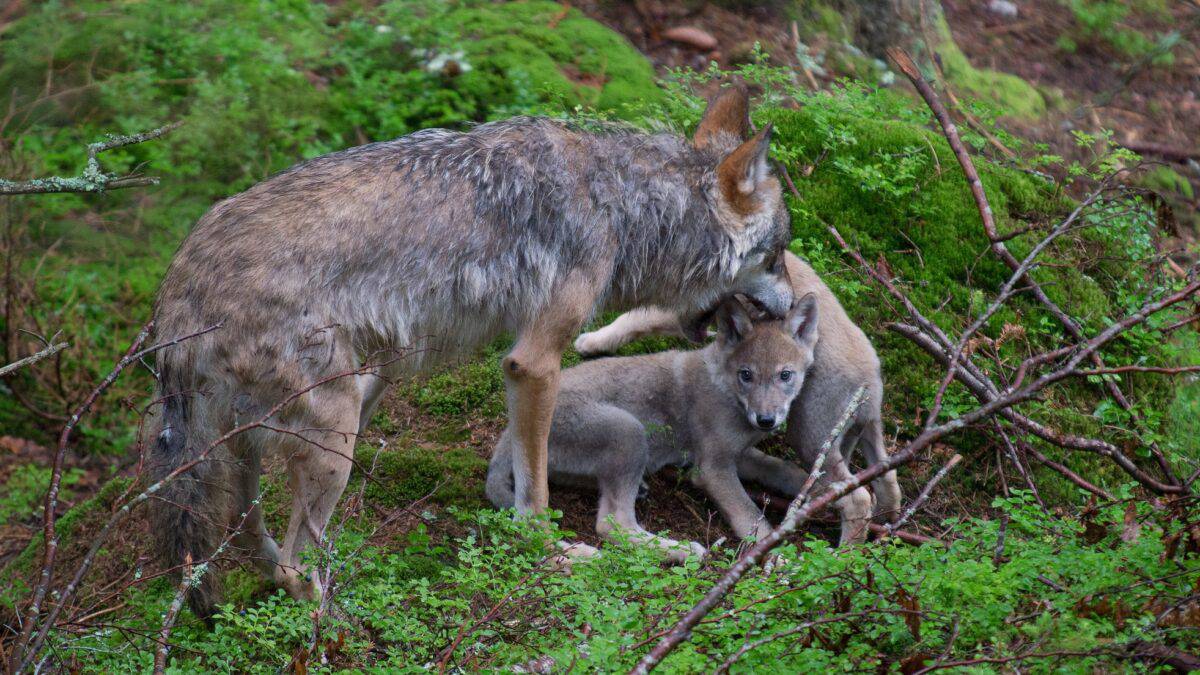
Native American perspectives on wolves differ dramatically from European views, with many tribes regarding wolves with profound respect and spiritual significance. Across numerous tribes including the Pawnee, Sioux, Cherokee, and Cheyenne, wolves were considered sacred animals with powerful medicine. They were seen as teachers, guides, and even healers rather than threats. The Pawnee, in particular, associated the wolf with warriors and developed ceremonies that honored wolf power. Among the Shoshone and other Plains tribes, wolf songs were sung before battle to invoke the animal’s courage and hunting prowess.
Creation myths among tribes like the Pawnee and Abenaki feature wolves prominently. The Pawnee tell of Wolf Star (Sirius) creating humans, while Abenaki traditions describe the wolf as Gluskabe’s hunting dog who helped prepare the world for humans. The Shoshone people considered wolves to be their ancestors, creating a kinship bond that made hunting wolves taboo. Among the Ojibwe, the wolf (Ma’iingan) walked with the first man, establishing a relationship where the fate of wolves and humans were intertwined—what happened to wolves would eventually happen to humanity as well. This spiritual connection to wolves reflects a worldview where humans exist as part of nature rather than separate from or superior to it, creating a stark contrast to the adversarial relationship often portrayed in European folklore.
The Wolf in Celtic and British Isles Traditions

Celtic mythology portrays wolves with remarkable nuance, recognizing both their fearsome and beneficial aspects. The Morrígan, a complex Celtic goddess of war, fate, and death, could take the form of a wolf, particularly when presiding over battlefields. Celtic warriors sometimes adopted wolf totems, wearing wolfskins into battle to channel the animal’s ferocity. Archaeological evidence suggests some Celtic tribes may have practiced wolf cults, with ceremonial burials of wolves found at several sites. The Celtic hero Cormac mac Airt was said to have been raised by wolves, creating a parallel to the Roman Romulus and Remus legend.
In British folklore, wolves feature prominently in tales that reflect the historical presence of these predators throughout the islands until their extinction in the 17th century. The tale of Bedd Gelert from Wales tells of Prince Llywelyn’s faithful hound who was mistakenly killed after protecting the prince’s infant from a wolf. Scottish folklore includes stories of the “werewolves of Ossory,” humans who could transform into wolves. As Christianity spread through the British Isles, wolves increasingly became symbols of the dangerous wilderness beyond Christian civilization, with saints like St. Edmund and St. Francis of Assisi featuring in stories where they tame or command wolves, symbolizing the triumph of faith over wild nature. The gradual extermination of wolves in Britain paralleled the evolution of these myths, as wolves transitioned from real threats to symbolic monsters in the cultural imagination.
Eastern Wolf Mythology: China and Japan
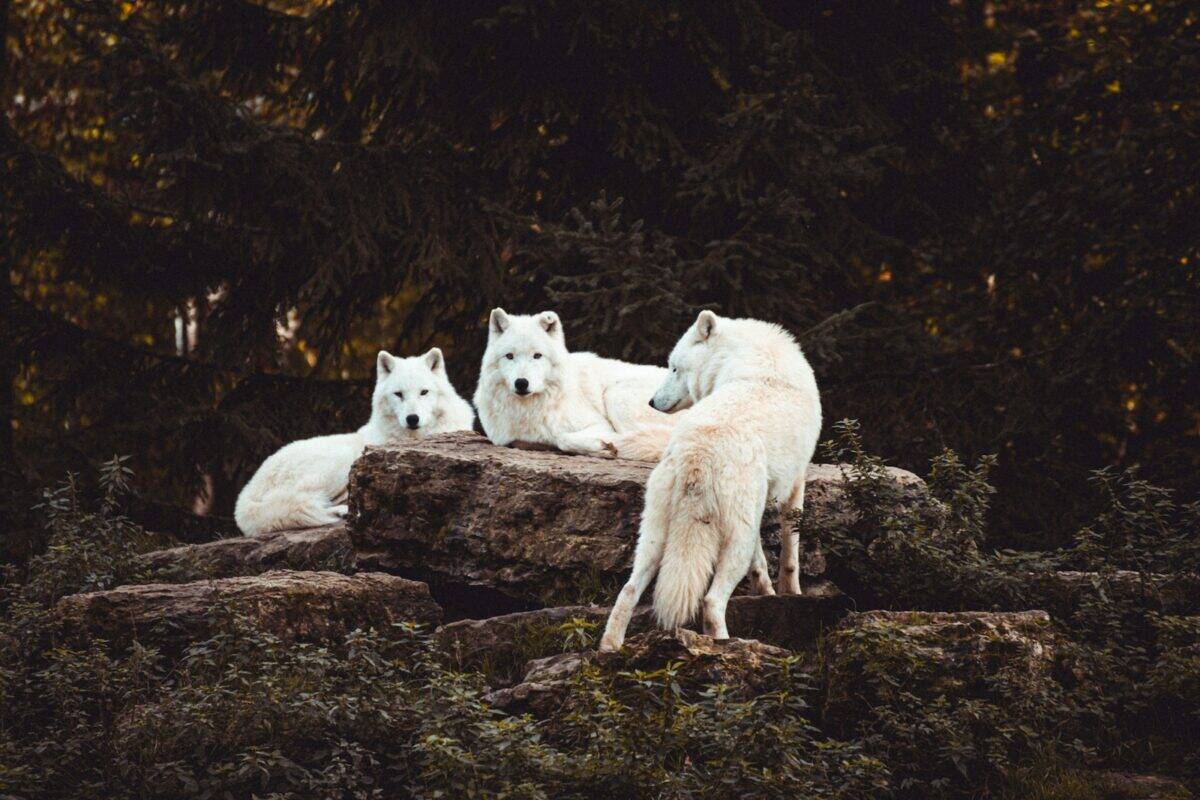
In Chinese mythology, wolves occupy an ambivalent position that differs markedly from both European fear and Native American reverence. Traditional Chinese culture often portrayed wolves negatively as symbols of greed, cruelty, and rapacity. The phrase “wolf’s heart and dog’s lungs” (狼心狗肺) remains a common idiom describing someone ungrateful and vicious. However, the wolf also carries positive associations with the north and the element of water in Chinese cosmology. Some northern Chinese tribes, particularly those with nomadic traditions like the Xianbei, maintained more positive relationships with wolves, sometimes claiming descent from wolves in their origin myths.
Japanese mythology presents a fascinating contrast, where wolves were traditionally viewed as protective deities rather than threats. The wolf deity Ōkami was considered a sacred guardian of mountains and forests, particularly at Mitsumine Shrine and other wolf shrines (ōkami jinja) throughout Japan. Farmers would pray to wolf deities to protect crops from wild boars and deer, positioning wolves as allies rather than enemies. The word for wolf in Japanese, “ōkami” (狼), can also be written with characters meaning “great deity” (大神), highlighting this sacred status. Japanese folklore contains numerous tales of wolves helping lost travelers, protecting children, and punishing evildoers. This positive portrayal stands in striking contrast to Western traditions and reflects Japan’s unique ecological and agricultural relationship with wolves before their extinction in the early 20th century.
The Big Bad Wolf: European Folktales and Fairy Tales

European folktales and fairy tales frequently cast the wolf as the quintessential villain, a tradition that reached its apex during the Medieval and Early Modern periods. Tales like “Little Red Riding Hood,” “The Three Little Pigs,” and “Peter and the Wolf” all feature wolves as dangerous antagonists representing threats to civilization, innocence, and order. These stories emerged from a very real context: medieval European forests contained wolves that occasionally attacked livestock and, more rarely, humans, particularly during harsh winters or periods of rabies outbreaks. The wolf became a powerful metaphor for various fears—from sexual predation in “Little Red Riding Hood” to the threatening outsider who could destroy the safety of home in “The Three Little Pigs.”
Charles Perrault’s 1697 literary version of “Little Red Riding Hood” explicitly positioned the wolf as a metaphor for predatory men, with his moral warning young women against trusting strangers. The Brothers Grimm collected numerous tales featuring malevolent wolves in the early 19th century, codifying the “Big Bad Wolf” archetype that would endure into modern children’s literature. These stories served multiple purposes: they warned children about real dangers, reinforced social boundaries, and expressed cultural anxieties about wilderness and nature. The wolf’s portrayal in these tales reflects the agricultural society’s perspective, where wild predators represented genuine economic threats and symbolic challenges to human dominance over the natural world. This negative portrayal would significantly influence European attitudes toward wolves, contributing to their persecution and near-extermination across much of Europe.
Werewolves: The Human-Wolf Transformation

The werewolf—a human with the ability to transform into a wolf or wolf-like creature—represents one of the most enduring and widespread supernatural concepts in world folklore. The earliest recorded werewolf tale appears in “The Epic of Gilgamesh,” where Gilgamesh rejects the goddess Ishtar, citing how she transformed a previous lover into a wolf. Ancient Greek mythology featured the story of King Lycaon, transformed into a wolf by Zeus as punishment for serving human flesh at a banquet. The very term “lycanthropy” derives from this myth. Germanic and Nordic traditions include the berserkers and úlfhéðnar (wolf-warriors), who would don wolf skins and allegedly take on wolf-like qualities in battle.
During the medieval and Renaissance periods, werewolf beliefs took a darker turn, becoming entangled with witch trials and demonology. The 1589 Werewolf of Châlons case and the infamous Peter Stumpp trial of 1589 demonstrate how werewolf accusations could lead to torture and execution. Unlike modern fictional portrayals, historical werewolf beliefs varied significantly regarding the transformation process—some involved magical salves, others wolf-skin belts (as in the Norse úlfhamr), while some were considered curses or divine punishments. The werewolf concept powerfully expresses human anxiety about the beast within, the thin veneer of civilization, and the fear of losing control to animal instincts. It also reflects the psychological concept of the shadow self—the hidden, repressed aspects of human nature that the werewolf transformation dramatically externalizes.
Wolves in Modern Culture: From Villain to Endangered Icon

The portrayal of wolves in modern culture has undergone a remarkable transformation over the past century, reflecting changing environmental values and scientific understanding. Early 20th century literature and film largely perpetuated traditional negative stereotypes, with wolves cast as villains in everything from early Disney animations to wildlife adventure stories. The systematic extermination of wolves across North America and Europe continued, supported by government bounties and public fear. However, the mid-20th century brought the beginnings of a significant shift, with works like Farley Mowat’s controversial 1963 book “Never Cry Wolf” challenging prevailing assumptions about wolf behavior and presenting wolves as complex, social animals rather than mindless killers.
The environmental movement of the 1970s accelerated this rehabilitation, as wolves became symbols of wilderness under threat from human expansion. Scientific research by biologists like L. David Mech provided evidence of wolves’ sophisticated social structures and ecological importance, further transforming public perception. By the late 20th century, wolves had become flagship species for conservation efforts, with reintroduction programs in places like Yellowstone National Park generating both controversy and public support. In contemporary popular culture, works like “White Fang,” “Dances with Wolves,” the “Twilight” series, and “Game of Thrones” (with its direwolves) present multifaceted portrayals of wolves that acknowledge both their wild nature and their capacity for connection with humans. This evolution from villain to endangered icon reflects broader societal shifts regarding our relationship with wildlife and wilderness, though the ancient mythological power of the wolf continues to resonate in modern storytelling.
The Psychological Significance of Wolf Mythology

The persistent presence of wolves in human mythology across cultures and millennia suggests these animals tap into fundamental psychological patterns in the human mind. Jungian psychology identifies the wolf as a powerful archetypal symbol operating in our collective unconscious. As predators that hunt in groups, display complex social behaviors, and physically resemble domesticated dogs while remaining wild, wolves occupy a unique psychological territory—they are simultaneously familiar and alien, relatable and threatening. This tension makes wolves perfect vessels for psychological projection, allowing humans to express and explore aspects of themselves through wolf symbolism.
The wolf often represents what Jungian analysts call “the shadow”—the instinctual, untamed aspects of human nature that civilization attempts to suppress. In negative portrayals like European fairy tales, the wolf embodies feared aspects of human nature—aggression, predatory sexuality, and the potential for violence. Conversely, in traditions that venerate wolves, like many Native American mythologies, the wolf represents positive qualities humans aspire to—loyalty, cooperation, and natural wisdom. Modern psychological interpretations of werewolf myths suggest they express anxiety about losing control to our baser instincts, while myths of children raised by wolves (like Romulus and Remus) may reflect fantasies about returning to a pre-civilized state of natural freedom. This psychological richness explains why wolf symbolism remains potent even in modern societies where actual wolves pose little direct threat. They continue to serve as mirrors for the internal struggles between instinct and reason, wildness and civility, autonomy and social conformity. In literature, film, and dreams, wolves still haunt the boundaries of human consciousness—embodying both what we fear we might become and what we secretly long to be.
The enduring fascination with wolves reflects our deep psychological need to understand and reconcile these dualities within ourselves. Whether cast as villains, mentors, or spiritual guides, wolves challenge us to confront the untamed parts of the psyche we often deny. In doing so, they help us navigate the complexities of our inner world, offering a symbolic language through which we can explore transformation, identity, and the struggle to balance primal instinct with conscious control.
Conclusion: Echoes of the Wolf in Human Imagination

Across cultures and centuries, wolves have prowled the edges of our myths, legends, and collective imagination—sometimes as fearsome monsters, sometimes as noble companions, but always as powerful symbols. From the apocalyptic jaws of Fenrir in Norse mythology to the nurturing wolf-mother of Romulus and Remus in Roman lore, these creatures have served as mirrors for human fears, desires, and values. They embody the tension between civilization and wilderness, order and chaos, loyalty and savagery—making them enduring figures in storytelling traditions around the world.
What makes wolves such compelling mythological figures is their dual nature: they are social animals that live in close-knit packs, yet they are also formidable predators capable of great destruction. This balance of kinship and danger resonates deeply with the human experience. As we continue to explore and reinterpret ancient myths, the wolf remains a potent symbol—not just of the wild, but of the wildness that still lives within us.

From exploring the marine wonders in the Azores and witnessing the vast savannas of Kenya, to delving deep into the rich biodiversity of South Africa and traversing iconic landscapes in Australia and the US like Yellowstone, Chris's experiences are vast.
With a penchant for diving alongside sharks, the ocean holds a special place in his heart.
Through his academic insights, he champions wildlife conservation, striving with 'Animals Around The Globe' to cultivate a profound connection between humans and animals, enhancing our mutual appreciation.
Connect with him at Feedback@animalsaroundtheglobe.com.
- The Role of Giant Pandas in U.S. (China Diplomacy) - July 15, 2026
- These Psychedelic Sea Slugs Steal Venom and Glow Neon Bright - July 15, 2026
- Orcas of the Pacific Northwest: A Struggle for Survival - July 15, 2026