


Each U.S. state has its own unique identity, shaped by geography, history, and culture. One fascinating way states express their individuality is through official state animals. From majestic mammals to tiny insects, these animal symbols reflect regional ecosystems, historical significance, and cultural values. While some choices seem obvious—like Florida’s alligator or Alaska’s moose—others might surprise you. This comprehensive guide explores the animals that best represent each state, including both official state animals and those that might better capture a state’s essence. Let’s embark on a cross-country journey through America’s wildlife ambassadors that symbolize the diverse spirit of the nation.
The Iconic Wildlife of the Northeast

The Northeastern states, with their diverse landscapes from coastal regions to dense forests, host a remarkable array of wildlife that has become emblematic of the region. Maine’s majestic moose stands as the state’s official animal, perfectly representing the rugged wilderness that defines much of the state. These massive creatures, weighing up to 1,500 pounds, navigate the dense forests and numerous lakes that characterize Maine’s landscape. Meanwhile, Vermont embraces the Morgan horse as its state animal, honoring the first American breed of horse developed by Justin Morgan in the late 18th century.
Massachusetts identifies strongly with the right whale, while New Hampshire celebrates the purple finch as its state bird. New York, despite its association with urban landscapes, recognizes the beaver as its official mammal—a nod to the fur trade that played a crucial role in the state’s early economic development. The beaver’s industriousness and ability to transform landscapes mirror New York’s reputation for ambition and transformation. Rhode Island chose the Rhode Island Red chicken, acknowledging the breed’s agricultural importance, while Connecticut selected the sperm whale, reflecting its historical maritime economy.
Southern States and Their Symbolic Creatures
The American South boasts some of the most recognizable state animal symbols in the country. Florida’s American alligator perfectly embodies the state’s subtropical wetlands and has become a cultural icon. These prehistoric reptiles, having survived for millions of years, populate the Everglades and have become synonymous with Florida’s wild identity. Similarly, Louisiana embraces the brown pelican, a bird that has overcome near-extinction to become a resilient symbol of the state’s coastal character.
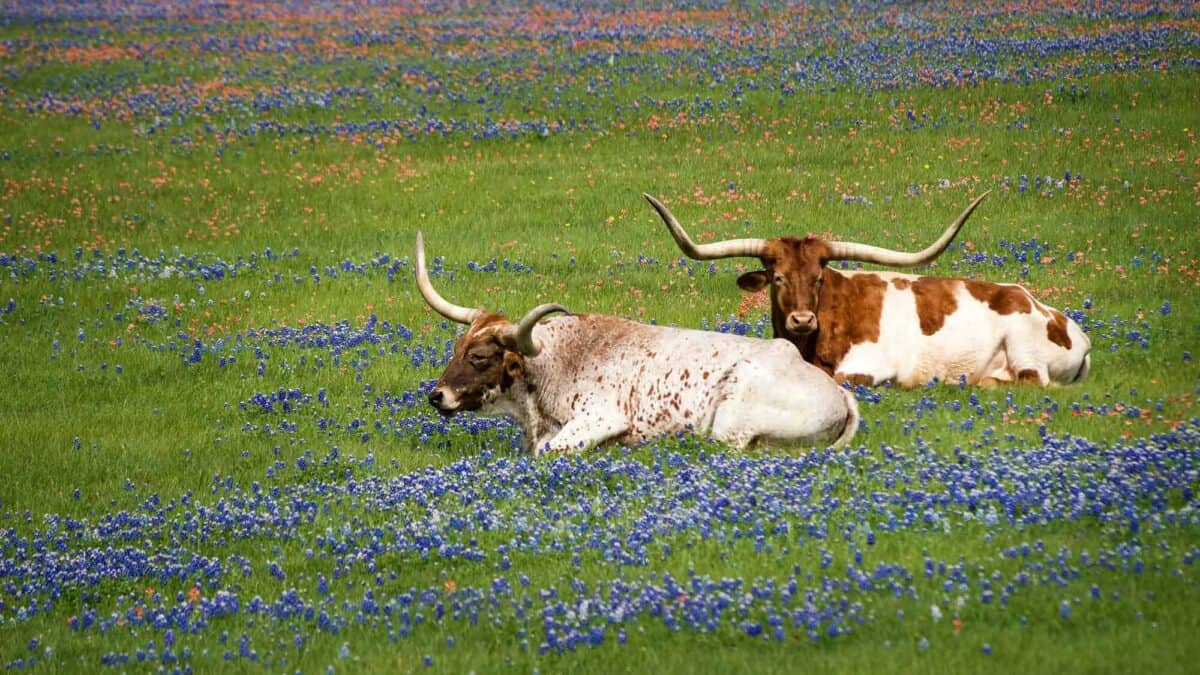
Texas proudly claims the longhorn as its large mammal representative, celebrating the cattle that shaped the state’s ranching heritage. Virginia honors the cardinal, while North Carolina recognizes the eastern gray squirrel. Georgia’s state marine mammal is the endangered right whale, highlighting conservation concerns in coastal waters. Alabama’s official wildlife representative is the black bear, though the state is also known for its connection to the yellowhammer bird, which inspired the state’s nickname. Mississippi’s white-tailed deer and Tennessee’s raccoon round out the diverse wildlife ambassadors of the Southern states.
Western Frontier: Animals of the Mountain States
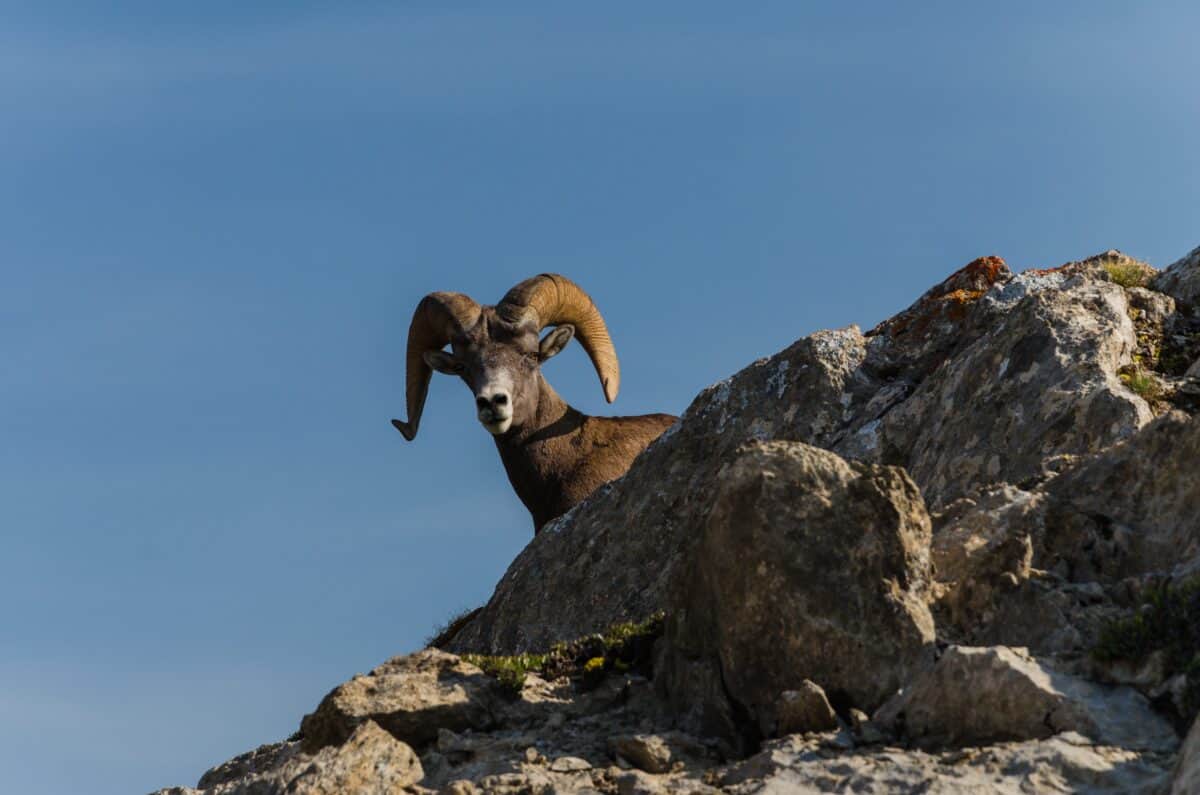
The Mountain West region, with its dramatic landscapes and diverse ecosystems, hosts some of America’s most iconic wildlife. Colorado appropriately recognizes the Rocky Mountain bighorn sheep as its official animal. These magnificent creatures, with their impressive curved horns and remarkable ability to navigate nearly vertical cliff faces, perfectly represent the state’s rugged mountain identity. Wyoming, the “Cowboy State,” celebrates the American bison (buffalo) as its official mammal, honoring the animal that once roamed the Great Plains in massive herds and holds deep significance for Native American cultures.
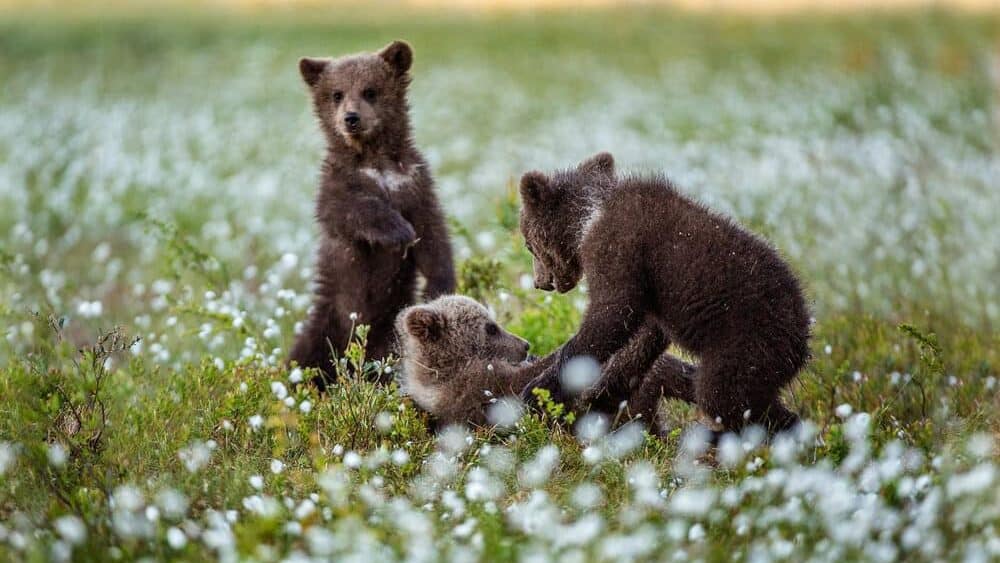
Montana, known as “Big Sky Country,” designated the grizzly bear as its state animal. These powerful omnivores, which can weigh up to 800 pounds, symbolize the wild frontier spirit that still characterizes much of the state. Idaho selected the Appaloosa horse, recognizing the breed developed by the Nez Perce tribe. Utah chose the elk as its state animal, while Nevada honors the desert bighorn sheep, a specialized subspecies adapted to the state’s arid landscapes. New Mexico’s state animal is the black bear, reflecting the diverse habitats from desert to mountain forests that characterize the Land of Enchantment.
Pacific Coast Wildlife Ambassadors
The Pacific Coast states feature some of the most distinctive animal representatives in the country. California’s official state animal is the California grizzly bear, which appears prominently on the state flag despite being extinct in the wild since 1924. This poignant symbol reflects both California’s natural heritage and the environmental changes that have transformed the state. The state also recognizes the California gray whale as its state marine mammal, celebrating the coastal migration of these massive creatures that can be observed from California shores.
Oregon honors the beaver as its state animal, acknowledging both the animal’s role in the fur trade that drew early settlers and its engineering abilities that shape riparian ecosystems. Washington State selected the Olympic marmot as its endemic mammal, an animal found nowhere else in the world outside the Olympic Peninsula. Alaska, with perhaps the richest wildlife diversity in the nation, designated the moose as its official land mammal and the bowhead whale as its marine mammal. Hawaii’s state animal is the Hawaiian monk seal, critically endangered and found only in the Hawaiian archipelago, perfectly representing the state’s unique island ecosystems and conservation challenges.
Midwest Mammals: Heartland Animal Symbols

The Midwestern states, with their blend of prairie, forest, and farmland, have selected animal representatives that reflect their agricultural heritage and natural landscapes. Wisconsin, “America’s Dairyland,” appropriately chose the dairy cow as its domestic animal, while also recognizing the white-tailed deer as its wildlife emblem. The dairy cow symbolizes Wisconsin’s world-famous cheese production and dairy industry, which forms a cornerstone of the state’s identity and economy. Michigan selected the white-tailed deer as its state game mammal, celebrating an animal that thrives in the state’s diverse habitats from northern forests to southern woodlands.
Illinois honors the white-tailed deer as its state animal, while Minnesota chose the common loon as its state bird, whose haunting calls echo across the state’s 10,000 lakes. Iowa, despite its agricultural dominance, does not have an official state mammal but is often associated with the American goldfinch as its state bird. Ohio selected the white-tailed deer, Missouri the eastern mule deer, and Kansas the American buffalo. North Dakota celebrates the hardy Nokota horse, descended from the last wild horse herds on the northern plains. These animal symbols collectively represent the Midwest’s balance between agricultural development and natural heritage.
Unexpected State Animal Representatives
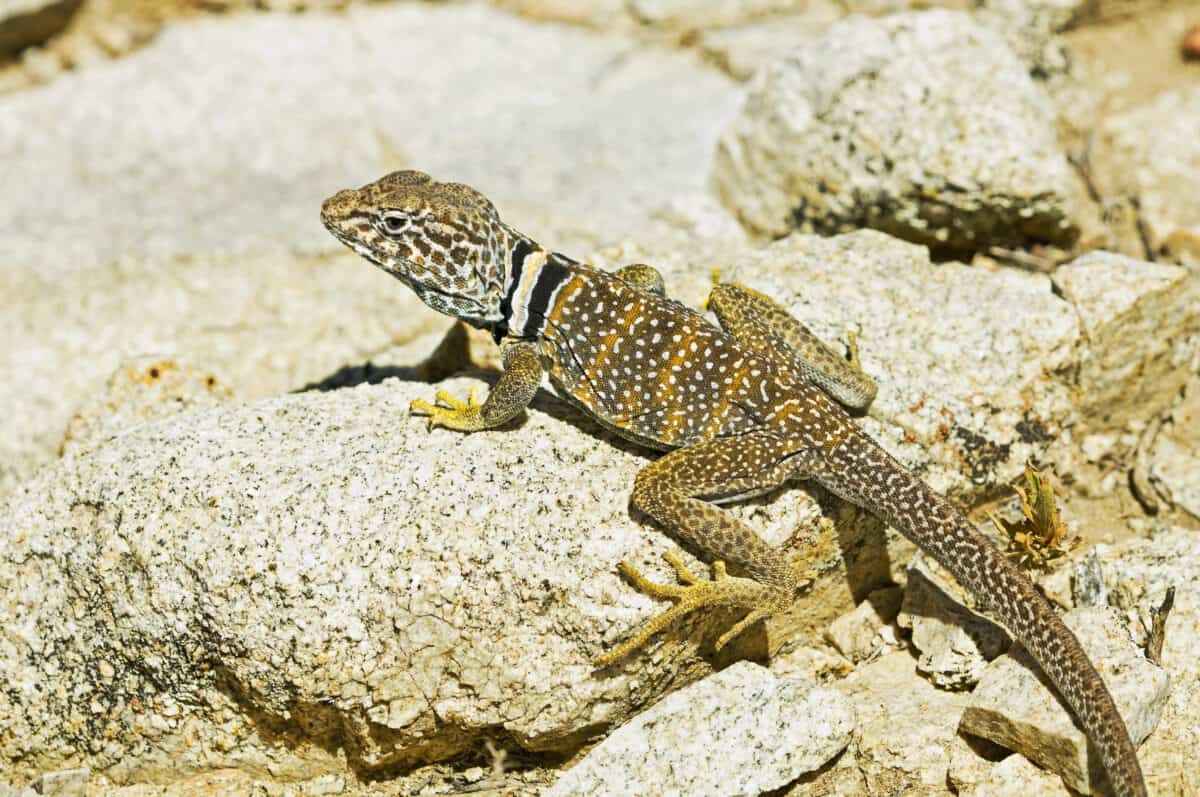
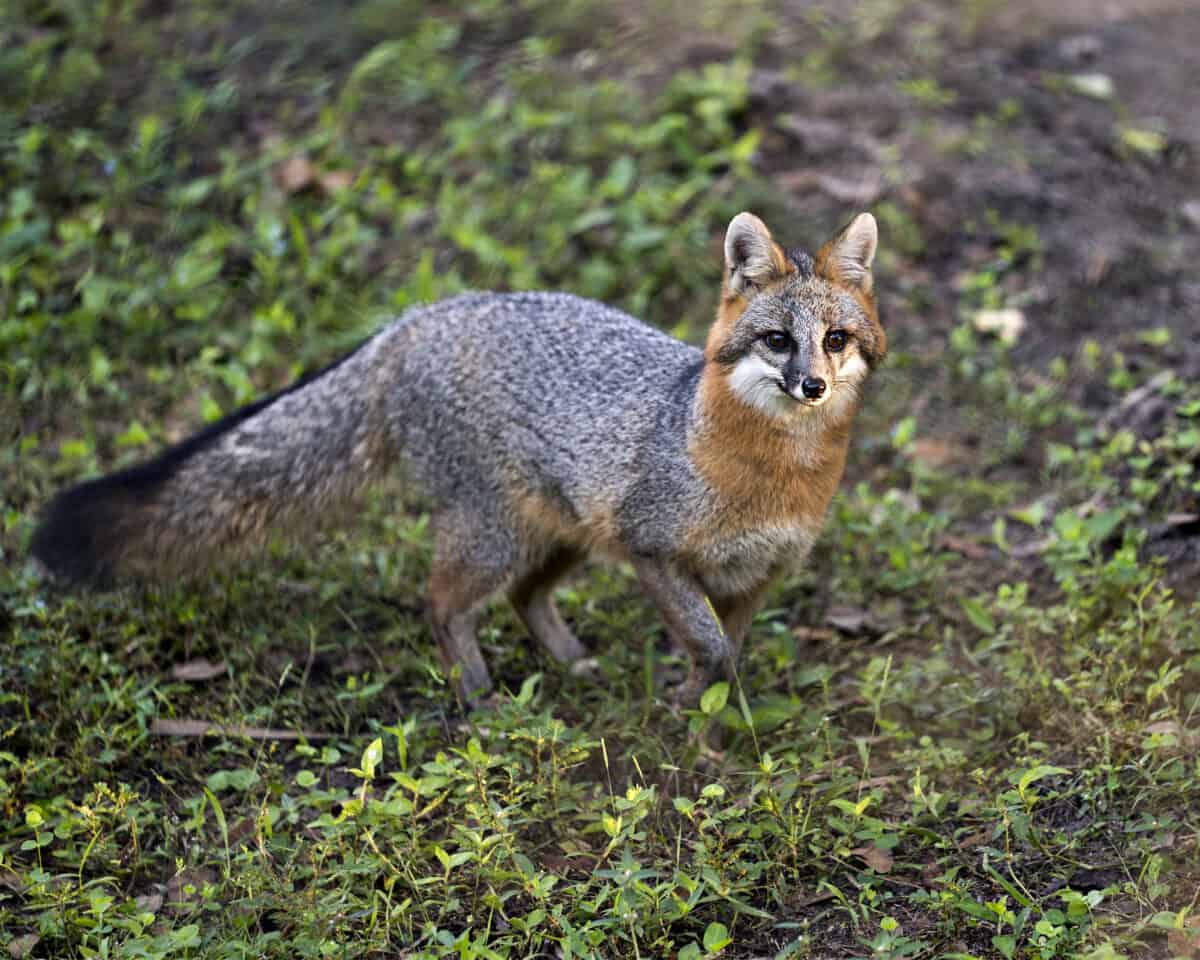
Several states have selected surprising or lesser-known animals as their official representatives, offering fascinating insights into regional pride and ecological awareness. Oklahoma’s state animal is the American buffalo, but its state reptile is the collared lizard, locally known as the “mountain boomer”—a colorful, fast-running lizard that can sprint on its hind legs. Delaware chose the unusual grey fox as its official wildlife animal, the only fox species that can climb trees. This adaptable creature represents the small state’s resilience and versatility.
Arizona selected the ringtail as its state mammal rather than the more obvious choices like the desert tortoise or javelina. These nocturnal relatives of raccoons have cat-like appearance and agility, earning them the nickname “miner’s cat” from early settlers who kept them as pets to control rodents. Pennsylvania honors the regal ruffed grouse as its state bird, a woodland drummer that represents the state’s forest heritage. South Dakota’s unlikely choice for state insect is the honey bee, recognizing the critical role of pollinators in the state’s agricultural economy. These unexpected choices demonstrate how states often look beyond the obvious to find animals that truly capture their unique character.
Endangered and Protected State Animals
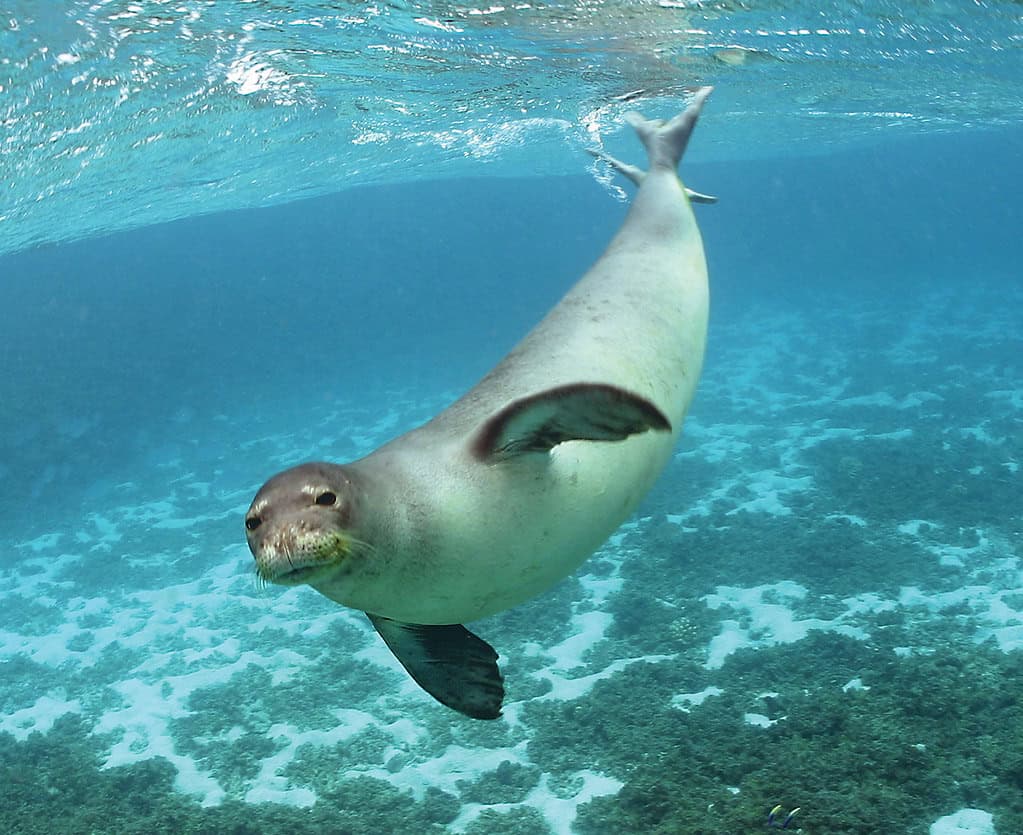
Many states have chosen endangered or vulnerable species as their official animals, highlighting conservation priorities and raising awareness about threatened wildlife. Hawaii’s state mammal, the Hawaiian monk seal, is one of the most endangered marine mammals in the world, with fewer than 1,400 individuals remaining. By elevating this species to state symbol status, Hawaii emphasizes the importance of protecting its unique native fauna. Florida’s manatee, the state’s official marine mammal, faces significant threats from boat strikes, habitat loss, and environmental changes, making its state designation an important conservation tool.
California’s state reptile, the desert tortoise, is listed as threatened under the Endangered Species Act due to habitat destruction, disease, and predation. Wyoming’s state bird, the western meadowlark, while not endangered, has experienced population declines that concern conservationists. Massachusetts’ right whale is critically endangered, with fewer than 350 individuals remaining. By choosing these vulnerable species as state symbols, governments draw attention to their plight and potentially garner more support for conservation efforts. These designations serve as powerful reminders that many of America’s most iconic wildlife faces uncertain futures without dedicated protection measures.
Insects and Invertebrates as State Symbols
Beyond mammals and birds, many states have designated insects and invertebrates as official state symbols, recognizing the ecological importance of these smaller creatures. Texas honors the monarch butterfly as its state insect, highlighting the state’s crucial role in the iconic butterfly’s annual migration between Mexico and Canada. These orange and black butterflies travel up to 3,000 miles each year, with Texas serving as a vital corridor and breeding ground during their journey. Utah selected the honeybee as its state insect, acknowledging both the Mormon settlers’ use of the beehive as a symbol of industry and the critical role bees play in pollinating crops.
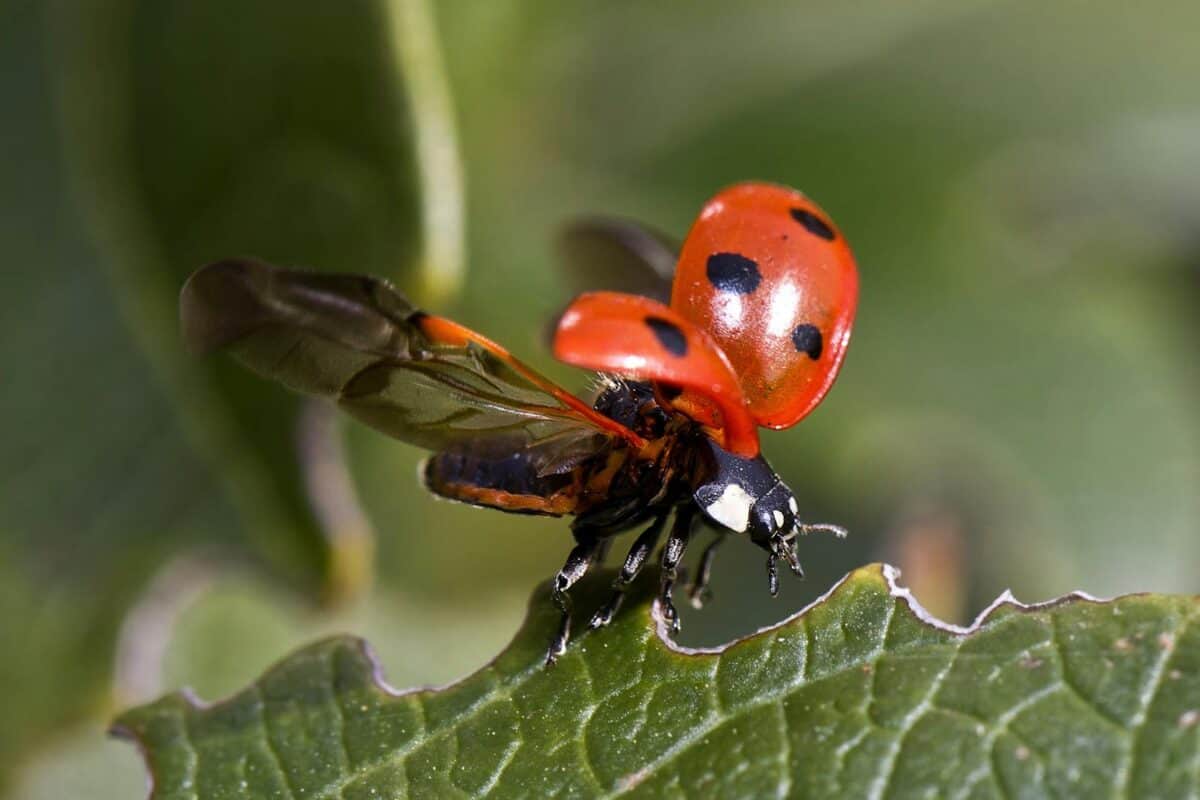
Oklahoma designated the black swallowtail butterfly as its state butterfly, while New York chose the ladybug (nine-spotted lady beetle) as its state insect. Maine’s state butterfly is the mourning cloak, known for its remarkable ability to hibernate through harsh New England winters. Some states have even designated state crustaceans, with Louisiana appropriately selecting the crawfish, central to the state’s cuisine and culture. Maryland honors the blue crab, essential to Chesapeake Bay’s ecosystem and economy. These invertebrate symbols may be small, but they play outsized roles in both ecological systems and cultural identities across America.
Birds of America: Avian State Symbols
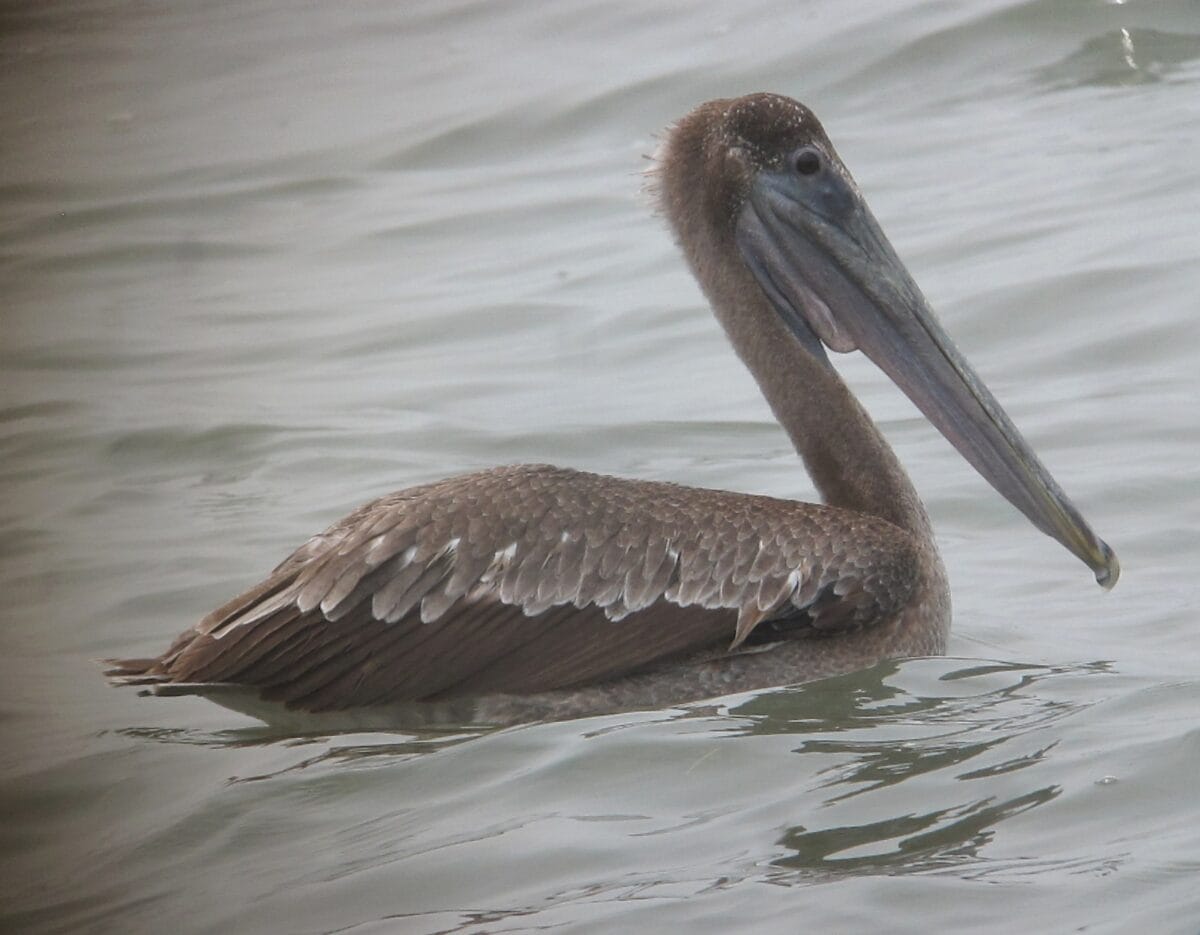
Birds feature prominently among state animal symbols, with every state having designated an official state bird. Some selections clearly reflect local ecosystems and wildlife, while others represent historical or cultural connections. South Carolina chose the Carolina wren, a small but vocal bird with a distinctive teakettle-teakettle call that resonates through the state’s forests and suburbs. Alaska selected the willow ptarmigan, a grouse species that changes from brown summer plumage to pure white in winter—perfectly adapted to the state’s extreme seasonal changes. Louisiana’s brown pelican appears on the state flag and seal, representing resilience after the species recovered from near-extinction due to pesticide poisoning.
Some state bird choices have become amusingly common—the northern cardinal represents seven states, while the western meadowlark serves as the official bird for six western states. Alabama’s yellowhammer (northern flicker) gave the state its nickname “The Yellowhammer State” during the Civil War when Alabama soldiers wore uniforms with yellow trim. Hawaii’s state bird, the nene (Hawaiian goose), is endemic to the islands and has made a remarkable recovery from near extinction. These avian ambassadors not only represent their states officially but often serve as valuable indicators of environmental health, with their populations reflecting broader ecological trends.
Marine Life and Aquatic Representatives

Coastal and Great Lakes states have embraced marine and aquatic life as state symbols, celebrating the economic and ecological importance of their waters. Florida, with its extensive coastline, designated the sailfish as its official saltwater fish, recognizing both the sport fishing industry and this spectacular species known for its prominent dorsal fin and impressive speed. The sailfish can reach speeds up to 68 mph, making it one of the fastest fish in the ocean. Massachusetts honors the cod, acknowledging the fish’s historical importance to the state’s economy—a wooden carving of the “Sacred Cod” has hung in the Massachusetts State House since 1784.
Mississippi selected the bottlenose dolphin as its state water mammal, while North Carolina honors the channel bass (red drum). The Great Lakes states also celebrate their aquatic residents, with Michigan designating the brook trout as its state fish. Louisiana’s official crustacean is the crawfish, central to the state’s culinary identity and the focus of numerous festivals. Alaska recognizes the giant king salmon as its state fish, celebrating a species that can grow to over 100 pounds and supports vital commercial and subsistence fisheries. These aquatic symbols connect Americans to their waterways and highlight the importance of marine conservation in maintaining healthy ecosystems and economies.
Historical Significance of State Animal Choices

Many state animal designations reflect deep historical connections and cultural heritage. Wyoming’s American bison symbolizes the Great Plains’ natural history and the animal’s near-extinction that paralleled the displacement of Native American tribes. The bison’s subsequent recovery represents conservation success and cultural preservation efforts. Massachusetts’ state dog, the Boston Terrier, is the first dog breed developed in America, created in Boston during the late 19th century and reflecting the state’s innovation even in companion animals.
Maryland’s state dog, the Chesapeake Bay Retriever, developed from shipwrecked dogs in the early 19th century, evolved specifically to hunt waterfowl in the icy waters of the Chesapeake Bay. Kentucky’s thoroughbred horse represents the state’s famous horse racing tradition centered around the Kentucky Derby. Pennsylvania’s Great Dane state dog was championed by Governor Tom Wolf, who owned Great Danes himself. South Dakota’s coyote state animal reflects Native American folklore where the coyote often appears as a clever trickster. These historical connections give depth to state animal selections, transforming them from simple symbols into living links to each state’s unique past.
Conclusion: America’s Animal Identity
The tapestry of animals representing America’s 50 states reveals the nation’s remarkable biodiversity and the deep connections between regional identities and local wildlife. From the majestic bison of Wyoming to the resilient alligators of Florida, these animal ambassadors tell stories of ecological adaptation, historical significance, and cultural values that have shaped each state’s development. The selection of endangered species as state symbols demonstrates a growing environmental consciousness, while choices like working animals and livestock reflect America’s agricultural heritage and the practical relationship between humans and animals throughout the nation’s history.
State animal symbols serve multiple purposes beyond mere representation—they educate citizens about local wildlife, promote conservation efforts, and foster state pride. They appear on everything from license plates to tourism materials, becoming visual shorthand for state identity. As climate change and habitat loss continue to threaten biodiversity across the country, these official animal designations take on new significance as rallying points for conservation efforts. In their diversity, America’s state animals collectively represent the nation’s natural heritage—a living treasury of wildlife that enriches the American experience and deserves protection for future generations.
Whether iconic like the California grizzly or humble like Delaware’s grey fox, each state animal contributes to America’s self-image as a nation blessed with extraordinary natural wealth. These creatures, both real and symbolic, remind us that beyond political boundaries and cultural differences, the United States remains united by a shared natural heritage worth celebrating and preserving. As we face environmental challenges in the 21st century, these animal ambassadors may prove more important than ever in inspiring Americans to protect the wild heart of the nation.

From exploring the marine wonders in the Azores and witnessing the vast savannas of Kenya, to delving deep into the rich biodiversity of South Africa and traversing iconic landscapes in Australia and the US like Yellowstone, Chris's experiences are vast.
With a penchant for diving alongside sharks, the ocean holds a special place in his heart.
Through his academic insights, he champions wildlife conservation, striving with 'Animals Around The Globe' to cultivate a profound connection between humans and animals, enhancing our mutual appreciation.
Connect with him at Feedback@animalsaroundtheglobe.com.
- This Monkey Has a Mustache - July 21, 2026
- How Steve Irwin Changed the World’s View of Wildlife - July 21, 2026
- The Catfish That Caused Earthquakes in Japanese Folklore - July 21, 2026