


Throughout human history, animals have played significant roles in mythology and folklore, serving as powerful symbols and spiritual guides. Among these creatures, the lynx stands out as a particularly enigmatic figure in both Native American and Northern European mythological traditions. Known for its keen eyesight, elusive nature, and silent hunting abilities, the lynx emerged as a symbol of heightened perception and visionary powers across diverse cultures. This mysterious feline has been associated with psychic abilities, foresight, and the unveiling of hidden truths—essentially functioning as a seer or prophet in various mythological systems. By exploring the lynx’s symbolic significance across these different cultural contexts, we gain insight into how ancient peoples understood the natural world and its connection to spiritual realms.
The Natural Attributes of the Lynx

The lynx’s physical characteristics and behaviors have profoundly influenced its mythological significance. With its tufted ears, short tail, and remarkably keen vision, the lynx possesses natural attributes that set it apart from other predators. These medium-sized wildcats can see a mouse from 250 feet away in dim light, earning them a reputation as having the sharpest vision in the animal kingdom. Their ability to move silently through dense forests, often unseen by humans, contributed to their mysterious reputation.
The four species of lynx—the Eurasian lynx, Canada lynx, Iberian lynx, and bobcat—share similar characteristics despite their geographic separation. These solitary hunters primarily prey on small mammals and birds, demonstrating patience and precision that ancient cultures interpreted as wisdom and foresight. The lynx’s ability to survive in harsh northern environments also contributed to its association with endurance and resilience in indigenous mythologies, further enhancing its status as a powerful spiritual figure.
The Etymology of “Lynx” and Its Connection to Sight

The very name “lynx” carries significant etymological meaning that reinforces the animal’s connection to vision and perception. The word derives from the Indo-European root “*leuk-” meaning “light, brightness,” which evolved into the Greek word “lynx” (λύγξ). This linguistic origin directly connects the animal with concepts of illumination and clarity. According to Greek tradition, the name references the animal’s luminous eyes that were said to be able to see through solid objects—a literal manifestation of “seeing beyond” that became central to the lynx’s mythological role.
The Latin term “lynceus,” meaning sharp-sighted, also derives from the same root and features in Greek mythology as the name of an Argonaut with exceptional vision who could see things underground. This etymological connection between the lynx and extraordinary sight appears across numerous Indo-European languages, suggesting the deep antiquity of the association between this feline and visionary capabilities. This linguistic evidence provides compelling insight into how ancient peoples conceptualized the lynx as a creature with supernatural perceptive abilities.
The Lynx in Native American Mythology

Among numerous Native American tribes, particularly those in the northern regions of North America, the lynx occupied a special place in spiritual traditions. The Algonquian peoples regarded the lynx as a powerful medicine animal associated with developing secret knowledge and the ability to see what others cannot. In many tribal mythologies, the lynx served as a guardian of secrets and was believed to possess the ability to see through deception—making it both respected and sometimes feared as a revealer of hidden truths.
The Ojibwe people featured the lynx prominently in their clan system, with the Lynx (Bizhiw) Clan being associated with specialized knowledge and teaching. Members of this clan were traditionally respected as seers and healers who could perceive illnesses and cures invisible to others. Similarly, in Cree traditions, the lynx was associated with patience and the development of spiritual insight. These indigenous perspectives on the lynx highlight its consistent association with heightened perception across diverse Native American cultural contexts, suggesting a widespread recognition of the animal’s symbolic connection to visionary capabilities.
The Lynx as Diviner in Anishinaabe Traditions
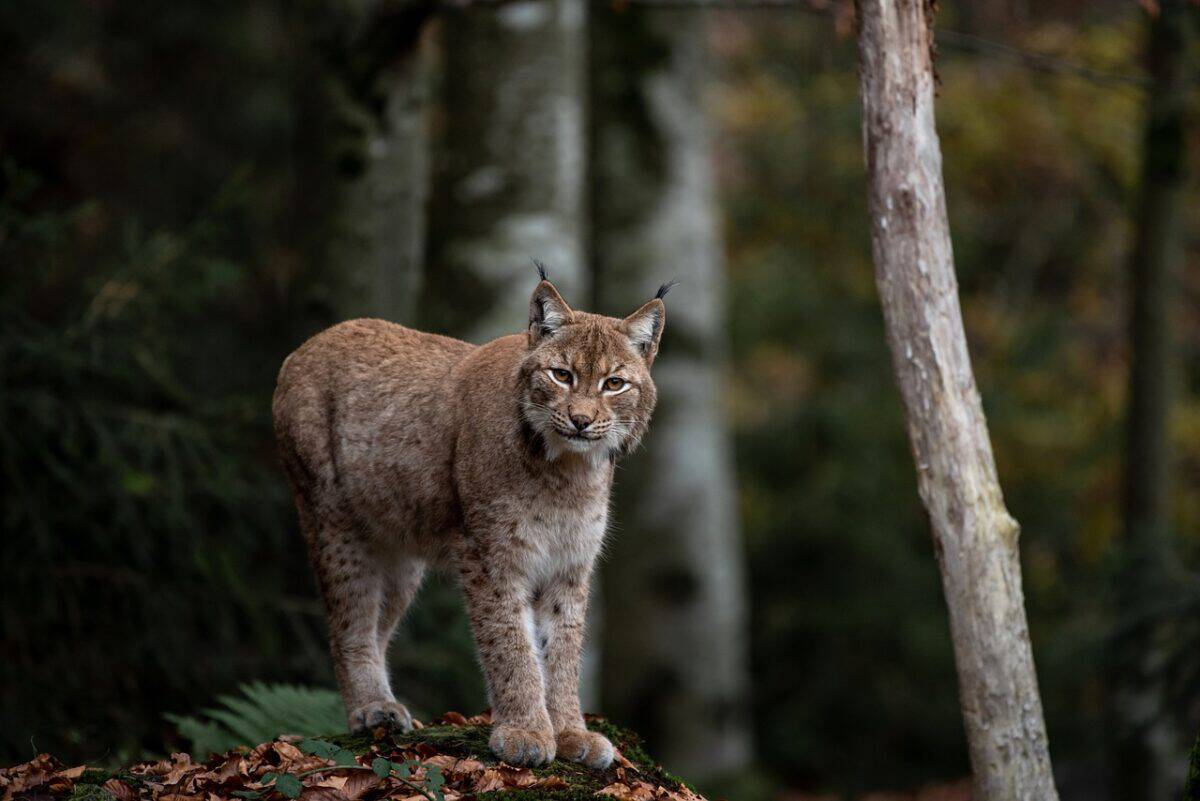
In Anishinaabe traditions, which encompass Ojibwe, Potawatomi, and Odawa cultures, the lynx holds particular significance as a diviner and keeper of secrets. According to their stories, Bizhiw (the lynx) possesses the ability to see beyond the physical world into the spiritual realm. This perception allows the lynx to function as an intermediary between worlds, carrying messages from the spirit world to humans. Medicine people and spiritual leaders would sometimes call upon the spirit of the lynx when seeking guidance about the future or trying to understand difficult situations requiring deeper insight.
Anishinaabe teachings suggest that lynx medicine brings the gift of seeing through illusion and deception. Those born under the influence of the lynx or who encounter it as a spirit guide are believed to develop heightened intuition and the ability to recognize truth even when disguised. The silent, watchful nature of the lynx in these traditions symbolizes contemplation and the gathering of wisdom through careful observation—attributes considered essential for those seeking to understand hidden spiritual truths. This portrayal of the lynx as a seer and truth-revealer demonstrates how indigenous peoples recognized and honored the unique perceptive qualities of this elusive wildcat.
Norse Mythology and the Lynx Connection
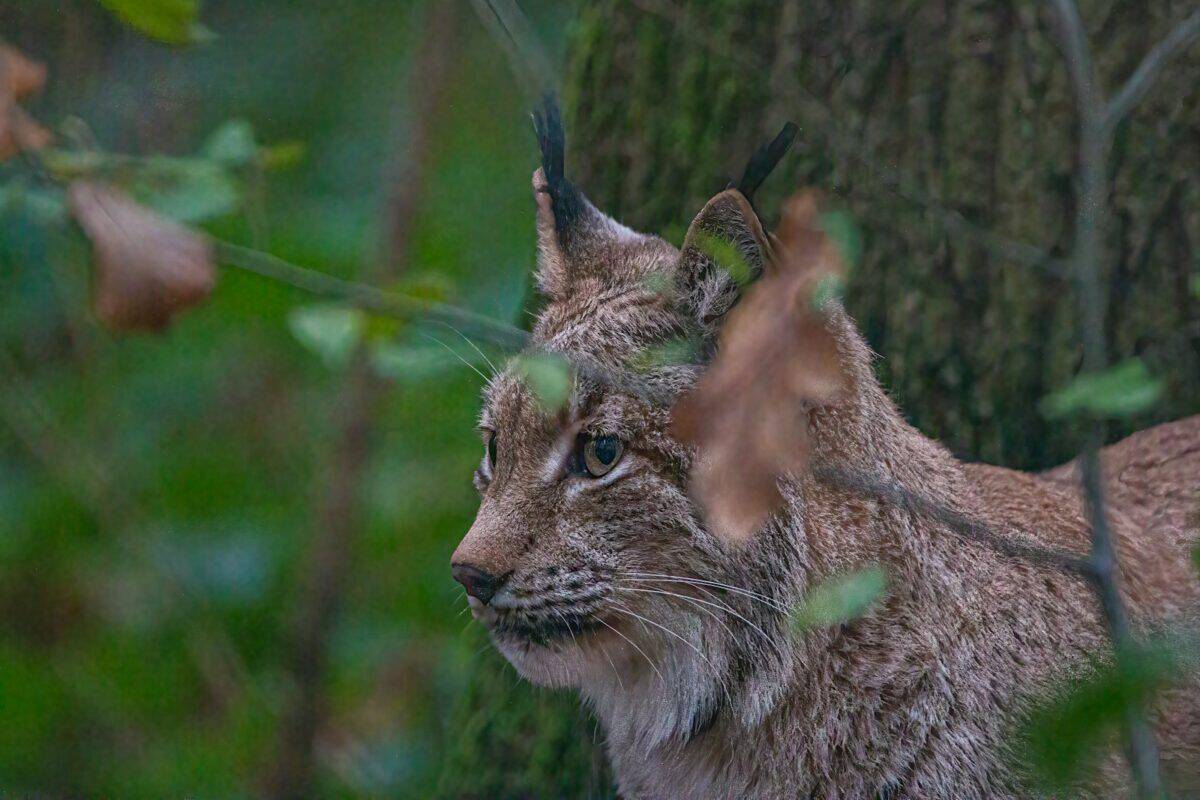
In Norse mythology, the lynx holds a significant association with the goddess Freyja, who was one of the most powerful deities in the Norse pantheon. According to some interpretations of the Norse sagas, Freyja sometimes traveled in a chariot pulled by cats that many scholars believe were intended to represent lynxes rather than domestic cats. This connection is meaningful because Freyja herself possessed abilities of prophecy and foresight, being closely associated with seiðr—a form of Norse magic concerned with telling and shaping the future. The lynx’s role as her sacred animal reinforced its connection to divination and second sight.
The Old Norse term for lynx, “gaupr,” appears in various place names and poetic contexts suggesting the animal’s cultural importance. In the harsh Scandinavian environments where survival required exceptional awareness and foresight, the lynx’s hunting prowess and keen senses made it a natural symbol of heightened perception. Some Norse folktales describe the lynx as an animal that could predict weather changes and warn of impending dangers—abilities that positioned it as a creature with prophetic talents. This Nordic understanding of the lynx as a seer parallels similar concepts in Native traditions, despite the geographical separation of these cultures.
Sami People and the Revered Lynx

Among the Sami people, indigenous inhabitants of the far northern regions of Scandinavia and Russia, the lynx (albas in Northern Sami) was traditionally considered a sacred animal with powerful spiritual properties. The Sami, who maintained animistic beliefs that recognized spirits in natural entities, viewed the lynx as possessing exceptional spiritual power due to its elusive nature and ability to thrive in extreme arctic conditions. Sami shamans, known as noaidi, reportedly sought the assistance of lynx spirits during trance journeys to access hidden knowledge and glimpse future events.
Archaeological evidence from ancient Sami sites has revealed lynx teeth and claws used as amulets and ceremonial objects, suggesting the animal’s spiritual importance. These items were believed to transfer the lynx’s perceptive abilities to the wearer, enhancing their own capacity for insight and foresight. Some Sami legends describe the lynx as being able to move between worlds, making it a valuable ally for shamans who needed to traverse different planes of existence to retrieve lost souls or gather information from the spirit realm. This reverence for the lynx as a being with exceptional spiritual vision demonstrates the consistent cross-cultural recognition of the animal’s symbolic association with seership.
The Lynx in Finnish and Karelian Folklore
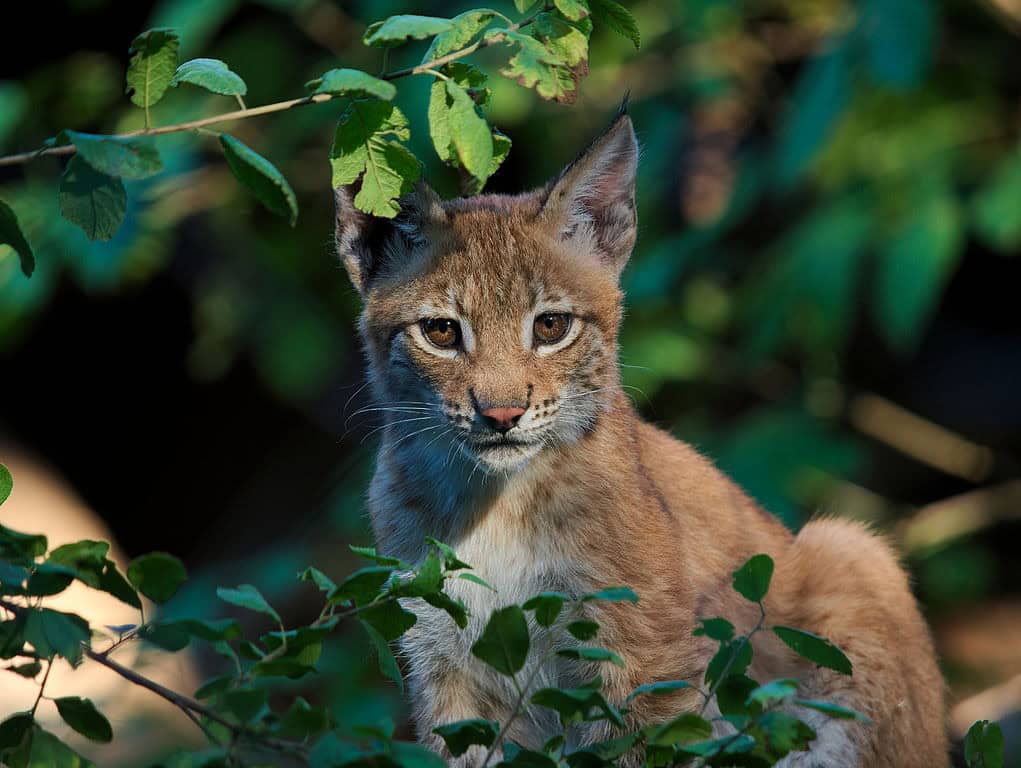
Finnish and Karelian folklore presents the lynx (ilves in Finnish) as a creature with connections to the mystical realm. In the epic Finnish poem “Kalevala,” which compiles ancient oral traditions of the Finnish people, references to the lynx position it as an animal with connections to the tietäjä—seers or “knowers” who possessed supernatural wisdom. These traditional spiritual practitioners were said to be able to transform into lynxes or call upon lynx spirits to enhance their divinatory abilities, particularly when seeking to locate lost objects or persons.
According to Finnish folk beliefs, encountering a lynx in the forest was considered an omen that required careful interpretation, as the animal was thought to appear only when it had something to reveal. Finnish hunters traditionally practiced specific rituals when hunting lynx, acknowledging its spiritual power and seeking to appease its spirit. Some regional Finnish tales describe the lynx as possessing “second hearing” to complement its exceptional vision—the ability to perceive sounds from other realms or from great distances. This additional sensory gift further enhanced the lynx’s reputation as a creature with supernatural perceptive abilities that transcended normal limitations.
The Lynx in Baltic and Slavic Traditions
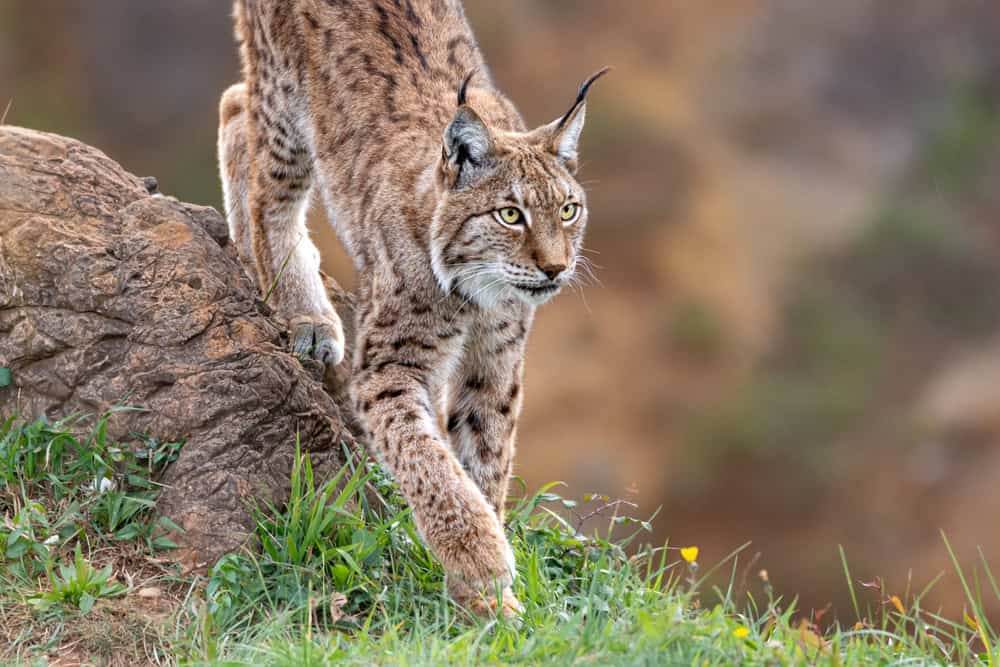
In Baltic and Slavic mythological systems, the lynx maintained its association with heightened perception while developing some unique regional characteristics. Lithuanian folklore portrayed the lynx (lūšis) as a creature connected to the forest spirits and associated with the god of the wilderness. Similarly, in Latvian traditions, the lynx was considered a sentinel of the forest with the ability to perceive supernatural entities invisible to human eyes. This watchful role positioned the lynx as a protector against harmful spirits and a warner of spiritual dangers.
In some Slavic regions, particularly in Russia and Ukraine, folk beliefs suggested that a lynx could detect a person’s true nature or hidden intentions—seeing through disguises and illusions to reveal someone’s authentic character. This belief led to the use of lynx imagery in protective talismans designed to guard against deception. Interestingly, some Slavic tales described the lynx’s gaze as having the power to temporarily transfer its visionary abilities to humans who made eye contact with it—a dangerous but potentially enlightening experience that could grant glimpses of future events or hidden truths. These traditions further demonstrate the widespread association of the lynx with extraordinary perception across Northern European cultural contexts.
Medieval European Symbolism of the Lynx

During the Medieval period in Europe, the symbolic understanding of the lynx became intertwined with Christian symbolism while maintaining many of its earlier pagan associations. Bestiaries—illustrated compendiums of animals both real and imagined—often featured the lynx as a creature with the remarkable ability to see through walls and even penetrate the earth with its gaze. According to these texts, the lynx’s urine solidified into precious stones (likely a reference to amber or lynx-eye gemstones), which were believed to enhance the wearer’s vision and perception.
The medieval symbolism of the lynx also extended to alchemical traditions, where the animal represented penetrating insight and the ability to perceive the hidden nature of substances—qualities essential to the alchemical pursuit. The 16th-century scientific academy founded by Federico Cesi chose to call itself the “Academy of the Lynx-Eyed” (Accademia dei Lincei), selecting the lynx as its emblem specifically because of the animal’s association with exceptional vision and perception. This choice reflected the continuing cultural understanding of the lynx as a symbol of heightened awareness and the ability to see what remains hidden to others—a conceptualization that bridged ancient mythological beliefs and emerging scientific inquiry.
Comparative Analysis of Cross-Cultural Lynx Symbolism

When examining the lynx’s role as a seer across Native American and Northern European traditions, striking parallels emerge despite the geographic separation of these cultures. In both contexts, the lynx consistently represents exceptional perception that transcends ordinary limitations—whether physical, temporal, or dimensional. This convergent symbolism suggests that the lynx’s natural characteristics universally inspired similar spiritual interpretations across disparate human communities. The animal’s ability to hunt successfully in darkness, move silently, and remain largely unseen by humans provided a natural foundation for attributing supernatural perceptive abilities to it.
Cultural differences do emerge in how these perceptive abilities were contextualized. In Native American traditions, the lynx’s vision often connected to shamanic practices and tribal wisdom traditions, with an emphasis on healing and maintaining community harmony. In Northern European contexts, particularly during the medieval period, the lynx’s perception became more closely associated with scientific discovery and the unveiling of natural secrets. Despite these differing applications, the core symbolic association remained remarkably consistent: the lynx as a being capable of seeing beyond ordinary limitations to access hidden truths. This cross-cultural consistency highlights how certain animals with distinctive characteristics naturally evoke similar symbolic interpretations across diverse human communities.
Contemporary Interpretations and Cultural Legacy

In modern contexts, the lynx’s historical association with seership and heightened perception continues to influence cultural representations and spiritual practices. Contemporary nature-based spiritual movements often include the lynx as a power animal or spirit guide associated with clairvoyance, psychic development, and the unveiling of secrets. The animal appears in modern tarot and oracle card decks as a symbol of intuition and the ability to see through deception. Some modern practitioners of various neo-shamanic traditions invoke lynx energy when seeking clarity or attempting to develop psychic abilities.
The lynx’s legacy as a seer also extends to contemporary environmental symbolism, where its elusive nature and declining populations have transformed it into a symbol of wilderness awareness and conservation consciousness. The ability to “see like a lynx” has become metaphorical for developing ecological awareness and recognizing environmental threats that others might miss. Organizations dedicated to lynx conservation sometimes reference the animal’s historical spiritual significance to emphasize its cultural importance alongside its ecological value. This modern reinterpretation of the lynx as a seer demonstrates how ancient mythological associations can evolve to remain relevant in contemporary contexts while maintaining their essential symbolic core.
Conclusion: The Enduring Vision of the Lynx
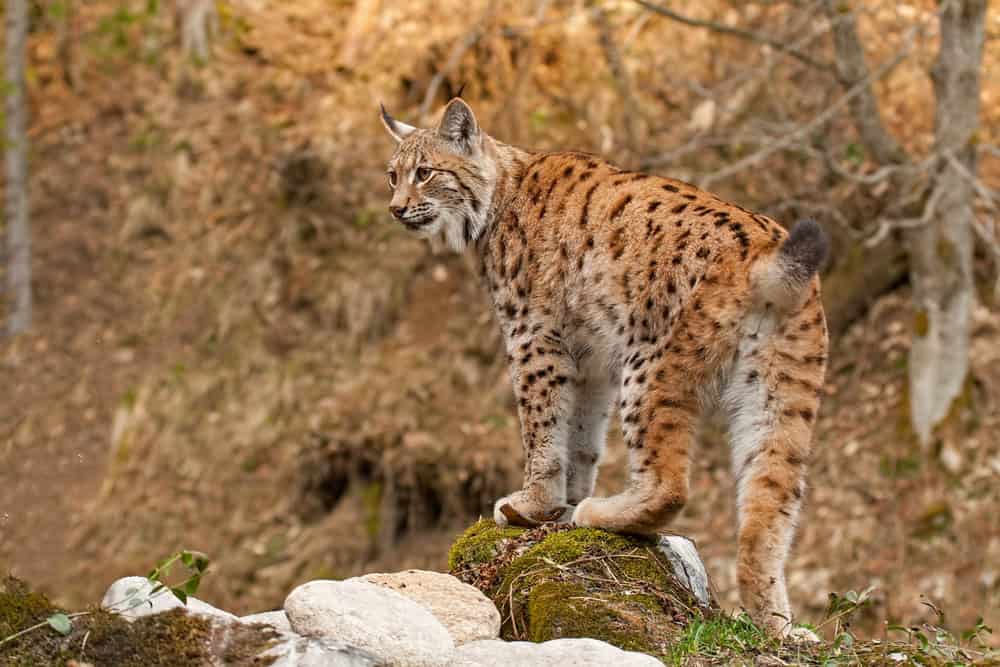
The lynx’s role as a seer in both Native American and Northern European mythological traditions reveals the profound impact this elusive wildcat has had on human spiritual understanding across continents and millennia. From the forests of North America to the taiga of Scandinavia, diverse cultures independently recognized something special in the lynx’s penetrating gaze and mysterious nature—attributes that transcended its physical capabilities to represent deeper spiritual concepts of perception and truth-seeking. This cross-cultural symbolic consistency suggests that certain animals naturally evoke specific archetypal associations in the human mind based on their distinctive characteristics and behaviors.
As we continue to navigate an increasingly complex world filled with misinformation and obscured truths, the symbolism of the lynx as a seer remains surprisingly relevant. The ability to see clearly through confusion, to perceive what lies beneath surface appearances, and to access deeper wisdom continues to be a valued skill across cultural contexts. The lynx reminds us that heightened perception requires patience, stillness, and careful observation—qualities that seem increasingly rare in our fast-paced modern world. Perhaps in reconnecting with these ancient symbolic understandings of the lynx, we might reclaim some of the perceptive wisdom that our ancestors recognized in this remarkable feline seer.

From exploring the marine wonders in the Azores and witnessing the vast savannas of Kenya, to delving deep into the rich biodiversity of South Africa and traversing iconic landscapes in Australia and the US like Yellowstone, Chris's experiences are vast.
With a penchant for diving alongside sharks, the ocean holds a special place in his heart.
Through his academic insights, he champions wildlife conservation, striving with 'Animals Around The Globe' to cultivate a profound connection between humans and animals, enhancing our mutual appreciation.
Connect with him at Feedback@animalsaroundtheglobe.com.
- Why Spiders Don’t Get Stuck in Their Own Webs - July 20, 2026
- What Scientists Found in a 10,000-Year-Old Beehive - July 20, 2026
- This Spider Builds Fake Decoys of Itself - July 20, 2026