

The ocean’s majestic beauty often masks the primal drama unfolding beneath its surface. While shark attacks remain statistically rare—with typically fewer than 100 unprovoked attacks recorded globally each year—certain coastlines have gained notoriety for higher-than-average shark activity. These beaches, spanning multiple continents and climates, have earned their reputation through a combination of environmental factors, shark migration patterns, and sometimes, unfortunately, through tragic encounters between humans and these apex predators. Understanding these hotspots isn’t about stoking fear but rather promoting awareness, respect for marine ecosystems, and the knowledge needed for humans and sharks to coexist safely in shared waters.
New Smyrna Beach, Florida – The “Shark Attack Capital of the World”
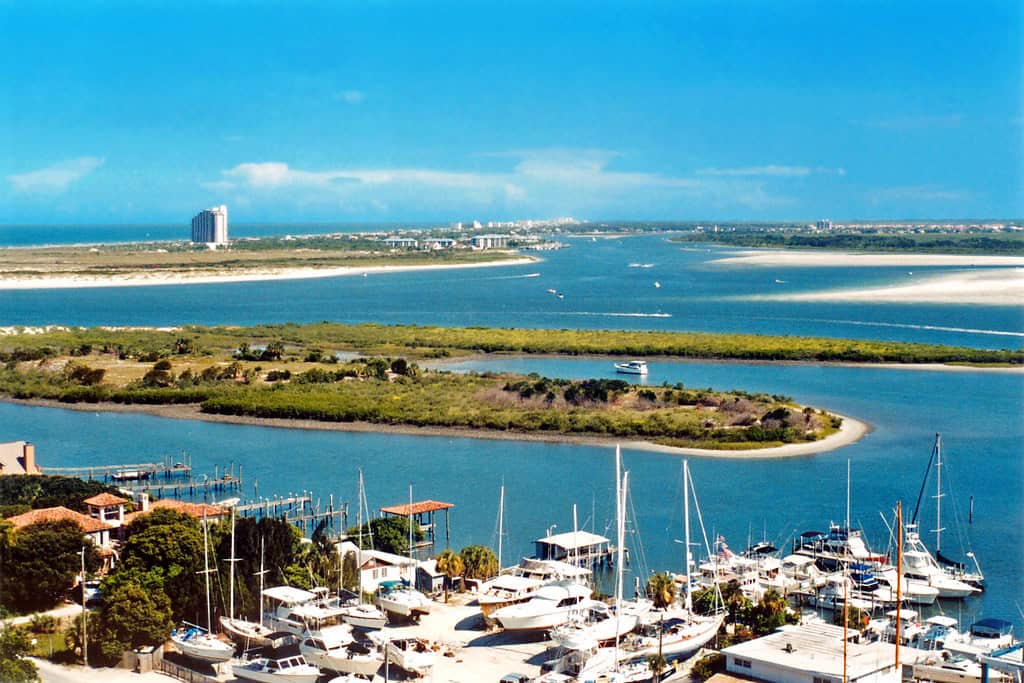
New Smyrna Beach in Florida has earned the ominous distinction of being the “Shark Attack Capital of the World.” This seemingly peaceful stretch of Atlantic coastline accounts for more shark attacks than any other beach globally, with over 300 documented incidents in recorded history. The International Shark Attack File reports that anyone who has swum at New Smyrna Beach has likely been within 10 feet of a shark, often without realizing it.
The high concentration of attacks stems from several factors. The beach’s location near Ponce Inlet creates ideal conditions for baitfish to congregate, naturally attracting bull sharks and blacktip sharks. Additionally, the murky, stirred-up waters reduce visibility, increasing the likelihood of sharks mistaking swimmers and surfers for their natural prey. Despite the alarming statistics, most attacks at New Smyrna are “hit-and-run” incidents where sharks quickly realize humans aren’t their intended food source, resulting in bites rather than fatal attacks.
Recife, Brazil – Urban Shark Encounter Zone
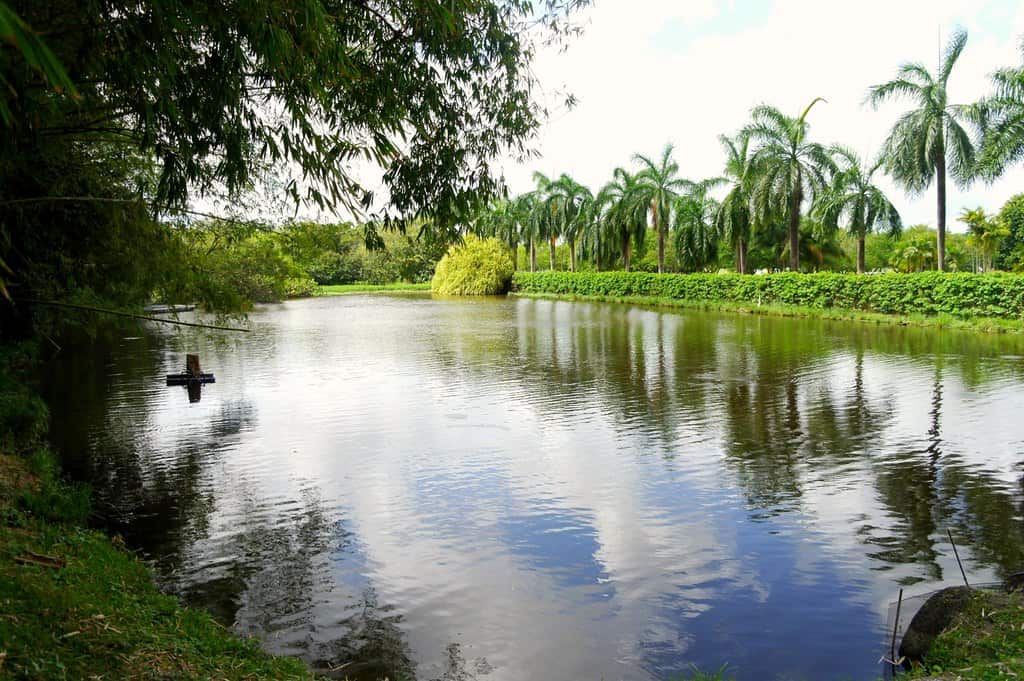
Recife, a major urban center in northeastern Brazil, has become notorious for one of the highest rates of fatal shark attacks in the world. Since 1992, the 20-kilometer stretch of coastline has recorded over 60 shark attacks with a mortality rate approaching 40%—significantly higher than the global average of 6%. Bull sharks and tiger sharks, both species known for their size and powerful bite force, are the primary species responsible for these incidents.
Experts attribute Recife’s shark problem to a complex combination of environmental changes. The construction of Port Suape to the south disrupted traditional shark habitats and migration routes. Additionally, slaughterhouses along the Jaboatão River discharge animal waste into waters near popular beaches, attracting sharks closer to shore. Despite the implementation of a shark monitoring program called Shark Monitoring Program of Recife (SMPR) and various preventative measures, including nets and watchtowers, Recife remains one of the world’s most dangerous coastlines for shark encounters.
Second Beach, Port St. Johns, South Africa
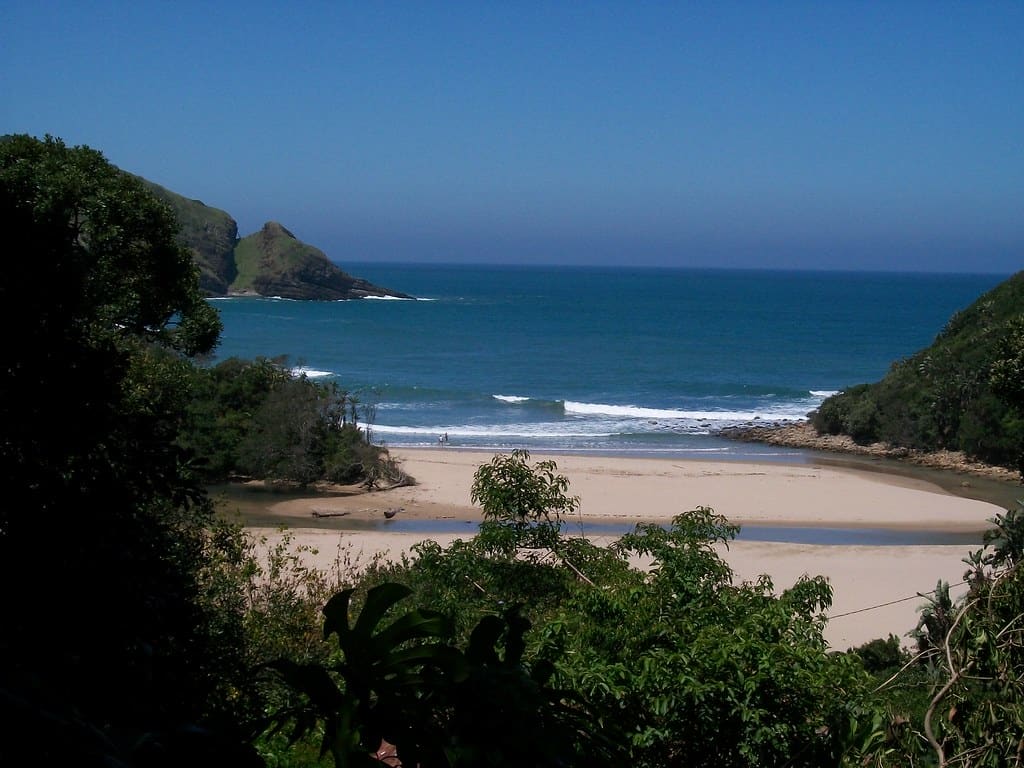
Second Beach in Port St. Johns, Eastern Cape, South Africa, has earned the grim nickname “the world’s deadliest beach” due to its exceptionally high fatality rate from shark attacks. Between 2007 and 2016, this small stretch of coastline experienced eight fatal attacks, primarily from bull sharks, locally known as Zambezi sharks. What makes Second Beach particularly dangerous is not just the frequency of attacks but their severity—many incidents have been fatal rather than mere bites.
Several environmental factors contribute to this beach’s danger. The nearby Umzimvubu River creates a murky estuary environment ideal for bull sharks, which are well-adapted to low visibility conditions and can tolerate freshwater. Traditional animal sacrifices performed along the river may also attract sharks to the area. Despite its dangers, local economic dependency on tourism has complicated closure efforts, though warning systems and education programs have been implemented to reduce risks for those who venture into these treacherous waters.
Reunion Island – A Modern Shark Crisis
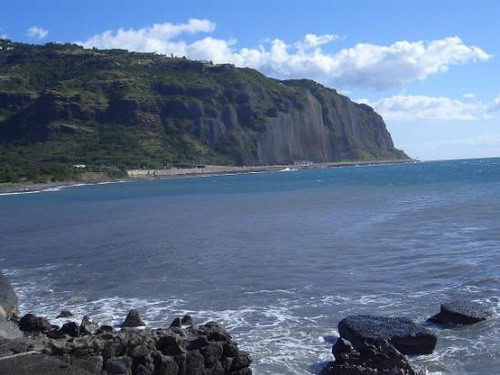
Reunion Island, a French territory in the Indian Ocean, has experienced one of the most dramatic increases in shark attacks of any location worldwide. Since 2011, this tropical paradise has recorded 30 attacks, 11 of which were fatal—a startling statistic for an island of just 865 square kilometers. Bull sharks and tiger sharks are the primary species involved in these incidents, with surfers and boarders being the most frequent victims.
Scientists point to several contributing factors for this surge in attacks. The creation of a marine reserve in 2007 prohibited fishing in certain areas, potentially allowing shark populations to increase. Agricultural runoff and urban development have altered coastal ecosystems, while changes in water temperature and clarity may have affected shark behavior. The crisis has severely impacted local water sports and tourism industries, prompting authorities to implement controversial culling programs and to install anti-shark nets at popular beaches. Despite these measures, Reunion Island remains one of the world’s most high-risk locations for shark encounters.
Western Australia’s Shark Alley
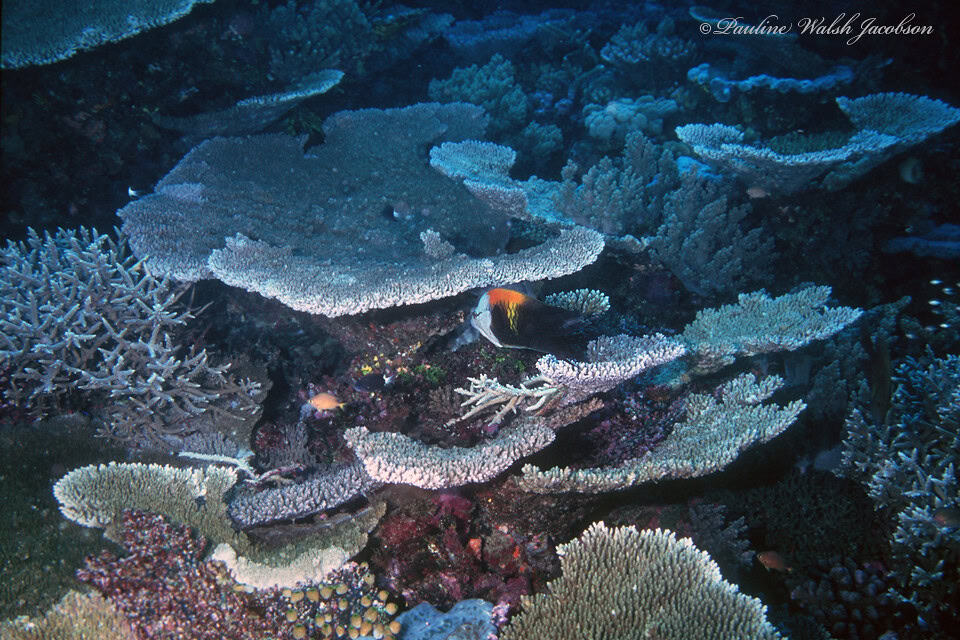
Western Australia’s coastline has earned the ominous nickname “Shark Alley” due to a series of fatal attacks since 2000, particularly concentrated around the Perth and Margaret River regions. Great white sharks, which can grow to over 20 feet in length, are the primary species responsible for fatal encounters in these waters. The region has recorded more than 15 fatal attacks since 2000, with a particularly concerning cluster occurring between 2010 and 2017.
The prevalence of sharks in this region is attributed to several factors. Western Australia features major seal colonies—a preferred food source for great whites—and lies along migratory routes for these apex predators. The continental shelf’s proximity to shore in certain areas brings deeper-water sharks closer to swimming and surfing zones. In response to the attacks, the Western Australian government has implemented various safety measures, including helicopter patrols, tagging programs, and “smart” drumlines designed to catch and relocate sharks rather than kill them. The debate between conservation efforts and public safety continues to shape policy in this shark hotspot.
North Shore of Oahu, Hawaii
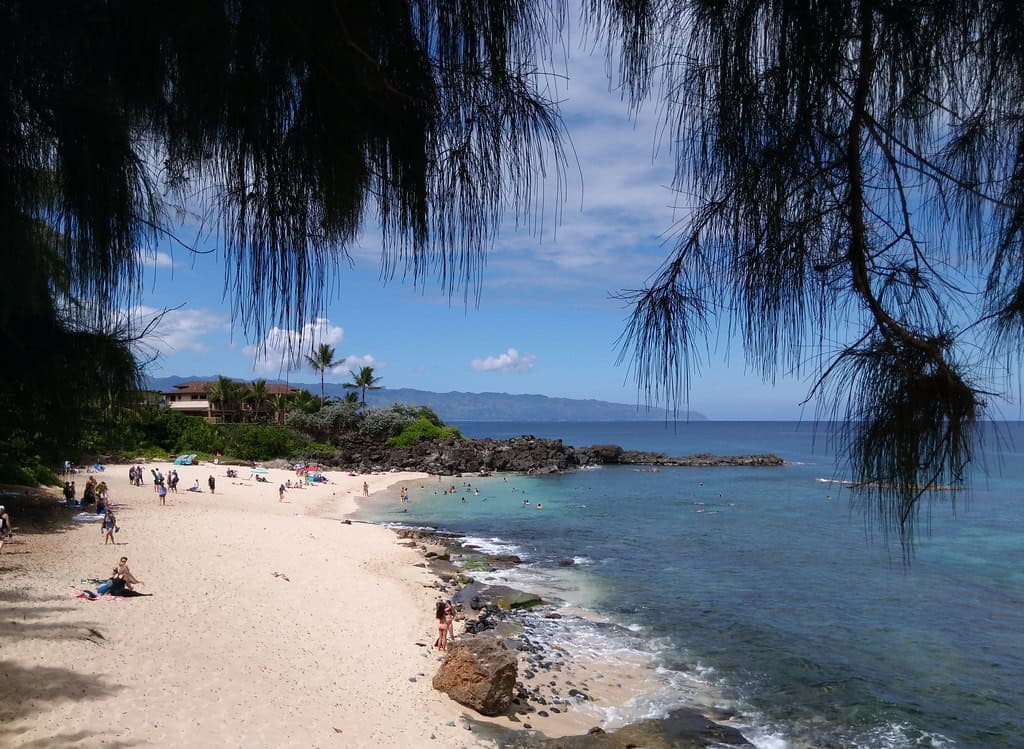
Hawaii’s North Shore of Oahu combines world-class surfing with significant shark activity, creating a complex relationship between humans and these marine predators. Galapagos sharks and tiger sharks are frequently spotted in these waters, with the latter being responsible for the majority of serious attacks. October through December—coinciding with tiger shark pupping season—shows historically higher incident rates, earning this period the local nickname “Sharktober.”
Several factors contribute to shark presence around the Hawaiian islands. The volcanic archipelago creates steep underwater dropoffs close to shore, allowing pelagic shark species easy access to nearshore environments. Traditional Hawaiian culture recognized this relationship, viewing sharks as ‘aumakua’ or family guardians deserving of respect rather than fear. Modern management approaches include shark research programs, spotting networks, and public education about shark behavior. Despite occasional incidents, Hawaii maintains a balance between appreciating these apex predators and implementing reasonable safety precautions for ocean users.
Kosi Bay, South Africa
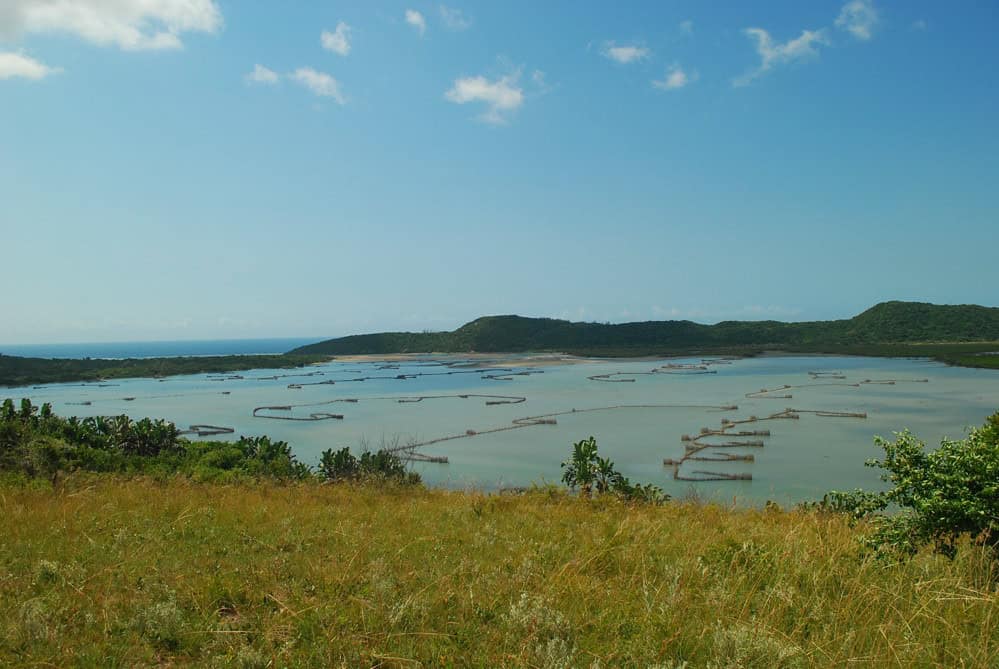
Kosi Bay, located in the northern reaches of South Africa’s KwaZulu-Natal province, represents one of Africa’s most significant shark hotspots outside of the more famous Cape waters. This complex estuarine system connecting to the Indian Ocean creates ideal hunting grounds for bull sharks (Zambezi sharks) and blacktip sharks. The region’s unique geography—featuring a series of interconnected lakes that gradually blend with the ocean—allows bull sharks to penetrate surprisingly far inland, a behavior rarely seen elsewhere in such complexity.
What makes Kosi Bay particularly notable is the traditional fish trapping system used by local Thonga people for over 700 years. These fish traps inadvertently create concentrated feeding areas that attract sharks. While attack statistics are lower than at some other notorious beaches, the high density of sharks, particularly during summer months, makes this area a recognized hotspot for researchers and a place where ocean users should maintain heightened awareness. Conservation efforts in the region now focus on balancing traditional fishing practices with shark management and ecotourism opportunities.
Bolinas Beach, California
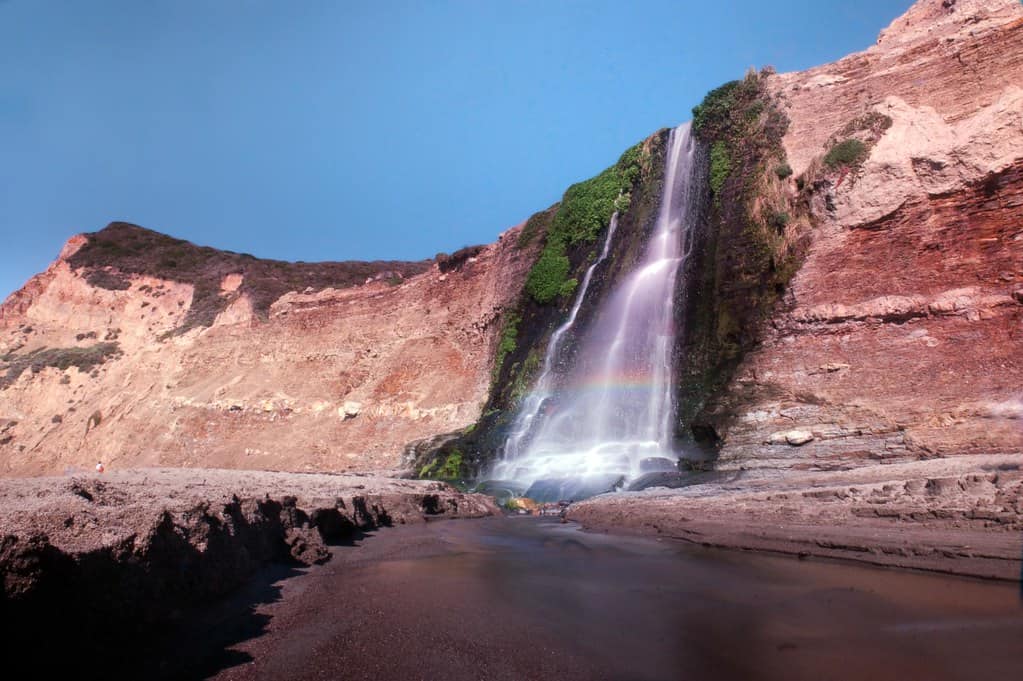
Bolinas Beach, located just north of San Francisco, sits within the “Red Triangle”—a region notorious for having one of North America’s highest concentrations of great white sharks. This area, stretching from Bodega Bay, past the Farallon Islands, to Big Sur, encompasses Bolinas and several other beaches where shark encounters occur with concerning frequency. The cold, nutrient-rich waters support abundant marine life, including large seal and sea lion colonies that attract great whites.
What distinguishes Bolinas from other California beaches is its proximity to a deep underwater trench that allows sharks to approach shore with minimal warning. Additionally, seasonal salmon runs bring sharks closer to areas frequented by surfers and swimmers. While Bolinas doesn’t have the highest number of recorded attacks in California (that distinction belongs to Surf Beach in Santa Barbara County), shark researchers consistently identify it as a high-activity zone for great white sharks, particularly during the September to November peak season. Local authorities have implemented drone monitoring programs and educational initiatives to reduce risk without restricting beach access.
Byron Bay, Australia
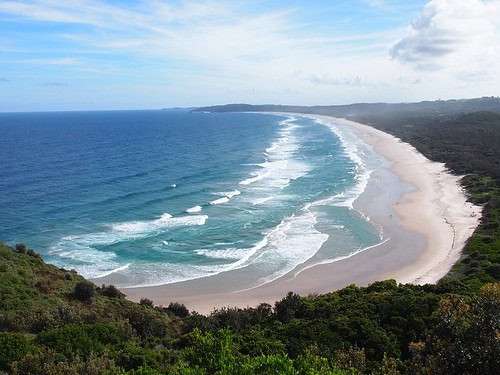
Byron Bay, a picturesque coastal town in New South Wales, Australia, has experienced a concerning uptick in shark activity over the past decade. This popular surfing destination has recorded multiple serious attacks, primarily involving great white and bull sharks. The area’s unique geography, where the continental shelf narrows, brings deeper waters—and the sharks that inhabit them—unusually close to shore. Satellite tracking has revealed that Byron Bay sits along a “shark highway” used by migrating great whites traveling between southern Australia and Queensland.
Local environmental factors amplify the risk at Byron Bay. The nearby Cape Byron Marine Park protects fish populations, creating a healthy ecosystem that naturally supports more apex predators. Whale migration routes passing close to shore bring sharks that follow these mammoth mammals for feeding opportunities. In response to several fatal incidents, authorities have implemented one of Australia’s most comprehensive shark management programs, including drone surveillance, SMART drumlines, tagging initiatives, and real-time monitoring apps to alert beachgoers about shark sightings. Despite these measures, Byron Bay remains one of Australia’s most notorious shark hotspots.
Beaches of Chatham, Massachusetts
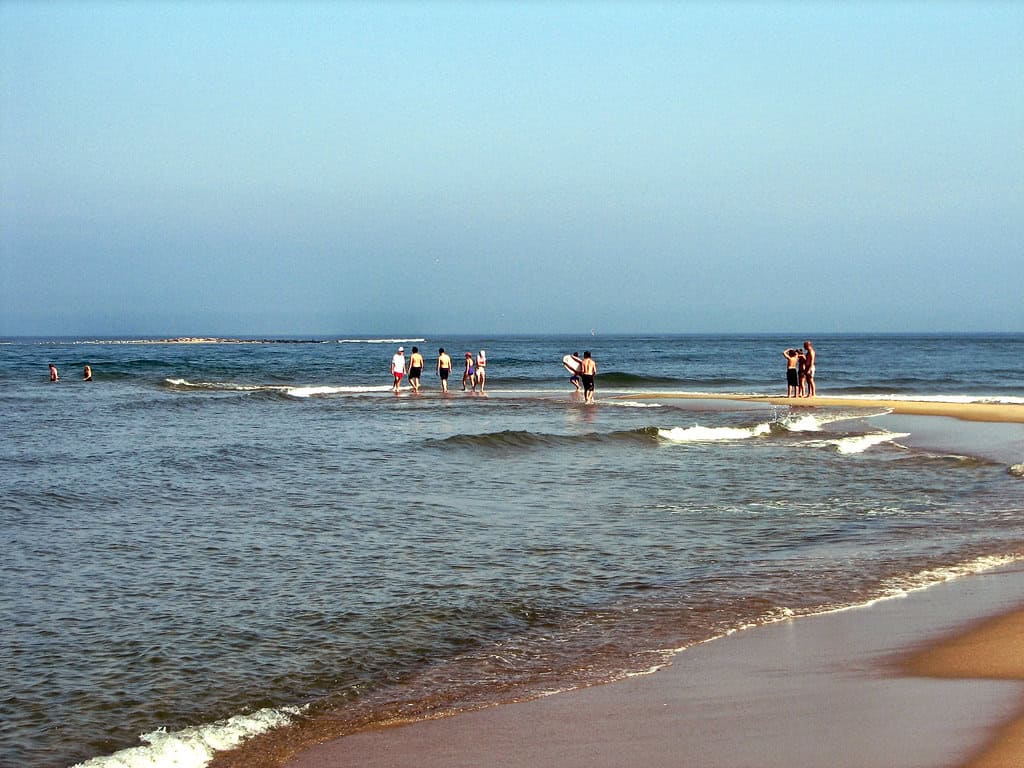
The beaches surrounding Chatham, Massachusetts, particularly those along the eastern shore of Cape Cod, have experienced a dramatic transformation in the past decade, becoming one of the Atlantic’s most active great white shark territories. The catalyst for this change was the rebounding gray seal population following the implementation of the Marine Mammal Protection Act. As seal colonies flourished around Monomoy Island and other Chatham shores, great white sharks—which had historically been rare in New England waters—began appearing in significant numbers to prey on this abundant food source.
The situation escalated in 2018 when Massachusetts experienced its first fatal shark attack in over 80 years at nearby Newcomb Hollow Beach in Wellfleet. Scientists from the Atlantic White Shark Conservancy now track hundreds of individual great whites in these waters annually, with peak activity occurring from July through October. Local authorities have responded with intensive public education campaigns, improved emergency response protocols, and beach management strategies such as limiting swimming depth rather than closing beaches entirely. The Chatham area now represents a complex case study in human-wildlife conflict management as communities adapt to the return of an apex predator.
Umhlanga Rocks, South Africa
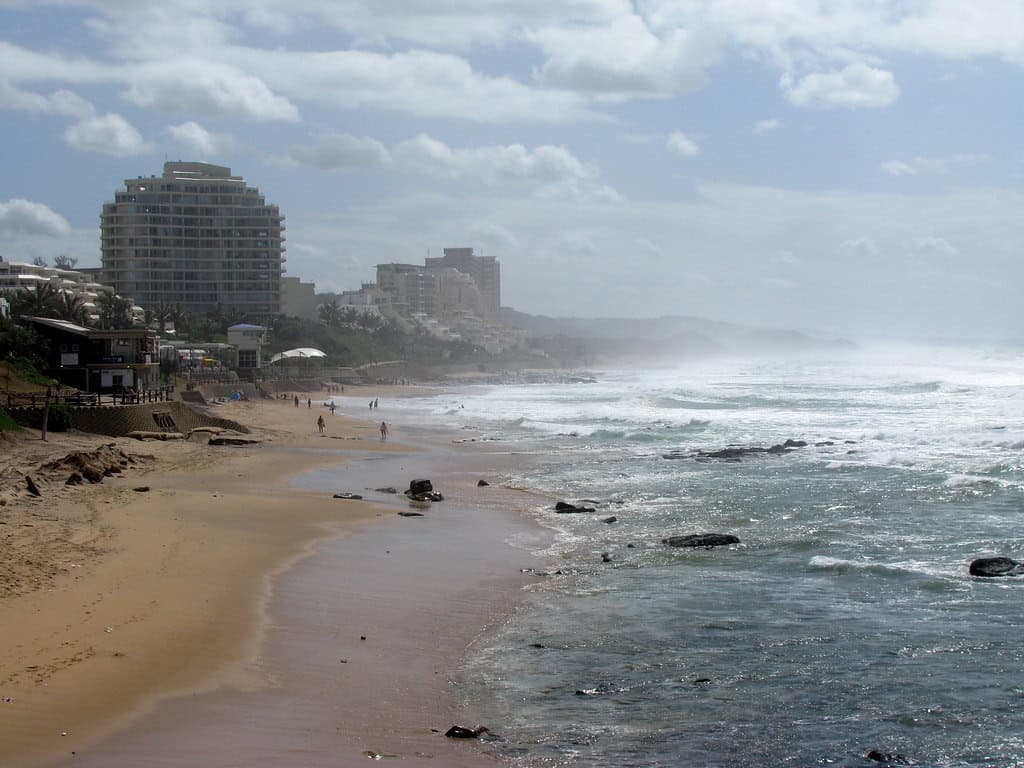
Umhlanga Rocks, located north of Durban on South Africa’s eastern coast, represents one of the country’s more complex shark management challenges. Unlike some beaches that became infamous after a single catastrophic incident, Umhlanga’s reputation developed gradually as it sits within the operational area of the KwaZulu-Natal Sharks Board—an organization formed specifically to manage shark-human interactions along this coastline. The warm Indian Ocean waters attract diverse shark species, including bull sharks, tiger sharks, and occasionally great whites.
What makes Umhlanga unique is its extensive shark protection system. The beach utilizes a network of nets and drumlines designed to reduce shark presence in swimming areas—a controversial approach that has successfully reduced attacks but raises ecological concerns. The nets do not create a complete barrier but rather work by reducing shark populations in the immediate vicinity. This management approach has expanded beyond simple shark control to include extensive research programs that have contributed significantly to our understanding of shark behavior and biology. Umhlanga demonstrates how a beach can have high shark activity while maintaining relatively low incident rates through intensive management—though this balance comes with ongoing debates about marine conservation priorities.
Understanding Shark Behavior and Minimizing Risk
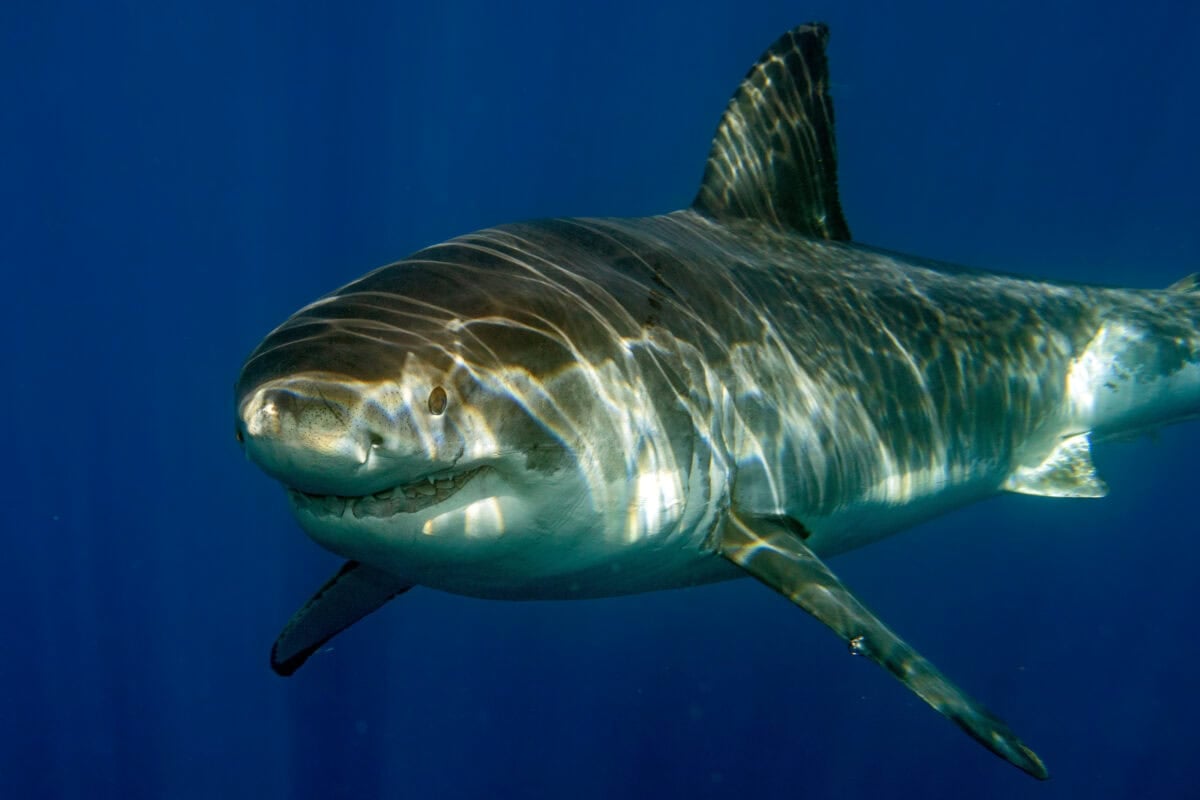
Understanding why sharks attack is crucial for risk management at beaches worldwide. Contrary to popular belief, sharks rarely target humans as prey—most incidents result from exploratory bites when sharks mistake humans for their natural food sources. Factors that increase risk include swimming at dawn or dusk (prime shark feeding times), entering the water with open wounds, wearing high-contrast clothing or shiny jewelry that may resemble fish scales, and swimming in areas where fishing activities or river mouths attract sharks.
Scientists and safety experts recommend several strategies to minimize shark encounter risks. Swim in groups, as sharks are more likely to approach lone individuals. Avoid areas with known baitfish schools, seals, or fishing activity. Respect beach closures and shark warnings from authorities. Most importantly, educate yourself about the specific shark species and risks at your local beaches. Modern technology also offers new safety options, including personal electronic shark deterrents that create electromagnetic fields to discourage approaching sharks, though their effectiveness varies by species and situation. Remember that while these infamous beaches have higher-than-average shark activity, attacks remain statistically rare events compared to other ocean hazards like rip currents and drowning.

- This River Delta Is a Magnet for Endangered Birds - July 17, 2026
- New Fossils in Baja California Reveal a Never-Before-Seen Grouper - July 17, 2026
- The Most Venomous Animal on Land—And How It Kills - July 17, 2026