

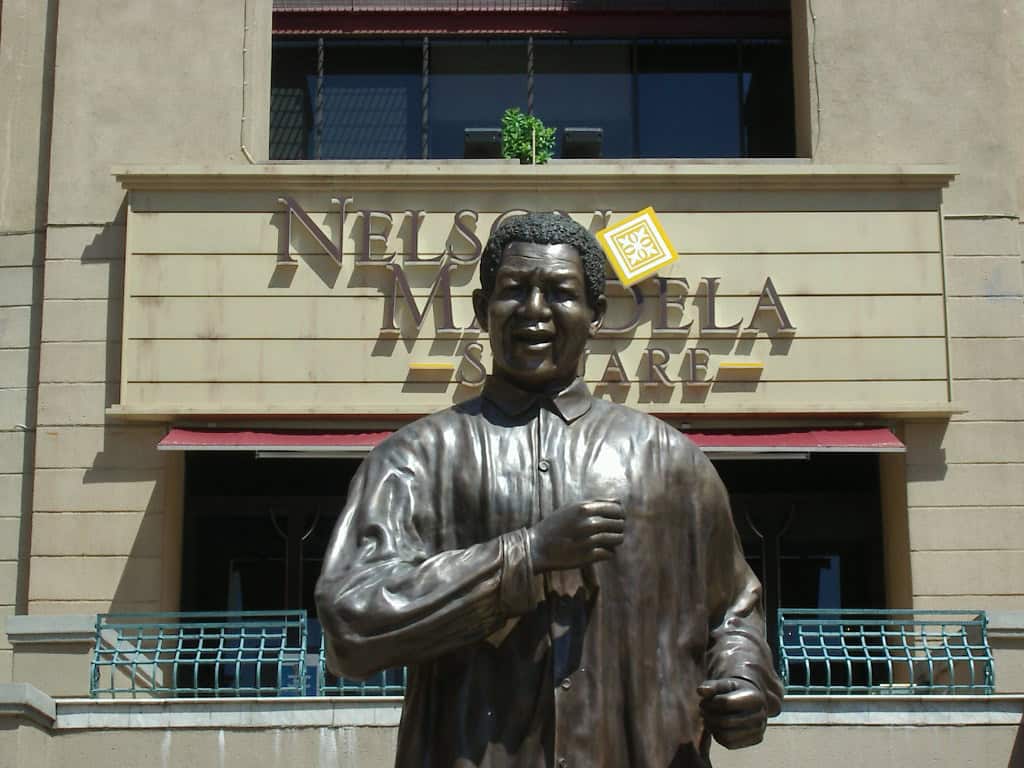
Nelson Mandela, renowned globally for his fight against apartheid and leadership in South Africa’s democratic transition, also left an indelible mark on wildlife conservation. Though not primarily known as an environmental activist, Mandela recognized the intrinsic connection between social justice, economic development, and environmental stewardship. His vision for a “Rainbow Nation” extended beyond human relations to encompass harmony with the natural world that sustains all life.
During his presidency from 1994 to 1999, Mandela laid groundwork for conservation initiatives that continue to shape South Africa’s approach to wildlife protection today. His environmental legacy is often overshadowed by his monumental political achievements, yet his contributions to conservation reflect his holistic understanding of freedom and dignity. This article explores how Mandela’s principles and policies influenced wildlife protection in South Africa and beyond, creating a conservation legacy that complements his better-known humanitarian accomplishments.
The Peace Parks Foundation: Mandela’s Conservation Milestone
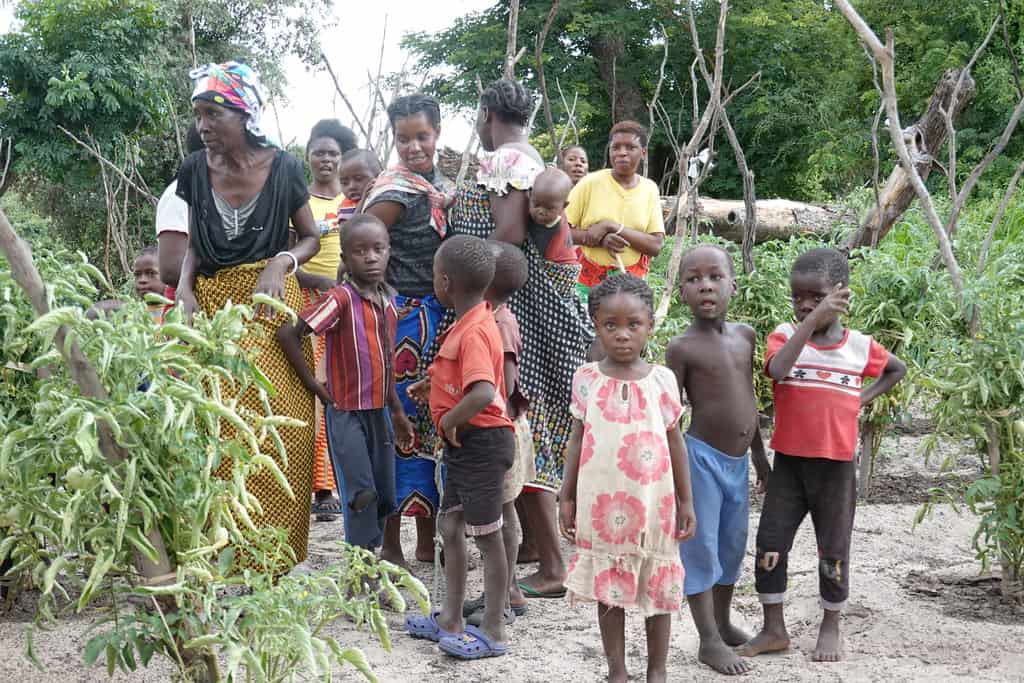
Perhaps Mandela’s most significant direct contribution to wildlife conservation was his co-founding of the Peace Parks Foundation in 1997, alongside Prince Bernhard of the Netherlands and South African businessman Anton Rupert. This initiative embodied Mandela’s belief that conservation could transcend political boundaries and foster international cooperation. The Foundation aimed to establish transfrontier conservation areas (TFCAs) or “peace parks” across southern Africa, creating protected wildlife corridors that span national borders.
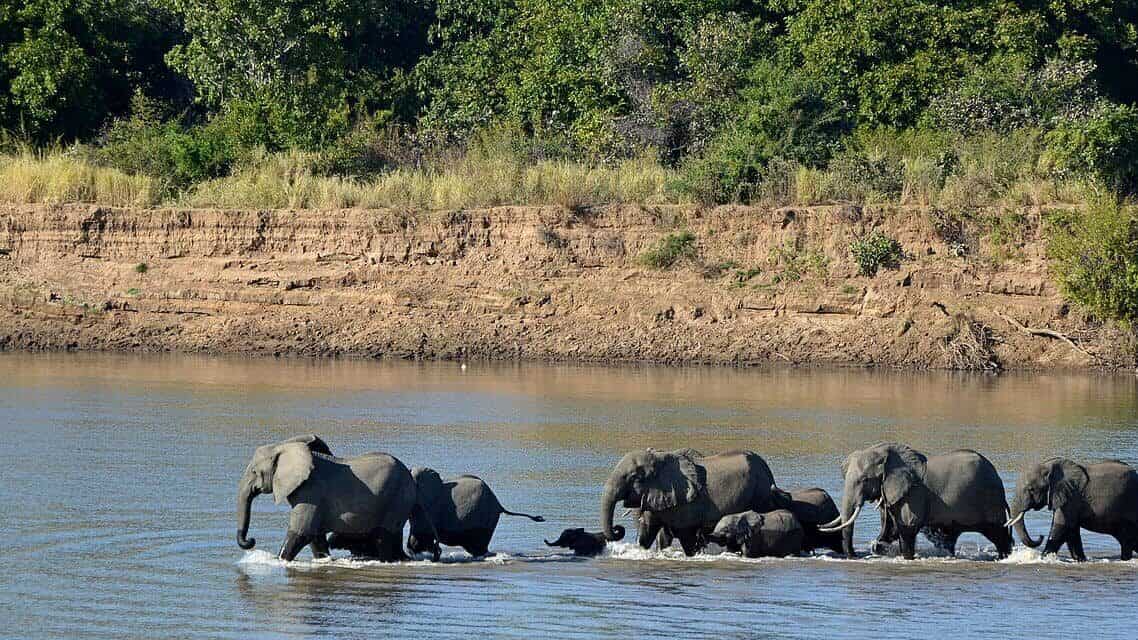
Mandela’s vision for these peace parks was revolutionary: they would not only protect biodiversity and allow animals to follow natural migration routes, but also promote peace and economic development through ecotourism. “I know of no political movement, no philosophy, no ideology, which does not agree with the peace parks concept as we see it going into fruition today,” Mandela declared at the Peace Parks Foundation’s establishment. This initiative has since facilitated the creation of numerous transfrontier parks, including the Great Limpopo Transfrontier Park connecting South Africa, Mozambique, and Zimbabwe—home to significant populations of elephants, rhinos, and other vulnerable species.
Constitutional Protection for the Environment

Under Mandela’s leadership, South Africa adopted one of the world’s most environmentally progressive constitutions in 1996. Section 24 of the South African Constitution explicitly guarantees the right “to have the environment protected, for the benefit of present and future generations, through reasonable legislative and other measures.” This constitutional provision was revolutionary, establishing environmental protection as a fundamental human right and creating a legal foundation for conservation efforts throughout the country.
This constitutional framework led to the development of comprehensive environmental legislation during and after Mandela’s presidency, including the National Environmental Management Act of 1998. By enshrining environmental rights in the constitution, Mandela’s government created enduring legal protections for South Africa’s wildlife and natural resources that continue to serve as the basis for conservation efforts today. This constitutional innovation reflected Mandela’s understanding that political freedom must be accompanied by environmental sustainability to truly improve citizens’ quality of life.
Reconciliation Through Conservation

Mandela recognized conservation’s potential as a tool for reconciliation in post-apartheid South Africa. He understood that the country’s natural heritage belonged to all South Africans, despite the historical exclusion of non-white citizens from many protected areas during apartheid. By promoting inclusive approaches to conservation, Mandela helped transform South Africa’s wildlife reserves from symbols of segregation into shared national treasures.
His reconciliatory approach to conservation was evident in his support for initiatives that involved local communities in wildlife management. Rather than viewing conservation as something imposed by authorities, Mandela advocated for models that gave indigenous communities stakes in protected areas. This philosophy helped heal historical wounds while creating more sustainable conservation outcomes. The Makuleke community’s successful land claim in Kruger National Park, settled during Mandela’s presidency, exemplifies this approach—the community regained land rights while committing to conservation, creating a model for community-based natural resource management.
The Nelson Mandela Protected Area Network
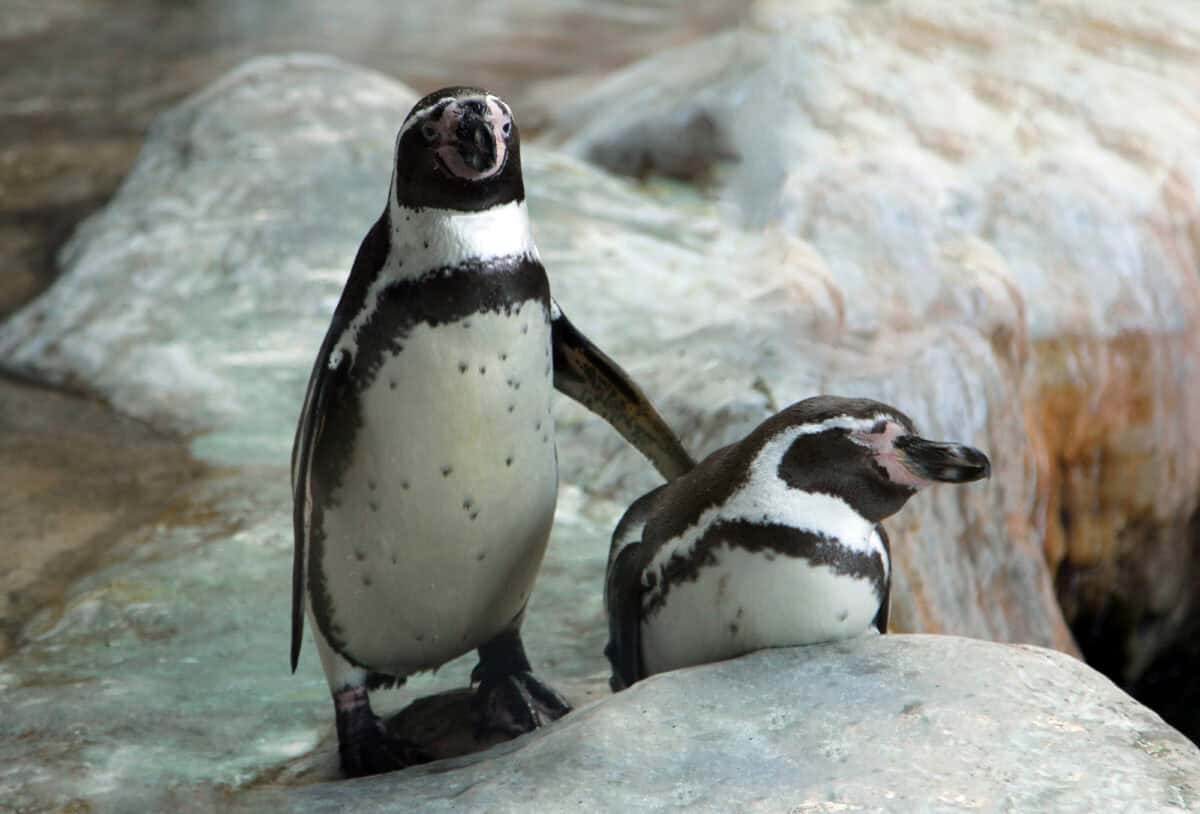
Mandela’s legacy in conservation is physically manifested through the network of protected areas named in his honor. The Nelson Mandela Bay Metropolitan Municipality, which includes the city of Port Elizabeth and surrounding coastal areas, has dedicated significant marine and terrestrial protected zones to sustainable management. These areas help conserve South Africa’s remarkable coastal biodiversity, including endangered African penguins and various marine species.
Additionally, the Nelson Mandela University in this region has become a center for conservation research and training, particularly through its Institute for Coastal and Marine Research. Through these dedicated conservation areas and research initiatives, Mandela’s name continues to be associated with practical wildlife protection efforts. These protected zones serve as living laboratories for sustainable development models that balance human needs with ecological preservation—a balance Mandela consistently advocated for throughout his political career.
Anti-Poaching Initiatives and Rhino Protection
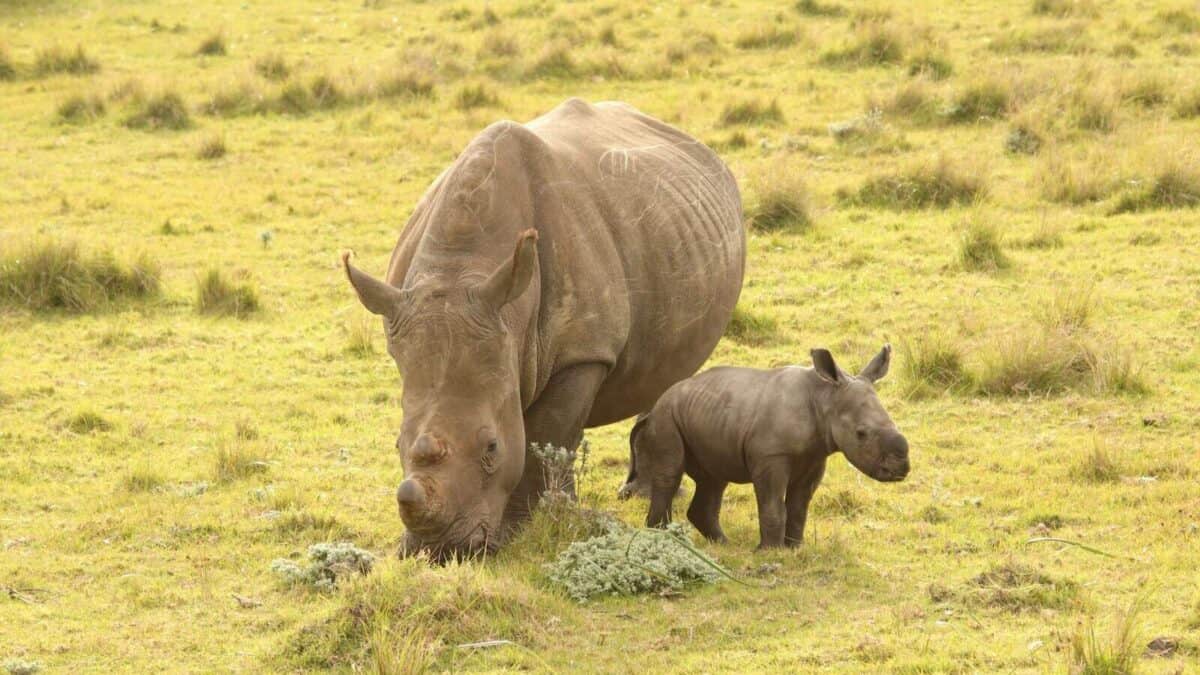
During Mandela’s presidency, South Africa began developing more robust anti-poaching frameworks that have since evolved into today’s sophisticated wildlife protection systems. While rhino poaching had not yet reached the crisis levels seen in the 2010s, Mandela’s government laid important groundwork by strengthening environmental legislation and law enforcement capabilities. His administration recognized the growing threats to iconic species like the white and black rhinoceros, setting the stage for more intensive protection efforts.
The foundations established during this period helped South Africa respond when rhino poaching dramatically escalated after 2008. Conservation initiatives that grew from Mandela’s early policies include specialized anti-poaching units, improved international cooperation on wildlife crime, and community engagement programs that reduce local incentives for poaching. Though these challenges intensified after his presidency, the institutional frameworks developed during Mandela’s era provided essential tools for addressing these threats. His emphasis on international cooperation in fighting wildlife crime remains particularly relevant as South Africa continues battling organized poaching syndicates.
Connecting Conservation with Human Development

A distinctive feature of Mandela’s approach to conservation was his insistence that wildlife protection must contribute to human development. He rejected the colonial model of conservation that often prioritized animals over people, instead advocating for approaches that integrated conservation with poverty alleviation and community empowerment. This philosophy is captured in his statement: “Ultimately conservation is about people. If you don’t have sustainable development around these parks, then people will have no interest in them, and the parks will not survive.”
Under Mandela’s leadership, South Africa pioneered initiatives that channeled conservation benefits to previously disadvantaged communities. Programs like SANParks’ Social Ecology Unit, established during his presidency, focused on creating economic opportunities for communities adjacent to national parks through ecotourism, craft markets, and employment. This approach has proven more effective and equitable than exclusionary conservation models, demonstrating that Mandela’s vision of harmonizing human development with wildlife protection was both morally and practically sound. His integration of social justice with environmental concerns presaged the global movement toward sustainable development goals.
International Environmental Diplomacy
Mandela leveraged South Africa’s dramatic transition to democracy to strengthen the country’s role in international environmental governance. Under his leadership, South Africa quickly became a respected voice in global conservation forums after decades of isolation during apartheid. His government signed and ratified numerous international environmental agreements, including the Convention on Biological Diversity and the Convention on International Trade in Endangered Species of Wild Fauna and Flora (CITES).
Mandela’s moral authority helped elevate wildlife conservation on the international agenda. When he spoke about the importance of protecting endangered species or preserving natural habitats, world leaders listened. His ability to connect environmental issues with human rights and development created new paradigms for international conservation discourse. By positioning South Africa as a responsible global citizen committed to environmental stewardship, Mandela helped secure international support and funding for the country’s conservation initiatives while influencing global environmental policy more broadly.
Empowering Indigenous Knowledge in Conservation

Mandela recognized the value of indigenous ecological knowledge and advocated for its integration into conservation practices. This approach marked a significant departure from colonial conservation models that often dismissed traditional knowledge systems. By respecting indigenous perspectives on wildlife management, Mandela’s administration began a process of decolonizing conservation in South Africa—acknowledging that local communities had maintained sustainable relationships with wildlife for generations before the arrival of European settlers.
This respect for indigenous knowledge influenced the development of co-management arrangements for protected areas, where traditional leaders and scientific experts collaborate on conservation strategies. The Richtersveld Community Conservancy, established during Mandela’s presidency, exemplifies this approach. Here, the Nama people continue traditional herding practices while participating in biodiversity conservation. By validating indigenous ecological knowledge, Mandela helped create more culturally appropriate and effective conservation models while simultaneously advancing his broader agenda of restoring dignity to communities marginalized under apartheid.
Educational Initiatives and Conservation Awareness
Mandela firmly believed in education as a tool for transformation, a principle he extended to environmental awareness. During his presidency, environmental education was integrated into South Africa’s new curriculum frameworks, ensuring that future generations would understand the importance of biodiversity and conservation. His government supported initiatives like the National Environmental Education Program, which developed teaching materials and training for educators on environmental topics.
Beyond formal education, Mandela used his global platform to raise public awareness about conservation issues. His appearances at wildlife reserves and conservation events drew media attention to environmental challenges facing South Africa and the broader continent. The Nelson Mandela Foundation, established after his presidency, has continued this educational mission through various environmental initiatives. By emphasizing conservation education, Mandela helped cultivate a conservation ethic among South Africans of all backgrounds, creating a more informed constituency for wildlife protection policies and ensuring that his environmental legacy would extend to future generations.
Mandela’s Personal Connection with Wildlife
Though less documented than his political achievements, Mandela maintained a personal appreciation for wildlife that informed his conservation policies. During his 27 years of imprisonment, he often found solace in observing the natural world within the confines of Robben Island and later Pollsmoor and Victor Verster prisons. In his autobiography “Long Walk to Freedom,” he mentions tending gardens and appreciating the birds and small creatures that represented freedom beyond prison walls.
After his release, Mandela made numerous visits to South Africa’s national parks and nature reserves, often bringing international dignitaries to showcase the country’s natural heritage. These visits were not merely ceremonial—they reflected his genuine belief in conservation’s importance. Former rangers and conservation officials recall Mandela’s keen interest in wildlife during these visits, asking informed questions about conservation challenges and species protection. This personal connection to nature added authenticity to his public advocacy for wildlife protection and helped him communicate conservation’s importance to diverse audiences in compelling ways.
Critiques and Limitations of Mandela’s Conservation Legacy

While Mandela made significant contributions to conservation, his environmental legacy has limitations that merit acknowledgment. Critics note that economic development sometimes took precedence over environmental concerns during his presidency, as South Africa focused on addressing the immediate social and economic inequalities inherited from apartheid. Major industrial projects approved during this period occasionally had significant ecological impacts, reflecting the difficult balancing act facing the new democracy.
Additionally, some conservation initiatives begun during Mandela’s era faced implementation challenges due to capacity constraints, corruption, or shifting political priorities after his presidency. The admirable constitutional environmental protections established under his leadership have sometimes proven difficult to fully enforce in practice. These limitations do not diminish Mandela’s important contributions to conservation but highlight the complexities of integrating environmental protection with social justice and economic development in a transitional society. His administration laid crucial groundwork for conservation, even if the full realization of his environmental vision remains an ongoing process in South Africa.
Conclusion: Mandela’s Enduring Conservation Impact

Nelson Mandela’s contributions to wildlife protection and conservation represent an important dimension of his multifaceted legacy. By establishing constitutional environmental protections, founding the Peace Parks Foundation, promoting community-based conservation, and integrating conservation with human development, he created frameworks that continue to shape wildlife protection throughout southern Africa. His approach to conservation reflected the same principles that guided his political life: reconciliation, dignity, sustainability, and the belief that natural resources must benefit all citizens.
As South Africa and the world continue facing mounting environmental challenges—from climate change to biodiversity loss—Mandela’s conservation philosophy offers valuable guidance. His insistence that environmental protection must complement rather than compete with human development remains particularly relevant in regions where poverty and inequality persist alongside extraordinary biodiversity. The peace parks that span national boundaries stand as living monuments to his belief that nature transcends political divisions.
Perhaps most importantly, Mandela demonstrated that conservation leadership can emerge from unexpected sources. Though not primarily an environmentalist, his recognition of wildlife protection’s importance to South Africa’s national identity and future prosperity led to significant conservation advancements. This aspect of Mandela’s legacy invites current leaders from all backgrounds to similarly embrace environmental stewardship as an essential component of their broader responsibilities. In this way, Mandela’s conservation legacy, like his political one, continues to inspire and guide long after his passing.
As we face growing global environmental challenges, Mandela’s integrated approach to conservation—balancing ecological priorities with human needs and rights—offers a model that remains as relevant today as it was during his presidency. By honoring and building upon this aspect of his legacy, we can advance both the protection of wildlife and the dignity of people, fulfilling Mandela’s vision of harmony between humanity and nature.

From exploring the marine wonders in the Azores and witnessing the vast savannas of Kenya, to delving deep into the rich biodiversity of South Africa and traversing iconic landscapes in Australia and the US like Yellowstone, Chris's experiences are vast.
With a penchant for diving alongside sharks, the ocean holds a special place in his heart.
Through his academic insights, he champions wildlife conservation, striving with 'Animals Around The Globe' to cultivate a profound connection between humans and animals, enhancing our mutual appreciation.
Connect with him at Feedback@animalsaroundtheglobe.com.
- Could Your Cat Actually Understand Your Emotions? - July 26, 2026
- Wolves Reintroduced in Michigan Sparked Heated Debate, Why? - July 26, 2026
- What Scientists Learned from Tagging 1,000 Sea Turtles - July 26, 2026