
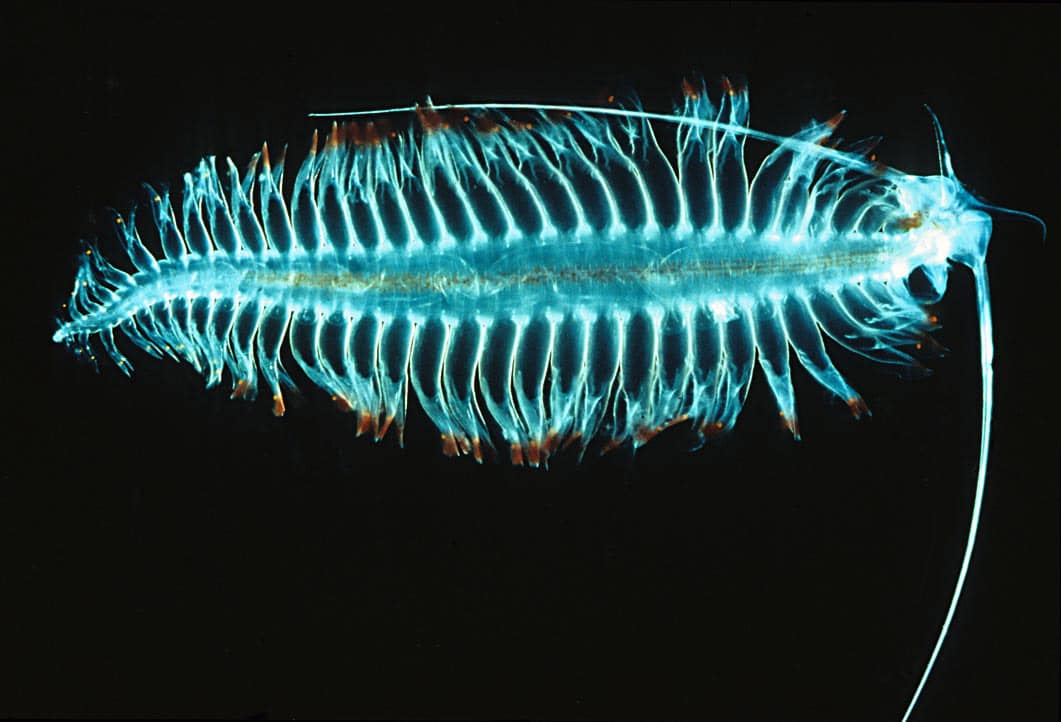
In the midnight zones of our oceans, where sunlight never penetrates, nature has engineered one of its most spectacular displays of bioluminescence. The deep sea’s brightest glow-in-the-dark creature, the Tomopteris helgolandica, creates a natural light show that rivals our most advanced human technologies. This transparent marine worm emits brilliant yellow flashes that can be seen from remarkable distances in the otherwise pitch-black deep ocean. While bioluminescence is common in deep-sea creatures, the exceptional brightness and unique yellow hue of the Tomopteris sets it apart as nature’s most impressive living light display. Let’s dive into the fascinating world of this remarkable creature and uncover the secrets behind its glow.
The Master of Bioluminescence
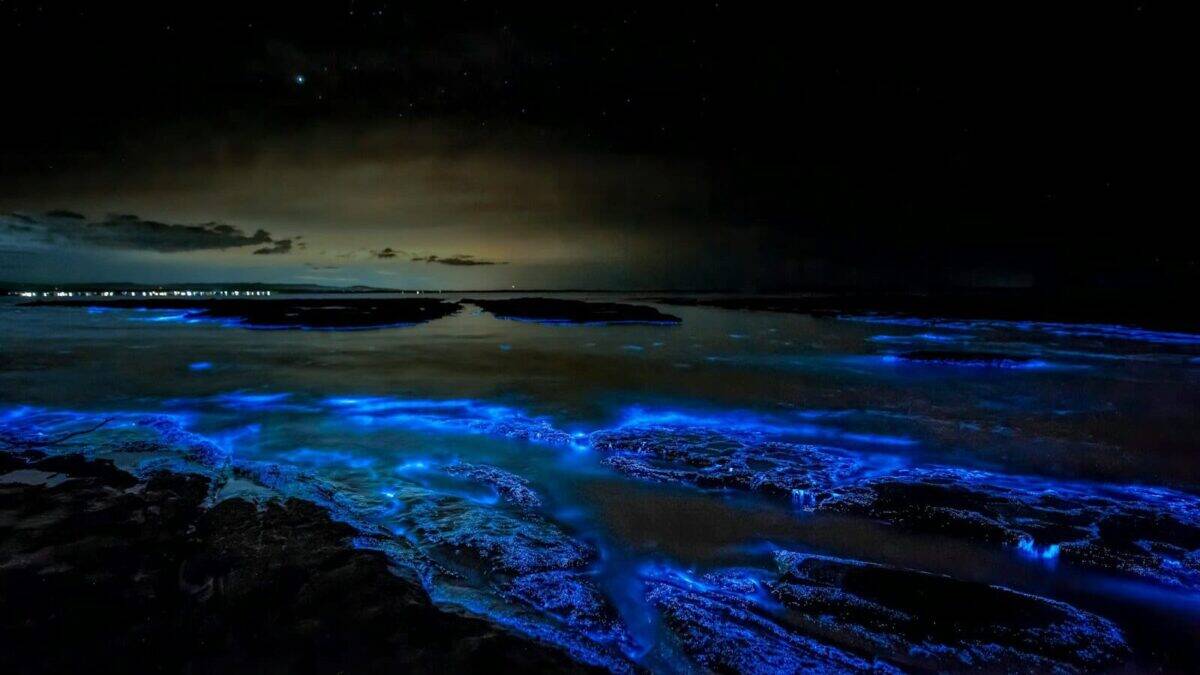
The Tomopteris helgolandica, a transparent marine bristle worm belonging to the polychaete family, has earned its reputation as the brightest bioluminescent creature in the deep sea. Unlike the more common blue-green bioluminescence observed in most marine organisms, this remarkable worm produces an intense yellow light that can be seen from considerable distances underwater. Scientists have measured its light output and found it to be significantly brighter than other bioluminescent creatures like jellyfish or dinoflagellates.
What makes this luminous display even more impressive is that the Tomopteris achieves this brightness despite its relatively small size of just a few centimeters. The worm’s body is segmented with paddle-like appendages called parapodia, and it’s within specialized cells in these structures that the magic happens. When stimulated, these cells can produce bursts of light so bright that they illuminate the surrounding water, creating a spectacular visual display that serves multiple biological functions in the darkness of the deep.
Anatomy of a Living Light Bulb
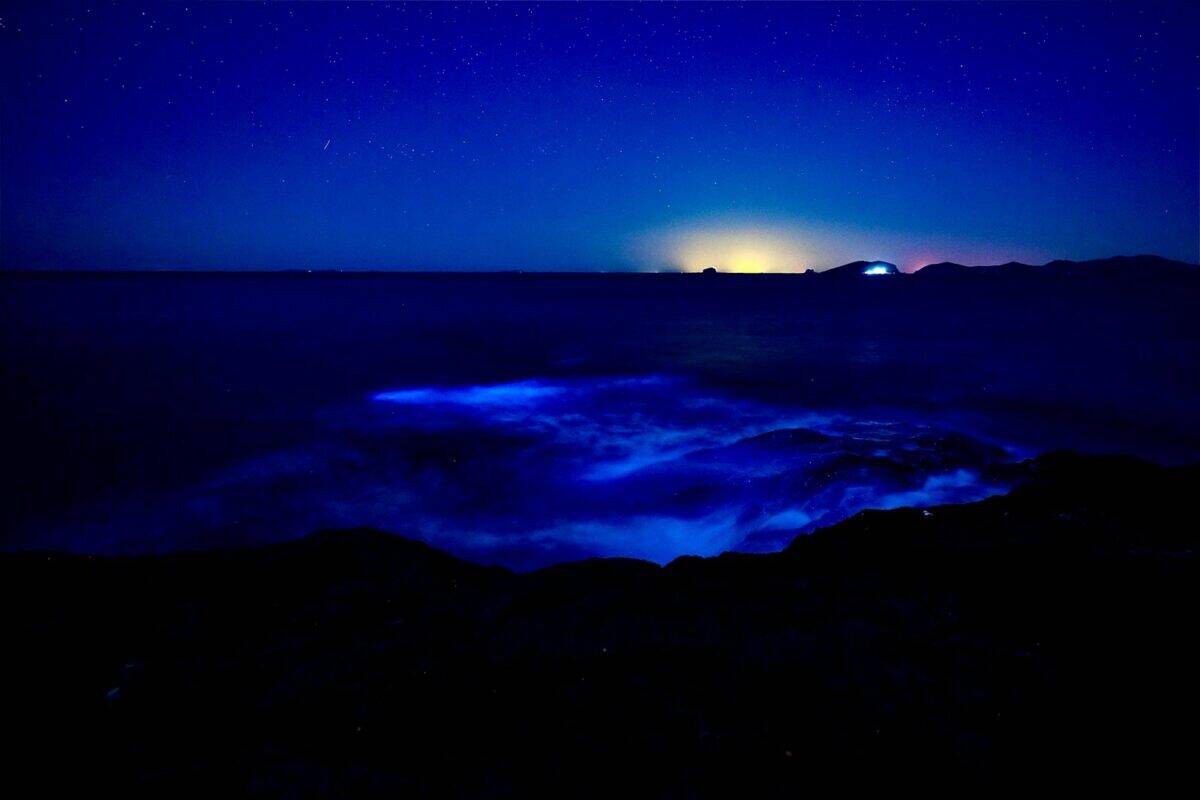
The Tomopteris helgolandica possesses a translucent body that appears almost ghost-like as it swims through the water. This transparency is no accident—it’s an evolutionary adaptation that maximizes the effectiveness of its light displays. The worm’s body consists of numerous segments, each bearing a pair of paddle-like parapodia that contain the light-producing photophores. These specialized organs are concentrated in the parapodia but can also be found distributed throughout the worm’s body.
What makes these photophores particularly special is their cellular structure. Each one contains specific chemicals and proteins that, when mixed through a controlled biological process, produce the characteristic yellow light. Electron microscopy studies have revealed that these cells contain numerous membrane-bound vesicles that store the light-producing compounds separately until the moment they need to be released. This sophisticated biological lighting system has evolved over millions of years, resulting in one of nature’s most efficient light-production mechanisms.
The Unique Yellow Glow

Most bioluminescent marine creatures produce blue or green light, making the Tomopteris’s yellow bioluminescence particularly unusual. This distinctive color is the result of specific chemical reactions occurring within the worm’s photophores. The yellow wavelength (around 570 nanometers) stands out in the deep sea environment where blue light predominates, giving the Tomopteris an advantage in its communications and defensive strategies.
Scientists have determined that this yellow light is produced through a reaction involving a unique luciferin-luciferase system—the chemical components responsible for bioluminescence. In the Tomopteris, the specific molecular structure of these compounds differs from those found in other bioluminescent organisms, resulting in the emission of longer wavelength light. This chemical uniqueness has made the Tomopteris a subject of intense scientific interest, as researchers work to understand the evolutionary pathways that led to this specialized light-producing system.
Habitat and Distribution
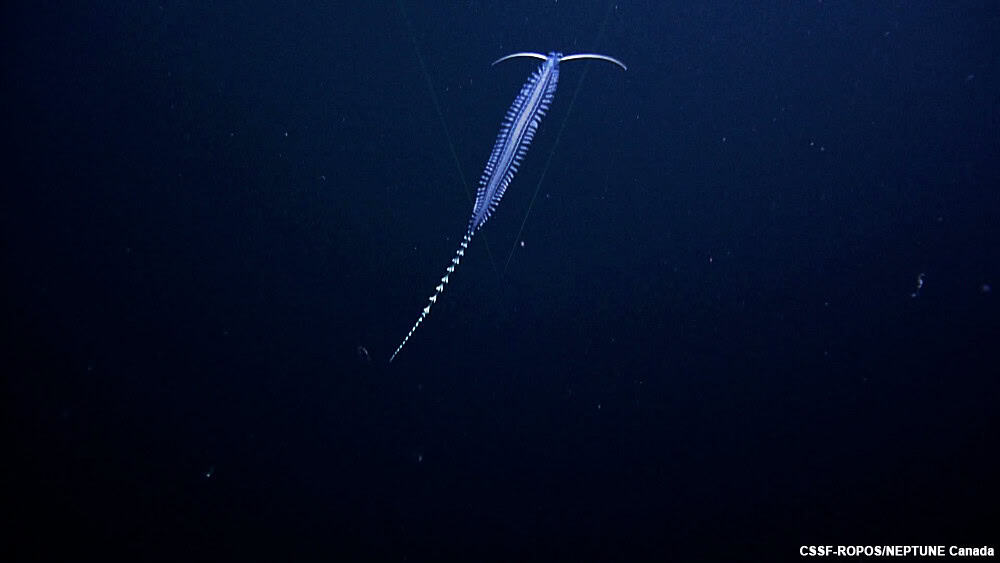
The Tomopteris helgolandica inhabits the mesopelagic and bathypelagic zones of the ocean, typically at depths ranging from 200 to 1,000 meters. These mid-water environments are characterized by near or complete darkness, high pressure, and cold temperatures. The species has been found in oceans worldwide, with significant populations in the Atlantic, Pacific, and parts of the Arctic Ocean, demonstrating its remarkable adaptability to various deep-sea environments.
Within these deep waters, the Tomopteris leads a pelagic lifestyle, meaning it swims freely in the water column rather than living on the seafloor. This mobility allows it to migrate vertically through different ocean layers, sometimes approaching shallower waters during nighttime. This vertical migration pattern, common among many deep-sea creatures, helps the Tomopteris access different food sources while avoiding predators. The worm’s distribution is influenced by factors such as water temperature, current patterns, and the availability of its planktonic prey.
Evolutionary Advantages of Bioluminescence
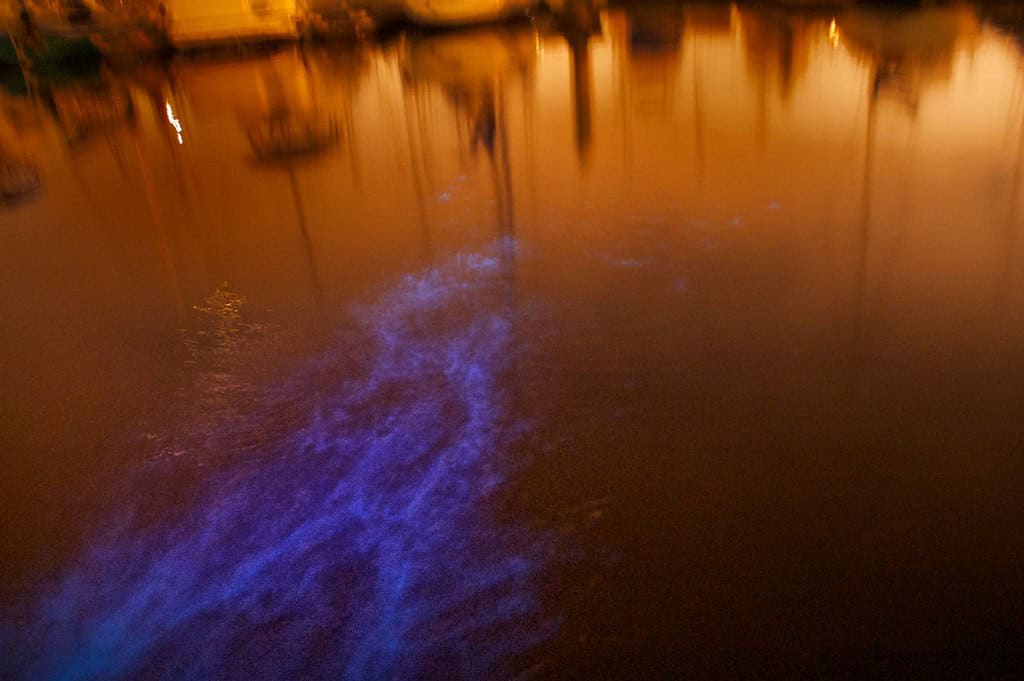
The evolution of such bright bioluminescence in the Tomopteris represents millions of years of natural selection pressures in the deep sea environment. The ability to produce light in the darkness offers several significant advantages. For predators, bioluminescence can help attract prey or illuminate potential food sources. For prey species like the Tomopteris, bright flashes can startle predators, create confusion, or serve as a form of defense by temporarily blinding attackers.
Communication is another crucial function of the Tomopteris’s light displays. The specific patterns and intensities of its yellow flashes likely serve as signals to potential mates or competitors. By evolving a unique yellow color that stands out from the predominantly blue bioluminescence of other deep-sea creatures, the Tomopteris has developed a private communication channel that reduces signal interference from other species. This specialized signaling system potentially increases the efficiency of mate location in the vast darkness of the deep ocean, where finding conspecifics can be challenging.
The Biochemistry Behind the Glow
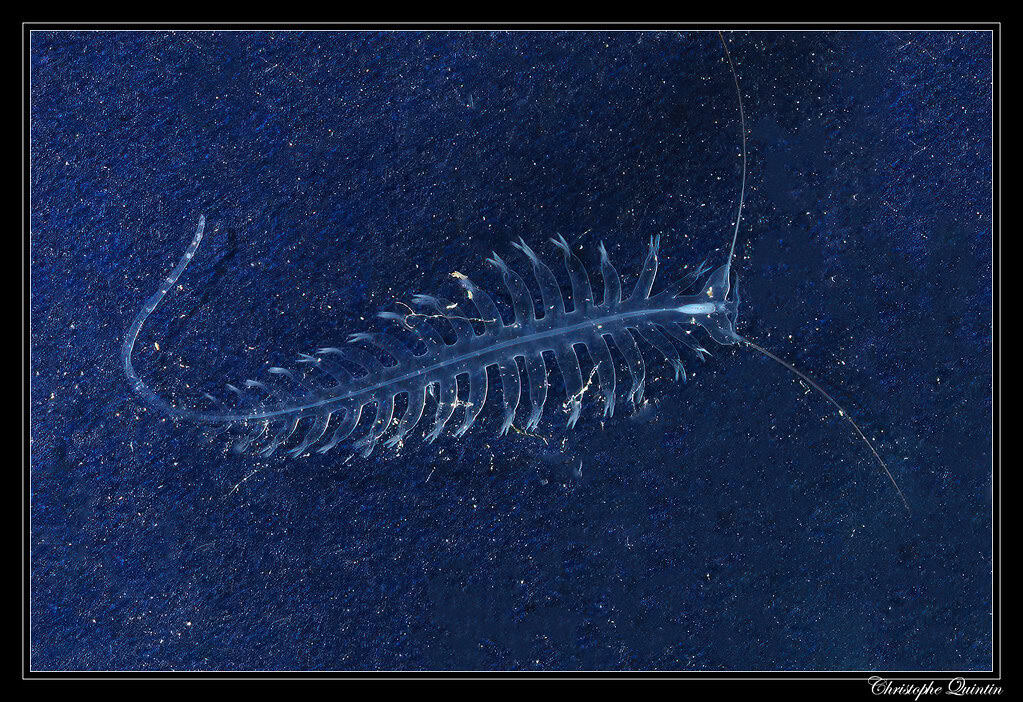
The biochemical mechanism that powers the Tomopteris’s remarkable light show involves a complex interaction between specific proteins and compounds. At the heart of this process is the luciferin-luciferase reaction, where a substrate (luciferin) is oxidized by an enzyme (luciferase) in the presence of oxygen, resulting in the release of energy in the form of light. What makes the Tomopteris special is that its particular luciferin compound has a unique molecular structure that produces yellow light rather than the more common blue.
Research has shown that the Tomopteris can control this reaction with remarkable precision, regulating both the intensity and duration of its light displays. The worm achieves this control through specialized neural pathways that trigger the mixing of the previously separated chemical components when stimulation occurs. Additionally, studies have identified specific proteins in the photophores that may filter or modify the light produced, potentially fine-tuning the wavelength to achieve the perfect yellow glow. This level of biochemical sophistication represents one of the most advanced light-production systems in the animal kingdom.
Hunting and Feeding Behaviors
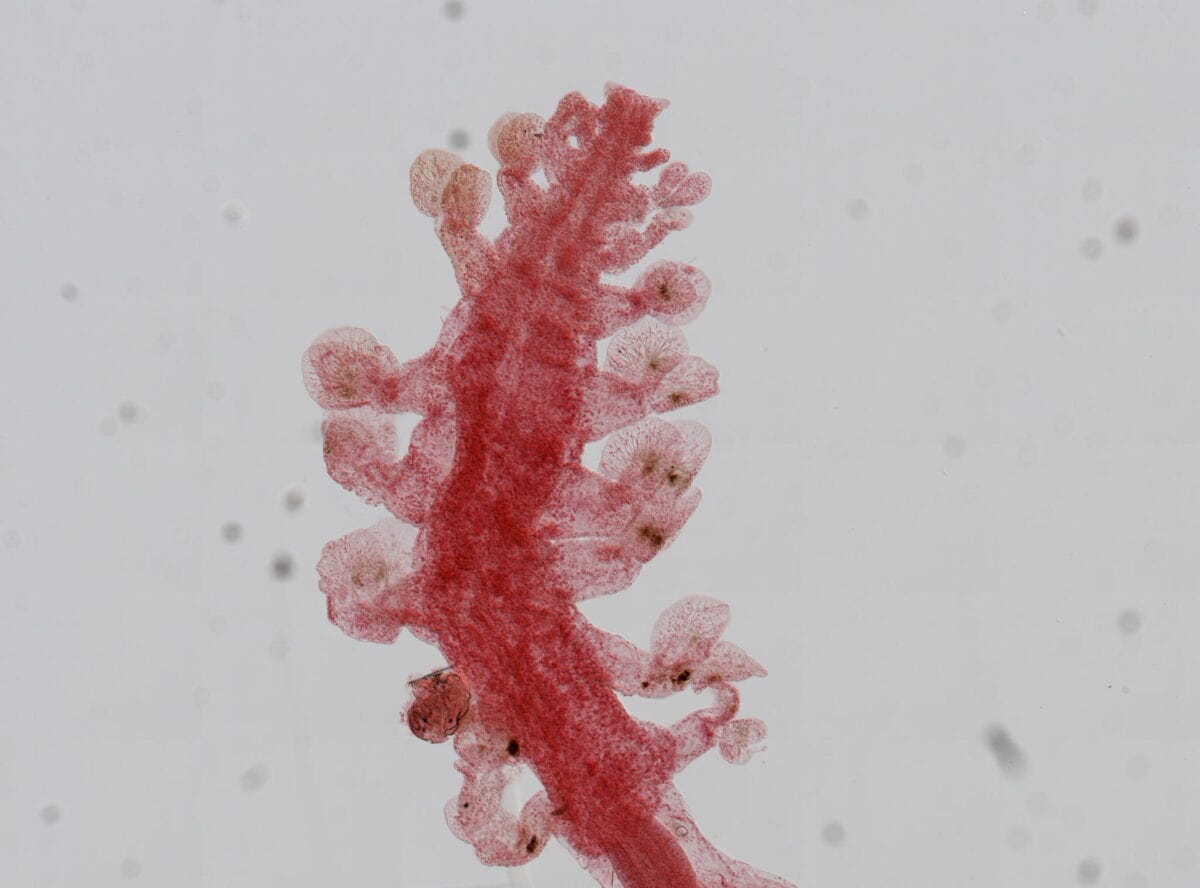
The Tomopteris helgolandica is an active predator that uses its bioluminescence in sophisticated hunting strategies. As it swims through the darkness, it can produce controlled flashes of light to startle or disorient small planktonic organisms, making them easier to capture. The worm’s diet primarily consists of copepods, small crustaceans, and other zooplankton that inhabit the same water column. Its transparent body and rapid swimming capabilities, combined with its light-producing abilities, make it a formidable hunter in the deep sea environment.
Observations of feeding behavior in laboratory settings have revealed that the Tomopteris uses its parapodia not only for swimming but also for capturing prey. Once potential food is detected, possibly through both mechanical and chemical sensory mechanisms, the worm can rapidly change direction and engulf its prey. Some scientists theorize that the worm may use its light displays to mimic the bioluminescence of certain prey species, effectively creating a lure to attract curious organisms within striking distance. This complex interplay between bioluminescence and feeding ecology demonstrates the sophisticated survival strategies that have evolved in deep-sea environments.
Defensive Strategies in the Dark

While the Tomopteris is a predator in its own right, it also faces threats from larger deep-sea creatures. When threatened, the worm employs its bioluminescence as a primary defense mechanism. One of its most effective strategies is the “burglar alarm” response—when attacked, the Tomopteris can produce an intense burst of bright yellow light that may attract secondary predators. This creates a risky situation for the original attacker, which might now become prey itself, allowing the Tomopteris to escape in the confusion.
Another defensive application of its bioluminescence is the “sacrificial tag” strategy. When touched or grasped by a predator, the Tomopteris can release bioluminescent material from specific body regions, similar to how some lizards can detach their tails. This glowing material continues to shine in the water or on the predator itself, potentially drawing attention away from the escaping worm. Some specimens have been observed regenerating body parts after such encounters, suggesting that this sacrificial strategy is an integrated part of their survival toolkit in the challenging deep-sea environment.
Reproduction and Life Cycle

The reproductive behavior of the Tomopteris helgolandica involves complex light-based signaling between potential mates. During breeding seasons, which appear to be linked to seasonal changes in deep ocean currents and food availability, these worms produce specific patterns of bioluminescent flashes that serve as attraction signals. Males and females engage in synchronized swimming behaviors, creating spectacular underwater light shows as part of their courtship rituals. The distinctive yellow wavelength of their bioluminescence allows them to identify members of their own species among the myriad of other light-producing organisms.
After successful mating, females release eggs into the water column, where they are fertilized externally. The developing larvae initially inhabit shallower waters than the adults, gradually migrating deeper as they mature. Young Tomopteris worms develop their bioluminescent capabilities early in life, though the intensity and control of their light production improves with age. This life cycle strategy, with different habitat preferences at different life stages, helps reduce competition between juveniles and adults while allowing the young to develop in waters with more abundant food sources before transitioning to the challenging deep-sea environment.
Scientific Research and Discoveries
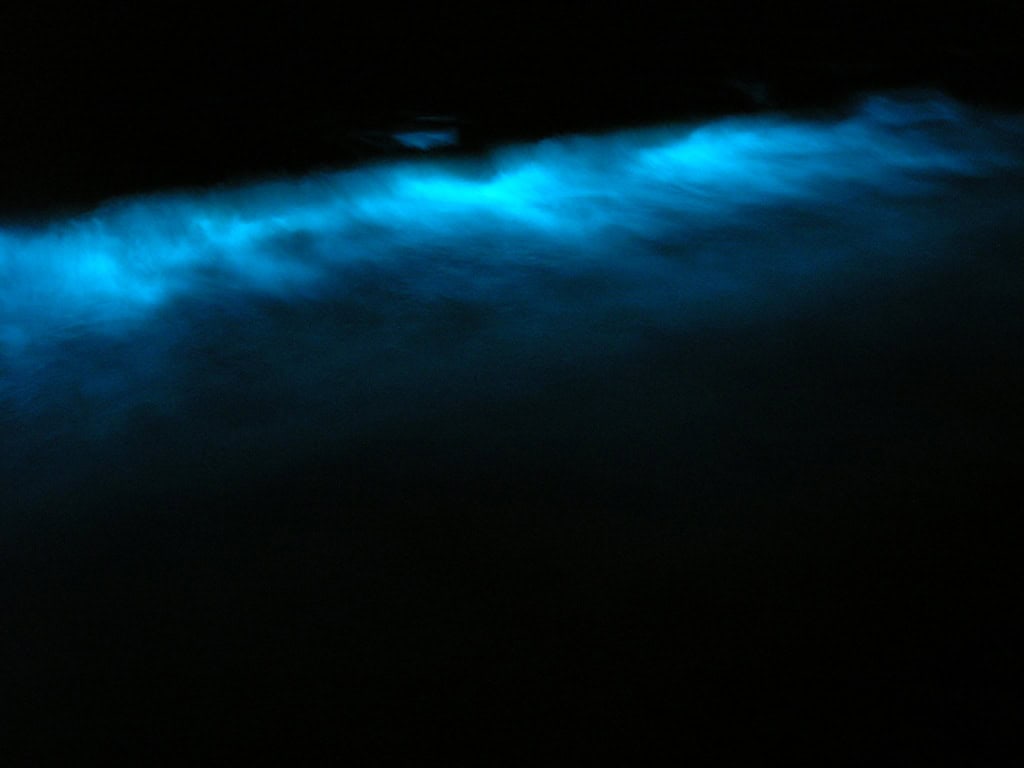
The Tomopteris helgolandica has become a subject of intense scientific interest due to its exceptional bioluminescent properties. Researchers studying deep-sea bioluminescence have conducted comparative analyses between the Tomopteris and other light-producing organisms to better understand the evolution and diversification of light-production mechanisms. These studies have revealed that the Tomopteris’s bioluminescent system likely evolved independently from those found in other marine creatures, representing a case of convergent evolution where similar traits develop separately in response to similar environmental pressures.
Modern research techniques, including genome sequencing and proteomics, have begun to unravel the genetic basis for the Tomopteris’s unique yellow bioluminescence. Scientists have identified several genes specifically associated with the production of its light-generating compounds. Additionally, advances in deep-sea observation technology, including remotely operated vehicles equipped with specialized low-light cameras, have allowed researchers to observe these creatures in their natural habitat, providing unprecedented insights into their behavior and ecological role. These studies not only enhance our understanding of deep-sea ecosystems but also hold potential applications in biotechnology and medical imaging.
Applications in Biotechnology

The unique properties of the Tomopteris’s bioluminescent system have attracted attention from biotechnology researchers looking to develop new tools for scientific and medical applications. The yellow wavelength produced by the Tomopteris fills a gap in the available palette of bioluminescent markers used in biological research. Scientists have begun isolating and characterizing the genes and proteins involved in the worm’s light production, with the goal of creating new bioluminescent reporters for studying cellular processes and disease progression.
Beyond research applications, the efficient light-production mechanism of the Tomopteris has inspired developments in biologically-inspired lighting technology. Engineers studying these worms hope to create more energy-efficient light sources based on the principles of cold light production found in bioluminescent organisms. Additionally, the chemical compounds involved in the Tomopteris’s light production are being investigated for potential applications in medical imaging, where they could provide alternatives to current technologies that require external light sources or radioactive tracers. These biomimetic approaches demonstrate how studying nature’s solutions can lead to innovative technologies with wide-ranging benefits.
Conservation and Environmental Concerns

Despite their remarkable adaptations, deep-sea creatures like the Tomopteris helgolandica face growing threats from human activities. Deep-sea mining, ocean acidification, pollution, and climate change all pose potential risks to these specialized organisms and their fragile ecosystems. Changes in ocean temperature and chemistry can disrupt the delicate biochemical processes that enable bioluminescence, potentially affecting not only the Tomopteris but the entire web of interactions within deep-sea communities that rely on light-based communication and predator-prey relationships.
Conservation efforts for deep-sea species present unique challenges due to the remoteness of their habitats and our limited understanding of their ecology. Scientists advocate for increased research funding to better document deep-sea biodiversity and establish baseline data against which future changes can be measured. Additionally, they emphasize the importance of establishing marine protected areas that include deep-sea habitats and implementing stricter regulations on industrial activities that impact these environments. The Tomopteris and other bioluminescent creatures serve as charismatic ambassadors for these largely unseen ecosystems, helping to raise public awareness about the importance of protecting the ocean’s darkest realms.
The Continuing Mystery of the Deep
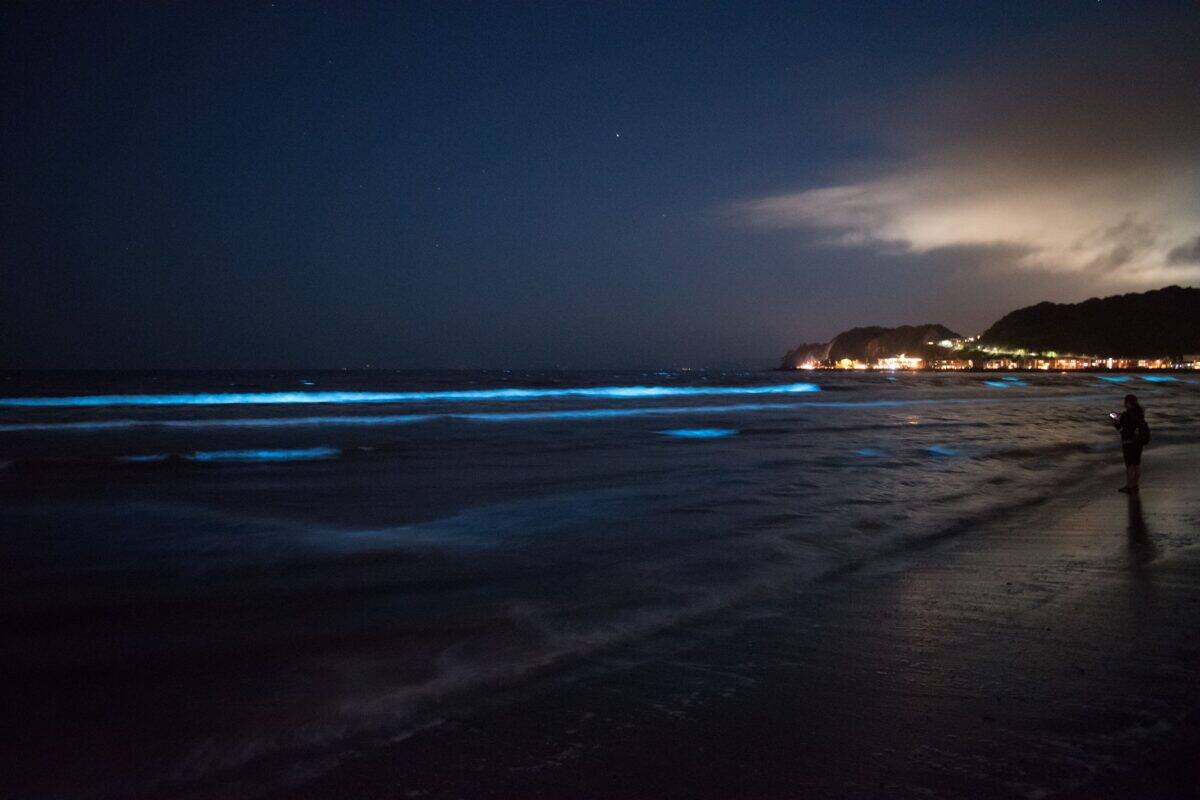
Despite advances in deep-sea research, the Tomopteris helgolandica remains surrounded by mysteries waiting to be solved. Our oceans’ depths represent one of the last great frontiers on Earth, with new species and behaviors still being discovered regularly. The remarkable bioluminescent capabilities of the Tomopteris serve as a powerful reminder of how much we still have to learn about life in extreme environments. Each new finding about these glowing worms opens up additional questions about the evolution, ecology, and biochemistry of deep-sea life.
As we continue to develop more sophisticated technologies for exploring and studying the deep ocean, our understanding of these remarkable creatures will undoubtedly expand. The Tomopteris helgolandica, with its living light show, exemplifies the wonder and ingenuity of natural selection, having evolved one of the most efficient and spectacular bioluminescent systems on the planet. By preserving these creatures and their habitats, we protect not only a biological marvel but also potential inspiration for future scientific breakthroughs and technological innovations. The brightest glow in the deep sea reminds us that even in the darkest places on Earth, life finds a way to shine.

- The Bird That Can Recognize More Faces Than a Human - July 29, 2026
- How Army Ants Coordinate Massive Raids Without a Leader - July 29, 2026
- 13 Largest Horses in the World - July 29, 2026