


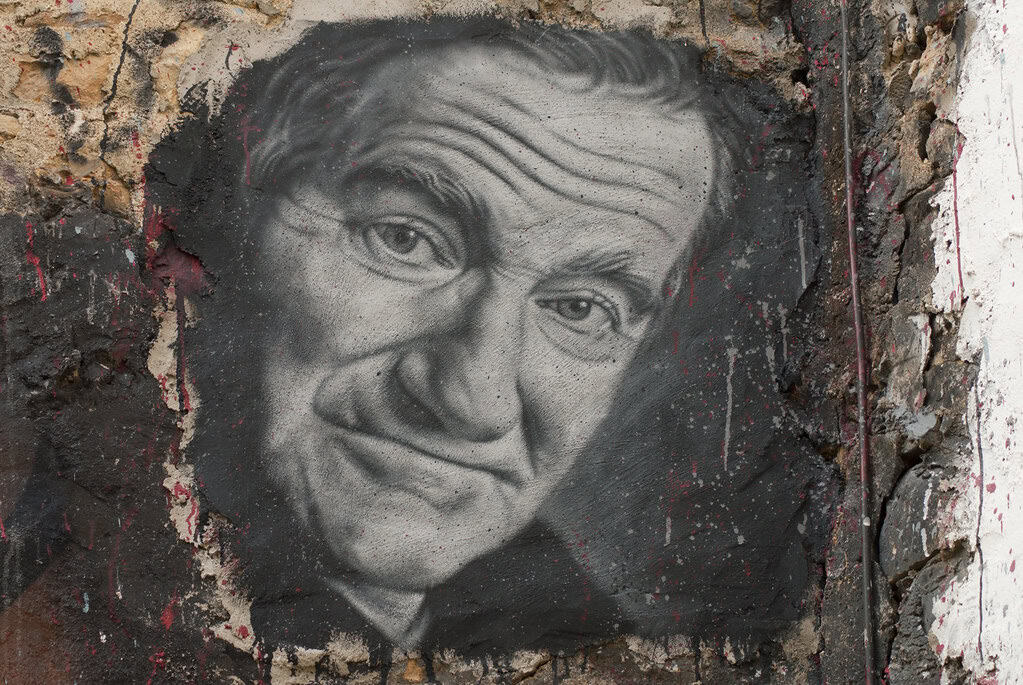
Robin Williams, the comedic genius and dramatic powerhouse, left an indelible mark on cinema through his versatile performances. Beyond his human characters, Williams demonstrated a remarkable ability to breathe life into animal characters, whether through voice acting or portraying humans with profound connections to wildlife. His distinctive vocal talents, physical comedy, and emotional depth created memorable animal characters that continue to resonate with audiences years after his passing. From animated creatures to real-world wildlife advocates, Williams’ career featured a menagerie of animal roles that showcased his extraordinary range as a performer. This article explores the remarkable animals Robin Williams brought to life on screen, revealing how these performances showcased his talents while often delivering deeper messages about our relationship with the natural world.
The Magical Genie in “Aladdin” (1992)
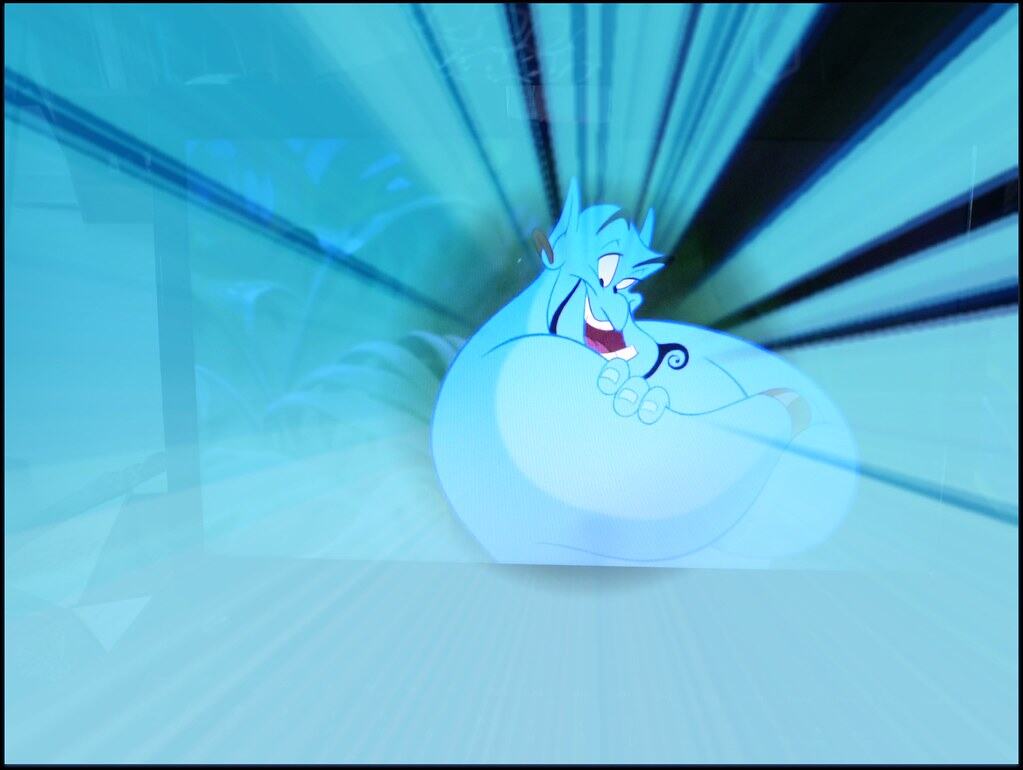
While not strictly an animal character, the Genie in Disney’s “Aladdin” deserves mention for his animal transformations that showcased Williams’ incredible versatility. Throughout the film, the Genie shifts into various animal forms, including a sheep, a bee, a submarine with a whale tail, a dragon, and even a cheerleading squad of small animals. These transformations weren’t just visual gags but demonstrations of Williams’ unparalleled ability to adapt his voice and comedic timing to different creatures.
Williams’ performance as Genie marked a turning point in animated films, with Disney allowing him to improvise extensively, resulting in approximately 16 hours of recorded material that was edited down to the final film. His animal transformations became some of the most memorable moments in the movie, demonstrating how Williams could bring the same energy and character to non-human forms as he did to his human roles. The performance was so groundbreaking that the Academy created a special award to honor his work, recognizing how he had elevated voice acting to new artistic heights.
Ramon and Lovelace in “Happy Feet” (2006) and “Happy Feet Two” (2011)
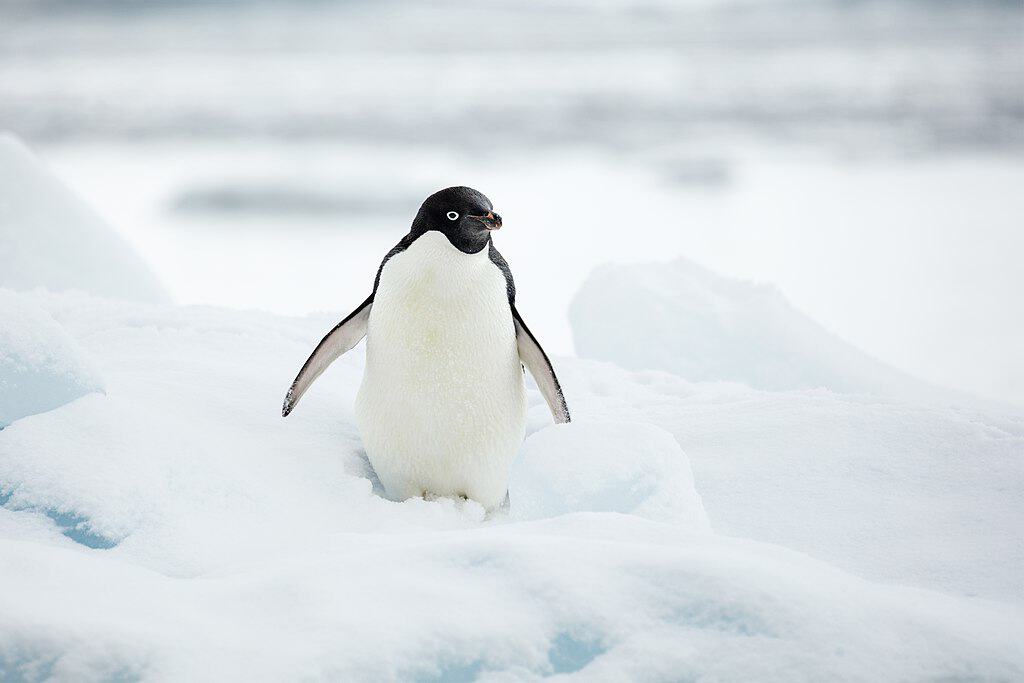
In George Miller’s animated penguin musical “Happy Feet,” Williams demonstrated his versatility by voicing not one but two distinct animal characters. As Ramon, a small Adelie penguin with a Latin lover persona, Williams infused the character with charm, bravado, and hilarious accent work. His second character, Lovelace, a rockhopper penguin guru with a Barry White-inspired voice, showcased Williams’ ability to create completely different animal personalities within the same film.
Williams returned to these roles in the 2011 sequel, further developing both characters and demonstrating his commitment to animal performances. His work in the “Happy Feet” franchise highlighted Williams’ ability to give distinct personalities to different species, understanding the unique characteristics that make each animal type special. The contrast between Ramon’s energetic, fast-talking style and Lovelace’s smooth, deep-voiced wisdom showcased Williams’ range while bringing depth to these penguin characters. The films’ environmental messages about the impact of human activity on Antarctic wildlife gained emotional resonance through Williams’ heartfelt performances.
The Memorable Batty Koda in “FernGully: The Last Rainforest” (1992)

In the environmentally conscious animated film “FernGully: The Last Rainforest,” Williams voiced Batty Koda, a fruit bat with a malfunctioning electronic brain implant resulting from laboratory testing. This character allowed Williams to channel his frenetic energy and rapid-fire delivery into a memorable performance that balanced comedy with a serious message about animal experimentation. Batty’s erratic behavior, punctuated by moments of clarity, perfectly suited Williams’ improvisational style.
The character’s signature musical number, “Batty Rap,” showcased Williams’ ability to combine humor with social commentary, as he detailed the horrors of animal testing through Batty’s experiences. This performance demonstrated Williams’ commitment to using his talents to highlight animal welfare issues while still creating an entertaining character. Batty Koda remains one of the most distinctive animal characters in Williams’ repertoire, combining his comedic timing with a meaningful message about respecting wildlife. The character’s traumatic backstory, delivered with Williams’ signature blend of humor and pathos, made a lasting impression on viewers young and old.
Mrs. Doubtfire’s Run-In with Animals (1993)
While “Mrs. Doubtfire” isn’t primarily about animals, one of the film’s most memorable scenes features Williams’ character having chaotic interactions with household pets. As Daniel Hillard disguised as Mrs. Doubtfire, Williams improvised a hilarious scene where the character must deal with a dog who recognizes him despite his disguise. The physical comedy of trying to maintain his elderly nanny persona while the family dog excitedly jumps on him showcased Williams’ talent for animal-related comedy.
Additionally, the film includes a birthday party scene featuring an animal entertainer with a goat and other creatures, creating more opportunities for Williams to react to and interact with animals on screen. These moments, while brief in the overall film, demonstrate how Williams could create comedy through the unpredictable nature of human-animal interactions. His natural rapport with animal actors displayed his adaptability and willingness to share the screen with non-human performers. The authenticity of these interactions highlighted Williams’ genuine affection for animals, which translated effectively to his on-screen work.
The Iconic Voice of Fender in “Robots” (2005)
In the animated film “Robots,” Williams voiced Fender, a ramshackle robot with loose parts who befriends the protagonist Rodney Copperbottom. While not biologically an animal, Fender displays many characteristics reminiscent of an energetic, loyal canine companion. Williams brought his signature rapid-fire delivery and physical comedy sensibilities to the character, creating a robot that moved and behaved with animal-like expressiveness and energy.
Fender’s constant malfunctions and body part losses provided Williams with ample opportunity to showcase his talent for vocal sound effects and physical comedy translated through voice. The character’s loyal friendship and protective nature toward Rodney echoed the qualities of a faithful animal companion, making Fender feel more like an animated pet than a mechanical being. Williams’ performance demonstrated how he could bring animal-like qualities to non-animal characters, infusing them with the warmth and spontaneity associated with beloved pets. This crossover between mechanical character and animal-like personality showcased Williams’ understanding of what makes animal characters endearing to audiences.
Dr. Dolittle’s Mentor in “Dr. Dolittle” (1998)

In the 1998 reboot of “Dr. Dolittle” starring Eddie Murphy, Robin Williams made an uncredited voice appearance as one of the film’s talking animals. Williams voiced the tiger character who helps Murphy’s character understand his ability to communicate with animals. Though his screen time was limited, Williams’ distinctive voice brought authority and wisdom to this jungle cat, creating a memorable moment in the film.
This cameo performance showcased Williams’ ability to create a fully realized animal character even with minimal dialogue. The tiger’s guidance to Dr. Dolittle served as a pivotal moment in the protagonist’s journey, demonstrating how Williams could make an impact even in a supporting animal role. His portrayal added gravitas to the scene while maintaining the film’s comedic tone, highlighting his skill at balancing humor with emotional weight. Though often overlooked in discussions of Williams’ animal performances due to its brevity, this role demonstrates his willingness to contribute his talents to animal characterizations regardless of screen time.
Alan Parrish and His Jungle Connection in “Jumanji” (1995)

In the adventure film “Jumanji,” Williams played Alan Parrish, a man who spent 26 years trapped inside a magical board game’s jungle world. While not portraying an animal himself, Williams’ character developed a profound connection with wildlife through his survival experiences. His character’s ability to communicate with and understand jungle creatures showcased a man who had become part animal himself, with heightened senses and instincts developed through his immersion in the wild.
Williams portrayed Alan’s animal-like qualities with subtle physical choices and behavioral traits that suggested his character had adapted to life among wild creatures. His movements sometimes mimicked those of the animals he encountered, and his reactions to danger showed instinctual responses rather than calculated human thinking. The film’s numerous animal sequences, featuring monkeys, lions, elephants, and other wildlife, required Williams to interact convincingly with creatures that were often added later through special effects. His commitment to making these interactions feel authentic helped audiences believe in the dangerous jungle world of Jumanji and demonstrated his talent for performing alongside animal characters, whether real or imaginary.
Rainbow Randolph’s Rival Show in “Death to Smoochy” (2002)
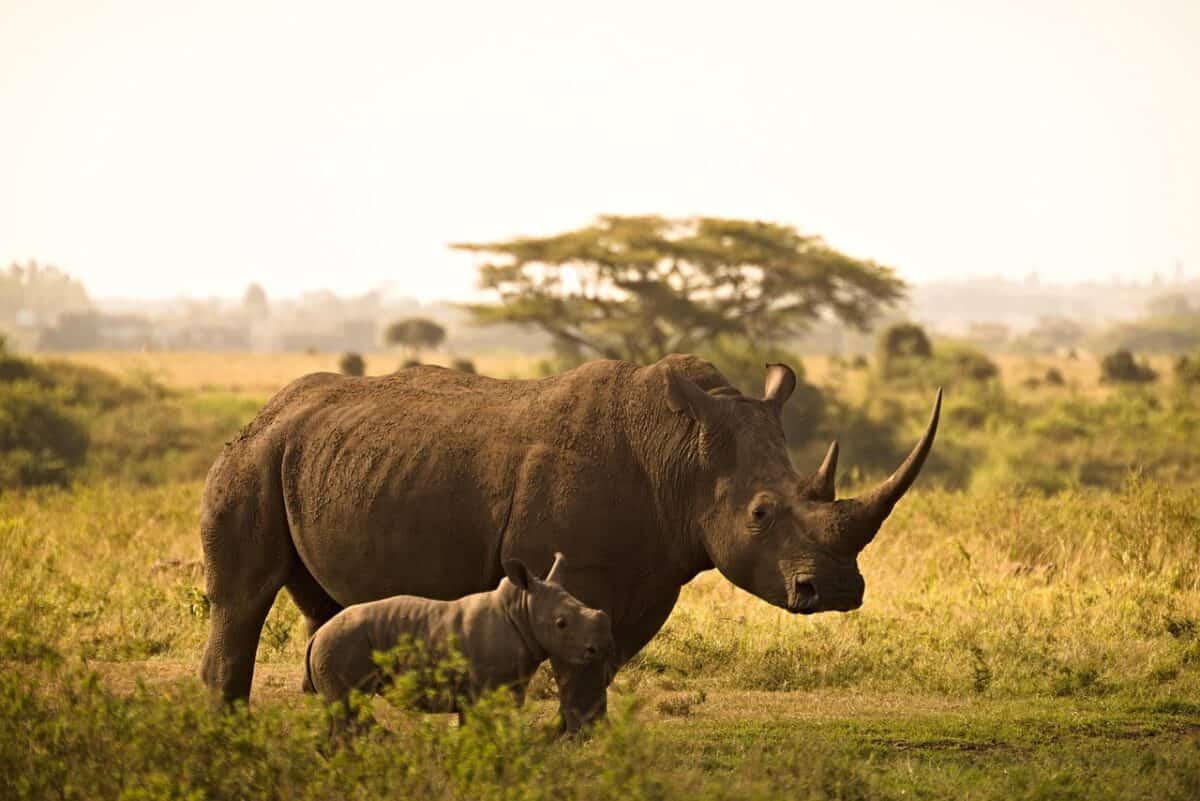
In the dark comedy “Death to Smoochy,” Williams played Rainbow Randolph, a disgraced children’s television host whose rival is Smoochy, a fuschia rhinoceros portrayed by Edward Norton. While Williams himself didn’t play an animal character, his performance centered around his character’s hatred for the beloved rhinoceros character that replaced his show. The film explores the cynical underbelly of children’s entertainment, with Williams’ character violently opposing the sweet-natured animal character that captured the hearts of his former audience.
Williams brought manic energy and darkness to Rainbow Randolph, creating a fascinating contrast with the gentle rhinoceros character that becomes his nemesis. This role allowed Williams to explore the complicated relationship between human entertainers and the animal characters they create or compete with. His performance highlighted how animal characters in children’s media often embody innocence and purity, qualities that his corrupt character had long abandoned. Though not directly portraying an animal, Williams’ work in “Death to Smoochy” demonstrated his understanding of how animal characters function in entertainment and the powerful emotional responses they can evoke in audiences of all ages.
The Historical Role of Theodore Roosevelt in “Night at the Museum” Series

In the “Night at the Museum” trilogy, Williams portrayed Theodore Roosevelt, the 26th President of the United States known for his conservation efforts and hunting expeditions. Throughout the films, Williams’ Roosevelt interacts with numerous museum exhibits that come to life, including Rexy the Tyrannosaurus skeleton, capuchin monkey Dexter, and other animal exhibits. Williams brought warmth and authority to his portrayal of Roosevelt, highlighting the president’s fascination with wildlife and natural history.
The character’s interactions with the museum’s animal exhibits showcased Roosevelt’s historical connection to wildlife conservation while allowing Williams to demonstrate his skills at reacting to and working alongside animal actors and CGI creatures. His scenes with Dexter the monkey became particularly memorable, with Williams displaying perfect comedic timing in response to the capuchin’s antics. Williams’ Roosevelt served as a father figure not just to the human night guard but to the entire museum ecosystem, including its many animal inhabitants. This role allowed Williams to highlight the important relationship between humans and animals in a historical context while bringing his characteristic humor and humanity to interactions with creatures both prehistoric and modern.
Voice Acting in “Spork” – The Uncompleted Project
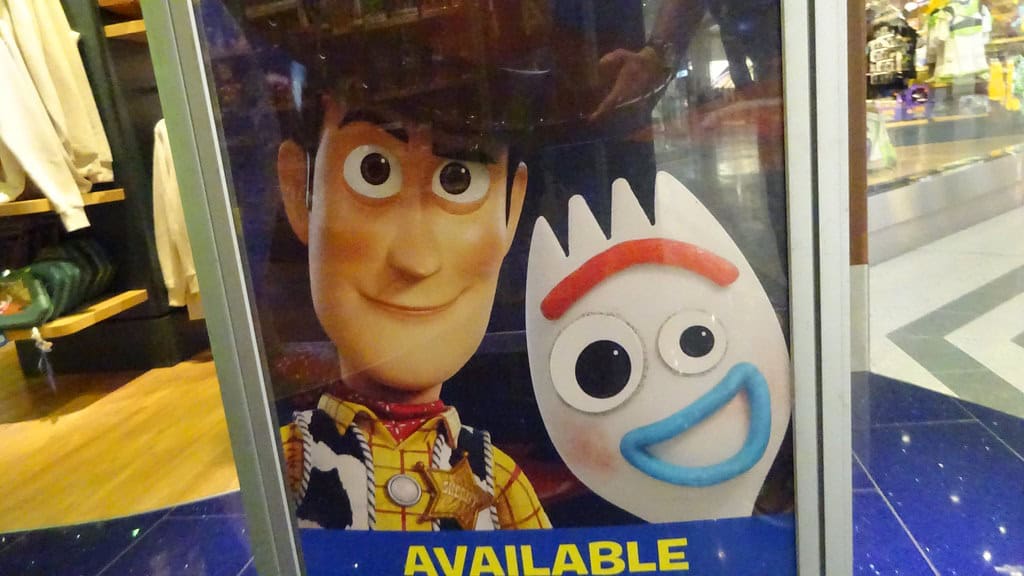
Among Robin Williams’ unreleased work was his voice role in “Spork,” an animated film that was never completed. The project would have featured Williams voicing multiple animal characters in a story about a multispecies character navigating an animal world. Though production never finished, concept art and early production information suggest Williams had created distinct voices and personalities for several animal characters, demonstrating his continued interest in bringing animated creatures to life.
This unreleased project highlights Williams’ enduring connection to animal characterization throughout his career, from his earliest successes to projects he was developing before his passing. The work he completed on “Spork” showed his continued evolution as a voice actor for animal characters, with reports indicating he was exploring new vocal techniques and character types. Though audiences never got to experience these performances, the project represents an important part of Williams’ legacy of animal characterization. The fact that he continued to pursue such roles throughout his career speaks to his genuine passion for giving voice to creatures who cannot speak for themselves.
Williams as an Animal Advocate Off-Screen
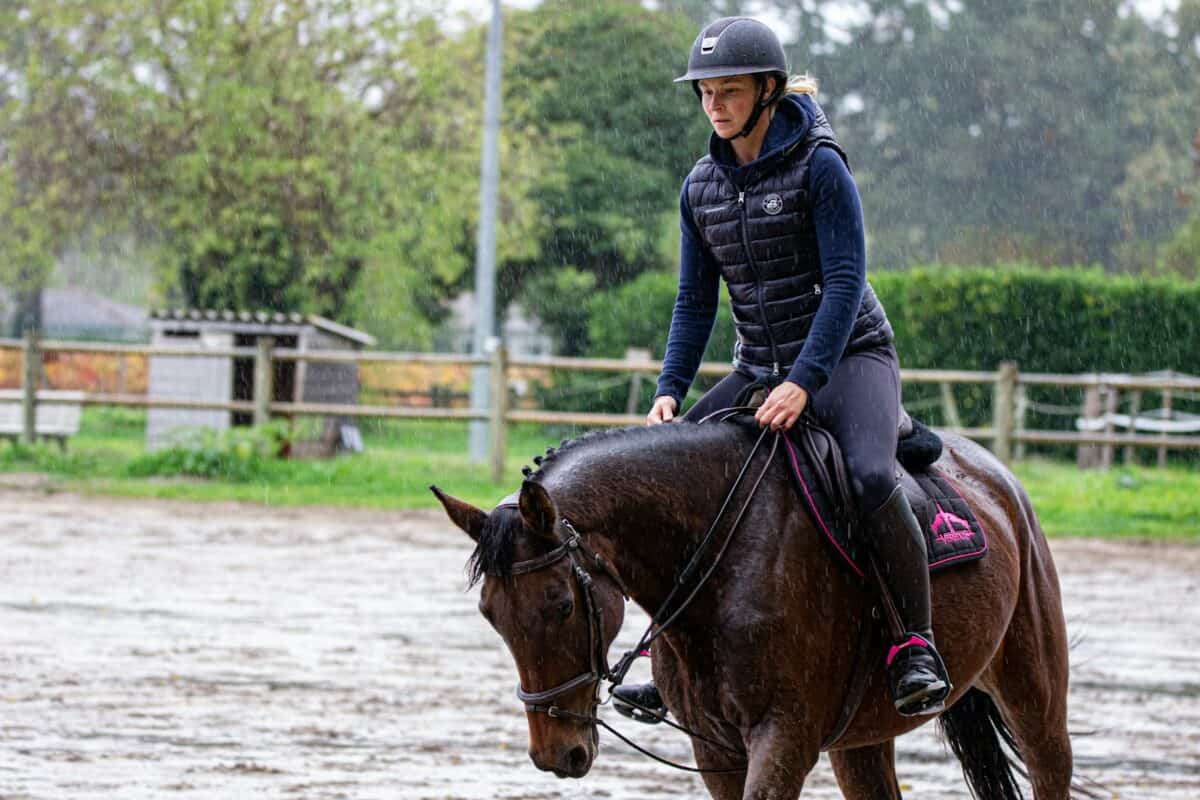
Beyond his on-screen work with animal characters, Robin Williams was a dedicated advocate for animal welfare and conservation in his personal life. He supported numerous animal-related charities, including the St. Jude’s Ranch for Children’s Horseback Riding Program and the Marine Mammal Center in Sausalito, California. Williams frequently participated in fundraisers for wildlife preservation and was known to make unannounced visits to zoos and aquariums, where he would sometimes entertain staff and visitors with impromptu performances inspired by the animals.
This personal connection to animal welfare informed many of his career choices, particularly his roles in environmentally conscious films like “FernGully” and “Happy Feet.” Williams often selected projects that allowed him to highlight conservation messages, using his platform to educate audiences about the importance of protecting wildlife and their habitats. His genuine affection for animals translated to authentic performances when portraying or voicing them on screen. Colleagues frequently noted that Williams seemed most joyful when working on animal-related projects, bringing an additional layer of enthusiasm and commitment to these roles that resonated with audiences of all ages.
The Lasting Legacy of Williams’ Animal Performances
Robin Williams’ contributions to bringing animal characters to life created a lasting legacy that continues to influence animation and family entertainment. His innovative approach to voice acting established new standards for how animal characters could be portrayed with depth, humor, and emotional resonance. The animals he brought to life weren’t simply comic relief or one-dimensional creatures; they were fully realized characters with distinct personalities, motivations, and emotional journeys that audiences could connect with on a human level.
Williams demonstrated that animal characters could carry meaningful messages while still entertaining audiences of all ages, using his platform to promote environmental awareness, conservation, and respect for wildlife. His performances helped elevate the status of voice acting for animated animals, showing that such work required the same level of craft and commitment as live-action roles. Years after his passing, Williams’ animal characters remain beloved by generations of viewers, with parents introducing their children to these performances and discovering that they retain their power to entertain and move audiences. Through these animal characters, Robin Williams’ unique gifts as a performer continue to bring joy and inspiration, ensuring that his creative spirit lives on through the creatures he so brilliantly brought to life on screen.

From exploring the marine wonders in the Azores and witnessing the vast savannas of Kenya, to delving deep into the rich biodiversity of South Africa and traversing iconic landscapes in Australia and the US like Yellowstone, Chris's experiences are vast.
With a penchant for diving alongside sharks, the ocean holds a special place in his heart.
Through his academic insights, he champions wildlife conservation, striving with 'Animals Around The Globe' to cultivate a profound connection between humans and animals, enhancing our mutual appreciation.
Connect with him at Feedback@animalsaroundtheglobe.com.
- The Sacred Goose of Ancient Rome: Protector of the Capitol - July 21, 2026
- Top 10 Animal Encounters in Europe - July 21, 2026
- The Lizard That Shoots Blood From Its Eyes - July 21, 2026