
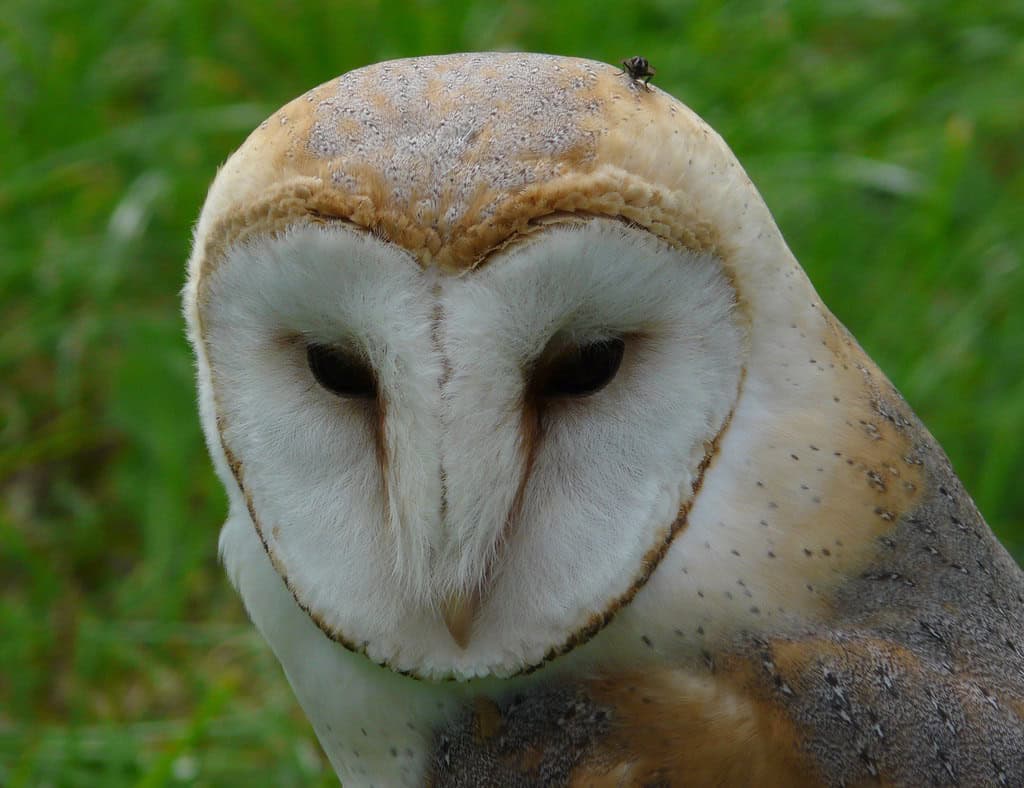
In the rich tapestry of Native American spiritual traditions, owls occupy a position of profound significance. These nocturnal birds of prey have been viewed as powerful spiritual entities for thousands of years across numerous tribal nations. Unlike European traditions that often simplified owl symbolism, Native American perspectives on owls are nuanced, complex, and deeply integrated into broader cosmological understandings. Owls are frequently perceived as messengers that traverse the boundaries between the physical and spiritual realms, carrying communications between humans and the spirit world.
The owl’s ability to see in darkness symbolizes perception beyond ordinary sight—a metaphorical vision that penetrates the veil between worlds. Many tribal traditions recognize owls as beings who can travel between the land of the living and the land of the dead with ease, making them intermediaries for ancestral communications. This messenger role varies significantly across different tribal nations, with some viewing owl messengers as bearers of wisdom and others perceiving them as harbingers of transformation or significant change. This duality of interpretation reflects the complex relationship Native peoples have maintained with these mysterious birds throughout centuries.
Diversity of Owl Symbolism Across Tribal Nations
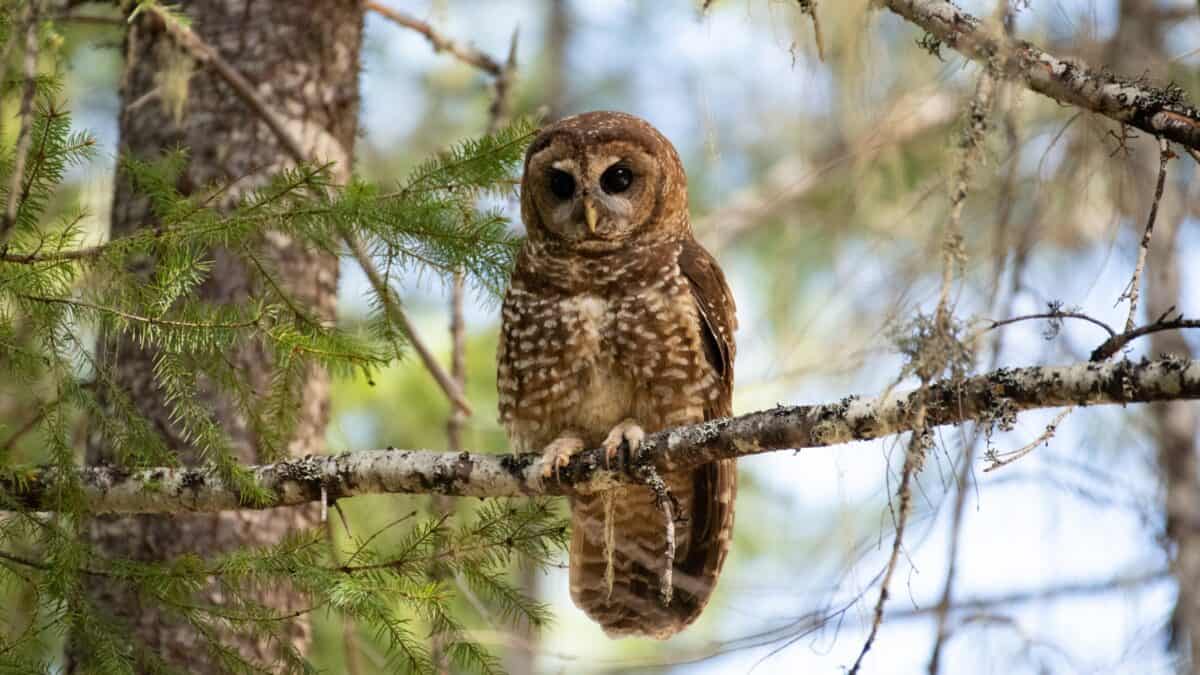
The symbolic meaning of owls varies dramatically across the hundreds of distinct Native American cultures, demonstrating the diversity of indigenous spiritual traditions. Among tribes of the Pacific Northwest such as the Kwakiutl and Tlingit, the owl is often associated with souls transitioning to the afterlife. The Hopi people of the Southwest incorporate owl kachinas into certain ceremonies, representing the spirit of wisdom. For the Lakota Sioux, the owl is connected to Whope, the beautiful daughter of Wi (the sun) and a mediator between humans and the supernatural.
The Pawnee view owls as protectors and symbols of bravery, while the Ojibwe consider them symbols of both death and wisdom. Among the Cherokee, owls (particularly the screech owl, known as “wahuhi”) are associated with witchcraft and spiritual consultations. The Seminole people believe that owls are transformed shamans that continue their work in the spirit world. This diverse array of interpretations highlights an important truth about Native American spirituality—it is not monolithic but rather comprises thousands of distinct traditions, each with its own nuanced understanding of these powerful birds.
Owls as Bearers of Death and Transformation
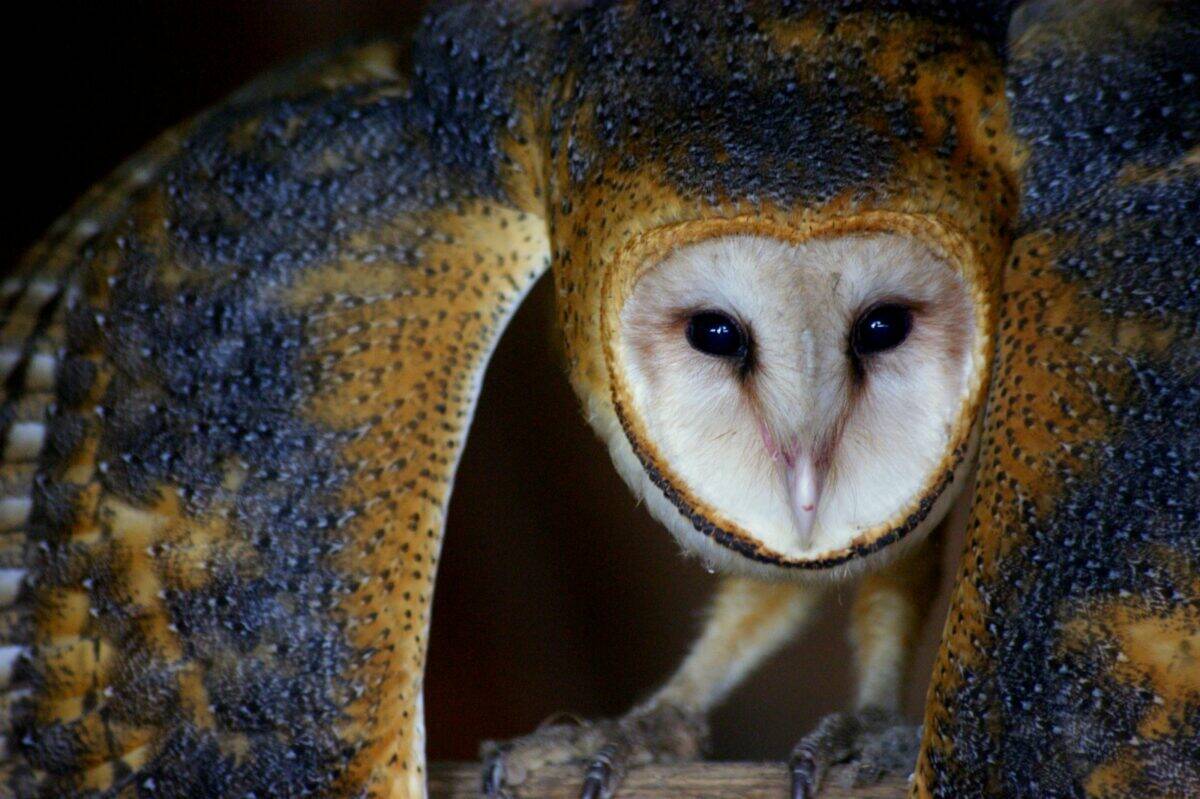
One of the most widespread associations with owls in Native American traditions is their connection to death, though this connection is more sophisticated than merely viewing owls as omens of doom. In many tribal beliefs, owls are thought to announce or accompany death not as a terrifying end but as part of the natural cycle of transformation. The Apache, for instance, believe that the hooting of an owl signals the imminent departure of a soul from the physical world. The Choctaw traditionally viewed owls as spiritual escorts for the deceased, helping guide souls to their next destination.
This association with death extends to the owl’s role in transformational processes. For many tribes, the owl symbolizes necessary endings that precede new beginnings—the death that must occur before rebirth. The nocturnal nature of these birds, active when most of nature sleeps, reinforces their connection to the transitional states between existence and non-existence. Rather than being feared, this aspect of owl symbolism often reflects a profound acceptance of life’s cyclical nature and the inevitability of change, echoing the indigenous worldview that death is not an end but a transformation into another form of being.
Wisdom Keepers and Knowledge Bearers

Contrasting with their association with death, owls are simultaneously revered as symbols of wisdom and intelligence in many Native American traditions. Their acute senses, particularly their extraordinary night vision and keen hearing, metaphorically represent a deeper level of perception and understanding. The Menominee tribe describes owls as keepers of sacred knowledge, while the Hopi incorporate owl symbolism into ceremonies focused on obtaining wisdom. The quiet, observant nature of owls embodies the value of watching and listening before acting—a principle highly regarded in numerous indigenous teachings.
The dichotomy between the owl as a death symbol and wisdom keeper is not contradictory in Native American spirituality but complementary. This duality suggests that true wisdom comes from understanding both life and death, light and darkness. Some traditions hold that the owl’s wisdom is particularly potent because it encompasses knowledge of the afterlife and ancestral realms. Among certain tribes, shamans and medicine people would seek to harness owl medicine—the spiritual power associated with owls—to gain insights, healing abilities, and prophetic vision that could benefit their communities.
The Great Horned Owl in Tribal Mythology

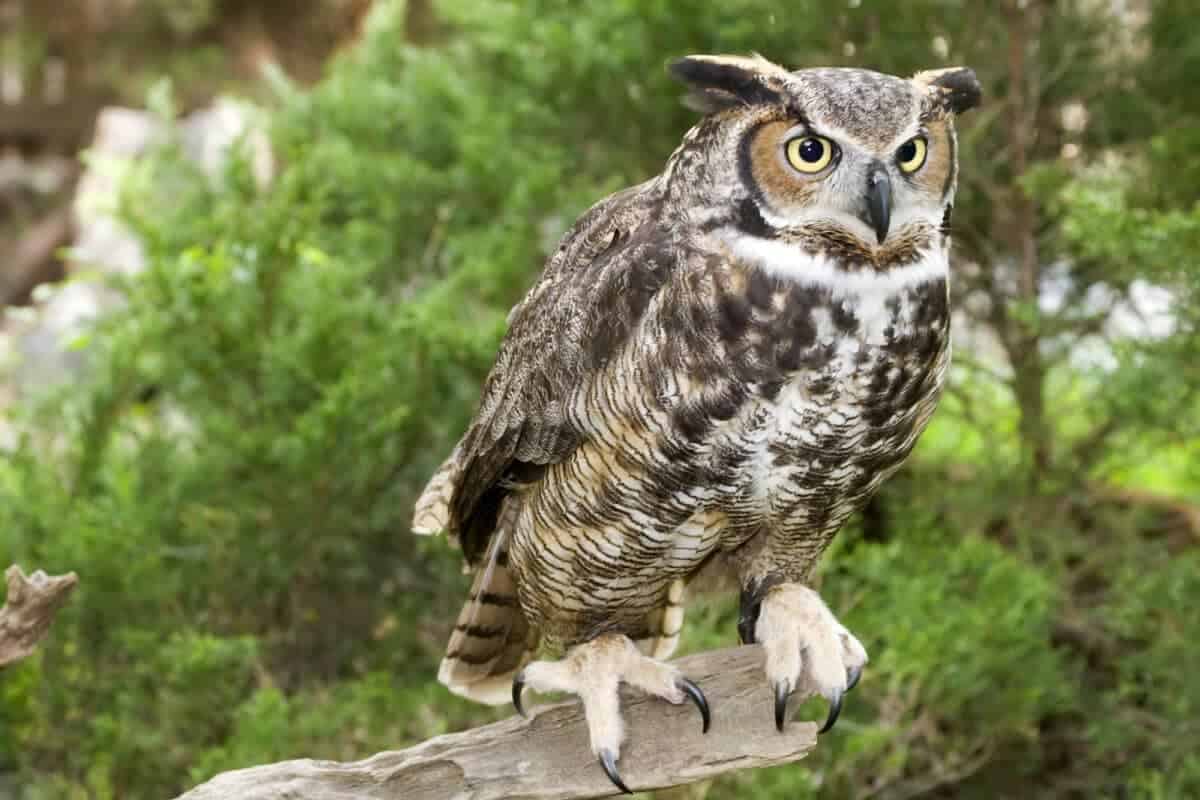
The Great Horned Owl (Bubo virginianus) holds special significance in numerous Native American mythological systems due to its imposing size, distinctive ear tufts, and powerful presence. Among the Passamaquoddy of the Northeast, the Great Horned Owl features in creation stories as a being of profound influence. The Blackfeet reference this magnificent bird in their Medicine Pipe ceremonies, acknowledging its spiritual potency. For the Pima of the Southwest, the Great Horned Owl is “The Watchman,” overseeing the activities of humans and reporting back to creator deities.
In many tribal traditions, the Great Horned Owl is viewed as a creature of exceptional spiritual power, sometimes feared for its intensity. The Cree describe it as possessing strong medicine that can be beneficial or dangerous depending on how it is approached and respected. The distinctive silhouette of this owl, with its prominent “horns” (actually feather tufts), contributed to its mystique and elevated status in indigenous cosmology. Some tribal stories tell of Great Horned Owls serving as messengers for powerful supernatural beings or as guardians of sacred knowledge that could transform those who encountered them. This specific species exemplifies how Native American traditions often recognized and honored the unique qualities of different owl types.
Owls in Creation Stories and Oral Traditions

Owls feature prominently in creation myths and foundational stories across numerous tribal nations, often playing pivotal roles in how the world came to be or how certain natural phenomena originated. In Navajo creation stories, Owl is one of the beings present at the emergence of the First World. Among the Caddo people, there are tales of how Owl helped bring fire to humankind. The Inuit of the Arctic regions have traditions explaining how the owl and the raven received their distinctive appearances through interactions with creator beings during the world’s formation.
These oral traditions serve not only as entertaining stories but as vessels for cultural values, ecological knowledge, and spiritual teachings. In Cherokee stories, the owl gained its nocturnal habits and haunting call as a result of specific events in primordial times. The Ojibwe tell of how the owl received its large eyes to help it serve as a night watchman for other creatures. These narratives, passed down through generations, encode sophisticated understandings of owl behavior and ecological niches while simultaneously conveying moral lessons and spiritual insights. Through these stories, tribal members learned to recognize the significant place owls occupy in the natural and supernatural order.
Owls in Healing Practices and Medicine

In traditional Native American healing systems, owls are associated with specific medicinal properties and healing practices. Various tribal nations incorporated owl feathers, symbolism, or spiritual essence (“medicine”) into healing rituals for particular ailments or spiritual conditions. The Lakota recognized owl medicine as effective for treating certain respiratory conditions and disorders involving night vision. For some Pueblo healers, owl medicine was invoked to help those suffering from nightmares or spiritual disturbances occurring during sleep—reflecting the owl’s mastery of the night realm.
Medicine people in various traditions might call upon owl spirits during healing ceremonies, particularly those addressing issues requiring heightened perception or the ability to see hidden causes of illness. The Zuni and other Pueblo peoples sometimes used owl effigies in healing rituals related to psychological disturbances. Navajo healing ceremonies occasionally reference owl energies when treating conditions believed to originate from imbalances between the physical and spiritual worlds. This medicinal aspect of owl symbolism demonstrates how Native American spiritual traditions seamlessly integrated wildlife into holistic healing practices that addressed both physical and spiritual dimensions of wellness.
Owls in Ceremonial Practices and Rituals
Across numerous tribal nations, owls feature significantly in ceremonial contexts, with their presence, representations, or essences incorporated into sacred rituals. In some Pacific Northwest tribal ceremonies, dancers wear owl masks to embody the bird’s spiritual qualities during transformational rituals. Among certain Pueblo communities, owl kachinas (spirit beings represented by masked dancers) appear during specific seasonal ceremonies, embodying the bird’s connection to unseen realms. The Abenaki and other Northeastern woodland tribes sometimes included owl imagery in winter ceremonies related to the ancestors and spirit world.
Owl feathers hold particular ceremonial significance in many traditions. Apache shamans might use owl feathers in healing ceremonies to facilitate communication with spirit guides. In some tribal practices, owl feathers were considered powerful talismanic objects that could offer protection or special abilities to their bearers. The Hopi incorporated owl symbolism into ceremonies marking transitions between life stages. These ceremonial uses reflect the owl’s liminality—its existence between worlds—making it particularly powerful for rituals that involve crossing boundaries, whether seasonal, developmental, or between physical and spiritual realms.
Taboos and Respectful Practices Regarding Owls
The spiritual power attributed to owls has generated specific protocols and taboos surrounding interactions with these birds in many Native American cultures. Numerous tribal traditions caution against disturbing owls, imitating their calls, or speaking of them casually. Among the Navajo, encountering an owl too closely might require purification ceremonies to address potential spiritual consequences. The Hopi and other Pueblo peoples maintain specific guidelines about when and how owl imagery or references may be incorporated into ceremonies, with improper usage considered potentially dangerous.
These taboos reflect not fear but profound respect for the owl’s spiritual potency. In many traditions, speaking directly about owls or pointing at them is avoided, with indirect references preferred. The Apache and other tribes developed specific language practices to reference owls without naming them directly. Some tribal nations teach that owl feathers should only be gathered when naturally shed, never taken forcibly from the bird. These practices demonstrate an indigenous ethic of reciprocity and respect toward spiritually significant beings—acknowledging their power while establishing appropriate boundaries for human interaction with sacred aspects of the natural world.
Contemporary Preservation of Owl Traditions

Despite the disruptions caused by colonization, forced relocation, and assimilationist policies, many Native American communities have maintained or revitalized their traditional understandings of owl spirituality. Tribal cultural centers, language preservation programs, and ceremonial revitalization movements actively work to document and transmit knowledge about owl symbolism to younger generations. The Potawatomi Cultural Heritage Center, for example, includes educational programs about traditional understandings of owls and other spiritually significant wildlife. The Cherokee Language Program incorporates traditional stories featuring owls as part of language reclamation efforts.
Contemporary Native American artists, storytellers, and spiritual leaders continue to reference and honor owl symbolism in their work. Hopi kachina carvers maintain traditional representations of owl spirits. Lakota artists incorporate owl imagery into beadwork and other art forms following traditional protocols. Indigenous environmental advocacy often draws upon traditional knowledge about owls as part of broader ecological wisdom. These preservation efforts represent not mere cultural nostalgia but living traditions that continue to evolve while maintaining core spiritual understandings about these remarkable birds and their place in indigenous cosmologies.
Conservation Implications of Sacred Owl Status
The spiritual significance of owls in Native American traditions has important implications for contemporary conservation efforts. Many tribal nations have developed wildlife management programs that incorporate traditional ecological knowledge about owls alongside scientific approaches. The Menominee Sustainable Forestry Initiative, for instance, includes specific provisions for protecting owl habitat based on both contemporary conservation science and traditional understandings of owl significance. The Confederated Salish and Kootenai Tribes have developed wildlife management plans that recognize the cultural and spiritual importance of owls alongside their ecological roles.
These culturally-informed conservation approaches often provide more comprehensive protection than purely scientific frameworks. Traditional ecological knowledge about owl behavior, habitat needs, and population patterns—accumulated over thousands of years of observation—complements scientific research. Moreover, the spiritual significance attributed to owls in Native traditions creates additional motivation for protection beyond utilitarian conservation values. The cultural status of owls as sacred beings in many indigenous worldviews fosters community commitment to their preservation, demonstrating how spiritual traditions can reinforce and enhance conservation ethics in ways that benefit both cultural continuity and biodiversity protection.
Understanding Owl Spirituality in Cultural Context
To appreciate the complexity of owl symbolism in Native American spiritual traditions requires situating these understandings within broader indigenous worldviews. In many Native American philosophical systems, the boundaries between humans, animals, and spirits are perceived as permeable rather than fixed. Animals like owls are understood not as separate from humanity but as other-than-human persons with their own societies, intelligence, and spiritual significance. This relational perspective differs fundamentally from Western nature-culture divides that separate humans from wildlife.
Additionally, Native American spiritual traditions typically view time as cyclical rather than linear, with past, present, and future existing in relationship rather than strict sequence. This temporal understanding influences perceptions of owls as beings who move between worlds—not just spatially but temporally, connecting ancestors, living communities, and future generations. Recognizing these philosophical foundations helps non-indigenous people avoid misinterpreting owl symbolism through Western conceptual frameworks. The owl’s role in Native spirituality emerges not from superstition but from sophisticated cosmological systems that recognize interconnection and relationship as fundamental principles of existence.
Conclusion: The Enduring Spiritual Legacy of Owls

The profound spiritual significance of owls in Native American traditions continues to resonate across time, offering valuable insights into indigenous worldviews and relationships with the natural world. These diverse traditions—spanning hundreds of tribal nations across North America—reveal sophisticated understandings of owls as multi-dimensional beings whose significance transcends simple categorization. The owl’s ability to navigate darkness, perceive what others cannot, and move between worlds makes it an enduring symbol of transformation, wisdom, and spiritual communication in numerous indigenous cosmologies.
This rich symbolic heritage invites contemporary appreciation of owls not merely as biological entities but as beings embedded in cultural and spiritual significance. The continued preservation of these traditions by Native communities demonstrates the resilience of indigenous knowledge systems despite historical attempts at suppression. As contemporary society faces ecological challenges and spiritual disconnection, the traditional knowledge about owls maintained by Native American communities offers valuable perspectives on maintaining respectful relationships with the more-than-human world. Through understanding and honoring these traditions, we gain not only cultural insights but potentially transformative ways of perceiving our relationships with the remarkable beings with whom we share the Earth.

- Why You Shouldn’t Chase Butterflies With Nets - July 22, 2026
- The Animal Kingdom’s Best Dads Ranked - July 22, 2026
- The Most Vulnerable Fish Species in U.S. Rivers Today - July 22, 2026