

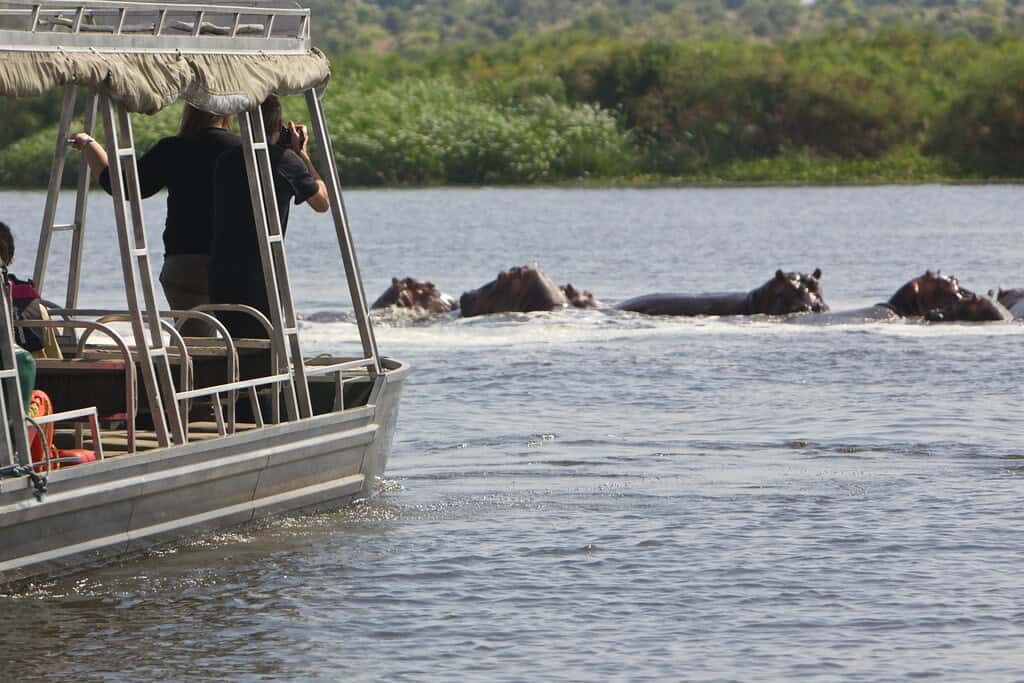
Embarking on a safari is one of life’s most extraordinary adventures, offering an unparalleled opportunity to witness wildlife in their natural habitat while immersing yourself in the raw beauty of nature. Whether you’re planning your first expedition to the Serengeti or returning to explore the wilds of Kruger National Park, knowing what to do—and perhaps more importantly, what not to do—can transform your safari from merely memorable to truly magical. This comprehensive guide outlines fourteen essential experiences to embrace on safari, balanced with ten crucial behaviors to avoid. From maximizing wildlife encounters to respecting local cultures and environments, these insights will help you navigate the untamed wilderness with confidence, consideration, and an open heart for adventure.
1. Do: Rise Before the Sun

The early morning hours on safari offer an unrivaled wildlife viewing experience. As dawn breaks across the savanna, predators often return from nighttime hunts, herbivores gather at watering holes, and the entire ecosystem stirs to life under the gentle glow of sunrise. Most professional guides schedule game drives starting as early as 5:30 AM for good reason—this magical window before the day’s heat sets in presents your best chance to witness active wildlife behavior.
Research from wildlife biologists indicates that many species are up to 60% more active during these early hours compared to midday. Beyond increased animal sightings, early mornings also provide photographers with the famed “golden hour” lighting that bathes landscapes and wildlife in warm, soft illumination perfect for capturing stunning images. Though it may require a pre-dawn alarm, the rewards of witnessing a pride of lions in the amber morning light or elephants silhouetted against the rising sun create memories that will last a lifetime.
2. Do: Pack Appropriate Clothing

Safari-appropriate attire goes beyond fashion—it’s about functionality, comfort, and sometimes even safety. Opt for neutral, earth-toned clothing in breathable fabrics like cotton or technical materials that wick moisture. Colors like khaki, olive, and tan not only blend with the environment (potentially allowing closer wildlife approaches) but also hide dust and dirt that inevitably accumulate during game drives. Avoid bright colors and pure white, which can startle animals or reflect light excessively in photographs.
Layer strategically to manage temperature fluctuations—early mornings and evenings can be surprisingly cool, even in tropical regions, while midday temperatures often soar. Essential items include a wide-brimmed hat for sun protection, closed-toe shoes for walking safaris, a light rain jacket regardless of season, and a warm fleece or jacket for evening game drives when temperatures can drop dramatically. Remember to pack a pair of polarized sunglasses to reduce glare and enhance wildlife visibility across water and open plains.
3. Do: Bring Quality Binoculars

Investing in or renting high-quality binoculars dramatically enhances the safari experience, allowing you to observe intricate animal behaviors and distant wildlife that would otherwise remain invisible to the naked eye. While safari vehicles typically get reasonably close to wildlife, many fascinating interactions occur at distances where details are lost without optical assistance. Wildlife experts recommend binoculars with magnification between 8x and 10x with an objective lens diameter of at least 42mm (expressed as 8×42 or 10×42) as the ideal balance between power and stability.
The difference between budget and quality binoculars becomes immediately apparent when viewing wildlife at dawn or dusk—premium optics with superior light-gathering capabilities can extend your wildlife viewing by up to 30 minutes during these critical low-light periods when animals are most active. Additionally, sharing memorable sightings with travel companions becomes much easier when everyone has their own pair rather than passing a single set around. Many lodges offer binoculars for rent, but having your own ensures constant access to this essential safari tool.
4. Do: Keep a Safari Journal

Maintaining a safari journal creates a richer, more enduring connection to your wilderness experience. Beyond simply recording animal sightings, a thoughtful journal captures sensory details—the earthy scent after a sudden rain shower, the thunderous rumble of elephants moving through acacia thickets, or the breathtaking transition of colors as the savanna shifts from golden afternoon to deep indigo twilight. These details, often forgotten with time, preserve the emotional essence of your safari journey.
Consider developing a journaling routine by writing brief notes during quiet moments at camp or immediately after game drives while memories remain fresh. Include sketches (regardless of artistic ability), pressed flowers from the camp grounds (where permitted), or location markers on a printed map to create a multidimensional record. Research shows that journaling enhances memory formation and emotional processing, effectively “encoding” experiences more deeply into your long-term memory—making your safari memories more vivid and accessible years after you’ve returned home.
5. Do: Learn Basic Wildlife Photography

Understanding fundamental wildlife photography techniques before your safari can dramatically improve your ability to capture meaningful images. Rather than focusing exclusively on equipment, invest time learning about composition, lighting, and animal behavior prediction. The classic “rule of thirds” (placing your subject at the intersection points of an imaginary grid dividing your frame into nine equal sections) typically creates more dynamic wildlife images than centering every subject. Similarly, allowing “environmental space” in the direction an animal is facing or moving creates more compelling storytelling within a single frame.
Prepare your camera for safari conditions by practicing with your equipment before departure—knowing how to quickly adjust settings for varying light conditions or sudden movement prevents missed opportunities in the field. Most wildlife photographers recommend shooting in aperture priority mode with a relatively wide aperture (f/4 to f/5.6) to create subject separation with pleasing background blur. Pack at least twice the memory storage and batteries you anticipate needing, as power sources can be limited in remote locations, and the volume of photographs you’ll take will likely exceed expectations. Remember that the best wildlife photographs often capture behavior or interaction rather than simply documenting an animal’s appearance.
6. Do: Respect Your Guide’s Expertise
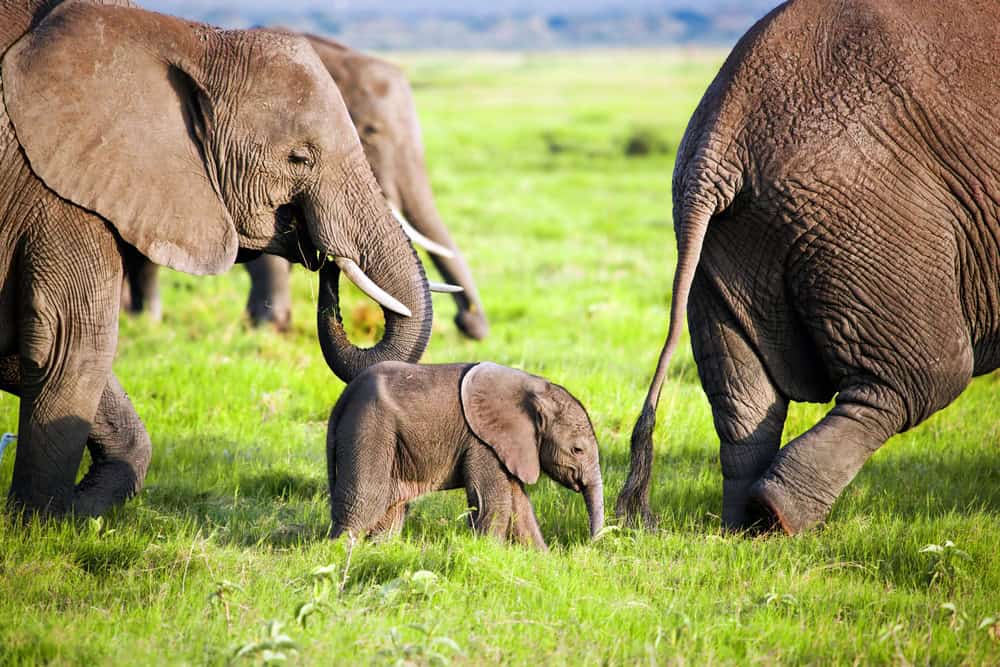
Safari guides represent an extraordinary knowledge resource with expertise developed through years—often decades—of direct wilderness experience. Professional guides typically undergo rigorous training covering animal behavior, ecology, tracking, safety protocols, and regional history. Many possess an almost uncanny ability to spot camouflaged wildlife and predict animal movements based on subtle environmental cues invisible to untrained observers. Beyond their practical knowledge, guides often share profound connections with local communities and conservation initiatives, providing cultural context that enhances understanding of the complex relationship between people and wildlife.
Engaging thoughtfully with your guide creates opportunities for deeper learning and more meaningful wildlife encounters. Ask questions about ecosystem dynamics rather than focusing exclusively on spotting “checklist” animals. Express interest in lesser-known species, plant life, and how seasonal changes affect wildlife behavior. Most guides enthusiastically share their knowledge when travelers demonstrate genuine curiosity beyond the “Big Five.” Remember that guides often make split-second decisions about vehicle positioning based on animal behavior, wind direction, and other factors—trust their judgment even when the reasoning isn’t immediately apparent. The most rewarding safari experiences typically come from collaborative relationships with guides based on mutual respect.
7. Do: Support Conservation Through Responsible Tourism
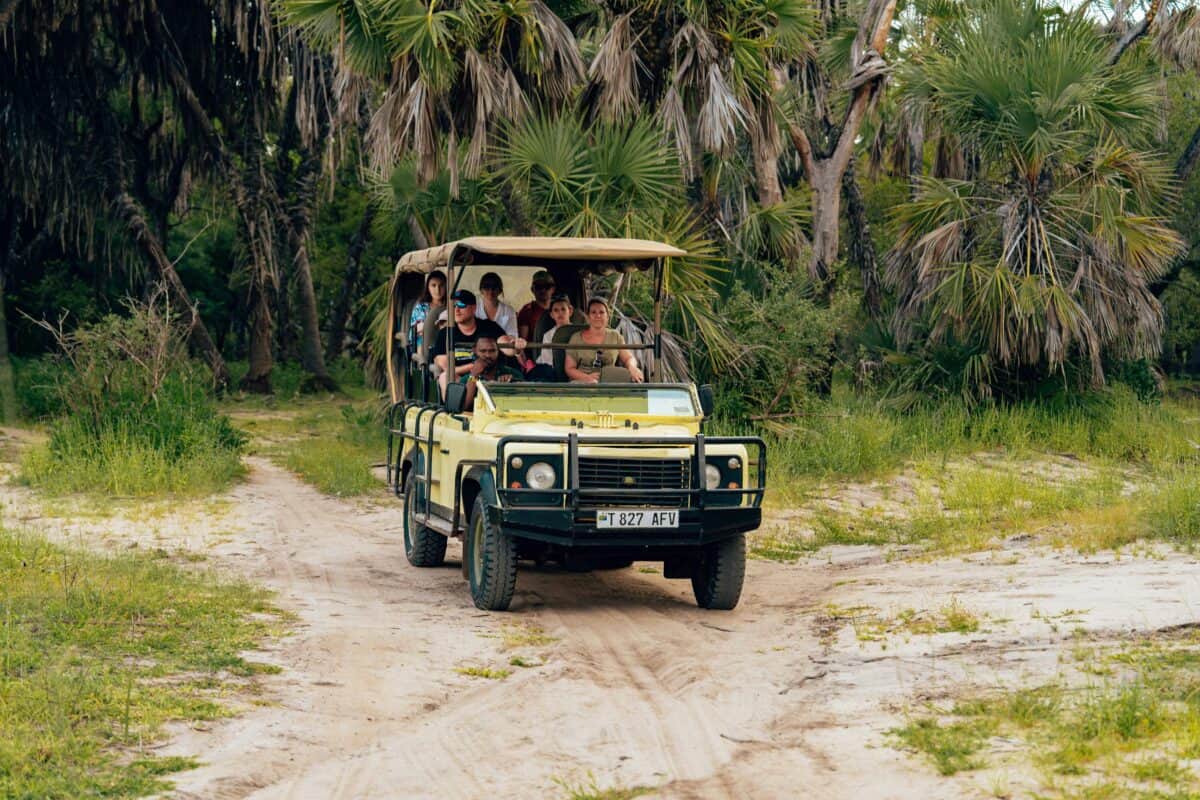
Thoughtfully chosen safari experiences can directly contribute to wildlife conservation and community development. Research indicates that well-managed wildlife tourism creates economic incentives that help protect natural habitats that might otherwise be converted to agriculture or other development. When local communities receive tangible benefits from wildlife tourism—through employment, revenue sharing, or development initiatives—they become powerful advocates for conservation. Before booking, investigate safari companies’ conservation credentials, including their environmental practices, community partnerships, and whether they contribute financially to protected area management or anti-poaching efforts.
Consider selecting lodges and operators certified by recognized sustainability programs like Fair Trade Tourism or those affiliated with organizations such as the Global Sustainable Tourism Council. Many leading safari companies now implement comprehensive sustainability practices including solar power, water recycling systems, farm-to-table dining using locally sourced ingredients, and plastic-free operations. Some operations directly fund conservation research or community education programs, creating a positive feedback loop where tourism directly strengthens protection for the very ecosystems and wildlife you’re visiting. By making conservation-conscious choices, your safari becomes not just an adventure but an active contribution to preserving wilderness for future generations.
8. Do: Embrace Cultural Experiences
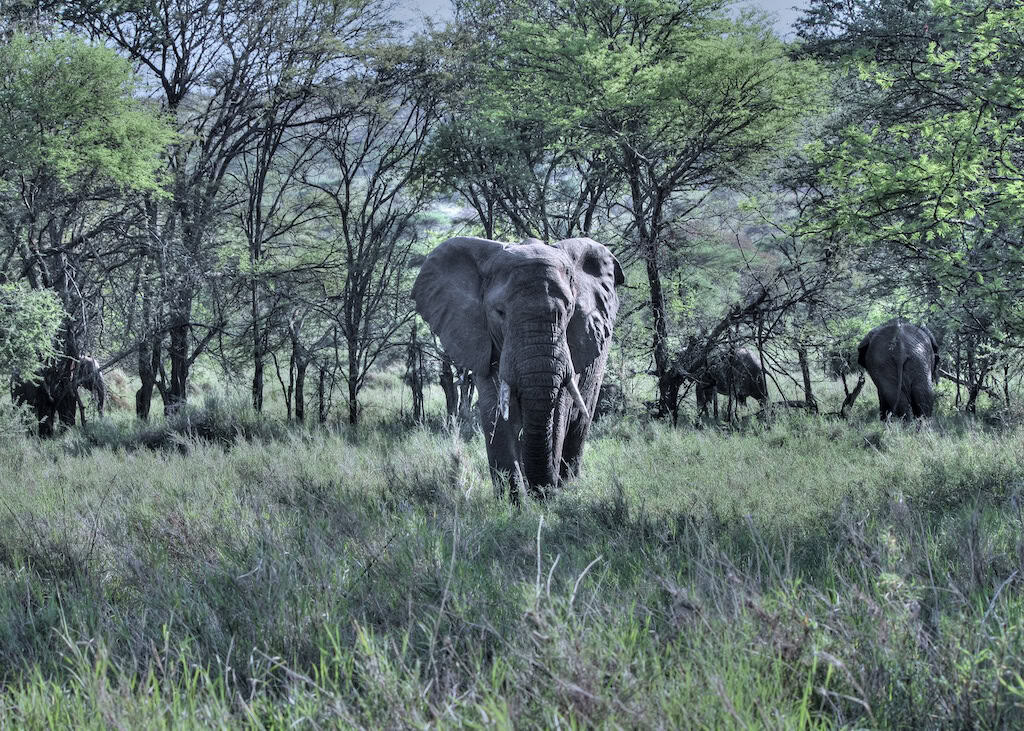
The landscapes that support magnificent wildlife also nurture rich human cultures with centuries-old relationships to these environments. Many safari destinations offer opportunities to engage respectfully with local communities through village visits, cultural performances, artisan demonstrations, or guided walks with indigenous trackers. These experiences provide valuable context for understanding the complex interplay between people and wildlife while supporting cultural preservation. In countries like Kenya, Tanzania, and Namibia, community-based tourism initiatives directly empower local populations to benefit economically from wildlife conservation.
Approach cultural interactions with genuine curiosity and respect, remembering that you’re a guest in someone’s homeland. When photographing people, always request permission first—preferably through your guide who can explain local customs regarding photography. Consider purchasing handicrafts directly from artisans when available, as this provides crucial income while preserving traditional skills. Many safari lodges now incorporate cultural elements into their offerings, from architectural influences and décor to cuisine featuring local specialties. Embracing these cultural dimensions transforms your safari from a wildlife-viewing expedition into a more holistic understanding of Africa’s living heritage—the human communities who have coexisted with wildlife for generations.
9. Do: Maintain a Flexible Attitude
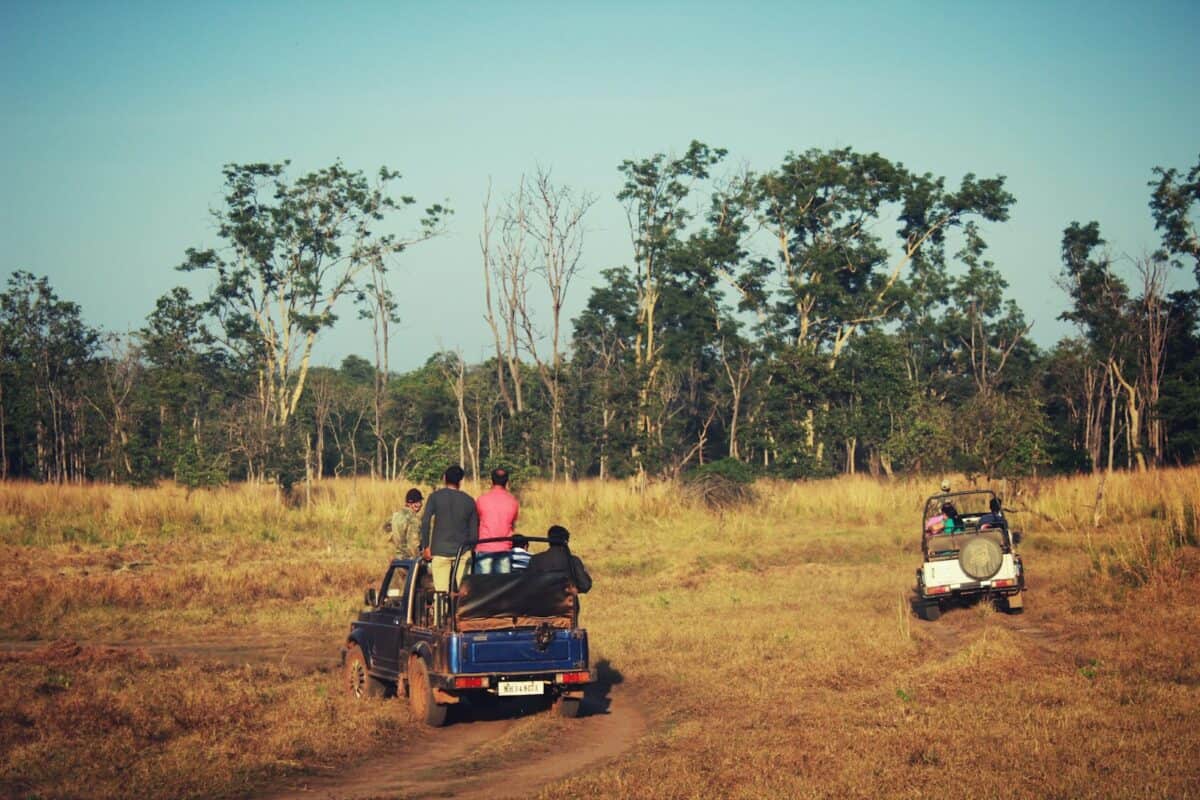
Perhaps the single most important mindset for safari success is flexibility. Wildlife viewing inherently involves unpredictability—animals follow their own patterns and priorities rather than visitor expectations. Weather conditions, seasonal migrations, and natural behaviors create a constantly changing wilderness experience where rigid expectations often lead to disappointment. Experienced safari travelers understand that embracing this unpredictability leads to more authentic and often more rewarding wildlife encounters. Some of the most memorable safari moments come from unexpected sightings or behaviors rather than planned itineraries.
Practical flexibility extends to accommodating schedule changes when guides receive reports of exceptional sightings, understanding that certain activities may be modified due to weather conditions, and recognizing that wilderness infrastructure occasionally faces challenges different from urban tourism. Safari regions sometimes experience limited internet connectivity, periodic power fluctuations, or water conservation measures—approaching these situations with adaptability rather than frustration aligns your expectations with the realities of remote locations. The safari mindset values the privilege of witnessing natural processes unfolding according to their own rhythms rather than human timetables.
10. Do: Bring Essential Medications
Preparing a thoughtful medical kit can prevent minor health issues from disrupting your safari experience. Beyond any prescription medications you regularly take (packed in original containers with sufficient supply for your entire journey plus extra days for potential delays), consider including remedies for common travel ailments. Anti-diarrheal medication, broad-spectrum antibiotics (prescribed by your doctor for emergency use), antihistamines for allergic reactions, and pain relievers/fever reducers form the foundation of a basic travel medical kit. Depending on your destination, antimalarial medications may be essential—consult with a travel medicine specialist well before departure as some preventative regimens must begin weeks before travel.
Include practical items like high-SPF sunscreen (sun exposure is intensified at higher altitudes and near the equator where many safari destinations are located), insect repellent containing DEET or picaridin, oral rehydration salts for replacing electrolytes, and adhesive bandages for minor injuries. Motion sickness remedies can prove valuable for those sensitive to rough roads during game drives. Store medications in a climate-controlled location when possible, as extreme heat can degrade certain pharmaceuticals. Research the nearest medical facilities to your safari locations and ensure your travel insurance includes emergency evacuation coverage—comprehensive policies typically cost $50-150 but provide crucial protection in remote regions.
11. Do: Practice Wildlife Observation Skills

Developing systematic wildlife observation techniques dramatically enhances safari experiences by revealing behaviors and interactions that casual viewers often miss. Rather than scanning constantly for new animals, professional naturalists recommend spending extended time with individual animals or groups when possible, observing how they interact with their environment and each other. Watch for subtle communication signals—ear positions in elephants, tail movements in lions, or body posturing in primates—that indicate emotional states or intentions. Notice how different species interact when sharing space at watering holes or feeding areas, revealing fascinating interspecies dynamics.
Train yourself to look for movement rather than specific animal shapes, as motion often reveals camouflaged wildlife. Periodically scan the tree line where predators might rest during hot hours, check muddy areas for tracks indicating recent activity, and watch for birds circling which may indicate a predator kill or large mammals moving through vegetation. Listen attentively to environmental sounds—sudden bird alarm calls often signal predator movement, while specific mammal vocalizations communicate different messages to their social groups. These observation skills develop with practice but begin yielding rewards almost immediately as you start noticing subtle wildlife behaviors previously hidden in plain sight.
12. Do: Disconnect Digitally

Embracing a digital detox during safari creates space for deeper connection with the natural world and more mindful awareness of wildlife encounters. Research in attention psychology suggests that constant smartphone checking fragments attention and reduces our ability to fully process experiences. By deliberately limiting digital distractions, you enhance your capacity to notice subtle details in animal behavior, appreciate the nuanced soundscape of the wilderness, and form more vivid memories of your journey. Many safari veterans recommend scheduling brief, designated periods for digital connection rather than remaining perpetually online.
Practical approaches include turning off push notifications, setting devices to airplane mode during game drives (while still using camera functions), and limiting social media posting to evening hours after fully experiencing the day’s activities. For those concerned about staying connected with family, many safari operators can provide emergency contact protocols without requiring constant connectivity. The sensory richness of the wilderness—from the earthy petrichor after rain to the reverberating roar of lions at dusk—becomes more vivid and memorable when experienced without digital interruption. Consider keeping a physical journal rather than digital notes, as the act of handwriting has been shown to enhance memory formation and emotional processing.
13. Do: Participate in a Walking Safari

Walking safaris offer a profoundly different wildlife experience compared to vehicle-based game drives, engaging all senses and providing intimate encounters with ecosystems impossible to appreciate from behind glass windows. Under the guidance of specialized armed safari guides, walking safaris shift focus from large mammal viewing to understanding the intricate relationships between plants, insects, tracks, and smaller wildlife often overlooked during drives. The experience of moving quietly through the same landscape where megafauna roam creates a visceral connection to the environment and a heightened awareness of your place within the natural world.
Safety protocols for walking safaris are comprehensive, with guides trained to interpret animal behavior, identify potential risks, and maintain appropriate distances from dangerous game. While encounters with larger mammals do occur during walks, the emphasis typically centers on tracking skills, botanical knowledge, and understanding ecological relationships rather than seeking close proximity to predators. Many safari connoisseurs consider walking experiences the ultimate expression of wilderness immersion, where subtle details—a dung beetle’s determined labor, the architectural marvel of a termite mound’s internal cooling system, or the medicinal properties of native plants—reveal the sophisticated interconnections that sustain savanna ecosystems.
14. Do: Savor the Unexpected Moments
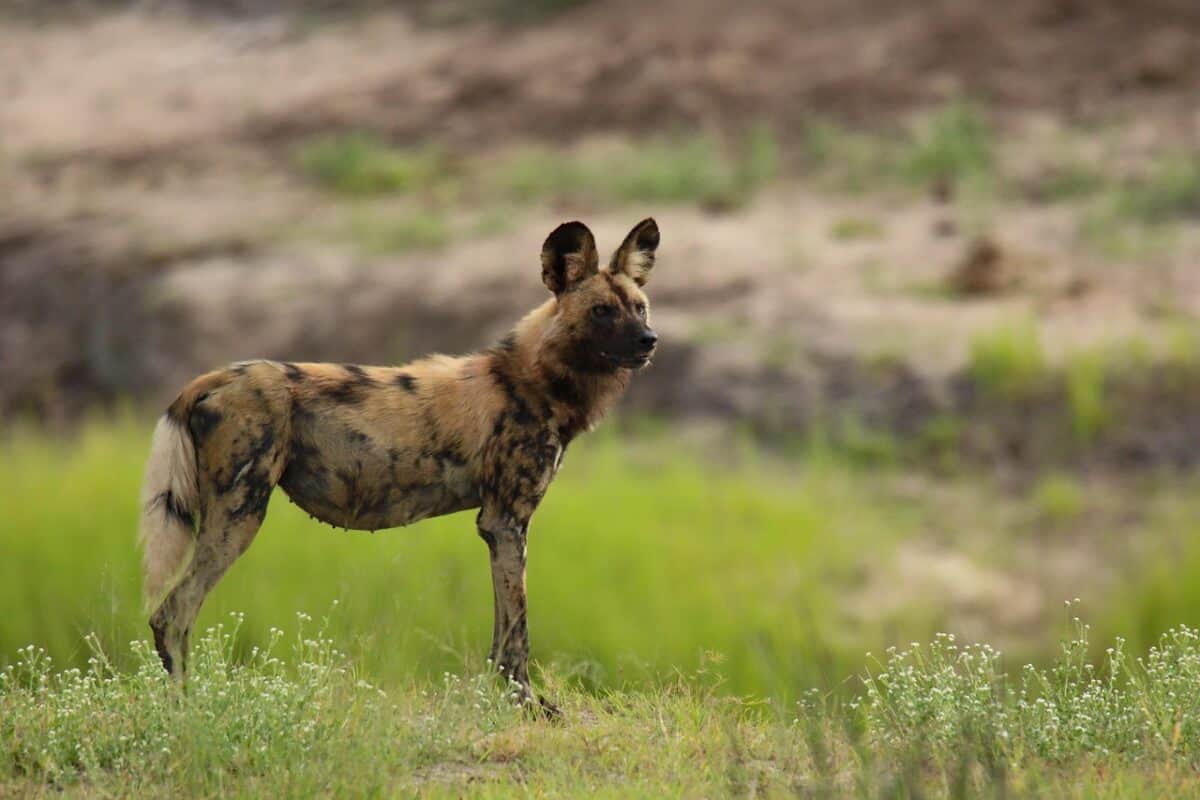
While iconic wildlife sightings understandably dominate safari aspirations, experienced travelers often find their most treasured memories emerge from unplanned, serendipitous moments that reveal the authentic character of the wilderness. A sudden afternoon thunderstorm transforming dusty plains into a canvas of dramatic light; the unexpected intimacy of watching elephant calves playfully splashing at a waterhole; or the breathtaking grandeur of the Milky Way arching overhead during a nighttime drive—these unscripted experiences often become the emotional anchors of safari memories. Cultivating presence and attentiveness creates space for these moments to unfold and be fully appreciated.
Many safari guides emphasize that while the “Big Five” rightfully attract attention, equally remarkable encounters await with less celebrated species. The balletic aerial displays of carmine bee-eaters, the social complexity revealed in a mongoose family’s coordinated foraging, or the surprising intelligence evident in watching baboons solve environmental challenges—these experiences often provide deeper insight into ecosystem dynamics than brief sightings of more famous species. By maintaining curiosity about all aspects of the environment rather than focusing exclusively on checklist animals, you open yourself to the full spectrum of wilderness wonders, sometimes finding profound connection in unexpected corners of the savanna.
Conclusion: Making the Most of the Wild—Safely and Respectfully

A safari is one of the most unforgettable experiences a nature lover can have—an immersive journey into the heart of wild landscapes, where animals roam free and every moment holds the potential for awe. The best safaris are about more than spotting the “Big Five”; they’re about slowing down, listening to the rhythms of nature, and respecting the complex ecosystems that support the wildlife you came to see. Following the right etiquette—like staying quiet, listening to your guide, and keeping a respectful distance—not only enhances your own experience but ensures the safety of both you and the animals.
Equally important are the things not to do. Disrupting wildlife, leaving vehicles, or treating the experience like a theme park can have serious consequences. Safaris aren’t just vacations—they’re opportunities to connect with the natural world in a meaningful, responsible way. When approached with humility, curiosity, and care, a safari becomes more than a trip—it becomes a lesson in coexistence and a reminder of our place within the greater web of life.

From exploring the marine wonders in the Azores and witnessing the vast savannas of Kenya, to delving deep into the rich biodiversity of South Africa and traversing iconic landscapes in Australia and the US like Yellowstone, Chris's experiences are vast.
With a penchant for diving alongside sharks, the ocean holds a special place in his heart.
Through his academic insights, he champions wildlife conservation, striving with 'Animals Around The Globe' to cultivate a profound connection between humans and animals, enhancing our mutual appreciation.
Connect with him at Feedback@animalsaroundtheglobe.com.
- Why Spiders Don’t Get Stuck in Their Own Webs - July 20, 2026
- What Scientists Found in a 10,000-Year-Old Beehive - July 20, 2026
- This Spider Builds Fake Decoys of Itself - July 20, 2026