

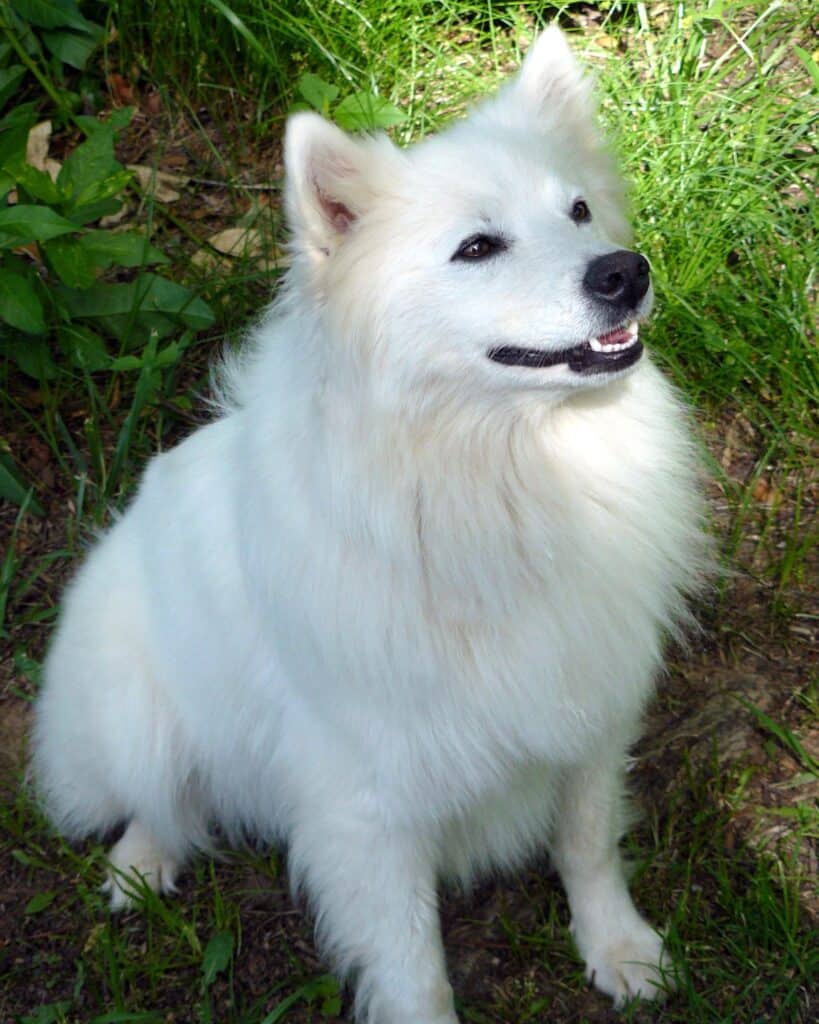
Dogs, like humans, need a balance of fun activities and relaxation to maintain good physical and mental health. Understanding what brings joy to our canine companions—and what causes them stress—is essential for responsible pet ownership. Our four-legged friends have evolved alongside humans for thousands of years, developing unique ways to play, socialize, and express themselves that reflect both their wild ancestry and their domesticated present.
Scientific research has shown that regular enjoyable activities reduce behavioral problems in dogs by up to 25%, while chronic stress can lead to health issues including compromised immune systems and shortened lifespans. By recognizing what dogs genuinely enjoy versus what might be causing them anxiety, we can create environments where they truly thrive. This guide explores ten activities dogs naturally love and three common situations that cause them significant stress—information every dog owner should understand.
1. Exploring New Scents

A dog’s sense of smell is their primary way of interpreting the world, with capabilities that far exceed human olfactory abilities. Dogs possess up to 300 million olfactory receptors in their noses, compared to about 6 million in humans. This remarkable difference makes scent exploration one of their most fulfilling activities. When dogs sniff around during walks, they’re actually “reading” a complex newspaper of information about other animals, environmental changes, and potential food sources.
Allowing your dog ample time for “sniffari” walks—where they lead and set the pace based on interesting scents—provides crucial mental stimulation. Studies from the University of Helsinki have shown that dogs who regularly engage in scent-based activities show reduced stress hormones and increased production of dopamine, the “happiness hormone.” Consider hiding treats around your home, using snuffle mats, or enrolling in nosework classes to harness your dog’s natural scenting abilities for fun and enrichment.
2. Playing Fetch and Chase Games
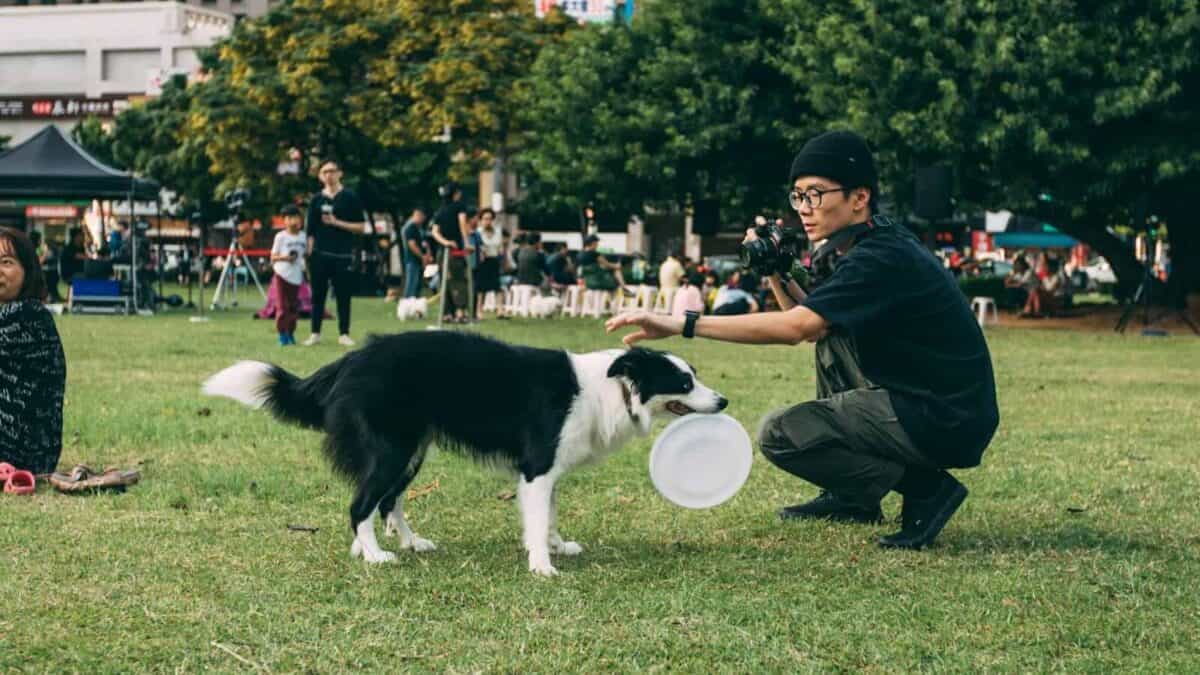
The joy most dogs display when playing fetch or chase games connects directly to their predatory heritage. While domestication has softened the hunting instinct, the sequence of spotting, chasing, catching, and “killing” a toy activates deeply satisfying neurological pathways in a dog’s brain. The anticipation, pursuit, and successful capture of a ball or frisbee triggers the release of endorphins, creating a natural high that explains why many dogs seem tireless when engaged in these games.
Different breeds may favor different aspects of this play sequence—herding breeds often prefer the chase while retrievers typically excel at the return. Researchers at Bristol University found that regular interactive play strengthens the human-animal bond and increases oxytocin levels in both dogs and their owners. For maximum enjoyment, vary the toys, speeds, and directions to keep the game unpredictable and mentally stimulating for your furry friend.
3. Swimming and Water Play
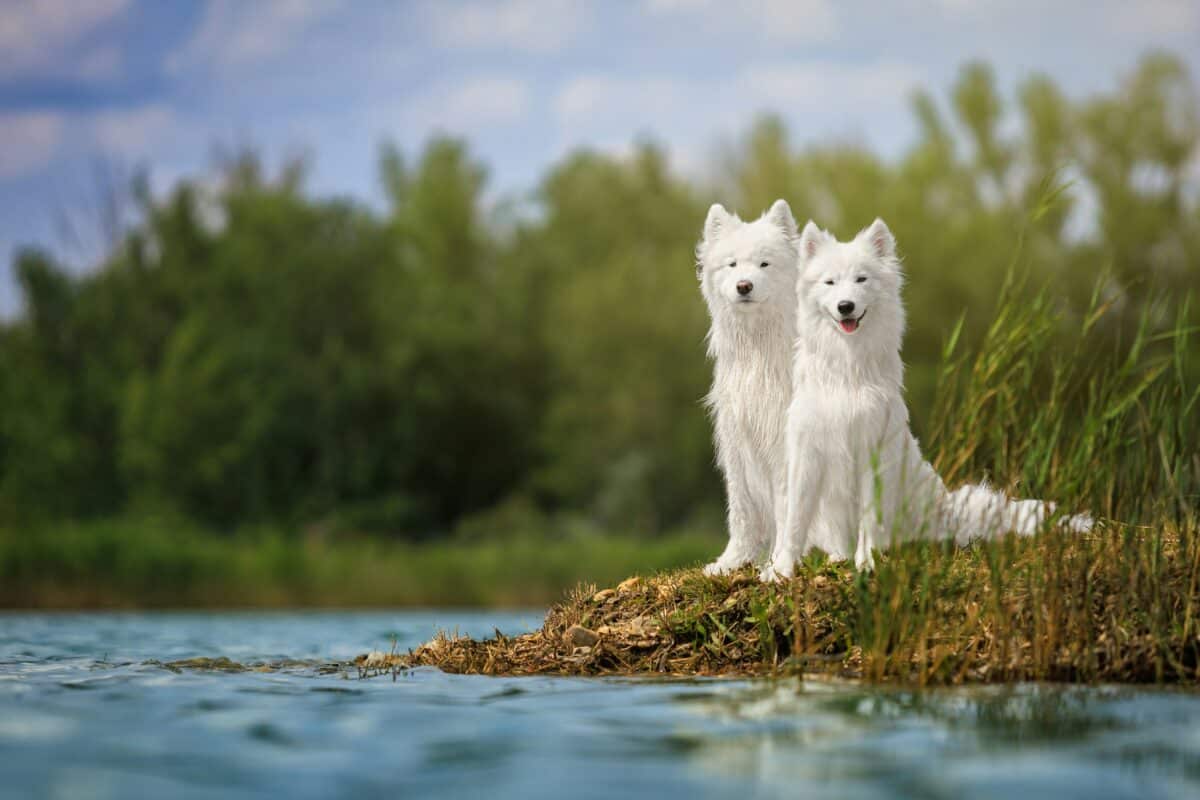
Many dogs have a natural affinity for water, with swimming providing both excellent exercise and cooling relief. While breeds like Labrador Retrievers, Portuguese Water Dogs, and Newfoundlands have been specifically developed for water work, many dogs can learn to enjoy aquatic activities. Swimming engages nearly all muscle groups while being gentle on joints, making it particularly beneficial for older dogs or those with arthritis. The sensation of buoyancy, combined with the novel environment, creates a uniquely stimulating experience.
When introducing dogs to water, patience is essential. Start in shallow areas and use positive reinforcement to build confidence. Research from Washington State University suggests that swimming can burn four times the calories of walking while significantly reducing impact stress on joints. Whether it’s splashing in puddles, playing in sprinklers, or paddling in lakes, water activities offer sensory-rich experiences that many dogs eagerly anticipate. Always supervise water play and consider a doggy life jacket for safety, particularly for breeds with less natural buoyancy.
4. Social Play with Other Dogs

Dogs are inherently social animals that thrive on interaction with their own kind. Puppy play begins as practice for adult skills, but continues throughout life as a way to build and maintain social bonds. Well-matched dog play typically involves balanced give-and-take, with partners taking turns being chaser and chased, or on top and bottom during wrestling. This type of play helps dogs develop appropriate bite inhibition, communication skills, and physical coordination while providing excellent cardiovascular exercise.
Research published in the Journal of Veterinary Behavior indicates that dogs who regularly engage in healthy social play show fewer behavioral problems and reduced anxiety. The play bow—front legs lowered, rear end up—serves as a universal canine signal that what follows is just fun, not aggression. For optimal enjoyment, dogs should play with partners of similar size, energy level, and play style. Well-managed dog parks, puppy socialization classes, and play dates with known compatible dogs offer valuable opportunities for this essential form of canine recreation.
5. Solving Food Puzzles
Working for food taps into dogs’ natural foraging instincts while providing crucial mental stimulation. In the wild, canids might spend up to 80% of their waking hours searching for food—a stark contrast to the bowl of kibble many pet dogs receive. Food puzzles bridge this gap by requiring dogs to problem-solve to access their meals. Options range from simple Kongs stuffed with frozen treats to complex wooden puzzles requiring multiple steps to unlock food compartments. This form of enrichment engages dogs’ cognitive abilities, reduces boredom, and creates a sense of accomplishment.
Studies from the University of Padua have demonstrated that dogs who regularly work for their food show reduced anxiety, decreased destructive behaviors, and improved problem-solving abilities in other contexts. Veterinary behaviorists often recommend starting with simple puzzles and gradually increasing difficulty as your dog’s skills improve. For many dogs, the mental exertion of solving a challenging food puzzle can be more tiring than physical exercise. The concentration, persistence, and eventual success provide significant psychological benefits while slowing consumption rates, which can help prevent digestive issues associated with rapid eating.
6. Digging and Earth Contact
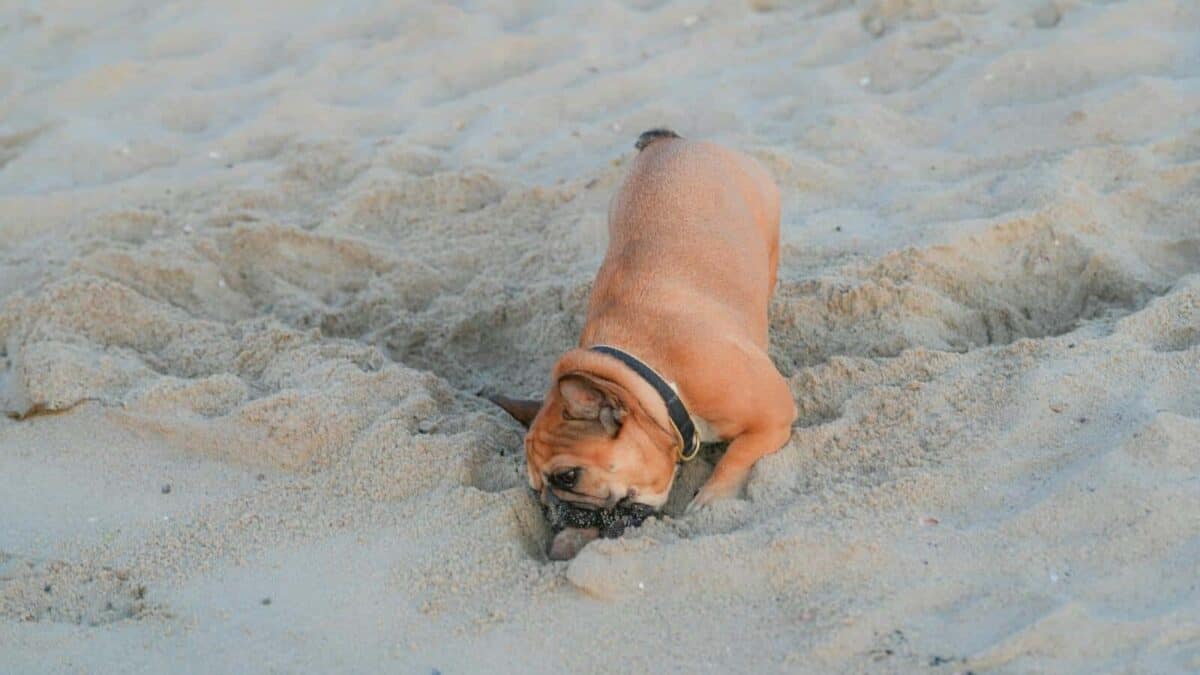
Despite many owners’ frustrations with backyard craters, digging is a deeply satisfying natural behavior for dogs. Some breeds, like terriers (whose name derives from “terra,” meaning earth), were specifically bred to dig out burrowing prey. For others, digging serves to create cool resting spots, hide valued possessions, or simply experience the sensory pleasure of moving earth. The physical effort combined with the tactile feedback creates a uniquely satisfying experience that engages multiple senses simultaneously.
Rather than preventing this natural behavior, consider creating a designated digging area where your dog has permission to excavate freely. A sandbox or specific garden section can be made more enticing by occasionally burying safe toys or treats for discovery. Research from the Center for Canine Behavior Studies suggests that providing appropriate outlets for natural behaviors reduces stress and unwanted behaviors elsewhere. Some owners report success with “digging boxes” filled with sand or soil that allow dogs to express this instinct without destroying landscaping, creating a win-win solution that respects canine nature while preserving garden aesthetics.
7. Training Games and Learning New Skills

Contrary to what some might think, most dogs genuinely enjoy the mental stimulation and social bonding that comes with training sessions. Working breeds in particular thrive when given jobs that challenge their intellect and problem-solving abilities. Short, positive training sessions that teach new tricks or skills provide cognitive stimulation while strengthening the human-canine bond. The consistent rules and clear communication create a sense of security and accomplishment for dogs, who generally appreciate understanding what’s expected of them.
Research published in Applied Animal Behaviour Science shows that dogs who regularly learn new skills have better cognitive function into old age—similar to the “use it or lose it” principle in human brains. Clicker training, which uses precise timing to mark desired behaviors, allows dogs to actively figure out what earns rewards, creating a mentally stimulating game. Keep sessions brief (5-10 minutes), end on success, and use high-value rewards to maintain enthusiasm. Activities like agility, rally obedience, and trick training offer structured ways to challenge your dog’s mind while building confidence and communication skills.
8. Chewing Appropriate Items

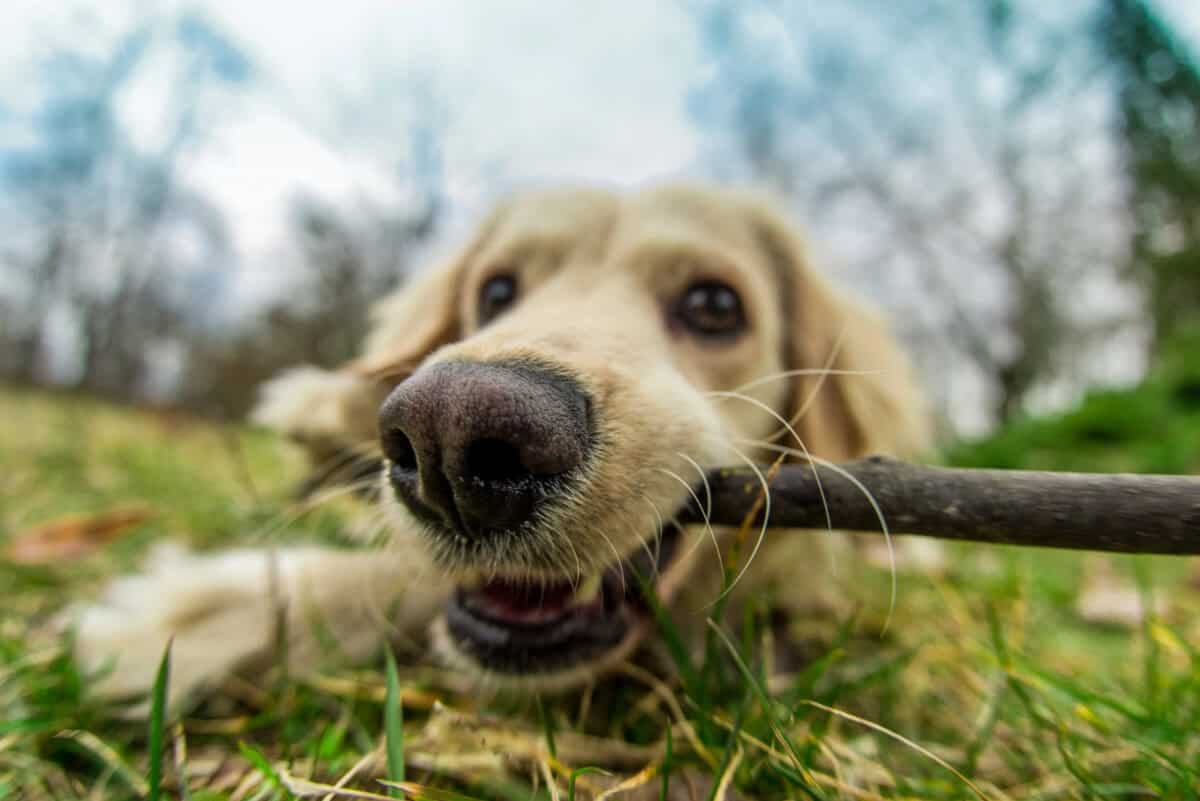
Chewing is not merely a puppy phase but a lifelong need for dogs. The act of chewing exerts pressure that stimulates the periodontal ligament, releasing endorphins that create a calming effect similar to how humans might feel when engaging in repetitive activities like knitting. Dogs have evolved powerful jaw muscles and teeth designed for this purpose, with the behavior serving multiple functions including dental maintenance, stress relief, and mental stimulation. Providing appropriate chewing outlets is essential for canine wellbeing.
Different textures appeal to different dogs, so offering variety helps determine your pet’s preferences. Options include natural chews like bully sticks or antlers, rubber toys designed for chewing like Kongs or Nylabones, and specialized dental chews. A study in the Journal of Veterinary Dentistry found that regular chewing can reduce plaque by up to 70%, improving dental health. For safety, always supervise chewing sessions and select size-appropriate items that can’t be swallowed whole. The best chew toys should be slightly yielding but not easily destroyed, providing long-lasting satisfaction without posing choking or obstruction risks.
9. “Den” Time and Rest

While not as visibly exciting as active play, having access to secure, comfortable resting spaces fulfills dogs’ natural denning instincts and provides essential downtime. Dogs descended from animals that used dens for safety and protection, and many modern dogs still seek enclosed spaces when they need security or relaxation. Properly introduced crates, covered beds, or dedicated quiet areas allow dogs to regulate their own arousal levels by retreating when they need respite from household activity.
Research from the University of Pennsylvania Veterinary School indicates that dogs sleep between 12-14 hours daily, with puppies and seniors requiring even more rest. Without adequate quality sleep, dogs can become irritable, hyperactive, or develop behavior problems—similar to sleep-deprived humans. Creating multiple rest stations throughout your home, some in quieter areas and others where family activity occurs, allows dogs to remain socially connected while managing their own comfort levels. The opportunity to choose between socialization and solitude is itself a form of enrichment that contributes significantly to canine wellbeing.
10. Gentle Physical Contact and Massage

Most dogs deeply enjoy appropriate physical contact with their human companions. Beyond basic petting, many dogs benefit from gentle massage, which can reduce muscle tension, improve circulation, and release stress-reducing hormones. Areas particularly appreciated by many dogs include the chest, base of the neck, and shoulders, though preferences vary widely between individuals. Learning to read your dog’s body language is crucial—relaxed muscles, soft eyes, and leaning into touch all indicate enjoyment, while tensing, moving away, or lip-licking suggest discomfort.
Studies published in Physiology & Behavior have demonstrated that gentle, consistent touching reduces heart rate and cortisol levels in most dogs. Regular massage sessions can strengthen your bond while providing health benefits similar to those humans experience from massage therapy. Many professional canine massage techniques can be adapted for home use, including effleurage (long, sweeping strokes) and gentle kneading of larger muscle groups. For dogs with anxiety issues, the predictable, rhythmic nature of massage can be particularly beneficial, activating the parasympathetic nervous system responsible for relaxation and recovery.
Stress Factor 1: Forced Social Interactions

While many dogs enjoy socializing, forcing them into uncomfortable social situations can create significant stress. Not every dog wants to greet strangers or interact with unfamiliar dogs, and failing to respect these preferences can lead to anxiety or defensive behaviors. Research from the University of Bristol has shown that approximately 40% of dogs show some form of social anxiety when forced to interact with unfamiliar people or animals. Signs of discomfort include averting gaze, tucking tails, stiffening, or attempting to increase distance—signals that are frequently missed or misinterpreted by well-meaning owners.
Allowing dogs choice in their social interactions is crucial for their emotional wellbeing. Rather than insisting your dog tolerate unwanted handling, advocate for their space needs by explaining to others that your dog prefers not to be petted by strangers. For dog-dog interactions, parallel walking at a comfortable distance often creates less pressure than face-to-face greetings. Veterinary behaviorists emphasize that respecting a dog’s communication about their comfort levels builds trust and security, while repeatedly forcing uncomfortable interactions can create lasting anxiety and potentially dangerous defensive reactions.
Stress Factor 2: Inconsistent Rules and Routines

Dogs thrive on predictability and clear communication. Inconsistent rules—where a behavior is sometimes rewarded and other times punished—create confusion and anxiety. Similarly, unpredictable daily routines regarding feeding times, walks, and attention can leave dogs unable to anticipate what comes next, generating chronic stress. Research from the University of Lincoln has demonstrated that dogs living with inconsistent schedules show significantly higher cortisol levels (a stress hormone) than those with regular routines.
Family members should agree on household rules for the dog and enforce them consistently. If jumping on people is unacceptable, it should be discouraged every time rather than sometimes being met with laughter or affection. Establishing regular times for meals, walks, play, and rest helps dogs feel secure in their environment. This doesn’t mean rigidity—gradual changes and occasional variations are fine—but the overall structure should be reliable. For dogs from unstable backgrounds, consistency becomes even more crucial, providing the security they may have previously lacked. Creating predictable patterns reduces vigilance behaviors and allows dogs to relax more fully.
Stress Factor 3: Punishment-Based Training Methods

Despite scientific consensus on their harmful effects, punishment-based training methods remain surprisingly common. Techniques like leash corrections, alpha rolls, or electronic shock collars create fear and anxiety rather than teaching dogs what behaviors are desired. A comprehensive study published in the Journal of Veterinary Behavior found that dogs trained with punishment-based methods showed significantly higher rates of aggression and anxiety compared to those trained with positive reinforcement. The stress hormones released during aversive training can actually inhibit learning while damaging the human-animal bond.
Positive reinforcement training—where desired behaviors are rewarded—creates confident dogs who enjoy the learning process. This approach focuses on setting dogs up for success by managing their environment, clearly communicating expectations, and rewarding incremental progress. Organizations including the American Veterinary Society of Animal Behavior have published position statements against punishment-based training methods, citing both welfare concerns and reduced effectiveness. For dogs who have previously experienced harsh training, rebuilding trust through gentle, reward-based methods can transform both their behavior and their relationship with humans.
Creating a Joy-Filled Life for Your Canine Companion

Understanding what brings dogs genuine pleasure—and what causes them distress—allows us to create environments where they can truly flourish. The ten enjoyable activities outlined here tap into dogs’ natural instincts and preferences, providing both physical exercise and crucial mental stimulation. By incorporating these elements into our dogs’ daily lives, we support their complete wellbeing while strengthening our connection with them. Equally important is recognizing and minimizing the three major stressors that can undermine canine happiness and health.
Every dog is an individual with unique preferences, sensitivities, and personality traits. What delights one dog might overwhelm another, making careful observation of your own dog’s responses essential. The goal isn’t perfection but thoughtful consideration of your dog’s experience of the world you share. By balancing structure with freedom, challenge with success, and activity with rest, we can help our canine companions live their most fulfilled lives. The time and attention invested in understanding your dog’s needs creates dividends of joy, trust, and companionship that enrich both your lives immeasurably.

From exploring the marine wonders in the Azores and witnessing the vast savannas of Kenya, to delving deep into the rich biodiversity of South Africa and traversing iconic landscapes in Australia and the US like Yellowstone, Chris's experiences are vast.
With a penchant for diving alongside sharks, the ocean holds a special place in his heart.
Through his academic insights, he champions wildlife conservation, striving with 'Animals Around The Globe' to cultivate a profound connection between humans and animals, enhancing our mutual appreciation.
Connect with him at Feedback@animalsaroundtheglobe.com.
- Why Spiders Don’t Get Stuck in Their Own Webs - July 20, 2026
- What Scientists Found in a 10,000-Year-Old Beehive - July 20, 2026
- This Spider Builds Fake Decoys of Itself - July 20, 2026