


Snakes, fascinating creatures of the reptile world, navigate their environments with remarkable adaptability. Unlike mammals, these cold-blooded animals don’t generate their own body heat, making them highly responsive to environmental factors that influence their activity levels. Understanding what keeps snakes active or slows them down not only satisfies our curiosity but also provides valuable insights for both snake enthusiasts and those looking to avoid unexpected encounters. From temperature fluctuations to feeding behaviors, various elements play crucial roles in determining a snake’s energy levels and movement patterns. This comprehensive guide explores ten factors that boost snake activity and three that significantly reduce it, offering a window into the complex world of snake behavior.
1. Optimal Temperature Range
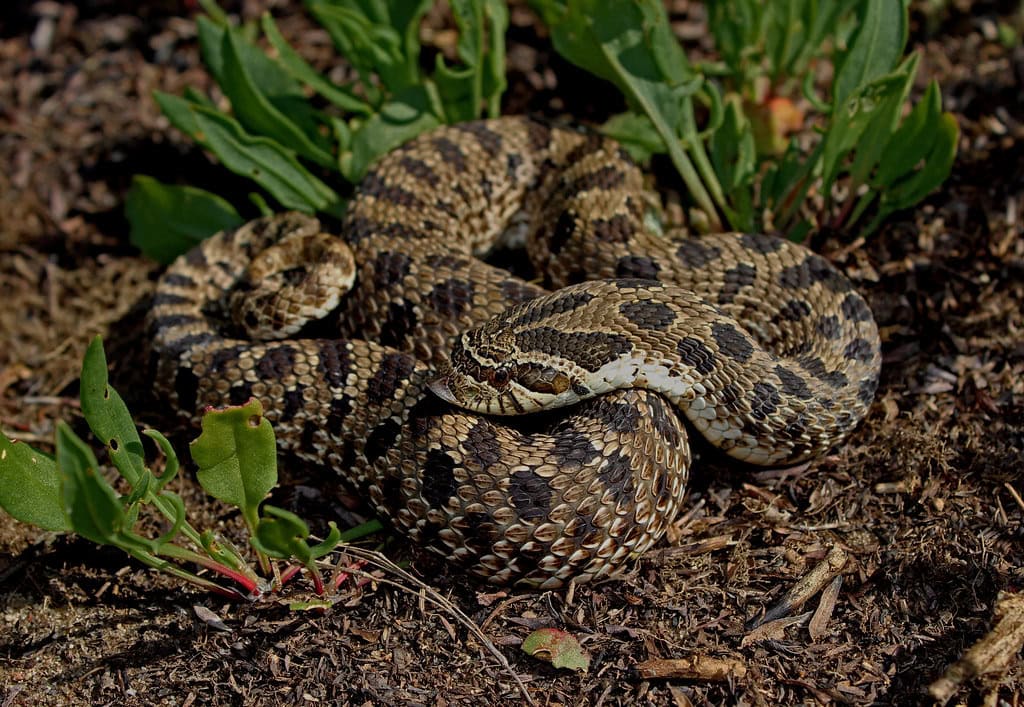
Temperature stands as perhaps the most influential factor in snake activity levels. Being ectothermic (cold-blooded), snakes rely entirely on external heat sources to regulate their body temperature and metabolic functions. Each snake species has evolved to thrive within a specific temperature range, typically between 70°F and 90°F (21°C to 32°C) for most common species. When environmental temperatures fall within this optimal range, snakes become significantly more active, displaying increased hunting, mating, and territorial behaviors.
The relationship between temperature and activity follows a bell curve pattern. As temperatures rise from cool to optimal, activity increases steadily until reaching peak efficiency. However, if temperatures climb too high, snakes will actually reduce activity to prevent overheating, seeking shelter and shade instead. This temperature-dependent behavior explains why snake sightings often increase during warm spring days or summer evenings rather than during the scorching midday heat of summer.
2. Hunting Opportunities
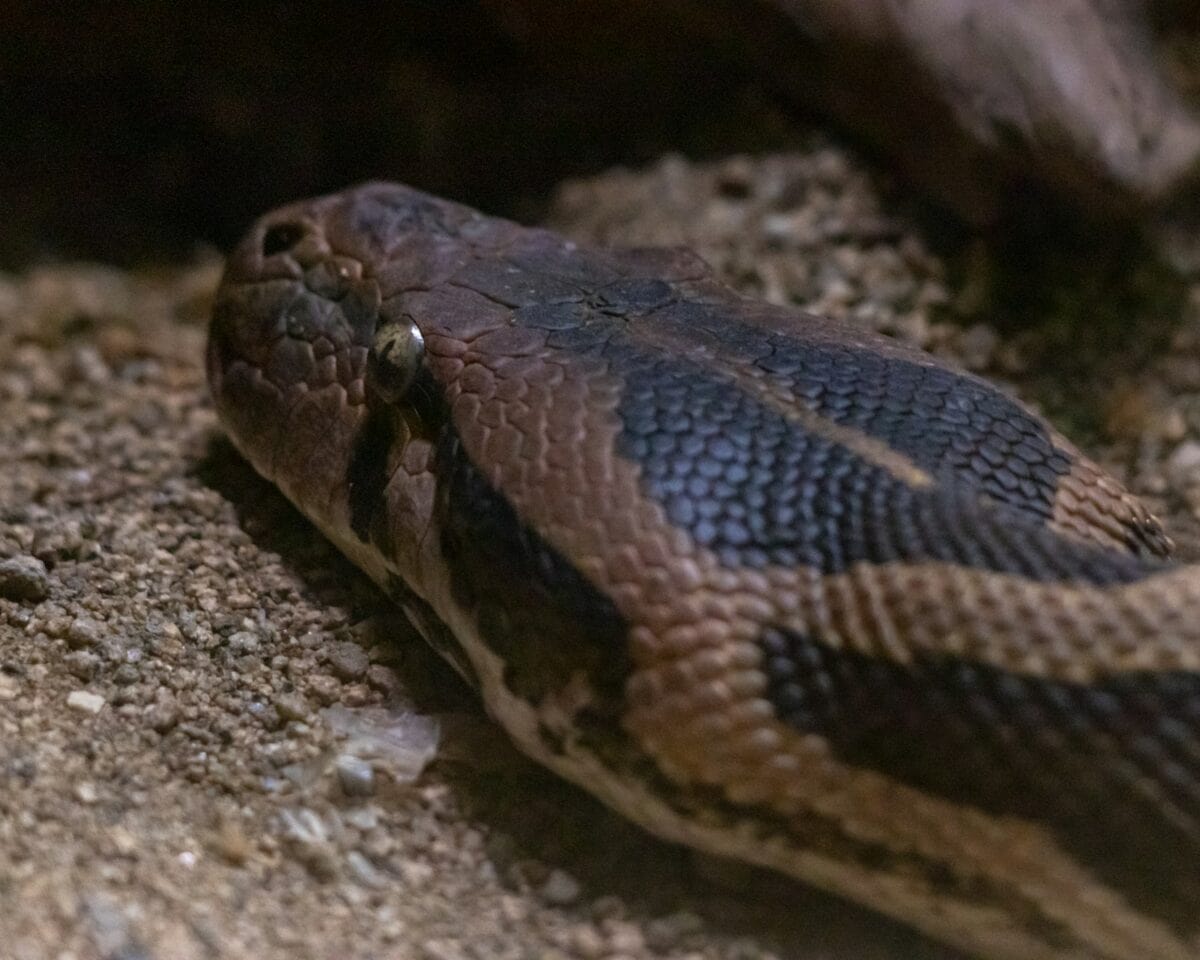
Food availability serves as a powerful motivator for snake activity. When prey is abundant, snakes become significantly more active, extending their hunting range and frequency. Different snake species employ various hunting strategies, from ambush predators like vipers that may remain motionless for days waiting for prey, to active hunters like king snakes that actively search for food. Regardless of strategy, the presence of potential meals in the environment triggers increased movement and attentiveness.
Research has shown that snakes can detect prey abundance through chemical cues in their environment, adjusting their activity patterns accordingly. During seasons when preferred prey animals are breeding or otherwise abundant, snake movement increases measurably. This relationship between prey availability and snake activity helps explain why certain areas like rodent-inhabited barns or amphibian-rich wetlands often see higher snake activity levels, particularly during times when young, vulnerable prey animals are present.
3. Seasonal Mating Cycles

Reproductive drives rank among the most powerful forces influencing snake activity. During breeding seasons, which typically occur in spring following winter dormancy for temperate species, male snakes become exceptionally active, sometimes traveling considerable distances in search of receptive females. This period often features dramatic increases in snake movement, with males following pheromone trails left by females and engaging in combat with rival males in many species.
Female snakes also show distinct activity patterns related to reproduction, though these differ somewhat from male behaviors. After mating, gravid (pregnant) females often seek optimal basking locations to maintain ideal temperatures for embryonic development. In viviparous (live-bearing) species, females may become less active as pregnancy advances, while oviparous (egg-laying) species typically increase activity when searching for suitable nesting sites. These reproductive behaviors create predictable annual peaks in snake activity that wildlife managers and enthusiasts can anticipate.
4. Humidity and Precipitation
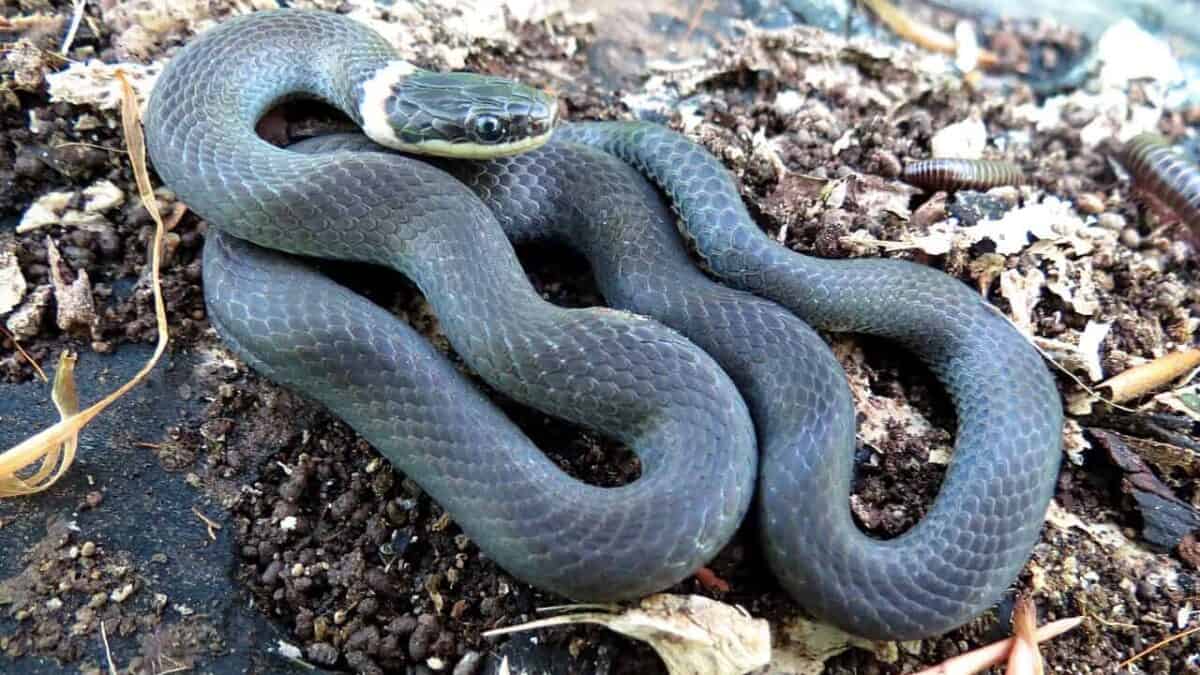
Water availability and environmental moisture significantly influence snake activity patterns. Many snake species become more active during or shortly after rainfall, particularly in arid or seasonal environments. This increased activity correlates with several benefits: improved hydration opportunities, increased prey activity (especially amphibians and invertebrates), and easier movement across moistened substrates. Additionally, the cooling effect of rain can create favorable temperature conditions for activity, especially during hot seasons.
Humidity levels also play a crucial role in snake behavior. Proper humidity facilitates successful shedding (ecdysis), and many species increase activity when approaching a shed cycle. Conversely, during periods of extreme drought, some species may reduce activity and enter a state similar to estivation, minimizing water loss until conditions improve. Desert-adapted species often show nocturnal activity patterns specifically to capitalize on higher nighttime humidity while avoiding daytime heat, demonstrating how moisture and temperature factors interact to shape behavior.
5. Shedding Cycles
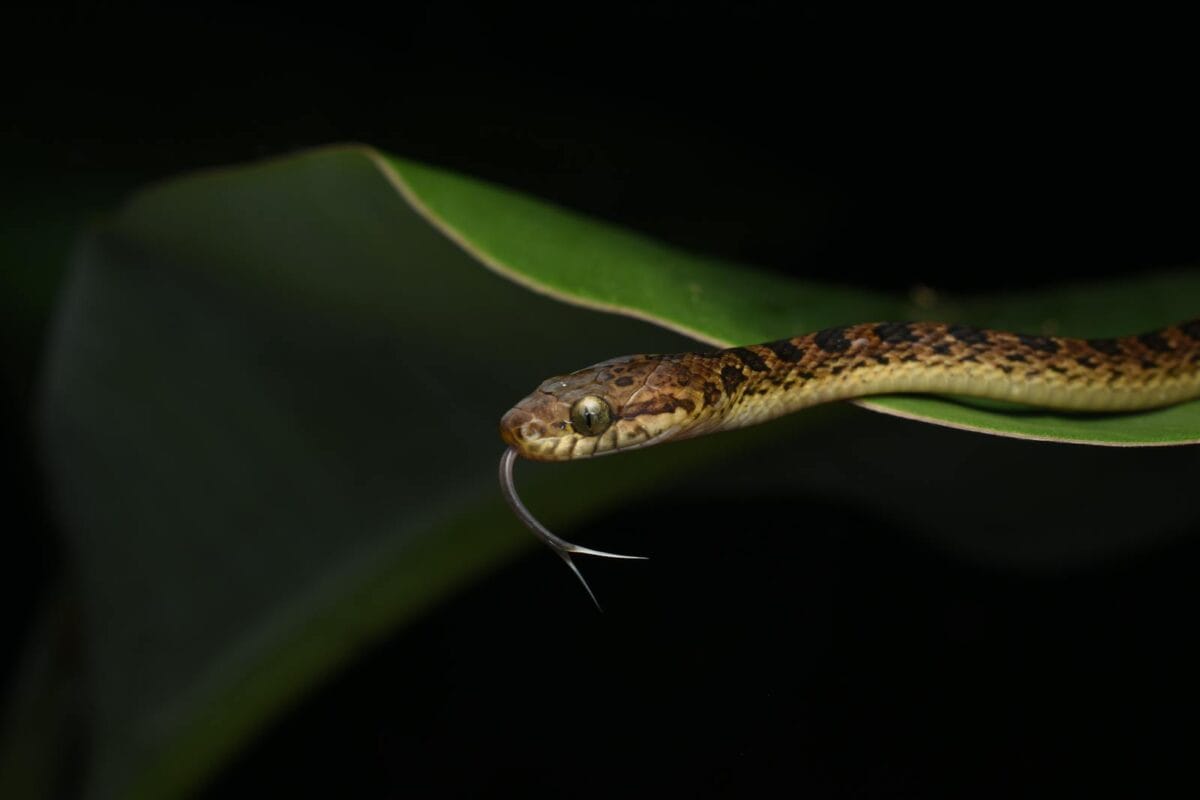
The process of shedding skin (ecdysis) creates a distinct activity pattern in snakes. In the days leading up to a shed, snakes often increase their activity, seeking rough surfaces and tight spaces that will help them remove the old skin. This period also typically involves increased basking behavior as higher body temperatures accelerate the physiological processes associated with shedding. The eyes of the snake become cloudy during the “blue phase” of shedding, temporarily reducing vision and sometimes altering behavior.
Immediately before shedding, however, many snakes briefly decrease activity as the final separation of old skin occurs. After successfully removing the old skin, snakes typically show a marked increase in activity, often seeking food with renewed vigor. This post-shed activity spike relates to both the restoration of clear vision and the fact that many snakes fast during the shedding process. The frequency of shedding—and thus these activity cycles—varies with age (younger snakes shed more frequently) and feeding rate, creating individualized patterns of activity.
6. Photoperiod (Day Length)

Day length, or photoperiod, provides snakes with critical environmental cues that regulate seasonal behaviors. While not as immediately impactful as temperature, changing day length triggers hormonal shifts that prepare snakes for seasonal activities like breeding, feeding, and winter dormancy. Many species show increased activity during specific photoperiod conditions, with some preferring the longer days of summer while others (particularly nocturnal species) become more active as nights lengthen in fall.
The interaction between photoperiod and activity is particularly evident during seasonal transitions. As days lengthen in spring, many temperate snake species emerge from brumation (winter dormancy) and gradually increase activity. Similarly, the shortening days of late summer and fall trigger behavioral changes in preparation for winter, often including a brief activity increase as snakes feed heavily and seek appropriate overwintering sites. This biological timekeeping system allows snakes to anticipate seasonal changes rather than merely reacting to immediate conditions.
7. Habitat Complexity and Security

The structural complexity and perceived security of a snake’s environment significantly influence activity levels. Habitats offering a balanced mixture of open areas for basking, shelter for protection, and connecting corridors for safe movement typically support higher activity levels than environments lacking these features. When snakes feel secure in their surroundings—having access to quick escape routes and adequate hiding spots—they generally demonstrate more extensive movement and exploratory behavior.
Conversely, in areas where snakes perceive high predation risk or human disturbance, activity often becomes restricted to essential movements only, typically during times of lowest risk. This explains why undisturbed natural areas often show higher snake activity levels than similar but heavily trafficked locations. For captive snakes, providing proper habitat complexity through hiding spots, climbing opportunities (for arboreal species), and thermal gradients promotes natural activity patterns and contributes significantly to their psychological and physical well-being.
8. Barometric Pressure Changes

Emerging research suggests that snakes, like many animals, can detect and respond to changes in barometric (atmospheric) pressure. Falling barometric pressure, which typically precedes storms or significant weather changes, often correlates with increased snake activity. This heightened movement before weather events likely evolved as an adaptive response, allowing snakes to secure shelter before adverse conditions arrive or to take advantage of prey animals that also become more active during pressure changes.
The sensitivity to barometric pressure varies between species, with some showing marked behavioral changes even with subtle pressure shifts, while others respond primarily to rapid or significant changes. Snake owners and field researchers have long reported anecdotal observations of unusual activity preceding weather events, and recent scientific studies have begun confirming these relationships. This sensitivity adds another dimension to understanding snake activity patterns, particularly during transitional seasons when weather patterns change frequently.
9. Age and Growth Stage

A snake’s age and developmental stage significantly influence its activity patterns. Juvenile snakes typically display higher activity levels than adults of the same species, driven by more frequent feeding requirements, faster growth rates, and the need to establish territory. Young snakes also shed more frequently as they grow rapidly, contributing to increased movement associated with the shedding process. This higher juvenile activity level comes with tradeoffs, however, as it also exposes young snakes to greater predation risks.
As snakes mature, activity patterns often become more specialized and efficient. Adult males typically show activity spikes during breeding seasons, while adult females may adjust activity based on reproductive state. Geriatric snakes generally show reduced activity compared to prime-age adults, conserving energy and moving more deliberately. Understanding these age-related differences helps explain why snake populations show varied activity patterns throughout the year, with different demographic groups becoming more visible during specific seasons.
10. Disturbance and Environmental Changes
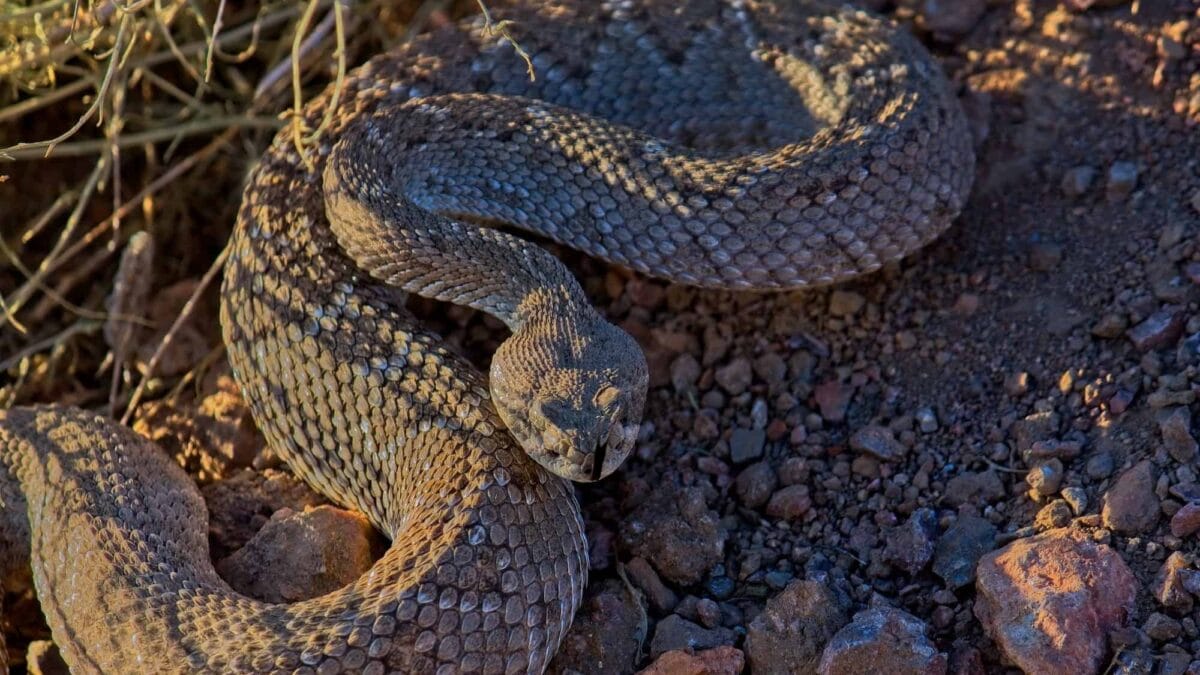
Environmental disturbances, both natural and human-caused, can dramatically alter snake activity patterns. Temporary disturbances like construction noise, vibrations, or unusual human presence often trigger immediate increases in movement as snakes seek safer locations. Natural disturbances such as fires or flooding similarly force snakes to relocate, creating unusual activity patterns as they navigate unfamiliar territories. This displacement activity may lead to snakes appearing in unexpected locations as they search for suitable new habitat.
Longer-term environmental changes also influence activity cycles. Habitat fragmentation by roads or development can funnel snake movement through remaining corridors, concentrating activity in specific areas. Climate change has begun shifting activity seasons in many regions, with earlier spring emergence and later winter dormancy observed in temperate areas experiencing warming trends. These adaptive responses highlight the remarkable behavioral plasticity of snakes in responding to changing conditions, though such adjustments may come with physiological costs and survival challenges.
11. Extreme Cold: Nature’s Pause Button

Cold temperatures represent the most significant factor slowing snake activity. When environmental temperatures drop below a species-specific threshold—typically around 50°F (10°C) for many common species—metabolic processes dramatically slow. As temperatures approach freezing, most snakes enter brumation, a hibernation-like state where heart rate, respiration, and digestion all reduce to minimal levels. During this period, which may last months in temperate regions, snakes remain almost completely inactive, often gathering in communal hibernacula (winter dens) that provide stable temperatures and protection from freezing.
The physiological mechanisms allowing snakes to survive extended cold periods are remarkable adaptations. Blood chemistry changes to prevent freezing, energy requirements decrease by up to 95%, and the immune system adjusts to function at lower temperatures. While some desert and tropical species never experience true brumation, nearly all snakes show reduced activity during cooler periods relative to their optimal temperature range. This temperature-induced slowing allows snakes to survive seasonal resource scarcity and explains why snake encounters decrease dramatically during winter months in most regions.
12. Digestive Processes: The Post-meal Slowdown

After consuming a substantial meal, most snake species enter a period of significantly reduced activity. This digestive slowdown, particularly pronounced in species that consume prey weighing 20% or more of their body weight, represents an adaptive response that optimizes digestive efficiency. During digestion, snakes redirect blood flow and energy to digestive organs, leaving less available for movement. They typically seek secure locations with optimal temperatures to maximize digestive efficiency, remaining largely motionless except for occasional repositioning to regulate body temperature.
The duration of this digestive inactivity varies with meal size, temperature, and species. Larger meals can require digestive periods lasting days or even weeks in some cases. During this time, snakes are more vulnerable to predation due to reduced mobility and the physical burden of an engorged midsection. The dramatic metabolic shift required for digestion can increase a snake’s oxygen consumption by up to 700%, explaining why post-feeding basking behavior is commonly observed as snakes use external heat to power their digestive machinery while minimizing movement.
13. Shedding Preparation: The Quiet Phase

While the overall shedding cycle increases activity as previously discussed, there is a distinct phase immediately before the actual shed when snake activity dramatically decreases. As the new skin fully develops under the old outer layer and the separation process completes, most snakes enter a brief period of significantly reduced movement. During this pre-shed quiet phase, which typically lasts 1-3 days, snakes often seek secure, humid hiding places and may refuse food entirely. Their compromised vision during this time (due to the spectacle cap covering the eyes) contributes to this protective behavior pattern.
This temporary slowing serves several adaptive purposes: it reduces the risk of damaging the new skin before it’s fully ready, minimizes exposure to predators during a vulnerable period, and conserves energy for the physically demanding process of shedding itself. Captive snake owners often recognize this behavior as a reliable indicator that shedding is imminent. After successfully removing the old skin, normal activity levels typically resume quickly, often with heightened movement as the snake explores with restored vision and seeks to rehydrate or feed after the fasting period.
Conclusion: Understanding Snake Activity for Better Coexistence

The complex interplay of factors influencing snake activity provides valuable insights for both wildlife management and personal safety. By recognizing that temperature, seasonal cycles, reproductive drives, and environmental conditions all shape snake behavior, we can better predict when and where encounters might occur. For conservation efforts, this knowledge helps protect critical habitats and movement corridors during key activity periods. For homeowners in snake-inhabited regions, understanding these patterns can inform landscaping decisions and timing of outdoor activities to reduce unexpected encounters.
The factors that slow snake activity—extreme cold, digestion, and pre-shedding phases—remind us that these remarkable reptiles have evolved sophisticated physiological adaptations to conserve energy and survive challenging conditions. These periods of inactivity are not simply the absence of behavior but represent carefully orchestrated biological responses to specific environmental or physiological states. This balance between activity and inactivity has allowed snakes to thrive for millions of years across diverse habitats.
As climate change alters traditional weather patterns and human development continues to impact natural habitats, snake activity patterns may shift in response. Continuing research into these complex behaviors not only satisfies our curiosity about these often-misunderstood animals but also contributes to more effective conservation strategies and safer human-wildlife interactions. By approaching snakes with knowledge rather than fear, we can appreciate their ecological importance while minimizing negative encounters through informed awareness of their activity cycles.
Whether you’re a snake enthusiast hoping to observe these fascinating reptiles in their natural habitat, a homeowner seeking to reduce unwanted encounters, or simply curious about reptile behavior, understanding the factors that drive snake activity provides a window into the remarkable adaptability of these ancient survivors. This knowledge fosters both appreciation for their evolutionary success and practical strategies for coexisting with these important members of our ecological communities.

From exploring the marine wonders in the Azores and witnessing the vast savannas of Kenya, to delving deep into the rich biodiversity of South Africa and traversing iconic landscapes in Australia and the US like Yellowstone, Chris's experiences are vast.
With a penchant for diving alongside sharks, the ocean holds a special place in his heart.
Through his academic insights, he champions wildlife conservation, striving with 'Animals Around The Globe' to cultivate a profound connection between humans and animals, enhancing our mutual appreciation.
Connect with him at Feedback@animalsaroundtheglobe.com.
- Why Spiders Don’t Get Stuck in Their Own Webs - July 20, 2026
- What Scientists Found in a 10,000-Year-Old Beehive - July 20, 2026
- This Spider Builds Fake Decoys of Itself - July 20, 2026