

When wild animals are injured, orphaned, or otherwise compromised, wildlife rescue centers step in as their lifeline. These specialized facilities serve as temporary sanctuaries where animals receive medical care, rehabilitation, and preparation for their ultimate goal: returning to their natural habitats. The journey from rescue to release is complex, methodical, and guided by science and compassion. Behind every successful wildlife release is a carefully orchestrated rehabilitation process designed to give each animal the best possible chance of survival in the wild. This article explores the comprehensive approaches that wildlife rehabilitation centers use to prepare animals for their return to nature, from medical intervention to behavioral conditioning and post-release monitoring.
The Initial Assessment and Medical Care

When an animal arrives at a rescue center, the first step is a thorough medical assessment. Veterinarians and wildlife specialists examine the animal to identify injuries, illnesses, malnutrition, or other health concerns. This initial evaluation determines the treatment plan and estimates the rehabilitation timeline. Animals may require emergency surgery, medication, parasite treatment, or specialized nutritional support, depending on their condition.
Medical rehabilitation can last anywhere from days to months, during which animals receive continuous monitoring and care. Facilities maintain meticulous records of each animal’s progress, adjusting treatment plans as needed. During this phase, human contact is typically kept to a minimum to prevent habituation or imprinting, especially with young animals. Staff often wear camouflage, use puppets, or employ other techniques to mask their human appearance when feeding or treating animals that will eventually return to the wild.
Species-Specific Rehabilitation Protocols
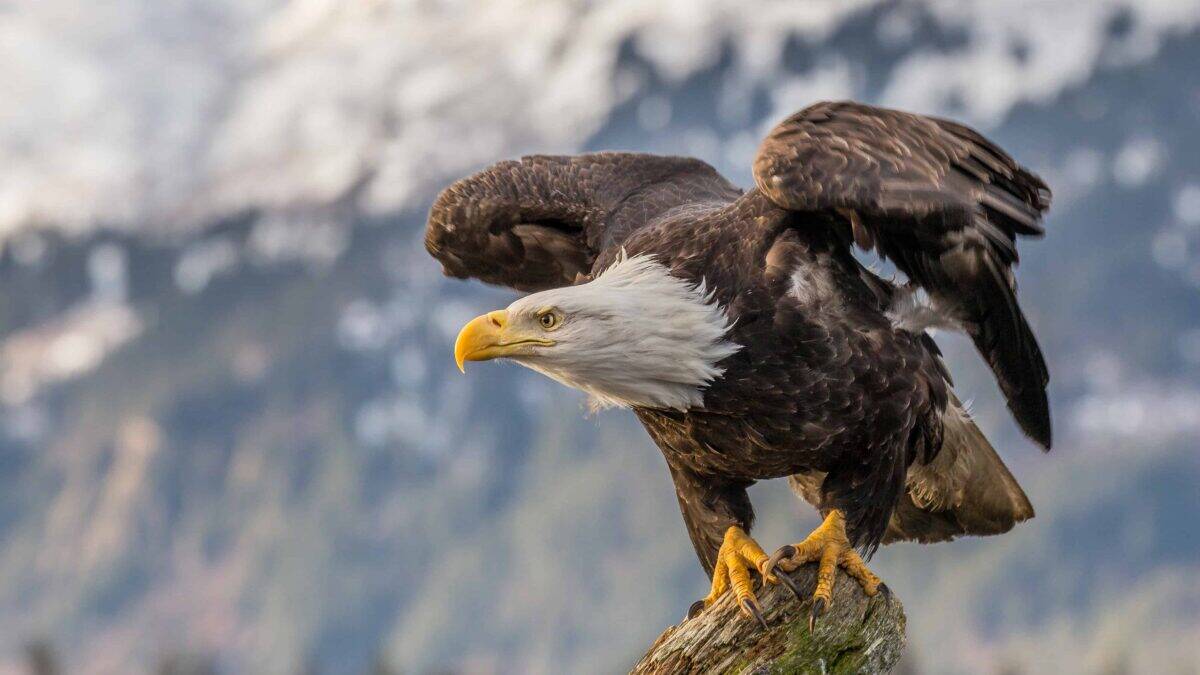
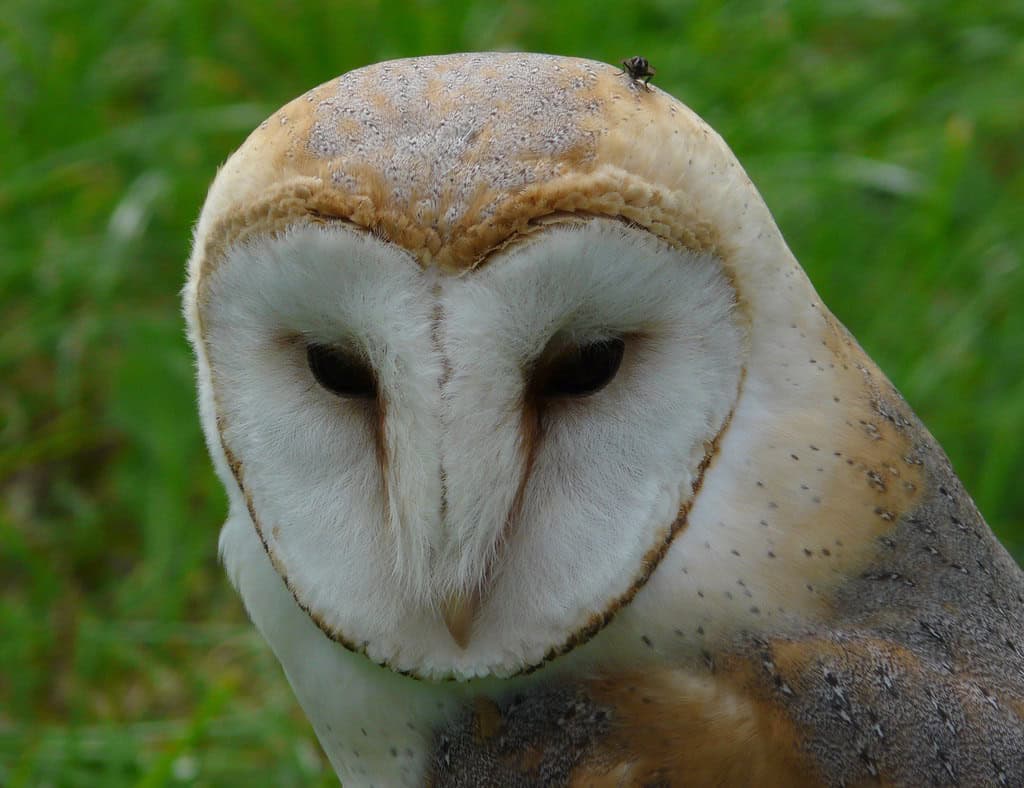
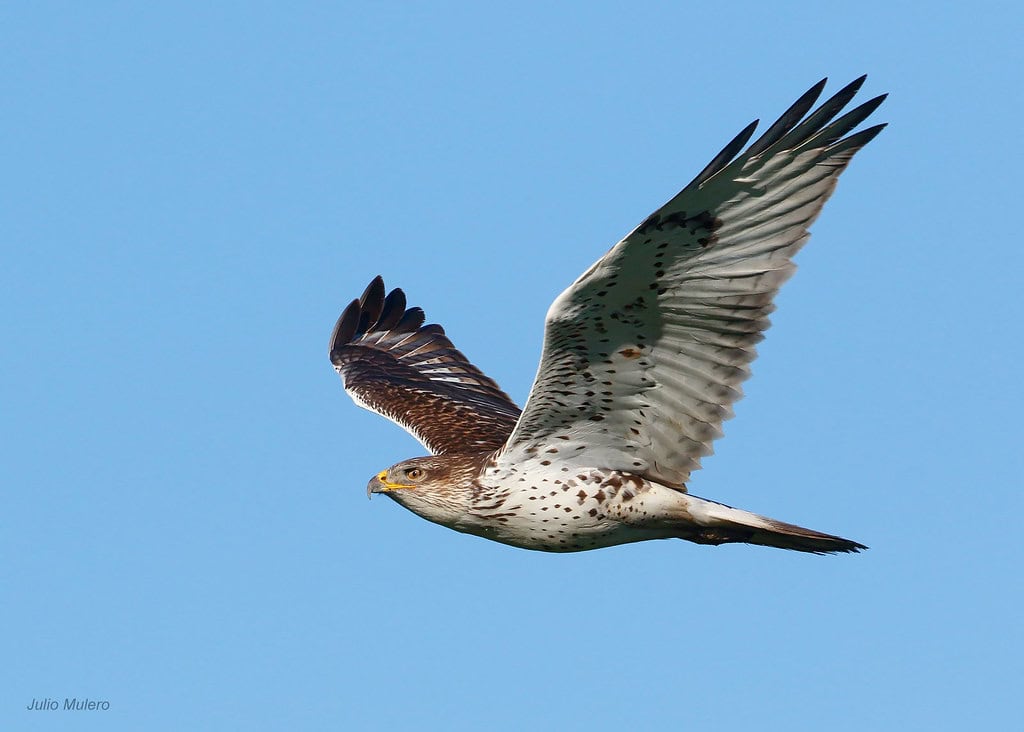
Each species requires unique rehabilitation approaches based on their natural behaviors, dietary needs, and environmental requirements. For example, raptors like hawks and owls may need specialized flight conditioning and hunting practice, while mammals like raccoons require opportunities to develop foraging skills and appropriate fear responses. Rescue centers develop and follow detailed protocols for each species they treat, drawing on scientific research and accumulated experience from wildlife rehabilitators worldwide.
These protocols cover everything from appropriate housing and diet to behavioral milestones that animals must achieve before release. For instance, sea turtles might need to demonstrate proper diving and feeding behaviors in specialized pools, while songbirds must display normal flight patterns and appropriate responses to environmental stimuli. The more closely rehabilitation mimics natural conditions and challenges, the better prepared animals will be for life in the wild.
Creating Natural Environments Within Captivity
As animals progress through medical rehabilitation, they transition to enclosures designed to mimic their natural habitats. These spaces provide environmental enrichment that stimulates natural behaviors and helps animals develop or maintain the skills they’ll need after release. For arboreal species like squirrels or certain birds, enclosures include branches, nesting materials, and climbing structures. Aquatic animals have access to appropriate water features with natural substrates and hiding places.
These naturalistic enclosures serve multiple purposes: they reduce stress, prevent muscle atrophy, encourage natural movement patterns, and provide opportunities for animals to practice species-specific behaviors. Many rehabilitation centers design progressively challenging environments, gradually introducing elements that animals will encounter in the wild. This stepped approach helps animals build strength, confidence, and skills while still under the watchful eye of rehabilitation specialists.
Nutritional Rehabilitation and Natural Feeding
Proper nutrition is fundamental to successful wildlife rehabilitation. When animals first arrive, they may require specialized diets or feeding techniques, particularly if they’re orphaned, injured, or severely malnourished. As they progress toward release, however, the focus shifts to transitioning animals to natural diets they’ll encounter in the wild. This process, known as nutritional rehabilitation, is carefully managed to ensure animals can recognize, obtain, and digest wild food sources.
For predatory species, this might involve progressing from easily consumed food items to whole prey that requires hunting or scavenging behaviors. Herbivores and omnivores are gradually introduced to native plant species, nuts, fruits, or insects they’ll encounter after release. Many facilities use creative feeding strategies that make animals work for their food, hiding items throughout enclosures or presenting them in ways that require natural foraging behaviors. This prevents dependency on artificial food sources and helps ensure animals can feed themselves post-release.
Social Development and Group Dynamics

Many wild animals are social creatures that live in family groups, flocks, herds, or other communal arrangements. For these species, proper social development is critical to post-release survival. Rescue centers often house compatible animals together to facilitate natural social interactions, communication, and hierarchical behaviors. Young orphaned animals particularly benefit from being raised with conspecifics (members of the same species), as they learn vital social cues and behaviors from each other rather than from humans.
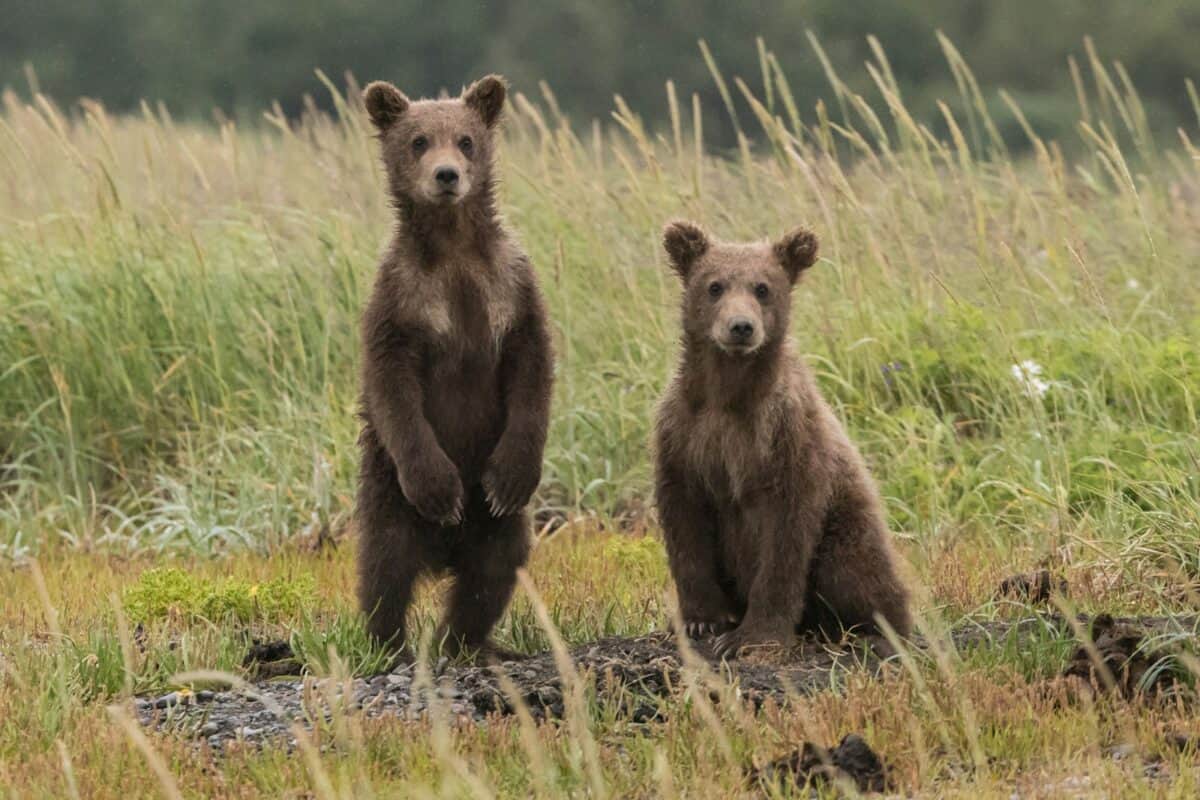
For solitary species, rehabilitation takes a different approach, focusing instead on ensuring animals maintain appropriate territorial behaviors and species-typical wariness. In some cases, particularly with apex predators like bears or large cats, rehabilitation facilities may use adult “ambassador” animals that cannot be released to help teach appropriate behaviors to younger animals. These complex social considerations are carefully managed throughout the rehabilitation process to prepare animals for the social dynamics they’ll encounter after release.
Behavioral Conditioning and Predator Avoidance
Wild animals need healthy fear responses to survive. Animals raised in captivity or those that have spent significant time around humans may lack appropriate wariness of predators or people. Rehabilitation centers employ various behavioral conditioning techniques to instill or reinforce these vital survival responses. Negative conditioning might involve creating associations between human presence and unpleasant (though not harmful) experiences, such as loud noises or sudden movements.
For prey species, exposure to predator stimuli—such as recordings of predator calls, scents, or even taxidermied predators—helps reinforce natural avoidance behaviors. Some facilities use live predator demonstrations, where animals can safely observe natural predators from a distance. These techniques must be implemented carefully to avoid causing excessive stress while effectively teaching animals to recognize and avoid threats they’ll encounter in the wild. The goal is to ensure animals maintain a healthy distance from humans and natural predators after release.
Physical Conditioning for Survival

Physical fitness is essential for wild animals to hunt, escape predators, migrate, or defend territory. Animals that have been confined during rehabilitation often need structured physical conditioning before release. For birds of prey, this might involve flight conditioning in specialized flight chambers where they can build wing strength and maneuverability. Aquatic mammals might undergo swimming endurance training in increasingly challenging water conditions. Terrestrial mammals may need opportunities to run, climb, or dig in ways that build muscle strength and coordination.
Rehabilitation specialists monitor animals’ physical progress, looking for specific benchmarks that indicate readiness for release. An animal might need to demonstrate the ability to fly a certain distance without resting, swim against current for a defined period, or show agility in navigating complex terrain. This physical conditioning phase is often one of the final stages before release, ensuring animals have the stamina and physical capabilities needed for immediate survival challenges.
Pre-Release Assessment and Criteria
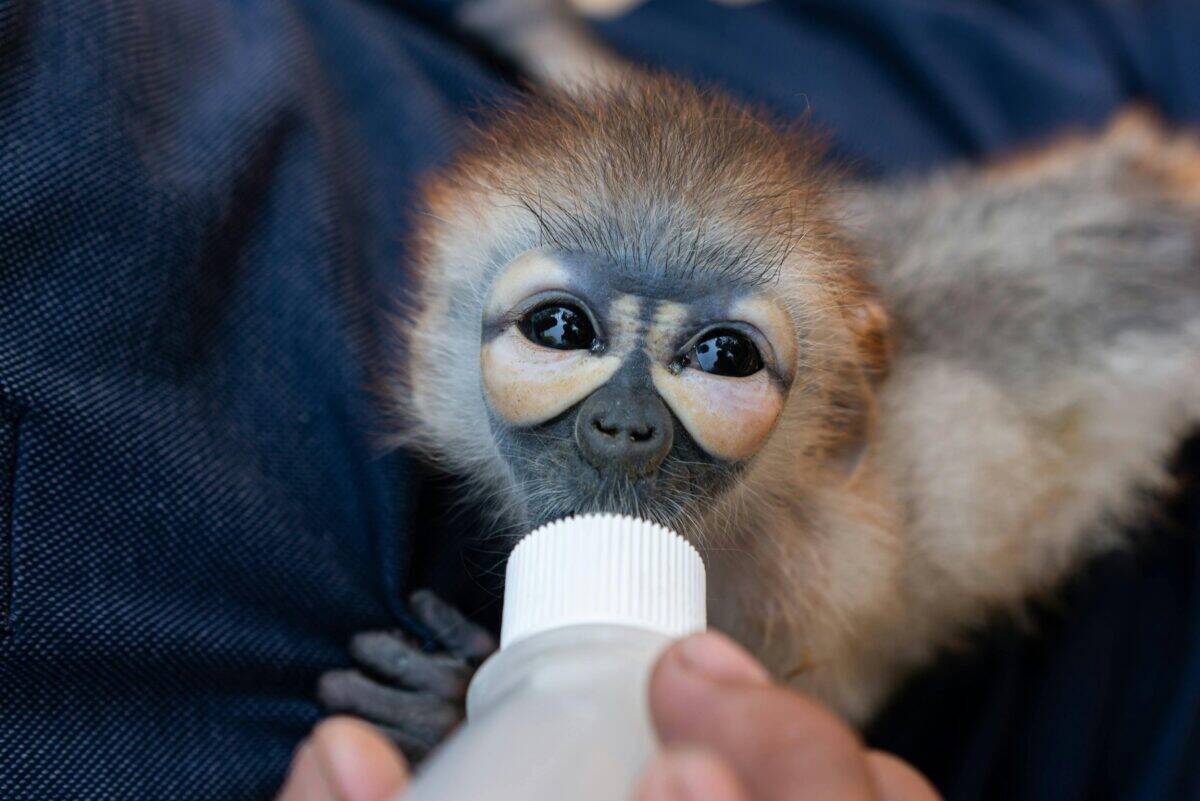
Before any animal is released, it undergoes comprehensive evaluation against strict criteria established by wildlife rehabilitation experts and often mandated by wildlife authorities. These criteria typically include full recovery from injuries or illness, appropriate weight and physical condition, demonstration of species-typical behaviors, and successful completion of any specialized training or conditioning programs. Animals must show self-sufficiency in feeding, appropriate social behaviors, and natural wariness toward humans and predators.
The timing of release is also carefully considered. Rehabilitation centers coordinate releases with seasonal patterns, ensuring animals return to the wild when weather conditions are favorable and food resources are abundant. For migratory species, release timing may align with natural migration patterns. If an animal fails to meet release criteria, rehabilitators must make difficult decisions about extended rehabilitation, permanent captivity in appropriate facilities, or in some cases, humane euthanasia if quality of life and survival prospects are poor.
Selecting Appropriate Release Sites
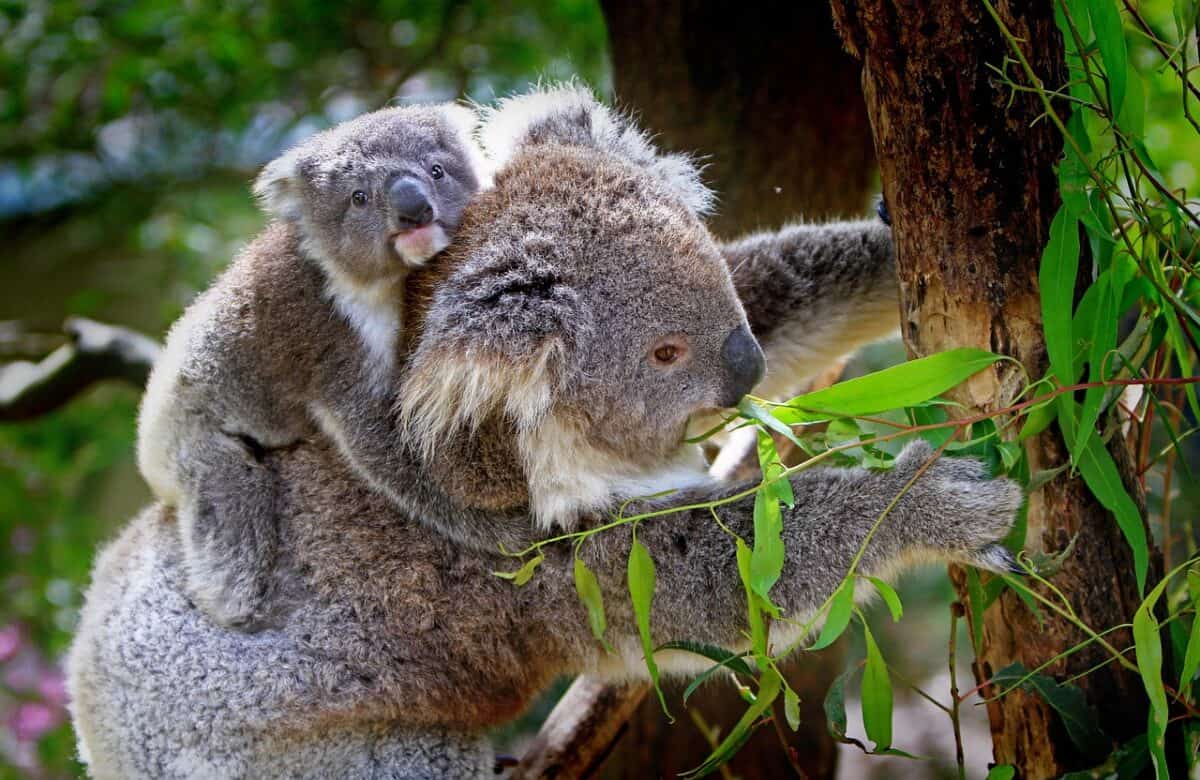
Choosing the right location for release is critical to an animal’s post-release success. Ideally, animals are returned to the exact location where they were found, as they’re already familiar with that habitat and may have established territories or social connections there. When this isn’t possible, rehabilitation centers select release sites based on habitat suitability, prey or food availability, absence of significant human disturbance, and presence of conspecifics without territorial overcrowding.
Additional considerations include local predator populations, distance from roads or other hazards, and legal permissions from landowners or wildlife authorities. Some species require highly specific habitat features—certain types of tree canopy, water bodies, or elevation—which further narrows potential release sites. Rehabilitators often conduct site assessments before release, sometimes establishing temporary supplemental feeding stations or shelter structures to support animals during their transition back to the wild.
Soft Release vs. Hard Release Techniques

Wildlife rehabilitators use two primary release strategies: hard release and soft release. Hard release involves transporting an animal to a suitable habitat and immediately releasing it with no further support. This approach works well for highly adaptable species, adult animals with established survival skills, or those that were in rehabilitation for very short periods. For example, an adult raccoon treated for a minor injury might be a candidate for hard release if all rehabilitation criteria have been met.
Soft release provides a transitional period where animals are placed in protected release structures (like hack boxes for raptors or soft release cages for mammals) at the release site. These structures allow animals to acclimate to local conditions while still receiving supplemental food and shelter. Over days or weeks, animals gain increasing freedom to explore while maintaining access to support resources. This method is particularly valuable for young animals, those requiring social integration with wild populations, or species that have been in long-term rehabilitation. Research shows soft release techniques often result in higher survival rates for many species.
Post-Release Monitoring and Support
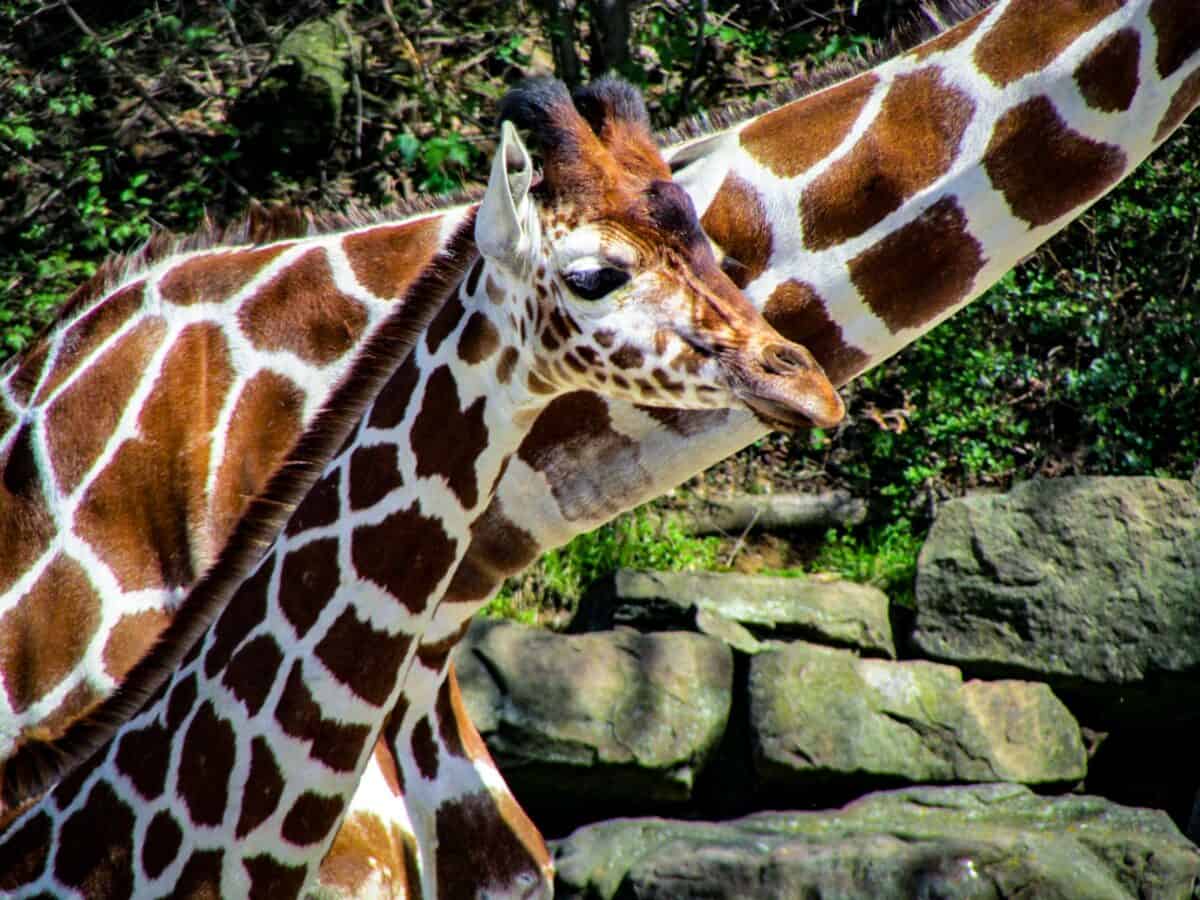
The rehabilitation process doesn’t end at release. Many centers employ post-release monitoring to track animals’ reintegration into the wild. Depending on the species and resources available, this might involve radio collars, satellite trackers, wing tags, PIT tags, or simply observational monitoring at release sites. These tracking methods provide valuable data about survival rates, movement patterns, and behavioral adaptation that helps refine future rehabilitation protocols.
Some release programs include temporary supplemental feeding stations that provide backup nutrition while animals establish themselves and locate natural food sources. These stations are gradually phased out as animals become self-sufficient. For certain species or individuals, rehabilitators might conduct periodic visual checks or use wildlife cameras to monitor condition without direct intervention. This post-release data not only helps assess individual success but contributes to the broader scientific understanding of wildlife rehabilitation effectiveness.
Conclusion: The Journey Back to Wildness
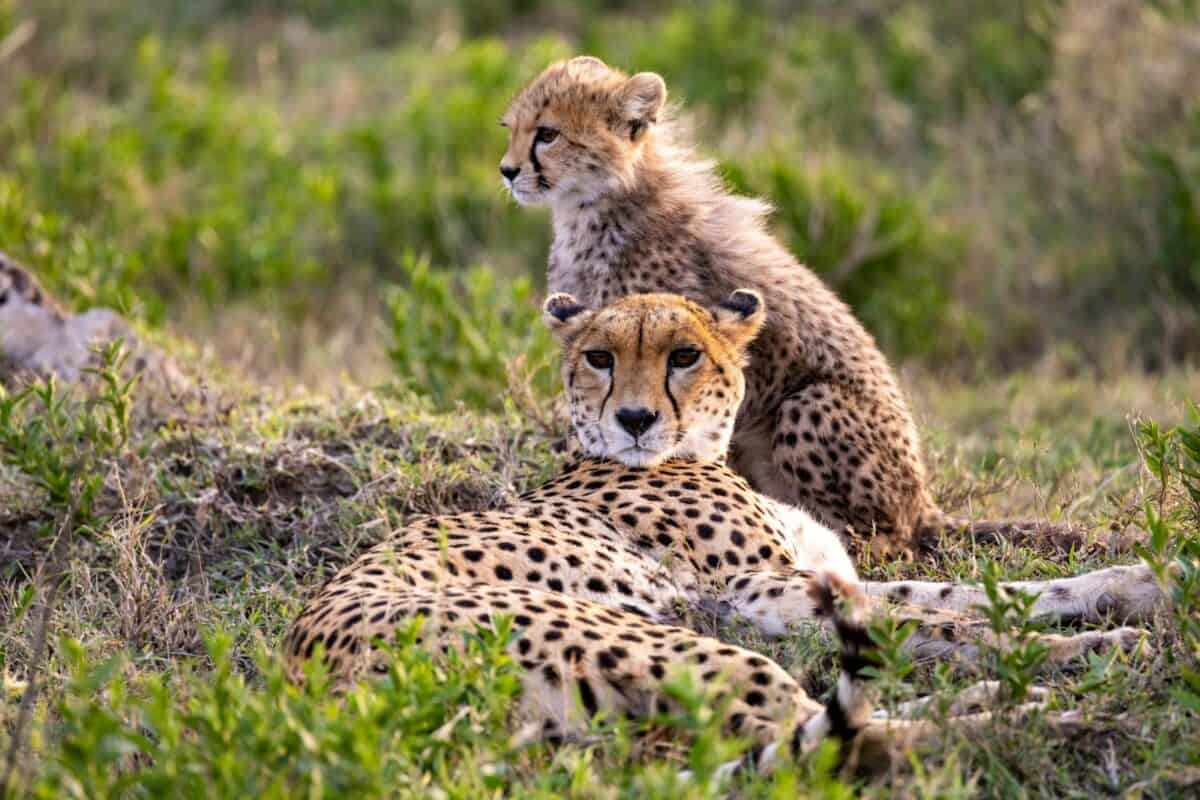
The journey from rescue to release represents one of the most challenging yet rewarding aspects of wildlife conservation. Through carefully designed rehabilitation protocols that address physical, behavioral, nutritional, and psychological needs, rescue centers transform compromised animals into capable wild creatures ready to reclaim their ecological roles. The success of these programs relies on a delicate balance between providing necessary care and maintaining the wild essence that defines these animals.
While not every rescued animal can be released, those that make the full journey back to nature stand as testament to human compassion and scientific ingenuity. The knowledge gained through wildlife rehabilitation continues to evolve, with each success and failure informing more effective techniques. As human development increasingly encroaches on wild spaces, these rehabilitation efforts become ever more crucial, not just for individual animal welfare but for maintaining the biodiversity and ecological health of our shared planet. Through continued refinement of rehabilitation methods and post-release monitoring, wildlife professionals can ensure that rescued animals receive the best possible preparation for their return to the wild—where they truly belong.

From exploring the marine wonders in the Azores and witnessing the vast savannas of Kenya, to delving deep into the rich biodiversity of South Africa and traversing iconic landscapes in Australia and the US like Yellowstone, Chris's experiences are vast.
With a penchant for diving alongside sharks, the ocean holds a special place in his heart.
Through his academic insights, he champions wildlife conservation, striving with 'Animals Around The Globe' to cultivate a profound connection between humans and animals, enhancing our mutual appreciation.
Connect with him at Feedback@animalsaroundtheglobe.com.
- Why Spiders Don’t Get Stuck in Their Own Webs - July 20, 2026
- What Scientists Found in a 10,000-Year-Old Beehive - July 20, 2026
- This Spider Builds Fake Decoys of Itself - July 20, 2026