

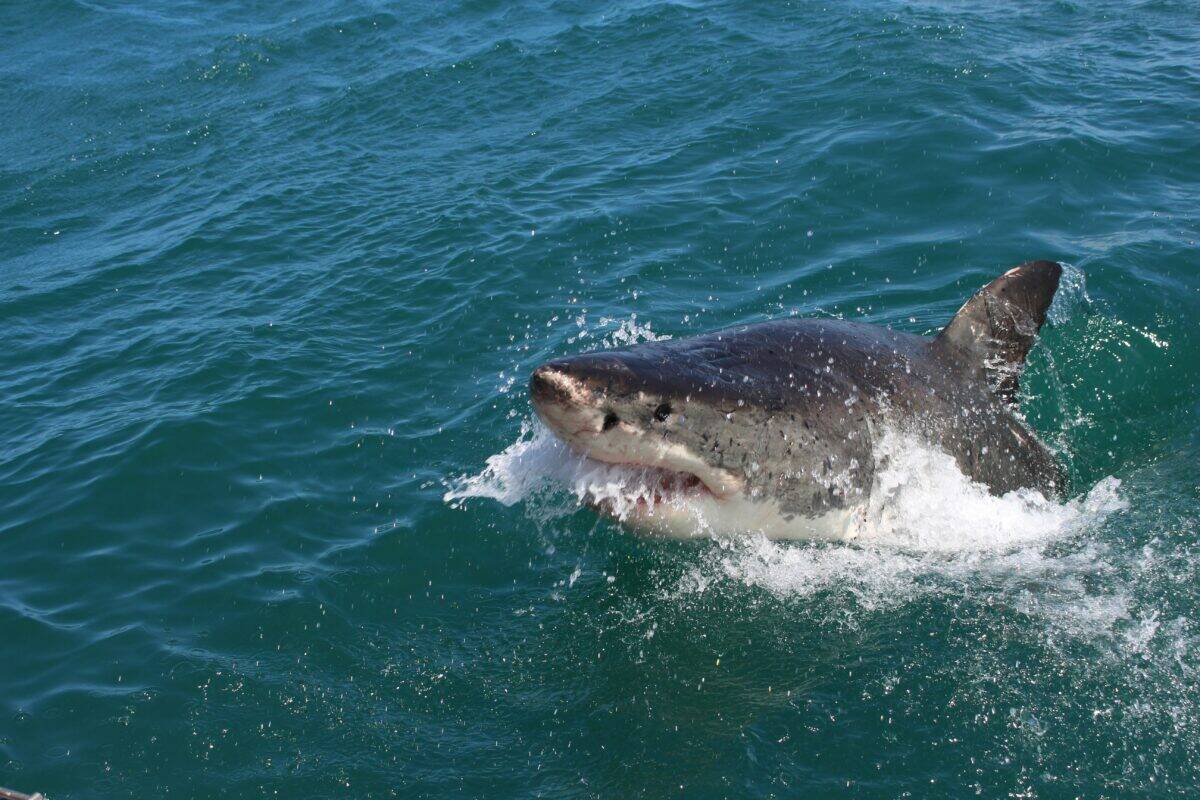
Sharks have patrolled our oceans for over 450 million years, evolving into highly specialized predators that command both fear and fascination. Despite their fearsome reputation largely fueled by films like “Jaws,” shark attacks on humans remain exceedingly rare. According to the International Shark Attack File, the odds of being fatally attacked by a shark are approximately 1 in 3.7 million. Yet understanding the circumstances that might trigger or prevent shark encounters is crucial for ocean users. This article explores nine scenarios where sharks are more likely to attack and three situations where these apex predators typically avoid human contact, providing insight into shark behavior that can help us coexist more safely with these misunderstood marine animals.
Mistaken Identity: When Sharks Confuse Humans for Prey
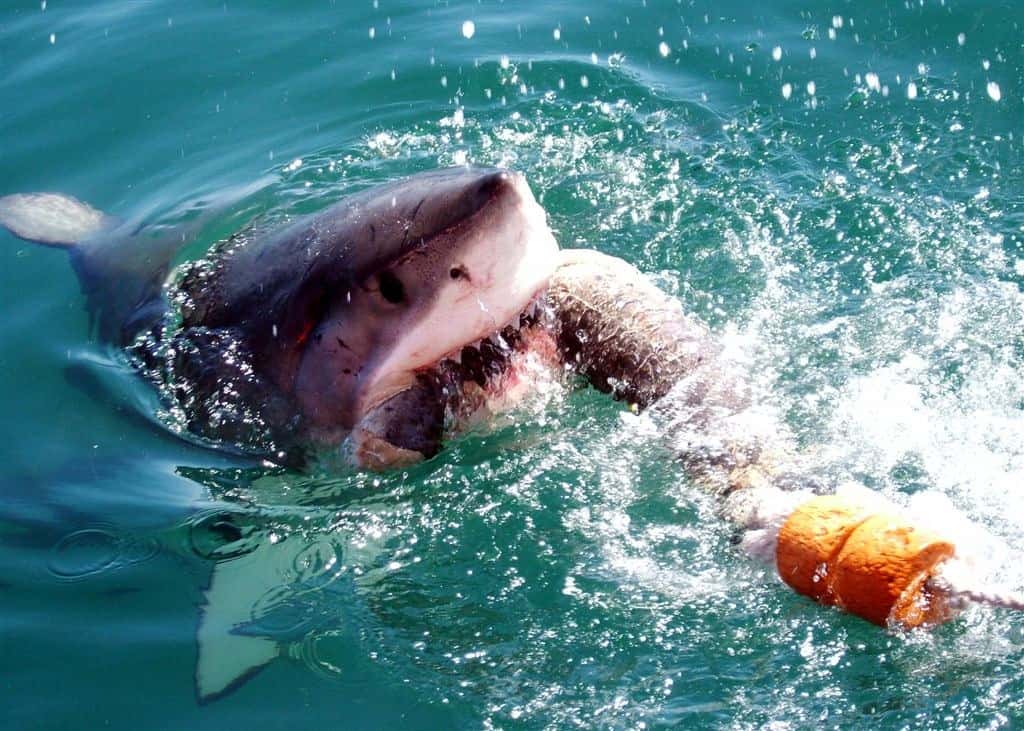
The most common theory behind unprovoked shark attacks is the case of mistaken identity. From below, a swimmer or surfer paddling on the surface can resemble the silhouette of a seal or sea lion—preferred prey for species like great white sharks. This silhouette confusion is particularly problematic at dawn or dusk when visibility is reduced. The shark, operating on instinct rather than malice, may take an investigatory bite before realizing the human is not its natural prey.
Research from the University of Florida suggests that white sharks in particular have relatively poor eyesight and often rely on shape and movement patterns to identify potential prey. This explains why many attacks are single strikes followed by the shark’s retreat—the predator quickly realizes its mistake after the initial bite. Scientists have developed wetsuit designs with patterns that break up the human silhouette or incorporate stripes that make swimmers appear less seal-like to reduce this risk factor.
Murky or Turbid Waters Increase Attack Likelihood
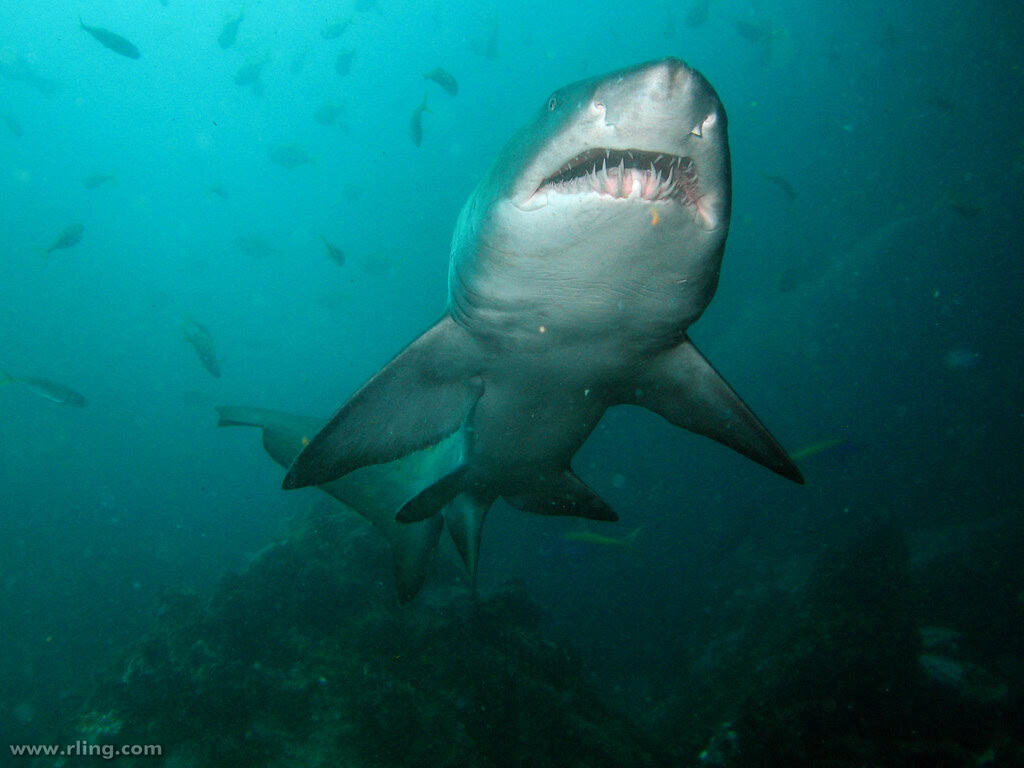
Sharks rely heavily on their sensory systems to navigate and hunt. In clear waters, they can better distinguish between potential prey and non-prey items. However, in murky or turbid conditions caused by runoff, storms, or churned-up sand, visibility decreases dramatically. This reduced visibility forces sharks to rely more on their other senses, particularly their ability to detect electrical impulses through specialized organs called ampullae of Lorenzini.
Statistics from shark research organizations show a correlation between water clarity and attack frequency. Following heavy rainfall or in areas with river mouths where sediment clouds the water, attack rates have been observed to increase by up to 30%. Swimmers in murky waters also tend to splash more as they navigate, creating vibrations that can attract sharks from considerable distances. These electrical and vibrational signals can draw sharks in for closer investigation, potentially leading to exploratory bites when the animal can’t visually confirm what it’s approaching.
Dawn and Dusk: Prime Hunting Hours
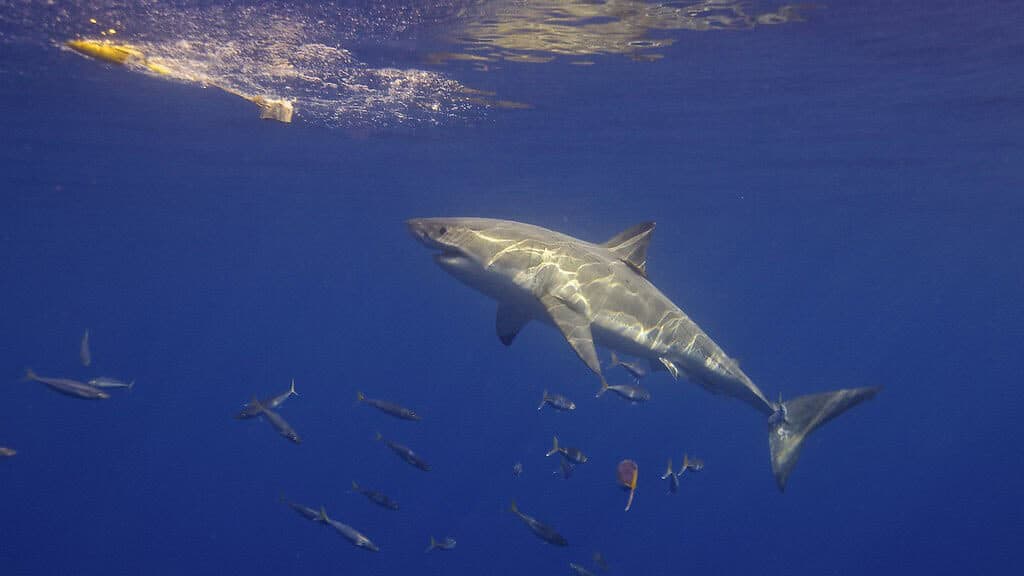
Many shark species, particularly the larger predatory ones implicated in attacks on humans, are crepuscular hunters—meaning they’re most active during twilight hours of dawn and dusk. These periods provide sharks with a tactical advantage: their prey may have difficulty seeing them approach, while the sharks themselves, with their superior sensory systems, can detect prey more easily than their targets can detect them. This natural hunting strategy has evolved over millions of years.
Data from documented shark encounters shows that attacks are approximately three times more likely to occur during these transitional light periods. Marine safety organizations worldwide consistently advise against ocean activities during these hours in areas known for shark populations. The common saying among ocean safety experts—”between the flags and between the hours”—references not only swimming in designated areas but also avoiding the water during these higher-risk times when sharks have a natural predatory advantage.
Fishing Activities and Bait in the Water

Fishing activities significantly increase the risk of shark encounters as they introduce blood, bait, and struggling fish into the water—all powerful attractants to sharks. The presence of bait creates what scientists call an “olfactory corridor” that can draw sharks from remarkable distances. A shark’s sense of smell is so acute that some species can detect a single drop of blood in 25 gallons (100 liters) of water, and they can track these scents from up to a third of a mile away.
Areas with active fishing operations, particularly those targeting large game fish, create an environment rich in stimuli that trigger feeding responses in sharks. Statistical analyses of shark incidents show that approximately 15% of documented attacks occur near fishing activities. This connection is so well established that many beach safety protocols include increased vigilance following fishing tournaments or in areas with pier fishing. The vibrations of struggling hooked fish, combined with the scent trails they produce, effectively create a dinner bell effect that can bring sharks into closer proximity with humans.
Presence of Natural Prey in the Area

Beaches near seal colonies, sea lion rookeries, or areas with large schools of fish naturally attract sharks that prey on these animals. For instance, the waters off Cape Cod have seen an increase in shark activity following the rebounding of local seal populations protected under the Marine Mammal Protection Act. When humans enter these hunting grounds, particularly during active feeding times, the risk of an incidental encounter rises substantially.
Research tracking shark movements has confirmed that these predators establish regular patrol patterns around prey-rich areas. A study published in the Journal of Marine Biology documented that great white sharks off California’s coast spent 40% more time in areas with robust pinniped populations. For ocean users, being aware of local marine ecology is crucial—swimming near a beach with a nearby seal colony during pupping season significantly elevates risk levels, as sharks are naturally drawn to these biological hotspots where their preferred prey is abundant and potentially vulnerable.
Unusual or Erratic Human Movements

Sharks are highly attuned to detecting unusual movement patterns in their environment, as these often signal distressed or injured prey—an easier target for predation. When humans splash vigorously, thrash in the water, or swim in erratic patterns, they can inadvertently mimic the movements of struggling fish or mammals. These movements create low-frequency vibrations that travel efficiently through water and can be detected by a shark’s lateral line system—specialized sensory organs running along the sides of their bodies.
Experiments conducted with shark attractants have demonstrated that irregular vibration patterns are significantly more likely to draw shark attention than steady, deliberate movements. This explains why marine safety experts consistently advise remaining calm if a shark is spotted nearby. The Australian Shark Attack File has documented cases where panic reactions by swimmers appeared to trigger investigatory approaches by sharks that had previously shown no interest. Conversely, steady, deliberate swimming creates a more regular vibration pattern that doesn’t trigger the same predatory response mechanisms.
Territorial Defense in Certain Species

While most shark species are not territorial in the conventional sense, certain species, particularly bull sharks, have displayed behaviors consistent with defending their space against perceived intruders. Bull sharks are unique among dangerous shark species in their ability to tolerate both saltwater and freshwater environments, often establishing themselves in river mouths and estuaries where human activity is common. In these environments, they may perceive humans as competitors or threats, particularly during breeding seasons.
Research from the University of Miami’s Shark Research Institute has documented increased aggression in bull sharks during seasonal breeding periods, with male sharks showing heightened reactions to unfamiliar objects or organisms entering their preferred habitats. These territorial responses are notably different from feeding-motivated encounters, as the sharks often perform threat displays before physical contact—behaviors rarely seen in cases of mistaken identity. Understanding these species-specific behavioral patterns is essential for risk assessment, as certain locations may require additional caution during specific seasonal windows when territorial defense behaviors peak.
Shiny Objects and High-Contrast Colors

Sharks possess specialized cells in their retinas that enhance their ability to detect contrast and movement, even in low-light conditions. Shiny jewelry, watches, or metallic swimwear can create flashes of reflected light that mimic the scales of fish catching sunlight as they swim—a visual cue that can trigger a shark’s hunting instinct. Similarly, high-contrast colors, particularly yellows and oranges (ironically, the colors often used for safety equipment), stand out dramatically in the underwater environment.
Research conducted by the Natal Sharks Board in South Africa tested various colors and patterns underwater to measure shark attraction rates. Their findings revealed that fluorescent yellows and oranges—colors with the highest visual contrast underwater—attracted shark attention at rates nearly double that of blues or neutral tones. This research has influenced the design of modern dive gear and surfboards, with many manufacturers now avoiding high-contrast color schemes in favor of blues, greens, and patterns that blend with the underwater environment. The U.S. Navy has even developed specialized shark deterrent wetsuits based on these principles, utilizing patterns that disrupt the human silhouette and colors that minimize visual attraction.
Injured Marine Animals Nearby
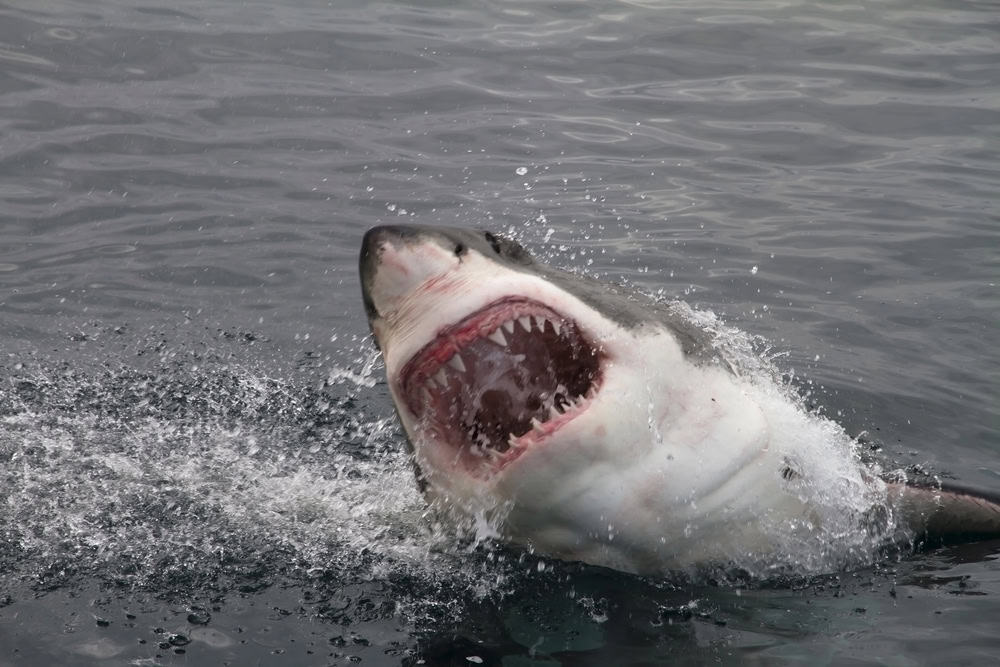
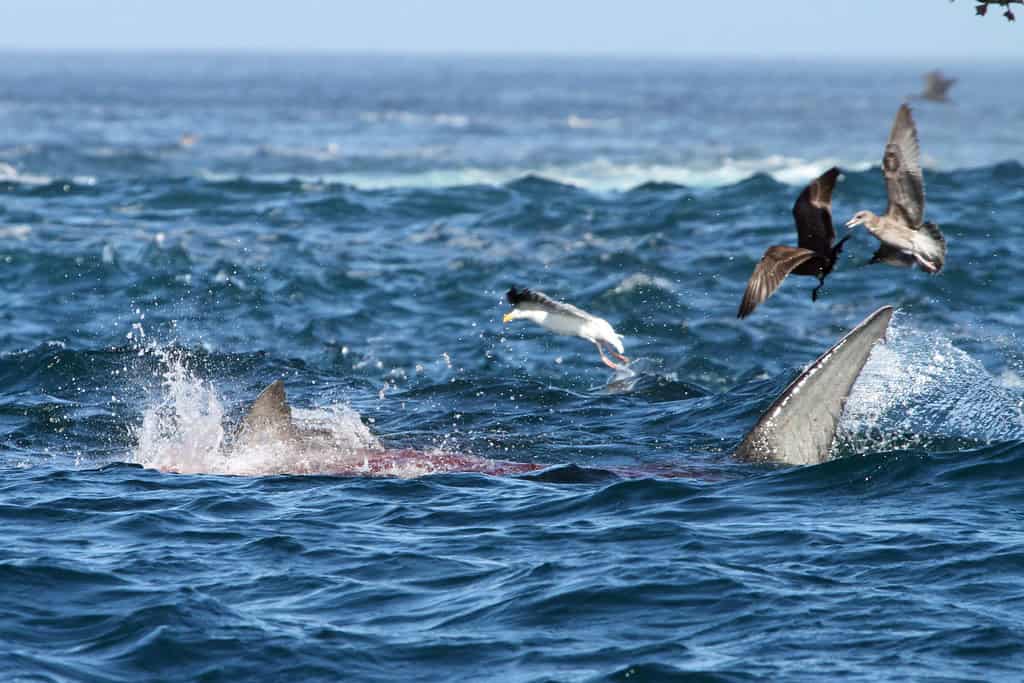
The presence of injured, dying, or dead marine animals creates powerful sensory cues that can trigger feeding responses in sharks from considerable distances. Blood and bodily fluids from wounded animals release amino acids and proteins that sharks can detect in extraordinarily diluted concentrations. These chemical signals, combined with the erratic movements of injured animals, create a perfect storm of stimuli that can rapidly attract multiple sharks to an area in what researchers call a “feeding frenzy” response.
Documented cases have shown that shark activity can increase dramatically following natural predation events, whale strandings, or commercial fishing operations where bycatch is discarded. A landmark study tracking shark movements near the Great Barrier Reef found that tiger sharks could detect and respond to distressed fish from over 1 kilometer away, altering their swimming patterns to investigate these signals. For ocean users, awareness of recent marine animal strandings, fish kills, or fishing activity provides crucial contextual information about potential increases in local shark activity and the heightened risks associated with entering these sensory-rich environments.
Large Groups of People Keep Sharks at Bay

One of the most effective natural deterrents to shark approaches is the presence of large groups of people in the water. Sharks are generally solitary hunters adapted to pursue individual prey items, and the unusual visual, auditory, and vibrational signatures created by groups of humans swimming together create an unfamiliar and potentially threatening sensory picture. Statistical analysis of shark encounters consistently shows that attacks are significantly more likely to occur on isolated individuals than on people swimming in groups.
Research from Australia’s Taronga Conservation Society has documented that approximately 72% of shark attacks occurred on solitary individuals, with another 18% involving pairs of people, and only 10% occurring in the presence of three or more people. This statistical pattern holds true across different regions and shark species, suggesting a fundamental behavioral tendency in sharks to avoid large aggregations of unfamiliar organisms. The collective splashing, movement, and noise generated by groups create a sensory environment that most sharks perceive as potentially dangerous rather than as an opportunity for predation, making group swimming one of the simplest yet most effective risk reduction strategies available to ocean users.
Deep, Cold Waters Often Mean Fewer Encounters

While sharks inhabit nearly every marine environment on Earth, the majority of shark species implicated in human attacks prefer warmer, shallower waters closer to coastlines. Deep, cold waters—particularly those beyond continental shelves—typically have lower shark densities of species known to interact with humans. The metabolic requirements of larger, warm-bodied sharks like great whites make cold waters energetically costly environments, limiting the time these apex predators spend in such conditions.
Oceanographic data consistently shows correlations between water temperature and shark activity levels, with attack frequencies declining significantly in waters below 18°C (64°F). This pattern is particularly evident in seasonal migration studies of shark populations along the eastern seaboard of North America, where tracking data shows clear northward movements during warming periods and southward retreats as waters cool. For ocean users, understanding these thermal preferences provides useful context for risk assessment—while no ocean environment is entirely without sharks, certain temperature ranges and bathymetric profiles (deep, cold waters) present statistically lower encounter probabilities, particularly outside of seasonal migration periods when sharks may briefly pass through otherwise low-density areas.
Absence of Electrical Signals Keeps Interactions Minimal
Sharks possess one of the animal kingdom’s most sophisticated electromagnetic sensing systems through specialized organs called ampullae of Lorenzini. These gel-filled pores can detect minute electrical fields generated by all living organisms’ muscular contractions and neural activity. This sensory capability allows sharks to detect potential prey even when visual cues are absent. However, this same sensitivity creates opportunities for deterrence—environments with minimal electrical signals or with deliberately introduced disruptive electrical fields often show reduced shark presence.
Research into shark deterrent technologies has leveraged this biological reality, with several commercially available devices now generating electromagnetic fields that overstimulate or confuse sharks’ sensory systems. Scientific field tests have demonstrated that these devices can reduce investigatory approaches by certain shark species by up to 60%. Similarly, natural environments with strong electromagnetic anomalies, such as certain volcanic regions with ferromagnetic mineral deposits, sometimes show unusually low shark activity levels despite otherwise favorable conditions. For ocean users, minimizing electrical signals by avoiding panicked movements and utilizing tested deterrent technologies provides evidence-based options for risk reduction in environments where encounters might otherwise be more likely.
Understanding Shark Behavior: The Key to Coexistence

Understanding when and why sharks attack—and when they choose to avoid humans—provides crucial insight for safer ocean use. The evidence clearly shows that shark attacks are rarely about predation on humans as preferred prey, but rather result from complex interactions of environmental factors, sensory triggers, and mistaken identity. By recognizing the nine risk factors that increase attack likelihood—mistaken identity, murky waters, dawn/dusk hours, fishing activities, presence of natural prey, erratic movements, territorial defense, shiny objects, and injured marine animals—ocean users can make informed decisions that significantly reduce their risk profiles.
Equally important are the three factors that deter shark encounters: swimming in groups, choosing deeper and colder waters when appropriate, and minimizing electrical signals that might attract shark attention. These science-based insights offer a balanced perspective that neither demonizes these essential marine predators nor dismisses the legitimate concerns about human safety. As we continue to share ocean spaces with these ancient creatures, our growing understanding of their behavior and sensory capabilities offers the most promising path toward coexistence that respects both human safety and the ecological importance of these apex predators that help maintain healthy ocean ecosystems.

From exploring the marine wonders in the Azores and witnessing the vast savannas of Kenya, to delving deep into the rich biodiversity of South Africa and traversing iconic landscapes in Australia and the US like Yellowstone, Chris's experiences are vast.
With a penchant for diving alongside sharks, the ocean holds a special place in his heart.
Through his academic insights, he champions wildlife conservation, striving with 'Animals Around The Globe' to cultivate a profound connection between humans and animals, enhancing our mutual appreciation.
Connect with him at Feedback@animalsaroundtheglobe.com.
- Why Spiders Don’t Get Stuck in Their Own Webs - July 20, 2026
- What Scientists Found in a 10,000-Year-Old Beehive - July 20, 2026
- This Spider Builds Fake Decoys of Itself - July 20, 2026