

At the intersection of land and sea lie mysterious, twisted forests that stand firmly in salty waters – the mangroves. These remarkable ecosystems serve as nature’s hidden wildlife sanctuaries, teeming with biodiversity while protecting coastlines and storing immense amounts of carbon. Often overlooked and underappreciated, mangrove forests represent one of our planet’s most valuable natural resources. From the dense pneumatophores poking through mudflats to the complex root systems sheltering juvenile fish, these coastal guardians host an intricate web of life while silently combating climate change. In this article, we’ll explore the fascinating world of mangroves – their unique adaptations, ecological importance, the diverse wildlife they harbor, and why their conservation is crucial for our planet’s future.
What Are Mangroves?

Mangroves are salt-tolerant trees and shrubs that grow in intertidal zones of tropical and subtropical coastlines. Unlike most plants that would perish in salty, oxygen-poor soils, mangroves have evolved remarkable adaptations to thrive in these challenging conditions. These hardy plants belong to around 80 different species across 12 genera and multiple families, demonstrating convergent evolution rather than close genetic relationships.
The term “mangrove” refers not just to the plants themselves but to the entire ecosystem they create. These coastal forests occur in 123 countries worldwide, covering approximately 137,760 square kilometers (53,190 square miles) globally. The largest mangrove forests are found in Indonesia, Brazil, Australia, and Nigeria, though significant stands exist throughout Southeast Asia, the Caribbean, and parts of Africa. Their unique position between land and sea creates a buffer zone that supports incredible biodiversity while providing essential ecosystem services to both marine and terrestrial environments.
Remarkable Adaptations to Harsh Conditions
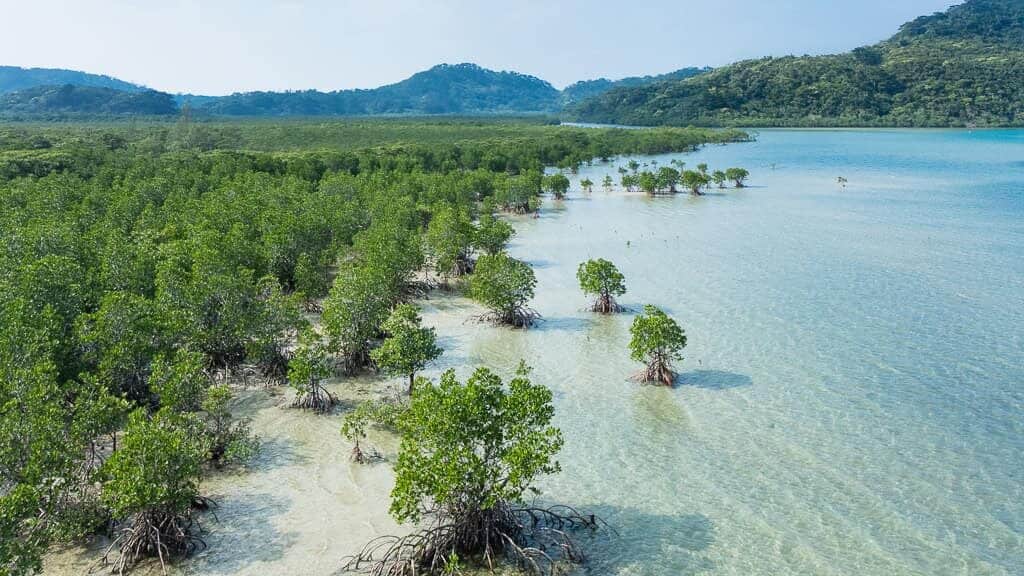
Mangroves have evolved extraordinary adaptations to survive in environments that would kill most plants. Their most visible adaptation is their distinctive root systems. Red mangroves (Rhizophora species) develop stilt-like prop roots that arch from the trunk to the soil, providing structural support in unstable mud and allowing the plant to breathe in oxygen-poor soils. Black mangroves (Avicennia species) produce pneumatophores – finger-like roots that protrude from the soil like snorkels, allowing oxygen uptake in waterlogged conditions.
Salt management is another remarkable adaptation. Some mangrove species exclude salt at their roots, preventing it from entering their tissues. Others can tolerate high salt concentrations in their cells, while some have specialized glands on their leaves that excrete excess salt. Perhaps most fascinating is their reproductive strategy – many mangroves produce “viviparous” propagules or seedlings that germinate while still attached to the parent tree. These seedlings can float in seawater for extended periods before taking root, allowing mangroves to colonize new areas over vast distances through ocean currents.
The Global Distribution of Mangrove Ecosystems
Mangroves thrive primarily in tropical and subtropical regions between latitudes 30° N and 30° S, where temperatures rarely drop below 20°C (68°F) and the annual rainfall exceeds 1,000mm. Their global distribution follows coastlines across Southeast Asia, which hosts approximately 42% of the world’s mangroves, with Indonesia alone accounting for 23% of global coverage. The Americas contain about 28% of mangrove forests, Africa roughly 20%, and Oceania around 10%.
The diversity of mangrove species varies by region, with the highest biodiversity found in the Indo-West Pacific region. Australia hosts approximately 41 mangrove species, while the Atlantic East Pacific region typically has fewer species – the Caribbean and Gulf of Mexico host only four major mangrove species. This distribution pattern is influenced by historical factors, ocean currents, and climate conditions. Interestingly, the fossil record indicates that mangroves once had a much wider distribution, extending into higher latitudes during warmer geological periods, suggesting that climate change may alter their range in the future.
Mangroves as Wildlife Nurseries
One of the mangrove ecosystem’s most vital functions is serving as a nursery for countless marine species. The complex root systems create protected environments where juvenile fish, crustaceans, and mollusks can develop safely away from predators found in open waters. Research indicates that up to 75% of commercially caught tropical fish species spend part of their life cycle in mangrove ecosystems. Species like snappers, groupers, barracuda, and tarpon all depend on these coastal forests during their early development stages.
The nursery function extends beyond commercially important species. Mangroves provide critical habitat for numerous threatened and endangered species throughout their life cycles. The intricate root systems trap sediments and organic matter, creating a nutrient-rich environment that supports extensive food webs. This abundance of food, combined with physical protection from predators, makes mangroves essential to marine biodiversity. Scientists estimate that mangrove-associated fisheries support the livelihoods of over 120 million people worldwide, demonstrating the economic value of these natural nurseries.
Unique Residents of the Mangrove Forest

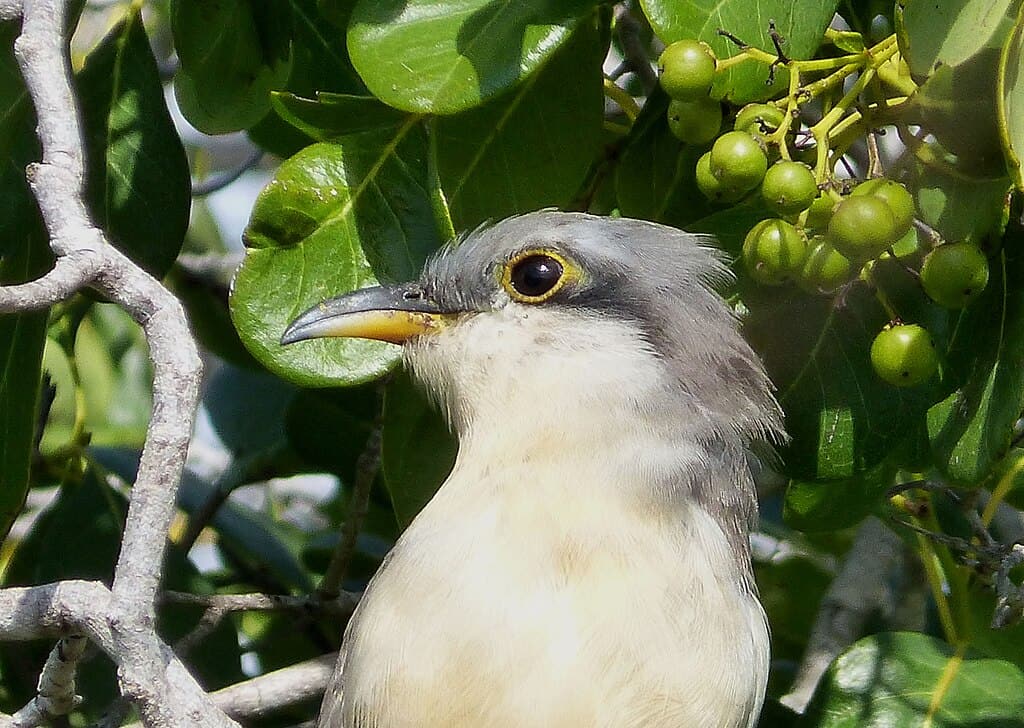
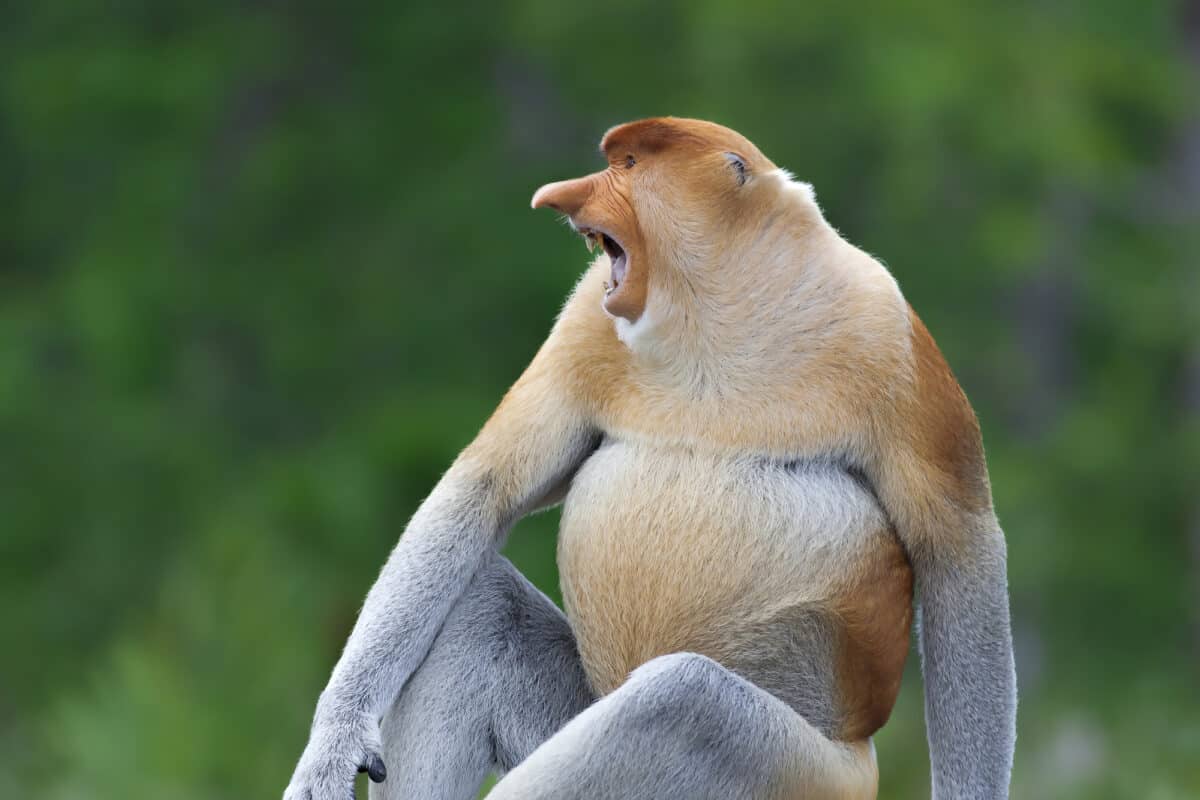
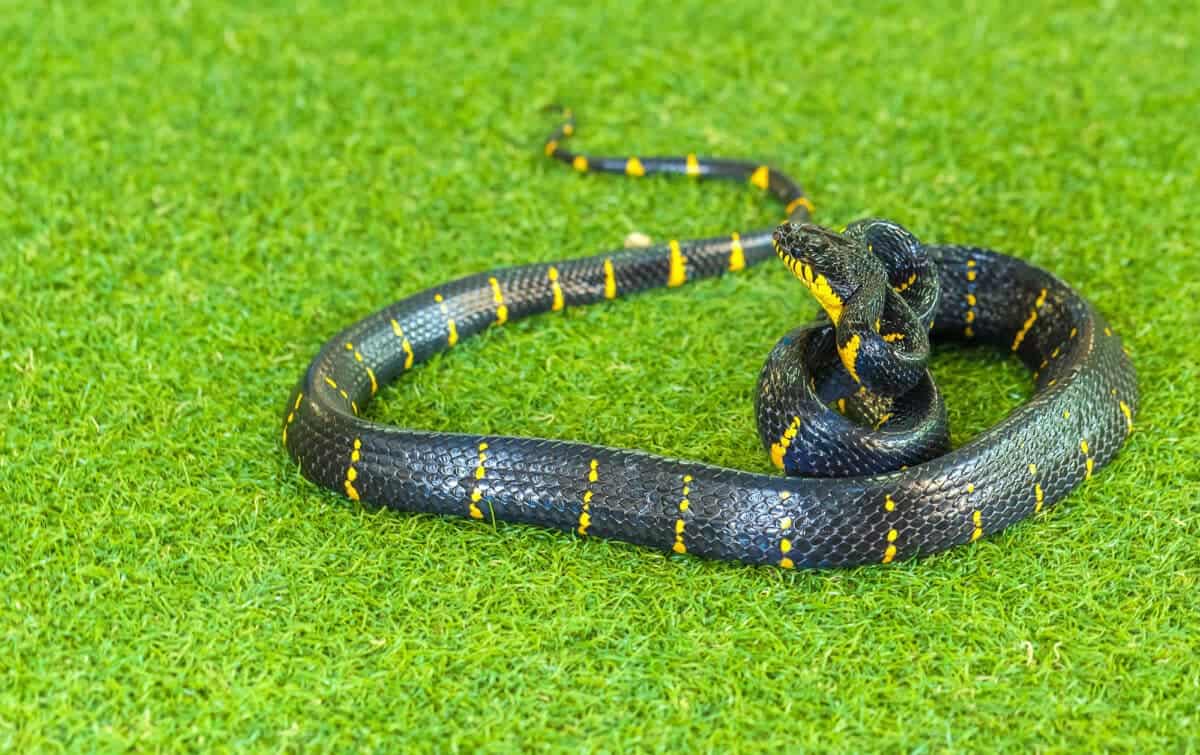
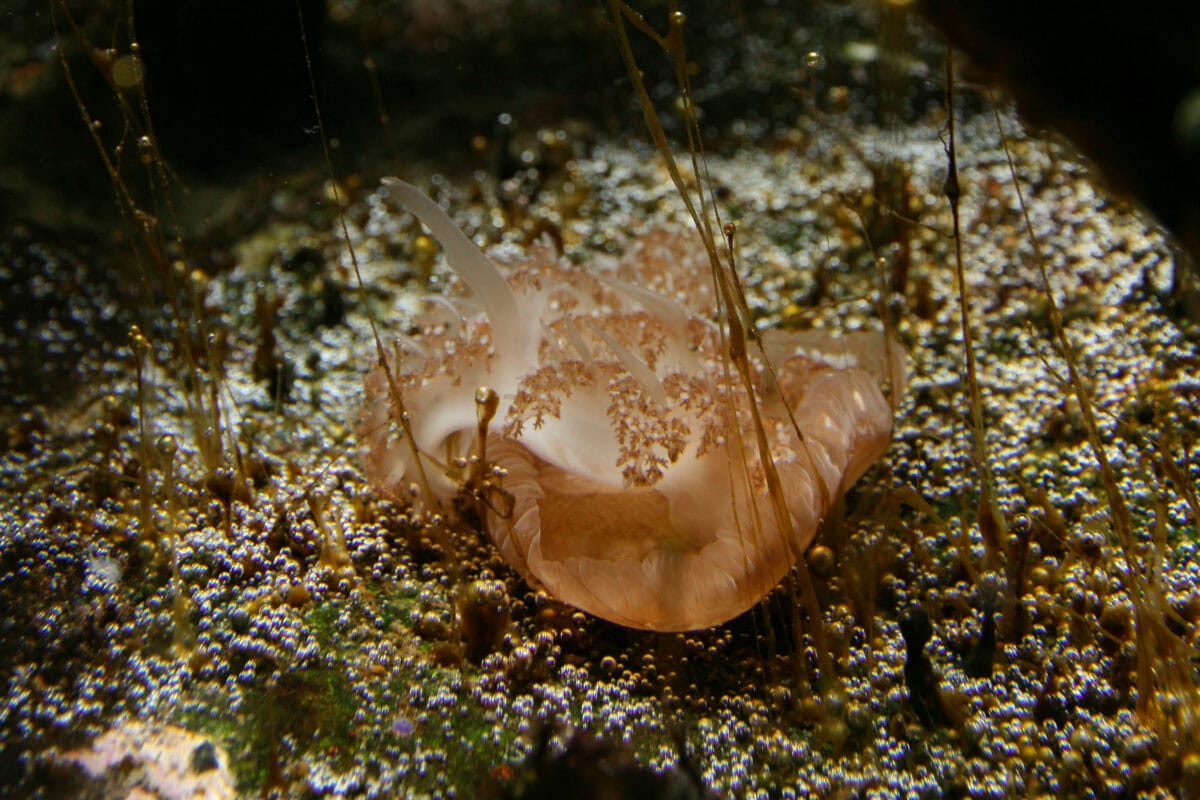
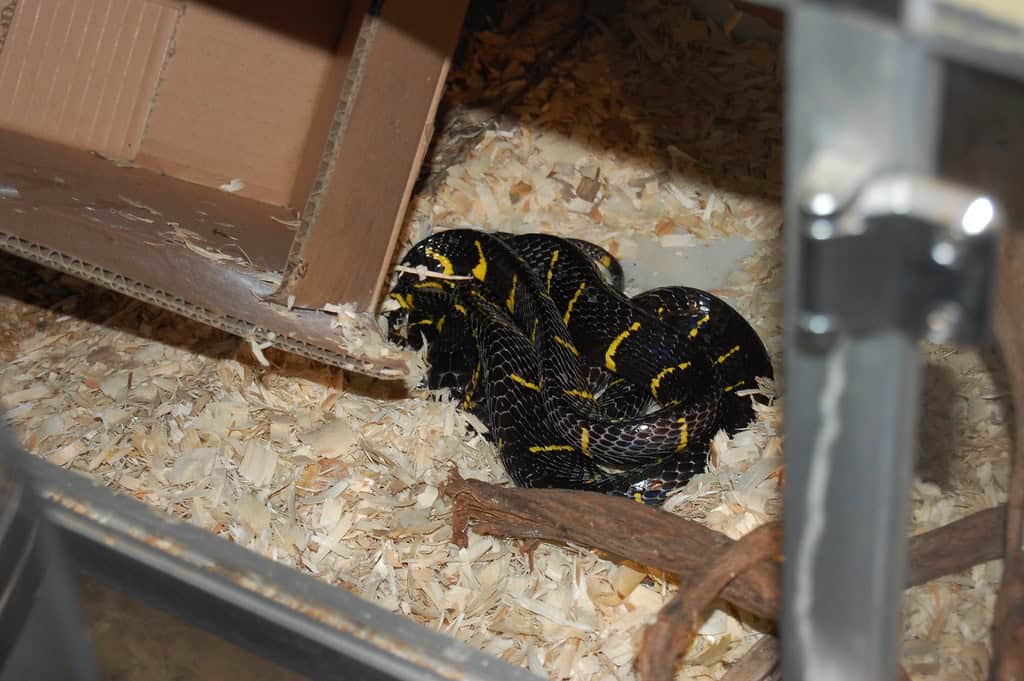
Mangroves host a remarkable array of specialized wildlife that has adapted to this challenging interface between land and sea. Among the most iconic residents is the proboscis monkey of Borneo, with its distinctive large nose and swimming abilities. The endangered Bengal tiger finds refuge in the Sundarbans mangrove forest spanning Bangladesh and India – the world’s only tiger population adapted to a mangrove habitat. In Central and South America, the scarlet ibis adds vibrant color to mangrove canopies, while the threatened mangrove finch, studied by Charles Darwin, clings to existence in the Galapagos Islands.
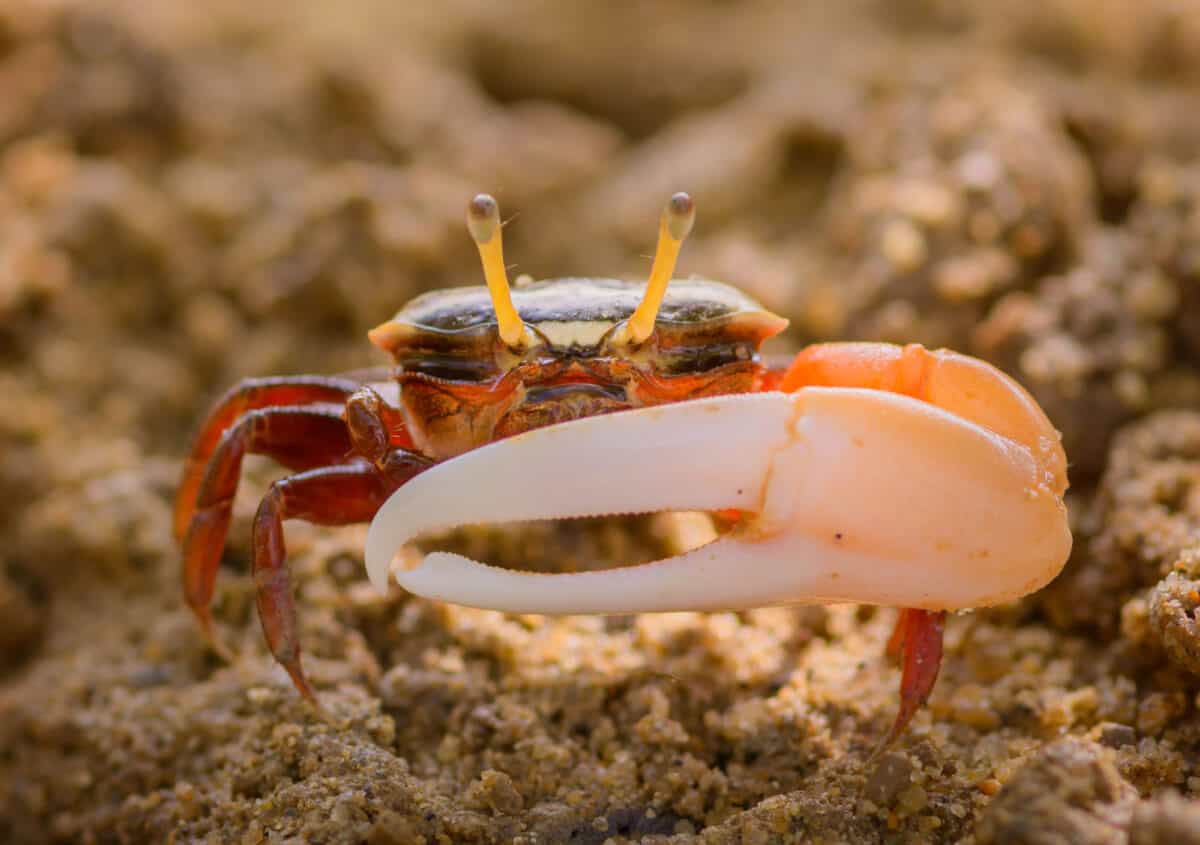
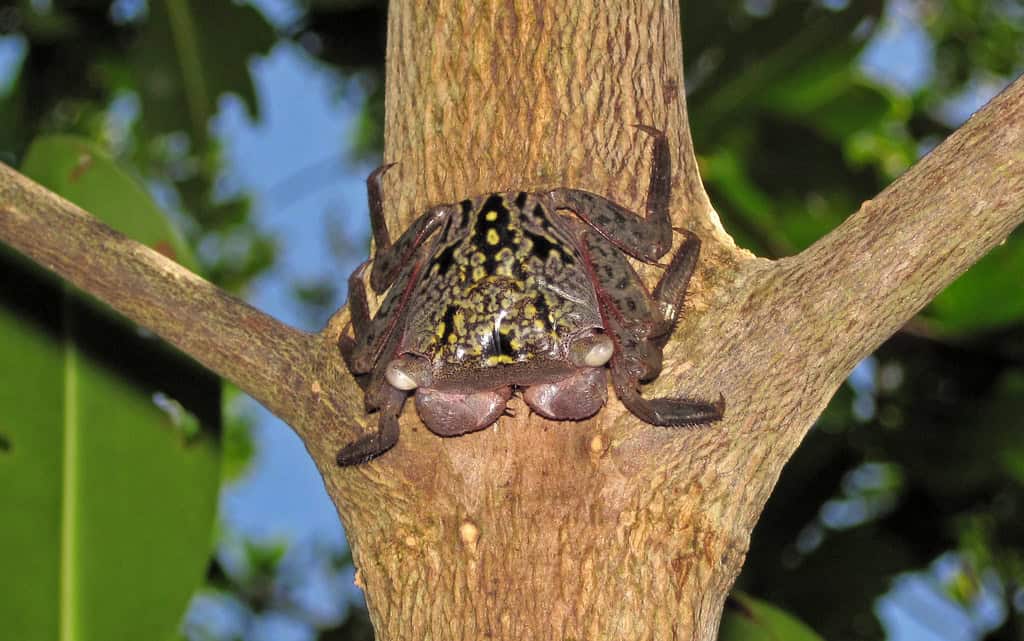
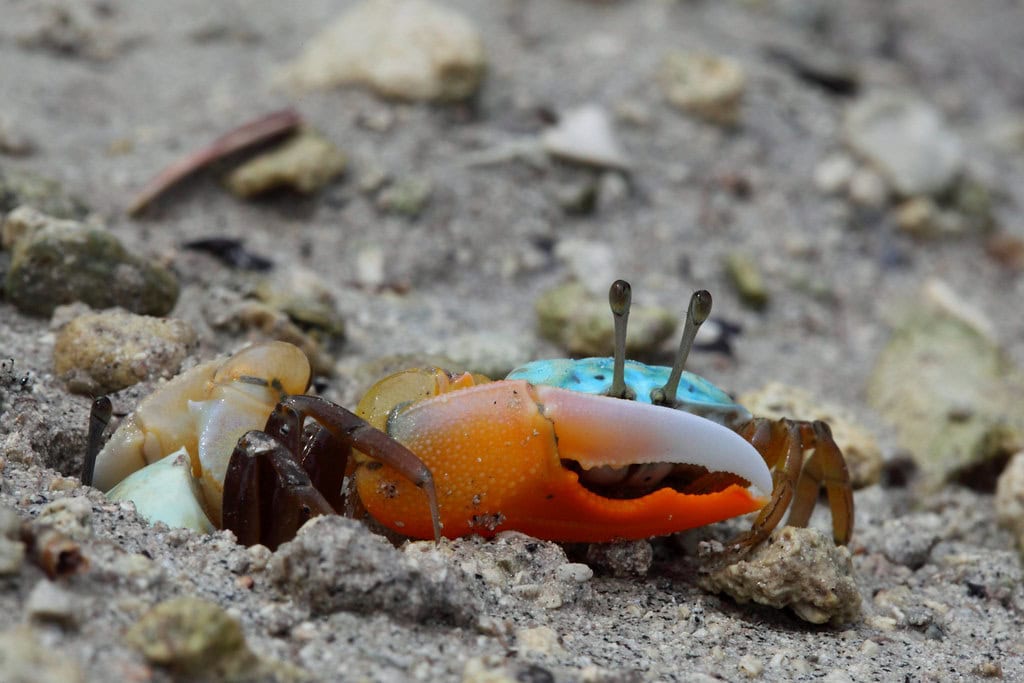
The mudflats beneath mangroves bustle with activity from specialized crustaceans. Fiddler crabs, named for the males’ oversized claw used in courtship displays, create intricate burrow systems that aerate the soil. The remarkable mud-skipping fish (mudskippers) have adapted to an amphibious lifestyle, using modified pectoral fins to “walk” across mudflats and specialized skin that allows them to breathe air. Perhaps most unusual is the mangrove killifish, which can change sex and survive for months out of water by breathing through its skin, demonstrating the extraordinary adaptations that have evolved in response to the mangrove’s challenging conditions.
Mangroves as Coastal Protectors
Mangroves serve as natural bulwarks against the destructive forces of nature. Their dense network of roots and trunks forms a physical barrier that reduces wave energy by up to 66% and storm surge levels by up to 70%. This protective function was dramatically demonstrated during the 2004 Indian Ocean tsunami, where coastal areas with intact mangrove forests suffered significantly less damage and fewer casualties than areas where mangroves had been removed. A study in the Philippines found that coastal communities protected by mangroves experienced 68% less damage from Typhoon Haiyan in 2013 compared to unprotected areas.
Beyond catastrophic events, mangroves provide daily protection against coastal erosion. Their roots trap sediments that might otherwise be washed away, actually building land over time in some areas. This soil retention also prevents sedimentation of nearby coral reefs and seagrass beds, protecting these sensitive ecosystems from suffocation. As climate change drives sea-level rise and increases the intensity of tropical storms, the protective function of mangroves becomes increasingly valuable. Economic analyses suggest that the coastal protection services provided by mangroves are worth up to $65 billion annually worldwide.
Carbon Storage Champions
Mangroves are among the most carbon-rich forests in the tropics, storing on average 1,023 metric tons of carbon per hectare – up to four times more carbon than other tropical forests. This remarkable capacity comes from their highly productive nature and their unique ability to continuously build soil carbon. Unlike terrestrial forests where carbon primarily accumulates in biomass, mangroves sequester most carbon in their waterlogged, oxygen-poor soils where decomposition is slow. These carbon-rich soils can extend several meters deep and continue accumulating for thousands of years.
The climate significance of mangroves becomes even more apparent when they’re destroyed. When mangroves are cleared, their stored carbon is released as carbon dioxide, contributing to climate change. Despite covering just 0.1% of Earth’s land surface, mangrove deforestation contributes up to 10% of emissions from global deforestation. Conversely, mangrove restoration and conservation represent highly effective nature-based climate solutions. Recent research indicates that protecting and restoring mangroves could deliver up to 14% of the mitigation needed to keep global temperature rise below 2°C, highlighting their outsized role in fighting climate change.
Threats to Mangrove Ecosystems

Despite their ecological importance, mangroves face severe threats worldwide. Approximately 35% of global mangrove cover was lost between 1980 and 2000, with some countries losing over 50% of their mangroves. The primary driver of this destruction has been aquaculture development, particularly shrimp farming, which has claimed vast areas of mangrove forest across Southeast Asia and Latin America. Coastal development for tourism, agriculture, and urban expansion has also consumed significant mangrove areas, with developers often viewing these wetlands as wastelands rather than valuable ecosystems.
Pollution presents another significant threat. Mangroves are particularly vulnerable to oil spills, which can smother pneumatophores and prevent oxygen uptake. Agricultural runoff containing pesticides and fertilizers disrupts the delicate balance of mangrove ecosystems, while plastic pollution entangles roots and wildlife. Climate change introduces new stresses through sea-level rise, altered precipitation patterns, and increasing storm intensity. While mangroves can naturally migrate inland as sea levels rise, coastal development often blocks this migration, leading to “coastal squeeze” where mangroves have nowhere to go and eventually drown – a phenomenon already documented in areas like South Florida.
Conservation Success Stories
Despite widespread threats, inspiring conservation success stories are emerging around the world. In Vietnam, where extensive mangroves were destroyed during the Vietnam War, community-based restoration efforts have successfully replanted over 9,000 hectares since the 1980s. These restored forests now protect coastal communities while providing sustainable livelihoods through carefully managed timber harvesting and ecotourism. The restored areas proved their worth during Typhoon Damrey in 2017, significantly reducing damage to protected communities.
In Ecuador, the Socio Manglar program represents an innovative approach to conservation. This government initiative pays communities to protect and sustainably manage mangroves while maintaining traditional fishing rights. Since its inception in 2014, the program has protected over 100,000 hectares while improving local livelihoods. Sri Lanka made history in 2015 by becoming the first country to protect all its mangrove forests, combining legal protection with alternative livelihood development for coastal communities. These success stories demonstrate that with the right approaches, mangrove conservation can benefit both nature and people, creating a sustainable path forward for these critical ecosystems.
Restoration Techniques and Challenges
Mangrove restoration has evolved significantly over the past decades. Early approaches often involved simple mass planting of mangrove seedlings, frequently with disappointing results – in some projects, survival rates were below 15%. Modern restoration science emphasizes “ecological mangrove restoration,” which focuses on restoring the appropriate hydrology and environmental conditions rather than just planting trees. This approach recognizes that if the right conditions exist, mangroves will often recolonize naturally from nearby propagule sources, establishing a more resilient and appropriate species mix.
Successful restoration projects carefully analyze site conditions including tidal flow, elevation, soil composition, and salinity before developing site-specific plans. Community involvement has proven essential for long-term success, with local stakeholders participating in planning, implementation, and monitoring. Innovative techniques are emerging, including the use of drones for mapping and seed dispersal in remote areas, and the development of salt-tolerant varieties for degraded sites. Despite these advances, significant challenges remain, including securing long-term funding, addressing land tenure issues, and adapting methods for climate change resilience. The science indicates that while preservation of existing mangroves is always preferable, restoration can successfully recover many ecosystem functions when properly implemented.
Economic Value of Mangrove Ecosystems
The economic value of mangrove ecosystems extends far beyond their role in supporting fisheries. When all ecosystem services are considered, including coastal protection, carbon sequestration, water filtration, and tourism opportunities, mangroves provide benefits worth an estimated $33,000-$57,000 per hectare annually. This valuation helps explain why mangrove conservation and restoration increasingly feature in economic development planning. Countries like Indonesia and Malaysia are incorporating “blue carbon” from mangroves into their nationally determined contributions under the Paris Climate Agreement, recognizing the economic value of carbon sequestration.
Ecotourism in mangrove areas generates significant revenue while providing incentives for conservation. In Thailand’s Phang Nga Bay, mangrove-based tourism activities generate approximately $215 million annually. Even more impressive are mangrove-associated fisheries, which support livelihoods worth an estimated $4-6 billion globally each year. When these diverse economic benefits are properly accounted for, mangrove conservation and restoration become compelling investment opportunities. A 2020 study found that every dollar invested in mangrove conservation returns $3-10 in economic benefits, with restoration projects showing similar cost-benefit ratios over time. This economic reality is driving increased investment in mangrove protection from both government and private sector sources.
How You Can Help Protect Mangroves
Individual actions can make a significant difference in mangrove conservation. For consumers, making informed seafood choices is perhaps the most direct way to help. By selecting seafood certified by organizations like the Marine Stewardship Council or the Aquaculture Stewardship Council, you can avoid supporting practices that destroy mangroves. This is particularly important when purchasing shrimp, as unsustainable shrimp farming has been a leading cause of mangrove destruction. Reducing your carbon footprint also helps mangroves by mitigating climate change impacts that threaten these ecosystems.
Supporting conservation organizations focused on mangrove protection provides another pathway for impact. Organizations like the Mangrove Action Project, Wetlands International, and The Nature Conservancy work directly on mangrove conservation and restoration projects worldwide. For those living near mangrove areas, participating in local clean-up events, citizen science monitoring, or restoration projects offers hands-on ways to contribute. Educational outreach is equally important – sharing knowledge about mangrove importance helps build the public and political will necessary for effective conservation. By combining these actions, individuals can contribute meaningfully to securing the future of these vital wildlife sanctuaries.
The Future of Mangrove Conservation

The outlook for mangrove conservation contains both promising developments and concerning challenges. On the positive side, global awareness of mangrove importance has grown substantially, with international initiatives like the Global Mangrove Alliance aiming to increase mangrove area by 20% by 2030. Innovative financing mechanisms including blue carbon credits, which monetize the carbon storage function of mangroves, are creating new funding streams for conservation. The integration of mangroves into national climate adaptation strategies represents another encouraging trend, with countries increasingly recognizing their role in coastal resilience.
However, significant challenges remain. Climate change poses existential threats through sea-level rise and increasing storm intensity. Conservation efforts must increasingly consider assisted migration and genetic resilience to help mangroves adapt to changing conditions. Continued population growth in coastal areas creates ongoing development pressure, requiring stronger protective policies and enforcement. Nevertheless, the convergence of ecological understanding, economic valuation, and growing political will provides reason for cautious optimism. The future of mangroves – and the wildlife sanctuaries they create – will ultimately depend on our collective ability to translate this momentum into effective, sustained conservation action across the globe.

- Why You Should Stop Feeding Ducks at the Park - July 21, 2026
- The Secret Language of Dolphins Decoded by Researchers - July 20, 2026
- 7 Animals That Can Survive Extreme Environments You Couldn’t - July 20, 2026