


The United States boasts diverse ecosystems harboring various predatory species, from the alligator-filled swamps of Florida to the grizzly bear territories of Alaska. While many Americans live their entire lives without dangerous wildlife encounters, understanding which regions host potentially lethal predators remains crucial for outdoor enthusiasts, hikers, campers, and survivalists. This knowledge isn’t meant to inspire fear but rather to foster respect for wildlife and preparedness when venturing into their territories.
When analyzing which state has the “deadliest” predator, we must consider multiple factors: the animal’s physical capabilities, historical attack statistics, population density, and human-wildlife conflict frequency. It’s important to note that most predatory animals avoid humans whenever possible, with attacks typically resulting from surprising an animal, threatening its young, or interfering with its feeding. This guide examines the states housing America’s most dangerous predators while providing essential survival tips for coexisting safely with these magnificent but potentially deadly creatures.
Alaska: Kingdom of the Brown Bear

Alaska undoubtedly claims the title for hosting America’s most formidable land predator: the brown bear, particularly the coastal subspecies known as the Kodiak bear. These magnificent creatures can weigh over 1,500 pounds and stand 10 feet tall when on their hind legs. With incredible strength allowing them to flip 700-pound rocks with ease and powerful jaws that can crush bones, they represent the apex of North American predators. Between 2000 and 2017, Alaska reported approximately 68 bear attacks, averaging about 4 per year – the highest rate in the nation.
For survivalists traveling in Alaska, bear safety is paramount. Always carry bear spray (proven more effective than firearms), make noise while hiking to avoid surprising bears, properly store food in bear-resistant containers, and know the difference between defensive and predatory behavior. If a brown bear charges defensively, play dead by lying face down with hands protecting your neck. However, if the attack appears predatory (the bear stalks you deliberately), fight back with whatever means available, targeting sensitive areas like the eyes and nose. Alaska’s remoteness also means emergency services might be hours away, making proper preparation absolutely essential.
Florida: Alligator Territory
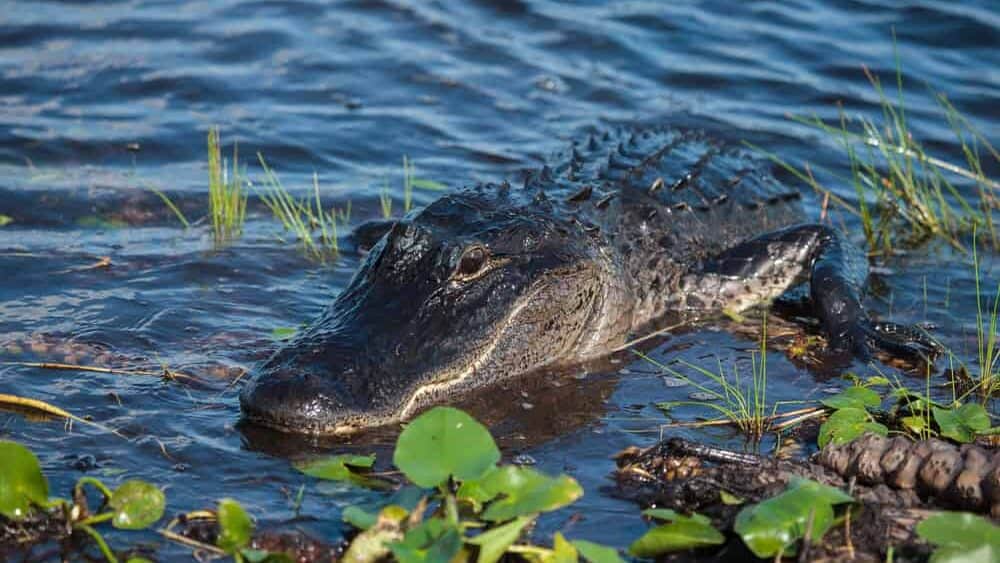
Florida hosts the American alligator, a prehistoric predator responsible for the most consistent fatal attacks in any state. With approximately 1.3 million alligators inhabiting Florida’s waterways, the sunshine state experiences an average of 7 unprovoked alligator attacks annually, with a fatality occurring roughly every 3-4 years. While this may seem relatively low, it represents the highest frequency of fatal reptile attacks in the United States. Alligators can grow to 14 feet, weigh up to 1,000 pounds, and possess the strongest bite force of any living animal in North America at approximately 2,125 pounds per square inch.
Survivalists in Florida should exercise extreme caution around all bodies of freshwater, especially during breeding season (April-June) when alligators become more aggressive. Never swim at dawn, dusk, or night when alligators feed most actively. Keep pets away from water edges, as they resemble alligators’ natural prey. If attacked, fight aggressively – target the sensitive snout and eyes. Unlike with some predators, playing dead will not deter an alligator that has initiated an attack. Florida’s deadly wildlife isn’t limited to alligators; the state also hosts venomous snakes, including the eastern diamondback rattlesnake, and dangerous marine life like bull sharks in its coastal waters.
Montana and Wyoming: Grizzly Country

The Greater Yellowstone Ecosystem spanning Montana and Wyoming houses one of the densest grizzly bear populations in the lower 48 states. With approximately 700-1,000 grizzlies in this region, these states experience some of the highest rates of bear encounters and attacks outside Alaska. Grizzlies in this region typically weigh between 300-700 pounds and can run at speeds up to 35 mph, making outrunning them impossible for humans. While attacks remain relatively rare, they often prove severe when they occur, with Yellowstone National Park reporting an average of one bear-inflicted human injury per year.
Survivalists hiking in grizzly territory should travel in groups of three or more (statistically shown to deter bear attacks), carry bear spray within immediate reach, and make noise continuously while hiking to alert bears of their presence. Unlike black bears, grizzlies rarely climb trees, so in a genuine emergency, height can provide safety if a sturdy, climbable tree is available. The National Park Service requires visitors in backcountry Yellowstone to carry food in bear-resistant containers and hang them from trees at least 10 feet high and 4 feet from the trunk. Understanding bear behavior – like identifying the difference between a curious standing bear (often just trying to get a better look) versus a charging bear – can be life-saving knowledge in Montana and Wyoming’s wilderness areas.
Arizona: The Venomous Desert
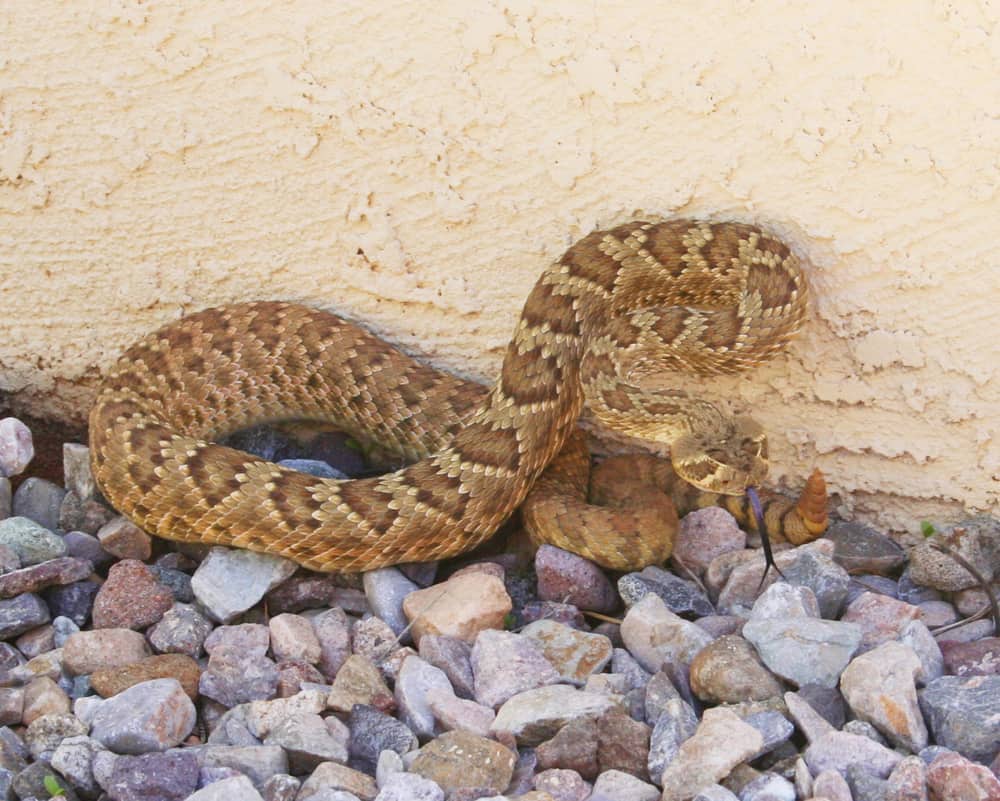
Arizona claims the dubious distinction of leading the nation in deaths from venomous creatures, particularly rattlesnakes. The state is home to 13 species of rattlesnakes, more than any other state, including the Mojave rattlesnake – whose neurotoxic venom is considered among the most potent in North America. Arizona averages 150-200 rattlesnake bites annually, with approximately 1-2 resulting in fatalities. While this might seem low compared to other causes of death, the suffering involved in venomous bites and the remote locations where they often occur make them particularly dangerous.
The Grand Canyon State also hosts the Gila monster, America’s only venomous lizard, along with scorpions, including the potentially lethal Arizona bark scorpion. For survivalists in Arizona’s deserts, proper footwear (high boots), careful hand placement when climbing, and thorough gear inspection before use can prevent dangerous encounters. Always carry a snakebite kit and know the nearest locations for antivenom treatment. Unlike movie depictions, proper snakebite treatment does not involve suction or tourniquets; instead, keep the bite area below heart level, remove constrictive items like rings or watches, and seek medical attention immediately. Remember that most snake encounters occur because the reptile was unseen – be vigilant around rocky outcroppings, brush piles, and during dawn and dusk hours when snakes are most active.
California: Mountain Lion Territory

California hosts the highest population of mountain lions (also called cougars or pumas) in the United States, with an estimated 4,000-6,000 cats roaming its diverse landscapes. While fatal attacks remain extremely rare – with only 17 confirmed fatal attacks in North America since 1890 – California leads in both encounters and attacks. These powerful cats can weigh up to 220 pounds, leap 40 feet horizontally, and run at speeds approaching 50 mph. What makes mountain lions particularly dangerous is their predatory instinct and hunting method; unlike bears who may attack defensively, mountain lions stalk and ambush prey, sometimes including humans, particularly children.
Survivalists in California’s wilderness should hike in groups, keep children close, and maintain vigilance during dawn and dusk when cougars hunt most actively. If you encounter a mountain lion, never run (this triggers their chase instinct); instead, make yourself appear larger by raising arms and opening jackets, make loud noises, and if necessary, throw objects without turning your back. In the extremely rare case of an attack, fight back aggressively with whatever is available – many survivors have successfully fended off mountain lions by fighting rather than submitting. California’s predator diversity extends beyond mountain lions to include black bears, numerous venomous snake species, and in coastal waters, great white sharks, creating a complex predator landscape requiring various safety strategies.
Texas: A Confluence of Deadly Species

Texas presents a unique predator profile due to its massive size and varied ecosystems, from coastal marshes to deserts and forests. The Lone Star State hosts the greatest diversity of venomous snakes in the country, including coral snakes, copperheads, cottonmouths, and numerous rattlesnake species. Texas records approximately 1-2 snake-related fatalities annually. Adding to this danger, South Texas is the only U.S. region inhabited by the jaguar’s smaller cousin, the ocelot, though attacks on humans are virtually non-existent. The state’s waterways, particularly along the Gulf Coast, harbor American alligators, with populations expanding northward in recent years.
Perhaps most concerning for Texas survivalists is the documented presence of feral hogs. While not typically considered predators, these invasive animals can weigh over 400 pounds, possess razor-sharp tusks, and have been responsible for fatal attacks on humans. An estimated 2.6 million feral hogs roam Texas, causing environmental destruction and occasionally threatening human safety. For wilderness survival in Texas, carry snake gaiters in appropriate terrain, learn to identify the distinctive patterns of venomous snakes, maintain distance from wild hogs (particularly when piglets are present), and prepare for diverse threats that may change dramatically as you traverse the state’s varied landscapes. Texas wildlife officials particularly warn about the dawn and dusk periods when many of these animals are most active.
Hawaii: Dangers in Paradise

Hawaii presents a unique predator profile that differs significantly from mainland states. While lacking large terrestrial predators like bears or big cats, Hawaii’s deadliest predators inhabit its surrounding waters. The Hawaiian archipelago reports the highest rate of shark attacks per capita in the United States, with tiger sharks being the primary species responsible. These massive predators can exceed 14 feet in length and weigh over 1,400 pounds, possessing serrated teeth perfectly evolved for shearing through flesh and bone. Between 1995 and 2021, Hawaii recorded 73 unprovoked shark attacks, with several proving fatal.
Beyond sharks, Hawaii’s waters harbor box jellyfish, whose venom ranks among the most toxic in the animal kingdom. Box jellyfish arrive on Hawaiian shores approximately 8-10 days after a full moon, with authorities often posting warnings during these periods. For survivalists visiting Hawaii, understanding ocean safety is paramount – avoid swimming at dawn, dusk, or night when sharks feed most actively, stay away from murky water or areas near stream outlets, avoid wearing shiny jewelry that may resemble fish scales, and learn the box jellyfish calendar. Portuguese man-o-war jellyfish also frequent Hawaiian waters, delivering excruciatingly painful stings that, while rarely fatal to healthy adults, can trigger dangerous allergic reactions and pose serious risks to children and the elderly.
Colorado: Mountain Predator Hub

Colorado’s Rocky Mountain ecosystem supports a diverse predator population, including mountain lions, black bears, and one of the healthiest gray wolf restoration programs in the lower 48 states. While wolf attacks on humans remain exceedingly rare historically, Colorado’s combination of predator species, coupled with its popularity among hikers, campers, and outdoor enthusiasts, creates significant potential for human-wildlife conflict. The state records an average of 3-4 mountain lion attacks annually, though fatalities remain exceptionally rare. Black bears, while less aggressive than their grizzly cousins, still present danger, particularly when food-conditioned or protecting cubs.
Colorado’s high-altitude environment creates additional survival challenges beyond predator encounters. Weather conditions can change rapidly, stranding unprepared hikers in dangerous situations where weakened individuals might become more vulnerable to opportunistic predators. For survivalists in Colorado’s wilderness, carrying bear spray effective against all large predators, properly storing food using bear-resistant containers or hanging methods, and maintaining awareness of fresh predator signs (tracks, scat, carcasses) prove essential. Colorado Parks and Wildlife particularly emphasizes avoiding dawn and dusk hiking in areas with known mountain lion activity and making noise while traveling through dense underbrush where visibility is limited. The state’s combination of predator diversity and high human recreational use makes wildlife safety knowledge particularly important.
North Carolina: The Predator Mix

North Carolina offers a surprisingly complex predator profile that often gets overlooked in discussions of dangerous wildlife. The state hosts one of the densest black bear populations in the country, particularly in the Great Smoky Mountains and eastern coastal regions. While typically less aggressive than brown bears, black bears still account for dozens of attacks annually across North America, with North Carolina recording several serious incidents in recent years. The state also maintains a healthy alligator population in its eastern regions, with these reptiles extending their range northward in response to climate changes.
Perhaps most concerning for North Carolina survivalists is the state’s venomous snake population, including copperheads, cottonmouths, timber rattlesnakes, and the eastern diamondback rattlesnake. Copperheads, responsible for the majority of venomous snakebites in the state, often inhabit suburban areas and popular hiking trails. For wilderness survival in North Carolina, experts recommend carrying hiking poles to probe areas ahead on trails, wearing closed-toe shoes and long pants when traversing snake habitat, and learning to identify the distinctive patterns of venomous species. The state’s unique combination of bear country in the mountains, alligator territory in the east, and widespread venomous snake habitat creates a situation where survivalists must prepare for diverse threats depending on their specific location within North Carolina.
Survival Essentials for Predator Country

Regardless of which state’s predators you might encounter, certain universal survival principles apply. First, appropriate gear proves essential – bear spray (effective against most large predators), first aid kits including snakebite components, satellite communication devices for remote areas, and region-specific protective equipment like snake gaiters or shark shields. Knowledge represents your most valuable survival tool; study the specific predators in your destination area, understand their behavior patterns, know how to identify their signs, and learn proper response techniques for potential encounters.
Situational awareness forms the foundation of predator safety. Most attacks occur because humans either surprise predators or unwittingly threaten them. Maintain vigilance around blind corners, dense vegetation, water sources, and during animals’ active periods. Travel in groups whenever possible – statistically, groups of three or more rarely experience predatory attacks. Finally, proper food management prevents attracting predators to your camp; use bear-resistant containers, hang food away from sleeping areas, and avoid cooking strong-smelling foods that might attract carnivores from long distances. Remember that wildlife attacks remain statistically rare events – with proper preparation, you can safely enjoy America’s wild places while respecting the magnificent predators that call them home.
Conclusion: Understanding America’s Predator Geography

After examining America’s predator landscape state by state, a complex picture emerges regarding which state truly hosts the “deadliest” predator. Alaska’s massive brown bears, Florida’s numerous alligators, Arizona’s venomous reptiles, and Hawaii’s tiger sharks all present unique dangers depending on your metric for “deadliest” – whether that’s potential lethality, attack frequency, or overall risk. Rather than crowning a single state as most dangerous, survivalists benefit more from understanding the specific threats in their intended wilderness destinations and preparing accordingly.
The good news for outdoor enthusiasts is that fatal predator attacks remain extraordinarily rare events in America, with lightning strikes, falling trees, and exposure to elements presenting statistically higher risks in most wilderness settings. This doesn’t diminish the importance of predator awareness, but rather puts it in proper perspective – respect these magnificent creatures without undue fear. Proper preparation, including region-specific knowledge, appropriate gear, and situational awareness, allows humans to safely share landscapes with even the most formidable predators.
Perhaps most importantly, this exploration reminds us of America’s incredible natural heritage and the need to preserve these predators and their habitats. These animals aren’t villains but rather vital components of healthy ecosystems, keeping prey populations in check and maintaining biodiversity. As survivalists and outdoor enthusiasts, our goal should be responsible coexistence – enjoying wild places while minimizing negative human-wildlife interactions through knowledge, preparation, and respect for the magnificent predators that make America’s wilderness so special.
Whether you’re planning an Alaskan expedition among brown bears, a Florida fishing trip in alligator country, or a hike through Arizona’s rattlesnake territory, let this guide serve as a starting point for deeper research into the specific predators you might encounter. With the right knowledge and preparation, you can venture confidently into America’s most wild places, ready to safely appreciate these amazing predators from a respectful distance.

From exploring the marine wonders in the Azores and witnessing the vast savannas of Kenya, to delving deep into the rich biodiversity of South Africa and traversing iconic landscapes in Australia and the US like Yellowstone, Chris's experiences are vast.
With a penchant for diving alongside sharks, the ocean holds a special place in his heart.
Through his academic insights, he champions wildlife conservation, striving with 'Animals Around The Globe' to cultivate a profound connection between humans and animals, enhancing our mutual appreciation.
Connect with him at Feedback@animalsaroundtheglobe.com.
- Why Spiders Don’t Get Stuck in Their Own Webs - July 20, 2026
- What Scientists Found in a 10,000-Year-Old Beehive - July 20, 2026
- This Spider Builds Fake Decoys of Itself - July 20, 2026