

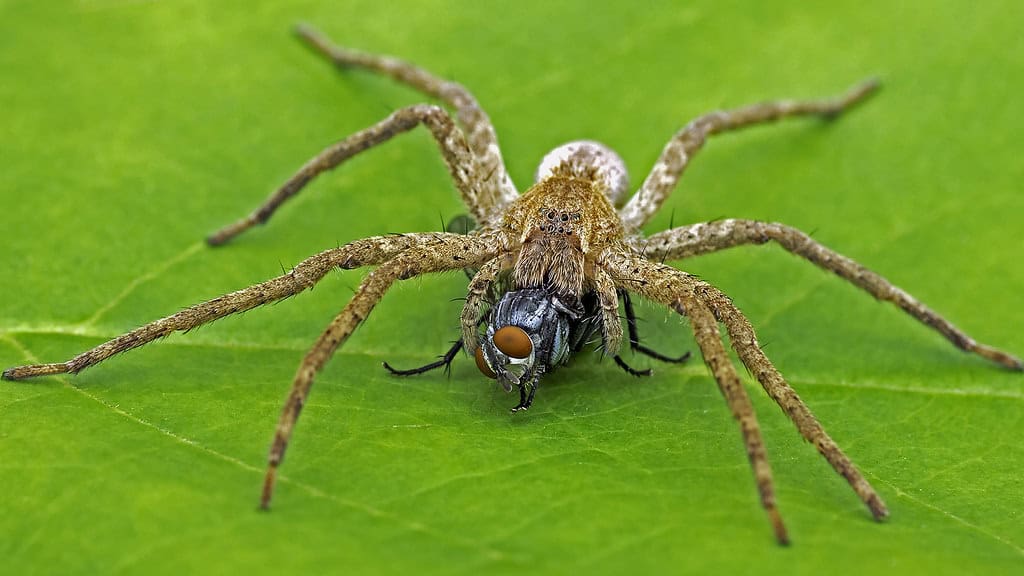
Spiders have evolved some of the most remarkable hunting strategies in the animal kingdom. While we often think of spiders as passive web-builders, many species employ sophisticated deception tactics to capture prey. These arachnid tricksters have developed techniques ranging from visual mimicry to chemical lures and behavioral manipulation. Their hunting methods demonstrate the incredible evolutionary adaptations that have allowed these eight-legged predators to thrive for over 300 million years.
In this article, we’ll explore ten extraordinary spider species that have mastered the art of deception. Each has developed unique strategies that exploit their prey’s weaknesses, whether through camouflage, mimicry, or specialized hunting behaviors. These fascinating adaptations not only reveal the ingenuity of evolution but also provide scientists with valuable insights into predator-prey dynamics and the development of complex behaviors in arthropods.
The Bolas Spider: Nature’s Fly Fisher
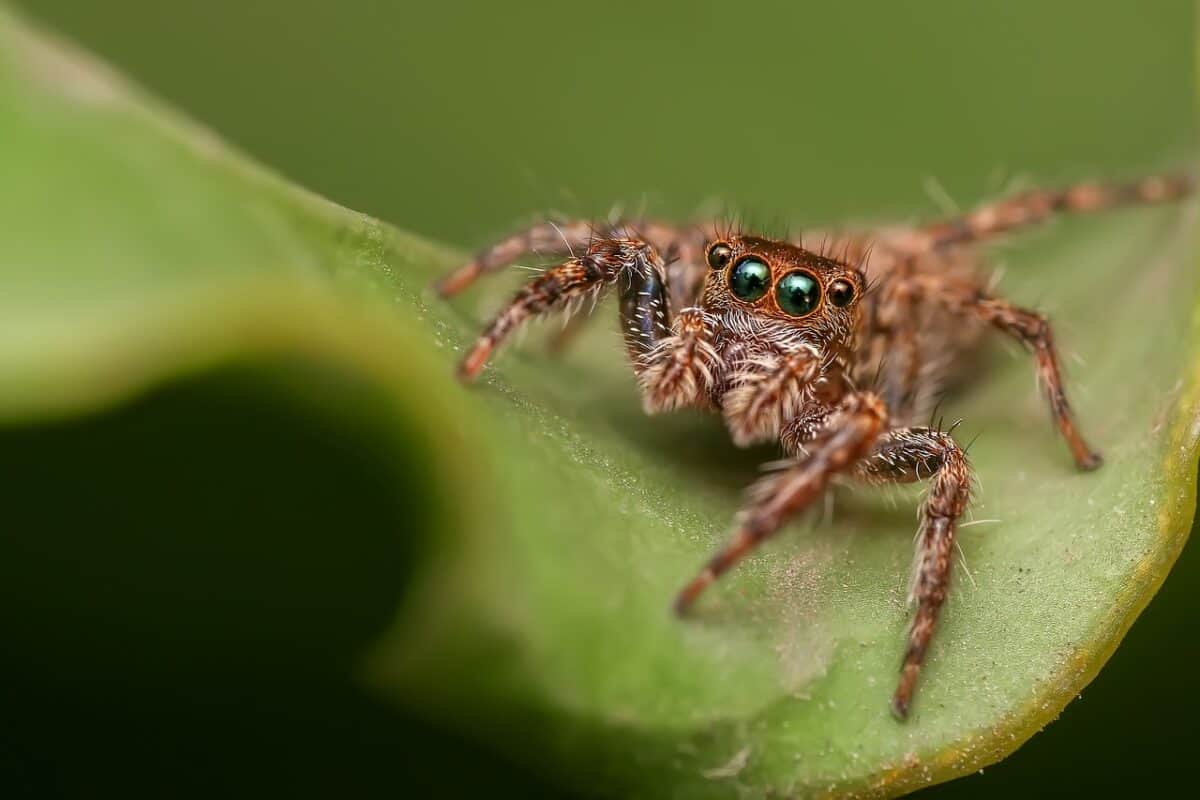
The bolas spider (Mastophora species) has earned its nickname as “the angler of the insect world” through its remarkable hunting technique. Instead of spinning a traditional web, this clever arachnid creates a single silk thread with a sticky blob at the end—resembling the bolas weapon used by South American gauchos. What makes this strategy truly deceptive is how the spider attracts its prey. The bolas spider produces chemicals that mimic the sex pheromones of female moths, effectively luring male moths directly to their doom.
When a moth approaches, attracted by what it believes is a potential mate, the spider swings its sticky bolas with remarkable accuracy, ensnaring the unsuspecting victim. This chemical mimicry is so sophisticated that different bolas spider species can produce different pheromone blends to attract specific moth species. The precision of this hunting method allows the spider to conserve energy by not building elaborate webs while still capturing the protein-rich prey it needs for survival.
Portia: The Spider-Hunting Genius
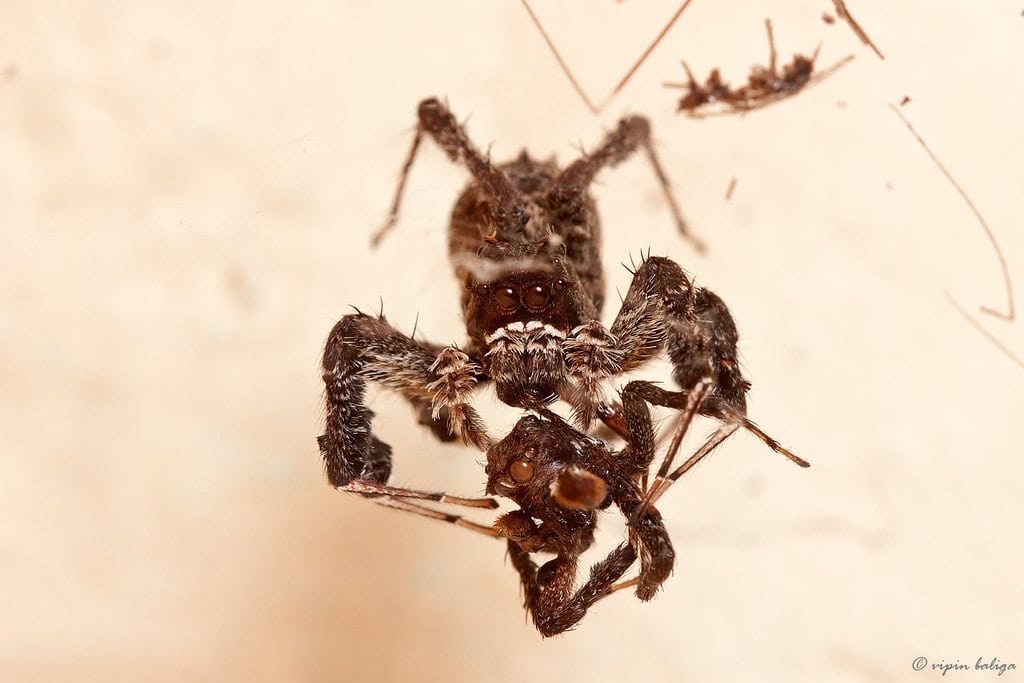
Portia spiders, members of the jumping spider family Salticidae, are perhaps the most intellectually sophisticated of all arachnids. These small but remarkable hunters specialize in preying on other spiders—a dangerous game that requires exceptional trickery. Portia employs a variety of deceptive techniques, including mimicking the vibrations of insects caught in webs to lure out the resident spider. They can improvise and adjust these vibrations based on the responses of their prey, demonstrating problem-solving abilities rarely seen in invertebrates.
What makes Portia truly extraordinary is its ability to plan complex hunting routes that temporarily take it out of sight of its prey—suggesting a level of spatial awareness and foresight previously thought impossible in spiders. Their large brains (relative to body size) support these cognitive abilities, allowing them to outthink their spider prey. Research has shown that Portia can learn from experience and adapt its hunting strategies based on previous encounters, making it one of the most fascinating examples of arachnid intelligence and deceptive hunting.
The Hawaiian Happy Face Spider: Masters of Camouflage
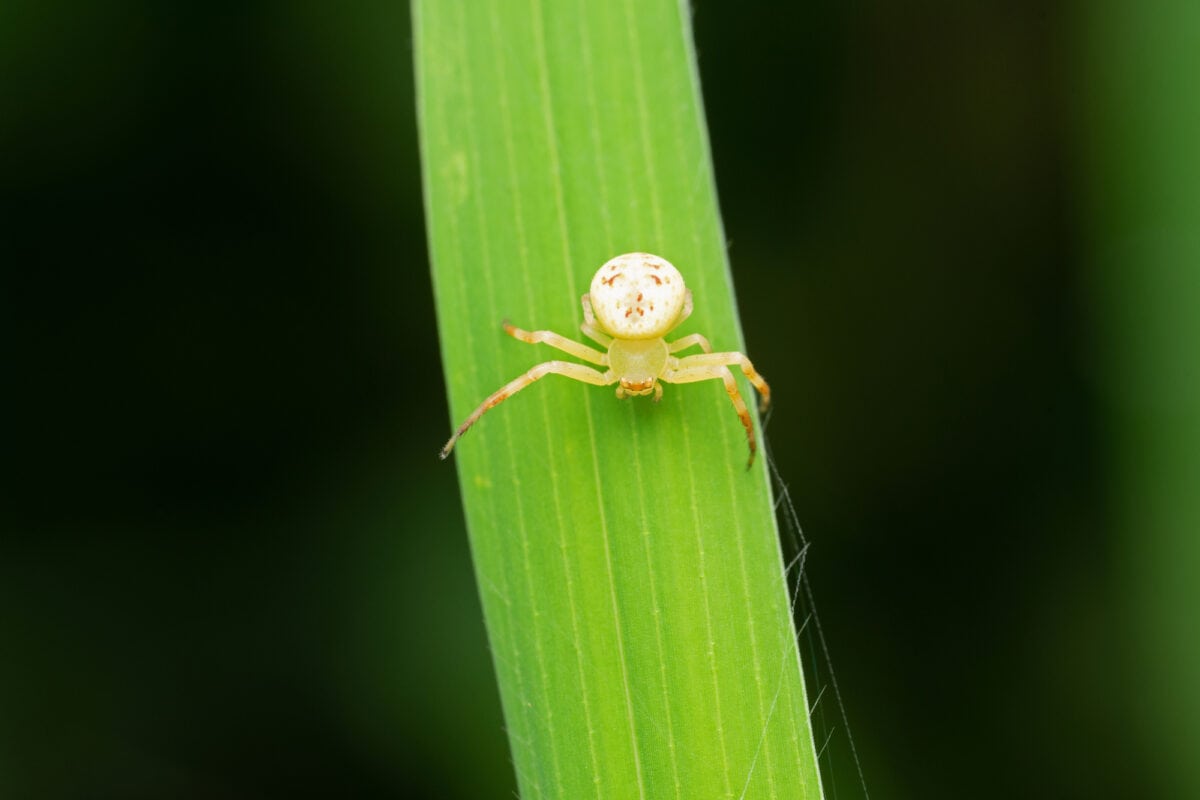
The Hawaiian happy face spider (Theridion grallator) employs visual deception through its remarkable camouflage abilities. These tiny spiders, measuring just a few millimeters across, are found exclusively in the Hawaiian islands and have developed an ingenious method of hiding in plain sight. Their translucent yellow bodies blend perfectly with the undersides of leaves where they typically reside. What makes these spiders particularly interesting is the variety of patterns on their abdomens—including markings that resemble smiling faces, hence their common name.
This camouflage serves two deceptive purposes: it helps the spider hide from potential predators and allows it to ambush small insects that land on the leaves. The happy face spider lies in wait, perfectly disguised against the leaf surface, until prey wanders close enough to capture. Scientists believe that the diverse patterns on these spiders may serve as a form of apostatic selection—reducing the chance that predators will recognize them as prey by preventing the formation of a specific “search image.” This effective deception strategy has helped these small hunters survive in the isolated Hawaiian ecosystem.
The Bird-Dropping Spider: Disgusting Disguise

The bird-dropping spider (Celaenia excavata) from Australia has developed one of the most unappetizing but effective forms of disguise in the spider world. As its name suggests, this spider closely resembles bird excrement—complete with a white, lumpy appearance and dark spots. This visual deception works on multiple levels: birds avoid what appears to be their own waste, while insects that might normally recognize a spider as a threat are fooled by the convincing disguise. During daylight hours, the spider remains motionless in its disguise, typically on leaves or branches where bird droppings would naturally occur.
At night, the bird-dropping spider switches to an active hunting strategy that employs chemical trickery. Similar to the bolas spider, it releases pheromones that mimic female moths to attract males. However, unlike the bolas spider, when a moth approaches, the bird-dropping spider simply grabs it with its front legs. This dual deception strategy—visual mimicry by day and chemical luring by night—makes this species a particularly successful hunter. The evolution of such elaborate mimicry demonstrates the powerful selective pressures that have shaped spider hunting strategies over millions of years.
The Ant-Mimicking Spider: Infiltrating Colonies
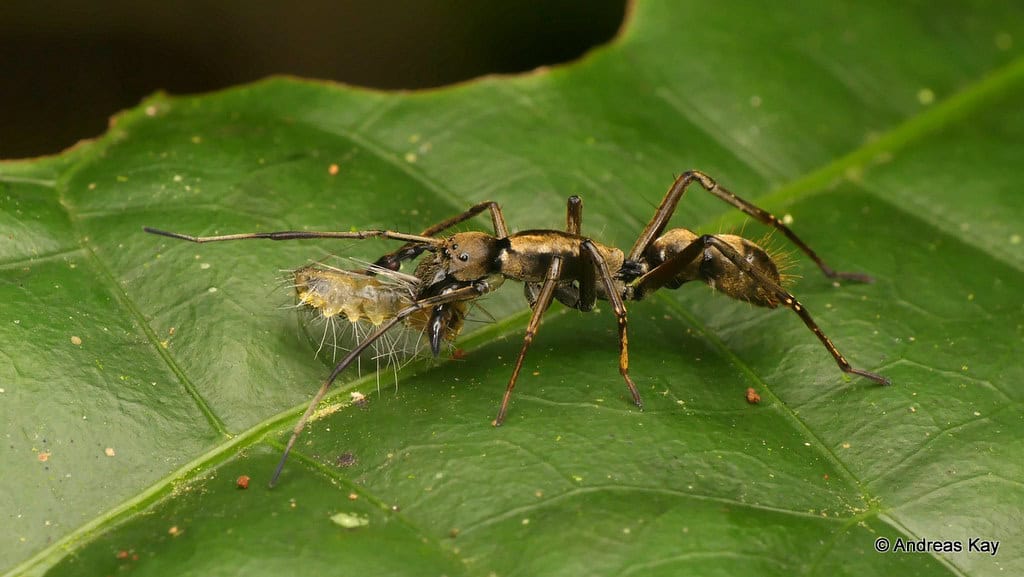
Several spider species, particularly in the family Salticidae (jumping spiders), have evolved to closely resemble ants in both appearance and behavior. The Myrmarachne genus contains some of the most convincing ant mimics, with modified body shapes that appear to have three body segments instead of the typical two of spiders. They even hold their front pair of legs aloft while walking, creating the illusion of antennae. This visual deception allows these spiders to move freely among ants, which are typically aggressive toward intruders but are fooled by the spider’s disguise.
The trickery serves multiple purposes. First, it provides protection from predators that avoid ants due to their defensive capabilities and often unpalatable taste. Second, and more deceptively, it allows the spiders to hunt prey that would normally be wary of spiders but not of ants. Some ant-mimicking spiders specifically target ant-tending insects like aphids, approaching them under the guise of being a harmless ant before attacking. The mimicry is so precise that these spiders even adopt the jerky, erratic movement patterns characteristic of ants, completing the illusion and demonstrating the remarkable precision of evolutionary adaptations for deceptive hunting.
The Ogre-Faced Spider: Nighttime Net Caster

The ogre-faced spider (Deinopis species) employs a unique form of active hunting deception that has earned it the nickname “net-casting spider.” This unusual arachnid has enormous, forward-facing eyes that provide excellent night vision—a key adaptation for its hunting strategy. During the night, the ogre-faced spider hangs upside down from a frame of silk threads and constructs a small, rectangular web between its front legs. This web, made of particularly elastic and sticky silk, serves as a portable hunting net rather than a stationary trap.
The deceptive element comes into play as the spider waits motionless above areas where insects frequently travel. When prey passes underneath, the spider stretches the net to two or three times its relaxed size and drops it onto the unsuspecting victim, entangling it instantly. What makes this strategy particularly tricky is that the spider can accurately launch its attack in complete darkness, using specialized hairs on its legs to detect the slightest air movements from passing insects. Some species even create “bait” by dropping small pieces of debris onto the ground below, attracting insects that are then captured. This combination of sensory adaptation, specialized web construction, and active hunting makes the ogre-faced spider one of the most sophisticated arachnid tricksters.
The Crab Spider: Floral Ambush Predator

Crab spiders (family Thomisidae) are masters of camouflage and patience, employing a sit-and-wait hunting strategy that relies entirely on deception. These spiders, named for their crab-like appearance and sideways walking ability, possess the remarkable capability to change color over several days to match the flower they’re sitting on—typically ranging from white to yellow to pink. This chromatic adaptation allows them to blend almost perfectly with their floral perches, becoming invisible to both predators and prey.
The trickery becomes lethal when pollinators such as bees, butterflies, and flies visit the flower, completely unaware of the hidden predator. The crab spider waits motionless, often positioned near the center of the flower where nectar-seeking insects will inevitably visit. When prey comes within reach, the spider quickly grabs it with its powerful front legs. Some research suggests that certain crab spider species may enhance their deception by reflecting ultraviolet light patterns that actually attract bees to the flowers they occupy, essentially using the flower’s own advertising system to lure in their prey. This sophisticated integration of camouflage and habitat exploitation demonstrates how evolution has refined these spiders’ deceptive hunting techniques.
The Trapdoor Spider: Underground Ambush
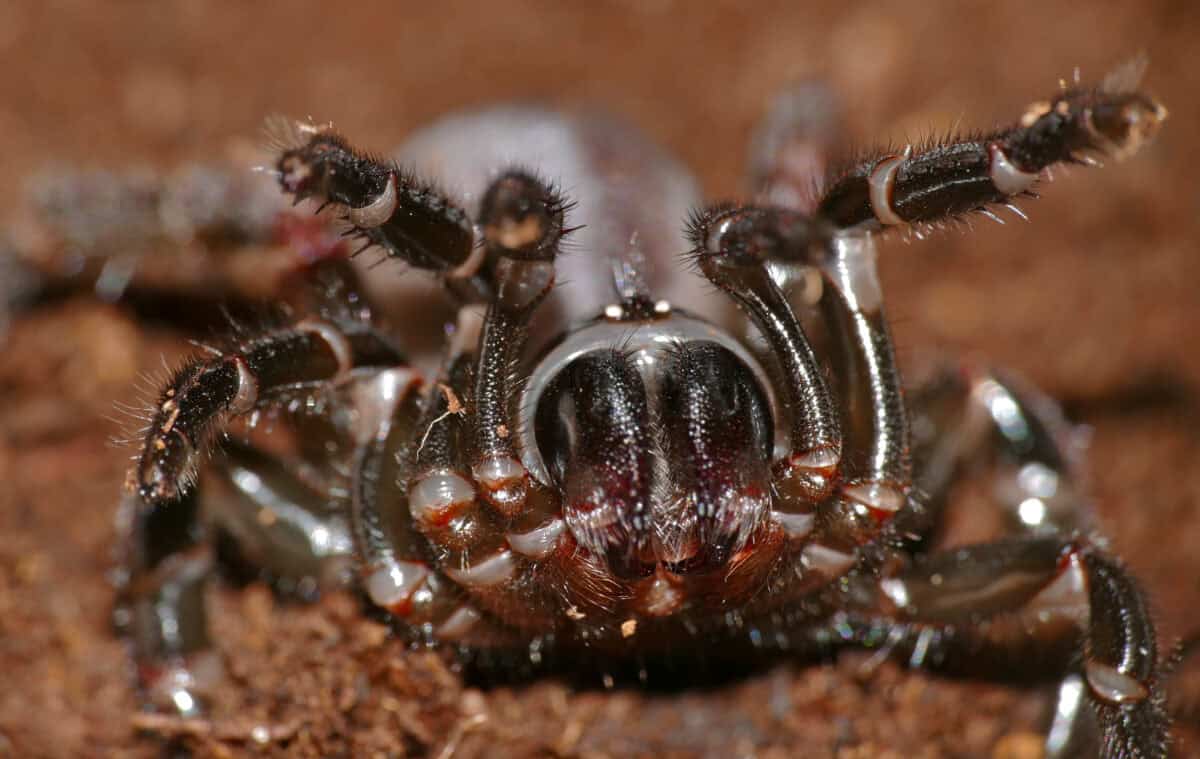
Trapdoor spiders (family Ctenizidae and related families) have perfected the art of the surprise attack through an elaborate form of environmental deception. These spiders construct silk-lined burrows in the ground, capped with a camouflaged door made from soil, vegetation, and silk. The door is hinged with silk and blends so perfectly with the surrounding terrain that it becomes virtually invisible to passing insects and other arthropods. Some species enhance this camouflage by adding lichens or moss to the trap door’s exterior, matching the surrounding ground cover precisely.
The deceptive strategy works through a combination of camouflage and sensory trickery. The spider waits just inside the closed door, monitoring the outside world through a series of sensitive silk “trip lines” that radiate out from the burrow entrance. When an unsuspecting creature disturbs these threads, the spider receives instant tactile information about the location and size of potential prey. It then explosively bursts from the hidden door, grabs its victim, and retreats back into the burrow—all in a fraction of a second. This combination of environmental engineering, sensory adaptation, and lightning-fast reflexes makes the trapdoor spider one of nature’s most effective ambush predators, relying entirely on deception for its hunting success.
The Spitting Spider: Ballistic Web Shooter

Spitting spiders (family Scytodidae) employ a hunting strategy that combines deception with remarkable biological weaponry. Unlike most spiders that either build webs or actively chase prey, spitting spiders have evolved specialized venom glands in their cephalothorax that produce a mixture of venom and sticky silk. When hunting, these spiders approach potential prey slowly and cautiously, maintaining a specific distance. The deceptive element comes from their slow, non-threatening approach, which often doesn’t trigger escape responses in their prey.
Once within range (typically about 1-2 centimeters), the spitting spider launches its attack by rapidly contracting these glands, forcefully ejecting a zig-zagging spray of venomous silk that effectively immobilizes the prey. This silk hardens almost instantly, pinning the victim in place. The spitting action is so rapid that it’s almost impossible for prey to react in time—the spider can cover its target in a venomous web in just a few milliseconds. The venom in the mixture begins paralyzing the prey immediately, allowing the spider to approach safely and deliver a killing bite. This unique combination of stealthy approach and specialized biological adaptation represents one of the most unusual deceptive hunting strategies in the spider world.
The Golden Orb Weaver: Master of Invisible Architecture

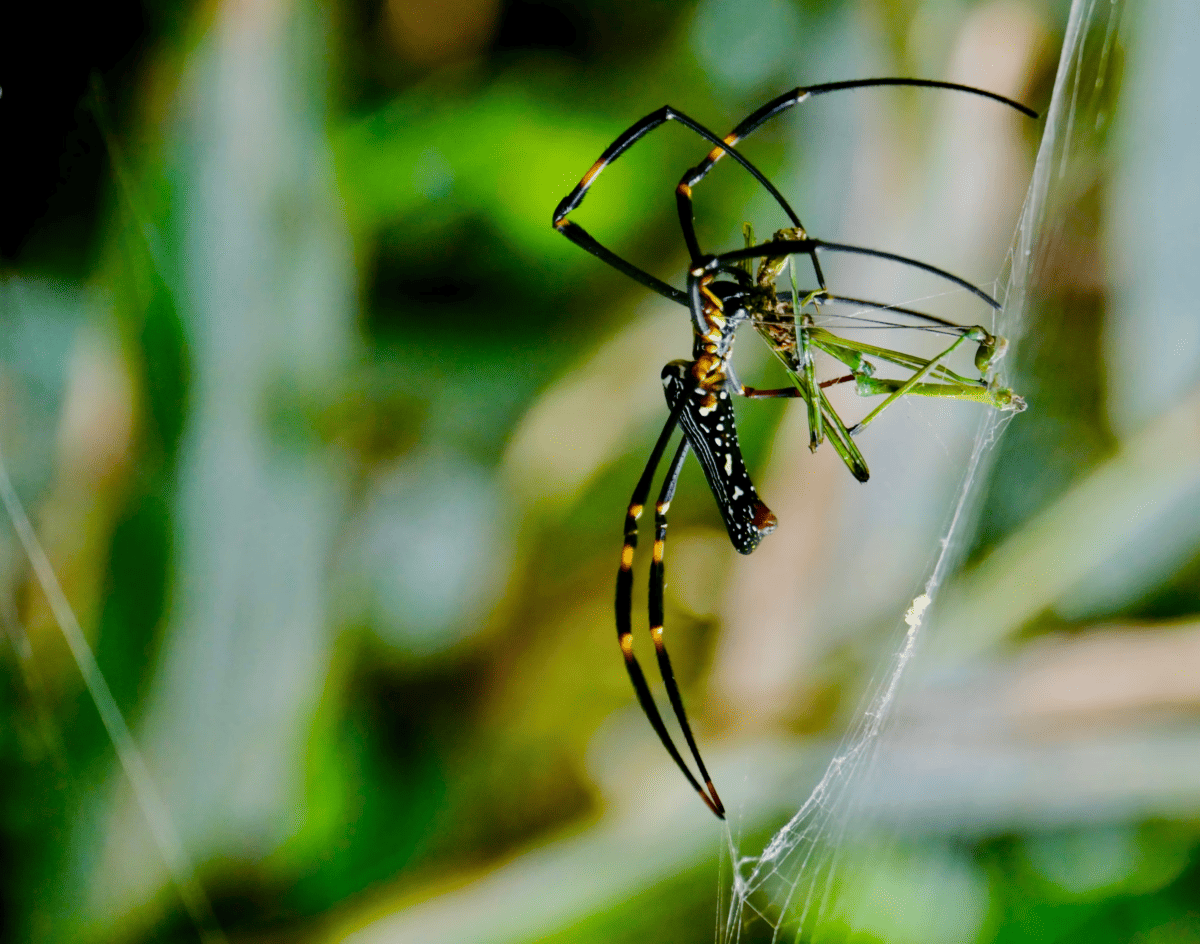
Golden orb weavers (genus Nephila) employ a form of visual deception that takes advantage of insect vision and flight patterns. These large, impressive spiders construct massive orb webs that can span several feet in diameter. What makes their webs deceptive is the unique golden-yellow color of their silk—a property that makes the webs difficult for insects to see against certain backgrounds and lighting conditions. Research has shown that this golden silk reflects ultraviolet light in patterns that may actually attract certain insects, effectively luring them into the trap.
The deception goes beyond just web coloration. These spiders strategically position their webs in flight corridors between trees or across open spaces, intercepting flying insects following these natural pathways. Additionally, the silk of golden orb weavers has unique mechanical properties, being extremely strong yet having precisely calibrated adhesive qualities—strong enough to trap prey but not so sticky that larger, more powerful insects can’t be captured. The web’s design includes a denser central area for capturing prey and a looser outer structure that absorbs impact energy, preventing web breakage when large insects fly into it. This sophisticated architectural deception, combined with silk properties specifically evolved to maximize prey capture, demonstrates how golden orb weavers have refined their hunting strategy over millions of years of evolution.
The Evolution and Significance of Spider Deception
The remarkable diversity of deceptive hunting strategies employed by spiders illustrates the power of natural selection in shaping predatory adaptations. These trickery techniques have evolved independently multiple times across different spider families, demonstrating convergent evolution toward effective deception. From chemical mimicry to visual camouflage, from behavioral manipulation to specialized hunting tools, spiders have developed an impressive arsenal of deceptive techniques that maximize their hunting success while minimizing energy expenditure and personal risk.
These deceptive strategies offer valuable insights for various scientific fields. Biomimetic researchers study spider silk and hunting techniques for potential applications in materials science and trap design. Behavioral ecologists examine these predator-prey interactions to better understand coevolutionary arms races. Conservation biologists recognize that these specialized hunting strategies often indicate a spider’s ecological niche, making them vulnerable to habitat disruption. By appreciating the sophisticated deception employed by these eight-legged hunters, we gain not only a deeper understanding of evolutionary processes but also a greater respect for the complexity and ingenuity of nature’s solutions to the universal challenge of survival.

From exploring the marine wonders in the Azores and witnessing the vast savannas of Kenya, to delving deep into the rich biodiversity of South Africa and traversing iconic landscapes in Australia and the US like Yellowstone, Chris's experiences are vast.
With a penchant for diving alongside sharks, the ocean holds a special place in his heart.
Through his academic insights, he champions wildlife conservation, striving with 'Animals Around The Globe' to cultivate a profound connection between humans and animals, enhancing our mutual appreciation.
Connect with him at Feedback@animalsaroundtheglobe.com.
- Why Spiders Don’t Get Stuck in Their Own Webs - July 20, 2026
- What Scientists Found in a 10,000-Year-Old Beehive - July 20, 2026
- This Spider Builds Fake Decoys of Itself - July 20, 2026