

When “Finding Nemo” splashed onto cinema screens in 2003, it introduced millions of people worldwide to the charismatic orange clownfish. The lovable Nemo, with his vibrant orange body and distinctive white stripes, captured hearts and sparked widespread interest in these fascinating marine creatures. But how accurately did Pixar portray the appearance of real clownfish? Are they really that brilliantly colored in their natural habitat? This question has intrigued many, from casual moviegoers to serious marine enthusiasts.
The truth about clownfish coloration is both fascinating and more complex than the animated version suggests. While real clownfish are indeed colorful, their exact appearance varies significantly across species and habitats. This article explores the reality behind the fictional Nemo’s vibrant hues, diving into the biology, ecology, and diversity of actual clownfish species. By understanding the true nature of these remarkable fish, we can appreciate both the artistic liberties taken by animators and the natural wonder of these iconic reef-dwelling creatures.
The Biology Behind Clownfish Coloration
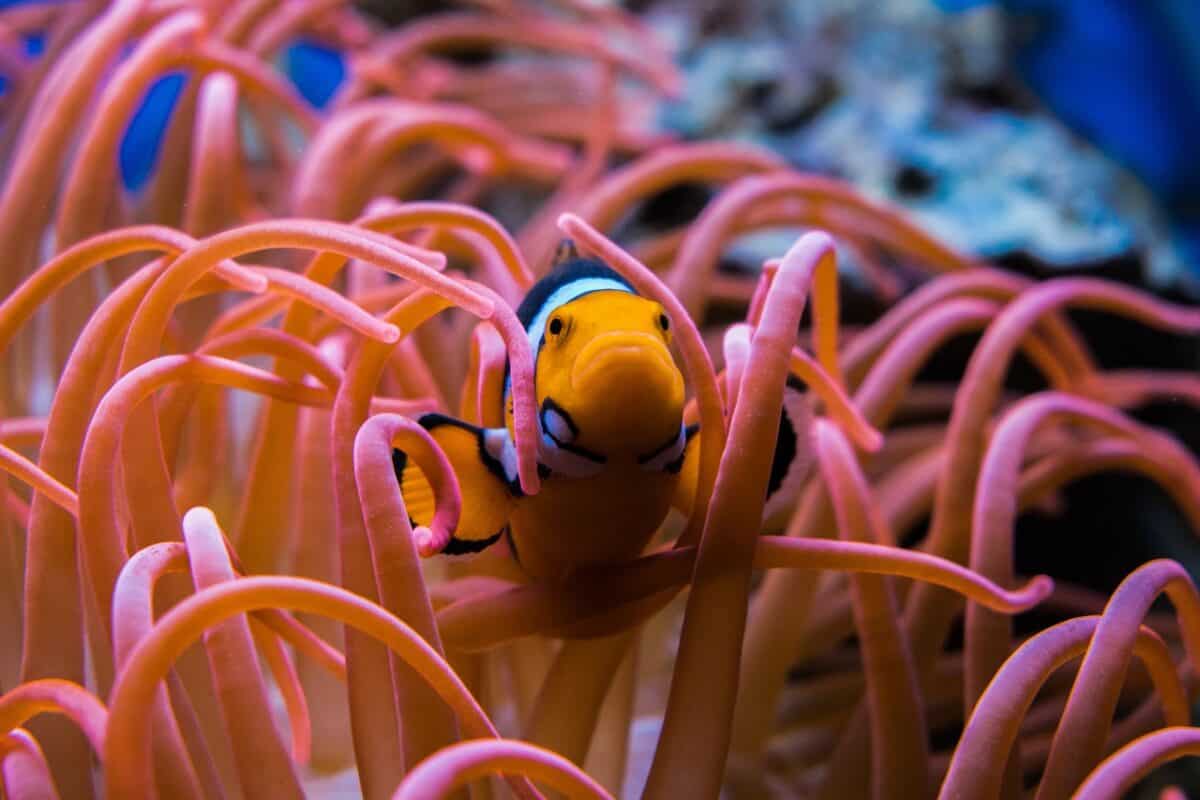
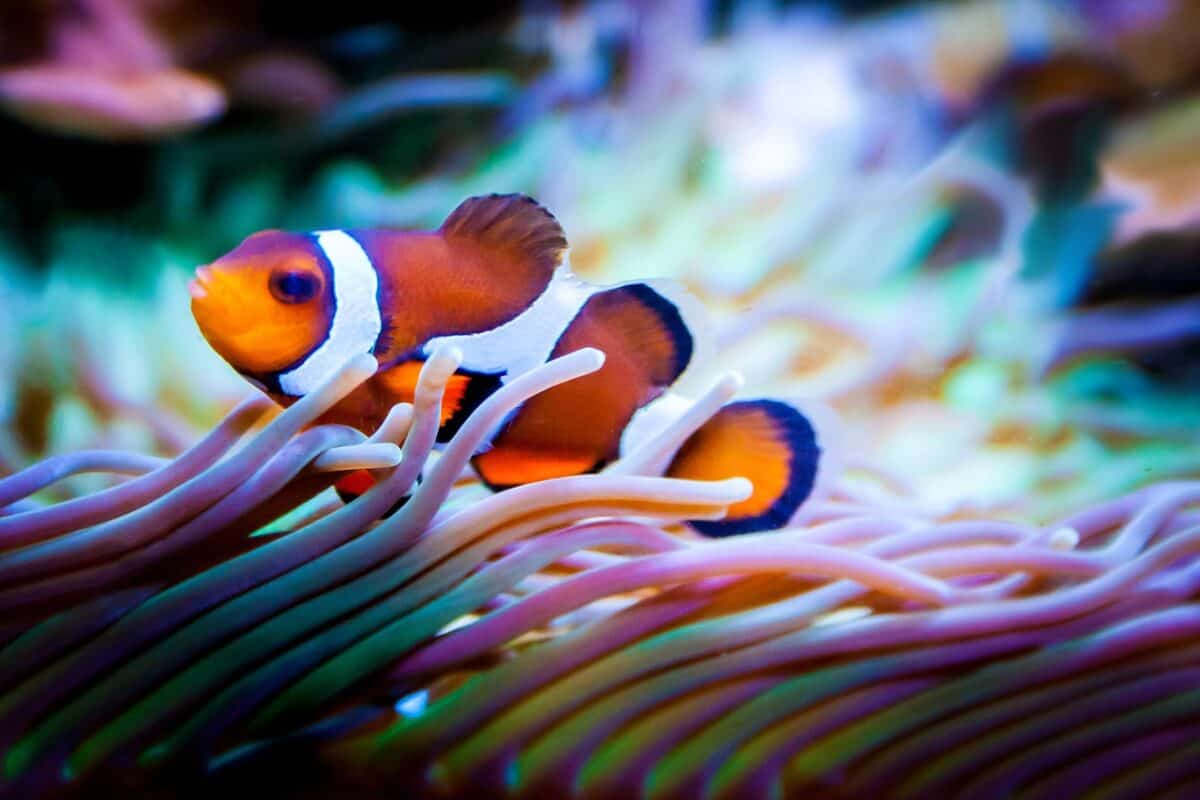
Real clownfish derive their distinctive coloration from specialized pigment cells called chromatophores. These cells contain various pigments that reflect and absorb different wavelengths of light, creating the characteristic patterns and colors we associate with clownfish. The most common clownfish species, Amphiprion ocellaris (the species Nemo was based on), typically displays an orange to reddish-brown body with three white vertical bands outlined in black. This coloration isn’t just for show—it serves several important biological functions.
The pigmentation of clownfish is determined by both genetics and environmental factors. Their diet plays a crucial role in maintaining their vibrant colors, as certain nutrients contribute to pigment production. Additionally, exposure to specific wavelengths of light in their natural habitat enhances color expression. While animations like “Finding Nemo” may slightly exaggerate the brightness of clownfish colors for artistic effect, the basic pattern and scheme are remarkably accurate representations of their real-life counterparts.
Comparing Nemo to Amphiprion ocellaris
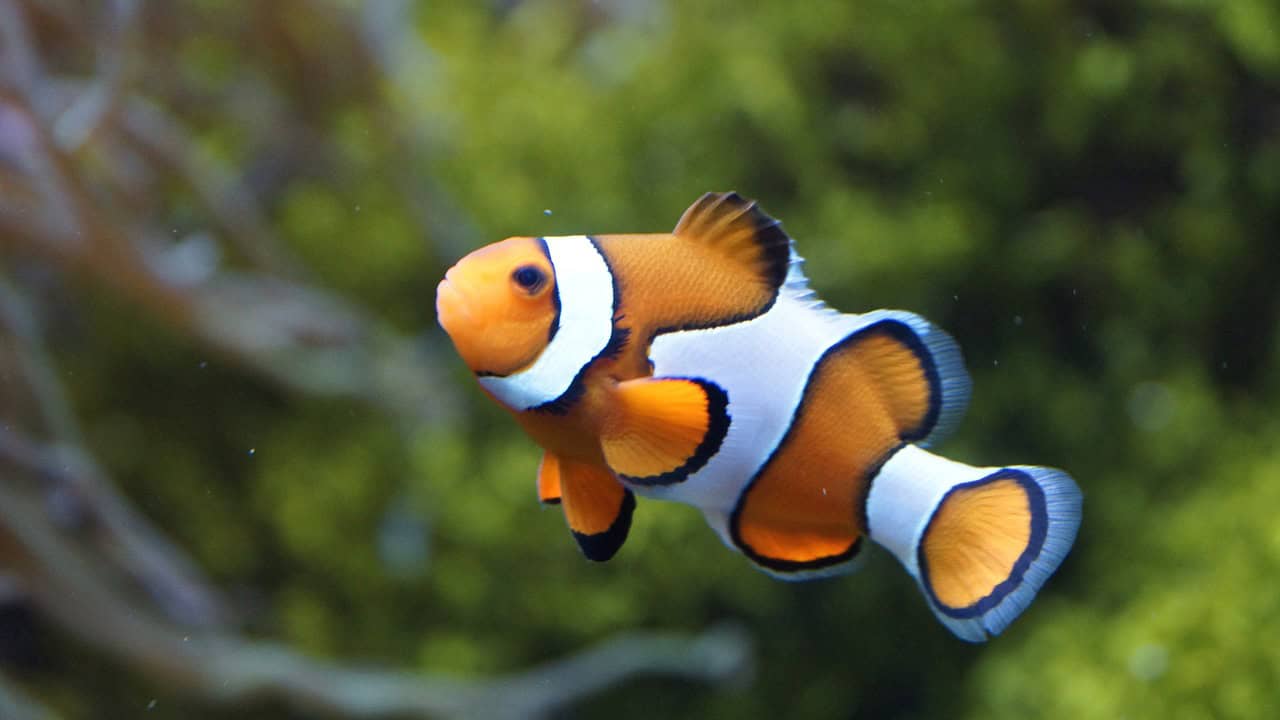
Nemo’s character design was primarily based on the Ocellaris Clownfish (Amphiprion ocellaris), also known as the False Percula Clownfish. In comparing the animated character to the actual species, Pixar’s portrayal was surprisingly faithful in many respects. Real Ocellaris Clownfish do feature the iconic orange body with three white stripes bordered by thin black lines. However, the animation enhanced the vibrancy and contrast of these colors, making Nemo appear more vivid than most wild specimens typically look underwater.
One noticeable difference is the intensity of the orange coloration. While Nemo displays a bright, almost luminous orange throughout the film, real Ocellaris Clownfish tend to have a slightly more subdued orange-to-reddish-brown coloration, especially in certain lighting conditions or specific habitats. The white bands on actual clownfish also vary more in width and definition than the perfectly symmetrical bands on Nemo. These minor differences, while present, don’t detract from the overall accuracy of the portrayal—Pixar simply enhanced natural features to create a more visually striking character.
The Diversity of Clownfish Species and Colors
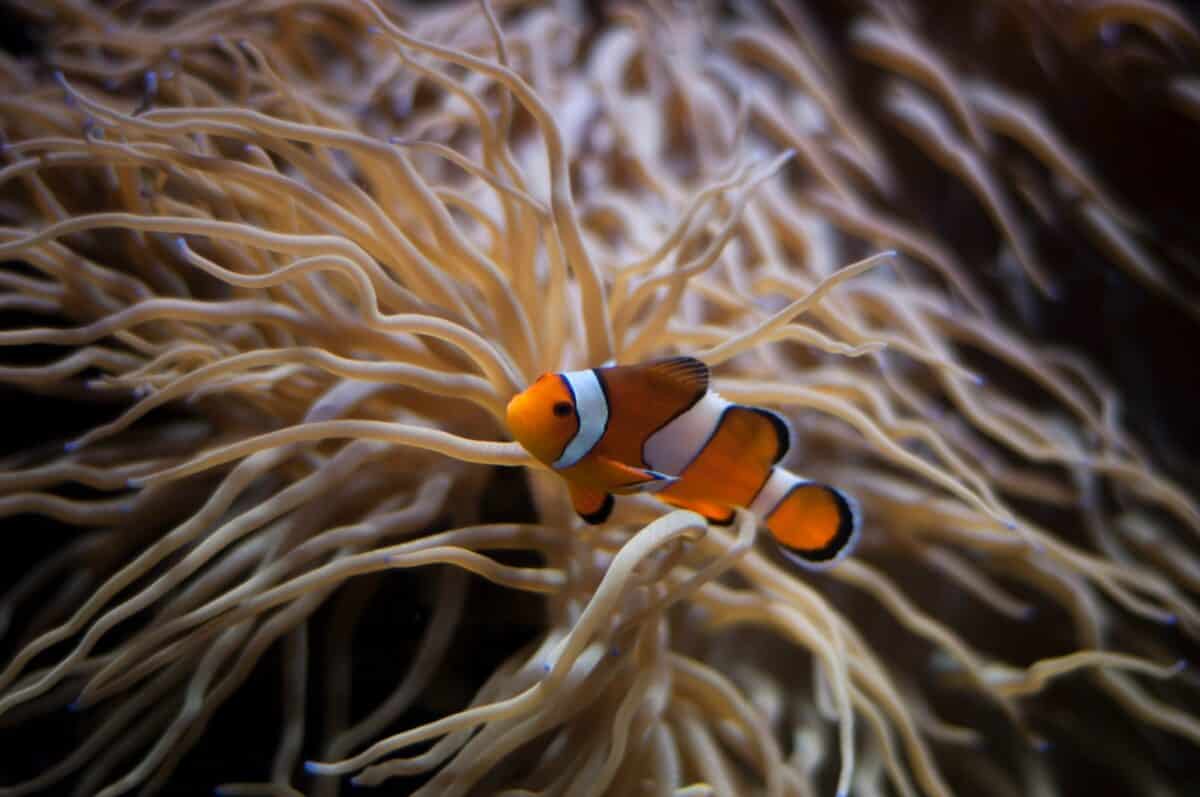
While “Finding Nemo” focused on the orange-and-white variety, the clownfish family (Pomacentridae) includes approximately 30 recognized species with remarkable diversity in coloration patterns. From the vivid orange of the Common Clownfish to the striking black and white of the Black Percula, clownfish display an impressive range of colors. Some species, like Amphiprion perideraion (the Pink Skunk Clownfish), feature delicate pink bodies with a single white stripe, while others like Premnas biaculeatus (the Maroon Clownfish) boast deep maroon coloration with distinctive white stripes.
Geographic distribution significantly influences clownfish coloration, with different species adapted to specific regions throughout the Indo-Pacific. Even within the same species, coloration can vary based on location. For instance, Amphiprion ocellaris specimens from different regions of the Coral Triangle may display subtle variations in the intensity of their orange coloration or the width of their white bands. This natural diversity far exceeds what a single animated character could represent, showcasing nature’s incredible palette in these beloved marine fish.
How Habitat Affects Clownfish Appearance
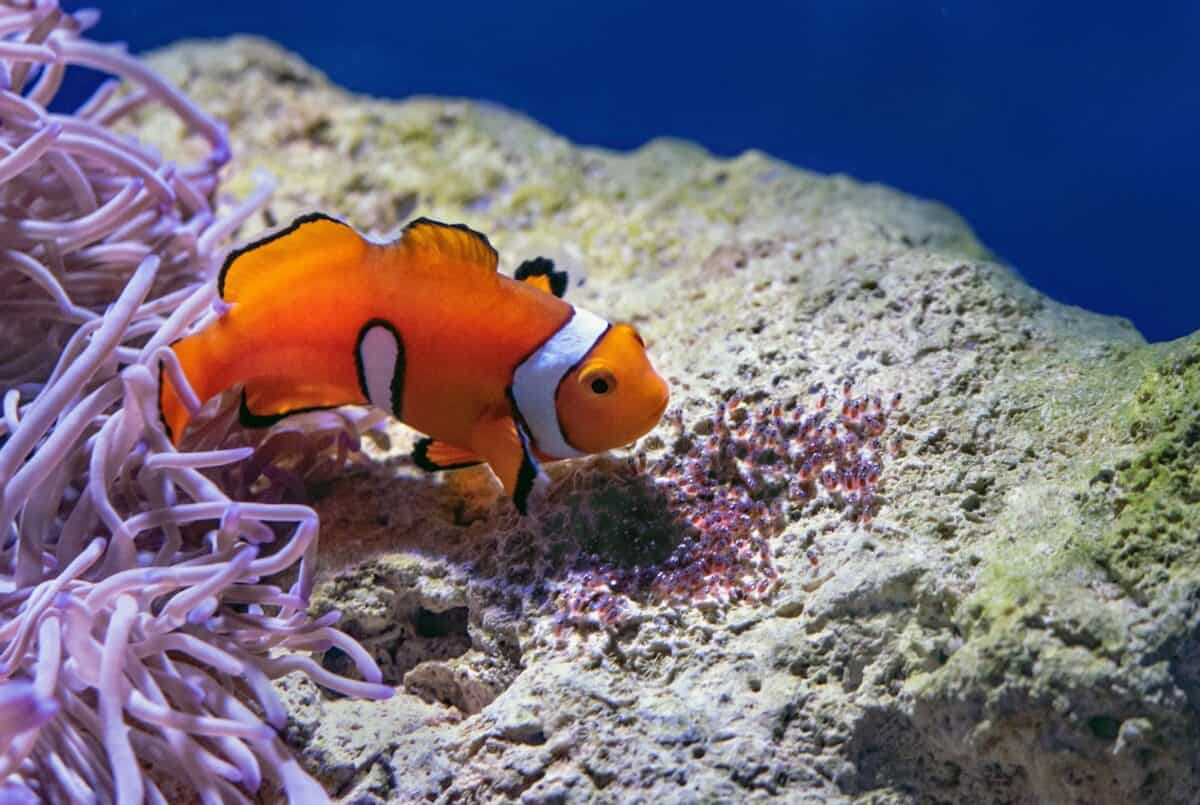
The natural environment plays a crucial role in how clownfish appear in the wild. Water clarity, depth, and light penetration all significantly impact how we perceive their coloration. In shallow, clear waters with ample sunlight, clownfish often appear more vibrantly colored than their counterparts living in deeper or murkier waters. This is partly due to how light interacts with their pigmentation and partly because fish in different environments may develop slightly different colorations as adaptations to their specific habitats.
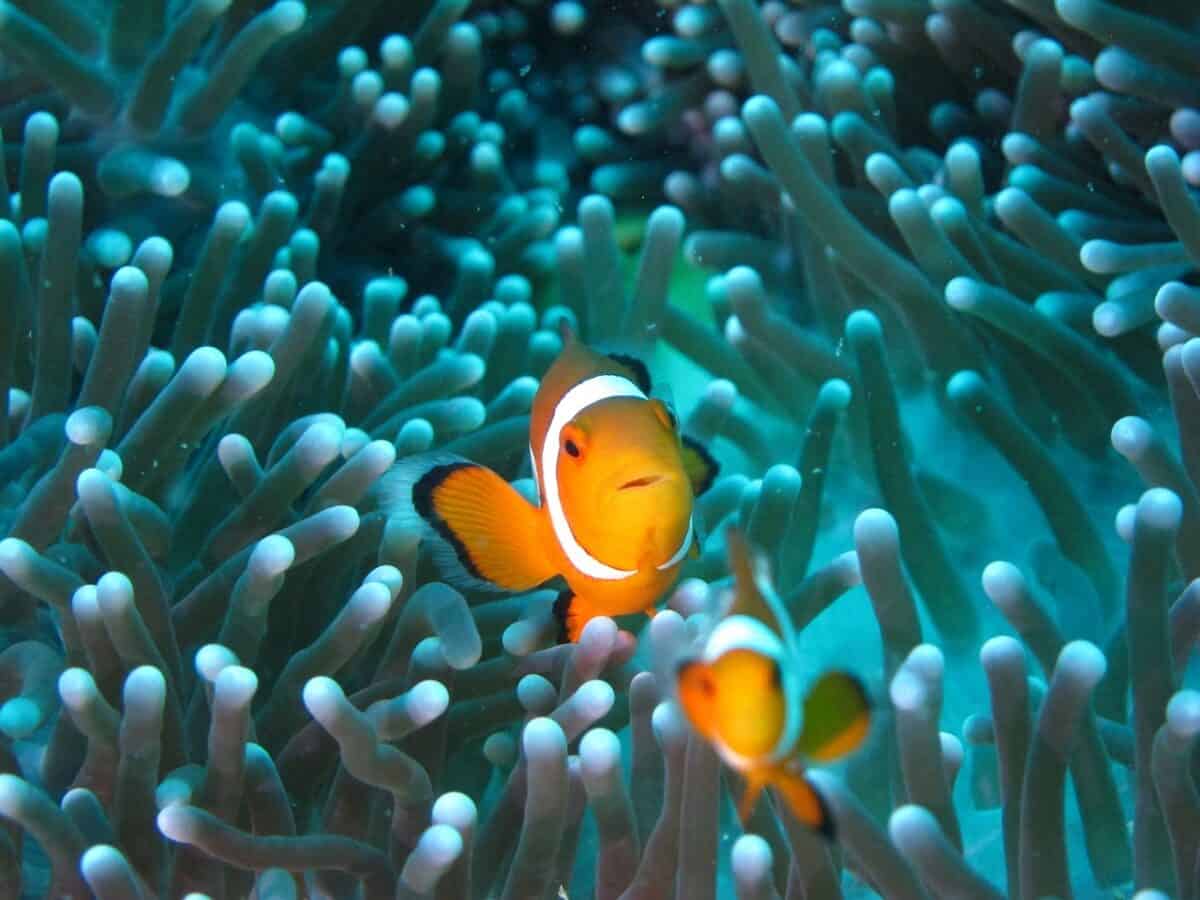
The species of anemone a clownfish inhabits also influences how its colors appear. Clownfish live in symbiotic relationships with specific anemone species, and the contrast between the fish’s bright colors and the host anemone’s tentacles can either enhance or diminish the visual impact of the fish’s coloration. For example, an orange clownfish will appear particularly vibrant against the backdrop of a light-colored anemone like Heteractis magnifica, while the same fish might seem less striking against a brownish anemone. This natural context is something that animated portrayals necessarily simplify for storytelling purposes.
The Purpose of Clownfish Coloration in Nature

The distinctive coloration of clownfish serves several important ecological functions beyond mere aesthetics. One primary purpose is predator deterrence—their bright colors act as aposematic (warning) coloration, signaling to potential predators that they are associated with the stinging tentacles of anemones. This natural “danger” signal helps protect clownfish from being eaten, as predators learn to associate these bright patterns with an unpleasant experience. Additionally, the high-contrast patterns may provide some camouflage among anemone tentacles, especially when viewed from a distance.
Clownfish coloration also plays a vital role in social interactions and species recognition. The specific patterns help clownfish identify members of their own species for mating and territorial purposes. Within a clownfish community living in a single anemone, subtle variations in coloration can indicate hierarchical status, with dominant females often displaying more intense coloration than subordinate males and juveniles. These natural functions highlight how the eye-catching appearance of clownfish has evolved for survival advantages rather than simply to delight human observers.
How Clownfish Colors Change Throughout Life

Unlike their portrayal in animation, real clownfish undergo several color changes throughout their lifespan. Juvenile clownfish often appear differently from adults, typically displaying less defined patterns and less intense coloration. As they mature, their characteristic stripes become more pronounced and their base coloration more vibrant. This developmental change in appearance helps marine biologists identify the age and maturity level of clownfish in the wild. In some species, these changes can be quite dramatic, with juveniles looking almost like different species compared to their adult counterparts.
Fascinatingly, clownfish can also experience color changes related to their unique reproductive biology. All clownfish are born male, with the ability to transform into females when social circumstances require it. When a dominant female dies, the largest male in the group undergoes a sex change to become the new breeding female. This transition often accompanies subtle changes in coloration, with breeding females sometimes displaying more intense colors than males. This biological color shifting is far more complex than any changes depicted in animated portrayals, showcasing the remarkable adaptability of these fascinating fish.
Captive Clownfish: Colors in Aquariums vs. Wild

Clownfish kept in home aquariums often display colors that differ from their wild counterparts. In many cases, captive-bred clownfish appear more vibrantly colored than wild specimens—sometimes approaching the enhanced colors seen in “Finding Nemo.” This increased vibrancy results from several factors, including specialized diets rich in carotenoids and other color-enhancing nutrients, optimal lighting conditions that bring out their colors, and breeding programs that select for more colorful individuals. Some aquarium enthusiasts specifically seek out clownfish with unusually bright or distinctive patterns, leading to the development of various color morphs not commonly found in nature.
However, captive conditions can sometimes have the opposite effect. Clownfish kept in suboptimal aquarium environments may experience stress or nutritional deficiencies that cause their colors to fade or appear dull. The absence of their natural symbiotic anemone partners can also affect their coloration and behavior. This contrast between optimal and suboptimal captive conditions highlights the importance of proper husbandry practices for maintaining the health and natural beauty of these fish. Responsible aquarists strive to recreate conditions that allow their clownfish to display colors comparable to those found in healthy wild populations.
The “Designer” Clownfish Phenomenon

In recent years, the popularity of clownfish in the aquarium trade has led to the development of numerous “designer” varieties with colors and patterns that don’t exist in nature. These include varieties like the “Black Ice” clownfish with predominantly black coloration, “Picasso” clownfish with irregular white patterns, and even “Naked” clownfish that lack stripes entirely. Through selective breeding programs, aquaculturists have created clownfish with colors ranging from platinum white to deep black, with various patterns that wild clownfish never display. Some varieties even glow under certain lighting conditions due to enhanced expression of naturally fluorescent proteins.
While these designer varieties offer fascinating glimpses into genetic manipulation possibilities, they raise important ethical questions about altering natural species for aesthetic purposes. Some critics argue that focusing on unusual appearances may distract from conservation efforts for natural wild populations. Others contend that captive breeding of distinctive varieties reduces pressure on wild populations by satisfying collector demand without removing fish from reefs. Regardless of perspective, these designer clownfish demonstrate how far the reality of clownfish coloration can diverge from both their natural state and their animated representations.
Scientific Research on Clownfish Pigmentation

Marine biologists have conducted extensive research on the mechanisms behind clownfish coloration, revealing fascinating insights into the genetics and biochemistry involved. Studies have identified specific genes that control pattern formation and pigment production in various clownfish species. For example, research published in the journal “Science” has shown that the distinctive white bars on clownfish result from the selective inhibition of pigment cells during development. This precise genetic control ensures the consistency of patterns within species while allowing for the diversity seen across different clownfish varieties.
Beyond genetics, environmental factors significantly influence clownfish coloration through complex biochemical pathways. Water temperature, light exposure, diet, and even stress levels can all affect how genes express themselves in terms of pigmentation. Researchers have discovered that certain carotenoid compounds from the clownfish diet are particularly important for maintaining their orange coloration. These scientific insights not only help explain the natural variations seen in wild clownfish but also inform conservation efforts and aquaculture practices, ensuring that both wild and captive populations maintain their characteristic appearance.
The “Nemo Effect” on Public Perception
The release of “Finding Nemo” dramatically changed how the general public perceives clownfish and their coloration. Prior to the film, clownfish were primarily known to marine enthusiasts and aquarium hobbyists, but Pixar’s portrayal thrust them into the global spotlight. This increased visibility had mixed effects. On one hand, it sparked widespread interest in marine life and reef ecosystems, potentially increasing support for ocean conservation. On the other hand, it created somewhat unrealistic expectations about how vibrantly colored real clownfish appear, especially when viewed underwater without artificial lighting.
The “Nemo Effect” also led to a surge in demand for clownfish in the pet trade, with many people wanting their own brightly colored “Nemo” at home. Initially, this increased collection pressure on wild populations, though the aquaculture industry quickly expanded to meet demand with captive-bred specimens. Interestingly, many first-time clownfish owners reported disappointment that their pets weren’t as brilliantly orange as the animated character, highlighting the gap between artistic representation and biological reality. Despite these misconceptions, the film ultimately succeeded in drawing attention to these remarkable fish and their unique adaptations, including their distinctive coloration patterns.
Conservation Concerns and Clownfish Coloration
The distinctive coloration of clownfish may actually be under threat due to environmental changes affecting coral reef ecosystems. Research suggests that ocean acidification—caused by increasing carbon dioxide absorption—may interfere with clownfish larvae’s ability to detect visual and olfactory cues necessary for finding suitable anemone hosts. Without their anemone partners, clownfish lose not only protection but potentially some of the environmental factors that contribute to their optimal coloration. Additionally, rising ocean temperatures can cause stress that affects pigmentation development in juvenile clownfish.
Climate change and habitat destruction pose further threats to natural clownfish populations and their coloration. Coral bleaching events, which occur when symbiotic algae leave coral tissue due to stress, can affect entire reef ecosystems including anemones that clownfish depend on. As reefs degrade, the specific conditions that have shaped clownfish evolution—including their distinctive coloration—may change dramatically. Conservation efforts focusing on protecting reef habitats and reducing climate impacts are crucial for ensuring that future generations can appreciate the true colors of these iconic fish in their natural settings, not just in animated representations.
Conclusion: The Reality Behind the Animation
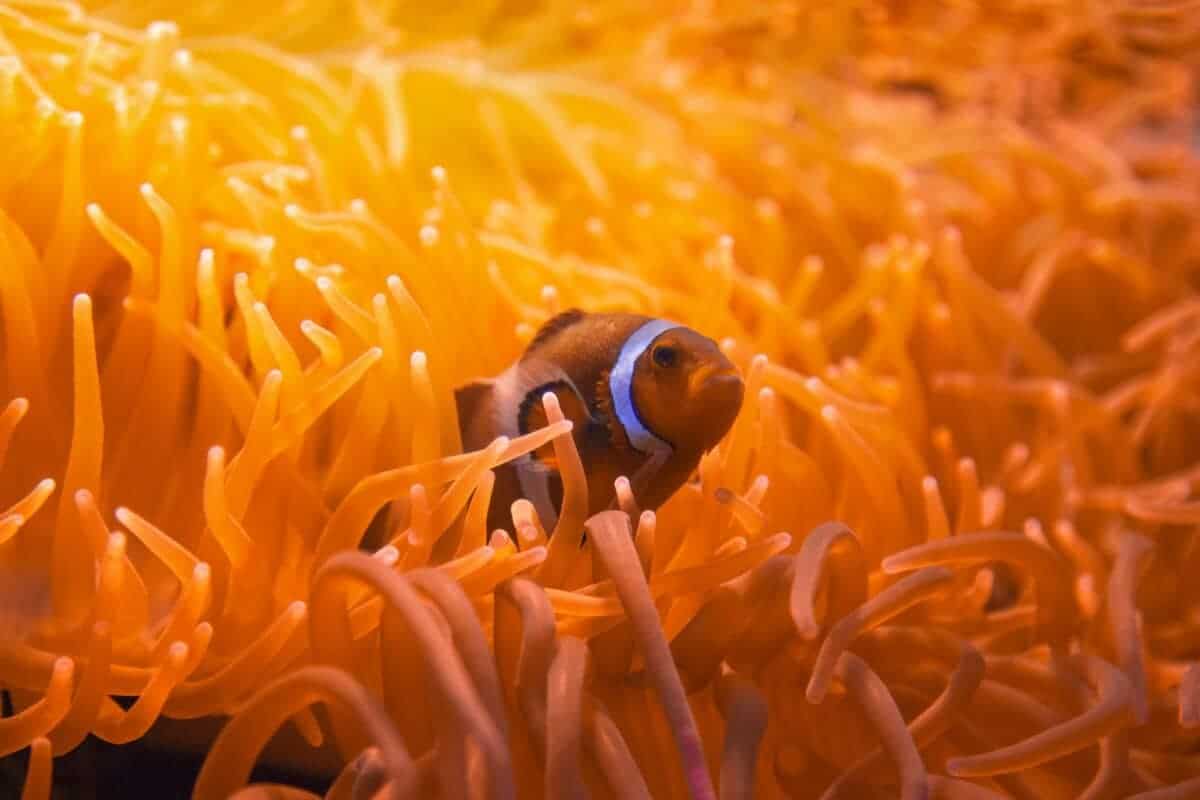
The question “Is a real-life Nemo that colorful?” has a nuanced answer. While Pixar certainly enhanced Nemo’s appearance for artistic and storytelling purposes, they didn’t stray far from biological reality. Real Ocellaris Clownfish do sport vibrant orange bodies with distinctive white stripes, though perhaps not quite as luminescent as their animated counterpart. The differences lie mainly in the intensity and consistency of coloration rather than in the fundamental pattern itself. Pixar captured the essence of clownfish appearance while making artistic choices that made Nemo more visually engaging and emotionally expressive on screen.
Understanding the truth about clownfish coloration enhances rather than diminishes our appreciation for these remarkable creatures. The biological mechanisms, ecological functions, and natural variations in their appearance represent evolution’s artistry at work—a different but equally impressive achievement compared to computer animation. The story of clownfish coloration encompasses genetics, ecology, symbiosis, and adaptation, revealing how nature develops vivid patterns not simply for beauty but for survival purposes.
Perhaps most importantly, recognizing the reality behind Nemo’s colors helps us appreciate both the accuracy and the artistic license in Pixar’s portrayal. Far from misleading audiences, the film inspired millions to learn more about these fascinating fish and the threatened coral reef ecosystems they inhabit. As we face growing environmental challenges to marine habitats, this enhanced awareness may prove as valuable as scientific accuracy in ensuring that real clownfish—in all their natural colorful glory—continue to thrive in oceans around the world for generations to come.

- What Happens If a Whale Dies in the Ocean? - July 21, 2026
- Why You Should Stop Feeding Ducks at the Park - July 21, 2026
- The Secret Language of Dolphins Decoded by Researchers - July 20, 2026